分类: technology

  • LIVE from 11AM: Press Conference with Prime Minister Roosevelt Skerrit 25th March 2026

    LIVE from 11AM: Press Conference with Prime Minister Roosevelt Skerrit 25th March 2026

    Technical Advisory for Live Stream Viewers – A specialized troubleshooting protocol has been issued for audiences attempting to access scheduled live video content. The advisory specifically addresses connectivity issues that may arise during scheduled 11:00 AM broadcasts.

    The streaming infrastructure employs real-time video delivery systems that require stable internet connectivity and periodic page refreshing under certain technical conditions. Viewers encountering blank video players or error messages at the scheduled broadcast time are advised to initiate browser refresh procedures to reestablish connection with the content delivery network.

    This technical guidance applies specifically to scheduled live events commencing at or after the 11:00 AM timeframe across various time zones. The recommendation to refresh browser sessions represents standard practice for resolving temporary connectivity interruptions that may occur between client devices and streaming servers.

    Content delivery platforms typically employ adaptive bitrate streaming technology that automatically adjusts video quality based on available bandwidth. The refresh procedure helps reinitialize this handshake process between the viewer’s device and the media servers, ensuring optimal playback quality once the live feed becomes active.

    Viewers should note that pre-broadcast placeholder images or blank video players are normal during the pre-stream initialization phase. The complete live video feed will automatically populate the viewing interface once the broadcast commences and the streaming encoders activate the signal transmission.

  • Team SVG Robotics secures dominant victory in St. Kitts

    Team SVG Robotics secures dominant victory in St. Kitts

    In an extraordinary display of technological prowess, St. Vincent and the Grenadines has claimed a decisive victory at the 2025 FIRST Global Challenge held in St. Kitts and Nevis from March 16-20. Team SVG Robotics, comprising talented students Rian Veira and Matthew Wilson from the St. Vincent and the Grenadines Community College under the expert guidance of mentor Brodlon Daniel, achieved a historic win that has captured international attention.

    The competition, which focused on addressing critical environmental challenges of land and sea pollution, brought together eight national teams for an intensive three-day robotics challenge. Participants were required to design and program sophisticated robots capable of performing coastal cleanup operations, including collecting sargassum, recycling materials, and systematically sorting debris into specialized storage units.

    Team SVG’s performance was nothing short of spectacular, culminating in an unprecedented point differential that demonstrated their technical superiority. The final standings revealed their overwhelming dominance: St. Vincent and the Grenadines secured first place with 4,653 points, while second-place St. Maarten trailed significantly with 536 points, and Antigua claimed third with 436 points.

    This remarkable achievement represents more than just a competition victory; it signifies a breakthrough moment for Caribbean technological innovation. The team’s success story highlights the powerful combination of youthful talent, dedicated mentorship, and community support that can propel small nations to global recognition in STEM fields.

    Official statements have emphasized that this triumph establishes St. Vincent and the Grenadines as an emerging force in robotics and technological innovation, with the potential to inspire future generations of engineers and scientists throughout the Caribbean region and beyond.

  • Telecoms rebuild networks after storm but warn policy delays slowing roll-out

    Telecoms rebuild networks after storm but warn policy delays slowing roll-out

    In the wake of Hurricane Melissa’s devastating impact, Jamaica’s telecommunications industry is undergoing a massive transformation aimed at fortifying the nation’s digital infrastructure against future climate threats. The Category 5 storm, which initially disabled approximately 70% of the mobile network, has triggered unprecedented investment in network resilience despite facing significant regulatory challenges.

    Digicel has emerged as a frontrunner in reconstruction efforts, allocating US$10 million toward creating a more robust fiber network architecture. Chief Executive Stephen Murad revealed that within just over three months, 98% of the damaged network has been restored. The company’s strategy centers on constructing an island-wide fiber ring connecting major population and economic hubs while expanding underground infrastructure in vulnerable corridors. This approach emphasizes network redundancy, ensuring continuous service even when specific segments experience disruption.

    Beyond physical infrastructure upgrades, telecommunications providers are integrating satellite technology and backup systems to maintain emergency connectivity. Murad emphasized that while satellite serves as a complementary solution rather than primary infrastructure, it provides critical redundancy during crisis situations.

    Despite these technological advances, industry leaders report that bureaucratic obstacles are hampering progress. Charles Douglas, Senior Manager for Government and Regulatory Affairs at Flow, identified permitting delays as a primary constraint, noting that approval bottlenecks frequently disrupt capital investment plans and infrastructure deployment schedules.

    The sector faces additional challenges including stagnant revenues, rising operational costs, and persistent equipment vandalism. Industry estimates indicate that the Caribbean region requires between US$9 billion and US$14 billion to develop advanced, weather-resistant digital infrastructure. Douglas highlighted the need for clearer policy frameworks around emerging technologies like satellite connectivity, which currently operates without formal regulatory guidelines.

    Telecommunications infrastructure serves as the backbone for Jamaica’s financial services, tourism, education, and business process outsourcing sectors, making network resilience a critical economic priority. The post-hurricane reconstruction presents an opportunity to reengineer networks with enhanced redundancy, flexibility, and capacity to support the nation’s growing digital economy. Industry leaders emphasize that building back better requires coordinated investment and strengthened collaboration between utility providers and government agencies to create infrastructure capable of withstanding future climate challenges.

  • US jury finds Meta, YouTube liable in social media addiction trial

    US jury finds Meta, YouTube liable in social media addiction trial

    In a groundbreaking legal decision with far-reaching implications for the technology sector, a California jury has delivered a decisive verdict against Meta and YouTube, holding both platforms accountable for their role in harming a young woman through addictive design features. The ruling, issued Wednesday in Los Angeles, orders the tech giants to pay $3 million in compensatory damages while opening the door to potentially massive punitive awards in the future.

    The jury unanimously found both companies negligent in their platform design and operation, determining that their business practices substantially contributed to the plaintiff’s psychological harm. Crucially, jurors concluded that Meta (parent company of Facebook and Instagram) and YouTube knew or should have known their services posed significant dangers to minors, yet failed to provide adequate warnings about these risks.

    Legal experts immediately recognized the verdict’s significance for the more than one thousand similar cases pending against social media companies. The decision establishes critical precedent demonstrating that juries are prepared to hold technology firms responsible for the mental health consequences of their design choices.

    Meta received 70% responsibility ($2.1 million) while YouTube was assigned 30% ($900,000) of the compensatory award. Perhaps more significantly, jurors found both companies acted with ‘malice, oppression or fraud’ – a determination that paves the way for separate punitive damage proceedings that could substantially increase financial penalties.

    The case centered on plaintiff Kaley (identified in court documents as K.G.M.), who began using YouTube at age six and Instagram at nine, circumventing parental controls her mother had implemented. She testified that near-constant social media usage destroyed her self-worth, causing her to abandon hobbies, struggle with friendships, and constantly compare herself to others.

    Plaintiff attorney Mark Lanier successfully argued that features including infinite scrolling, autoplay videos, notifications, and like counters were deliberately engineered to foster compulsive usage among young users. The defense arguments – that Kaley’s mental health struggles stemmed from family dynamics rather than platform design – were unanimously rejected by jurors across all seven questions on the verdict forms.

    The California decision follows closely on another significant ruling against Meta in New Mexico, where a jury on Tuesday found the company liable for endangering children by making them vulnerable to predators. That case resulted in a $375 million award, though Meta has announced plans to appeal both verdicts.

    Industry analysts note that while the financial penalties represent minimal impact for corporations of this scale, the potential requirement to fundamentally redesign their platforms poses an existential threat to their business models. Two additional bellwether trials are scheduled for the same Los Angeles courthouse, with outcomes likely to determine whether social media companies continue fighting litigation or pursue broader settlements involving platform redesigns.

  • LIVE: DBS reading competition 2026

    LIVE: DBS reading competition 2026

    A revolutionary digital modeling technology is transforming how cities approach urban development and climate adaptation strategies. This advanced system creates hyper-realistic virtual replicas of urban environments, enabling planners to simulate countless scenarios before implementing changes in the physical world.

    The technology integrates real-time data streams with sophisticated artificial intelligence algorithms to generate dynamic digital twins that mirror actual city conditions. These virtual models can accurately predict how infrastructure will perform under various stress conditions, including extreme weather events, population growth pressures, and transportation network demands.

    Urban planning departments worldwide are increasingly adopting this technology to optimize resource allocation and minimize risks associated with new development projects. The systems allow for comprehensive testing of emergency response protocols, evacuation routes, and utility network resilience without disrupting daily city operations.

    Environmental scientists highlight the technology’s significant potential for climate change adaptation planning. Municipalities can model sea-level rise impacts, heat island effects, and stormwater management solutions with unprecedented accuracy. The predictive capabilities enable cities to develop proactive strategies rather than reactive measures, potentially saving billions in disaster recovery costs.

    Technology developers note that recent advancements in machine learning have dramatically improved the simulation accuracy of these digital twins. The systems now incorporate complex variables including social behavior patterns, economic indicators, and environmental factors to create holistic urban models.

    While the technology represents a substantial investment for municipalities, early adopters report significant returns through optimized infrastructure spending and reduced emergency response costs. The implementation requires collaboration between city governments, technology providers, and academic institutions to ensure the digital twins remain accurately calibrated to real-world conditions.

    As climate challenges intensify and urban populations continue growing, this digital twin technology is positioned to become an essential tool for sustainable city management worldwide.

  • Cybersecurity Officials Meet in Antigua and Barbuda

    Cybersecurity Officials Meet in Antigua and Barbuda

    In a significant regional mobilization against digital vulnerabilities, cybersecurity leaders from across the Eastern Caribbean convened in Antigua and Barbuda for a comprehensive two-day workshop. The gathering, themed “Cyber Governance Collaboration in the Eastern Caribbean,” represents a strategic initiative to bolster collective defense mechanisms against sophisticated cyber threats.

    Jointly organized by the Government of Antigua and Barbuda and the Organization of American States (OAS), with substantial backing from the United Kingdom, the event assembled a multidisciplinary cohort of policymakers, technical specialists, legal authorities, diplomatic representatives, and cybersecurity practitioners.

    The primary focus centered on enhancing coordination protocols, communication frameworks, and preparedness strategies at both national and regional tiers. Special consideration was given to the unique challenges confronting Small Island Developing States (SIDS), which increasingly find themselves targeted by complex cyber operations despite limited resources.

    Gordina Hector-Murrell, Director of Cyber Security within Antigua and Barbuda’s Ministry of ICTs, Utilities and Energy, set a tone of urgency during her opening address. “The cybersecurity landscape has fundamentally shifted from theoretical risk to imminent reality,” she emphasized. “Our national resilience will be measured not by prevention alone, but by our collective capacity to detect, respond, and recover from incidents through unified action.”

    Echoing this sentiment, Geraldine White, Administrative Technician at the OAS General Secretariat stationed in Antigua and Barbuda, stressed the multidimensional nature of effective cyber defense. “True cybersecurity transcends technical prevention,” White noted. “It demands clearly articulated communication channels, well-defined operational roles, and proactive contingency planning across jurisdictional boundaries.”

    This workshop constitutes a critical component of broader regional endeavors to fortify digital infrastructure through knowledge exchange, capability building, and institutional cooperation. The collaborative framework established during these discussions is expected to yield tangible improvements in regional cyber resilience against evolving digital threats.

  • New Mexico jury finds Meta liable for endangering children

    New Mexico jury finds Meta liable for endangering children

    In a groundbreaking legal decision with far-reaching implications for the tech industry, a New Mexico jury has determined that Meta Platforms Inc. bears significant responsibility for endangering children through its social media platforms. The verdict, reached after intensive six-week proceedings, represents one of the first jury decisions addressing social media companies’ accountability for minor protection.

    The Santa Fe courtroom witnessed a comprehensive presentation of evidence, including testimony from approximately 40 witnesses—among them former Meta employees turned whistleblowers—and examination of hundreds of internal documents, reports, and corporate communications. The state’s legal team successfully demonstrated that Meta’s platforms made children vulnerable to sexual predators, online solicitation, and human trafficking risks.

    New Mexico Attorney General Raul Torrez, who initiated the litigation in 2023, characterized the outcome as “a historic victory for every child and family who has paid the price for Meta’s choice to put profits over kids’ safety.” The prosecution presented compelling evidence suggesting company executives were aware of platform dangers yet disregarded internal warnings and publicly misrepresented their knowledge.

    While the state sought maximum damages of $2.2 billion, the jury awarded $375 million after finding Meta violated New Mexico’s Unfair Practices Act through misleading representations about product safety for young users. During closing arguments, prosecutors demonstrated how Meta’s algorithmic systems allegedly directed adult users toward content created by teenage users while concealing internal risk assessments.

    The company has announced its intention to appeal the verdict, with a spokesperson stating: “We work hard to keep people safe on our platforms and are clear about the challenges of identifying and removing bad actors or harmful content.”

    This case initiates a broader legal confrontation, with a second phase scheduled for May 4th where a judge will consider additional penalties and potential operational mandates for Meta. Simultaneously, a California jury is evaluating similar allegations regarding platform-related harms to children, including addiction concerns, in what legal experts consider a bellwether case for thousands of pending lawsuits against social media corporations nationwide.

  • Antigua and Barbuda Claims Third Place at OECS Robotics Challenge

    Antigua and Barbuda Claims Third Place at OECS Robotics Challenge

    In a landmark achievement for technological education, Antigua and Barbuda has secured a podium finish at the premier OECS Super Regional Robotics Challenge 2026. The historic event, hosted in St. Kitts, united young innovators from across the Caribbean basin under the ambitious theme of “Innovating for a Sustainable Caribbean Future.

    The national delegation, comprising students Micah Matthew and Michael Harvey under the guidance of coach Tijah Myers, marked the country’s inaugural participation in this regional showcase of technological prowess. The competition was orchestrated by the Eastern Caribbean Robotics and Innovation Association in collaboration with the St. Kitts and Nevis Robotics Association.

    Throughout the intensive five-day championship, eight participating territories engaged in complex robotic challenges centered on environmental sustainability. Competitors programmed autonomous robots to execute critical tasks including sargassum seaweed collection, coastal debris removal, recycling operations, and precision navigation through challenging simulated environments.

    Antigua and Barbuda demonstrated remarkable technical capability during the preliminary rounds, advancing decisively to the semi-final stage. Though subsequently defeated by the eventual champions from St. Vincent and the Grenadines, the team showcased impressive resilience by bouncing back to secure third place overall with a conclusive victory over St. Lucia.

    The championship finals culminated in St. Vincent and the Grenadines claiming the inaugural title following their triumph against St. Maarten.

    During the closing ceremonies, Dr. Ricard O’Neill, a prominent regional robotics advocate, addressed the participants, emphasizing that the event represents merely the genesis of an expanding technological movement. Official confirmations indicate planning is already actively underway for the second edition of the competition scheduled for 2027.

  • Taipei Strengthens Global Ties at International Cities Forum

    Taipei Strengthens Global Ties at International Cities Forum

    Taipei has positioned itself as an emerging global hub for artificial intelligence and technological innovation through strategic international partnerships announced at the International Cities Forum on March 19, 2026. The event brought together municipal leaders from across the world to discuss AI’s transformative potential in urban management and development.

    Mayor Chiang Wan-an unveiled Taipei’s landmark collaboration with Dresden, Germany’s semiconductor capital, establishing a framework for cooperation in high-tech innovation, smart city governance, talent cultivation, and youth exchange programs. “We’re not just connecting cities; we are connecting ecosystems,” Mayor Chiang declared, emphasizing the comprehensive nature of the partnership that extends across the United States, Europe, and the Americas.

    The forum demonstrated Taipei’s growing prominence in the global technology landscape, highlighted by NVIDIA’s establishment of its first overseas headquarters in the city—a significant endorsement of Taipei’s technological infrastructure and innovation ecosystem. Mayor Chiang characterized this development as “a vote of confidence in Taipei” that transcends mere financial investment.

    Representatives from Belmopan, Belize showcased their digital transformation initiatives, with Mayor Pablo Cawich detailing how technology is revolutionizing municipal services in the Central American capital. Belmopan’s integrated approach includes a fleet management system for operational efficiency, a public-facing Clean City app for waste management transparency, and an upcoming GIS-based task management system incorporating citizen science data collection.

    “These systems help us reduce inefficiencies, improve response times, increase transparency, and strengthen data-driven decision-making,” Mayor Cawich explained, noting how technology supports resilience in a city originally established inland after the devastation of Hurricane Hattie in 1961.

    The International Cities Forum served as a platform for cross-cultural dialogue on urban innovation, with participants from Singapore, Dallas, Los Angeles, and other global cities sharing best practices and establishing collaborative networks for future technological advancement in municipal governance.

  • SRD Check gratis toegankelijk voor Telesur-klanten, ook zonder internet

    SRD Check gratis toegankelijk voor Telesur-klanten, ook zonder internet

    In a significant move toward consumer protection and market transparency, Suriname’s Ministry of Economic Affairs, Entrepreneurship, and Technological Innovation (EZOTI) has made its SRD Check price control tool completely free for all Telesur mobile network customers. The groundbreaking initiative eliminates all access barriers by requiring neither airtime credit nor active data bundles to utilize the service.

    The innovative application allows consumers to verify whether retail prices align with official government guidelines without consuming their mobile data. Even when users have exhausted their data allocation or lack account credit, the service remains fully accessible. This ensures continuous availability for citizens to check current prices of essential goods and exchange rates at any time.

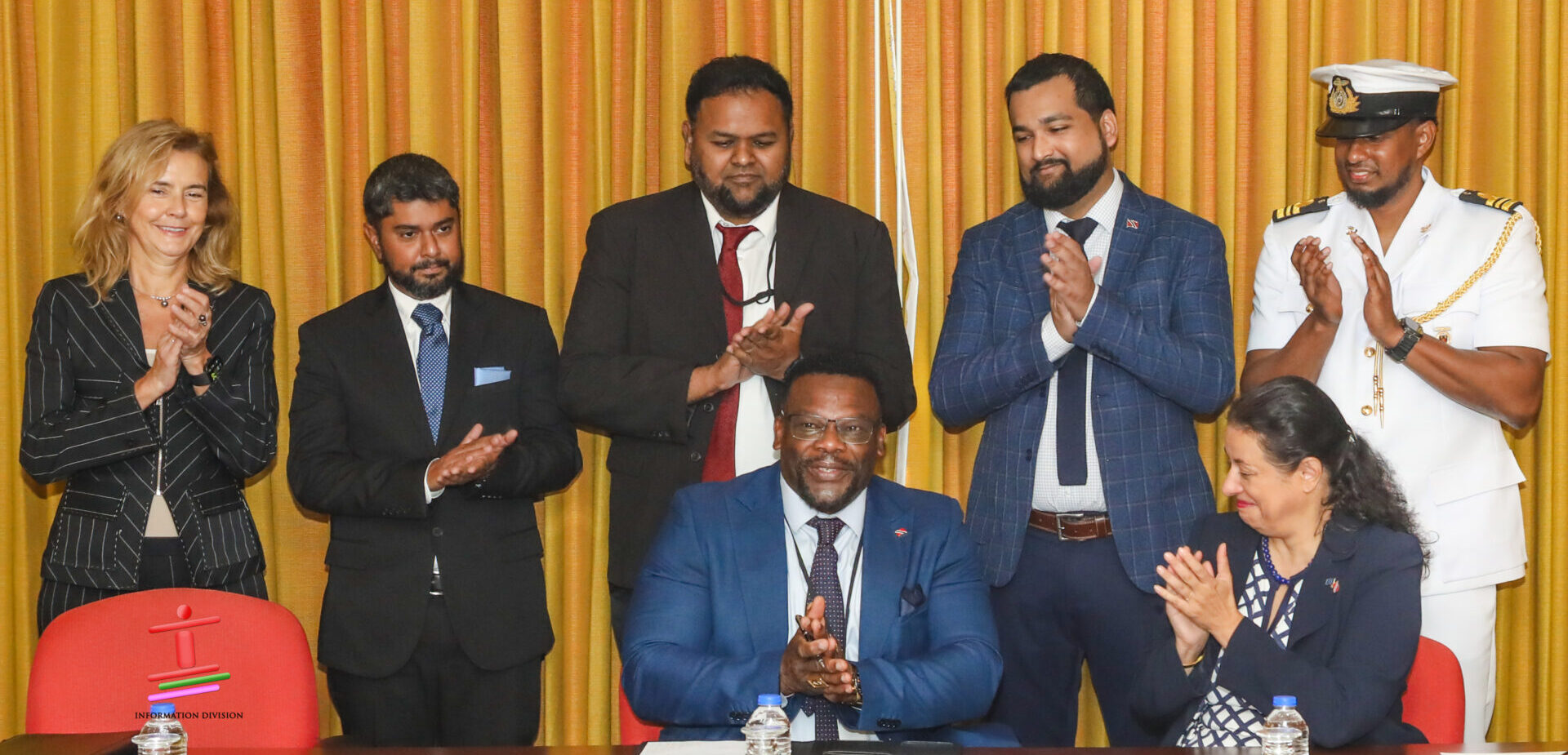
    The official launch ceremony occurred at G-Sale Supermarket on Johannes Mungrastraat, where Minister Andrew Baasaron personally activated the tool by scanning a QR code with his mobile device. The implementation represents a technological advancement in consumer protection measures, enabling real-time price verification against established market guidelines.

    Retail establishments will receive promotional flyers containing QR codes that provide direct access to the SRD Check platform. The system not only empowers consumers but also supports compliant businesses by building customer trust through demonstrated price transparency. Meanwhile, the tool serves as an early detection mechanism for potential market irregularities.

    This development forms part of the ministry’s broader policy framework aimed at fostering a more transparent and equitable business environment while strengthening consumer safeguards in the digital age. The web-based platform remains accessible through https://ez.gov.sr/ for comprehensive price verification services.