
In a groundbreaking fusion of technology and culture, participants of the China International Press Communication Center 2025 Program were transported to the iconic Potala Palace in Tibet—without leaving Beijing. Through the immersive power of virtual reality (VR), they embarked on a journey that transcended time and space, offering a vivid glimpse into the rich heritage of Tibetan Buddhism. The experience, facilitated by VR headsets, allowed participants to explore the palace’s intricate architecture, stunning murals, and serene landscapes, all while standing in a 15-by-5-meter room in the heart of Beijing. The virtual tour began with a breathtaking view of snow-capped mountains, leading to the discovery of the palace perched high above the Lhasa Valley. Guided by a priestess in a vibrant red robe, participants navigated through the White and Red Palaces, marveled at ancient murals, and even floated above a desert landscape. The experience culminated in a spiritual moment, where participants held glowing orbs symbolizing their wishes and prayers. This innovative use of VR not only preserves cultural heritage but also transforms it into an engaging, interactive experience, far removed from traditional history lessons. The Potala Palace, a UNESCO World Heritage Site since 1994, remains a testament to Tibetan, Chinese, and Indian architectural brilliance. This virtual journey highlights the potential of technology to make history accessible and captivating for future generations.
分类: technology
-

Samsung plans US$310 billion investment to power AI expansion
In a groundbreaking move, South Korean conglomerate Samsung has revealed an ambitious $310 billion investment plan over the next five years, primarily targeting advancements in artificial intelligence (AI) and semiconductor technologies. The announcement, made on Sunday, underscores Samsung’s commitment to meeting the surging global demand for AI-driven solutions and infrastructure.
-
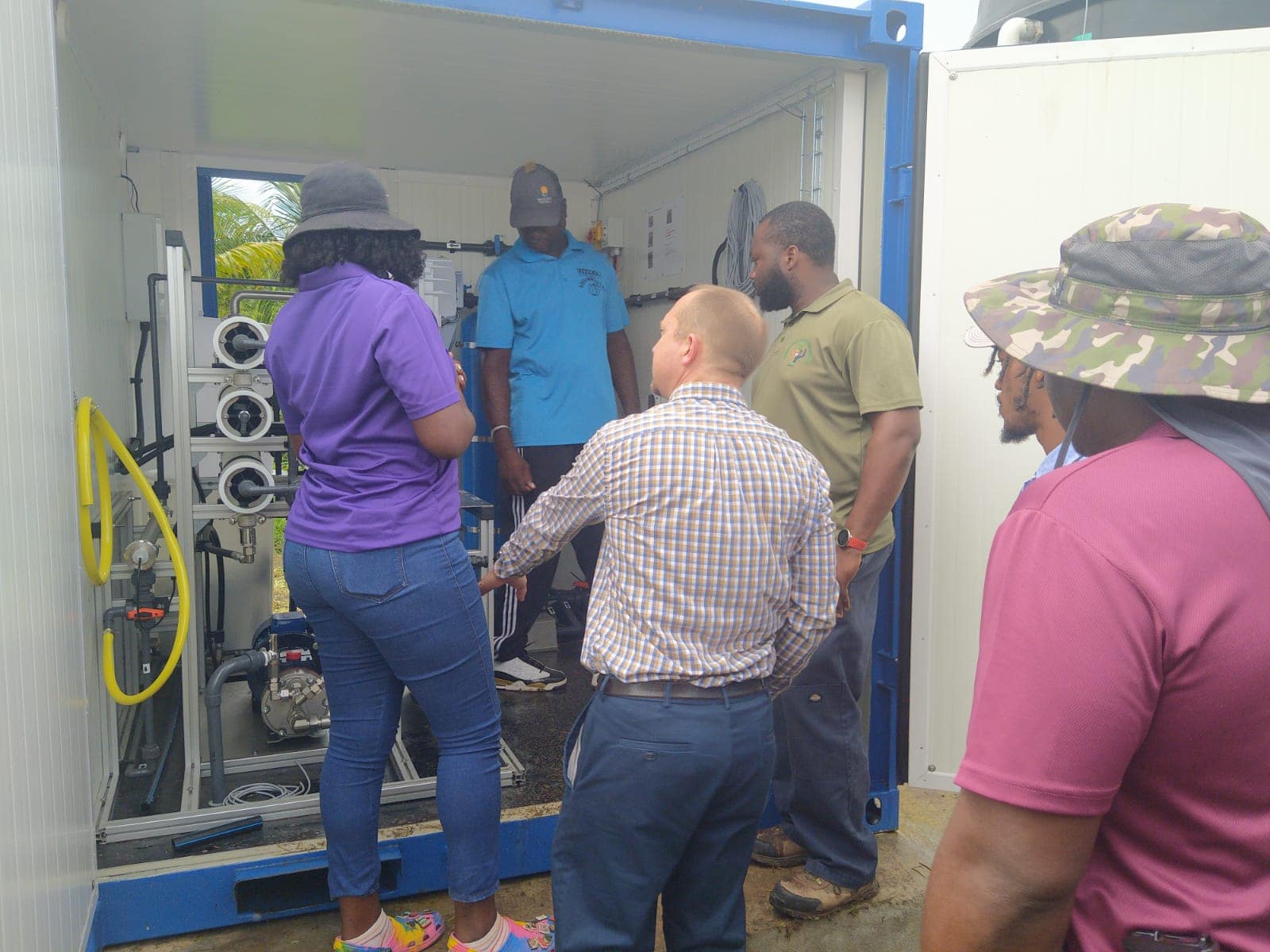
Solar-Powered Desalination Marks Major Breakthrough for Antigua’s Agricultural Future
A groundbreaking solar-powered desalination project in Antigua has achieved a significant milestone, marking a new era in agricultural innovation. The Blubber Valley Osmosis Plant, a collaborative effort between the United Nations’ Food and Agriculture Organization (FAO), Antigua’s Ministry of Agriculture, and Texas Tech University, is transforming brackish groundwater into vital irrigation water for the nation’s key crops. This initiative leverages cutting-edge reverse osmosis technology powered entirely by solar energy. The system extracts water from a nearby APUA well, processes it through a reverse osmosis unit, and stores it for agricultural use. Each cycle yields approximately 2,000 gallons of low-salinity water suitable for irrigation and 1,000 gallons of brine concentrate. While the permeate is ideal for crop irrigation, managing the brine remains a critical challenge to prevent soil salinity buildup. To address this, the Ministry’s technical team is researching salt-tolerant crops that can thrive with slightly brinier water without harming the soil. Antigua’s diverse soil types—calciferous in the north, clay-heavy in the central plains, and volcanic in the south—will be used to evaluate the system’s effectiveness across different regions. Professor Shane Walker of Texas Tech University praised APUA for its infrastructure support, emphasizing the project’s potential to enhance water security and agricultural resilience. Luke Nedd, FAO National Project Coordinator, highlighted the initiative’s alignment with FAO’s mission to promote climate-smart and sustainable agricultural practices. “This project demonstrates how innovation and sustainability can work together to build a more resilient agricultural sector,” Nedd stated. The next phase involves direct engagement with farmers to implement the technology, further strengthening Antigua’s agricultural future.
-

CTU lauds Liberty Caribbean for 5G+ in Barbados
The Caribbean Telecommunications Union (CTU) has lauded Liberty Caribbean for spearheading the launch of the first commercial 5G+ network in Barbados, marking a transformative milestone for the island and the wider Caribbean region. CTU Secretary General Rodney Taylor hailed the initiative as a testament to Barbados’ leadership in adopting cutting-edge technologies, setting a precedent for other small island developing states.
-

‘Not foolproof, but stronger’
In the wake of extensive damage caused by Hurricane Melissa, telecommunications giant Digicel is considering a strategic shift toward underground fibre systems to fortify its network against future natural disasters. The company’s CEO, Stephen Murad, revealed this during a recent session of Jamaica’s Infrastructure and Physical Development Committee at Gordon House, where Members of Parliament (MPs) urged the telecom provider to expedite long-term plans for safeguarding national connectivity.
-

Antigua to Pilot Colombian Road Technology on Burning Flames Highway
Antigua and Barbuda is set to embark on a groundbreaking initiative to test two advanced Colombian road construction technologies aimed at enhancing durability and reducing maintenance costs on its highways. The pilot project, announced by Director General of Communications Maurice Merchant during a post-Cabinet press briefing, will be implemented on the Burning Flames Highway in the coming weeks. The Ministry of Works has partnered with Colombia’s Hermes Corporation to introduce two innovative methods: silicon pox soil stabilization and Asphaltria, a natural asphalt cold mix. Merchant emphasized that these technologies promise to revolutionize road construction and maintenance in the country, offering greater durability, energy efficiency, and environmental sustainability compared to traditional asphalt techniques. A delegation from the Ministry of Works visited Colombia in October to evaluate the performance of these products in conditions similar to Antigua’s, particularly in areas with heavy rainfall and clay-rich soils. The silicon pox technology chemically strengthens the road base by stabilizing soil structure, while Asphaltria provides a cold-applied, long-lasting surface finish. Together, they are expected to significantly extend road lifespan and minimize the need for frequent repairs. If successful, the pilot project could lead to widespread adoption of these technologies across Antigua and Barbuda’s road network, starting with other key routes under the Ministry of Works’ ongoing rehabilitation program. Officials view this initiative as a pivotal step toward sustainable infrastructure development, aiming to deliver more resilient roads while reducing long-term public expenditure.
-
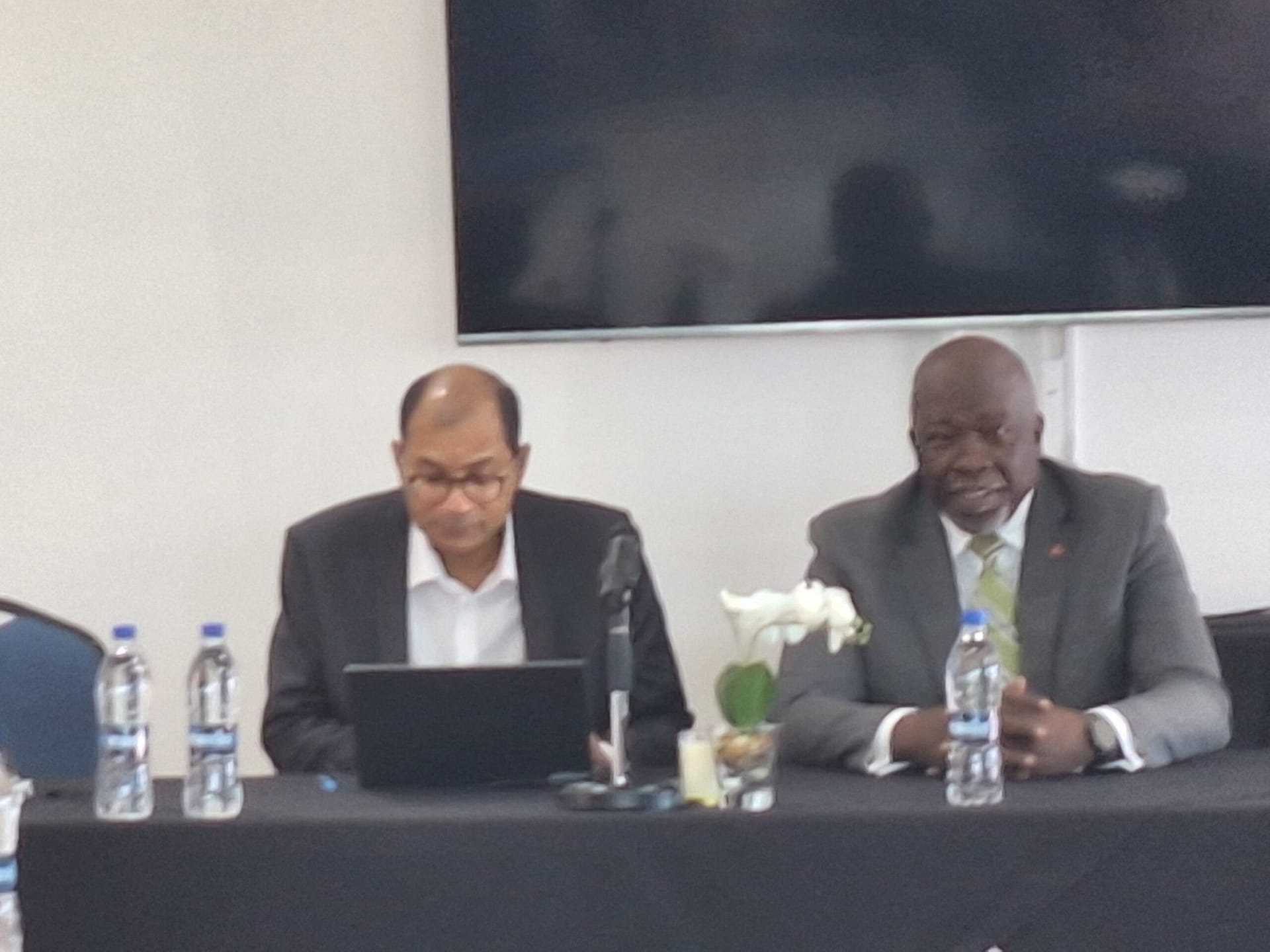
Ministry of ICTs and ITU Launch Two-Day Workshop to Advance Digital Financial Services in Antigua and Barbuda
The Ministry of Information Communication Technologies (ICTs), Utilities and Energy, in partnership with the International Telecommunication Union (ITU), has inaugurated a two-day workshop at the Trade Winds Hotel in Antigua and Barbuda. This event, focused on advancing digital financial services (DFS), aims to foster financial inclusion and digital transformation across the nation. The workshop has convened a diverse array of stakeholders, including government officials, technology experts, and financial institution representatives, to explore innovative strategies for leveraging digital platforms to enhance financial accessibility. Hon. Melford Nicholas, Minister of ICTs, inaugurated the event by underscoring the urgent need for digital innovation in both the public and private sectors. Cleveland Thomas, the ITU representative, highlighted the pivotal role of digital assets in promoting financial inclusion, particularly through initiatives like the Eastern Caribbean Central Bank’s D-Cash program. He emphasized that while over 2 billion adults globally remain unbanked, 1.6 billion possess mobile phones, presenting a unique opportunity to integrate them into the formal economy and drive economic growth. The workshop will delve into critical areas such as the formation of a National DFS Security Task Force, the dissemination of security standards, and a thorough evaluation of past initiatives aimed at strengthening the DFS ecosystem. Participants will collaborate to implement best practices and secure mobile payment systems. Minister Nicholas stressed the importance of adapting swiftly to the evolving digital landscape, especially in response to growing public demand. This workshop marks a significant milestone in creating an inclusive financial environment that supports vulnerable populations and bolsters regional economic development.
-

Santo Domingo to host CyberWeek@LAC4 2025
Santo Domingo is set to host CyberWeek@LAC4 2025, a pivotal regional forum from November 17 to 20, organized by the European Union, the LAC4 Cyber Competence Center, and Dominican platform FACTOR. The event aims to tackle the alarming surge in cyberattacks across Latin America, which has seen a staggering 108% year-over-year increase. This rise has severely impacted sectors such as government, education, telecommunications, and healthcare, making the forum a critical platform for fostering digital resilience and international collaboration. The event will bring together cybersecurity experts, government officials, researchers, and business leaders from Europe and Latin America to share insights and strategies. Supported by initiatives like EU CyberNet, EL PACCTO 2.0, and the EU–LAC Digital Alliance, alongside private-sector sponsors, the forum underscores the urgency of addressing cybersecurity as a regional priority. Juan Luis Vargas Molina, a prominent Dominican mathematician and founder of FACTOR, will be a featured speaker. Molina, a former contributor to the NSA, emphasized the importance of treating digital trust infrastructure as critical national infrastructure. He highlighted the potential risks of compromised cryptographic keys, which could destabilize both public and private systems. Molina also stressed the need for stringent traceability and verification under Law 126-02, noting that FACTOR provides essential tools for auditing cryptographic security.
-

Paliza to lead visit to NVIDIA Centers of Excellence in Miami
Santo Domingo – A high-level Dominican delegation, led by Minister of the Presidency José Ignacio Paliza, is set to embark on a significant visit to Miami this Friday. The delegation, which includes Ambassador María Isabel Castillo, OGTIC director Edgar Batista, and ITLA rector Rafael Féliz, will tour two renowned Artificial Intelligence Centers of Excellence. This initiative is part of the recently signed cooperation agreement between the Dominican Republic and NVIDIA, a global leader in accelerated computing.
During their visit, the officials will engage with academic and innovation leaders to discuss advanced strategies in AI talent development, technological governance, startup incubation, and public-private partnerships. The itinerary includes visits to the Miami Dade College AI Center and the Alan B. Levan | NSU Broward Center of Innovation, both celebrated for their cutting-edge facilities and AI-focused initiatives.
This mission underscores the Dominican Republic’s commitment to establishing its own AI Centers of Excellence, aligning with President Luis Abinader’s vision to bolster the national innovation ecosystem and drive the country’s digital transformation.
-

Over 300,000 Online as Tech Leaders Urge Belizean Businesses to Tap In
Belize is at a pivotal moment in its digital transformation journey, as highlighted during the recent Digital Leadership Conference. With over 300,000 Belizeans online and 349,000 owning cellphones, the nation is increasingly connected. However, experts warn that embracing emerging technologies like artificial intelligence (AI) and cybersecurity is crucial to avoid falling behind in the global tech race. Dr. Dionne Chamberlain of Chamberlain Consulting Limited emphasized the dual impact of AI, predicting it will eliminate 70 million jobs globally by 2026 but create 300 million new ones, resulting in a net gain of 90 million jobs. This underscores the urgent need for upskilling and adapting to technological advancements. Maynor Larrieu of Avant Garde noted that while Belize is in the early stages of AI adoption, the gap with more advanced countries is widening rapidly. The Business Process Outsourcing (BPO) sector, which employs over 20,000 Belizeans, is already feeling the effects of AI disruption. A recent study revealed that 78% of tier-one jobs in the sector, such as customer service, face high AI disruption risks. Christian Junior of Rhics UK stressed the importance of training to mitigate these risks, stating that effective upskilling can turn AI from a threat into an opportunity. Sonia Ceballos of Socias Limited highlighted AI’s potential to optimize repetitive tasks, particularly for micro, small, and medium enterprises (MSMEs) operating on tight budgets. The conference’s key takeaway was clear: AI is not a passing trend but a transformative force. Businesses and workers must adapt to this new reality or risk being left behind in an increasingly digital world.