
In a significant move to combat online misinformation, China has enacted a new regulation mandating that social media influencers possess verified professional qualifications to discuss specialized topics such as medicine, law, education, and finance. The law, enforced by the Cyberspace Administration of China (CAC), took effect on October 28, 2025, and has reportedly rendered up to 90% of influencers ineligible to continue their work. Influencers are now required to demonstrate expertise through recognized degrees, certifications, or licenses, while major platforms like Douyin, Bilibili, and Weibo are responsible for verifying these credentials. Additionally, content must include clear citations, disclaimers, and transparency about sources. While the CAC asserts that the regulation aims to enhance the accuracy and reliability of online information, critics argue that it may suppress free speech and restrict the diversity of voices sharing knowledge. Influencers, often valued for their relatability rather than formal qualifications, have become trusted sources on topics ranging from finance to mental health. The new law has sparked debate over the balance between curbing misinformation and preserving open discourse in the digital age.
分类: technology
-
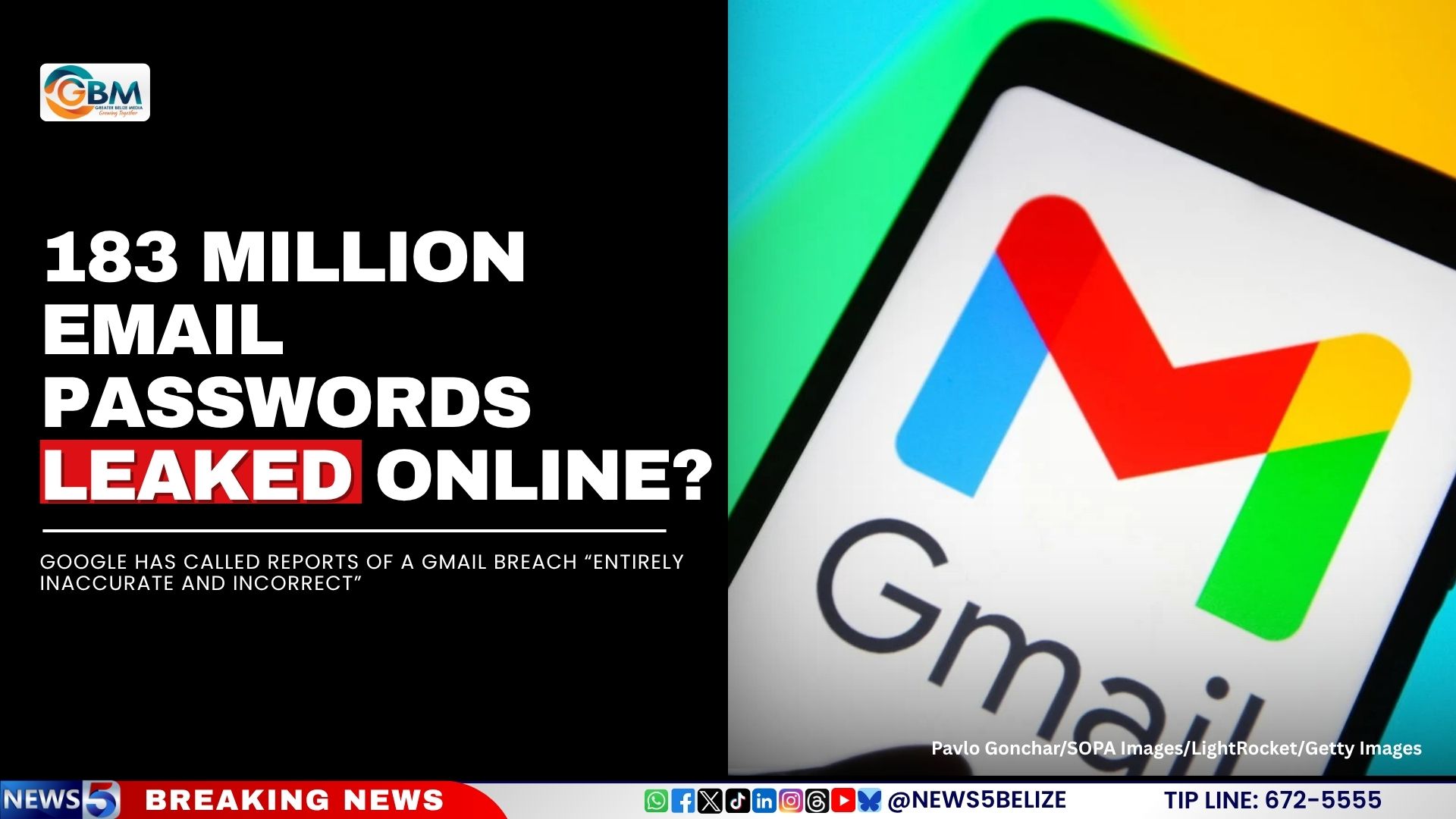
183 Million Email Passwords Leaked Online?
In a shocking cybersecurity incident, approximately 183 million email passwords have reportedly been leaked online, exposing users of major email services such as Gmail, Outlook, and Yahoo to significant risks. Security experts have labeled this as one of the largest password breaches in history, attributing much of the data theft to malware covertly installed on compromised devices. Despite widespread concerns, Google has vehemently denied claims of a Gmail breach, stating that the incident does not involve a hack of its systems but rather the theft of user credentials. The tech giant has advised users to enhance their security by enabling two-step verification and adopting passkeys. Cybersecurity researcher Troy Hunt revealed that the leak includes 16 million email addresses that had never appeared in previous breaches. The stolen data was primarily sourced from illicit online forums and Telegram channels, where hackers trade compromised login details. While Gmail itself remained secure, many users fell victim to malware on their personal devices, leading to password theft. Experts have issued stern warnings about the dangers of reused passwords, emphasizing that such practices can grant hackers access to sensitive accounts, including banking and social media profiles. To mitigate risks, users are urged to employ unique passwords for each account, utilize password managers, and ensure their antivirus software is up to date.
-

Flow Jamaica expands emergency connectivity with Starlink
KINGSTON, Jamaica — Liberty Caribbean, the parent company of Flow Jamaica, has unveiled a groundbreaking emergency communication solution powered by Starlink’s satellite technology. This initiative aims to bolster network resilience across the island, ensuring uninterrupted connectivity for its users. The service, branded as “FLOW STARLINK,” is now accessible to 70% of Flow’s mobile data customers in Jamaica, marking a significant step forward in the region’s telecommunications infrastructure.
-

FLOW says mobile service remains stable for 70 per cent of its customers
KINGSTON, Jamaica—Flow Jamaica, a leading communications and entertainment provider, has announced that mobile services remain operational for approximately 70% of its customers despite ongoing disruptions in certain areas. These interruptions are attributed to power outages and other challenges affecting multiple parishes across the island. The company revealed that over 500 mobile sites were rendered offline following Hurricane Melissa, with seven critical sites completely destroyed. This has significantly impacted connectivity in key communities such as Manchioneal in Portland, Portmore in St Catherine, and Ironshore in St James. In response, Flow Jamaica is urging customers in the hardest-hit parishes—St Elizabeth, Westmoreland, Trelawny, and St James—to utilize its Flow Essential satellite emergency communications system. This service allows users to send text and SMS messages across any mobile network, even in areas where terrestrial mobile services are unavailable. Currently, over 67,000 customers are benefiting from the Starlink-enabled service, which is accessible to more than 70% of Flow’s mobile users. The company anticipates completing a full assessment of mobile site damage by the weekend, after which restoration efforts will commence. On the fixed network front, approximately 15-22% of home internet customers can access services, though this remains contingent on power availability for both individual homes and Flow’s internet nodes island-wide. Flow Jamaica is collaborating with Jamaica Public Service (JPS) to restore power to critical distribution sites. Additionally, Flow’s retail stores are set to reopen on Friday, with mobile retail outlets deployed to key areas. As part of its humanitarian response, the company will distribute free SIM cards, data, and phones to residents in severely affected communities. Customers experiencing service issues are encouraged to contact Flow’s customer service via WhatsApp at 876-620-2200. For emergencies, including downed service lines, the public can reach Flow’s emergency operations center (EOC) at 876-929-9834 / 9837.
-

Rising stars shine in global health tech
Four ambitious students from the University of the West Indies (UWI) have embarked on a transformative journey into the future of healthcare, leveraging technology and innovation to position Barbados as a burgeoning hub for health tech advancements. The students—Daemon Dawson, Jahniqua Esdaille, Jaliea Lovell, and Tarika Birch—participated in the Health Tech Fellows Programme (HTFP), a groundbreaking initiative co-developed by FutureHEALTH and UWI. This program, supported by FutureBARBADOS and the IDB Lab, aimed to strengthen the health tech ecosystem in Barbados and the wider Caribbean. Over six weeks, the fellows gained hands-on experience at leading health technology companies in the UK and Europe, immersing themselves in digital health, artificial intelligence, medical devices, and health systems innovation. Dr. Kia Lewis, community activator for FutureHEALTH, emphasized the program’s mission to address the urgent need for health innovation in the region. ‘The initiative is designed to cultivate a pipeline of skilled professionals and establish a local health tech innovation culture with global partners,’ she explained. The students’ placements in Bristol, London, and Germany exposed them to international professionals and live projects, fostering both technical and professional growth. Dawson, who interned at Wanda Health in Bristol, described the experience as transformative, highlighting mentorship and exposure to cardiometabolic disease research. Birch, assigned to FluoretiQ, was inspired by the collaborative process of health tech development. Esdaille, working at NeuroVirt Limited in London, expanded her skills from back-end to full-stack development, while Lovell, placed in Germany, praised the inclusive and diverse culture of her host organization. Dr. Lewis noted that the fellows’ achievements underscore the potential of Caribbean talent in advancing health innovation. The program’s success reflects a growing collaboration between academia and industry, with plans to integrate health technology into UWI’s curriculum and create opportunities for knowledge transfer to local solutions.
-

Govt to relaunch campaign for digital ID cards
The Barbadian government is spearheading a comprehensive public education initiative to address lingering skepticism surrounding its digital ID cards and foster broader confidence in technology-driven national projects. Sen. Jonathan Reid, Minister of Innovation, Industry, Science and Technology, highlighted the necessity of this campaign during his keynote address at the Global Business Conference, hosted by BIBA – The Association for Global Business – as part of Global Business Week. Held at the Wyndham Grand Sam Lord’s Castle, the event served as a platform to reassure citizens about the security, efficiency, and advanced capabilities of the digital ID system. Sen. Reid emphasized that the new digital IDs are designed to replace outdated laminated cards, which are susceptible to forgery and were originally created decades ago for voter registration. The minister acknowledged public apprehension, stating that such skepticism is common with new technological advancements. To combat this, the government will launch a nationwide communications campaign in the coming months to clearly explain the benefits of digital IDs, including enhanced convenience and seamless access to digital services. Sen. Reid also stressed that participation in the digital ID system remains voluntary, underscoring the importance of individual choice. He described the initiative as a secure method of verifying identity, storing personal information, and unlocking opportunities in the digital economy. Additionally, the minister highlighted the critical role of cybersecurity investments in supporting the government’s expanding digital infrastructure, ensuring the safety and reliability of these platforms. The campaign aims to build a foundation of trust, which Sen. Reid described as essential for the success of digital identification and the broader digital economy.
-

Musk launches Grokipedia to rival ‘left-biased’ Wikipedia
Elon Musk’s artificial intelligence venture, xAI, unveiled Grokipedia on Monday, positioning it as a rival to the widely-used online encyclopedia, Wikipedia. Musk has frequently criticized Wikipedia for its perceived ideological bias, and Grokipedia aims to offer an alternative focused on impartiality and truth. The initial version, labeled 0.1, launched with over 885,000 articles, a fraction of Wikipedia’s more than seven million English entries. Musk promised a future version, 1.0, which he claims will be “10X better” than the current iteration, already touted as superior to Wikipedia. “Our mission is to pursue the truth, the whole truth, and nothing but the truth,” Musk declared on X, formerly known as Twitter. The launch, initially scheduled for late September, was delayed to allow for the removal of what Musk termed “propaganda.” Grokipedia’s content is generated by AI, including the generative assistant Grok, which xAI developed. The platform has already drawn praise from some right-wing figures, including Russian ideologue Alexander Dugin, who lauded its neutrality compared to Wikipedia’s alleged bias. Wikipedia, established in 2001, operates as a volunteer-driven, donation-funded platform with a reputation for transparency and continuous improvement. A Wikimedia Foundation spokesperson emphasized the human-centric nature of Wikipedia, noting that AI projects like Grokipedia rely on human-created knowledge. While the long-term impact of Grokipedia remains uncertain, its launch marks a significant challenge to Wikipedia’s dominance in the digital encyclopedia space.
-

#EyeOnMelissa: Digicel says 26% of mobile network offline — Vaz
KINGSTON, Jamaica — In the wake of Hurricane Melissa, Jamaica’s telecommunications infrastructure has faced significant disruptions, with Digicel reporting that 26% of its mobile network was offline as of Tuesday morning. The primary cause of this outage is the widespread power loss across the island. According to Daryl Vaz, Minister of Energy, Transport and Telecommunications, 209 mobile sites are currently operating on generators, while nine are relying on batteries. Additionally, 20% of fibre-to-home customers are offline due to power outages in their residences. Minister Vaz made these remarks during a special media briefing at the Office of Disaster Preparedness and Emergency Management’s operations center. He emphasized that Digicel’s teams are prioritizing the most severely affected areas and will continue to fuel generators until power is restored by the Jamaica Public Service. Digicel is also collaborating with the Spectrum Management Authority (SMA) to enhance its spectrum bandwidth channels, leveraging lessons learned from Hurricane Beryl, which demonstrated that mobile infrastructure recovers faster than fixed infrastructure. In a parallel development, Minister Vaz announced that he had signed licenses at 3:00 am Tuesday to allocate additional spectrum to Liberty Caribbean, the parent company of Flow Jamaica. He expressed optimism about Flow’s commitment to Jamaica’s recovery, particularly through its innovative partnership with Starlink. This collaboration will introduce mobile connectivity via satellite, enabling 4G LTE customers to send SMS and text messages even when local networks are down. Minister Vaz lauded this initiative as a significant step forward in ensuring communication resilience during disasters.
-
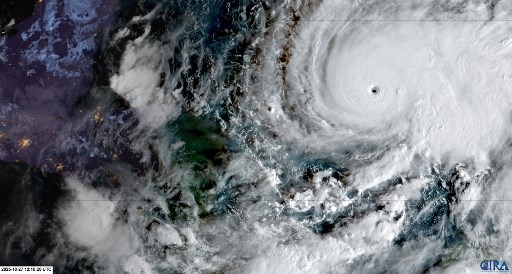
#EyeOnMelissa: AI-generated fakes proliferate as hurricane nears Jamaica
As Hurricane Melissa, a formidable Category 5 storm, approached Jamaica, social media platforms were inundated with AI-generated videos, diverting attention from essential safety information. AFP identified numerous fabricated clips, many bearing the watermark of OpenAI’s text-to-video model, Sora. These videos depicted exaggerated scenarios, from severe flooding and sharks in the water to human suffering and locals downplaying the storm’s threat, often reinforced by stereotypical Jamaican accents. Jamaican Information Minister Senator Dana Morris Dixon emphasized the importance of relying on official channels for accurate information, as fake content could lead to underestimating the storm’s severity. Experts, including University of Oklahoma meteorology professor Amy McGovern, warned that such misinformation could result in catastrophic consequences, including loss of life and property. The clips primarily spread on TikTok, with some lacking the required AI disclosure labels. TikTok removed over two dozen videos and related accounts after AFP flagged them, though similar content circulated on Facebook and Instagram. Cybersecurity expert Hany Farid highlighted how advanced text-to-video models have accelerated the spread of convincing fakes, contributing to public misinformation. Despite watermarks, many viewers appeared unaware the content was AI-generated, with some even engaging with the fabricated scenarios. Farid noted the paradox of the information age, where increased information leads to a less informed public.
-
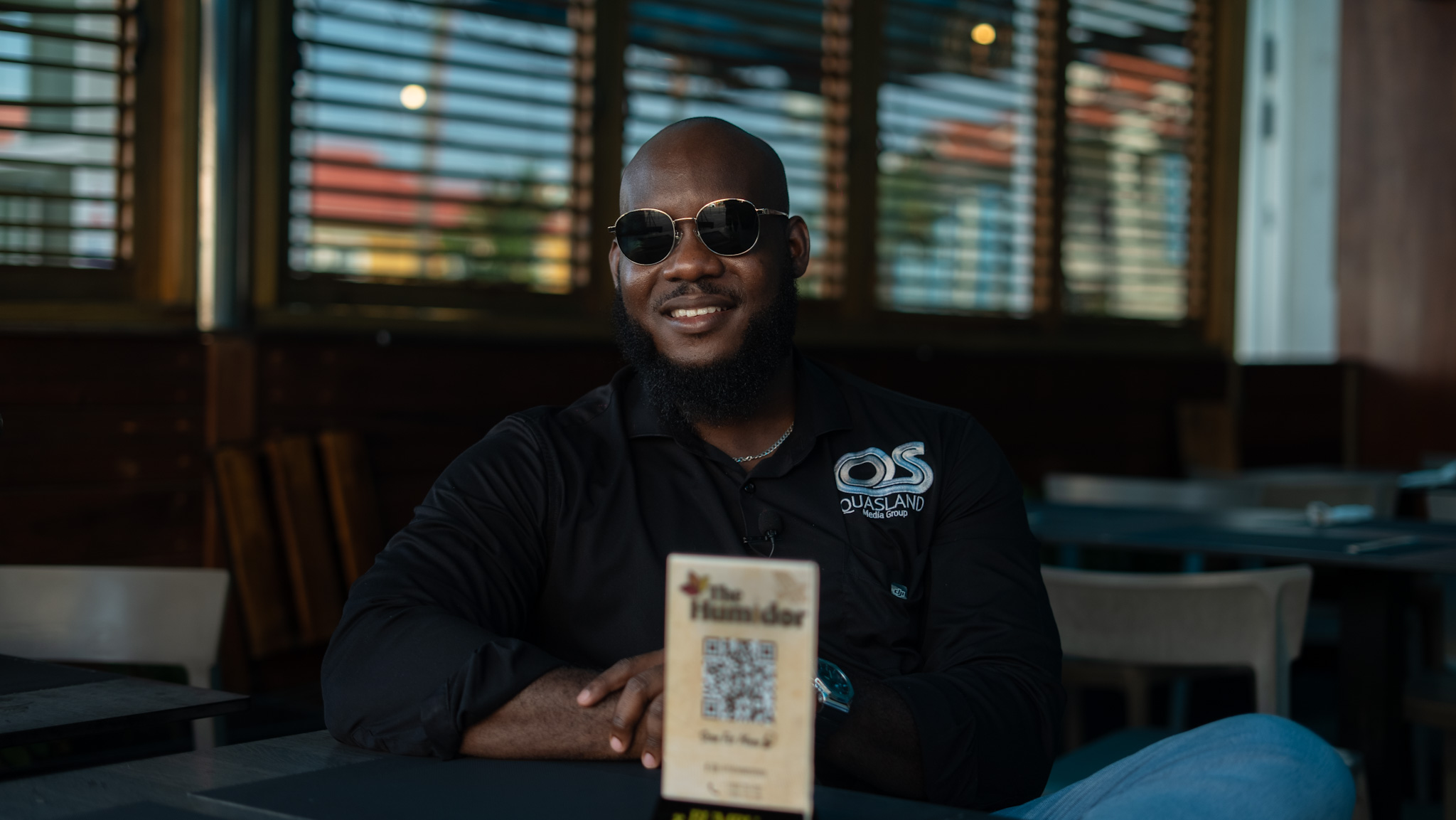
Digital menus set to transform hospitality, advertising landscape
A groundbreaking digital platform named ‘My Restaurant Menu’ is set to revolutionize the operational dynamics of restaurants and local businesses in Saint Lucia. Spearheaded by Abraham Sutherland, Founder of Quasland Media Group Ltd., this innovative solution addresses persistent challenges in menu management, customer engagement, and advertising. Sutherland shared with St. Lucia Times that the concept emerged from observing the difficulties businesses face in updating menus, controlling costs, and maintaining online visibility. Unlike traditional printed menus, which are expensive to reprint and lack flexibility, this digital system enables businesses to effortlessly update prices, incorporate photos, and directly engage with customers. Sutherland emphasized that the platform is more than a menu; it’s a comprehensive digital interface designed to save costs, enhance convenience, and amplify visibility. The platform’s unique dual functionality serves as both a restaurant management tool and a marketing hub. Customers can browse menus via a mobile-friendly interface, while businesses can integrate advertisements seamlessly within the menu layout. Sutherland highlighted that this feature transforms menu space into valuable digital real estate for advertisers, including beverage companies, event organizers, and local attractions. These ads are strategically placed to enrich the browsing experience rather than disrupt it. Sutherland noted that while digital menus exist elsewhere, this platform stands out due to its combination of functionality and opportunity, creating a unified ecosystem for restaurants, advertisers, and customers. He anticipates rapid adoption in Saint Lucia, citing the island’s increasing digital literacy and the platform’s proven success in other Caribbean regions. A significant advantage of the platform is its monetization potential, allowing restaurants to generate additional revenue through hosted ads. Sutherland explained that advertisers pay for featured placements, providing restaurants with a supplementary income stream. The platform is designed for practicality, requiring only an internet connection and a smartphone, tablet, or computer for menu management. Sutherland revealed ongoing efforts to collaborate with local tech and media firms to facilitate onboarding and create employment opportunities. Looking ahead, Sutherland envisions the platform as the cornerstone of a broader digital ecosystem, aiming to establish a comprehensive hospitality engagement network where restaurants, advertisers, and customers interact seamlessly. He believes this initiative will significantly enhance business sustainability, online visibility, and customer experience across Saint Lucia.