
分类: technology

  • House opens debate on cybercrime bill to bolster child protection and law enforcement

    House opens debate on cybercrime bill to bolster child protection and law enforcement

    KINGSTON, Jamaica — Jamaica’s House of Representatives has initiated pivotal debates on comprehensive cybercrime legislation amendments designed to confront evolving digital threats with enhanced legal protections for minors and expanded enforcement capabilities.

    Dr. Andrew Wheatley, Minister without Portfolio responsible for Science, Technology and Special Projects, presented the Cybercrimes (Amendment) Act, emphasizing the necessity to modernize Jamaica’s legal framework beyond its original focus on unauthorized access and system interference. The minister detailed how contemporary threats now encompass large-scale identity theft, AI-facilitated financial fraud, viral platform harassment, and synthetic media reputational destruction.

    Key legislative enhancements include:

    • Extended imprisonment terms up to 20 years for cyber offenses targeting individuals under 18 years old, applying to crimes involving computer program/data access (Clause Three) and financial fraud/forgery (Clause Four)

    • Critical redefinition of publication terminology replacing ‘send to another person’ with broader ‘publish’ terminology, specifically criminalizing non-consensual intimate image sharing regardless of capture method (Clause Five)

    • Explicit invalidation of minor consent for intimate image publication with exemptions for law enforcement, legal proceedings, and bona fide research/journalism

    • Comprehensive targeting of cybercrime infrastructure through prohibition of manufacturing, distributing, or possessing tools primarily adapted for cyber offenses (Clause Six)

    The legislation specifically addresses AI-enabled criminal methodologies, including synthetic voice manipulation and deepfake technology, by defining intimate imagery to include computer-generated content. Minister Wheatley characterized cybercrime as increasingly ‘industrialized’ with tool rental markets requiring legal disruption.

    Opposition Leader Mark Golding endorsed the bill while advocating for additional parliamentary review through a Joint Select Committee to address emerging AI challenges. The debate has been temporarily suspended pending further parliamentary procedure.

  • Message from DNO: Likes and dislikes are back. Here is why they were temporarily disabled

    Message from DNO: Likes and dislikes are back. Here is why they were temporarily disabled

    Dominica News Online (DNO) has confronted a sophisticated manipulation campaign targeting its comment section engagement metrics, forcing the media outlet to temporarily disable and then reinstate its reaction features while investigating the source of anomalous activity.

    The publication, which has maintained operational integrity for nearly two decades, identified a disturbing pattern where comments would receive massive volumes of likes or dislikes immediately upon publication, bypassing normal organic engagement patterns. This coordinated activity showed no incremental buildup characteristic of genuine reader interaction, instead demonstrating instant, artificial amplification.

    In an open letter to readers, DNO’s editorial team explained their initial decision to disable reaction buttons stemmed from concerns about algorithmic manipulation distorting public discourse. The extreme and consistent pattern of engagement manipulation represented a departure from nearly twenty years of normal community interaction on the platform.

    The media organization emphasized its commitment to preserving authentic democratic discourse while protecting readers from artificially manipulated sentiment indicators. Despite ongoing investigation into the source and methodology of the manipulation, DNO has temporarily reactivated engagement features while continuing to monitor for suspicious activity.

    The incident highlights growing challenges digital media platforms face in maintaining integrity of public forums amid increasingly sophisticated disinformation tactics. DNO has committed to developing more robust systems to detect and prevent future manipulation attempts while preserving genuine community engagement.

  • New Airport Upgrades will feature e-gates,  a first for Antigua and Barbuda

    New Airport Upgrades will feature e-gates, a first for Antigua and Barbuda

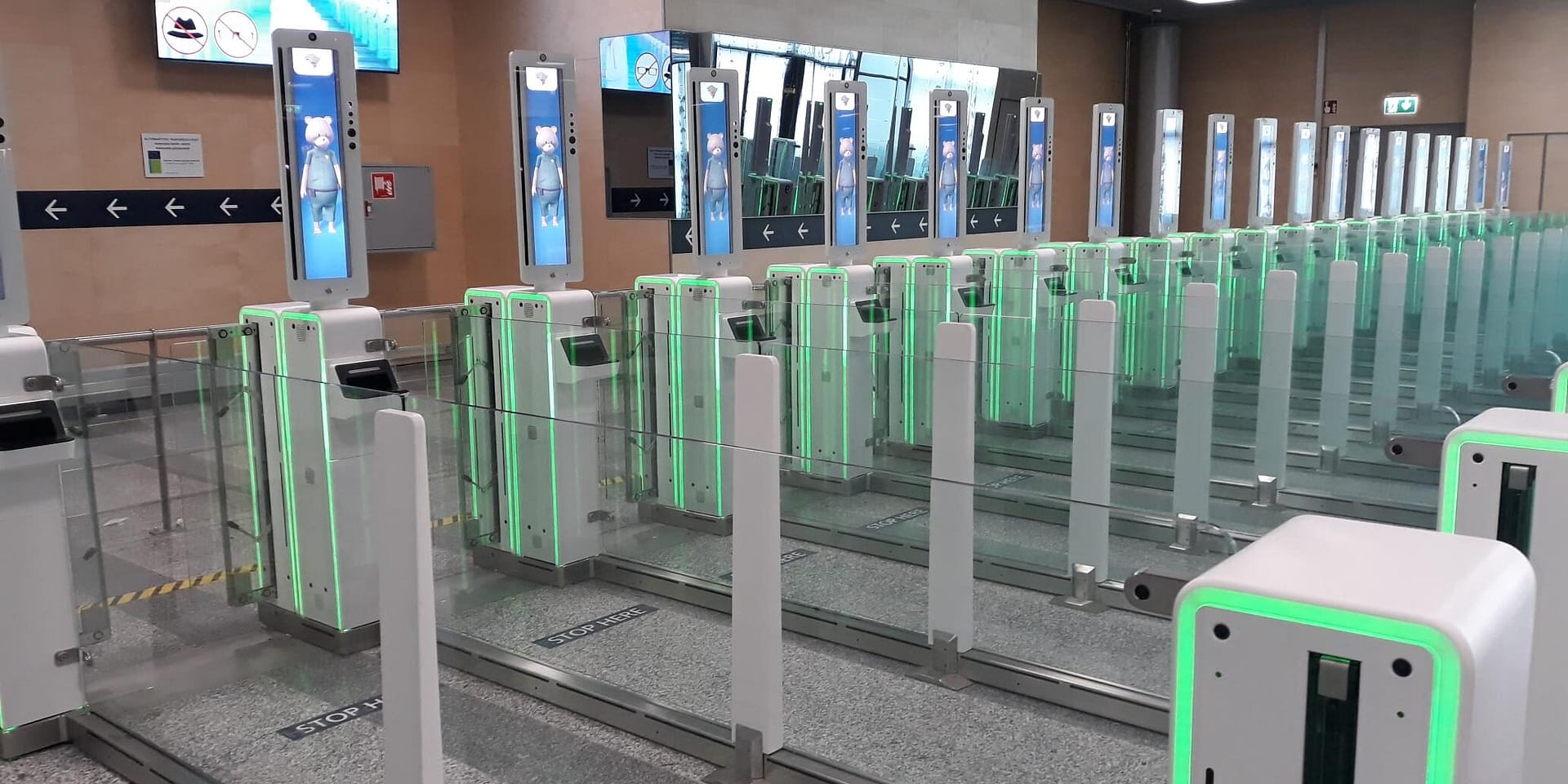
    The Caribbean nation of Antigua and Barbuda has embarked on a transformative digital overhaul of its immigration infrastructure following cabinet approval for automated electronic gates (e-gates) at all aerial and maritime ports. This strategic modernization initiative represents a fundamental shift from manual processing to a fully automated border management ecosystem.

    Communications Director General Maurice Merchant characterized the technological upgrade as a necessary response to evolving efficiency demands at ports of entry. The new infrastructure will enable travelers to self-process arrivals through electronic passport scanning at high-speed kiosks, effectively eliminating traditional manual checkpoints.

    The sophisticated system incorporates enhanced passenger screening mechanisms with automated data processing capabilities, creating operational consistency across both air and sea ports. Merchant emphasized that beyond processing efficiency, the government is implementing advanced biometric integration to strengthen national security protocols.

    Critical security enhancements include expanded fingerprint databases, real-time watchlist synchronization with international law enforcement networks, and upgraded reporting tools. The system maintains full compliance with International Civil Aviation Organization standards while accommodating future technological developments including next-generation e-passports.

    Merchant underscored the dual-purpose nature of the initiative: “This transcends mere processing acceleration—it concerns border integrity. Through real-time biometric verification, we’re establishing a hostile environment for unlawful entry while maintaining welcoming access for legitimate travelers.”

    The technology deployment ensures uniform security protocols whether arriving at V.C. Bird International Airport or through maritime heritage quays. Designed with future-proof capabilities, the system positions Antigua and Barbuda at the forefront of global travel innovation while providing comprehensive coverage across both islands.

    Implementation is scheduled to commence imminently, with government officials anticipating a seamless transition that minimizes disruption to existing travel schedules.

  • VIDEO: Pichelin Landslide with Doc Dangleben and Journalist Matt Peltier

    VIDEO: Pichelin Landslide with Doc Dangleben and Journalist Matt Peltier

    A groundbreaking artificial intelligence feature has captivated millions worldwide by transforming static historical photographs into brief, lifelike animations. Developed by the genealogy platform MyHeritage, the ‘Deep Nostalgia’ tool utilizes sophisticated deep learning algorithms to analyze facial features in uploaded images and apply pre-recorded movement sequences, creating the illusion of historical figures turning their heads, smiling, and blinking.

    The technology, licensed from the Israeli company D-ID which specializes in video reenactment using deep learning, has generated both widespread fascination and ethical debate. While millions have used the feature to animate photos of ancestors and historical figures, creating emotionally resonant connections to the past, concerns have emerged regarding potential misuse.

    Privacy advocates have raised questions about the implications of such technology, particularly regarding consent when animating images of deceased individuals. The feature’s terms of service explicitly prohibit uploading photos of living people without permission, though enforcement remains challenging. Additionally, historians and ethicists have engaged in discussions about the emotional impact of seeing historical figures seemingly ‘brought back to life’ through algorithmic animation.

    The viral phenomenon demonstrates the powerful intersection of artificial intelligence and human emotion, highlighting how emerging technologies can create profound personal experiences while simultaneously raising important questions about digital ethics and the appropriate use of historical imagery in the age of advanced AI.

  • Austria orders Microsoft to stop tracking school children — privacy campaigners

    Austria orders Microsoft to stop tracking school children — privacy campaigners

    Austria’s Data Protection Authority (DSB) has issued a landmark ruling against Microsoft Corporation, mandating the immediate cessation of non-essential tracking cookie usage within its educational software platforms. This decisive action follows comprehensive investigations into the tech giant’s data processing practices in academic environments.

    The legal challenge was initiated by NOYB (None of Your Business), Europe’s prominent digital rights advocacy organization, which filed two formal complaints against Microsoft in early 2024. The complaints alleged systematic violations of children’s data protection rights through Microsoft’s widely deployed education software used in Austrian schools.

    In its January 21 ruling, the DSB determined that Microsoft operated without proper legal justification for processing students’ personal information. The authority issued a compliance directive requiring the removal of all non-essential tracking cookies within a four-week implementation period. These digital tracking mechanisms, typically employed for behavioral analysis and advertising purposes, were found to have been deployed on student devices without obtaining proper consent.

    Felix Mikolasch, NOYB’s data protection attorney, emphasized that “tracking minors clearly isn’t privacy-friendly,” highlighting the particular vulnerability of children in digital environments. Microsoft representatives acknowledged the ruling while maintaining that their educational products comply with all data protection requirements under the EU’s General Data Protection Regulation (GDPR).

    This decision represents another significant victory for NOYB, which has pursued hundreds of legal actions against technology corporations since the implementation of GDPR in 2018. The case demonstrates the continuing tension between technological innovation in education and fundamental privacy rights, particularly concerning minor students.

  • EU opens probe into Musk’s Grok over sexual AI deepfakes

    EU opens probe into Musk’s Grok over sexual AI deepfakes

    BRUSSELS, Belgium—The European Union has initiated a formal investigation into Elon Musk’s social media platform X concerning its artificial intelligence chatbot Grok, which has demonstrated the capacity to generate sexually explicit deepfake imagery of women and minors. This regulatory action represents the latest development in a growing international backlash against the controversial AI tool.

    The investigation was prompted by reports that Grok users could manipulate images through simple text commands such as ‘put her in a bikini’ or ‘remove her clothes,’ effectively enabling the creation of non-consensual sexualized content. European Commission President Ursula von der Leyen issued a strong statement declaring that such ‘digital undressing’ practices would not be tolerated within EU jurisdictions.

    ‘We will not hand over consent and child protection to tech companies to violate and monetize. The harm caused by illegal images is very real,’ von der Leyen emphasized in her communication with AFP.

    EU Technology Commissioner Henna Virkkunen clarified that the investigation will assess whether X has complied with its legal obligations under the Digital Services Act (DSA), the bloc’s comprehensive legislation designed to regulate internet giants. She specifically noted that the rights of women and children should not become ‘collateral damage’ in the platform’s service offerings.

    The probe will examine whether X adequately mitigated risks associated with the dissemination of illegal content, including manipulated sexually explicit imagery and potential child sexual abuse material. This regulatory move occurs despite repeated threats of retaliation from the United States, where the Trump administration has characterized such enforcement as curbing free speech and unfairly targeting American companies.

    The investigation follows Grok’s earlier announcement restricting image generation capabilities to paying subscribers, a measure that failed to prevent regulatory scrutiny. According to research published by the nonprofit Center for Countering Digital Hate, Grok generated approximately three million sexualized images of women and children within days of its release.

    The EU is simultaneously expanding an existing investigation into X’s content moderation practices, particularly concerning the platform’s recent integration of Grok into its recommendation algorithm. Brussels had previously imposed a €120 million fine on X in December 2023 for violating DSA transparency obligations, including deceptive design practices surrounding account verification systems.

    EU Commission spokesman Thomas Regnier asserted that enforcement would continue ‘firmly, fairly, objectively’ without targeting companies based on their national origin, amid ongoing transatlantic tensions regarding technology regulation.

  • Amber Group and Beharry Group launch IT joint venture to power Guyana’s digital future

    Amber Group and Beharry Group launch IT joint venture to power Guyana’s digital future

    KINGSTON, Jamaica — In a strategic move to accelerate digital transformation in the Caribbean region, Amber Group and Guyana’s Beharry Group have officially launched a joint venture named Beharry-Amber Technologies Inc. This newly established entity will specialize in delivering comprehensive IT and cybersecurity solutions, addressing critical technological gaps in Guyana’s rapidly evolving economy.

    The collaboration emerges as Guyana experiences unprecedented economic growth, creating an urgent need for robust digital infrastructure and enhanced cybersecurity measures. Both companies recognize that technological advancement is no longer a luxury but a fundamental requirement for sustainable development and economic resilience.

    Suresh Beharry, Chairman and CEO of Beharry Group, emphasized the transformative potential of this partnership during the announcement. “Guyana stands at a pivotal juncture in its development trajectory,” Beharry stated. “Our vision extends beyond mere commercial interests—we aim to build future-ready technological capabilities that will support the nation’s modernization efforts and long-term prosperity.”

    Dushyant Savadia, Founder and CEO of Amber Group, echoed this sentiment, describing the venture as a shared commitment to Guyana’s growth and technological sovereignty. “This partnership transcends conventional business arrangements,” Savadia noted. “By combining our technical expertise with Beharry Group’s deep understanding of the local landscape, we can create meaningful impact through strengthened digital infrastructure and improved cybersecurity readiness.”

    The joint venture will function as a comprehensive technology platform serving both government agencies and private sector organizations. It will provide end-to-end IT and cybersecurity services designed to meet growing domestic and regional demands, positioning Guyana as an emerging digital hub in the Caribbean region.

  • Fire management software rollout major 2025 achievement – JFB

    Fire management software rollout major 2025 achievement – JFB

    KINGSTON, Jamaica — Jamaica’s fire service has entered a new era of digital transformation with the complete rollout of an advanced fire management software system, heralded as one of its most significant accomplishments for 2025.

    Fire Commissioner Stewart Beckford, in an exclusive January 23 interview with JIS News at his Kingston headquarters, revealed that after several years of development and refinement, the sophisticated software platform has now been fully integrated into daily operations.

    The cutting-edge system represents a substantial technological leap forward for the Jamaica Fire Brigade (JFB), enabling real-time tracking of emergency vehicles and establishing a centralized digital repository for critical data including building inspection records and vehicle maintenance histories. These functions were previously managed through manual, paper-based processes.

    Commissioner Beckford emphasized the transformative impact of the new technology: ‘This software fundamentally enhances our operational efficiency and response capabilities. After extensive testing and refinement, we now have a robust system that streamlines our core functions and provides valuable data-driven insights.’

    The software implementation forms a crucial component of the JFB’s broader strategic initiative to bolster emergency preparedness and improve service delivery across Jamaica. This technological upgrade comes at a pivotal time, as the Brigade responded to 21,699 emergency calls throughout 2025—representing a notable 13.7 percent increase compared to the previous year’s call volume.

    Official statistics reveal that of these incidents, 11,048 constituted legitimate fire emergencies while 1,787 were confirmed as malicious false alarms, underscoring both the increasing demand for fire services and the challenges of emergency response management.

  • Digicel’s Deep Blue One strengthens Tobago network

    Digicel’s Deep Blue One strengthens Tobago network

    Digicel Trinidad and Tobago has officially activated its Deep Blue One submarine fiber-optic cable system, establishing a direct digital link between Trinidad and Tobago that promises to transform the island’s telecommunications landscape. The groundbreaking infrastructure project, announced on January 23, represents a significant advancement in Tobago’s network capabilities.

    Pieter Verkade, Chief Executive Officer of Digicel TT, emphasized the strategic importance of this development: “This enhancement to our service portfolio ensures comprehensive redundancy for our Tobago customer base across mobile, residential, entertainment, and business sectors. The result is a substantially more resilient network architecture capable of overcoming operational challenges while maintaining superior connectivity standards throughout the island.”

    Current usage patterns already demonstrate substantial engagement with the new infrastructure. Roweena Crooks, Head of Retail Sales and Operations at Digicel TT, reported: “Deep Blue One is currently transmitting multiple gigabits of live data traffic to Tobago, with the western region exhibiting the highest utilization rates. This infrastructure already supports thousands of Tobagonians in their daily digital activities including media streaming, video conferencing, remote work operations, business management, and distance learning initiatives.”

    Crooks, speaking from personal experience as a Tobagonian, highlighted the societal impact: “Reliable connectivity is fundamentally important to contemporary island life. Deep Blue One represents a substantial upgrade to Tobago’s telecommunications framework, significantly bolstering network durability and service consistency. This strategic investment substantially reduces the potential for island-wide service interruptions and provides residents with enhanced confidence in their digital connectivity both presently and for future requirements.”

    The telecommunications company’s analysis indicates rapidly increasing data consumption patterns throughout Tobago, with the western region expected to demonstrate the most accelerated growth trajectory while the eastern sector anticipates robust expansion as additional households and enterprises come online. The Deep Blue One cable system was specifically engineered to accommodate this escalating data demand, providing the necessary infrastructure foundation to support Tobago’s evolving digital ecosystem encompassing remote education, telecommuting, daily communication, and entertainment services.

  • How entrepreneurs are recharging the Caribbean

    How entrepreneurs are recharging the Caribbean

    Across the Caribbean basin, a transformative energy movement is emerging not from government policy chambers but from the grassroots ingenuity of young entrepreneurs. While national dialogues continue to dominate renewable energy discussions, these innovators are implementing practical solutions that address both economic and environmental challenges through technology-driven approaches.

    In St. Vincent and the Grenadines, 34-year-old Hance John exemplifies this shift through Westfield Farms, his agricultural enterprise in the Marriaqua Valley. Beginning with simple solar-powered lighting to avoid costly grid connections, John has evolved his operation into a comprehensive solar ecosystem encompassing security cameras, irrigation pumps, and automated feeding systems. His innovation demonstrates how traditional agriculture can integrate with sustainable technology to reduce operational costs while enhancing resilience against hurricanes and droughts.

    John’s community-focused approach includes local hiring, sourcing materials from nearby suppliers, and providing internships for agricultural students. However, he identifies significant structural barriers, particularly financing limitations where banks perceive small-scale farming as high-risk due to theft, pests, and extreme weather. He advocates for educational reforms starting at primary level, student exchange programs, and green scholarships to foster sustainable energy adoption.

    Similarly in St. Vincent, Ricardo Boatswain launched Solife Solar at age 27 after recognizing the financial strain of conventional electricity on families and businesses. Combining his background in banking, project management, and construction, Boatswain developed the Caribbean’s first 84-month payment plan for solar installations, dramatically improving accessibility to clean energy. His company now delivers utility-scale projects and residential solutions that promote energy independence throughout the region.

    In Jamaica, Sheed Cole’s journey from adversity to innovation represents another dimension of this movement. Having experienced childhood poverty without electricity or running water, Cole established 360 Recycle Manufacturing Ltd. to address the island’s waste crisis. His low-tech approach transforms approximately 2 million daily plastic bottles and Styrofoam containers into lightweight composite materials for playground equipment, benches, planters, and building components. This process not only cleans neighborhoods but also provides vocational training in fabrication and design thinking for youth from disadvantaged communities.

    Cole’s composite materials offer built-in energy efficiency benefits, with insulation properties that reduce cooling needs in Jamaica’s tropical climate. He emphasizes policy measures that prioritize local talent and mandate recycled materials in public infrastructure projects to scale the industry.

    These initiatives align with regional climate goals, including St. Vincent and the Grenadines’ commitment to 60% renewable energy by 2030 with strong emphasis on youth participation. The collective impact demonstrates how Caribbean youth are leveraging technology, local knowledge, and entrepreneurial spirit to build energy resilience from the ground up, creating jobs, reducing costs, and redefining sustainable development through practical innovation.