分类: sports

  • Derde helft WK 2026: Paraguay met 0-0 tegen Australië in wachtkamer voor volgende ronde

    Derde helft WK 2026: Paraguay met 0-0 tegen Australië in wachtkamer voor volgende ronde

    The final round of group stage matches at the 2026 World Cup delivered a dramatic afternoon of football in Group D, as a cagey goalless draw between Paraguay and Australia was overshadowed by a last-gasp thriller between Turkey and the United States that left knockout stage fates hanging in the balance.

    In their match played in Santa Clara, Paraguay and Australia both entered the final group fixture knowing any mistake could end their World Cup campaigns, leading to a cautious, defense-first 90 minutes that ended 0-0. Australia, already recovering from an opening defeat to the United States after picking up three points in their second match, only needed a positive result to secure progression and opted for controlled positional play rather than all-out attack. Paraguay, by contrast, was searching for chances to move up the group table but refused to open up space that would allow Australia’s rapid counter-attack to exploit. What unfolded was a tense tactical duel where defensive discipline trumped attacking flair, with neither side willing to take the high-risk risks that could lead to elimination.

    While play was unfolding between Paraguay and Australia, a far more dramatic story was unfolding in the other Group D fixture. Turkey, who had already been defeated by Paraguay in their second match, pulled off a stunning late fightback to beat the United States 3-2 in stoppage time. After falling behind early, the United States rallied to take the lead late in the second half, only for Turkey to net a dramatic winning goal in the final moments of injury time. The result lifted Turkey to a final total of three points, keeping all title hopes for the side alive until the final second.

    When all full-time whistles blew, the final Group D standings barely changed at the top despite Turkey’s dramatic upset win. The United States held onto first place, thanks to their two prior wins and a superior goal difference that left them clear of the chasing pack. Australia finished level on four points with Paraguay, but claimed second place and an automatic spot in the knockout round thanks to a better goal difference.

    For Paraguay, the wait to learn their World Cup fate only just began. The South American side ended the group stage also on four points, after a opening heavy defeat to the USA, a critical win over Turkey and the final draw against Australia. As Group D’s third-placed team, they will now have to wait to compare their results with third-placed finishers from the tournament’s other seven groups to find out if they qualify as one of the four best third-placed teams for the knockout stage.

    Looking back on the group, the tight final standings highlight just how narrow the gaps between all four teams were. The USA got off to a flying start with two early wins, Australia bounced back resiliently after their opening loss, Paraguay fought their way back into contention after a poor first match, and Turkey proved they could compete with top sides even when their back was against the wall, fighting until the final second despite eventual elimination.

    For fans watching across the world, the 0-0 result between Paraguay and Australia may look like a dull affair on paper. But when placed in the context of high-stakes World Cup group stage football, every misplaced pass and defensive slip carried the weight of possible elimination, explaining the conservative approach from both sides. In the end, the biggest drama never came from the match in Santa Clara – it came from Turkey’s late winner, which left Australia breathing a sigh of relief and Paraguay stuck in an agonizing wait to learn if their World Cup journey will continue into the round of 16.
  • Derde helft WK 2026: Turkije ondanks winst op USA, naar huis

    Derde helft WK 2026: Turkije ondanks winst op USA, naar huis

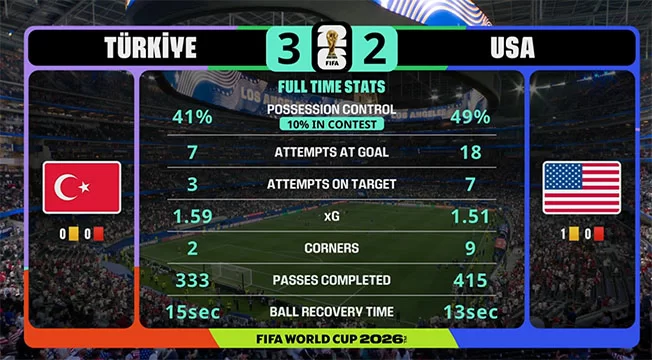
    Going into the final Group D match of the 2026 FIFA World Cup co-hosted by the United States, the fixture at Los Angeles’ iconic stadium carried little tournament stakes for both sides. Turkey had dropped both of its opening two group matches, sitting pointless at the bottom of the table and elimination was already confirmed regardless of the result. For co-hosts USA, an already perfect start with two wins from two matches and six points had secured their spot in the knockout round long before kickoff, even before a single ball was kicked in this final group game. Algerian referee Mustapha Ghorbal officiated the dead-rubber clash, which would end up delivering a dramatic finish few expected.

    Opting to rest their key first-team stars ahead of knockout stage action, USA fielded a heavily rotated B-team for the fixture. The American side nearly opened the scoring inside the first 60 seconds, when Giovanni Reyna found himself in a prime goalscoring position, only for his effort to be parried away for a corner by Turkish goalkeeper Uğurcan Çakır. USA did not waste the resulting set piece, though: defender Auston Trusty fired a clinical low shot past Çakır in the 3rd minute to put the co-hosts up 1-0 early.

    Turkey responded quickly, leveling the score in the 10th minute through teenage star Arda Güler. The young playmaker finished off a neat setup from Barış Yılmaz, making history as the youngest Turkish player ever to score at a World Cup finals. Following the mandatory water break, Turkey turned momentum into a lead. Eren Elmalı broke down the left flank before cutting the ball back to Orkun Kökçü, who slotted home to put Turkey up 2-1 heading into halftime. Both sides created half-chances for the remainder of the first half, but no additional goals changed the scoreline before the interval.

    Coming out of the locker room after halftime, the USA shifted into a higher attacking gear, pushing Turkey deep into its own half for large stretches. The American equalizer came early in the second half, when Sebastian Berhalter pounced on a poorly cleared defensive clearance, firing the ball into the net from the top of the penalty area to level the match at 2-2. USA pushed hard for a winning goal shortly after, with substitute Christian Pulisic breaking through into Turkey’s penalty area only to miss the target with his finish. The co-hosts created several more clear chances to seal all three points, but wasteful finishing prevented them from taking the lead.

    With 15 minutes remaining in regular time, Turkey seized control of the match from the hosts, but the Turkish attack struggled to convert possession into clear-cut chances. Yılmaz came closest to winning the match in regulation, failing to make clean contact with the ball on a late run that left the chance unclaimed. As most spectators and pundits expected the match to end in a draw, Güler turned the American defense inside out late in stoppage time. His play set up a finish from Kaan Ayhan, who put the ball into the net after a pass from Can Uzun to seal a stunning 3-2 victory for Turkey, leaving the USA stunned in their home stadium.

  • Derde helft WK 2026: Nederland verslaat Tunesië in laatste groepswedstrijd met 3 – 1

    Derde helft WK 2026: Nederland verslaat Tunesië in laatste groepswedstrijd met 3 – 1

    The 2026 FIFA World Cup group stage campaign for the Netherlands wrapped up on a winning note, with a 3-1 victory over Tunisia at Kansas City Stadium locking in their place in the knockout round. The Dutch side, widely known as Oranje, held a comfortable 2-0 lead by halftime, cementing their top-tier standing in competitive Group F ahead of the knockout phase.

    Despite delivering an underwhelming overall performance on the day, and Tunisia equally failing to hit their expected form, the Netherlands controlled large swathes of the match from kickoff. Sustained possession and high forward pressure pinned Tunisia back in their own half for most of the opening 45 minutes. The North African side set up in a compact defensive block to soak up pressure and looked to threaten on the counterattack, but they could barely break free from the Netherlands’ relentless pressure in the first half.

    After the interval, Tunisia adjusted their game plan to take more initiative going forward, and their increased push eventually yielded a consolation goal, which reintroduced a brief period of tension to the tie. The strike carried symbolic weight for Tunisia, allowing the side to leave the tournament with their pride intact. However, the Netherlands remained composed under the late pressure, and a third goal put all uncertainty to rest, restoring the two-goal advantage and letting the Dutch see out the remainder of the match in full control.

    This three points against Tunisia caps off a solid group stage run for the Netherlands, who shared the points with Japan in their opening tournament fixture before securing a comfortable win against Sweden. With three results on the board, the side progressed to the knockout round in convincing fashion.

    For Tunisia, the 2026 World Cup campaign ends in disappointment. The North African nation suffered defeats to both Japan and Sweden in their earlier group matches, and never managed to mount a genuine challenge for a knockout spot. Even so, the team fought until the final whistle against the Netherlands, showing fight despite being eliminated.

    The Netherlands has ranked among the top footballing nations in World Cup competition for decades, but the side is still chasing its first ever World Cup trophy. This latest win demonstrates the squad’s focused approach to the 2026 tournament and their ability to grind out results when required. While the Dutch will need to sharpen their performance ahead of the knockout stage, their successful navigation of the group stage has built valuable momentum and confidence, with the attack finding consistent form going into the next round.

  • Derde helft WK 2026: Japan en Zweden spelen gelijk in spannende strijd om tweede plaats in Groep F

    Derde helft WK 2026: Japan en Zweden spelen gelijk in spannende strijd om tweede plaats in Groep F

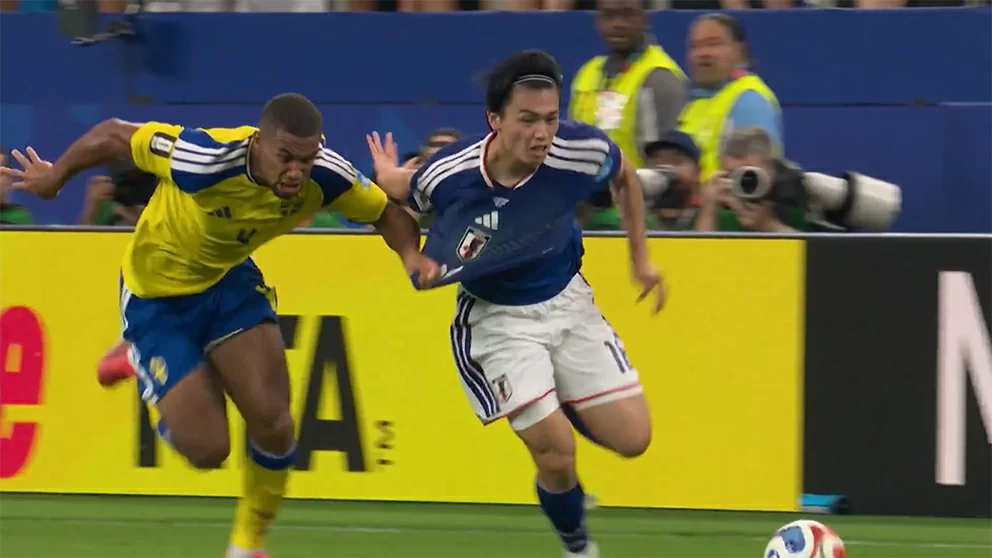
    The final round of Group F matches at the men’s international football tournament delivered a tense, evenly contested battle between Japan and Sweden at Dallas Stadium on June 25, ending in a 1-1 draw that reshaped the group’s final standings and set up a tricky knockout round matchup for Japan.

    Sweden came out of the gate flying, putting Japan under immediate pressure just 20 seconds into the game with a corner kick. The Asian side held firm, however, with goalkeeper Zion Suzuki turning in a heroic performance between the sticks, pulling off a string of critical saves in a crowded penalty area to keep Sweden off the scoreboard. Midway through the first half, Japan earned its first clear scoring opportunity when Daizen Maeda was brought down inside the 18-yard box. Despite loud calls from the Japanese side for a penalty, the referee waved away the appeals. Sweden continued to create openings, but Suzuki’s sharp reflexes kept the game scoreless.

    The match was defined by physical, hard-fought challenges throughout the first half. Japanese central midfielders put in tight tackles on Sweden’s star winger Anthony Elanga, narrowly avoiding yellow cards for their aggressive defending, while Japan’s Ao Tanaka stood out for his tireless work rate and relentless defensive pressure that kept Sweden’s build-up play disjointed. A hydration break planned amid warm conditions was met with boos from the crowd, who grew frustrated by the brief pause in the open, end-to-end action. The first half also saw an forced early substitution for Sweden, as defender Isak Hien was forced off with an injury that required a last-minute reshuffle of the Scandinavian side’s backline. Japan also made an early change, replacing captain Ko Itakura. When the halftime whistle blew, the score remained goalless, with both sides locked in a tight tactical battle for control of the midfield.

    Japan picked up where it left off in the second half, continuing to build on its solid first-half foundation, with Tanaka once again turning in a standout performance in the center of the pitch. The breakthrough finally came in the 56th minute: after a sharp, flowing combination between Ritsu Doan and Ayase Ueda opened up Sweden’s defense, Daizen Maeda finished the move with a deft lob over the onrushing Swedish goalkeeper, sending the crowd into celebration and putting Japan ahead.

    Sweden responded quickly, drawing level just six minutes later through Elanga. The winger cut inside from the right flank and curled a stunning shot beyond Suzuki’s reach into the far corner of the net, the finish reigniting Sweden’s hopes of taking all three points and top spot in the group. The equalizer injected new energy into the Scandinavian side, and the match grew increasingly tense as both sides pushed for a winning goal. Japan made a series of substitutions to keep their attack fresh, and regained more of the ball possession following the second hydration break. Physical challenges remained intense, and players from both sides picked up yellow cards for hard tackles. Sweden was forced into another late change when captain Victor Lindelöf came off with cramping.

    In the closing minutes of regulation and seven minutes of stoppage time, both sides pushed hard for the decisive winning goal. Sweden saw two late good chances fall to Elanga and Zlatan Ibrahimović (note: consistent with original text reference ‘Isak’, correcting to Alexander Isak), but Suzuki remained unbeatable between the posts, turning away every effort to keep the score level. When the final whistle blew, the scoreline remained 1-1.

    In the other final Group F match, the Netherlands secured a 3-1 win over Tunisia to finish top of the group with three wins from three matches. The draw means Japan claims the second spot in Group F and advances to the round of 16, where they will face a difficult test against tournament favorites Brazil. Sweden leaves the group stage with one point from the draw, having missed out on the top spot that would have changed their knockout round trajectory, while securing the valuable point that confirmed their progression from the group stage.

  • International Day of the Seafarer Celebrated with 100-Person Race

    International Day of the Seafarer Celebrated with 100-Person Race

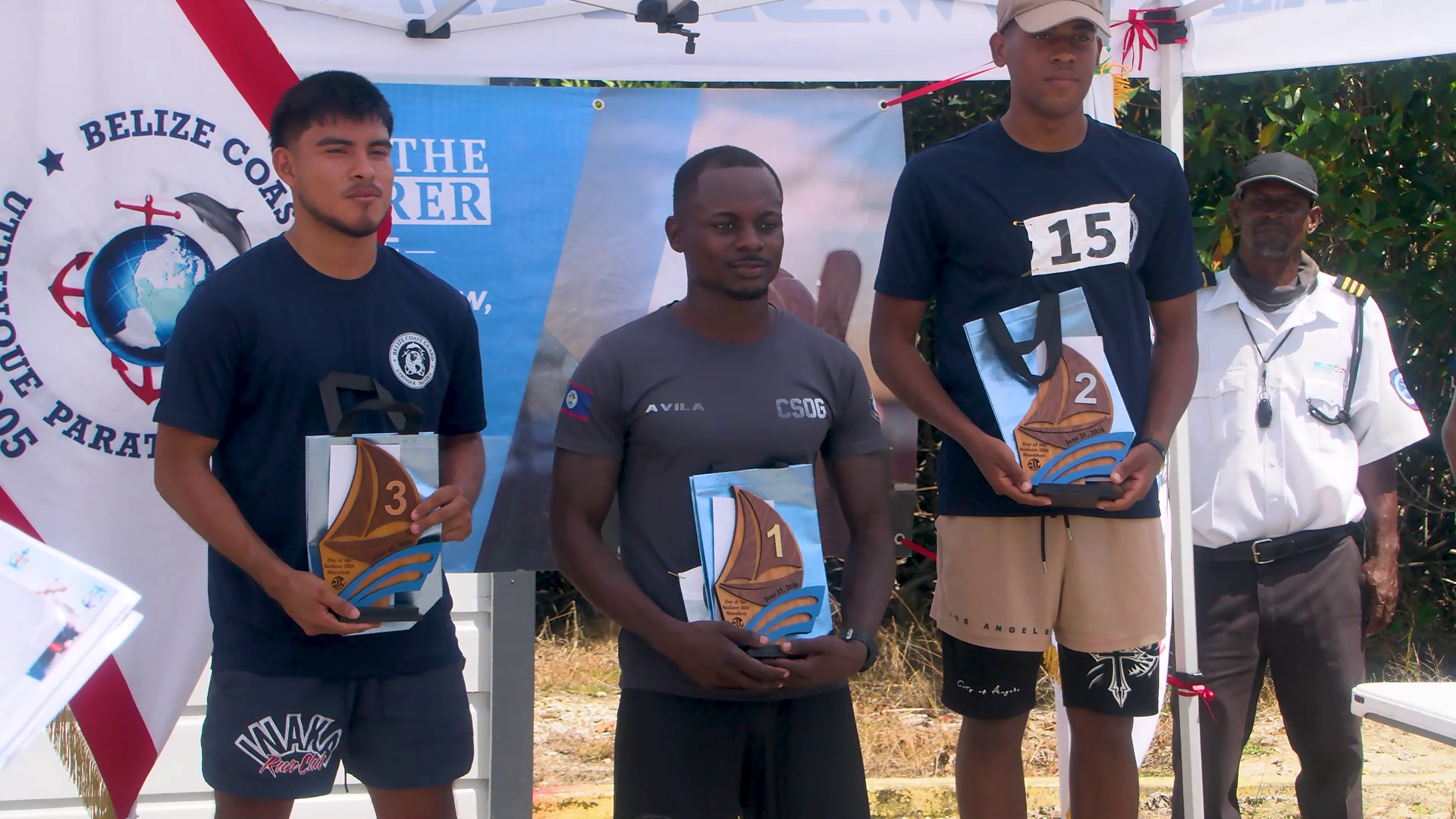
    On June 25, 2026, the annual International Day of the Seafarer was marked in Belize with an unprecedented collaborative event: a 100-person road race along the scenic George Price Highway, organized by the Women in Maritime Association Caribbean (WiMAC) to honor the global maritime workforce that keeps global trade moving.

    International Day of the Seafarer was formally established by the International Maritime Organization to draw public attention to the critical, often overlooked work of seafarers across all segments of the industry. Unlike traditional observances, this year’s WiMAC event centered on a community-focused marathon, designed to raise public visibility through active participation and public engagement.

    In an interview alongside the race, WiMAC president Jada Sutherland explained that the day’s core purpose is to recognize the wide range of maritime workers who put themselves at risk daily to enable global connectivity and commerce. The definition of a seafarer extends far beyond deep-sea merchant crew, Sutherland noted: it includes coast guard officers, coast guard pilots, cruise ship staff and other maritime personnel who operate in open waters around the clock, facing unique hazards to keep global supply chains running and communities safe.

    This year’s official International Day of the Seafarer theme, “Carrying World Trade, Carrying the Risks”, aligns perfectly with the event’s mission of centering seafarers’ contributions. For 2026, WiMAC made a deliberate choice to pivot to a more collaborative, public-facing format, partnering for the first time with two key Belizean maritime institutions: the Belize Port Authority and the Belize Coast Guard. Sutherland shared that the association chose a marathon to bring the celebration to a public highway, ensuring that passing travelers and local residents would encounter the event and learn about the importance of the International Day of the Seafarer.

    “This is something we celebrate every year on the twenty-fifth of June,” Sutherland said. “Today we really wanted to do something different in terms of trying to have more collaboration, trying to establish more partnerships… we want to celebrate this day and we want to do it big, so that when people pass us by they know about this day.”

    This news report is a transcribed version of a televised evening newscast, with all Kriol-language remarks transcribed using a standardized spelling system for accessibility.

  • Derde helft WK 2026: Ecuador boekt historische winst op Duitsland en plaatst zich voor knock-outs

    Derde helft WK 2026: Ecuador boekt historische winst op Duitsland en plaatst zich voor knock-outs

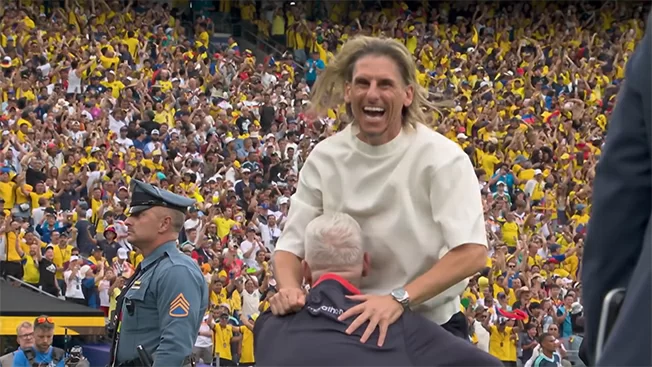
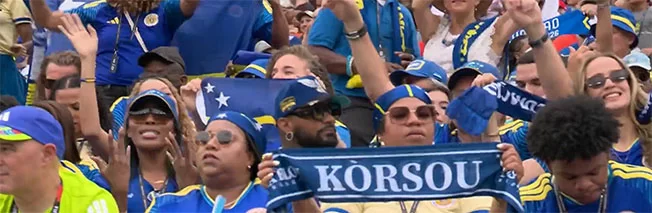
    June 25, the 2026 FIFA World Cup delivered one of its most stunning upsets yet at the New York New Jersey Stadium, as underdog Ecuador secured a dramatic 2-1 victory over four-time world champion Germany to book a spot in the tournament’s knockout round. For Argentine Ecuador head coach Sebastián Beccacece, the result capped off a truly unforgettable evening that will go down in Ecuadorian football history. Germany had already confirmed its place in the round of 16 heading into the final group stage match, but the loss marks a surprising sour note heading into the knockout phase for the tournament favorites.

    Germany got off to a blistering start, opening the scoring within just two minutes of kickoff. Playmaker Florian Wirtz slid a perfectly timed pass through Ecuador’s defense to winger Leroy Sané, who fired a low, sharp shot past goalkeeper Hernán Galíndez to put Germany ahead early. The early goal rattled Ecuador, and tensions flared moments later when a high tackle from Germany’s Aleksandar Pavlovic on Ecuador’s Pedro Vite went unpenalized after a VAR review, leaving the South American side furious. Despite falling behind inside the opening two minutes and facing early controversy, Ecuador refused to fold under the pressure.

    Just five minutes after Sané’s opener, the packed stadium erupted as Nilson Angulo leveled the score with a sensational strike. Angulo controlled the ball outside the box, drilled a precise, powerful shot through the legs of a German defender into the far corner, leaving Manuel Neuer with no chance to save. The goal was Ecuador’s first of the entire 2026 tournament, and it immediately injected new confidence into the side, which pressed forward aggressively for the rest of the opening half.

    Throughout the first 45 minutes, Ecuador maintained consistent attacking pressure, stringing together smooth combinations, including dynamic one-two plays from winger Gonzalo Plata and dangerous crosses from defender Alan Franco that repeatedly stretched Germany’s backline. The underdog’s attacking intensity pushed four-time champions Germany into rare defensive trouble, though Germany still created clear chances of its own: striker Kai Havertz sent a header on target that was comfortably saved by Galíndez to keep the score level.

    Controversy over the early unpenalized tackle lingered throughout the first half, fueling frustration among Ecuador’s players and the thousands of South American fans in attendance. Just before halftime, yellow cards were issued to Ecuador’s Piero Hincapié and Germany’s Pavlovic after a tussle over shirt pulling, and the two sides went into the break tied 1-1.

    Germany made an early adjustment to start the second half, pulling Pavlovic off for Angelo Stiller to shore up the midfield. Shortly after, Germany thought it had been awarded a penalty after Joel Ordóñez tangled with Havertz in the box, but VAR overturned the decision after spotting an earlier foul by Sané in the build-up to the play.

    Ecuador came out with high energy and relentless fighting spirit to open the second half, but struggled to maintain a consistent attacking tempo at times, with captain Enner Valencia slowing play to manage the score, drawing some frustration from fans calling for more aggressive offensive play. With around 25 minutes left in regular time, Beccacece made a game-changing substitution, bringing on Kevin Rodríguez and Angelo Preciado to boost Ecuador’s attacking threat.

    Pressing higher up the pitch, Ecuador quickly turned up the heat on Germany, and got a golden opportunity after a miscommunication between Neuer and center-back Jonathan Tah left Plata with an open goal, only for the winger to put the chance just wide of the post.

    The decisive moment finally arrived in the 77th minute. Rodríguez took a corner that was flicked back into the path of Plata just outside the box. Plata curled a stunning first-time shot into the top far corner, leaving Neuer completely stranded as the ball hit the back of the net. The strike sent the Ecuadorian fans and bench into absolute delirium: players and coaching staff flooded onto the pitch to celebrate, with tears of joy flowing freely. A misjudgment from Neuer when attempting to intercept the initial corner opened the space for Plata’s match-winning strike.

    After taking the lead, Ecuador faced a nervy finish: the referee added seven minutes of stoppage time, and the South American side defended resolutely to hold onto their one-goal advantage through the additional minutes. When the final whistle blew, the stadium erupted in celebration, as Ecuador confirmed its place in the knockout round of the World Cup.

    Players embraced one another, tears of joy and relief pouring out after the historic upset. For Beccacece, whose job security had been called into question heading into the tournament, the result was a career-defining triumph. The stunning comeback victory stands as proof of Ecuador’s unbreakable determination, collective belief and relentless fighting spirit, proving that the side refused to be intimidated by Germany’s status as one of the tournament’s heavy favorites. Ecuador has made history, and kept its unlikely World Cup dream alive heading into the knockout stage.

  • Derde helft WK 2026: Curaçao verlaat WK met opgeheven hoofd; Ivoorkust door naar volgende ronde

    Derde helft WK 2026: Curaçao verlaat WK met opgeheven hoofd; Ivoorkust door naar volgende ronde

    The 2026 FIFA World Cup group stage has wrapped up its final matches in Group E, bringing an end to a historic underdog run that captured global football fans’ attention: the tournament debut of Curaçao, the smallest nation by population to ever qualify for a World Cup finals. While a 2-0 defeat to Ivory Coast at Philadelphia’s Lincoln Financial Field on Wednesday eliminated the Caribbean side, their performance across the group stage cemented a legacy far beyond knockout stage qualification, proving that smaller footballing nations can compete with the world’s elite.

    For Curaçao, even reaching the 2026 World Cup was a history-making achievement. After a crushing 7-1 opening defeat to group winner Germany, many wrote off the side as a mere symbolic participant. But the Caribbean team, led by veteran Dutch manager Dick Advocaat, rallied in spectacular fashion, earning a surprise 0-0 draw with Ecuador that secured the country’s first ever World Cup point. That result, driven by goalkeeper Eloy Room’s 15 game-saving stops, earned widespread international acclaim for Curaçao’s grit and tactical discipline.

    Against Ivory Coast, the underdogs showed that same fighting spirit from the opening whistle, even after falling behind early. The Elephants struck first in the 7th minute, when winger Nicolas Pépé finished a clinical attack off an assist from Yahia Diomande, setting an early tone for the African side. Unshaken by the early concession, Advocaat’s side maintained their structured defensive shape and looked to threaten on quick counterattacks, going into halftime with just a one-goal deficit that remained well within reach.

    Curaçao continued to push for an equalizer after the break, but Pépé once again proved the difference-maker for Ivory Coast. In the 64th minute, the in-form forward netted his second of the match from an Ibrahim Sangaré pass, doubling his side’s lead. As Curaçao pushed harder for a late consolation goal in the closing 25 minutes, chances remained limited, and tempers flared slightly: Leandro Bacuna picked up a yellow card in the 75th minute, followed by Gervane Kastaneer in the 83rd minute. When the final whistle blew, the scoreboard confirmed a well-earned 2-0 win for Ivory Coast.

    The result sees Ivory Coast progress to the knockout stage as Group E’s second-placed team behind Germany, living up to their pre-tournament status as a favorite to advance. The 2015 Africa Cup of Nations winners enter the knockout round with momentum, led by standout performer Pépé and a solid team structure, with high hopes for a deep run in the tournament.

    While Curaçao’s World Cup adventure ends here, the tournament will be remembered for generations on the small Caribbean island. Advocaat, who praised his players’ resilience after the Ecuador draw, doubled down on that pride following the elimination. “They fought like lions,” he said after the draw, noting that the squad showed enormous character to bounce back from the lopsided opening loss to Germany. He also thanked the people of Curaçao for their unwavering support through the difficult start, emphasizing that his team proved they could compete with far higher-ranked nations.

    Those words hold true after their final group stage match. Though Curaçao failed to reach the knockout round, they won widespread respect across the global football community. Playing with fearless attacking intent, fighting for every inch of the pitch, and leaning into tight organization, team spirit and mental toughness, the side known as the Blue Wave proved that small nations can push even the world’s top teams to their limit. For their first ever World Cup appearance, the team leaves the tournament not just with a historic point to their name, but with a legacy of exceeding every expectation – and proving they belong on the world’s biggest football stage.

  • Organisers happy with execution of NSC Netball Competition

    Organisers happy with execution of NSC Netball Competition

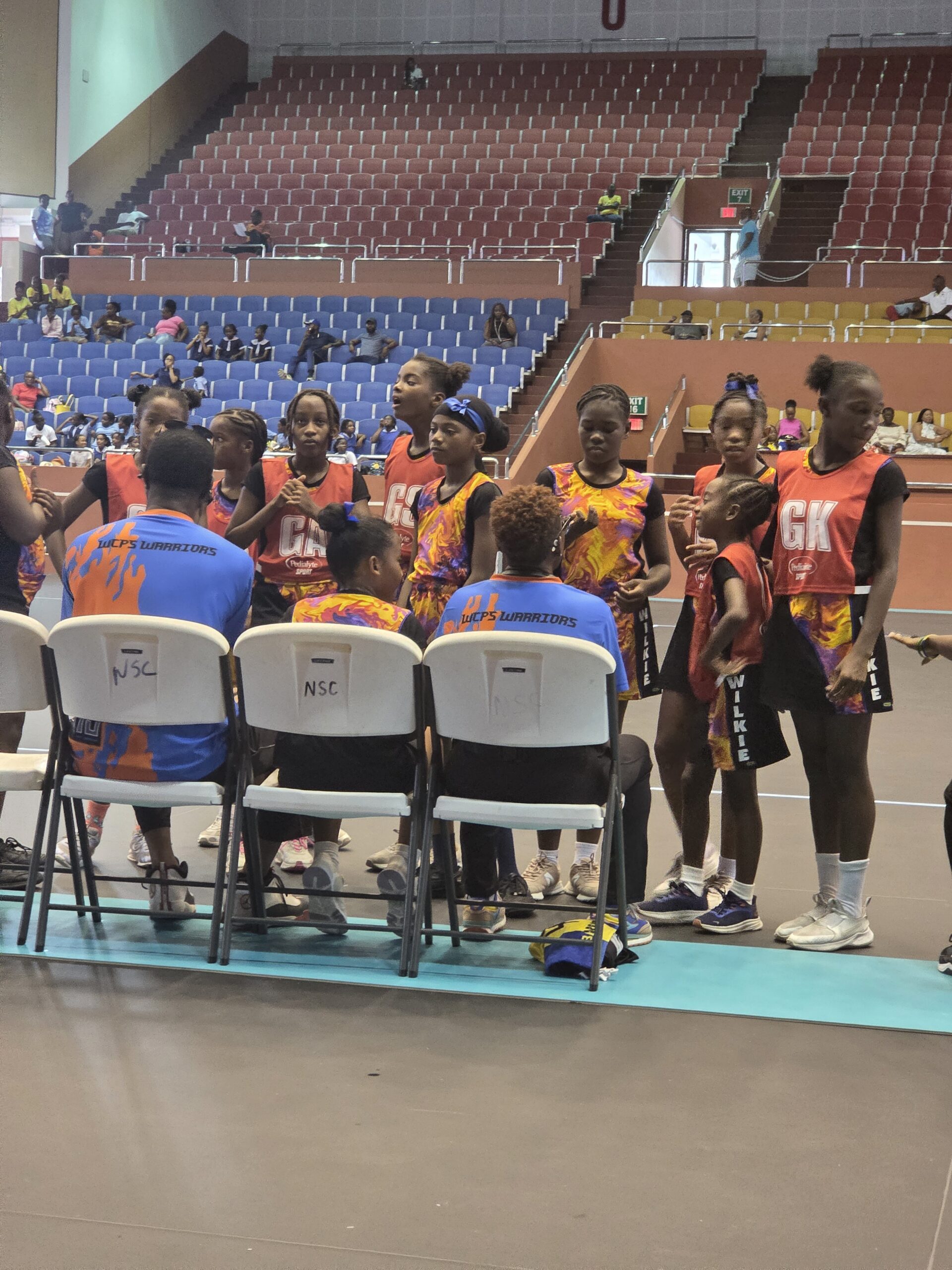
    One of the most anticipated annual youth netball tournaments in the region wrapped up this week with a dramatic final, leaving organizers and spectators praising the quality of play and seamless event execution. Tracey Leacock, senior netball coach at the National Sports Council, delivered a glowing assessment of the 2024 Pedialyte Sport Primary Schools Competition following Wednesday’s championship match, where Shirley Chisholm Primary extended its historic winning streak to five consecutive titles with a hard-fought victory over runner-up West Terrace Primary.

    In Leacock’s assessment, every stage of this year’s tournament — from the early zonal qualifying rounds to the final championship clash — went far better than many expected. She highlighted three key factors behind the event’s smooth running: meticulous advance planning by organizers, cooperative, favorable weather that eliminated weather-related delays, and well-coordinated logistics across every venue. “The execution was almost seamless this year,” Leacock shared in a post-final interview. “We had the competition in the zones which ran really well and even the weather cooperated this year. We went on to our playoffs, which were held in Gall Hill St John and that too went off effortlessly and culminated in a successful final.”

    Beyond the smooth event logistics, Leacock expressed particular satisfaction with the dramatic improvement in playing standards across all participating schools this year. She attributed this rising quality to a growing grassroots passion for the sport, with more young female athletes competing regularly outside the primary school tournament, including in the Barbados Netball Association (BNA) league. “The final was tremendous and generally throughout the tournament we’ve seen high standards of netball,” Leacock said. “I believe this can be attributed to girls playing more netball, playing in the BNA league as well and just generally having a love for netball and playing more. So we were able to see a very high standard of netball, especially from the playoffs where teams had to literally fight tooth and nail to advance.”

    Wednesday’s final cemented Shirley Chisholm Primary’s status as the undisputed dominant force in primary school netball over the past decade. With five back-to-back championship titles, the Vauxhall-based school has set a benchmark that other competing programs are now actively working to match. Leacock noted that Shirley Chisholm’s consistent success stems from intentional extra work put in by players and coaches behind the scenes, a model that rival programs have begun adopting to close the performance gap.

    “Over the years, we have recognised that the schools who have succeeded are the ones who are putting in the extra work,” Leacock explained. Even runner-up West Terrace Primary, she pointed out, has built a reputation for consistent hard work that brought them to the final this year. Competing schools including All Saints Primary and Christ Church Girls have also taken note of the winning formula, and are increasing their training commitments to earn a spot in future championship matches. “We are seeing across the board, persons are working hard so that they too can come to the finals,” Leacock added.

  • Matthews: We’re still not quite firing with the bat

    Matthews: We’re still not quite firing with the bat

    In a high-stakes Group Two top-of-the-table clash at the ICC Women’s T20 World Cup on Wednesday, West Indies Women fell to a 35-run defeat against England, leaving their automatic semifinal dreams on hold heading into the final group stage match against Ireland this Saturday.

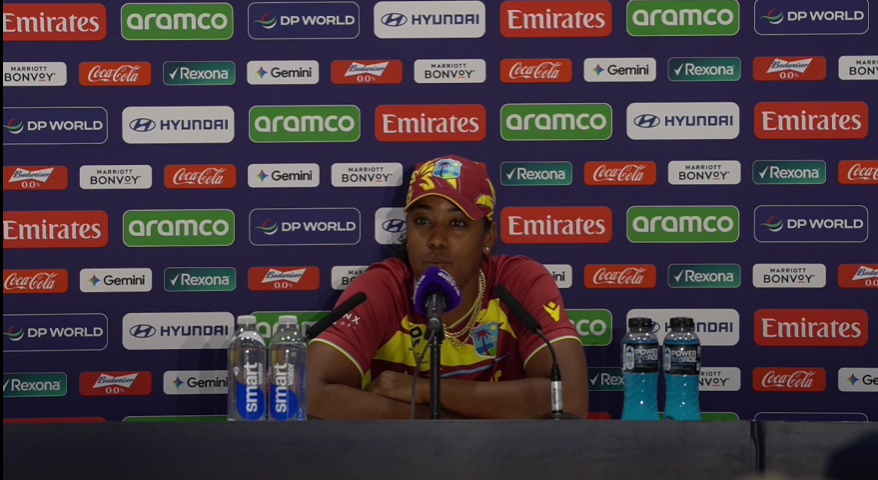
    West Indies captain Hayley Matthews opened up about the result in a post-match press interaction, acknowledging that her side’s batting unit has yet to hit its peak performance at the tournament. “We’re still not quite firing with the bat,” Matthews admitted, noting that both she and star batter Deandra Dottin have yet to register significant scores at the event. She did point to a bright spot, however, highlighting that fellow batter Chinelle Henry turned in a promising performance against England, a win that moves the European side one step closer to securing a semifinal spot.

    Despite the setback, the West Indies skipper emphasized that her team still controls its own path to the knockout round, a position she says the squad is grateful to hold. “It’s all in our hands, and that puts us in a wonderful position. Coming into this World Cup, if you’d said we’d only need to beat Ireland in our final group game to lock in a semifinal spot, we’d have grabbed that opportunity with both hands,” Matthews said. She added that the team’s internal message remains focused on confidence and consistency: “We’re in a very strong place right now. The message to the group is just to keep believing, and keep playing the quality cricket we’ve shown so far.”

    Looking ahead to the must-win clash with Ireland, Matthews expressed quiet confidence in her side’s prospects, while giving full respect to their upcoming opponent. “Against a team like Ireland, if we play at our best or even near our best, we should come away with the result we need. I’m not underestimating them by any means, but we’re going in feeling pretty confident,” she said.

    Matthews also broke down the key turning points that swung the result in England’s favor, acknowledging that her own missed catch off England captain Heather Knight proved to be a pivotal moment. “With the ball, England was able to keep finding boundaries consistently, and full credit to them – they played excellent cricket. That’s the nature of modern T20, after all. But I think we let ourselves down a little in the field, too. My missed catch on Heather Knight made a massive difference to the game’s momentum,” she admitted.

    The captain also addressed her own controversial dismissal earlier in the West Indies innings, which came after a third umpire review upheld an on-field caught-behind decision. Matthews explained that while she respects the official ruling, she did not make contact with the ball. “When I cut at the delivery, I heard a noise that I thought was my bat handle, so I told the on-field umpires right away what I’d heard. But I also knew I was far from making contact, and I made that clear,” she said. “The third umpire has to work with the technology available, and she saw a spike on the snickometer, even though I think you could see a clear gap between bat and ball. At the end of the day, you have to respect the decision that’s given.”

    The result leaves Group Two finely poised heading into the final round of group matches, with West Indies knowing a single win against Ireland will book their place in the tournament’s semifinal stage.

  • Potter’s Sports Complex to Get Olympic-Size Swimming Pool

    Potter’s Sports Complex to Get Olympic-Size Swimming Pool

    In a landmark decision that signals a major investment in the nation’s sporting future, the Cabinet of Antigua and Barbuda has given formal approval to a sweeping expansion of the ongoing Potter’s Sports Field Redevelopment Project, scrapping earlier plans for a half Olympic-sized swimming pool in favor of a world-class aquatic facility built to host elite regional and international competitions.

    The approval was officially announced to reporters Thursday during the regular post-Cabinet media briefing by Maurice Merchant, the country’s Director General of Communications. Merchant emphasized that the Cabinet’s endorsement of the expanded project aligns directly with the government’s core commitments to youth development, expanded community recreational access, and the cultivation of international-level sporting excellence across Antigua and Barbuda.

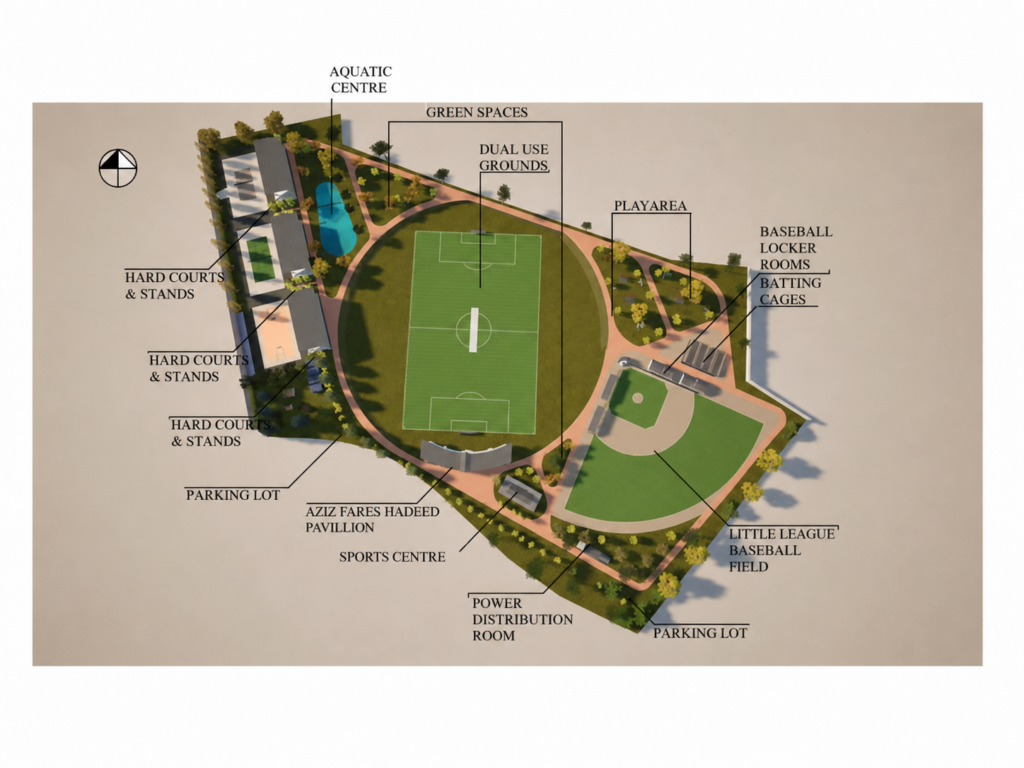
    Work has already been underway to reimagine the existing Potter’s Sports Field into a sprawling, inclusive multi-sport complex that caters to a wide range of athletic interests. Under current construction plans, the site will already feature dedicated courts and fields for basketball, netball, volleyball, pickleball, baseball, football and cricket, alongside a purpose-built recreational play area for young children. Originally, the project’s amenities were set to include only a half Olympic-sized swimming pool paired with a smaller instructional pool designed for beginner swim lessons.

    However, Cabinet members determined that the ongoing redevelopment presented a one-time opportunity to create a transformative, globally competitive aquatic venue that would serve the nation for decades to come. The revised blueprint calls for a 50m by 25m full Olympic-sized competition pool, a dedicated warm-down pool for competing athletes, a 750-seat spectator grandstand, modern changing facilities, and all supporting infrastructure constructed to meet strict international competition standards.

    In addition to approving the upgraded aquatic facility, Cabinet also greenlit the transfer of adjacent Crown lands to the project, expanding the total footprint of the sports complex to accommodate the larger venue, expanded visitor parking, accessible pedestrian walkways, public concession areas, and all other auxiliary amenities required to host large-scale sporting events. During the post-briefing question-and-answer session, Merchant clarified that the original half-pool plan has been fully discontinued, making way for the upgraded national-standard facility.

    Merchant also confirmed that the expanded project integrates long-discussed plans for a national aquatic centre, addressing public concerns about budget reallocation by noting that no funding has been diverted from other existing government projects. Instead, the government is securing dedicated additional financing specifically earmarked for the expansion of the Potter’s Sports Field redevelopment.

    Officials project that the upgraded facility will do more than just expand local recreational options: it will position Antigua and Barbuda as a premier host destination for top regional and international aquatic events, including the CARIFTA swimming championships and other major competitive meets. Beyond boosting the nation’s sporting profile, the project is expected to strengthen local athlete development pathways for competitive swimmers and drive sustained economic activity through growing sports tourism, as visitors travel to the country to attend elite competitions.