分类: sports

  • Derde helft WK 2026: Kroatië kaatst Ghana terug en pakt tweede plek

    Derde helft WK 2026: Kroatië kaatst Ghana terug en pakt tweede plek

    A decisive Group L World Cup clash between Croatia and Ghana at Philadelphia Stadium delivered late drama, as Croatia held on for a 2-1 victory that sealed their second-place finish in the group, behind already-confirmed winners England. The result also sees Ghana progress to the knockout stage as one of the best third-placed teams, bringing an early end to Scotland’s tournament, as the side failed to qualify for the elimination round.

    The match kicked off in a low-tempo fashion, with neither side creating clear-cut goal-scoring chances in the opening exchanges. Croatia gradually asserted control of possession, patiently building attacks up the pitch, while Ghana set up in a deep defensive block, circulating the ball in their own half to avoid turning over possession early. The first major opportunity of the game fell to Croatia in the 16th minute: after Ghana lost the ball in a dangerous area, Nikola Vlašić found himself one-on-one with the goalkeeper, but his effort crashed off the woodwork, denying Croatia the opening goal.

    Croatia continued to probe the Ghana defense, with veteran playmaker Luka Modric – earning his 201st international cap, while defender Josip Gvardiol surprisingly started the match on the bench – orchestrating play from deep. Forward Ante Budimir appealed for a penalty after going down in the box, but the referee waved away the appeals. Shortly after, Modric delivered another dangerous set piece into the 18-yard box, with Ivan Perisic rising to head goalwards, only for Ghana goalkeeper Jojo Asare to make a sharp save to keep the score level. Remarkably, Ghana had still not registered a single shot on target by this point of the contest.

    Just after the 30-minute mark, Croatia finally broke the deadlock. Petar Sucic unleashed a powerful low strike from more than 30 yards out, curling the ball into the bottom left corner beyond the reach of Asare. This goal marked the first goal that Ghana had conceded in the entire tournament up to that point, and temporarily pushed Croatia above England into top spot in Group L.

    After falling behind, Ghana began to push further up the pitch, and Antoine Semenyo tested the Croatia defense with a shot that drifted just wide of the post, but the side still failed to create sustained attacking pressure. Before halftime, Croatia created another dangerous chance with a whipped cross into the box, but could not convert, and the score remained 1-0 at the break. Croatia went into the interval holding a deserved lead thanks to their controlled, clinical play, while Ghana struggled to find attacking inspiration.

    Ghana made two substitutions at the start of the second half, bringing on Abdul Fatawu and Kojo Peprah Oppong to inject fresh energy into their attack. The change worked immediately, as Ghana put sustained pressure on the Croatia defense, pushing the European side back into their own half. Semenyo found space to deliver several promising crosses into the box, but his teammates could not convert the chances, and Croatia saw much less of the ball in the opening 20 minutes of the half.

    After Ghana’s early storming spell, the pace of the game dropped again, returning to the slow, low-chance pattern of the first half. Croatia made their own change, replacing Budimir with Igor Matanovic, while Perisic was shown a yellow card for a foul. Ghana responded with two more substitutions, swapping Jordan Ayew and Kamaldeen Sulemana for Brandon Thomas-Asante and Ernest Nuamah to keep the pressure coming.

    In the 78th minute, Ghana got the equalizer their sustained pressure deserved. From a well-delivered free kick, Derrick Luckassen powered a header into the back of the net. A potential offside against Kwasi Sibo was ruled out by VAR, after officials confirmed Sibo was not involved in active play when the ball was played in, so the goal stood.

    Croatia responded swiftly to the equalizer with a substitution of their own, bringing on Mario Pašalić for Mateo Kovacic. Pašalić immediately tested Asare with a sharp effort, but the Ghana keeper pulled off an outstanding save to keep the score level. Just moments later, however, Asare could not stop Croatia from retaking the lead. From a Modric corner, Vlašić headed the ball goalward, which hit the post before bouncing over the goal line to put Croatia 2-1 up. The goal confirmed Croatia’s hold on second place in the group, pushing them ahead of England temporarily before the final group standings were confirmed.

    Ghana made one late change, bringing on Sibo for Caleb Yirenkyi in a final push to find an equalizer, but Croatia’s defense held firm through seven minutes of stoppage time. When the final whistle blew, Croatia held on for a 2-1 win.

    The final Group L standings confirm England as group winners, with Croatia finishing second to advance. Ghana’s third-place finish is enough to see them through to the knockout stage, but the result eliminates Scotland from the tournament, as the side did not finish among the best third-placed teams across all groups.
  • Derde helft WK 2026: Engeland rekent af met Panama en wint met 2-0

    Derde helft WK 2026: Engeland rekent af met Panama en wint met 2-0

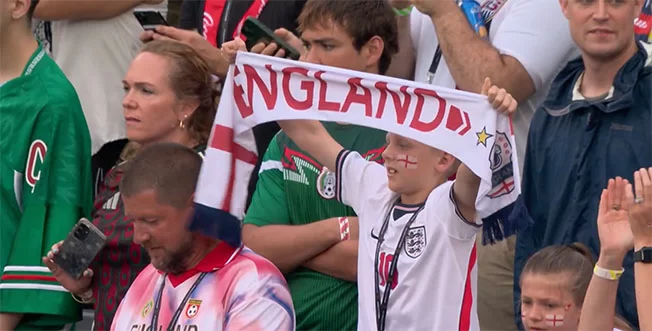
    At the 2026 FIFA World Cup, England claimed a clinical 2-0 victory over Panama in their final Group L group stage match on June 27, punching their ticket to the knockout round and reinforcing their status as one of the tournament’s title favorites. The Three Lions struggled to break through their underdog opponents in a tense first half that ended goalless, but two quick strikes from Jude Bellingham and Harry Kane within five minutes after the break secured all three points.

    Panama, making only their second ever World Cup final tournament appearance after their debut in 2018, put on a disciplined and defiant defensive display to shut England out for 45 minutes. The Central American side set up in a compact, tight block, pressing fiercely and limiting England’s space to create dangerous chances. Though England dominated possession for the entire opening half, they failed to register any clear-cut opportunities on goal, sending both teams into the halftime break with a 0-0 scoreline.

    The gap in quality between the two sides began to show after halftime, however. Early in the second period, Panama forward José Fajardo picked up a yellow card in the 53rd minute, followed by a caution for England’s Jarell Quansah seven minutes later. Moments after that booking, England seized full control of the match. In the 62nd minute, dynamic midfielder Jude Bellingham opened the scoring, tapping home a well-placed cross from winger Bukayo Saka to break the deadlock.

    Just five minutes after Bellingham’s opener, the Real Madrid star turned provider, playing a pinpoint pass that put captain Harry Kane through on goal. The Tottenham Hotspur striker made no mistake, slotting home to double England’s lead and set the final score at 2-0.

    The three points wrap up England’s Group L campaign on a high note. Gareth Southgate’s side opened the tournament with a thrilling 4-2 win over Croatia, followed by a hard-fought 0-0 draw with Ghana, before closing out group play with victory over Panama. The results confirm England’s place at the top of Group L, sending them into the knockout round with momentum.

    For Panama, the tournament ends without a win, but their performance against elite opposition was far from without merit. The side put up a stubborn fight against one of the world’s top-ranked teams, and the campaign represents a key step in the ongoing growth of Panamanian international football, offering invaluable experience for a young program still building its World Cup legacy.

    Group L has been a showcase of football’s global diversity throughout the group stage: it pairs traditional powerhouse England with experienced tournament regular Croatia, strong African contender Ghana, and up-and-coming Panama, a nation still writing its history at the global tournament. In the end, it took England one half to unlock a resilient Panama defense. Once Bellingham broke the deadlock, Panama’s resistance crumbled, and the Three Lions now head into the knockout round with full confidence ahead of their next match.

  • Derde helft WK 2026: Zes cruciale wedstrijden, verrassingen en roze schoenen

    Derde helft WK 2026: Zes cruciale wedstrijden, verrassingen en roze schoenen

    As the 2026 FIFA World Cup group stage enters its final matchday this Saturday, six high-stakes encounters will determine the last remaining spots in the knockout round, while a tiny island nation has already written its name into tournament history. Cape Verde, the smallest country by population to ever qualify for the World Cup, has capped a dream debut by advancing to the round of 32, capping off a stunning run of results that included draws against 2010 champions Spain and 1930 and 1950 winners Uruguay, before a goalless draw against Saudi Arabia secured their place in the next stage. Goalkeeper Vozinha was the standout hero for the underdog side, delivering a series of match-saving performances that carried his country into knockout phase football. The Blue Sharks will next face defending champions Argentina on July 3 in Miami Gardens.

    This Saturday’s action will see seven of the top 10 remaining knockout spots still up for grabs, with global heavyweights aiming to lock in perfect group stage results and sort final positioning ahead of the knockout round. The full schedule for matchday three is as follows: Panama vs England at New York New Jersey Stadium (18:00 local time), Croatia vs Ghana at Philadelphia Stadium (18:00), Colombia vs Portugal at Miami Stadium (20:30), DR Congo vs Uzbekistan at Atlanta Stadium (20:30), Jordan vs Argentina at Dallas Stadium (23:00), and Algeria vs Austria at Kansas City Stadium (23:00).

    Heading into their final group clash against Panama, England are targeting a clean sweep of three wins from three group matches. The two sides last met at the 2018 Russia World Cup, where England recorded a dominant 6-1 victory that remains the Three Lions’ biggest winning margin in World Cup history. Gareth Southgate’s side enter the clash as clear favorites to secure all three points.

    In Group L, Croatia and Ghana will face off for the first time in World Cup history, with both sides still chasing a knockout spot. Ghana currently sits one point above Croatia in the group standings, and ranks 65th in the latest FIFA rankings – the second-lowest ranked side Croatia has ever faced at a World Cup, behind only 70th-ranked Russia in 2018. Despite their lower standing in the table, Croatia enters the fixture as the overwhelming favorite to claim three points and secure progression.

    Colombia and Portugal will also meet for the first time on a World Cup stage, with the tie set to decide who claims the Group K top spot. Colombia will only need a single point to finish at the top of the group, while Portugal is chasing all three points to secure top seeding ahead of the knockout round. This encounter marks only the third time Portugal has faced a South American side at a World Cup, following previous matches against Brazil and Uruguay.

    DR Congo and Uzbekistan will also lock horns for the first time ever at the World Cup, with both teams still fighting for a knockout stage place. DR Congo is still chasing its first ever World Cup win, having drawn 1-1 with Portugal and suffered a narrow one-goal defeat to Colombia in its opening two fixtures.

    Algeria and Austria meet in their second ever World Cup group stage encounter, with their first meeting dating back to the 1982 World Cup, when Austria claimed a 2-0 clean sheet victory. This time around, Algeria is targeting its second consecutive World Cup win, a first in the nation’s tournament history.

    Finally, an already eliminated Jordan side will face Argentina for the first time ever, with the two-time World Cup champions targeting a third win from three group matches to maintain their perfect run. It has already been confirmed that Lionel Messi will start the fixture from the substitute bench, but Argentina still enters as the overwhelming favorite. Despite their elimination, an already free-scoring Jordan side could pull off a tournament upset by claiming its first ever World Cup win.

    Off the pitch, Iran remains in limbo waiting to learn if it will clinch one of the best third-place spots that guarantees knockout progression. A late equalizer for Iran against Egypt was ruled out for offside after a VAR review, leaving the side level on points in third place in Group G. Iran’s progression depends on three specific results on Saturday: Croatia must lose to Ghana, DR Congo must fail to beat Uzbekistan (with an extra caveat that Uzbekistan cannot win by seven or more goals), and either Algeria or Austria must win their Group J closing fixture.

    Iran captain Mehdi Taremi has launched scathing criticism at FIFA over poor logistical arrangements for his side, which is based in Tijuana, Mexico and forced to make repeated cross-border trips to the United States for matches. Following Friday’s 1-1 draw with Egypt, Taremi labeled the travel arrangements a “disaster”, saying the repeated cross-border trips put Iran at a substantial competitive disadvantage. He also publicly questioned whether the side was truly welcome at the tournament, saying: “If they want us out, okay, let us be out. But this is not fair.” Taremi’s comments come amid heightened geopolitical tensions between Iran and the United States following recent military strikes and a fragile ceasefire, with the captain calling on FIFA to address the unfulfilled support promises the governing body made ahead of the tournament.

    Away from off-field controversy and knockout drama, a bright fashion trend has dominated the 2026 tournament: bold, hot-pink football boots have become the go-to choice for the world’s top players. Major sportswear brands including Nike, Adidas, and Puma have rolled out eye-catching pink designs for the tournament, created to help players stand out on the pitch and project confidence. Some of the biggest names in the game, including Kylian Mbappé, Cristiano Ronaldo, Erling Haaland, Jude Bellingham, and Ousmane Dembélé, have all been spotted wearing the vivid cleats, continuing a decades-long shift away from traditional black-and-white football boots that first started when colorful designs rose to prominence at the 1998 World Cup.

  • Basketball finals come down to Game 3

    Basketball finals come down to Game 3

    The race for the coveted Ricky “Skecky” Estwick Trophy has reached a fever pitch, as defending champions Soufrière Kings locked the three-game KFC National Basketball League Finals at a 1-1 tie after a hard-fought 47-43 victory over the Bonne Terre Blazers on Friday night at the Beausejour Gymnasium.

    Nicknamed the squad from Sulphur City, the Kings delivered a masterclass in defensive intensity to set up a winner-takes-all showdown scheduled for 8 p.m. Saturday at the same venue. The Blazers, who claimed the 2023 league title, had drawn first blood in the best-of-three series, securing a narrow 62-59 win in Game 1 this past Wednesday.

    From the opening tip-off, Soufrière jumped out to an early advantage, anchored by a suffocating defensive game plan targeting the Blazers’ star Louison brothers, Troy and Andre. Capitalizing on a string of unforced errors from Bonne Terre — including multiple shot clock violations and eight-second turnover calls — the Kings took a 24-19 lead into the halftime break.

    After the interval, the west coast side extended their momentum, stretching their lead to 15 points through disciplined offensive sets and consistent long-range shooting. Though the Blazers mounted a gritty second-half comeback, piercing Soufrière’s tight defense to trim the deficit down to just four points, they could not complete the comeback. The Kings held firm through the final minutes to lock in the critical win.

    One of the standout performers for Soufrière was Sidney Didier, who bounced back from a quiet Game 1 to dominate both ends of the floor early in the contest. The versatile wing finished the night with an impressive all-around stat line of 11 points, six rebounds, six assists, and three steals. Forward Kimani Charles also delivered a balanced performance, notching eight points, six steals, five rebounds, and five assists. While Jayzee Saltibus only scored eight points, he was an unstoppable force on the glass, pulling down a remarkable 24 rebounds to secure second chances for his squad.

    For the Blazers, offensive inefficiency proved to be their undoing. The squad converted just 18 of their 82 total field goal attempts throughout the game. Leading scorer Troy Louison put up 18 points, nine rebounds, and three steals, but he needed 29 shot attempts to reach that scoring total. Guard Kyanni Elwin finished with 10 points on 19 shots, while Andre Louison contributed 12 rebounds, six steals, and five assists — but only connected on three of his 17 field goal tries.

    Even after two games, the two title contenders remain closely matched. Though Bonne Terre won the turnover battle 24 to 27, both squads finished with an even 53 total rebounds. When the two most recent champions meet again on Saturday, every possession will count, with the league trophy and championship glory hanging in the balance.

  • DFA Festival showcases youth football as Dominica celebrates Olympic Day

    DFA Festival showcases youth football as Dominica celebrates Olympic Day

    The Caribbean island of Dominica is set to host a packed weekend of community-focused sports action this week, headlined by two major public events designed to nurture emerging talent and celebrate the inclusive spirit of global athletics. On Saturday, June 27, 2026, the Dominica Football Association (DFA) will launch its much-anticipated DFA Academy Football Festival, kicking off at 8 a.m. at the association’s purpose-built Technical Centre in Stockfarm, Roseau. Curated by the DFA’s Technical Department, the event is made possible through collaborative partnerships with two regional and international organizations: Restore Caribbean Lives, a community-focused nonprofit, and First Baptist Church Indian Trail based in North Carolina. Local enterprise J. Astaphan & Co. Ltd. has stepped in as the official sponsor of the festival, supporting its mission to grow youth football across the island.

    Designed exclusively for young aspiring footballers between the ages of 6 and 15, the festival welcomes participants from all officially accredited football academies across Dominica. Unlike high-stakes competitive tournaments, the day balances structured play with recreational opportunity, giving young athletes a platform to display their growing skills to coaching staff, build on-field confidence, and connect with peers who share their passion for the sport. Beyond the fun and friendly competition, the festival also serves as a key scouting opportunity: standout players will be shortlisted for potential selection to the elite DFA National Academy, opening pathways to advanced training and future competitive play at the national level. Every participant will also go home with a commemorative gift to honor their commitment to the sport.

    One day later, on Sunday, June 28, 2025, the Dominica Olympic Committee (DOC) will carry on the sporting momentum with its annual public Olympic Day celebration, running from 2:30 p.m. to 6:00 p.m. at the Bath Estate Playing Field. The annual event marks the 131st anniversary of the founding of the International Olympic Committee, aligning this year with the global Olympic Day theme “Move, learn, discover – Together for a better world” and the unifying slogan “Let’s Move.”

    The celebration kicks off with a community Run/Walk through the streets of Roseau, with organizers having adjusted the route specifically to welcome wheelchair users and cyclists, ensuring the event is fully accessible to people of all abilities and mobility levels. After the opening walk, the afternoon will feature a packed schedule of activities for attendees of all ages, including demonstrations of a wide range of Olympic and recreational sports, group aerobics sessions, family-friendly activities like face painting and bouncing castles, and live local entertainment. All guests will have access to complimentary refreshments, a commemorative event t-shirt, and free on-site health checks, reinforcing the event’s focus on holistic wellness and community inclusion. The DOC has publicly emphasized that the celebration is open to every member of the public, regardless of age or athletic background, and has encouraged widespread turnout to celebrate the unifying power of sport.

    Taken together, the two events frame a weekend of grassroots sporting engagement across Dominica, highlighting the island’s commitment to nurturing young talent, promoting active lifestyles, and making sport accessible to entire communities.

  • Charles F Broome ‘A’ retains primary schools chess crown

    Charles F Broome ‘A’ retains primary schools chess crown

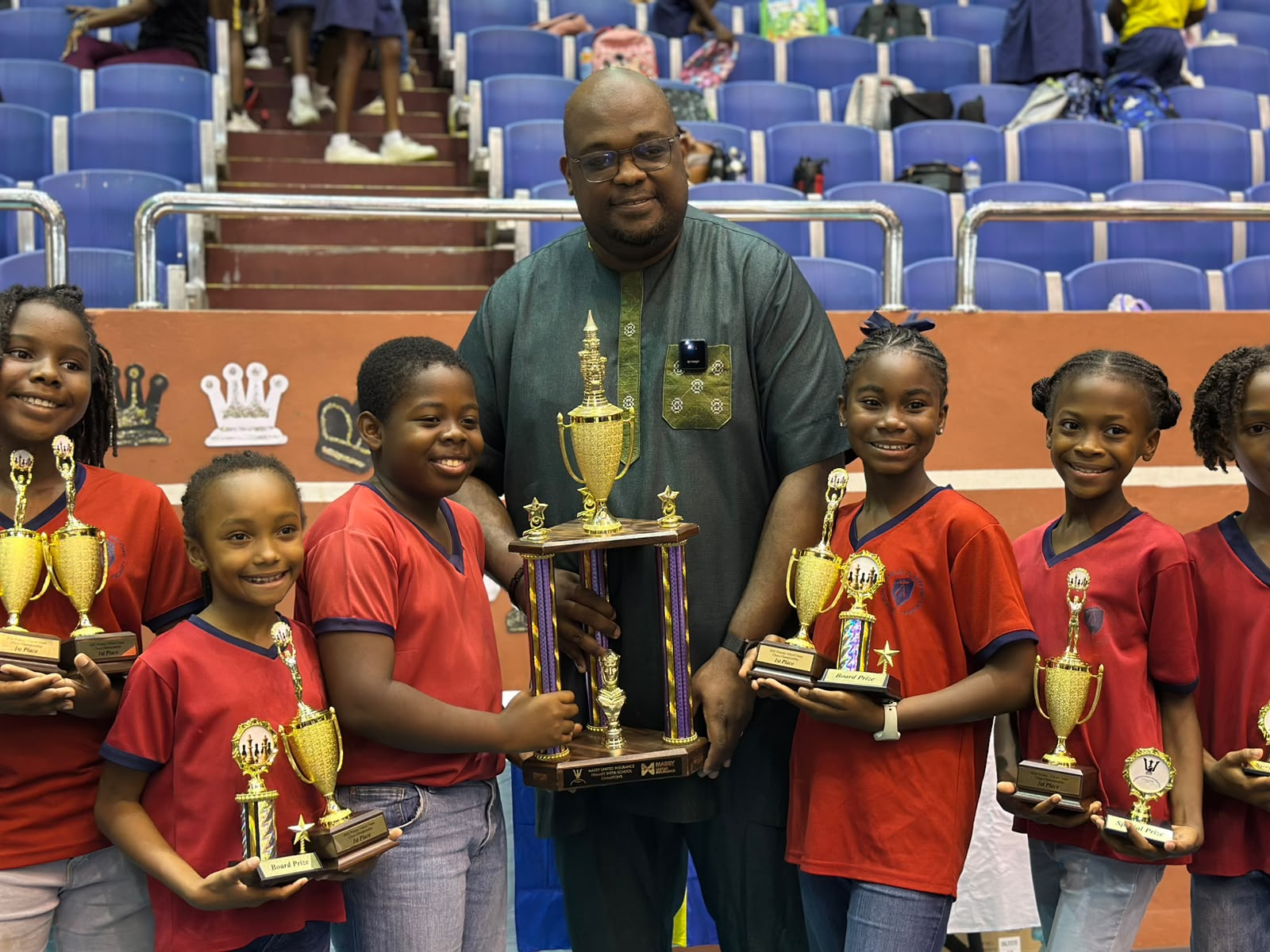
    The Garfield Sobers Gymnasium played host to a dramatic and tightly contested Primary Schools’ Team Chess Championship this year, where Charles F Broome ‘A’ turned in a masterclass performance to successfully defend their national title. The defending champions entered the tournament as one of the favorites to win, and they did not disappoint, taking every match they played en route to a first-place finish with a total score of 21 tournament points. Their narrow margin of victory held off a fierce challenge from St Gabriel’s ‘A’, who claimed second place with a solid 19.5 points after five rounds of competitive play.

    Heading into the final round of the multi-team tournament, the race for the championship title looked set to come down to a showdown between three leading teams. Charles F Broome ‘A’ held the top spot with 17 points, followed closely by Providence “A” at 15.5 points and St George Primary “A” at 15 points. Analysts and spectators alike predicted that the overall winner would emerge from this leading trio. In a pivotal matchup, Charles F Broome ‘A’ faced off against second-place Providence “A” — and delivered an emphatic 4-1 win that sealed their undefeated run. Victories from team members Nathan Culpepper, Daesha Rose Parris, Nia Snow Clarke and Naja Howard pushed the team over the finish line, while Caelynn Gordon of Providence “A” earned the only consolation win for her side with a defeat of Kymani Gayle.

    The battle for the third and final podium spot delivered just as much excitement for chess fans. St Jude’s and St Cyprian’s ‘B’ finished the tournament tied on 18 and a half points, forcing a tie-break to determine the final ranking. St Jude’s ultimately claimed the third-place position after the tie-break resolution.

    This year’s championship win solidifies Charles F Broome ‘A’s reputation as the dominant force in Barbadian primary school chess, marking the latest in a consecutive string of championship victories for the program over recent years.

    In total, 29 teams drawn from roughly 20 primary schools across the region took part in the 2024 championship, bringing 150 total young chess players to compete. Each participating school was allowed to field a core roster of five players, plus two reserve players who could step in for matches throughout the tournament.

    Along with team honors, the tournament also recognized standout individual performances from players across all competing schools. Nine players walked away with board prizes after winning every one of their individual matches throughout the competition. The honorees included Caelyn Gordon of Providence “A”, Liam Lowe of St Cyprian’s “B”, Naja Howard of Charles F Broome, Tyriq Goddard of St George “A”, Nia Sow-Clarke of CFB “A”, Rydun Jones-Jordan of St George “B”, Janea Clarke of St Judes, Dominic Cadogan of St Cyprian’s A, and Benjamin Luciene of St Gabriel’s “A” — who also earned distinction earlier this year as the top performer on the national Common Entrance exam. Minister of Education Chad Blackman presented the individual awards to the winning players.

  • Derde helft WK 2026: VAR dooft Iraans feest: Egypte en Iran eindigen in dramatische 1-1

    Derde helft WK 2026: VAR dooft Iraans feest: Egypte en Iran eindigen in dramatische 1-1

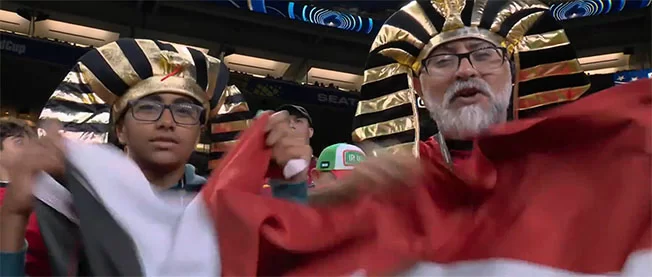
    The 2026 FIFA World Cup Group G clash between Iran and Egypt delivered one of the tournament’s most devastating last-minute twists, as a late winning goal for Iran was ruled out by VAR, leaving the tie locked at 1-1 and altering the entire complexion of the group’s knockout round qualification.

    Iran thought they had secured their place in the tournament’s knockout stage when they found the back of the net in the closing minutes of the fixture. Celebration swept through the Iranian camp: players rushed to embrace each other in jubilation, fans in the stands roared with delight, and the entire nation appeared on the cusp of celebrating a decisive victory that would confirm their progression to the next round. That joy lasted only minutes, however, before the video assistant referee (VAR) intervened to overturn the decision, ruling the goal out for an infraction. When the final whistle blew moments later, the scoreboard still read 1-1.

    The first half had already ended with both sides level at one goal apiece. As the second half unfolded, the match evolved from an open contest into a tense battle of nerves, tactical discipline, and survival. Egypt entered the closing stages knowing a draw would leave them on five points, keeping them in a strong position to claim a knockout spot. Iran, by contrast, needed all three points to guarantee their progression out of the group stage. Elsewhere in Group G, Belgium had already secured all three points against New Zealand, confirming that the Iran-Egypt tie would decide who took the group’s second automatic qualification spot behind the Belgians.

    The final 1-1 result keeps Egypt above Iran in the group standings, allowing the North African side to progress directly to the knockout round with five points. Iran, meanwhile, finishes the group stage on three points, and now faces an agonizing wait to see if their result will be good enough to qualify as one of the best third-placed teams across all groups.
    That wait is made all the more bitter by how close Iran came to securing automatic qualification. The Asian side opened their tournament with a 2-2 draw against New Zealand, followed by an impressive 0-0 stalemate against tournament favorites Belgium. Against Egypt, they looked to have finally taken the decisive step required to lock in their knockout place, only for one VAR decision to flip certainty into agonizing uncertainty.

    This was no ordinary 1-1 draw. It was a classic football rollercoaster of contrasting emotions. Egypt, a side with a deep, storied football heritage across the African continent, held on through experience and tight organization to cling to the result they needed. Iran, long one of Asia’s most consistent top football nations, played with relentless discipline, unshakable belief, and incredible passion, only to see their immediate qualification dream shattered by a VAR review.

    For Egypt, the overriding emotion is sheer relief after avoiding late heartbreak. For Iran, the result leaves only tears, frustration, and endless questions about what could have been. While the scoreboard reads a draw, for Iran’s national team, this match will always feel like a defeat snatched from the jaws of a already-secured victory.

  • Derde helft WK 2026: België walst over Nieuw-Zeeland en wint groep G

    Derde helft WK 2026: België walst over Nieuw-Zeeland en wint groep G

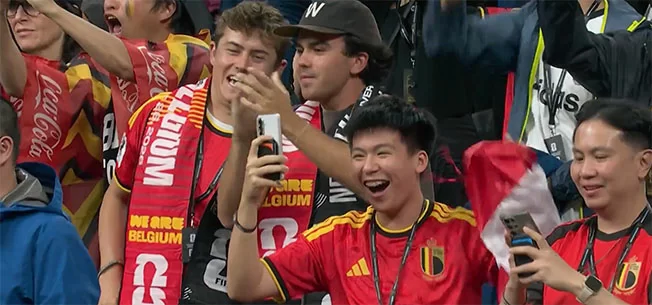
    Vancouver, June 27 – A do-or-die World Cup group stage clash at BC Place ended in a lopsided 5-1 victory for Belgium, who secured their place in the tournament’s knockout round and topped Group G after a dominant second-half display against New Zealand.

    Entering the final round of group matches, both sides sat level on two points from their first two outings, meaning neither had already locked in progression. A draw would not have been enough for either nation to advance, setting up a must-win contest where an early exit was on the line for the loser. For Belgium, a side packed with elite international talent, the match also marked a chance to break a pattern of underperformance at major global tournaments.

    Officiated by Jordanian referee Adam Makhadmeh, the first 45 minutes delivered no shortage of goal-scoring opportunities, but a lack of clinical finishing kept the scoreline tight. Belgium seized control of possession and territory from the opening whistle, pinning New Zealand deep in their own half. In the 20th minute, Leandro Trossard had a golden chance to open the scoring, but his effort deflected off New Zealand defender Finn Surman’s hand and sailed over the crossbar. Belgium appealed for a penalty, but neither Makhadmeh nor a VAR review overturned the on-field decision, leaving the score level.

    Trossard did not have to wait long to find the breakthrough, however. Eight minutes after the disallowed penalty appeal, the winger found the back of the net to put Belgium ahead 1-0, a lead that reflected their early dominance.

    As halftime approached, Belgium squandered multiple chances to double their advantage. Kevin De Bruyne rushed a shot inside the penalty area and sent it high over the goal, while Charles de Ketelaere failed to beat New Zealand goalkeeper Max Crocombe with his chance. Jeremy Doku was the standout playmaker for the Belgian attack, constantly stretching New Zealand’s defense with his pace and dribbling, but he could not add to the score. Despite relentless pressure and a string of clear goal-scoring chances, Belgium’s wasteful finishing meant the sides went into the halftime break with the score still stuck at 1-0.

    New Zealand came out after halftime looking to find an equalizer to keep their knockout stage hopes alive, but their attacking push left huge gaps open at the back, which Belgium quickly capitalized on. Trossard struck again in the 50th minute to extend his side’s lead to 2-0. Fifteen minutes later, New Zealand had a rare chance to pull a goal back, but Callum McCowatt failed to convert.

    Just minutes after that missed opportunity, De Bruyne put the game beyond any doubt with Belgium’s third goal. New Zealand continued to push for a consolation, and they got their reward in the 84th minute when Elijah Just blasted a loose ball from outside the six-yard box into the net to cut the deficit to 3-1. However, Belgium re-established their four-goal lead only a minute later: substitute Romelu Lukaku, who came on in the 85th minute, scored within 60 seconds to make the score 4-1. In the final action of the match, Alexis Saelemaekers added a fifth goal for the Belgians, capping off a dominant performance.

    With the resounding 5-1 win, Belgium finished the group stage as the undefeated winners of Group G, securing their spot in the next round of the World Cup.

  • Column: Crycensio’s keuze

    Column: Crycensio’s keuze

    It has been more than two weeks since the 2026 FIFA Men’s World Cup kicked off in Mexico, and I still have not caught the World Cup fever that grips most football fans this time of year. There are a handful of possible reasons for my detached view of the tournament. First, the match times are scheduled at awkward late hours for fans in my time zone, making it hard to build the routine of gathering to watch games. Second, I have been forced to follow matches through glitchy laptop livestreams on the road, which never delivers the same electric atmosphere as watching on a big screen with fellow fans.

    But the biggest source of my apathy, I think, is the highly questionable pairing of the president of the tournament’s largest host nation and the equally narcissistic head of FIFA. This uncomfortable combination is already setting up an awkward dilemma that star forward Kylian Mbappé could face after the final on July 19. Mbappé is one of the few global football superstars who has openly spoken out on political issues and called out systemic racism. If France lifts the World Cup trophy and Mbappé, as captain, is forced to accept the cup from the two controversial leaders, what will he do?

    That is not to say I have avoided all tournament action entirely. I often catch the second half of matches or watch highlight reels after the fact, and even from that distance, there is no shortage of compelling storylines to grab my attention. I have felt sympathy for the Belgian team, cheered on Ghana, rooted for the plucky Haitian side who defend their national colors with far fewer resources than top teams, and been amused by the blue fever dream of a Curaçao run stoked by Dutch travel giants TUI and Corendon.

    There is still plenty to enjoy even from the sidelines. Global superstars have lived up to the high expectations placed on them, underdog teams have won widespread public sympathy, Scottish fans turned their nation into a giant celebration, and the stands are full of joyful, energetic crowds. One player who has stood out particularly is Crystal Palace turned Bayern Munich midfielder Michael Olise, whose fluid movement and sharp game reading have been a joy to watch. He is also a fascinating case study when it comes to nationality, heritage and identity: he represents France at the tournament thanks to his French mother, despite speaking not a single word of French, and he could just as easily have chosen to play for England (his country of birth), Nigeria (where his father was born), or even Germany, the country where he plies his club trade.

    Olise’s choice of national team brings to mind the messy debate around nationality that surrounded the Suriname national team ahead of this World Cup cycle. What would have happened if winger Crycensio Summerville had chosen to represent the country of his parents’ origin, instead of the Netherlands? This is no abstract question: in the lead-up to the World Cup qualifying play-offs, Summerville received calls from two managers – Henk ten Cate, then head coach of Suriname, and Ronald Koeman, boss of the Dutch national team. But a hamstring injury a few weeks before the international break meant Summerville never had to make the final call at that time.

    It is a shame things turned out that way. I have long argued that a Suriname side stacked with players of Surinamese descent like Ridgeciano Haps, Gleofilo Vleugel, Melayro Bogarde, Djavan Anderson and Myenty Abena more than deserves a spot at a World Cup. If Summerville had joined the side, Suriname would almost certainly have beaten Bolivia and Iraq in March’s qualifying matches and booked their place in the 26-team tournament. Unfortunately, things went wrong, and after Suriname’s defeat in Monterrey, Summerville was left with only one path to the World Cup: the Dutch national team. Now, he is in spectacular form for the Netherlands, having been completely written off by Dutch football pundits until just two weeks ago.

    One lingering question hangs over this decision: did Summerville know at the start of this year what the consequences of choosing a Suriname cap would be? Did he already suspect that neither the Suriname Football Association nor the Surinamese government would do anything to protect Suriname players who hold Dutch passports?

    Maybe that unfulfilled potential is the real reason I have not been able to fully embrace this World Cup. It could all have been so different, so magical. I would have loved to see how Myenty Abena would have calmly kept Erling Haaland off the score sheet. I would have loved to watch Tjarron Chery nutmeg French playmaker and Manchester City star Rayan Cherki like it was nothing. I would have loved to see Ridgeciano Haps shut down all of Sadio Mané’s tricky dribbles. And to top it all off, I would have loved to see Renske Adipi Kanté come on as a late substitute 10 minutes before full time, a fun ironic twist to contrast with the fact that France left his famous namesake N’Golo Kanté on the bench.

    It is a nice daydream to get lost in, for a little while. But I suspect even if Suriname had qualified, they would not have fared much better against Norway, France and Senegal than Iraq did. That is just the reality of international football, but the what-if still lingers.

  • Derde helft WK 2026: Spanje wint slijtageslag en beëindigt Uruguay’s WK-droom

    Derde helft WK 2026: Spanje wint slijtageslag en beëindigt Uruguay’s WK-droom

    On a high-altitude matchday at Guadalajara Stadium, a decisive 2026 FIFA World Cup group stage clash between Spain and Uruguay delivered drama, tactical tension, and seismic upsets that reshaped the tournament’s knockout round bracket. A late error from Uruguayan goalkeeper Fernando Muslera handed Spain a narrow 1-0 win, securing La Roja’s position as group winners and sending Uruguay crashing out of the group stage for the second consecutive World Cup. The matchday also brought one of the tournament’s biggest underdog stories, as Cape Verde stunned the football world to advance to the knockout rounds, while Saudi Arabia’s World Cup campaign came to an early end.

    Uruguay entered the contest carrying significant off-pitch baggage even before kickoff. Key players including captain Fede Valverde had openly raised concerns over head coach Marcelo Bielsa’s grueling training regimens and tactical approach ahead of the match. While Bielsa held extended talks with the squad to resolve tensions, the pre-tournament preparation was far from ideal, and the fixture would mark another underwhelming World Cup result for the veteran manager: Bielsa has now failed to progress past the group stage in two of his three World Cup campaigns, having also fallen at the first hurdle with Argentina in 2002. His only successful group stage exit to date came with Chile in 2010.

    Before play got underway, the contest opened with a solemn minute of silence to honor the victims of recent earthquakes in Venezuela, setting a quiet tone ahead of 90 minutes of high-stakes football. Spain quickly turned to its standout young talent, starting winger Lamine Yamal who posed an immediate threat to Uruguay’s backline. An early mistake from Uruguayan midfielder Rodrigo Bentancur opened the door for a rapid Yamal-led attack, though the chance did not result in a shot on goal.

    Hosted at 1,600 meters above sea level on an artificial volcanic hill, Guadalajara Stadium brought a unique atmosphere and added a physical challenge to the fixture for both squads. For the opening half-hour, both sides set up in deep defensive blocks, content to cede possession and wait for counterattacking opportunities, resulting in few clear scoring chances. Spain controlled the tempo of play through midfield orchestrators Pedri and Rodri, while Uruguay managed only sporadic dangerous breaks, the clearest of which fell to Darwin Núñez, who fired his attempt straight into the arms of Spanish goalkeeper Unai Simón.

    After the hydration break for high-altitude play, Uruguay began to push forward with more aggression. Bentancur tested Spanish defenses with a long-range effort, but missed the target. In the 42nd minute, Spain finally broke the deadlock: Marcos Llorente delivered a sharp low cross into the box to Alex Baena, who controlled the ball cleanly and fired a shot toward goal. Muslera committed a costly error, fumbling the ball which trickled slowly over the goal line to give Spain the 1-0 lead. In a rare and striking call by Bielsa, Muslera was substituted at halftime for his mistake, replaced by Sergio Rochet.

    Right before halftime, Uruguay also made an injury substitution, with Nicolas de la Cruz coming on for the injured Manuel Ugarte. Bentancur remained one of Uruguay’s few bright sparks in the first half, but the side could not convert a late chance created for Núñez before the break. Going into halftime with a 1-0 advantage, Spain held all the momentum, while Uruguay faced an uphill battle to salvage their World Cup dream, already amplified by the shock news that Cape Verde was on course to advance in the parallel group fixture.

    The second half opened with Rochet in goal for Uruguay, but the substitution could not spark a comeback for La Celeste. Spain retained control of possession and continued to threaten through Yamal and Baena. Uruguay made several attacking substitutions, including bringing on Federico Viñas for Valverde, but failed to generate consistent pressure on the Spanish defense. Remarkably, Uruguay did not register a single shot on goal until more than an hour into the contest, despite falling behind, while Spain could not extend its lead after Ferran Torres hit the crossbar on a clever one-two combination chance.

    Tension boiled over in the closing minutes of the match, when Viñas went down in the Spanish penalty area, prompting loud calls for a penalty from the Uruguayan side that the referee rejected. Shortly before the final whistle, Uruguayan substitute Agustin Canobbio was sent off with a straight red card for a dangerous tackle, a decision that surprised many given the lenient referee treatment of rough challenges earlier in the match.

    When the final whistle blew, Spain held on to its 1-0 advantage to secure three points, the group title, and a spot in the knockout round where they will next face Austria. For Uruguay, the result means an early exit, marking the second consecutive tournament they have failed to progress past the group stage. Alongside the elimination, the matchday delivered one of the 2026 World Cup’s biggest underdog success stories: Cape Verde advanced to the knockout rounds, while Saudi Arabia was also sent home early.

    The clash encapsulated everything that makes World Cup football so compelling: high stakes, tactical battles between elite managers, individual mistakes that change the course of the tournament, bold in-game decisions, and young talent shining on the world’s biggest stage.