
Dominicans both at home and abroad are enthusiastically encouraged to proudly display their national flag today as Dominica commemorates ‘Flag Day.’ This special day, established by the Cultural Division, is an integral part of the country’s Independence Celebrations, aimed at fostering national pride and recognition of the flag as a symbol of unity and identity. The current design of the Dominican flag, adopted on November 3, 1988, is renowned for its intricate and meaningful composition. It features a circular emblem of red, showcasing a blue-chested Sisserou Parrot perched on a twig, always facing the flagpole. The parrot is encircled by ten lime green stars outlined in yellow, set against a backdrop of forest green. The flag also incorporates a triple-colored cross formed by three vertical and three horizontal stripes of yellow, black, and white. Each element of the flag carries profound significance, reflecting the nation’s heritage and values. The original flag, designed by the late Dr. Alwin Bully, was unveiled on November 3, 1978, following a national competition. Notably, Dominica’s flag stands out globally with its eight colors, making it one of the most complex and costly flags to produce.
分类: society
-
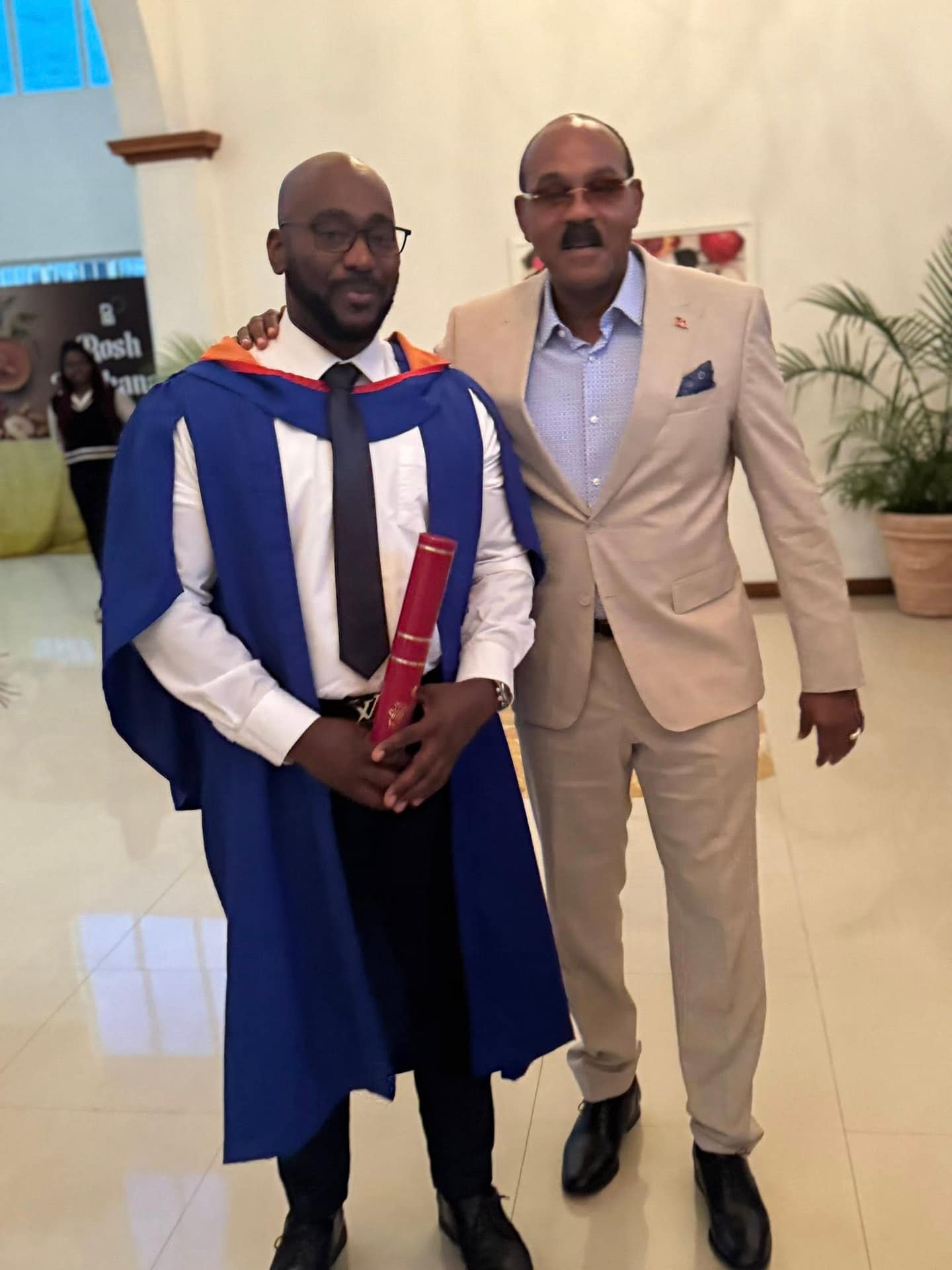
Senator Lamin Newton Reflects on Lessons of Resilience After UWI Graduation
Senator Lamin Newton has delivered a powerful message of self-improvement and positivity following his recent graduation from the University of the West Indies (UWI). In a heartfelt reflection shared online, Newton emphasized the importance of personal growth, urging individuals to focus on becoming better versions of themselves rather than succumbing to negativity.
Newton, who described his university journey as a period of learning and resilience, recounted facing criticism and doubt but remaining steadfast in his goals. ‘I was laughed at, belittled, and criticized. However, I never allowed that to break my focus and resolve,’ he wrote. His message highlighted the value of perseverance and using one’s experiences to inspire others rather than tear them down.
The senator also addressed broader societal issues, calling on people to abandon hate and jealousy. ‘The time has come for ‘you’ to let go of the hate and jealousy — it does you no good,’ he stated. Newton expressed his desire to be a source of encouragement, reminding his audience that ‘nothing is beyond your reach.’ His words have resonated widely, with many supporters applauding his academic achievement and his advocacy for self-reflection and positivity.
Newton’s graduation marks another milestone in his ongoing commitment to public service and personal development. His message serves as a timely reminder of the transformative power of education and the importance of fostering a culture of mutual support and growth.
-
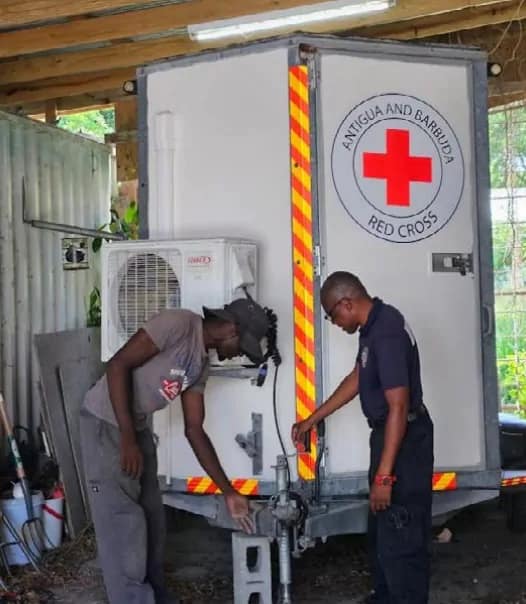
Red Cross Mobile Clinic Returns After Vandalism Setback
The Antigua and Barbuda Red Cross Society (ABRCS) has successfully relaunched its mobile clinic, months after it was severely vandalized and robbed in mid-May. The incident, which involved the theft of critical medical equipment and the destruction of essential supplies, marked another in a series of targeted break-ins against the organization. Despite the setbacks, the Red Cross has restored the mobile unit with enhanced security measures, including reinforced doors, security windows, CCTV cameras, and a new air-conditioning unit. ABRCS President Dr. Jose Humphreys described the ordeal as ‘heartbreaking but not defeating,’ expressing gratitude to the Mill Reef Fund, Fleet and Logistics Manager Jameel Ambrose, and M. Etwaru Construction Service for their support in bringing the clinic back to operation. The mobile clinic provides vital services such as health screenings, vaccinations, maternal care, and disaster health support to underserved communities. Its revival symbolizes the organization’s resilience and unwavering commitment to humanitarian aid. To safeguard against future incidents, the Red Cross has implemented additional security protocols, ensuring the clinic’s continued service to those in need.
-

Police Record More Arrests Related To Robberies
In a recent development, law enforcement authorities have announced a notable rise in robbery arrests and convictions over the past few weeks. Despite this progress, police are urging the public to remain vigilant and actively participate in crime prevention efforts. During Thursday’s post-Cabinet press briefing, Maurice Merchant, Director General of Communications, highlighted that while robberies remain a pressing concern, the police have made significant strides in apprehending offenders. ‘With the increase in robberies, the police are also reporting an increase in convictions and the apprehension of perpetrators,’ Merchant stated. He emphasized the need for a shift in focus towards deterrence and community involvement, stating, ‘They now need to focus on prevention, not simply acting after the fact. Prevention takes the buy-in of all of us… see something, say something.’ Merchant advised residents to stay alert, particularly when conducting business or parking in isolated or poorly lit areas, as public awareness can significantly reduce opportunities for criminal activity. Authorities have also pledged to enhance collaboration with communities to bolster neighborhood watch programs and improve response times.
-

Minister Rawdon Turner praises disaster response to Tropical Storm Jerry
Minister of State for Disaster Response, Rawdon Turner, has lauded the National Office of Disaster Services (NODS) for its efficient and well-coordinated efforts before, during, and after Tropical Storm Jerry struck last week. Turner emphasized that disaster teams were fully prepared for any scenario, with shelters operational across all districts and robust inter-agency communication maintained throughout the crisis. He expressed relief that no fatalities or severe injuries were reported, highlighting the success of the response efforts. Deputy NODS Coordinator, Craig Cole, described the operation as ‘effective and timely,’ citing two successful rescues on Airport Road where floodwaters had trapped a bus and another vehicle. Additionally, the Pigotts main road was closed due to hazardous flooding caused by runoff from nearby backfilled ponds. In preparation for the storm, NODS teams cleared waterways and trimmed trees to mitigate flooding risks. However, some areas, such as Hodges Bay, still experienced flooding after a plastic barrel obstructed the main drain. The following day, six assessment teams were deployed to evaluate conditions and facilitate the swift resumption of economic activities. The National Emergency Operations Centre was activated on Thursday evening following consultations with Prime Minister Gaston Browne. Tropical Storm Jerry brought over nine inches of rain to northern Antigua and more than four inches to other regions. Rainfall data for Barbuda remains unavailable. The commendable response to the storm underscores the importance of preparedness and coordination in disaster management.
-

$5,000 Reward Offered for Stolen Vehicle
Authorities are offering a $5,000 reward for information leading to the recovery of a stolen vehicle or the arrest of the perpetrators involved in the crime. The vehicle in question is a white 2011 Honda Fit RS, bearing the license plate A71654, which was stolen at gunpoint on October 12 in the Pita Pocket, Popes Head Street area. At the time of the theft, the car contained the owner’s personal identification, cash, and bank cards, adding urgency to the investigation. Law enforcement is urging anyone with relevant information to contact the nearest police station immediately, assuring that all tips will be handled with the strictest confidentiality. The public is encouraged to share this notice widely to aid in the recovery of the vehicle and the apprehension of those responsible. Additionally, the notice includes a promotional message for advertising opportunities with the most visited news site in Antigua, offering customizable digital marketing packages. For inquiries, interested parties can reach out via email at [email protected].
-
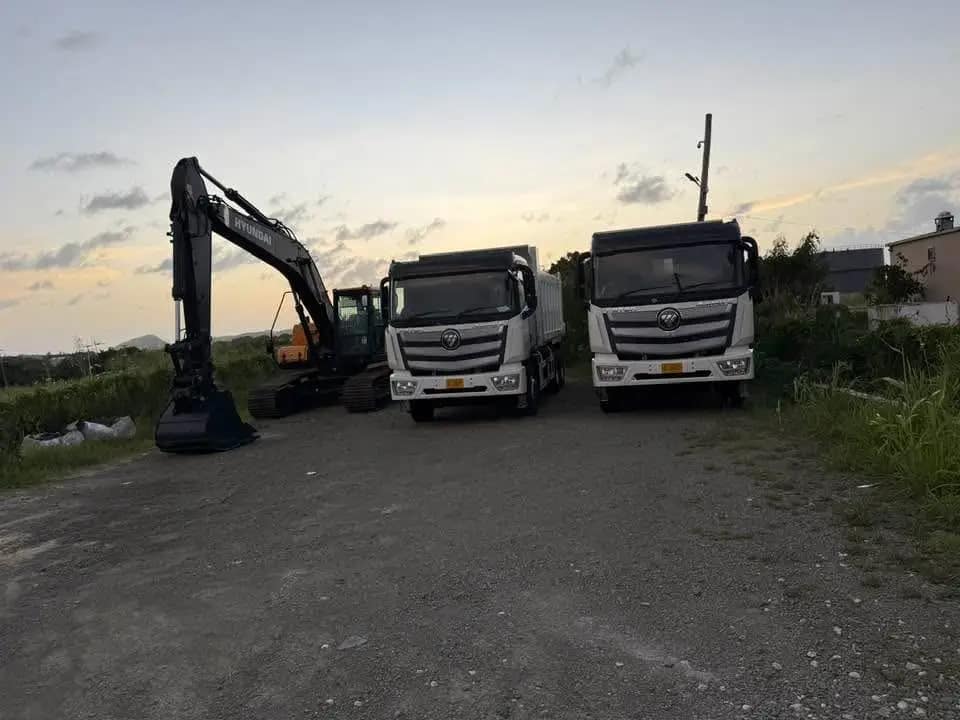
Two trucks and an excavator purchased to help farmers
In a significant move to bolster agricultural productivity, Prime Minister Browne announced the acquisition of two 20-ton trucks and an excavator for the Ministry of Agriculture. These resources are earmarked to assist farmers in constructing ponds and dams on their farms, as well as preparing sub-base layers for farm roads. This initiative aims to enhance water management and improve transportation infrastructure, crucial for the efficiency of agricultural operations. Additionally, the government plans to install solar lights on farms to facilitate night work, thereby extending the working hours and potentially increasing output. This dual approach of providing heavy machinery and renewable energy solutions underscores the government’s commitment to modernizing the agricultural sector and supporting local farmers in Antigua.
-
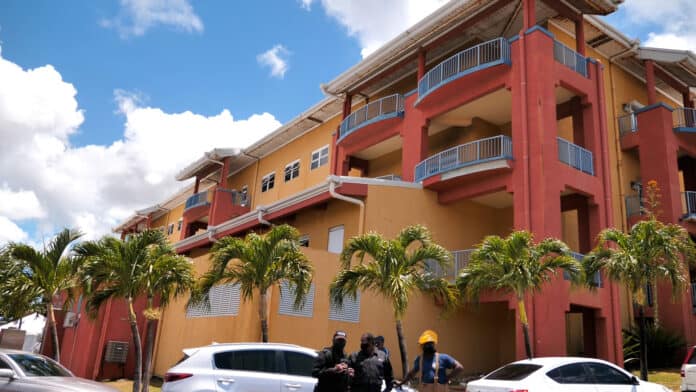
Man shot during attempted robbery in Cooks in stable condition, police say
A man is currently in stable condition at Sir Lester Bird Medical Centre after being shot in the chest during an attempted robbery in the Cooks area early Saturday morning. According to authorities, the incident occurred shortly after 4 a.m. when the victim was walking to the market. A masked gunman reportedly demanded money and, without hesitation, opened fire, striking the victim in the chest. The assailant fled the scene on foot, leaving the victim critically injured. Emergency Medical Services arrived promptly and transported the victim to Sir Lester Bird Medical Centre by 4:20 a.m., where he is now under observation. Police are actively investigating the case and have urged anyone with information to contact the Criminal Investigations Department at 462-3913 or call 911. The incident has raised concerns about safety in the area, with residents calling for increased police presence. Meanwhile, the community remains hopeful for the victim’s full recovery.
-

Social Security in the sun: Using your U.S. benefits to retire in the Dominican Republic
For many Americans, the idea of retiring in the Dominican Republic is no longer just a dream but an attainable and affordable reality. With over 700,000 Americans receiving Social Security benefits abroad in more than 180 countries, the Dominican Republic has emerged as a top destination for retirees seeking a lower cost of living and a slower pace of life. The country’s tropical climate, vibrant culture, and ease of managing U.S. benefits make it an attractive option for those looking to stretch their retirement dollars. From the mountain views of Jarabacoa to the coastal tranquility of Punta Cana, retirees can enjoy a high quality of life while making their Social Security payments go further. The U.S. Social Security Administration (SSA) approves the Dominican Republic for receiving benefits abroad, ensuring retirees can access their funds seamlessly. To manage payments, most retirees maintain a U.S. bank account and transfer funds as needed, though opening a local account in pesos or U.S. dollars is also an option. Popular banks like Banreservas, Banco Popular, and Scotiabank support international transactions, making financial management straightforward. Retirees can also minimize transfer fees by using services like Wise, Remitly, or Xoom, which offer competitive exchange rates and low fees. The cost of living in the Dominican Republic is significantly lower than in the U.S., with a single retiree living comfortably on $1,500–$2,000 per month and couples budgeting around $2,500. Rent in mid-sized cities like Santiago averages $850–$1,100, while smaller towns offer even more affordable options. Fresh local produce and dining out are inexpensive, though imported goods tend to be pricier. Healthcare is high-quality and far more affordable than in the U.S., adding to the appeal. Retirees can also explore residency options through the Pensionado visa, which requires a guaranteed monthly income of at least $1,500. Many retirees are choosing to purchase property in full-service residential communities, which offer amenities like 24-hour security, pools, gyms, and beachfront access, often with tax incentives under the CONFOTUR law. For those considering this lifestyle, real estate professionals like Rosalyn Ortega-Elie of Smart Caribbean Properties provide guidance on selecting the right community and navigating the legal process of buying property abroad. With its affordability, beauty, and ease of living, the Dominican Republic is becoming an increasingly popular choice for Americans looking to retire in paradise.
-
Ministry of Works to Undertake Three Major Building Projects
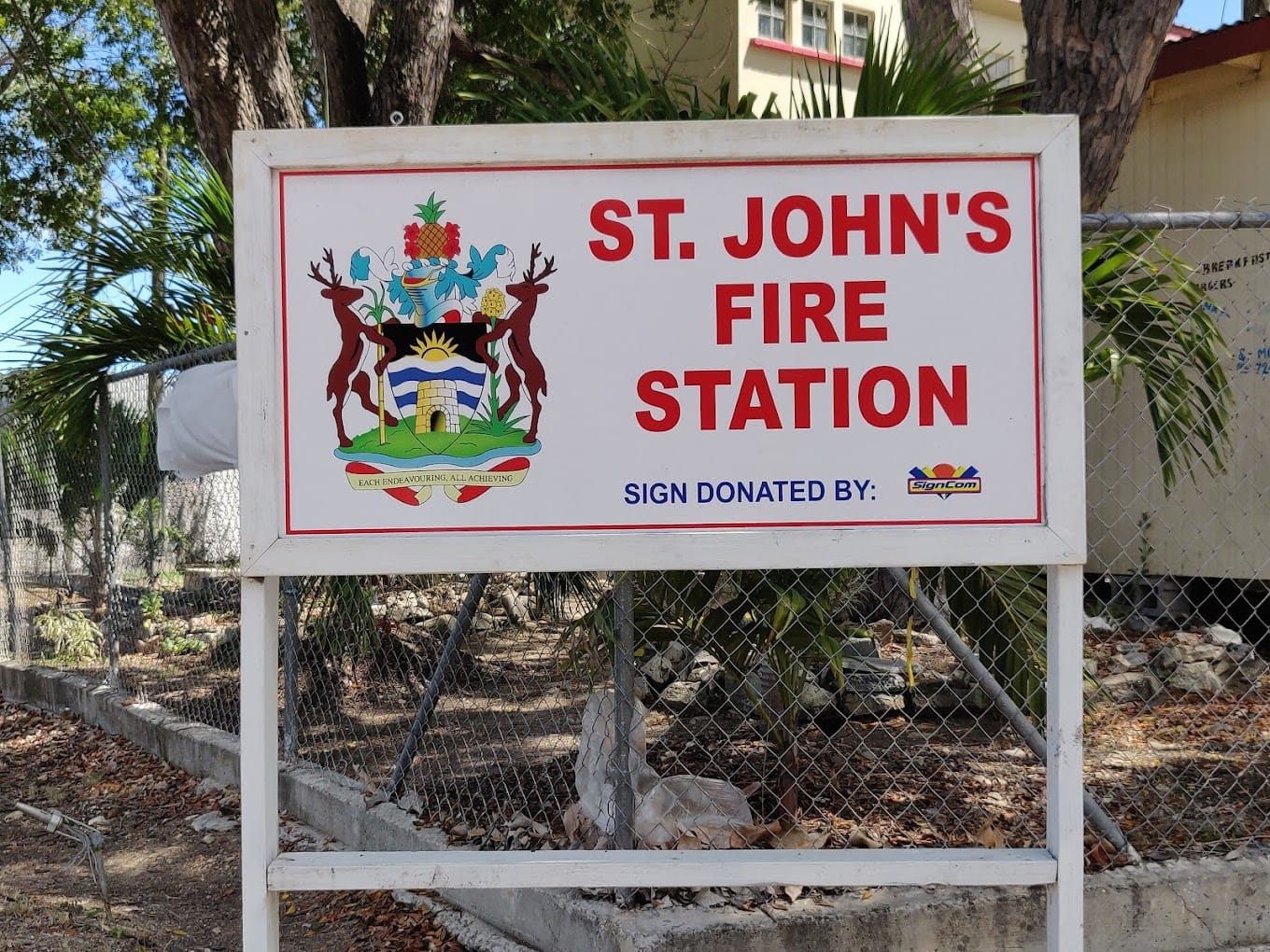
The Ministry of Works in Antigua and Barbuda has announced plans to undertake three significant construction and renovation projects as part of the government’s broader initiative to modernize public infrastructure. The projects include the renovation of the All Saints Clinic, the reconstruction of the St. John’s Fire Station, and the development of the Ministry of Agriculture headquarters on Queen Elizabeth Highway. Maurice Merchant, Director General of Communications, revealed that detailed cost estimates are currently being prepared for these facilities. The St. John’s Fire Station, previously located near the Antigua Recreation Grounds, has been temporarily relocated to the Villa area adjacent to the Hell’s Gate Steel Orchestra. Merchant emphasized that these projects are in addition to the ministry’s ongoing islandwide road-building program, which continues to expand. The initiative aims to restore and enhance key community facilities, reflecting the government’s commitment to improving public infrastructure across the nation. This strategic move is expected to bolster community services, enhance safety, and support agricultural development, marking a significant step forward in the country’s infrastructural evolution.