分类: society

  • Bold, Colorful, Belizean: The Story Behind an Iconic Sign

    Bold, Colorful, Belizean: The Story Behind an Iconic Sign

    BELIZE CITY – For countless visitors entering Belize City, the vibrant, multi-colored Belize Sign has become an indispensable photographic milestone and cultural welcome mat. More than just a tourist attraction, this iconic landmark represents national identity, artistic expression, and community pride for Belizeans worldwide.

    The sign’s journey began through the visionary collaboration of attorney Steve Perrera and businessman Haisam Diab, who sponsored its construction and installation in April 2016 as a memorial tribute to Diab’s mother, Lena Quinto. The monument’s true transformation occurred five years later when visual artist Chelsea Johnston undertook a comprehensive redesign during the challenging transition period following COVID-19 lockdowns.

    Johnston’s artistic revival, executed in partnership with the Belize City Council, captured the nation’s diverse characteristics through symbolic representations of marine life, local flora, and cultural landmarks. Despite facing logistical challenges including adverse weather conditions and tight deadlines, Johnston’s perseverance resulted in an immediate public sensation that generated nationwide recognition and replication requests from other municipalities.

    Notably, Johnston declined subsequent commission opportunities, instead advocating for local artists across Belize’s districts to create their own community-inspired installations. This decision reinforced the sign’s philosophy as a celebration of regional artistic talent rather than a singular tourist attraction.

    Belize City Mayor Bernard Wagner emphasized the sign’s symbolic importance during the post-pandemic recovery period, noting how its 2021 revitalization represented a renewed sense of optimism and cultural rejuvenation for the community. Having withstood multiple natural disasters throughout its decade-long existence, the structure continues to demonstrate remarkable resilience mirroring that of the Belizean people.

    Looking forward, Johnston envisions further artistic enhancements involving collaborative efforts with fellow artists, potentially incorporating more detailed cultural elements such as traditional food and beverage representations. Mayor Wagner has expressed enthusiastic support for continuing artistic collaborations, acknowledging the unique perspective that creative professionals bring to urban landscape projects.

    A decade after its initial installation, the Belize Sign remains both a photogenic destination for international visitors and a powerful symbol of national identity for local residents, continuously evolving through community engagement and artistic innovation.
  • Rapid Expansion Leaves Belize City Under Pressure

    Rapid Expansion Leaves Belize City Under Pressure

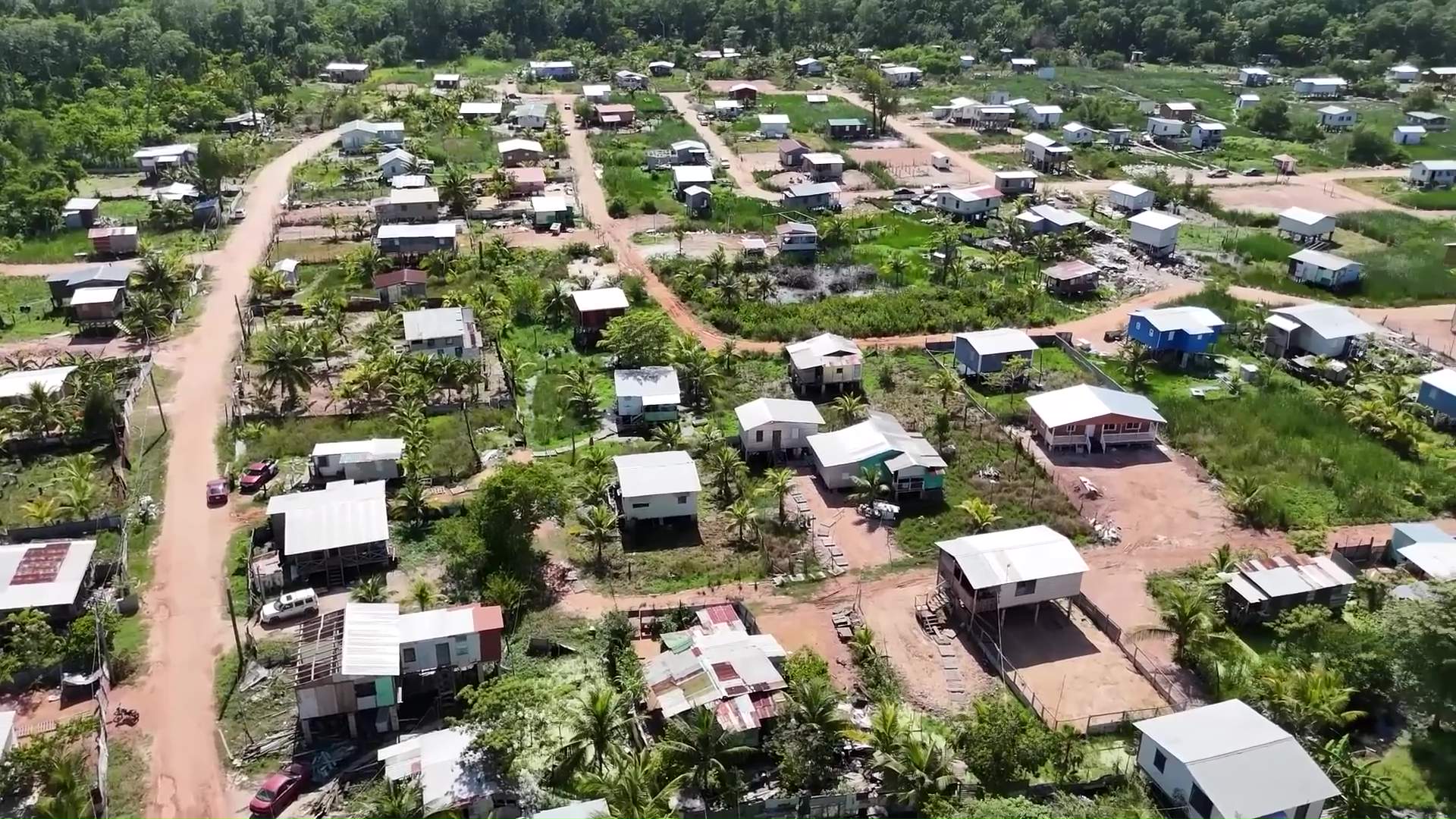
    Belize City faces mounting infrastructural pressures as rapid, unregulated urbanization strains municipal resources beyond sustainable limits. Mayor Bernard Wagner has issued a stark warning about the consequences of uncontrolled expansion occurring across the city’s outer neighborhoods.

    The urban growth, characterized by inadequate planning oversight, has resulted in severe infrastructure deficiencies including substandard road networks, insufficient drainage systems, and recurrent flooding incidents. According to Mayor Wagner, only Belama Phases One and Two represent properly planned developments, with subsequent expansions occurring without comprehensive urban design frameworks.

    This haphazard development pattern has created significant tension between municipal authorities and other governing entities. Residents increasingly turn to the Belize City Council for solutions to problems stemming from poor planning decisions made beyond the council’s direct control.

    The mayor emphasized that the current model of granting land without concomitant infrastructure planning places unsustainable burdens on city resources. New residents subsequently demand municipal services including paved roads and flood mitigation systems that were not incorporated into initial development plans.

    Wagner described the situation as a battle against ‘unsustainable urbanization’ that continues to consume the city’s periphery. He advocates for immediate implementation of comprehensive, long-term planning strategies to address the mounting crises in transportation infrastructure, water management, and urban livability.

    The absence of coordinated planning has created a cycle of reactive problem-solving rather than proactive urban management, with municipal authorities struggling to address deficiencies after developments have already been established.

  • Belize City Looks to Balance Business Growth with Park Protection

    Belize City Looks to Balance Business Growth with Park Protection

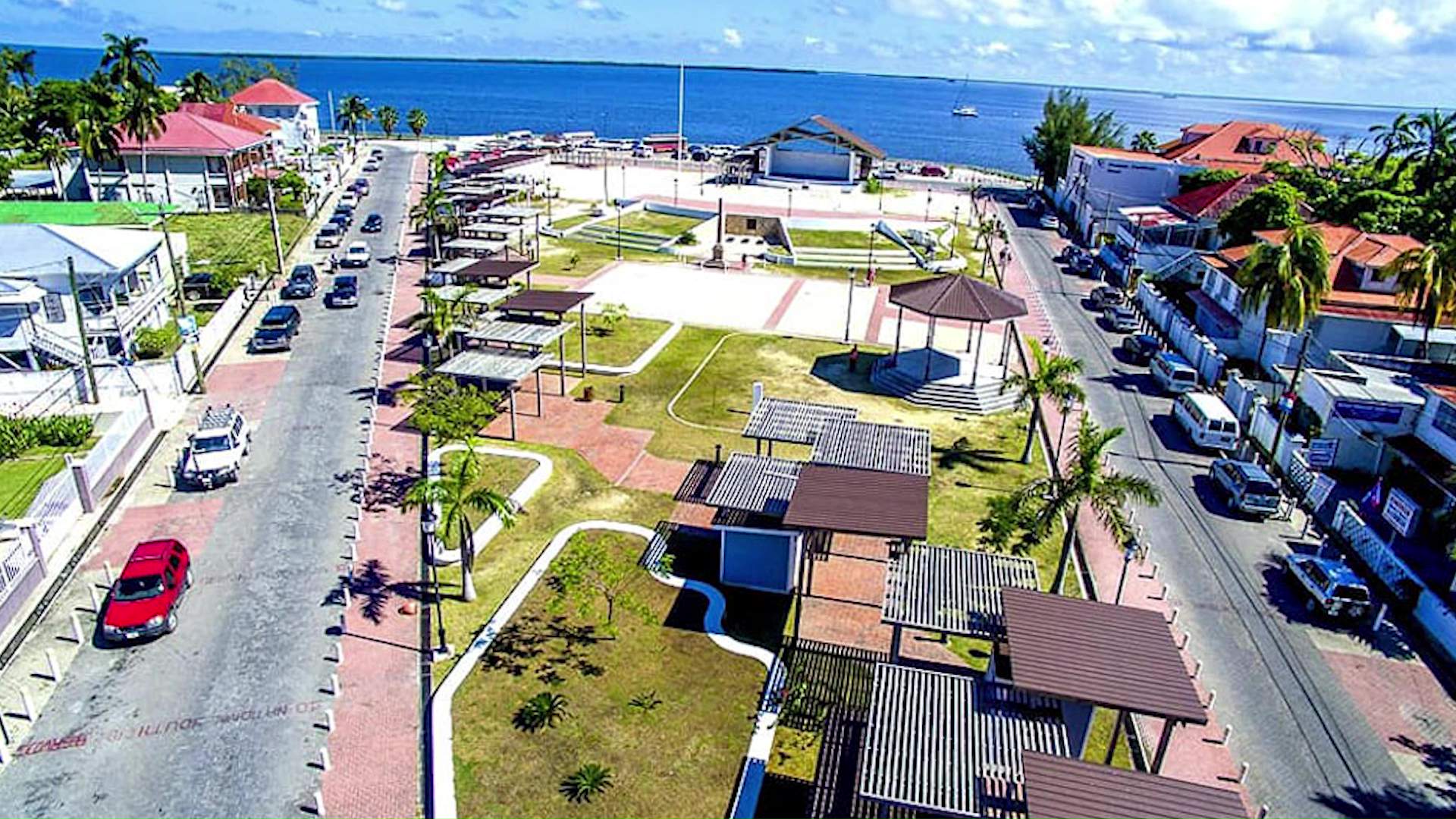
    Belize City is implementing a dual-focused strategy that harmonizes robust economic development with the preservation of essential public green spaces. Municipal authorities, led by Mayor Bernard Wagner, are actively formalizing land ownership for thirteen city parks to ensure their permanent protection. This initiative emerges alongside a notable surge in local entrepreneurship and business licensing that is dynamically reshaping the urban economy.

    Mayor Wagner emphasized the critical need for this undertaking, stating, ‘We are in charge of various parks—Memorial Park, Rock Park (also known as San Cas Park), Wilton Cumberbatch, Manatee Park in Caribbean Shores, Fiesta Park, and others—but we have never held the official titles to these spaces.’ He articulated a philosophy of leaving the city improved for future generations, a perspective he attributes to his background in banking and institutional management.

    The city council, collaborating with the Ministry of Natural Resources and area representatives, has launched the process to secure these land titles. Wagner explained the practical necessity: ‘It’s not good when an institution lacks proper documentation. We want to ensure these public spaces are legally in our hands to prevent future ownership disputes where individuals might attempt to claim these areas.’

    The administrative process is already underway, with thirteen titles currently being processed. Once acquired, these documents will be professionally registered and placed in secure municipal custody. This systematic approach aims to create an official register of all public space titles, providing legal certainty for the city’s recreational infrastructure. This balanced development model demonstrates how urban growth and environmental stewardship can progress simultaneously, ensuring that as more residents pursue business ventures, their communities maintain protected gathering spaces for recreation and social connection.

  • Belizean Named Top Commonwealth Youth Finalist

    Belizean Named Top Commonwealth Youth Finalist

    In a remarkable display of global recognition for Caribbean youth leadership, Belizean national Ishmael Nicholson has achieved distinction as one of twenty elite finalists for the Commonwealth Youth Peace Awards. Selected from an extensive pool of candidates spanning fifty-six member nations, Nicholson’s nomination highlights his exceptional contributions to youth empowerment, social development, and advancement of the Sustainable Development Goals.

    Nicholson’s journey to this prestigious shortlist reflects years of dedicated service across multiple platforms. His application portfolio documented transformative work dating back to 2021, including participation in the Children’s Parliament, COP-28 climate conference, Small Island Developing States (SIDS) initiatives, and his current leadership role with Rise Belize—a cornerstone of his successful nomination.

    In an exclusive interview, Nicholson described experiencing profound emotions upon learning of his selection. “I felt tremendous excitement alongside genuine happiness and accomplishment,” he shared. “This recognition serves not merely as personal validation but as collective acknowledgment for all my partners—from UNICEF and NCFC to various government ministries and global collaborators.”

    Notably, Nicholson’s submission was categorized under Partnership (SDG 17), reflecting his cross-sectoral approach to youth development. His methodology emphasizes breaking down institutional barriers to create synergistic relationships between international organizations and local communities.

    When offering guidance to aspiring changemakers, Nicholson advocates for reframing community service beyond conventional metrics. “View engagement not as work but as civic duty,” he advised. “Impact shouldn’t be measured solely by scale—every contribution matters in our collective mission to build a better Belize.”

    The Commonwealth Youth Awards celebrate young leaders driving positive change aligned with the Sustainable Development Goals. Nicholson’s placement among the top twenty finalists signals growing international appreciation for Caribbean-led development initiatives and positions Belize prominently within global youth leadership conversations.

  • Former BTL Employees Say 175 Still Await Severance Pay

    Former BTL Employees Say 175 Still Await Severance Pay

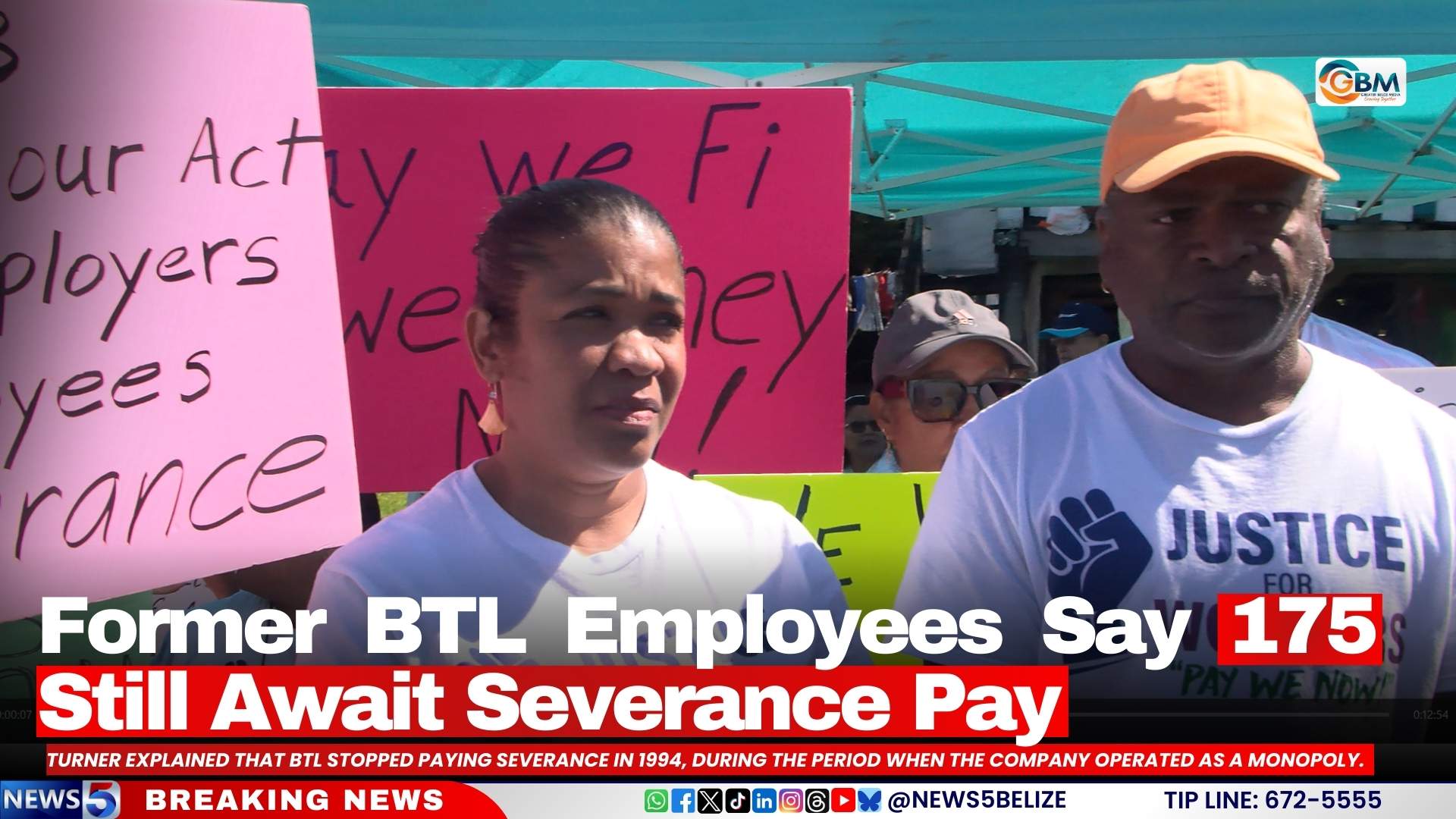
    BELIZE CITY – For the third consecutive day, members of the Belize Communication Workers for Justice (BCWJ) have maintained peaceful demonstrations outside Belize Telemedia Limited (BTL) headquarters, intensifying their demands for severance payments allegedly withheld for over three decades.

    The labor advocacy group now asserts that at least 175 former BTL employees remain uncompensated, despite the telecommunications company having reached settlements with approximately 70 others. BCWJ representative Emily Turner revealed that the number of claimants continues to expand as additional former workers come forward.

    ‘Initially we documented around 200 cases, but our list keeps growing as more former employees establish contact with our organization,’ Turner stated during the protests.

    The contentious severance dispute traces back to 1994, when BTL operated as a national telecommunications monopoly. The legal landscape shifted significantly in 2025 when the Caribbean Court of Justice (CCJ) issued a landmark ruling clarifying that pension benefits cannot legally substitute severance payments under Belize’s labor legislation, recognizing severance as a fundamental ‘social justice clause’.

    Turner emphasized the critical distinction between these compensation mechanisms: ‘Pension plans are jointly funded by employees and the company through contributions, whereas severance constitutes an employer’s exclusive obligation intended to provide financial security for retired workers, particularly older employees facing limited reemployment prospects.’

    The protests have encountered administrative hurdles, with police authorities denying permits for several planned demonstration days. This has prompted the BCWJ to formally appeal to the Commissioner of Police for intervention.

    Adding complexity to the dispute, the workers’ union has raised serious concerns regarding BTL’s proposed acquisition of competing provider Speednet (SMART), questioning the company’s capacity to pursue an $80-100 million acquisition while outstanding labor obligations remain unresolved.

    ‘We maintain our unwavering commitment to securing justice for these workers,’ Turner affirmed. ‘Our presence here demonstrates our determination to continue this fight until all rightful severance payments are fulfilled.’

  • Gully board: Bees’ Nicolls pledges eco-tourism revival for St Thomas

    Gully board: Bees’ Nicolls pledges eco-tourism revival for St Thomas

    Gregory Nicolls, the Barbados Labour Party’s candidate for St Thomas, has announced an ambitious ecological initiative to convert the parish’s extensive gully network into a premier eco-tourism destination. The proposal, unveiled during a political gathering in Welchman Hall, envisions creating miles of recreational pathways while simultaneously generating employment and stimulating rural economic development.

    Nicolls articulated his vision to revitalize these natural corridors, which once served as vital thoroughfares and social spaces for previous generations. “Our grandparents utilized these gullies as transportation routes and recreational areas,” Nicolls recounted. “My grandmother traveled from Christie Village to Proute through these gullies, and our uncles played cricket within them. We’ve allowed this essential ecosystem to become overgrown.”

    The comprehensive plan includes establishing approximately 25 kilometers of dedicated biking and walking trails through the restored gully system. This infrastructure would position St Thomas as a distinctive tourism attraction, potentially drawing visitors directly from Grantley Adams International Airport seeking unique ecological experiences.

    Beyond recreational amenities, the project emphasizes environmental restoration through the cultivation of indigenous flora. Nicolls specified that the initiative would encourage the proliferation of bougainvillea, ginger lilies, and fruit trees including guava, gooseberry, and cherry varieties, creating both visual beauty and ecological benefits.

    The economic dimension of the proposal involves creating employment opportunities for local youth in gully restoration and maintenance. Additionally, the plan incorporates local entrepreneurs, particularly village shopkeepers who could establish bicycle rental services catering to tourists exploring the gully network.

    Nicolls framed the initiative as a modern revival of the “Heart of Barbados” program specifically adapted for St Thomas, transforming neglected natural assets into sustainable economic and recreational resources for both residents and visitors.

  • Calvin Ayre Foundation Conducts Back-to-Back Medical Evacuations for Citizens in Urgent Need of Overseas Care

    Calvin Ayre Foundation Conducts Back-to-Back Medical Evacuations for Citizens in Urgent Need of Overseas Care

    The Calvin Ayre Foundation (CAF) has executed two critical medical evacuation operations in early 2026, demonstrating its ongoing commitment to addressing urgent healthcare deficiencies through strategic public-private partnerships. These life-saving missions were conducted in coordination with the Medical Benefits Scheme (MBS) and regional medical facilities.

    The Foundation’s first medevac mission of the year involved Mr. Paqual Peters, who required immediate pulmonary evaluation and treatment unavailable locally. CAF arranged and funded aerial transportation via CalvinAir Helicopters, while MBS provided comprehensive financial coverage for all medical procedures. Mr. Peters was transferred to Martinique under the medical supervision of Dr. Benjamin Bridge, Senior Registrar in Internal Medicine at Sir Lester Bird Medical Center, ensuring continuous care throughout the transition. The patient has since returned to Antigua following successful treatment, with his sister Esther King expressing profound gratitude for the Foundation’s intervention.

    Shortly following this operation, CAF coordinated a second emergency evacuation for a 15-year-old female patient requiring specialized care not accessible in Antigua. The adolescent was transported to Trinidad & Tobago for comprehensive medical assessment, diagnostic testing, and subsequent treatment. While MBS assumed responsibility for hospitalization and medical expenses, the Foundation contributed significantly to air ambulance costs. CAF worked collaboratively with the patient’s family and physicians to facilitate both compassionate and expedient transfer.

    Patrice Jacobs, Media Associate of CAF, noted: ‘The rapid succession of these emergencies has challenged our response capabilities, yet we remain dedicated to serving critical healthcare needs within our community. Providing swift assistance to this young patient and her family was both a privilege and honor.’

    These consecutive medical evacuations highlight the Foundation’s unwavering dedication to healthcare equity and demonstrate the powerful impact of collaborative efforts between private organizations and public institutions in addressing urgent medical necessities.

  • Marriage and Engaged Encounter set for annual celebration of World Marriage Day in St Joseph

    Marriage and Engaged Encounter set for annual celebration of World Marriage Day in St Joseph

    The St. Joseph Catholic Church is set to host its twelfth consecutive World Marriage Day observance on Sunday, February 8th, continuing its tradition of honoring committed relationships within the community. The event, commencing at 9:00 AM, welcomes couples across various relationship stages—married, engaged, or seriously dating—for a spiritual celebration of matrimonial bonds.

    This annual gathering serves as both a recognition of the institution of marriage and an opportunity for couples to reflect on their commitments. The church’s Marriage and Engaged Encounter ministry organizes the event, creating a dedicated space for relationship enrichment through shared experiences and spiritual practices.

    Unlike typical couple-focused events, World Marriage Day emphasizes the communal aspect of relationships, highlighting how marital bonds contribute to broader social stability. The celebration incorporates liturgical elements specifically designed to acknowledge the challenges and joys of long-term partnerships.

    The event represents one of the region’s most established observances of World Marriage Day, which itself is recognized internationally. Participants can expect a program blending traditional worship with contemporary reflections on modern relationship dynamics, all within the framework of Catholic teaching on sacramental marriage.

  • STATEMENT: Clarification on government grants to government-assisted schools

    STATEMENT: Clarification on government grants to government-assisted schools

    ROSEAU, DOMINICA – In response to emerging concerns within the educational sector, the Government of Dominica has issued an official clarification regarding salary management practices at government-assisted schools. This statement comes following the circulation of a letter from St. Mary’s Academy staff on February 4, 2026, prompting governmental intervention to ensure factual accuracy and public transparency.

    According to the clarification, government-assisted institutions operate as independent entities while receiving monthly grants specifically allocated for staff compensation. The government emphasized that with the notable exceptions of St. Martin Primary, St. Luke’s Primary, and St. John’s Primary Schools, educators at these facilities are not classified as government employees. Consequently, the administration of salary disbursements falls under the purview of individual school authorities rather than central government management.

    The Ministry of Finance maintains a established protocol ensuring that financial assistance to these educational institutions is distributed no later than the final business day of each month, provided all necessary requirements have been satisfactorily met. Although staff members at these schools do not hold public officer status, the government has consistently facilitated their compensation through structured grants, recently including negotiated salary enhancements of 3% and 2% in collaboration with the Dominica Association of Teachers, along with corresponding back-pay adjustments.

    Government officials acknowledged the critical contribution of both government-assisted and private educational institutions within the national framework. While maintaining their independent operational status, these schools are strongly encouraged to promptly collect available grants to ensure timely remuneration for their educational professionals.

    The Dominica Government reaffirmed its unwavering commitment to supporting all educational sectors, emphasizing the importance of continuous dialogue and cooperative engagement to address concerns effectively, ultimately prioritizing the best interests of both students and educators throughout the nation.

  • Authorities move to clear illegally docked vessels from The Carenage

    Authorities move to clear illegally docked vessels from The Carenage

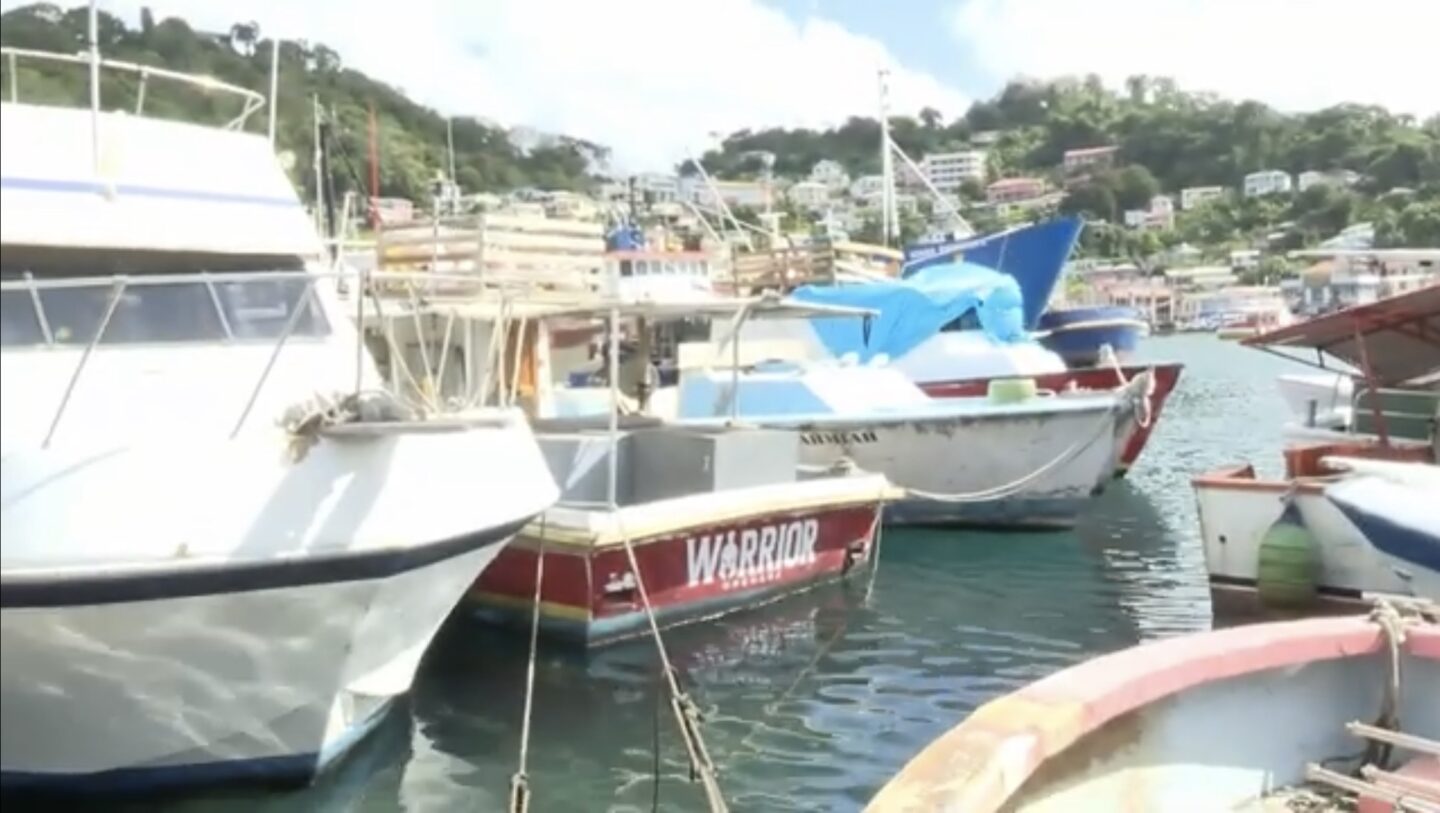
    The Grenada Ports Authority (GPA) has initiated decisive enforcement measures to address critical environmental and public safety concerns in The Carenage inner harbor, setting a firm Friday deadline for the removal of illegally docked vessels. Following years of warnings and unheeded compliance notices, officials are now coordinating with coast guard and police forces to restore safety and environmental integrity to one of Grenada’s most iconic waterfront areas.

    During a comprehensive joint inspection conducted Wednesday evening, GPA officials documented multiple systemic issues including severely restricted public access pathways, navigational hazards, and substantial environmental contamination. The situation has been exacerbated by vessels permanently moored in the harbor without proper waste containment systems, leading to direct discharge of black and grey water into the marine environment.

    GPA General Manager Franklyn Redhead explained the unique geographical challenges compounding the pollution problem: “The harbor’s enclosed design creates an extremely slow flushing rate, preventing natural dispersion of contaminants and creating accumulated long-term environmental and health risks.” He emphasized that most vessels lack holding tanks, making the harbor effectively an open sewer.

    The regulatory timeline reveals extensive forbearance by authorities. Initial removal notices were issued nearly three years ago, with vessel owners receiving two separate 90-day compliance periods—both ignored without consequence. Redhead stated the current 30-day notice expires Friday, February 6th, after which coordinated removal operations will commence on Monday, February 10th.

    Beyond environmental concerns, the situation presents tangible safety hazards. Vessels docked in direct operating zones create risks for legitimate commercial traffic and themselves, while deteriorating infrastructure has created physical dangers for pedestrians. Eroded sidewalks, flooded roadways, and obstructed access points particularly endanger elderly and disabled citizens attempting to navigate the waterfront.

    Grenada Tourism Authority Chairman Randall Dolland highlighted the tourism implications: “These conditions fundamentally undermine our reputation as a safe destination. Everyone should be able to walk safely along The Carenage—this is non-negotiable for both residents and visitors.”

    Authorities have identified alternative berthing locations at no cost to vessel owners, including the outer harbor near Melville Street, the Lagoon, and Clarke Court Bay. These areas provide safer, more appropriate mooring conditions without the environmental constraints of the inner harbor.

    The GPA operates under clear legal authority granted by the Ports Authority Act, CAP 247, which designates the Port of St George’s as extending from Point Salines to Moliniere. The restricted zone encompassing The Carenage runs from Sails Restaurant to the W E Julien Building.

    Limited exceptions will be granted for cargo vessels actively offloading goods, but no permanent berthing will be permitted. Vessel owners seeking temporary access must now apply directly to the Ports Authority for consideration.

    The enforcement operation represents a significant shift from years of patient negotiation to decisive action, with authorities pledging to work closely with law enforcement agencies to ensure safe and professional implementation of harbor regulations.