分类: society

  • PDV Caribe Donates $6,000 to Support Care Project

    PDV Caribe Donates $6,000 to Support Care Project

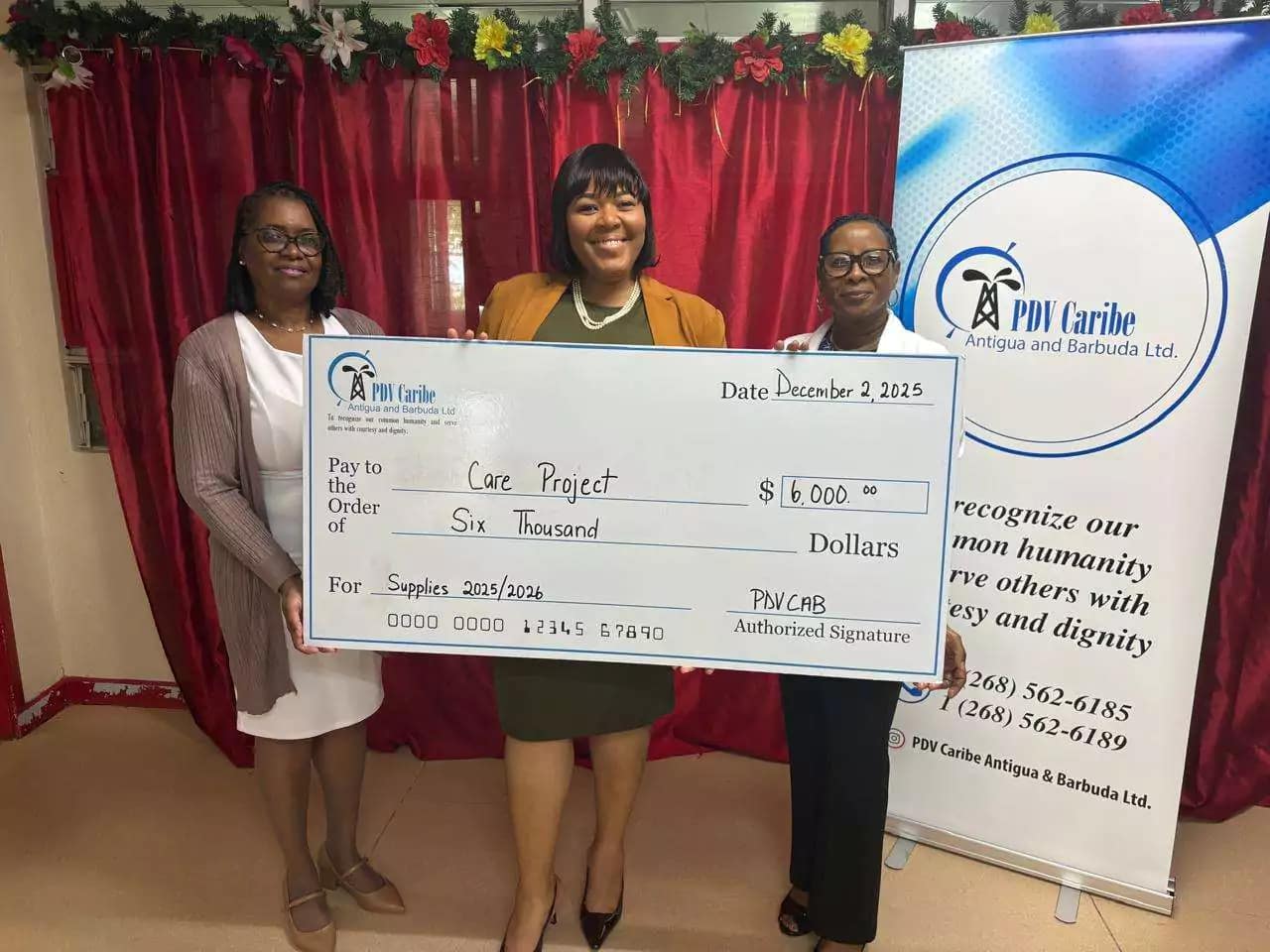
    In a significant corporate social responsibility initiative, PDV Caribe Antigua and Barbuda Ltd. has contributed $6,000 to The Care Project, a government-operated facility dedicated to supporting individuals with severe disabilities. The ceremonial handover occurred on Tuesday at the site of the former Paediatric Ward within Holberton Hospital.

    The donation was formally presented by the company’s General Manager, Jellette Ralph, and accepted by Matron Aldine Robins and Operations Manager Sandy Daniel. This financial injection is earmarked for the procurement of essential supplies crucial for the facility’s daily operations and the well-being of its residents.

    The Care Project serves as a vital long-term residential sanctuary for citizens grappling with profound physical or mental disabilities. A notable aspect of its mission is providing for individuals who have been abandoned and are entirely dependent on state support. Initially established as a pediatric facility, its scope has expanded over time to accommodate a diverse age range, with current residents spanning from 10 to 48 years old.

    General Manager Ralph articulated that the contribution is a manifestation of the company’s foundational commitment to ‘acknowledge our shared humanity and provide service to others with dignity.’ She further issued a call to action, encouraging other members of the business community to follow suit and lend their support to such critical social causes.

    PDV Caribe, which oversees the operational aspects of the PetroCaribe Energy Agreement, maintains a established history of philanthropic engagement. Its support extends to various social programs, notably the People’s Benefit Programme. The company recently marked a significant milestone, celebrating its 20th anniversary in September, underscoring its longstanding presence and commitment to the region.

  • One Man Jailed, Another Cleared in Valley Church Beach Theft

    One Man Jailed, Another Cleared in Valley Church Beach Theft

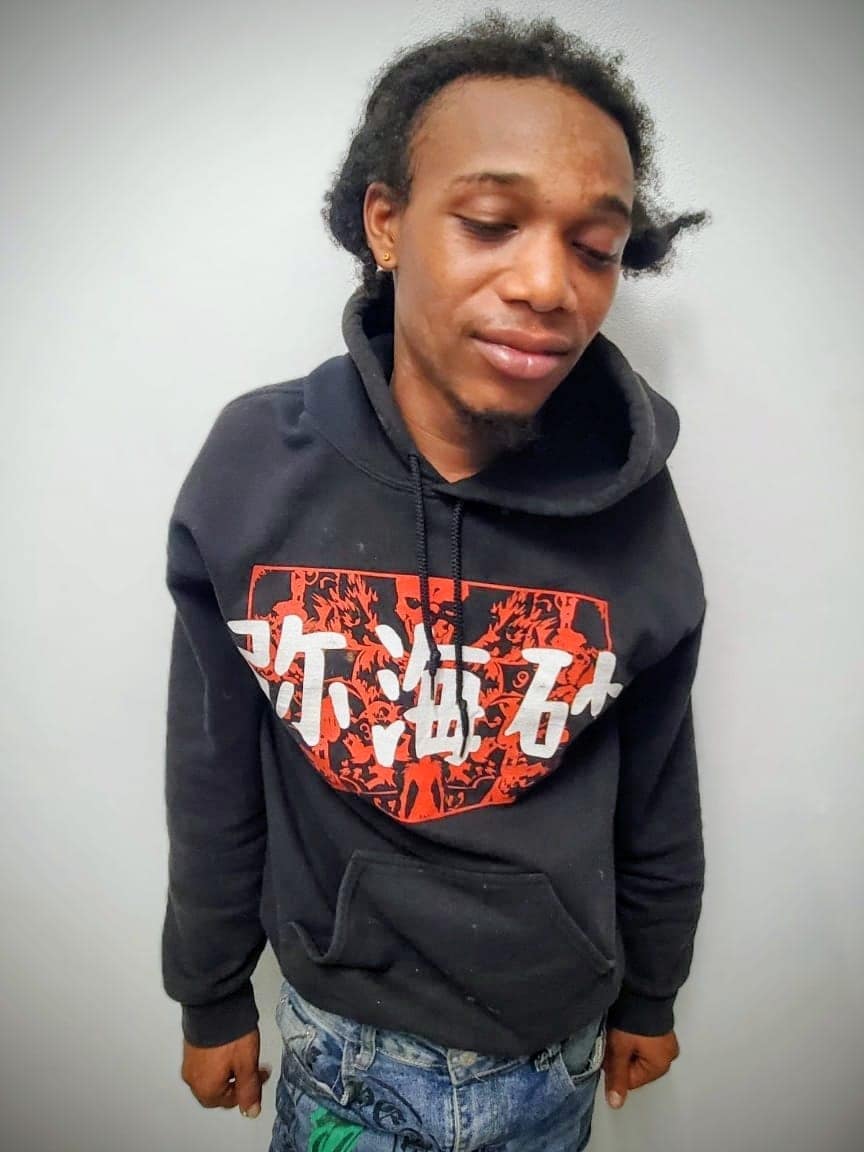
    A recent theft incident at the popular Valley Church Beach in Antigua has reached a judicial conclusion, resulting in divergent outcomes for two individuals charged. Damien Henry, a 24-year-old resident of Bathlodge, has been sentenced to 18 months imprisonment after entering a guilty plea for larceny. The ruling was delivered by Senior Magistrate Ngaio Emanuel, finalizing the case against him.

    In a contrasting development, Terry Williams, a 20-year-old from Nut Grove who was jointly accused, was absolved of all charges. The court formally withdrew the allegations against Williams, declaring him not guilty of any involvement in the criminal act.

    The incident unfolded on a Tuesday afternoon when two tourists reported the theft of their personal bag while they were engaged in swimming activities. According to official reports, a witness promptly alerted security personnel after observing an individual seize the bag and rapidly depart the scene in an orange Honda Fit vehicle.

    Law enforcement agencies from both Bolans and Johnson’s Point police stations initiated a coordinated response to the theft report. Their efforts culminated in the successful interception of the suspect vehicle in the Johnson’s Point area shortly after the crime was committed. Police apprehended both men present in the vehicle and successfully recovered the stolen bag with all its contents intact, returning the property to the rightful owners.

    The case highlights ongoing concerns regarding tourist security at popular Caribbean destinations while demonstrating the effectiveness of inter-station police cooperation in responding to criminal activities. The judicial outcome illustrates the system’s capacity to both punish confirmed offenders while protecting the rights of those wrongly accused.

  • PM Mitchell recommends enactment of laws to fight downside of social media

    PM Mitchell recommends enactment of laws to fight downside of social media

    Prime Minister Dickon Mitchell of Grenada has issued a compelling call for legislative action across Caribbean nations to address the pervasive negative impacts of social media platforms. Speaking as a guest on the Government Information Service’s Spice Morning show on December 3, 2025, Mitchell characterized social media environments as breeding grounds for bullying, abuse, and systematic character defamation.

    The Prime Minister emphasized that even technologically advanced nations are recognizing the dangers of unregulated digital spaces, which he warned could fundamentally undermine social cohesion. ‘We here in the Caribbean have to be concerned about having unfiltered access for all kinds of negativity that floats around in social media and what it does to our mental health and mental wellness,’ Mitchell stated during the broadcast.

    Mitchell highlighted the current regulatory vacuum in the region, noting the absence of comprehensive policies to address misinformation, disinformation, and false information circulating online. He articulated the need for protective measures for vulnerable individuals who may lack the emotional resilience to withstand online harassment.

    Beyond immediate harms, the Prime Minister identified a broader cultural concern, describing much of social media content as ‘mindless, numbless, pointless decadence’ that distracts from constructive societal development. He contrasted the current environment of trolling and abuse with the potential for platforms to highlight positive community-building efforts.

    Mitchell called for a collaborative approach involving multiple sectors of society, urging churches, civil society organizations, and trade unions to join the conversation about digital responsibility. He warned that today’s targets might be politicians, but tomorrow’s victims could include religious leaders, civil society representatives, or union officials, making this a universal societal concern requiring comprehensive regulatory solutions.

  • Tershawna Glasgow tops Japanese speech contest

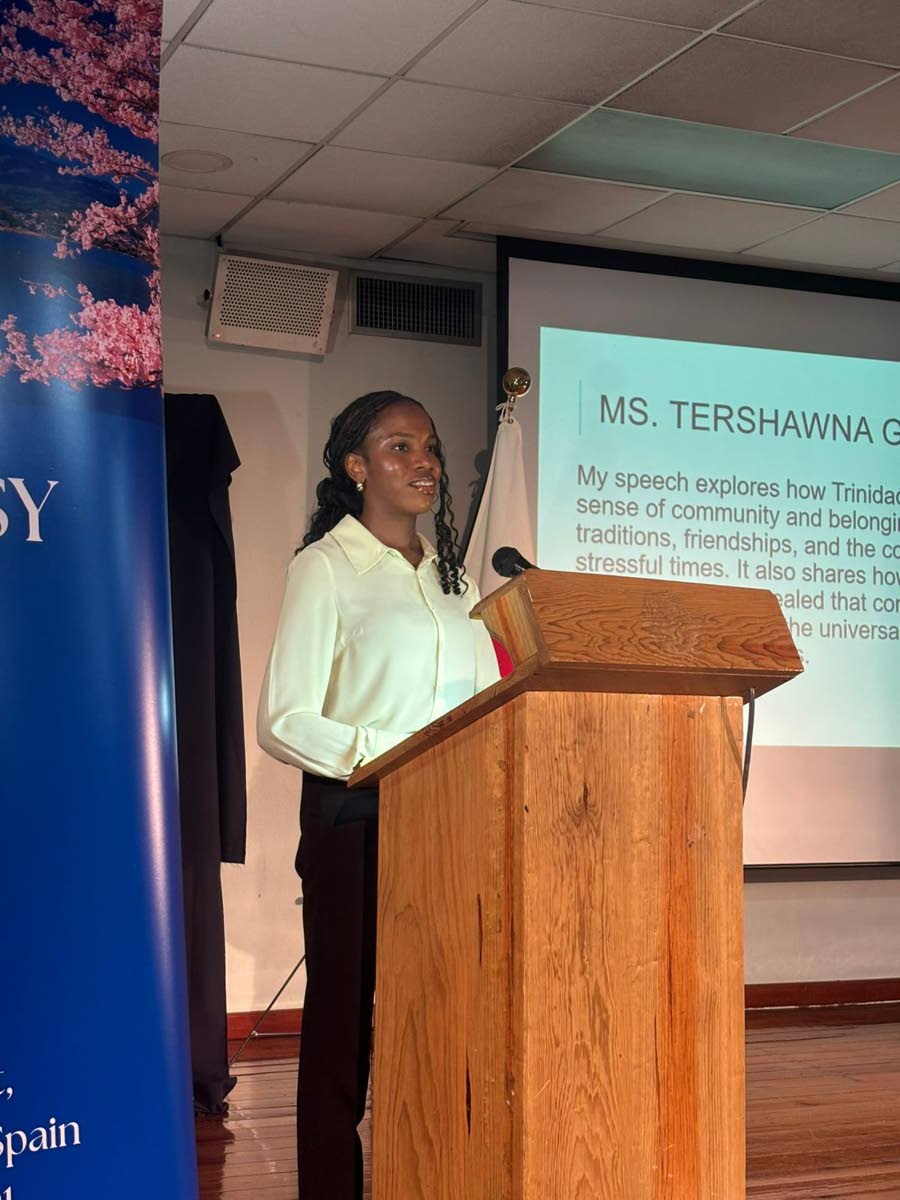
    Tershawna Glasgow tops Japanese speech contest

    The eighth annual Japanese Speech Contest, a collaborative initiative between the Embassy of Japan and the Centre for Language Learning at the University of the West Indies, St. Augustine Campus, successfully convened on November 29. Held at the CLL auditorium, the event underscored the growing cultural and educational exchange between Japan and Trinidad and Tobago.

    Japanese Ambassador Dr. Akima Umezawa inaugurated the proceedings with a keynote address emphasizing the contest’s pivotal role in fostering bilateral relations. He articulated that the platform significantly contributes to the proliferation of Japanese language acquisition and cultivates a deeper appreciation for Japanese cultural nuances within the local community, according to an official media release.

    The ambassador extended profound appreciation to key sponsors—Caribbean Gas Chemical Company (CGCL), Hachidorikai (the Japanese Ladies’ Association of Trinidad and Tobago), and More Vino Restaurant—for their sustained patronage. Their consistent support, particularly in endowing special prizes to laureates, has been instrumental in the event’s continued success over eight consecutive years.

    This year’s competition featured six participants: five competed in Category I, designed for learners at The Japan Foundation’s A1/2 standard with 100-200 study hours, while one contender participated in Category II, targeting A2 standard and above with over 200 study hours.

    An esteemed panel of adjudicators, comprising Ambassador Umezawa, Keio KATO (CEO of Caribbean Gas Chemical Limited), and Asahi Kunito (Japanese Language Education Advisor from The Japan Foundation in Mexico), evaluated the speeches.

    Tershawna Glasgow clinched first place in Category I with her presentation ‘How Curry Shaped My Life,’ while Ambika Ramdass secured second place with ‘How Anime Impacted My Life.’ Ariel Procope received the Recognition Award in Category II for her discourse on ‘Nature: Positive Impact of Mangroves.’

    Preceding the speech contest, the Japan Cultural Association of Trinidad and Tobago orchestrated a ‘Japan Day’ exhibition. The event offered immersive experiences in both traditional and contemporary Japanese culture, including art demonstrations and interactive workshops, providing the public with a holistic cultural encounter.

  • Darville says new hospital will not worsen flooding on Perpall Tract

    Darville says new hospital will not worsen flooding on Perpall Tract

    A comprehensive civil engineering assessment has determined that the proposed multi-million-dollar specialty hospital in Nassau’s Perpall Tract area will not exacerbate flooding conditions in adjacent neighborhoods, according to Health and Wellness Minister Dr. Michael Darville. The findings, presented during parliamentary discussions concerning a $201 million borrowing resolution for the facility’s construction, indicate the hospital’s advanced drainage design may actually enhance flood protection for surrounding communities.

    The engineering evaluation, conducted by Caribbean Civil Engineering Group Limited, emerged from resident concerns voiced during a contentious Department of Physical Planning hearing in October. These apprehensions, formally documented in the town planning certificate, prompted regulatory authorities to mandate a detailed drainage strategy before granting project approval.

    Minister Darville revealed the completed drainage plan for the 50-acre site has been formally submitted to the Ministry of Works. The analysis included examination of well field infrastructure impacted by Tropical Storm Imelda’s heavy rainfall, identifying maintenance deficiencies including malfunctioning floodgates and obstructed drainage canals. The report proposes comprehensive mitigation measures featuring expanded drainage ponds and infrastructure improvements.

    Despite resident arguments that Tropical Storm Imelda’s flooding demonstrated the area’s unsuitability for development, officials clarified the hospital structures will be situated on elevated terrain seven to fourteen feet above sea level, outside the well fields themselves.

    Project updates include a revised construction budget of $268 million, reflecting $22 million in savings achieved through switching to reinforced concrete building materials. Financing arrangements include a $300 million concessional loan from China EXIM Bank. Construction is projected to span 30-36 months, with detailed documentation regarding labor composition ratios and technical specifications promised to be presented to parliament in the coming weeks.

  • Pratville Primary shares fun day joy with hurricane-ravaged Thornton Primary

    Pratville Primary shares fun day joy with hurricane-ravaged Thornton Primary

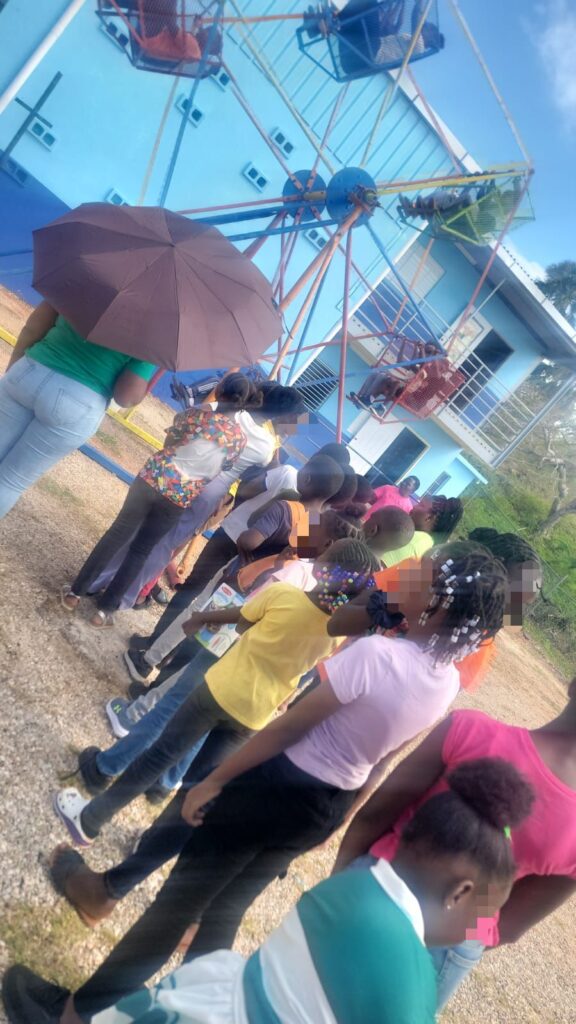
    In a heartwarming display of educational solidarity, Pratville Primary and Infant School from Manchester has launched a transformative partnership with hurricane-affected Thornton Primary School from St. Elizabeth. The initiative commenced with an exhilarating fun day that welcomed 60 students and 13 staff members from the partner institution.

    Principal Tameika Swaby-Johnson of Pratville Primary explained this pioneering School Partnership Initiative aims to support educational recovery in regions impacted by recent natural disasters. Thornton Primary, under Principal Maria Blair’s leadership, was strategically selected for the 2025-2026 academic partnership with guidance from the Ministry of Education and Youth, Region 5, particularly through Community Relations Education Officer Anieta Bailey.

    The inaugural event featured an array of engaging activities including amusement rides, interactive games, and festive entertainment, generously sponsored by longtime benefactor Newton Dennis who has supported the annual fun day for four consecutive years. Students received special treats and gifts throughout the celebration.

    Principal Blair expressed profound gratitude for the initiative, emphasizing how this partnership provides crucial hope and encouragement for her students still recovering from hurricane-related challenges. Her Grade six students particularly anticipate participating in the comprehensive academic exchange program scheduled to begin in January 2026.

    The partnership framework includes academic writing exchanges aligned with Jamaica’s National Standards Curriculum, virtual and in-person collaborative sessions, and joint devotional activities. This inter-parish collaboration represents a model of educational unity designed to foster empathy, resilience, and community-minded leadership among Jamaica’s youth while supporting national recovery efforts.

    Both institutions have committed to maintaining this purposeful alliance as an annually expanding program that benefits students, families, and communities across Jamaica, promoting both academic excellence and national solidarity through shared learning experiences.

  • ‘God is so good to me’

    ‘God is so good to me’

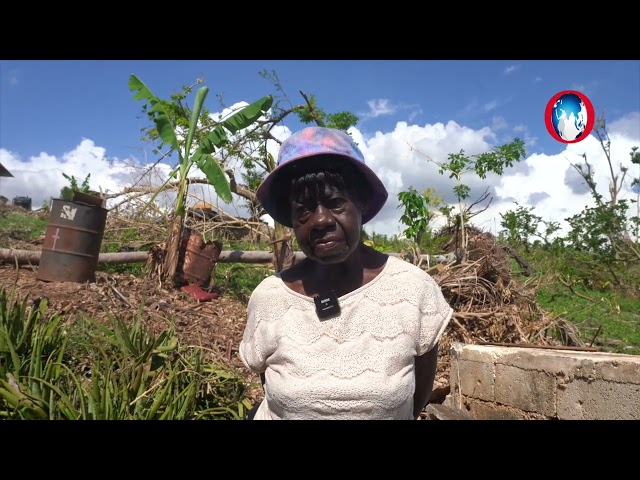
    In the wake of Hurricane Melissa’s catastrophic passage through St. Elizabeth, Jamaica, the profound human toll extends far beyond physical destruction. For Janet Chambers, a resident of Middle Quarters, the Category 5 storm in October didn’t merely demolish her home but unleashed an overwhelming tide of desperation and powerlessness.

    Absent during the hurricane’s fury, Chambers received the devastating news through a frantic call from her sister warning about her home’s precarious state. Returning to her property, she confronted unimaginable devastation: her kitchen vanished, veranda destroyed, and entire roof structure stripped away, leaving nothing but vulnerability to the elements.

    Facing this catastrophe without immediate resources or familial support—being husbandless and childless—Chambers turned to divine intervention in her deepest despair. ‘Lord, you see God, mi no have nobody but you,’ she pleaded, confronting the impossibility of financing repairs with her limited means.

    Her salvation emerged through the Middle Quarters New Testament Church of God, where Reverend Leslie Pinnock transformed sympathy into substantive action. Witnessing Chambers washing outdoors in pouring rain because her interior was equally exposed, Pinnock and congregants immediately covered her home with tarpaulin before mobilizing a comprehensive repair initiative.

    The church’s Mission Rise 3.0 project identified three most vulnerable households, including Chambers’ and sixty-nine-year-old pensioner Wilbert Peart’s residence. Peart, surviving on a mere $14,000 monthly pension, described the assistance as fundamentally ‘needed, not wanted’ after the hurricane cracked his walls, destroyed belongings, and compromised his roof.

    During a recent weekend, congregants from Escarpment Road, Middle Quarters and surrounding districts volunteered to reconstruct Chambers’ home. As she witnessed this collective effort, Chambers expressed transcendent gratitude: ‘If God never show up for me, I don’t know how I would manage… In everything, God stand by me and don’t leave me.’

    While these repairs mark significant progress, both survivors acknowledge the long recovery ahead. Peart emphasized that despite profound gratitude, ongoing support remains essential for those living on the brink of poverty. The church’s intervention illustrates how faith communities provide not just spiritual comfort but tangible solutions when natural disasters exacerbate existing vulnerabilities.

  • Unsure of how to help? 10 ways to give back Christmas

    Unsure of how to help? 10 ways to give back Christmas

    In the aftermath of Hurricane Melissa’s catastrophic impact on Jamaica’s western regions, a remarkable spirit of communal solidarity has emerged alongside the profound devastation. The storm’s trail of destruction has prompted nationwide mobilization efforts, with Observer Online compiling a comprehensive guide for those seeking to contribute meaningfully during the holiday season.

    The curated list emphasizes practical, impactful assistance methods that address both immediate and long-term recovery needs. Among the most valuable contributions is volunteering at children’s homes, where staffing shortages are particularly acute during holidays. Engaging with young survivors through activities or basic assistance provides crucial emotional support following traumatic displacement.

    Gift initiatives targeting specific necessities represent another vital avenue for support. Families who lost homes and possessions require practical items including hygiene kits, blankets, infant supplies, and children’s toys to restore semblance of normalcy. Organized gift drives through community networks can significantly amplify these efforts.

    Infrastructure rehabilitation requires substantial material support, with rebuilding supplies like plywood, nails, cement, and tools being particularly needed. Collective funding initiatives enable contributors to participate in reconstruction even without direct construction experience. Community clean-up projects also welcome volunteer participation to remove debris and restore access routes.

    Food security has deteriorated dramatically post-hurricane, making soup kitchen volunteering and food bank donations especially valuable. Blood donation remains critically important for medical emergencies and ongoing treatments, while professional skills—particularly in healthcare, counseling, and education—can be volunteered to address specialized needs.

    The guide highlights often-overlooked vulnerable groups, suggesting personal check-ins with elderly or isolated individuals who may require assistance with groceries, medications, or simple companionship. Existing church and community initiatives welcome additional volunteers for coordinated distribution efforts.

    Digital fundraising platforms and traditional relief concerts offer remote contribution opportunities, with social media amplification proving unexpectedly effective in broadening donor reach. The collective response demonstrates how targeted, thoughtful assistance can significantly accelerate recovery while strengthening community resilience.

  • Family mourns ‘kind-hearted’ artist found stabbed on Fernander Road

    Family mourns ‘kind-hearted’ artist found stabbed on Fernander Road

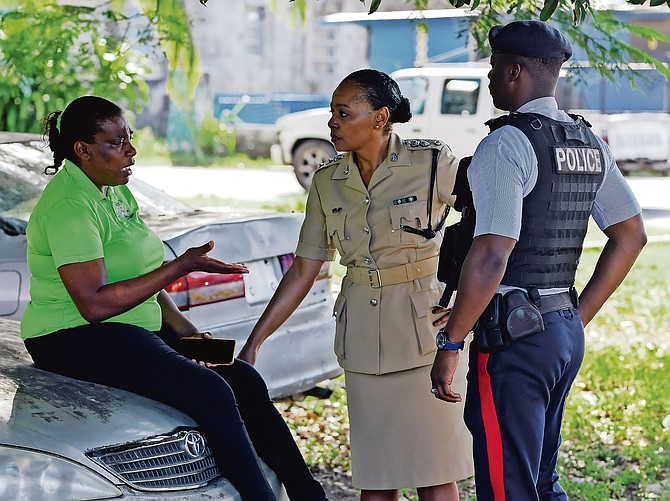
    The tranquil community of Gambier Village was plunged into mourning Wednesday morning following the discovery of a fatally stabbed resident on Fernander Road. Police responded to the scene shortly after 7am where they encountered the lifeless body of 30-year-old Kevin Poitier, who sustained multiple upper body lacerations. Emergency Medical Services personnel confirmed the victim showed no vital signs upon their arrival.

    As news of the tragedy spread throughout the close-knit neighborhood, distraught family members, neighbors, and community supporters converged on the narrow roadway, many visibly emotional as they grappled with the shocking violence that claimed the life of a man universally described as kind-hearted and industrious.

    A relative of the victim, who requested anonymity, expressed profound grief while highlighting the incongruity of such violence in their community. ‘He was a talented artist and cook – what could possibly lead to this?’ the emotional bystander questioned. ‘Gambier has always maintained its tranquillity and serenity, but this incident suggests we’re becoming like everywhere else. The devastating loss is particularly painful for my wife, who recently helped me through the loss of my own brother.’

    Killarney Member of Parliament Dr. Hubert Minnis visited the scene to offer condolences and urged communal solidarity. ‘We are all one family, and we have utmost confidence in our police force’s investigation,’ Dr. Minnis stated. ‘I’ve spoken briefly with the grieving mother and plan to return after parliamentary sessions to provide further support to the family during this unimaginably difficult time.’

    Community members remembered Poitier as a perpetually positive presence whose caring nature belied any personal struggles he might have concealed. One mourner reflected: ‘Kevin was exceptionally respectful and helpful with an oversized heart. He consistently presented as bubbly and resilient – the last person who deserved such brutal violence. His loss leaves a tremendous void as someone’s son, brother, and uncle.’

    Law enforcement officials confirmed an individual is currently assisting with their investigation but declined to elaborate on potential motives or circumstances surrounding the stabbing. The investigation remains ongoing as authorities work to determine what led to this violent breach of Gambier Village’s longstanding peace.

  • Crisis of wind-resistant roof construction in Trinidad and Tobago

    Crisis of wind-resistant roof construction in Trinidad and Tobago

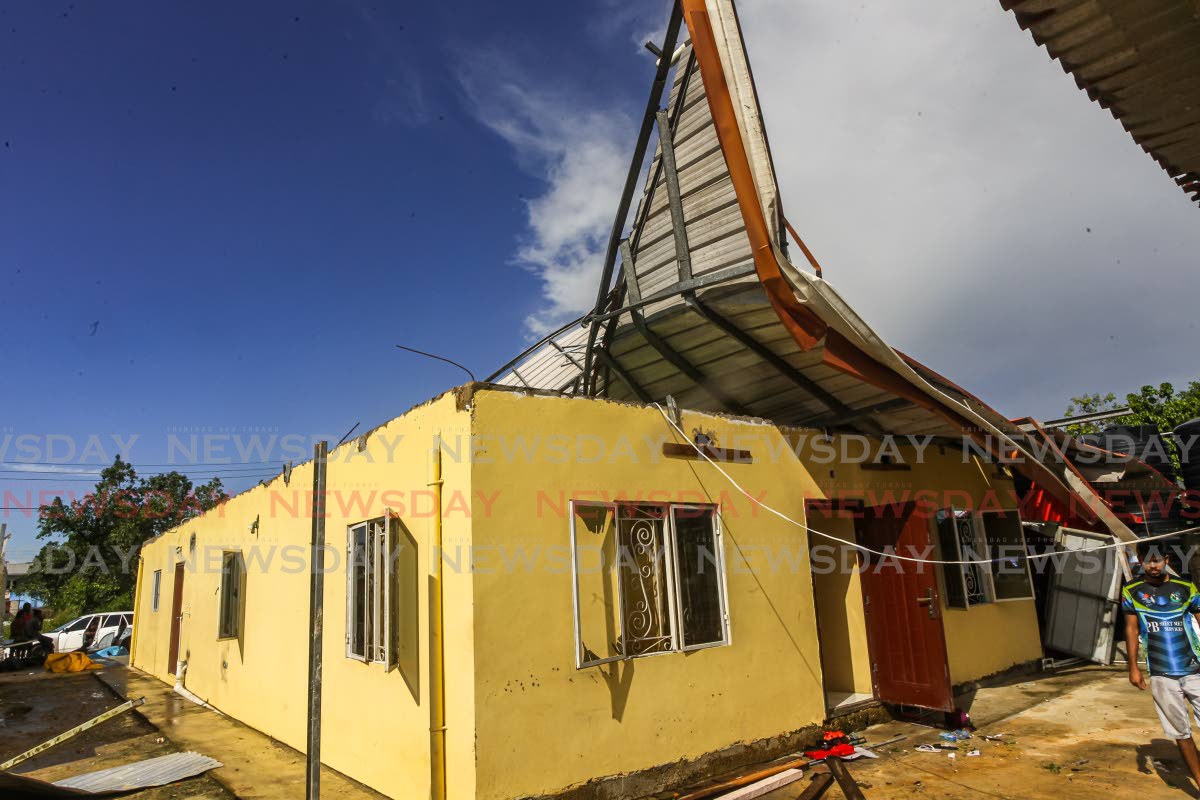
    Trinidad and Tobago confronts a recurring pattern of structural vulnerability as moderate wind events continue to cause catastrophic roof failures across the nation. Over the past decade, increasingly severe weather phenomena—including torrential rains, flash flooding, and powerful windstorms—have exposed critical deficiencies in residential construction practices, particularly within the informal housing sector.

    The core issue lies in inadequate anchorage systems connecting roof structures to supporting walls. Investigations reveal that entire roof assemblies—including framing, rafters, purlins, and sheeting—are frequently detached during wind events far below hurricane intensity. This systematic failure points to fundamental engineering flaws rather than exceptional weather conditions.

    Financial implications for affected families are devastating. While replacing individual roofing sheets might cost a few thousand dollars, complete roof reconstruction ranges from $40,000 to $90,000—economically crippling sums for working-class households. The cyclical nature of damage and reconstruction without improved standards creates a perpetual burden on communities.

    Despite existing technical solutions outlined in the TT Bureau of Standards’ TTS 599:2006 guidelines, implementation remains critically limited. The informal construction sector—comprising small-scale contractors and self-built homes—often operates without formal engineering supervision, relying on experiential knowledge rather than scientific principles.

    A multi-faceted solution framework proposes: 1) Comprehensive public education on wind-resistant design principles, 2) Institutional collaboration between disaster management agencies and engineering associations, 3) Community-level outreach through hardware stores and municipal offices, 4) Enhanced enforcement of building standards, and 5) Professional certification programs for contractors.

    As climate change intensifies wind patterns, the urgency for structural resilience becomes increasingly pressing. Proper roof anchorage represents not merely technical compliance but fundamental disaster preparedness—protecting families, preserving economic stability, and strengthening national resilience against future climate challenges.