分类: society

  • Liberta Family Receives New 4 Bedroom Home Under HAPI Initiative Ahead of Christmas

    Liberta Family Receives New 4 Bedroom Home Under HAPI Initiative Ahead of Christmas

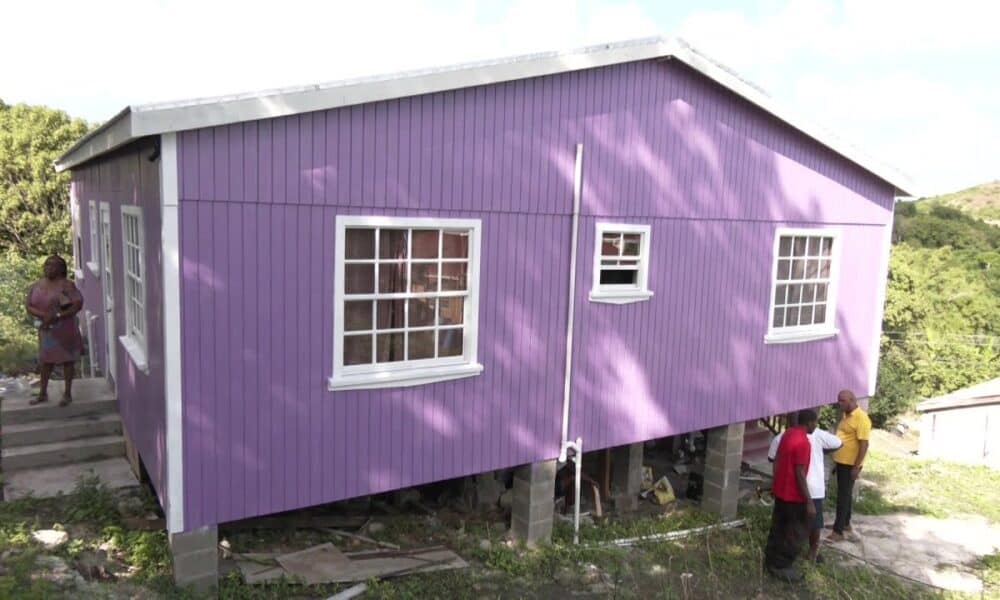
    A Liberta family that lost their home in a devastating Father’s Day fire two years ago will celebrate Christmas in a newly constructed four-bedroom residence, thanks to the collaborative Home Advancement Programme for the Indigent (HAPI). The official handover ceremony took place on Tuesday, marking a significant milestone for both the program and the family’s journey toward stability.

    This project represents the first four-bedroom dwelling completed under the HAPI initiative, with its expanded design specifically tailored to accommodate the family’s size and made possible through substantial community support. The construction timeline was dramatically accelerated following a successful radio telethon that generated numerous local pledges, enabling organizers to expand the home’s scope beyond initial plans.

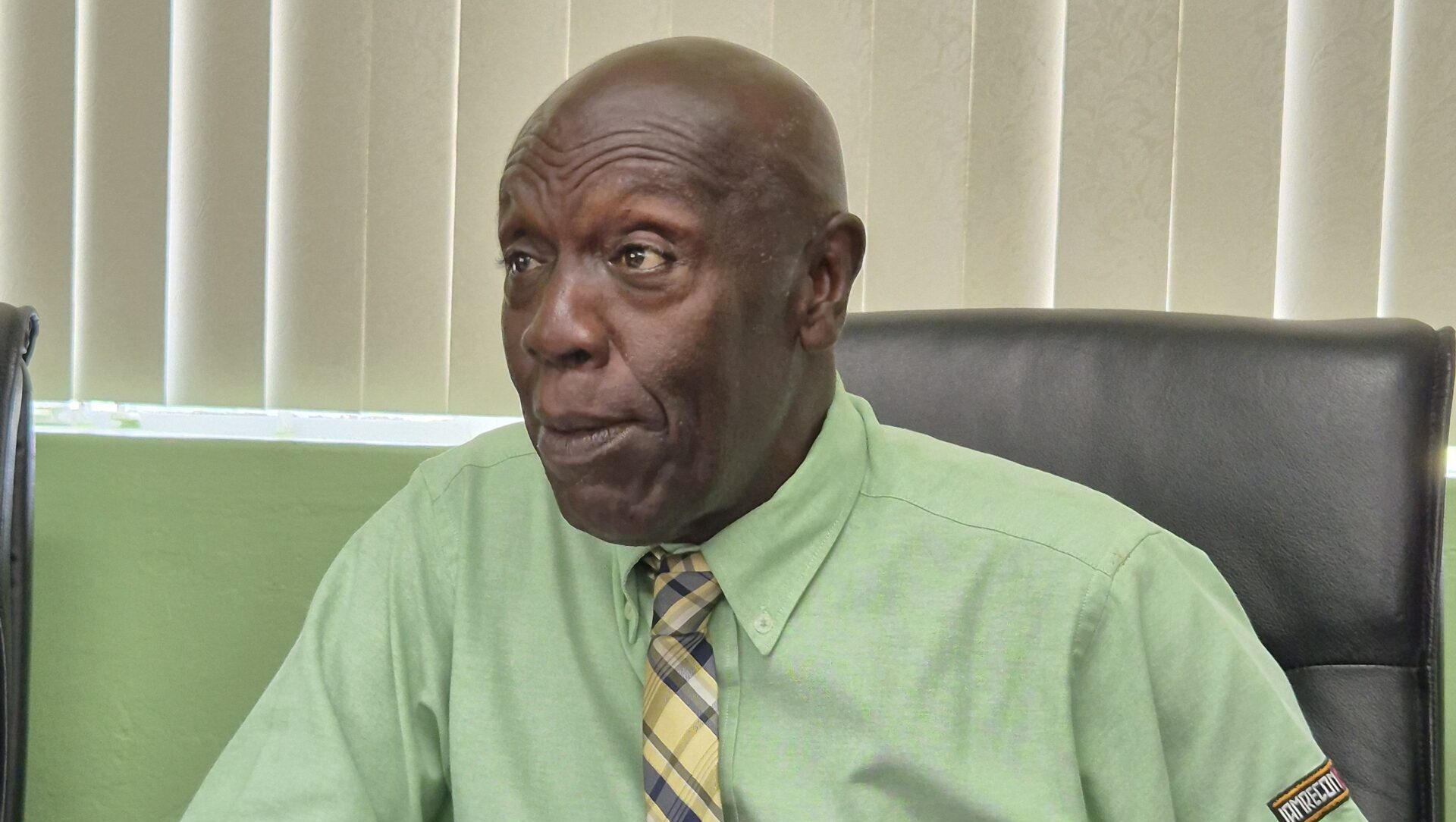
    E. P. Chet Greene, Member of Parliament for St Paul, emphasized the project’s demonstration of effective partnership between government resources and community contributions in addressing urgent social needs. HAPI organizers highlighted the achievement as evidence of how collective action can effectively combat housing insecurity among vulnerable populations.

    The timing proves particularly meaningful as family members return home for the holiday season, providing a permanent gathering place for reunification and the opportunity to rebuild their lives with renewed security and hope.
  • CTUSAB says Barbados’ economic progress being stifled

    CTUSAB says Barbados’ economic progress being stifled

    Barbados is experiencing a troubling divergence between economic indicators and social deterioration, according to a stark warning from the Congress of Trade Unions and Staff Associations (CTUSAB). In his annual Christmas address, General Secretary Dennis de Peiza presented a sobering assessment of the nation’s condition as 2025 approaches, highlighting that developmental achievements are being undermined by escalating social crises.

    The labor leader identified multiple concerning trends including a dramatic surge in violent crime, with firearms becoming the weapon of choice in a growing number of homicides and assaults. Particularly alarming is the increasing participation of teenagers and young adults in criminal enterprises, signaling deep societal fractures.

    Transportation systems have become emblematic of broader disciplinary breakdowns, with de Peiza criticizing the continued indifference of minibus and ZR/route taxi operators that authorities have failed to address. Educational institutions are similarly affected, experiencing erosion of order and discipline while children increasingly embrace subcultures contrary to traditional societal values.

    A visible homelessness crisis has emerged alongside rising poverty, destitution, and underemployment—conditions that contradict official reports of strong government revenues and low unemployment rates. This disparity raises fundamental questions about economic distribution and social policy effectiveness.

    At the governance level, de Peiza noted persistent concerns regarding transparency, accountability, and integrity in public office, contributing to diminished public trust. He challenged citizens to engage in serious introspection during the Christmas season, asking each individual to consider their role in both creating and solving national problems.

    The union leader emphasized that meaningful change requires collective action and unity rather than division, warning that silence and complacency would only exacerbate existing challenges. He urged Barbadians to reclaim their value system, speak against injustice, and resist superficial contemporary values while reflecting on the deeper significance of the Christmas season.

  • Celebrating Our Farmers on National Farmers Day

    Celebrating Our Farmers on National Farmers Day

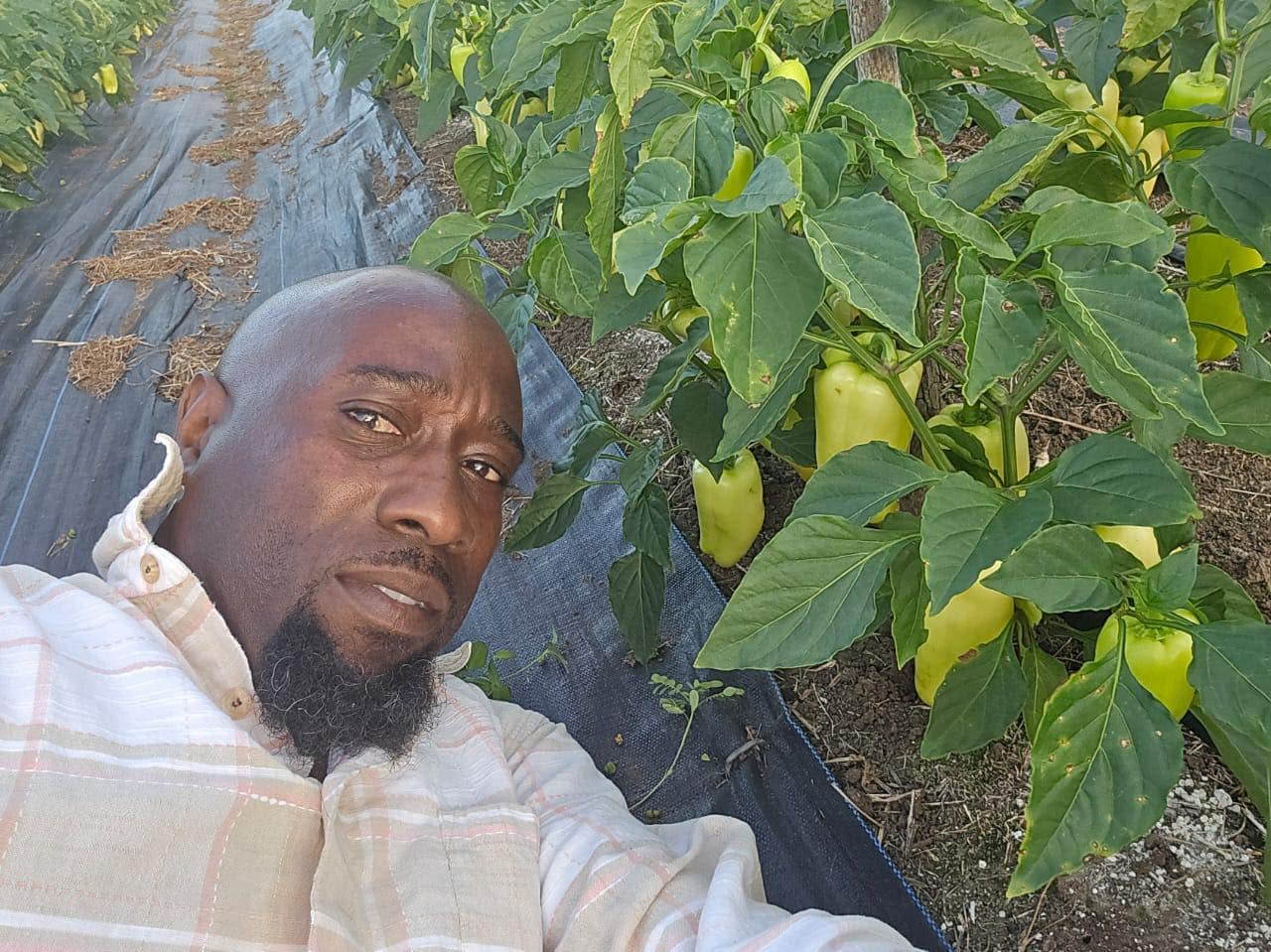
    Antigua and Barbuda commemorated National Farmers Day on December 23rd with profound appreciation for the agricultural workforce that sustains the nation’s food security and economic stability. The Ministry of Agriculture, Lands, Fisheries and The Blue Economy led tributes to farmers and agro-processors, recognizing their dual role as economic contributors and environmental stewards.

    The agricultural sector demonstrates remarkable resilience despite confronting multiple challenges including climatic volatility, praedial larceny, financial constraints, and market fluctuations. Producers have increasingly adopted technological solutions and sustainable methodologies to enhance productivity while maintaining environmental balance.

    The COVID-19 pandemic served as a critical stress test for local food systems, during which domestic producers maintained consistent supply chains despite global disruptions. This performance highlighted the strategic importance of localized food production and the sector’s adaptive capabilities.

    Government initiatives now focus on synergistic development combining technological innovation with traditional knowledge. Investment priorities include training programs, infrastructure modernization, and sustainable practices that promote biodiversity while increasing yields.

    Consumer participation remains vital to agricultural viability. Public support through conscious purchasing of local produce directly contributes to sectoral growth and national food sovereignty. Each agricultural purchase represents an investment in community resilience and economic circulation.

    The ministry’s acknowledgment extended beyond economic contributions, recognizing farmers as innovators, environmental custodians, and foundational pillars of national identity. Their continuous efforts ensure both present nourishment and future sustainability for Antigua and Barbuda.

  • Government launches Preventive Cell Phone Inspection Center to combat stolen devices

    Government launches Preventive Cell Phone Inspection Center to combat stolen devices

    Santo Domingo has become the site of a groundbreaking public safety initiative with the inauguration of the Preventive Cell Phone Inspection Center. This multi-agency collaboration brings together the Ministry of the Interior and Police, National Police, INDOTEL, and the Attorney General’s Office in a concerted effort to disrupt the illicit mobile device market.

    The innovative facility provides Dominican citizens with a crucial service: the ability to authenticate the legal status of any mobile phone prior to purchase or transaction completion. This preventive mechanism addresses growing concerns about devices circulating through informal markets that may carry hidden legal entanglements, including stolen status, network blocking, or association with criminal activities.

    Strategically positioned on the second level of Plaza Central along 27 de Febrero Avenue, the center represents a significant component of the government’s comprehensive strategy to enhance public security measures. By targeting the underground economy surrounding mobile devices, authorities aim to simultaneously protect consumers from unintended legal consequences and reduce incentive for phone theft through market disruption.

    Officials are actively encouraging public utilization of this verification service, emphasizing that a simple pre-purchase check can shield buyers from potential technical and legal complications while contributing to broader crime reduction efforts across the nation.

  • Bush Hall residents speak out after fatal stabbing

    Bush Hall residents speak out after fatal stabbing

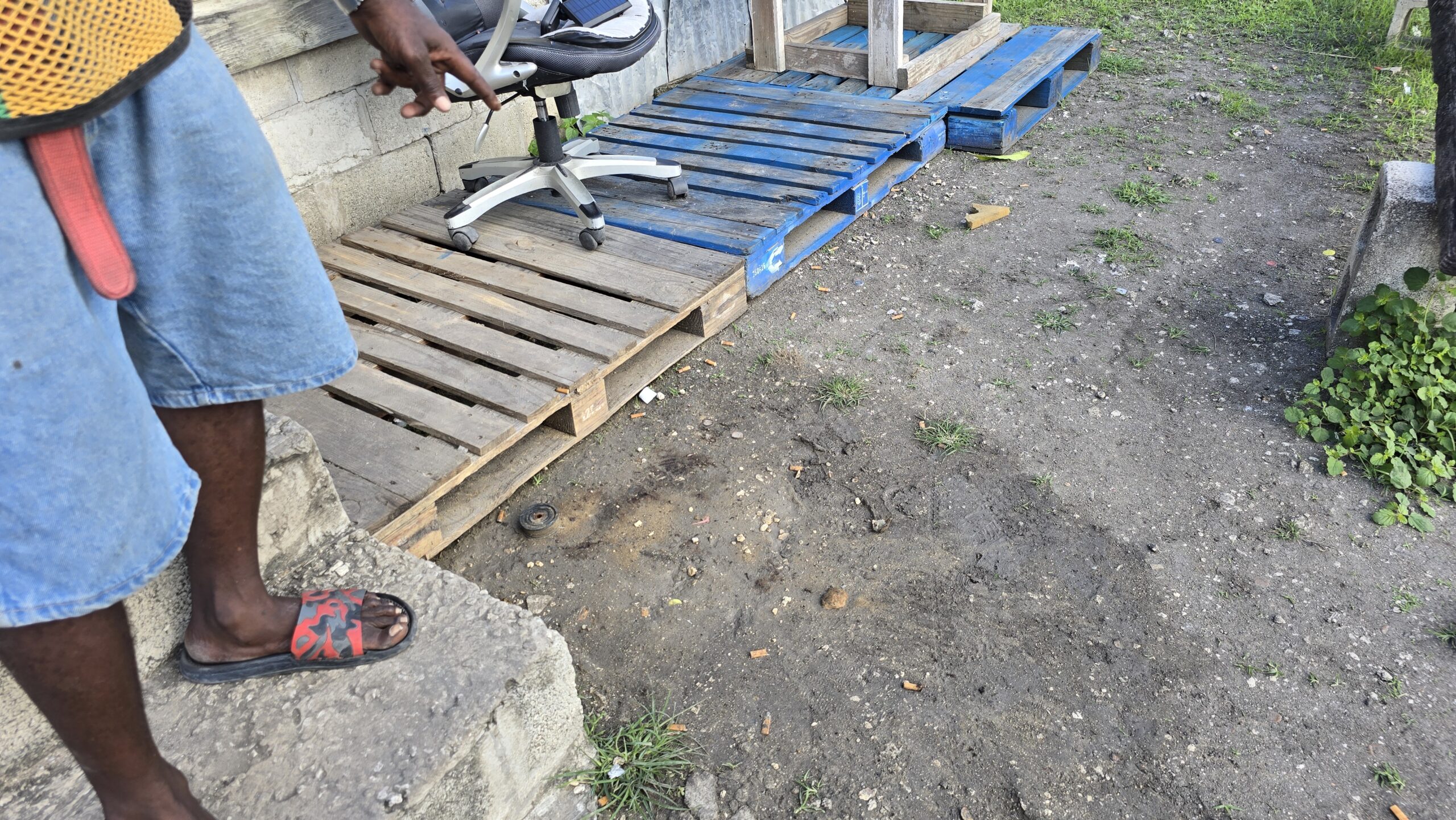
    The tranquil neighborhood of Bush Hall, St Michael has been thrust into mourning following the brutal killing of 50-year-old Timothy Trotman, an incident locals are condemning as a completely avoidable tragedy. This fatal stabbing represents the island nation’s 46th homicide this year, occurring merely days after another similar attack in the nearby Station Hill area.

    According to police reports, the victim was seated near a roadside when he was confronted by several young men. What began as a verbal altercation rapidly escalated into physical violence, culminating in Trotman sustaining a fatal stab wound. Emergency services pronounced him deceased at the scene, sending shockwaves through the close-knit community.

    Eyewitness Eliott Husbands provided a harrowing account of the incident, revealing he witnessed the entire episode unfold mere feet from his property. “He was sitting right there on that sidewalk,” Husbands recounted. “They asked him a question and he said he didn’t know anything about that. We told them just disperse, leave it alone, but they didn’t listen.”

    The community response has been characterized by profound grief and frustration. Residents described Trotman as a familiar neighborhood presence who, while sometimes perceived as a vagrant, was never considered violent or threatening. Multiple community members emphasized that the tragedy should never have reached this lethal conclusion.

    Husbands expressed particular disappointment with the perpetrators, noting he recognized some personally. “I know their grandmother, I know their fathers, and I know their fathers tried to put them on a decent level,” he stated, highlighting the generational disappointment surrounding the incident.

    The stabbing has ignited broader concerns about youth violence across Barbados. “A lot of these youngsters doing craziness in Barbados. We are killing one another in Barbados, simple,” Husbands commented, capturing the community’s exasperation with the escalating violence.

    As investigations continue, the Bush Hall community grapples with the psychological aftermath of witnessing such brutality in their ordinarily peaceful neighborhood. The incident has left residents questioning societal values and calling for greater intervention to prevent similar tragedies.

  • Beachside chat: Holetowners mull what could be lost, gained from development

    Beachside chat: Holetowners mull what could be lost, gained from development

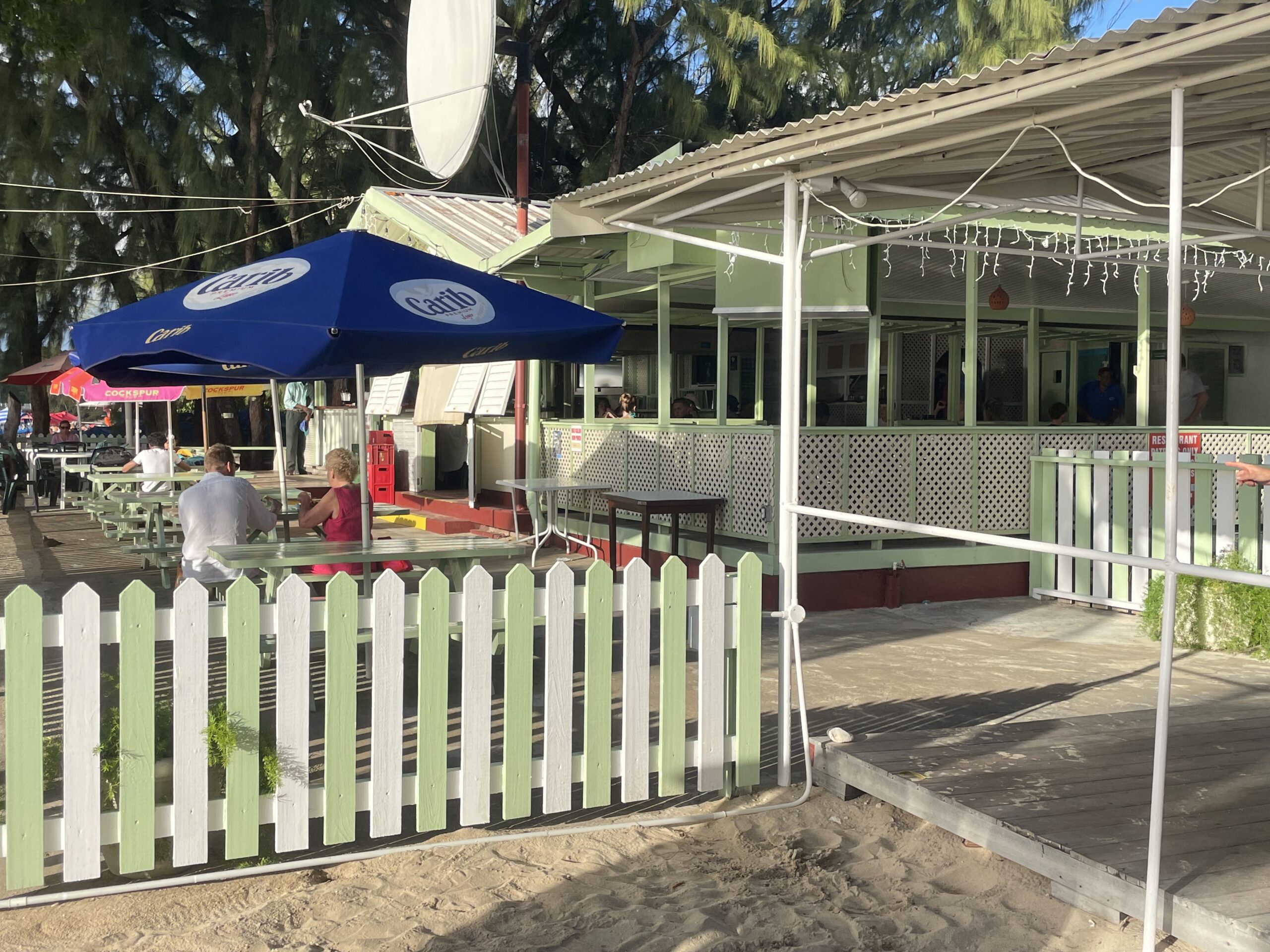
    Amid growing concerns over tourism-driven development transforming Barbados’ iconic west coast, community members and frequent visitors convened at Holetown Beach for an unconventional dialogue about the island’s future. The Tuesday evening gathering, orchestrated by the nascent civic organization Preserve Barbados, sought to bridge perspectives between Barbadians and international guests during the peak Christmas season.

    Founder Susan Cole characterized the initiative as a non-political effort to document shared values between locals and repeat visitors. “Our organization aims to collect insights from both residents and tourists to understand what truly matters to those who cherish this island,” Cole explained. Early discussions revealed striking alignment in priorities, particularly regarding coastal preservation and sustainable development.

    The beachside setting was deliberately informal to foster genuine conversation beyond traditional consultation formats. Cole emphasized the importance of creating spaces where organic interactions could flourish, noting that many visitors specifically cite the warmth of everyday Barbadian interactions as their primary reason for returning.

    Holetown’s selection as the venue was strategic, described by Cole as “the tourist capital of Barbados” due to its continuous foot traffic, beach access, and central role in west coast tourism. This location enabled direct engagement with tourists who might otherwise be inaccessible through conventional outreach methods.

    Social activist Victor Lewis amplified the discussion’s significance, framing it within broader national development concerns. “We must consider tourists as stakeholders in determining Barbados’ developmental trajectory,” Lewis asserted. “Our approach cannot be purely economic—we are building a society, not just an economy.”

    Lewis cautioned against development strategies prioritizing financial returns over cultural and social preservation, referencing Barbados’ historical transition from agriculture to tourism dominance. “Our development must serve both residents and those who choose to visit, ensuring Barbados remains welcoming to the world while protecting what makes it uniquely Barbadian,” he concluded.

  • Police chief urges renewed fight against gun crime

    Police chief urges renewed fight against gun crime

    During the annual awards ceremony of The Barbados Police Service (TBPS), Commissioner Richard Boyce delivered a dual message of commendation and urgent call to action. Held at the Barbados Police Service Band headquarters on Tuesday, the event recognized officers for their exemplary service while simultaneously addressing the island’s persistent struggle with firearm-related crimes.

    Commissioner Boyce extended congratulations to all award recipients and emphasized that every officer’s contributions remained valued and acknowledged within the organization. He articulated a broader vision of policing that transcends conventional crime-fighting, characterizing the service as fundamentally “service-oriented” with responsibilities extending to community care and public assistance.

    “Our mandate encompasses not only criminal interventions but also the softer aspects of societal support,” Boyce explained. “This includes assisting citizens with crossing roads and addressing neighborhood nuisances such as nocturnal disturbances from animals. Essentially, we must respond comprehensively to all forms of public complaints.”

    Despite this holistic approach, the Commissioner identified gun violence as a particularly entrenched challenge, describing it as a “perennial problem” that continues to plague the nation. He acknowledged the cyclical nature of firearm policing, at times resembling a “revolving door,” but highlighted strategic reorganizations that have yielded significant operational successes.

    “Through concerted energy and collaborative strategy implementation, we have achieved considerable progress,” Boyce stated, citing consistent arrests in serious criminal cases including homicides and armed robberies. He specifically praised specialized units tasked with combating violent crime for consistently “coming out on top.”

    The Commissioner conveyed appreciation from both senior police leadership and government officials, including the Attorney General, recognizing the force’s exceptional performance. However, he stressed that current achievements represent not an endpoint but a foundation for intensified efforts.

    Boyce issued a compelling appeal for officers to deepen community engagement across commercial and residential districts, emphasizing that strengthened police-public partnerships are essential for addressing national security challenges. “Now is the time for every member to immerse themselves in communities,” he urged, calling for sustained excellence in service as police and citizens “join hands” to confront gun crime and other pressing societal issues.

  • Policeman unleashes blows on vagrant

    Policeman unleashes blows on vagrant

    A disturbing incident of police brutality unfolded on the streets of Georgetown, Guyana, on Tuesday, December 23, 2025, when a uniformed officer was captured violently assaulting an unarmed homeless man. The altercation occurred at the intersection of Main and Church Streets in broad daylight, witnessed by numerous pedestrians and documented by Demerara Waves journalists.

    The confrontation began when the law enforcement officer, utilizing a thick electrical wire as an improvised weapon, repeatedly struck the street dweller who was lying defenseless on his back. The violent episode continued until the officer became aware that his actions were being recorded, at which point he permitted the victim to leave the scene.

    Shockingly, when journalists confronted accompanying officers about the clear human rights violation, one officer responded with dismissive sarcasm, repeatedly muttering “human rights? human rights?” in apparent contempt. Another individual in civilian clothing attempted to interfere with the documentation process, demanding that journalists cease video recording the incident.

    Following the realization that the assault was being documented, multiple officers quickly dispersed from the area, some retreating through nearby market stalls in what appeared to be an effort to avoid further scrutiny. The incident has raised serious concerns about police conduct and accountability mechanisms within Guyana’s law enforcement system.

  • Steel houses

    Steel houses

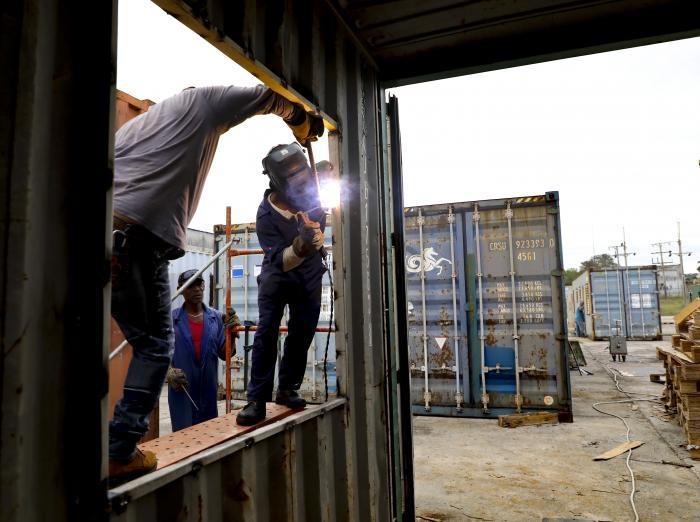
    In an ambitious response to Cuba’s persistent housing challenges, a groundbreaking initiative is transforming decommissioned shipping containers into functional modular homes. At the Metal Productions Business Unit in Guanabacoa, workers labor intensively to convert 29-square-meter steel boxes into habitable spaces, complete with living areas, bedrooms, compact kitchen-dining spaces, and bathrooms.

    The project utilizes approximately 3,500 used containers that originally arrived in Cuba carrying renewable energy equipment. Under the direction of Delilah Díaz Fernández, Housing Program director at the Ministry of Construction, these conversions represent a strategic approach to addressing the nation’s housing deficit, high construction costs, and material shortages.

    Each container home features seven windows and two doors to ensure adequate ventilation, along with interior veneer structures to mitigate Cuba’s intense heat. The units are lined with plywood and include basic electrical systems, though final power connections must be completed on-site. Anti-corrosive painting is incorporated into the finishing process to enhance durability.

    Financed through the State Budget, these homes are distinguished by their rapid construction timeline and relatively low cost compared to traditional building methods. The initiative specifically targets several beneficiary groups: workers from photovoltaic solar parks, victims of weather-related home collapses, and individuals in vulnerable socioeconomic circumstances awaiting housing solutions.

    Prospective homeowners must pay a bank-determined amount that varies based on materials and finishes used in each unit. Subsequent maintenance responsibilities fall to the owners once properties are transferred.

    The program faces operational challenges including intermittent power outages and fuel shortages that occasionally halt production. Despite these obstacles, the container conversion project continues advancing as part of Cuba’s broader strategy to develop sustainable urban housing models that effectively address shelter needs.

  • Social : Rain of wishes 2026 (Part.1)

    Social : Rain of wishes 2026 (Part.1)

    As 2025 concludes, Haiti’s governmental bodies, cultural institutions, and diplomatic missions have collectively issued heartfelt seasonal greetings, blending traditional holiday wishes with calls for national unity and resilience. The messages reveal a nation grappling with profound challenges while maintaining determined optimism for the coming year.

    The Ministry of Youth, Sports and Civic Action set the tone by reflecting on a year marked by “inspiring sporting exploits and major legal advances,” urging citizens to embrace values of sharing, solidarity, and hope as essential foundations for social cohesion. This sentiment was echoed across multiple ministries, with the Ministry of Commerce and Industry specifically encouraging responsibility during celebrations and collective efforts toward “a more dynamic and prosperous society.”

    Law enforcement authorities struck a particularly poignant note, with the Haitian National Police renewing its commitment to “protect citizens, uphold republican order, and work with much more professionalism for collective security” despite ongoing challenges. Their message explicitly wished for peace, stability, and solidarity in 2026.

    The diaspora’s perspective emerged through consular messages from Montreal, Chicago, Santiago, and Miami. Montreal’s Consul General Anès Lubin notably reframed traditional wishes, stating that “‘Strength and courage’ would be more appropriate this year than the traditional ‘Peace and prosperity.’” This acknowledgment of Haiti’s difficult circumstances was balanced with references to the nation’s historical resilience, urging compatriots to remember their “heritage of the experience of the power of great unity against great adversity.”

    International partners joined the chorus of seasonal messages, with the United States Embassy offering particularly empathetic wishes. Ambassador Henry T. Wooster acknowledged that “for many, this holiday season does not bring the simple joys of previous years,” expressing solidarity with “families affected by insecurity, displacement and daily difficulties” while wishing for “moments of calm, comfort, hope and light.”

    UN representative Carlos G. Ruiz Massieu of BINUH distilled the overarching aspiration into a single phrase: “For a year 2026 of progress towards Peace and stability in Haiti.” This sentiment connected institutional messages from cultural entities like MUPANAH museum and The Art Center, which emphasized adaptation and evolution through difficult times.

    The collective messages create a tapestry of cautious optimism, acknowledging present struggles while maintaining hope for national progress, security, and prosperity in the year ahead.