分类: society

  • BCEN backs moves on pricing, questions consumer protection effort

    BCEN backs moves on pricing, questions consumer protection effort

    A leading consumer advocacy organization in Barbados has thrown its weight behind the government’s planned review of corporate transfer pricing practices, a key policy move targeting the island nation’s persistent high cost of living, while pushing back against the government’s characterization of consumer protection as centered largely on conservation-focused public outreach.

    On Wednesday, Minister of Commerce and Consumer Affairs Kerrie Symmonds outlined the government’s dual-pronged strategy to rein in soaring living costs: cracking down on potentially abusive internal pricing among supermarket chains, paired with a national campaign to encourage household resource conservation. Transfer pricing, the practice by which connected divisions of a single corporate entity set prices for internal exchanges of goods and services, has been flagged as a hidden driver of inflated retail grocery prices in Barbados. When a single corporate group controls every step of the supply chain – from importation to distribution to retail sales – it can layer additional markups at each internal transaction, pushing final shelf prices far higher than actual market conditions would warrant.

    Symmonds, who also holds senior portfolios for energy, business development and commerce, revealed that policymakers are drafting regulatory reforms that would mandate more transparent, arm’s-length pricing between related corporate entities. The goal of the reforms is to eliminate hidden “padding” in supply chain costs that is ultimately passed through to consumers.

    Maureen Holder, executive chair of the Barbados Consumer Empowerment Network (BCEN), says her group recognizes the transfer pricing review as a critical step toward unpacking the structural forces driving Barbados’ high cost of living. But the organization has raised sharp concerns over how Symmonds framed the government’s overall consumer protection approach.

    Holder explained that BCEN took issue with Symmonds’ announcement that the government would prioritize consumer protection through a conservation-focused public education campaign, which he asked local media to help promote. “While BCEN welcomes initiatives that encourage responsible consumption and nationwide environmental stewardship, we are concerned that this approach mischaracterises what constitutes consumer protection and risks creating confusion about the role of government in protecting consumers,” she said.

    Long before the minister’s public announcement, Holder noted, BCEN has consistently argued that consumer protection is far broader than consumer education or resource conservation. She acknowledged that the government’s package includes positive measures, including the transfer pricing review and temporary relief for household electricity and fuel costs. But she emphasized the need to draw a clear line between policies that help households cope with high prices and policies that actively protect consumers from unfair market practices.

    “BCEN also maintains that the cost of living cannot be addressed solely by encouraging consumers to shop differently or conserve more resources,” Holder said. “Therefore, it is prudent that the pricing environment itself also be examined.”

    Holder argued that when connected companies involved in importing, wholesaling, distribution and retail exchange goods at prices that do not align with open market conditions, there is a clear public interest in mandating transparency and requiring arm’s-length transactions. Greater transparency, she said, would boost public confidence that consumers are paying prices rooted in genuine production and distribution costs, rather than unnecessary cumulative markups within integrated corporate groups.

    BCEN has welcomed the government’s decision to open a national conversation on transfer pricing reform, and is calling for broad, inclusive consultation with key stakeholders – including the Fair Trading Commission, the Barbados Revenue Authority, independent consumer organizations, economists, private sector representatives and competition policy experts – before any legislative changes are enacted.

    Holder reiterated that BCEN supports conservation and consumer education as valuable policy goals in their own right. Encouraging efficient use of electricity, water and fuel is unquestionably good public policy, she noted: efficient resource use cuts household expenses, reduces national import bills, and advances environmental sustainability. Similarly, long-term priorities such as promoting energy-efficient building codes and supporting a gradual transition to electric vehicles are entirely worthwhile. But, she stressed, these initiatives should not be labeled as consumer protection.

    By definition, Holder explained, consumer protection exists to shield the public from unfair, deceptive, or anti-competitive business practices. This core mandate includes ensuring fair pricing, transparent commercial contracts, enforceable product safety standards, accessible dispute resolution, fair financial services, truthful advertising, and strong regulatory oversight of key markets. “Consumer education empowers consumers to make better choices. Conservation encourages behavioural change. Consumer protection, however, places legal and regulatory obligations on businesses and governments to ensure markets operate fairly,” she said. “While education is an important component of consumer protection, it cannot substitute for robust enforcement of consumer rights.”

    BCEN also acknowledged the government’s recent temporary interventions to ease household financial strain, including continuing to absorb a portion of global fuel price increases through the Fuel Clause Adjustment mechanism and cutting the value-added tax rate on the first 250 kilowatt-hours of monthly residential electricity use. These measures have undoubtedly provided critical short-term relief for many households amid ongoing global energy price volatility, the group said. But it warned that temporary subsidies should not replace action to address the root structural causes of high living costs.

    Long-term price affordability, Holder argued, requires competitive markets, greater end-to-end pricing transparency, effective industry regulation, and updated, comprehensive consumer protection laws. BCEN has long pushed for a modern consumer protection framework that goes beyond stopgap fiscal measures, she added.

    Barbados still needs comprehensive standalone consumer protection legislation, stronger enforcement of competition policy, more robust market surveillance, and enhanced pricing transparency across all sectors that make up a large share of household spending, Holder said. As such, the proposed transfer pricing review should be folded into a much broader policy agenda focused on improving market competition, cracking down on excessive market concentration that harms consumers, increasing price transparency, and equipping regulators with the full authority they need to investigate unfair market practices.

    BCEN also sees the ongoing policy process as an opportunity to improve coordination between key regulatory bodies, including the Fair Trading Commission, Barbados Revenue Authority, and Central Bank of Barbados, to strengthen market oversight and rebuild public confidence. Holder said BCEN is ready to participate constructively in all upcoming consultation processes, and remains committed to working alongside the government, regulators and the private sector to develop policies that promote competitive markets, defend consumer rights, and improve living cost affordability for all Barbadians.


  • OP-ED:The colour of our believing

    OP-ED:The colour of our believing

    The 2026 FIFA World Cup has reignited urgent, long-overdue global conversations about how anti-Black racism remains deeply embedded in the world’s most popular sport — and society at large. Consider Vinícius Júnior: a Champions League winner, a global cultural icon, a generational talent whose skill draws the gaze of millions of fans across the planet. Yet match after match, across one European stadium after another, the same dehumanizing abuse follows him: monkey chants from the stands, thrown bananas, crowds mimicking apelike movements to mock his dark skin. His enormous wealth offers no protection. His global fame provides no shelter. In Spain, France, at the very core of elite European football, a dark-skinned Black man at the pinnacle of his profession is still reduced to a racist caricature by thousands acting on a reflex passed down through centuries of systemic oppression.

    If a man with the world’s full attention cannot escape this degradation, what fate awaits the millions of Black people who lack his platform? The dark-skinned child growing up in a Brazilian favela, the African migrant risking their life to cross European borders, the Black man stopped by police simply for existing while Black. Millions have no access to Vinícius’s resources, legal team, or fortune. Their suffering rarely makes front-page headlines. They are the unacknowledged collateral damage of a system whose foundational rules were written long before any of them were born.

    This author first recognized this deeply ingrained systemic programming as a child growing up in St Vincent and the Grenadines. While watching football, athletics, and cricket from beyond the Caribbean, he felt a quiet, unshakable pull to support the teams with more Black players. No one taught him this feeling; it emerged as naturally as thirst. It was not a belief that race is biological destiny — it was solidarity forged by centuries of shared oppression. The fact that even a child inherits this reflex makes clear that skin color has long been assigned intentional political work in modern society.

    Why does the melanin in a striker’s skin, thousands of miles away from where we grew up, spark that sense of kinship? Why has color become the most defining fact about so many of us, when biology tells a far different story?

    From a biological perspective, skin color is one of the most superficial human differences. The genomes of all people are nearly identical, and pigmentation is simply an evolutionary adaptation to levels of ultraviolet radiation. More melanin offers protection in regions with intense sunlight, while less melanin helps the body produce vitamin D in areas with weaker sun. In short, skin color is little more than a biological sunscreen adaptation — it tells us nothing reliable about a person’s intelligence, character, or inherent worth.

    So how did this minor biological difference become a lifelong social destiny for billions?

    Europe did not invent slavery, conquest, or prejudice against dark skin, but European imperial powers built something historically unique: they fused African ancestry, dark skin, hereditary chattel slavery, formal law, Christian theology, global commerce, and later pseudoscience into a transatlantic system of racial hierarchy that operated on an unprecedented scale. Modern, global anti-Black racism is one of the most consequential and shameful legacies the Atlantic West has given the modern world.

    This is not to romanticize ancient societies. Greeks and Romans enslaved outsiders and held contempt for those outside their cultural groups, but their divides were based on legal status, citizenship, and culture — not a universal caste system ranked by skin color. A free dark-skinned citizen could hold higher status than a pale enslaved captive. Ancient societies were brutal, but they never constructed the modern color line. The medieval world was similarly focused on faith and lineage, not race. The so-called “Curse of Ham”, later used to justify African slavery, is a perfect example: the Book of Genesis curses Canaan, not Ham, and says nothing about Black skin. That association was added centuries later, then weaponized to entrench exploitation.

    A critical hardening of racial hierarchies came in 15th-century Iberia, where “purity of blood” laws framed Jewish or Muslim ancestry as an inherited stain that conversion could never erase. At the same time, Portuguese imperial expansion turned the capture and trade of African people into a massive Atlantic commercial enterprise. Religious difference began to be tied permanently to ancestry, physical appearance, and skin color.

    But the decisive legal foundation for modern racial slavery was built in the Caribbean. In 1661, the Barbados Assembly passed the first comprehensive English slave code, a coercive regime governing enslaved Africans that became the template for Jamaica, South Carolina, and dozens of other slaveholding colonies across the Americas. It was crafted in the Caribbean by English colonial planters, designed explicitly to protect plantation profit, not to serve the people it enslaved.

    Virginia later added two refinements that cemented hereditary racial bondage. In 1662, the colony ruled that a child’s enslaved status followed that of their mother, guaranteeing that children born to enslaved women were born into lifelong bondage. In 1667, legislators declared that baptism could not grant an enslaved person freedom. With these rules, the bodies of enslaved Black women became plantation profit machinery, Christianity offered no escape from bondage, and enslavement became a visible, permanent, heritable condition tied explicitly to race.

    Historian Eric Williams laid out the core causal sequence that still holds true today: “Slavery was not born of racism, rather, racism was the consequence of slavery.” Plantation economies needed a workforce that could be identified at a glance, whose children could be legally claimed as property, and whose status could not be changed by conversion or personal achievement. Skin color was the perfect tool: it is visible, heritable, and impossible to escape. Racism became the moral technology that justified mass extraction of profit from human bodies.

    The Enlightenment later gave this system a veneer of scientific respectability. Carl Linnaeus assigned inherent personality traits to different human “races”, and fields like craniometry, ethnology, and eugenics rebranded prejudice as objective scientific measurement. Exploitation was rebranded as scholarly discovery. The United States later became the most powerful enforcer of this racial order: its 1790 naturalization law restricted citizenship to “free white persons”, and Jim Crow laws, one-drop rules, and racial integrity acts turned racial ancestry into an inescapable legal destiny. Europe built the foundational architecture of Atlantic racial slavery, while the United States reinforced it in law and spread its ideology globally through mass culture.

    None of this assigns collective inherited guilt to every individual European or American. European societies produced abolitionist movements, the United States gave rise to generations of Black resistance from W.E.B. Du Bois to the civil rights movement, and African rulers and merchants also participated in the slave trade. But moral responsibility lies with institutions, interests, and historical choices, not individual blood. Acknowledging the role of other participants must not obscure the fact that colonial states and planter elites built the system and extracted the vast majority of its profit.

    Which brings us to the question no honest reckoning with the past can avoid: What is the responsibility of modern nations that inherited the wealth and power generated by this system?

    We must draw a clear line between individual guilt and collective obligation. A modern Briton, French person, Spaniard, Portuguese person, or American is not morally guilty of drafting the 1661 Barbados Slave Code. But they are inheritors of the compounded wealth generated by that system. They walk on public infrastructure, attend universities, and earn salaries in economies whose foundational capital was extracted from Black bodies legally classified as property, within legal and fiscal systems deliberately designed to privilege white ancestors and dispossess Black communities. Only the inheritors of that imperial wealth can repay what colonial and slaveholding laws stole, and take concrete action to address the harms that millions of Black people still experience solely because of their skin color.

    Yet the Caribbean did not only inherit the wound of racial oppression — it also inherited the intellectual and political tools to heal it. The Haitian Revolution destroyed the slave regime of Saint-Domingue, and Haiti’s 1805 constitution declared that all Haitians would be known by the “generic appellation of Blacks” — turning a category of oppression into a badge of collective dignity. Caribbean thinkers including Eric Williams, C.L.R. James, Elsa Goveia, Frantz Fanon, and Sylvia Wynter were the first to explain the machinery of racial hierarchy to the world. The Caribbean was the original laboratory of racial domination, but it has also been the global cradle of emancipation and anti-racist thought.

    This legacy gives Caribbean communities their own internal work to do. We must teach the history of the Barbados Slave Code as core Caribbean and world history. We must teach the Haitian Revolution as a defining turning point in the global struggle for human freedom. We must confront the harmful effects of colorism in our schools, hiring practices, advertising, cultural norms around romance, and beauty standards. We must replace the planters commemorated in our public spaces with the names of maroons, anti-slavery insurgents, teachers, and Black thinkers. We can use racial categories to expose inequality where necessary, but we must never mistake these social categories for natural facts. And we cannot stop at cultural reckoning — we must demand material reparations, the only step that can truly signal that the colonial ledger is finally closed.

    Skin color is a natural biological adaptation, but racial hierarchy is a human-made artifact. It was constructed by specific institutions, in specific places, for specific exploitative purposes. That fact is not cause for fatalism — it is proof that racial hierarchy can be unmade. The child who instinctively rooted for Black athletes inherited the wound of anti-Black racism, but also a long tradition of recognizing and resisting oppression. The Vinícius Júniors of the world, for all their wealth and fame, inherit that same wound: a reminder that no individual success can outrun systemic failure.

    Our collective task is not to pretend we do not see color. It is to see color without mistaking it for destiny, to remember who taught the modern world this dangerous mistake, to do our own work of dismantling racist cultural and institutional structures, and to insist that the nations that built the racial cage help pay for its dismantling. The monkey chants targeting Vinícius will not end with individual therapy or public statements alone. They will end only when the global community decides that the cost of maintaining racism is higher than the cost of finally settling the historical account.

  • OPINION: The Colour of Our Believing

    OPINION: The Colour of Our Believing

    Modern anti-Black racism is not an inherent, natural force in human society. It was deliberately constructed across the Atlantic world over centuries – and if it was built by human hands and institutions, it can also be dismantled. This opinion piece comes from Professor C. Justin Robinson, Pro Vice-Chancellor and Principal of The UWI Five Islands Campus.

    The 2026 FIFA World Cup has reignited urgent global conversations about race and pigment-based prejudice, and one name has been at the center of that discourse: Vinícius Júnior. The Champions League-winning football star, a global icon whose talent draws the attention of millions of fans worldwide, has been targeted repeatedly with dehumanizing anti-Black abuse across European stadiums. Monkey chants, thrown bananas, and crowds mimicking apes have followed him match after match, a stark reminder that even immense wealth and worldwide fame cannot shield a Black man from systemic anti-Black racism. Across Spain, France, and the core of European football, a dark-skinned athlete at the peak of his career is still reduced to a subhuman caricature by thousands acting on a centuries-old inherited reflex.

    If one of the most visible, privileged Black athletes in the world cannot escape this degradation, Robinson argues, it is impossible to ignore the far worse fate of millions of less visible Black people. That includes the dark-skinned child growing up in a Brazilian favela, the African migrant dying at Europe’s borders, and the Black man targeted by police simply for existing while Black. Millions have no access to Vinícius’s platform, legal resources, or personal fortune; their suffering never makes global headlines, and they remain collateral damage in a system whose rules were written long before they were born.

    Robinson traces his own first encounter with this systemic programming back to his childhood in St Vincent and the Grenadines. As a boy watching global football, athletics, and cricket outside the West Indies, he found himself instinctively drawn to teams with Black players – a feeling that arose spontaneously, without instruction, but was not evidence that race is a biological destiny. Instead, it was solidarity forged by shared history, and the fact that even a child could inherit that reflex proves that skin color has long been weaponized for political and social work. It raises a fundamental question: why does the melanin in a stranger’s skin, thousands of miles away, spark a sense of kinship? Why has color become the most defining fact of identity for so many, across every corner of the globe?

    Biologically speaking, skin pigmentation is one of the most superficial human differences. The vast majority of the human genome is shared across all populations, and variation in melanin is simply an evolutionary adaptation to different levels of ultraviolet radiation: more melanin provides protection in regions with intense sunlight, while less melanin facilitates vitamin D production in sun-scarce areas. In short, skin color is nothing more than a biological sunscreen adjustment, and it tells us nothing meaningful about a person’s intelligence, character, or inherent worth. So how did this minor biological adaptation become a permanent social caste?

    While slavery, conquest, and prejudice against dark-skinned people existed in many ancient societies, European colonial empires created a historically unprecedented system that fused African ancestry, dark skin, hereditary chattel slavery, formal law, Christian theology, global commerce, and later pseudoscience into a massive transatlantic racial hierarchy. Modern, global anti-Black racism is one of the most consequential and shameful legacies the Atlantic West has given the modern world.

    Ancient Greek and Roman societies enslaved outsiders and held harsh prejudices against marginalized groups, but their divisions were based on legal status, citizenship, and culture – not a universal racial caste ranked by skin color. A dark-skinned free citizen could hold higher social standing than a pale enslaved captive; these ancient brutal societies never constructed the modern color line. Similarly, medieval European societies were focused on faith and lineage, not pigment. The so-called “Curse of Ham”, later used to justify African slavery, was a later invention: the Book of Genesis curses Canaan, not Ham, and never mentions Black skin. The association between the curse and dark skin was added centuries later to weaponize scripture for racial exploitation.

    A critical turning point came in 15th-century Iberia, where “purity of blood” laws framed Jewish or Muslim ancestry as an inherited, indelible stain that even conversion could not erase. This development coincided with Portuguese imperial expansion, which turned the capture and trade of African people into a massive Atlantic commercial enterprise. For the first time, religious difference became tied to ancestry, physical appearance, and skin color, laying the groundwork for modern racial hierarchy.

    The decisive legal development of this system happened in the Caribbean. In 1661, the Barbados Assembly passed the first comprehensive English slave code, a coercive regime governing enslaved African people that became the template for slave systems across Jamaica, South Carolina, and the entire Americas. It was crafted by English colonial planters explicitly to maximize plantation profit, not by the people it enslaved. The colony of Virginia later added two foundational refinements that cemented racial chattel: in 1662, the principle of partus sequitur ventrem declared that a child’s enslaved status followed their mother, ensuring that children born to enslaved women were born into bondage, turning enslaved women’s bodies into permanent plantation capital. Then in 1667, colonial law declared that baptism could not grant freedom to an enslaved person, closing the last loophole out of chattel slavery. With these changes, bondage became visible, hereditary, and permanent, with skin color as its immediate identifier.

    As historian Eric Williams famously argued: “Slavery was not born of racism, rather, racism was the consequence of slavery.” Plantation economies required a workforce that could be identified at a glance, whose children could be legally claimed as property, and whose status could not be changed by conversion or personal achievement. Skin color was the perfect marker: it is visible, heritable, and inescapable. Racism became the moral and ideological technology that justified the violent extraction of labor and wealth from Black bodies.

    The Enlightenment later gave this system a veneer of scientific respectability: taxonomist Carl Linnaeus assigned inherent personality traits to different supposed human “races”, and fields like craniometry, ethnology, and eugenics reworked raw prejudice into seemingly objective scientific measurement. Domination was rebranded as scholarly discovery. The United States later became the most powerful architect of this racial order: its 1790 naturalization law restricted citizenship exclusively to “free white persons”, and Jim Crow segregation, one-drop racial classification rules, and racial integrity laws cemented ancestry as a permanent legal fate. Europe built the foundational architecture of the Atlantic racial system, while the U.S. reinforced it through law and embedded it into global mass culture.

    Robinson emphasizes that this historical accounting does not assign collective inherited guilt to every individual European or American. Abolitionist movements emerged in Europe, Black resistance reshaped American society from the civil rights movement to today, and some African rulers and merchants also participated in the slave trade. But responsibility for the system rests with the institutions, powerful interests, and deliberate political choices that built it, not with individual bloodlines, and acknowledging other participants does not erase the central role of colonial states and planter regimes that constructed the system and profited the most from it.

    This history leads to an unavoidable question: what responsibility do modern inheritors of the nations that built this racial system hold today? Robinson draws a clear line between individual guilt and collective obligation: a modern Briton, French person, Spaniard, Portuguese person, or American is not morally guilty of drafting the 1661 Barbados Slave Code, but they are inheritors of the compounded wealth generated by that system. They benefit from economies whose foundational capital was extracted from Black bodies classified as legal property, and from legal and fiscal infrastructures deliberately designed to privilege their ancestors and dispossess Black communities. Only the inheritors of these imperial treasuries have the capacity to repay what their legal systems stole, and to take concrete action to address the ongoing harm that Black people face solely because of their skin color.

    The Caribbean, the region where the modern racial system was first legally codified, does not only hold the legacy of the wound – it also holds the tools to heal it. The Haitian Revolution destroyed the brutal slave regime of Saint-Domingue, and Haiti’s 1804 constitution declared all Haitians would be known by the “generic appellation of Blacks”, reclaimed the oppressive category of race as a marker of collective dignity. Caribbean thinkers including Eric Williams, C. L. R. James, Elsa Goveia, Frantz Fanon, and Sylvia Wynter were the first to explain the machinery of modern race to the world. What began as a laboratory of racial domination also became a global center of emancipatory thought and struggle.

    This legacy demands ongoing work from Caribbean communities themselves: teach the 1661 Barbados Slave Code as core Caribbean and world history, frame the Haitian Revolution as a defining turning point in global human freedom, confront colorism in schools, hiring practices, media, romantic norms, and beauty standards, replace the celebration of colonial planters in public spaces with recognition of maroons, insurgents, Black educators, and Black writers, use racial categories to expose inequality where necessary but never mistake social categories for natural fact, and pair cultural reckoning with demands for material reparations that can finally close the colonial ledger of exploitation.

    At its core, Robinson’s argument is clear: skin color is a natural biological adaptation, but racial hierarchy is a human-made artifact. It was constructed by specific institutions, in specific places, for specific exploitative purposes. This fact is not cause for fatalism – it is proof that the system can be unmade. The boy who instinctively rooted for Black players inherited a historical wound, but also a tradition of collective recognition. The Vinícius Júniors of the world, for all their wealth and fame, inherit that same wound, a reminder that no individual success can outrun systemic racial failure.

    Our collective task is not to pretend we do not see color. It is to see color without mistaking it for an inherent destiny, to remember which powers taught the modern world this harmful mistake, to do our own work of dismantling harmful cultural and institutional structures, and to insist that the nations that built the racial cage contribute to the cost of taking it down. The monkey chants targeting Black athletes will not end with individual therapy or goodwill gestures. They will only end when the global community decides that the cost of perpetuating racism is higher than the cost of finally settling the historical account.

  • Vincentian recruit sweeps top honours at police graduation

    Vincentian recruit sweeps top honours at police graduation

    A young recruit from Saint Vincent and the Grenadines has made history as the standout graduate of Recruit Course 150 at the Regional Police Training Centre, outperforming all her peers and claiming most of the course’s top honors ahead of her official entry into the Barbados Police Service.

    Newly commissioned Police Constable Arika Parsons, badge number 2574, has turned her long-held ambition of a career in law enforcement into a remarkable achievement, capping months of grueling physical and mental training with a sweeping victory at the passing out parade held at the Sewell Christchurch training facility.

    Parsons first relocated to Barbados on the encouragement of her mother, building early professional experience working as a cashier and customer service representative before pursuing her dream of joining the police force. “I did want to join the force before, but I thought it was too early,” Parsons explained in an interview after the ceremony. “So I just waited a while to get to know Barbados more. I am very passionate about providing a service, and I am looking forward to serving the people of Barbados with professionalism, fairness, and integrity.”

    From the first day of training, Parsons faced steep challenges that tested her personal grit. Located adjacent to Grantley Adams International Airport, the training center put recruits through a relentless daily regimen that pushed her outside her comfort zone from the start. “The next day we started physical training, and that is when I realised that I need to step my game up,” PC Parsons recalled. “I was never really into extreme physical training, but I decided that I need to get myself there, and from then on, I just committed myself to learning, paying attention, and staying focused.”

    Beyond the intensive physical requirements, the training course allowed Parsons to overcome a long-held personal fear that once seemed insurmountable. “The most interesting part for me was learning to swim,” she shared. “Growing up, I have always been afraid of swimming, and I am very grateful that I got the opportunity to learn to swim here. I can definitely say that I can float and I can swim now.”

    There were points during the program where the pressure of the academy became almost too much to bear, and Parsons admitted she twice considered abandoning the course and returning home to Saint Vincent. “There were moments, at least two, where I wanted to give up,” she confessed. “But with God by my side, with the instructors here at the Regional Police Training Centre, and with the recruits—where there are some friends here that I have—they pushed me. They encouraged me to stay and to keep on pushing, to not give up, and so I continued. I am actually happy that I did.”

    While Parsons had anticipated she would take home the Best in Police Duty award for her top performance on course examinations, the volume of awards she received came as a welcome surprise. “I honestly saw myself receiving at least one award, which was Best of Police Duty, because in the exams, I noticed that the grades that I got were at the top,” she said. “But when I was told that I would be receiving all those other awards, I was truly happy and I am blessed.”

    Watching her daughter make history from the ceremony audience was Aletha Parsons, who traveled from Saint Vincent to attend the passing out parade. The proud mother credited her daughter’s strong work ethic to the foundational education she received at Saint Joseph’s Convent in Marriaqua. “I feel so happy and I am very proud of her,” the elder Parsons said. “She is an intelligent, loving, caring, and disciplined person. Her school moulded her to be a good, respectable person, so that when you complete your education and go out into the community, you continue that trend.” Parsons was also joined at the event by her brother Alrick Parsons to celebrate her milestone.

    As Parsons prepares to officially leave the training facility this Friday to begin her active duty, she reaffirmed her commitment to serving her adopted home country. “I am looking forward to giving my best and to learning and to improving myself so that I can provide a service to the people of Barbados,” she said. “I will bring forward my discipline and everything that I have learnt, and this will help me to always do my best.”

    (Photos by Ricardo Roberts/Barbados TODAY)

  • Police training chief retires after nearly five decades

    Police training chief retires after nearly five decades

    After nearly five decades of dedicated service spanning every rank within the institution, Commandant Rodney Archer of the Regional Police Training Centre (RPTC) formally announced his retirement on Thursday during a celebratory passing-out parade for the centre’s 150th recruit course. The momentous occasion drew crowds of dignitaries, fellow officers, family members, and media to the RPTC’s Sewell Christ Church campus, where graduating recruits entertained attendees with novelty performances during their ceremonial march past.

    Archer’s career journey at the training centre began as a new recruit back in 1978, and he climbed the organisation’s ranks steadily over the decades: progressing from recruit to entry-level instructor, then chief instructor, deputy commandant, and ultimately the post of commandant. He will officially step down and hand leadership of the centre to incoming Commandant Roderic Walcott on July 29, closing out 28 years and three months of full service at the institution.

    In a reflective address to attendees, Archer described his decades at the RPTC as a deeply fulfilling and rewarding experience. “My attachments at the Regional Police Training Centre… have been mostly enjoyable. No doubt I will miss the training centre, its ambience, and everything that goes with it. My time has come,” he said, earning a standing ovation from the assembled crowd for his decades of service. Over the course of his career, Archer took part in 36 of the RPTC’s 150 total passing-out parades, a legacy unmatched by any other officer in the institution’s 70-year history.

    Archer’s retirement announcement coincided with the graduation of Recruit Course 150, which ran from January to July 2026 and delivered a historic milestone for the 70-year-old training centre. When the course kicked off, 52 recruits were enrolled, 27 of whom were women and 25 men. This marked the first time in RPTC history that female enlistment outnumbered male enlistment, part of a growing four-year trend of increasing female participation in police training across the region. The unexpected demographic shift required quick logistical creativity: one of the centre’s existing male dormitories had to be converted to female housing to accommodate the larger-than-usual intake of women recruits.

    By the end of the grueling six-month training programme, two female recruits had withdrawn, leaving 50 graduating officers split evenly between 25 women and 25 men. The RPTC’s foundational recruit curriculum is famously rigorous, requiring recruits to complete 70 distinct modules covering subjects from the sociology of crime and criminal psychology to English language proficiency, officer safety protocols, and road policing. Training days start as early as 4:30 a.m. and often run past 8 p.m., with additional coursework required on weekends to meet programme requirements. Despite the intense physical and mental demands of the course, every graduating recruit met the mandatory 60 percent minimum pass mark. In a first for Archer’s tenure as commandant, every recruit also passed the course’s critical firearms qualification module. The top honour of Best Recruit was awarded to Police Constable 2574 Arika Parsons, who earned an aggregate score of 85.47 percent across all modules.

    Beyond training new Barbadian police recruits, the RPTC fulfills a critical regional security mission, hosting 24 advanced leadership courses and skills workshops that have trained 497 law enforcement personnel from neighboring Caribbean nations and territories including Saint Lucia, Grenada, Montserrat, and the Turks and Caicos Islands.

    As the centre marks its 70th anniversary, long-planned major infrastructure upgrades are currently underway to expand capacity and modernize the aging campus. Though construction of two new dormitories has experienced minor delays, the projects are on track to be completed by September 2026. Once finished, the expansion will boost the centre’s maximum training capacity to 152 students, helping regional police forces including the Barbados Police Service address persistent staffing deficits. “These upgrades will further transition the Regional Police Training Centre from the 1950s to somewhere in the 21st century,” Archer noted in his final training report.

    In his final address to the 50 new graduating officers, the outgoing commandant offered a message of guidance and responsibility, urging each new officer to uphold the integrity of their profession. “Each of you graduated officers has an individual service number. It is your responsibility to guard that number. You will encounter good and bad examples during the course of your apprenticeship. Choose your mentors wisely… and take good care of your mental and physical health,” he advised.

  • Mason family pledges continued support for Newtown Youth Development Program

    Mason family pledges continued support for Newtown Youth Development Program

    At the official launch of the Newtown Youth Development Programme (NYDP) held July 10 in Dominica, Irving “Tosh” Williams, speaking on behalf of the philanthropic Mason family, announced the family’s ongoing commitment to the youth-focused initiative, framing it as a life-transforming project with the potential to set a benchmark for community development across the island.

    Williams emphasized that the family’s initial contribution to NYDP is far from the end of their involvement. “This is not the first or the last contribution that will be made by the Mason family,” Williams stated. “Sports is something that is at the heart of the Mason family, and we want to see young people really get involved in athletics and advance in whatever path they choose to pursue.”

    The effort to back NYDP grew out of months of conversations between Roy Mason, who currently resides in the United States, and NYDP Chairman Joffre Faustin, centered on expanding opportunity for young residents of Newtown. Roy Mason, alongside his wife Anthea, daughter Tyra, grandson Jayden, his sister Yolanda and Yolanda’s husband Birdy Shillingford, led the fundraising and donation drive, with additional support pouring in from family members and friends spread across the U.S. and Canada.

    For decades, the Mason family has carried out quiet, private philanthropic work supporting individual families and communities across Dominica. The launch of NYDP marks one of the first times the family’s charitable work has been featured in a public setting, Williams noted. He shared that he initially questioned whether the family could pull together the full list of requested supplies for the program, but within just a few weeks, the network of supporters assembled a large shipment of critical materials: ranging from professional sporting gear and coaching resources to personal toiletries for participating youth.

    Williams extended sincere congratulations to Faustin and the entire NYDP executive team for turning the idea of a community youth program into a tangible, operational initiative. “I am truly touched by the magnitude of what has taken place here,” Williams said, noting he is confident the donations will deliver meaningful benefits to both NYDP’s organizing committee and the young people it serves.

    Along with his in-person remarks, Williams shared a formal written statement from the Mason family that further laid out the group’s vision for the program. The statement praised NYDP’s leadership for launching what the family calls a “meaningful and impactful initiative” that addresses critical gaps in youth opportunity. The family expressed clear hope that NYDP will become a replicable model for other communities across Dominica, by delivering safe recreational spaces, structured activity, and educational opportunities for young Newtown residents.

    In the message, the family directly addressed participating youth, urging them to take full advantage of the program by leaning on the guidance of coaches and mentors, while committing to consistent hard work to reach their personal and professional goals. The statement also encouraged parents to play an active role in the initiative: supporting their children’s participation, volunteering with fundraising, tracking progress, and instilling the belief that young people can achieve any goal they set their minds to.

    The Mason family closed their statement by expressing gratitude for the chance to contribute to NYDP, thanking the program’s committee for welcoming their involvement in what they called “a small role in such a powerful and uplifting initiative.” Williams closed the launch event remarks by reaffirming the family’s long-term commitment to the program, saying family members will continue to mobilize their extended networks of relatives and friends across North America and the Caribbean to back NYDP’s core mission. He closed by wishing the program every success, expressing unwavering confidence that it will leave a lasting, positive mark on youth development in the Newtown community for generations to come.

  • THA receives pre-action protocol letter

    THA receives pre-action protocol letter

    Nearly three months after 28-year-old Angelica Jogie lost her life in a jet ski accident at Tobago’s popular Pigeon Point beach, the island’s governing body has confirmed it has received formal pre-action protocol correspondence from the Jogie family’s legal team, kicking off a potential legal battle over the fatal incident.

    The Tobago House of Assembly (THA) Legal Affairs Secretary Adanna Joseph-Wallace verified the receipt of the documents in an interview with local media outlet Express on Thursday, noting the court-precursor papers arrived Wednesday afternoon, shifting into the early evening. While she declined to share further details on the document contents at this early procedural stage, she confirmed the THA would follow standard legal protocol moving forward.

    “At this point, this is only the pre-action stage of any potential claim,” Joseph-Wallace explained. “We will respond formally to the family’s legal team at the appropriate time, and we will allow the regular legal process to unfold as it should. It is too early for me to make any formal pronouncements on the substance of the claim.”

    She added that the filing did not come as an unexpected development, as the family’s intent to pursue legal action had already been communicated publicly. “People have every right to pursue any legal avenue they believe serves their best interest following a tragedy like this, and it is not my place to comment on whether they should or should not have initiated this process,” she said.

    The Jogie family is targeting three parties in their prospective legal action: the THA, Pigeon Point Heritage Park Ltd, and the individual jet ski operator involved in the April 8 accident. The operator was previously released from police custody, and investigators are currently preparing a new submission to the Director of Public Prosecutions to determine whether criminal charges will be filed in the case.

    According to the pre-action letter, both the THA and Pigeon Point Heritage Park Ltd hold responsibility for the management, safety oversight, and regulation of all recreational activities at the beach facility, including jet ski and other watercraft operations. The family alleges that the two responsible entities failed to put in place, enforce, and maintain sufficient safety protocols to protect beachgoers from the well-documented hazards of jet ski operations near swimming and bathing areas. The legal team argues that local governing bodies knew, or should reasonably have known, of the significant risks posed by unregulated or poorly supervised jet ski activity close to recreational swimmers.

    Amid the ongoing legal process, a local marine industry leader has announced new safety improvements for the Tobago Marine Park. Ricardo Alfred, owner of a local jet ski business and president of the Tobago Water and Trails Association, confirmed that targeted upgrades have already been deployed to boost marine safety at popular recreational sites. “We have installed new solar-powered lighting along the Gibson jetty to improve visibility after dark, a Coast Guard patrol vessel is currently undergoing repairs to support expanded marine patrols, and fuel has been allocated to the Coast Guard to keep their patrol operations active,” Alfred said.

    The developments come as the community of Tobago continues to process the high-profile fatal accident, with safety advocates pushing for more consistent enforcement of marine recreation rules across the island’s popular tourist beaches.

  • Antigua and Barbuda Steps Up Census Drive, Seeks 300 Workers

    Antigua and Barbuda Steps Up Census Drive, Seeks 300 Workers

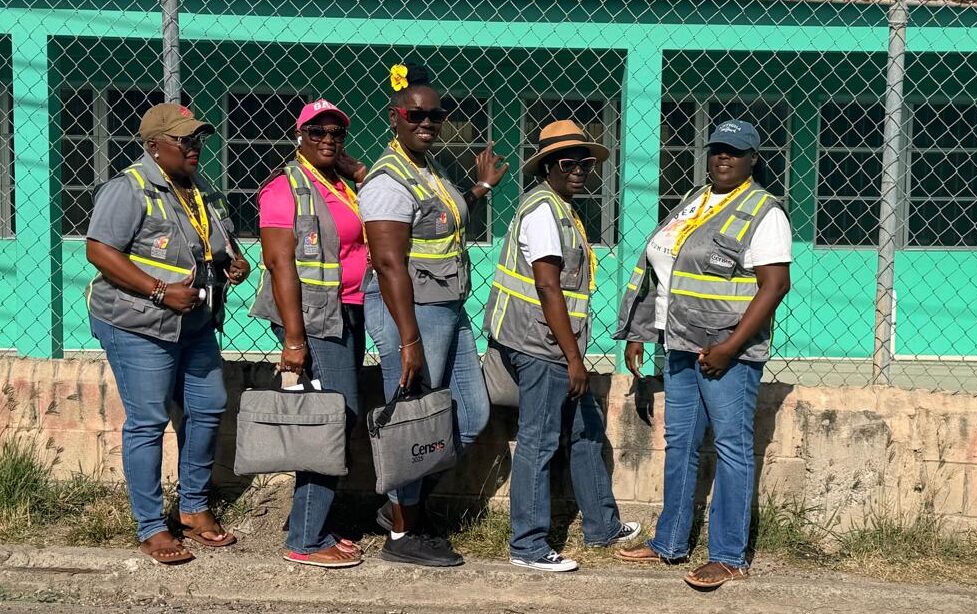
    The 2025 Population and Housing Census in Antigua and Barbuda is moving into an accelerated implementation phase, with national authorities stepping up coordinated efforts to deliver a complete, timely count of the country’s population and housing stock. A core part of this acceleration drive is an open recruitment drive for 300 additional field enumerators to support the nationwide data collection effort.

    The Census Department, which oversees the national initiative, has made application simple and accessible for all interested candidates: prospective workers can apply either by scanning a QR code published on the official census recruitment flyer or by accessing the dedicated application link posted to the department’s official census platforms. For individuals seeking additional details on role requirements, compensation, or application timelines, the department has also set up a dedicated information hotline at 562-7495.

    First launched late last year under the unifying theme “Mapping the Present, Shaping the Future,” the census operation is set to intensify significantly in the coming weeks. Officials are preparing to roll out a broad national public awareness campaign, which will be scaled up to reach maximum audiences during the upcoming Carnival season, when large gatherings and community events create unique outreach opportunities.

    The multi-channel media outreach initiative is designed to clear up common public confusion, explain the core purpose of the decennial (regular national) count, outline the responsibilities of field enumerators, and inform households of what to expect when census workers visit their residences. Officials stressed that widespread public understanding is a key foundation for a complete and accurate count.

    To help residents verify legitimate census workers and avoid potential security risks, authorities have outlined clear identification protocols: all authorized enumerators will wear official census uniforms, carry a valid photo ID card issued directly by the Census Department, and present a formal letter of authorization for their work. Officials are urging all residents to verify these credentials before granting access, and to cooperate fully with enumerators once they confirm the worker’s legitimacy.

    Addressing widespread public concerns about data privacy, the Census Department has reaffirmed that all individual information collected during the census will remain strictly confidential. All personal data will be used exclusively for aggregate statistical analysis, and will not be shared with any other government agencies or third parties for regulatory, tax, or legal purposes.

    Aggregated census data plays a foundational role in evidence-based national development planning, from the expansion of primary school access and public healthcare facilities to the development of transportation infrastructure, the design of targeted employment initiatives, and the expansion of other essential public services across Antigua and Barbuda. By highlighting the tangible impact of accurate census data on daily life, authorities are working to boost participation rates across all communities.

    As the counting phase gets underway, officials are stressing that every household has a critical role to play in the success of the initiative. A full, accurate count is the only way to ensure that Antigua and Barbuda’s long-term development plans truly align with the evolving needs of its population, they said.

  • Police Charge Suspect in Cane Field Murder

    Police Charge Suspect in Cane Field Murder

    A small, close-knit community in Orange Walk has been left reeling from a violent, senseless killing that has dominated local conversation since earlier this week, after law enforcement announced formal murder charges against a 26-year-old local farmer on Wednesday.

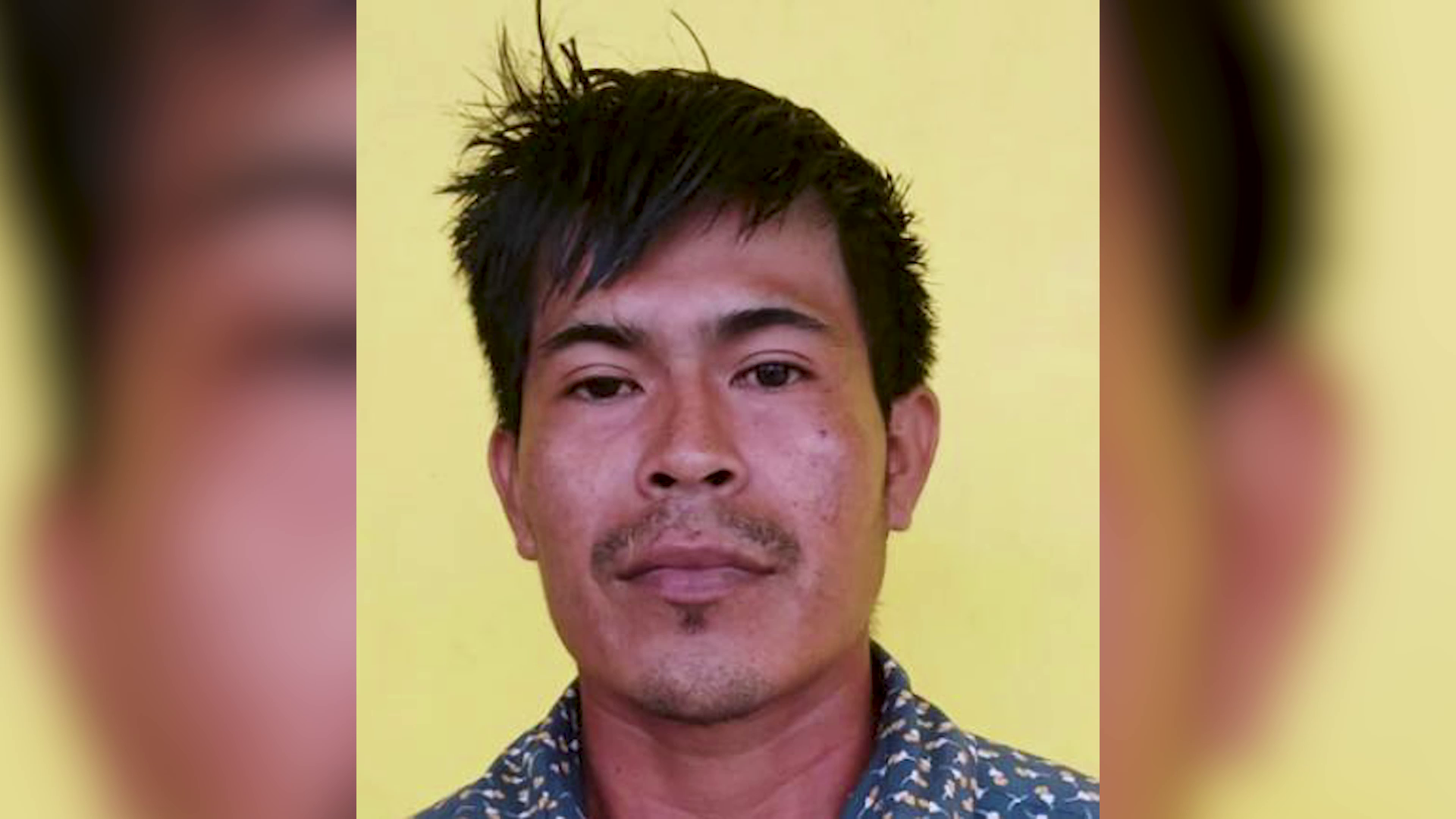
    The accused, Christian Navel Velasquez, a resident of San Lazaro, was taken into custody earlier this week and officially charged with the murder of 68-year-old Virginio Carrillo, whose body was discovered early Monday morning alongside a rural cane field access road. According to preliminary reports from law enforcement, Carrillo suffered multiple severe chop wounds in the attack. Investigators have outlined a preliminary timeline of the incident: Carrillo had just finished his regular work shift and was en route to his personal farm on a bicycle when he was ambushed by an attacker near the cane fields.

    Local law enforcement moved quickly in the investigation, detaining Velasquez as a person of interest by Tuesday, just one day after the victim’s body was found. He has since been formally identified as the prime suspect in the case, and now faces official murder charges before the courts.

    For the San Lazaro community, Carrillo’s death has left a deep void. Neighbors and community members remember the 68-year-old as a dedicated, hardworking resident who was an active, engaged member of local social and community life. Grief has spread across the area in the days following the killing, as residents process the sudden loss of one of their long-time members.

    This report is adapted from a televised evening newscast transcript, with standardized spelling used for Kriol language quotations where applicable.

  • Belize Launches Unified Child Protection and Justice Committee

    Belize Launches Unified Child Protection and Justice Committee

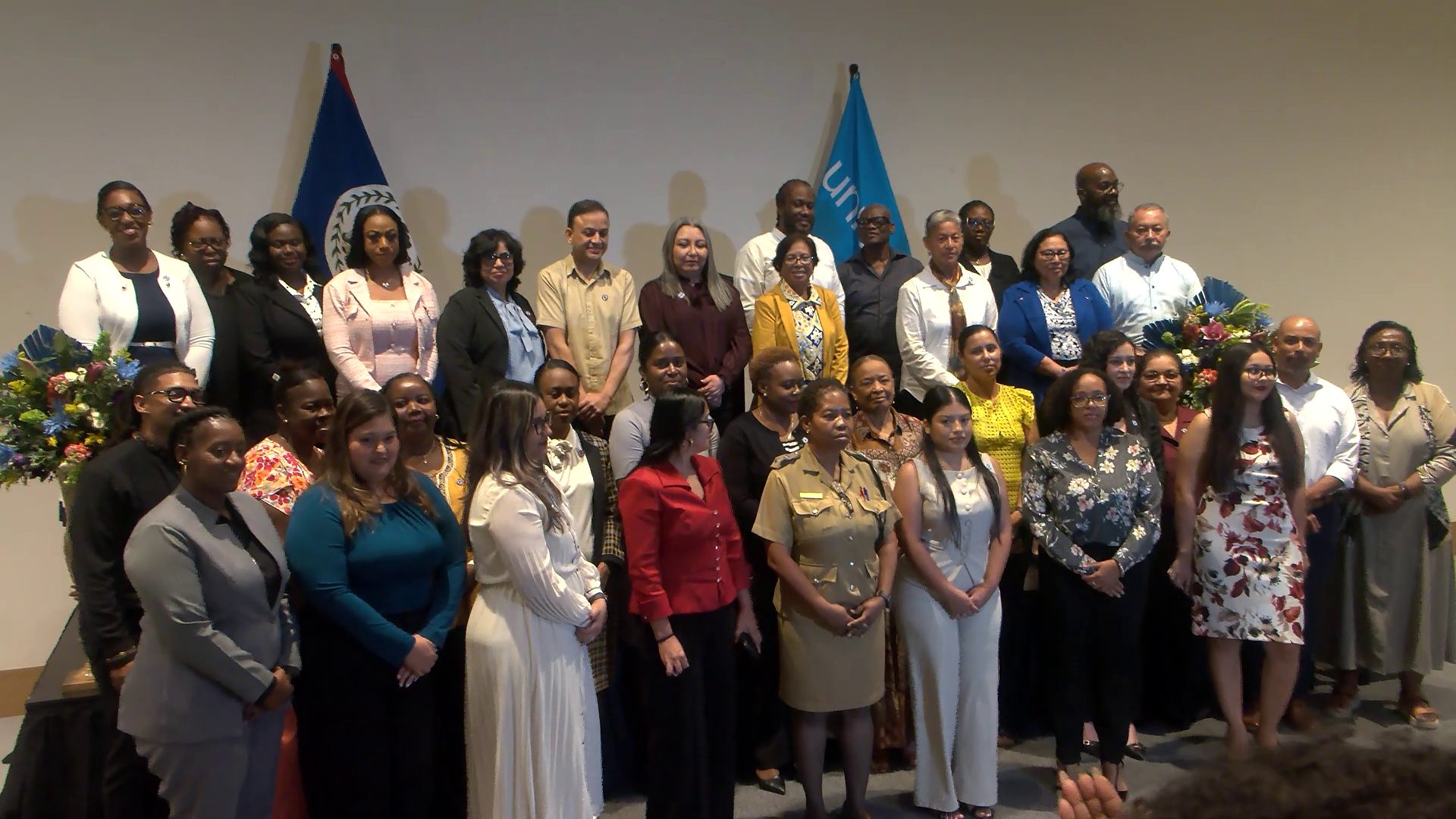
    On July 16, 2026, Belizean officials gathered in Belize City to launch a groundbreaking national initiative designed to overhaul the country’s fragmented child protection and juvenile justice frameworks: the Child Protection and Child Justice Steering Committee (CPJSC).

    This unified coordinating body brings dozens of key public and non-profit stakeholders under a single collaborative umbrella, a structural change rooted in hard data from a 2024 national needs assessment. That evaluation uncovered critical systemic failures, including widespread gaps in inter-agency coordination and weak cross-sector accountability that left vulnerable children underserved.

    Previously, child protection and child justice issues were managed by two separate, siloed committees, a bifurcated structure that slowed response times and created conflicting priorities across agencies. The new consolidated committee is co-led by three core institutions: Belize’s National Commission for Families and Children, the Ministry of Human Development, and UNICEF Belize, ensuring alignment between government priorities and global child welfare best practices.

    Belize Attorney General Anthony Sylvestre emphasized the urgent need for this restructuring during the launch event, noting that decades of on-the-ground experience had demonstrated that fragmented governance could not effectively tackle the full scope of child welfare challenges. “It’s very important to address issues with respect to child protection and child justice from a coordinated approach,” Sylvestre explained. “You have stakeholders from various agencies, whether it be law enforcement, whether it be the court, whether it be in social service, all coming together to address the issue of child protection and child justice.”

    Already, the new committee has finalized a comprehensive five-year work plan spanning 2026 to 2031, outlining clear outcomes and targeted interventions to reframe Belize’s approach to child welfare. Sylvestre praised committee members for their meticulous work in developing the strategy, which includes a core mandate to deliver evidence-based policy recommendations to the national government. The plan calls for revising and updating outdated existing policies related to children and families, and with the Attorney General’s Ministry holding a formal seat on the committee, legislative reforms can now move through the approval process far more quickly than in previous years.

    Immediately following the launch, the CPJSC will begin rolling out its five-year strategy across the country. The initiative’s central goal is to build a faster, more cohesive, and child-centered response system for reports of child abuse, neglect, and exploitation, closing the gaps that previously left many young Belizeans without adequate protection.

    This report is adapted from a transcript of a televised evening newscast, with all spoken content preserved accurately per standard transcription protocols.