On April 20, 2026, the World Bank’s Board of Executive Directors greenlit a transformative multi-million-dollar development project for Belize, designed to tackle two interconnected national challenges: limited access to early childhood education and stagnant female workforce participation.
Belize has long struggled with gaps in its early learning sector. Data from the 2023–2024 academic year shows that only 39 percent of children between the ages of 3 and 4 are enrolled in any form of preschool programming. Access to formal childcare is even more constrained: the entire country counts just 24 registered daycare facilities, all concentrated in major urban centers, leaving rural and marginalized communities completely unserved.
This infrastructure shortage has created an outsized burden for Belizean women, directly holding back their economic participation. Currently, Belize’s female labor force participation rate sits at 43.6 percent, well below the average for the Caribbean region. National census data underscores the scale of the issue: 65 percent of women living with children under the age of 5 have left paid employment to take on unpaid caregiving responsibilities. This rate climbs even higher in rural areas and Indigenous Mayan communities, where access to any formal childcare is virtually non-existent.
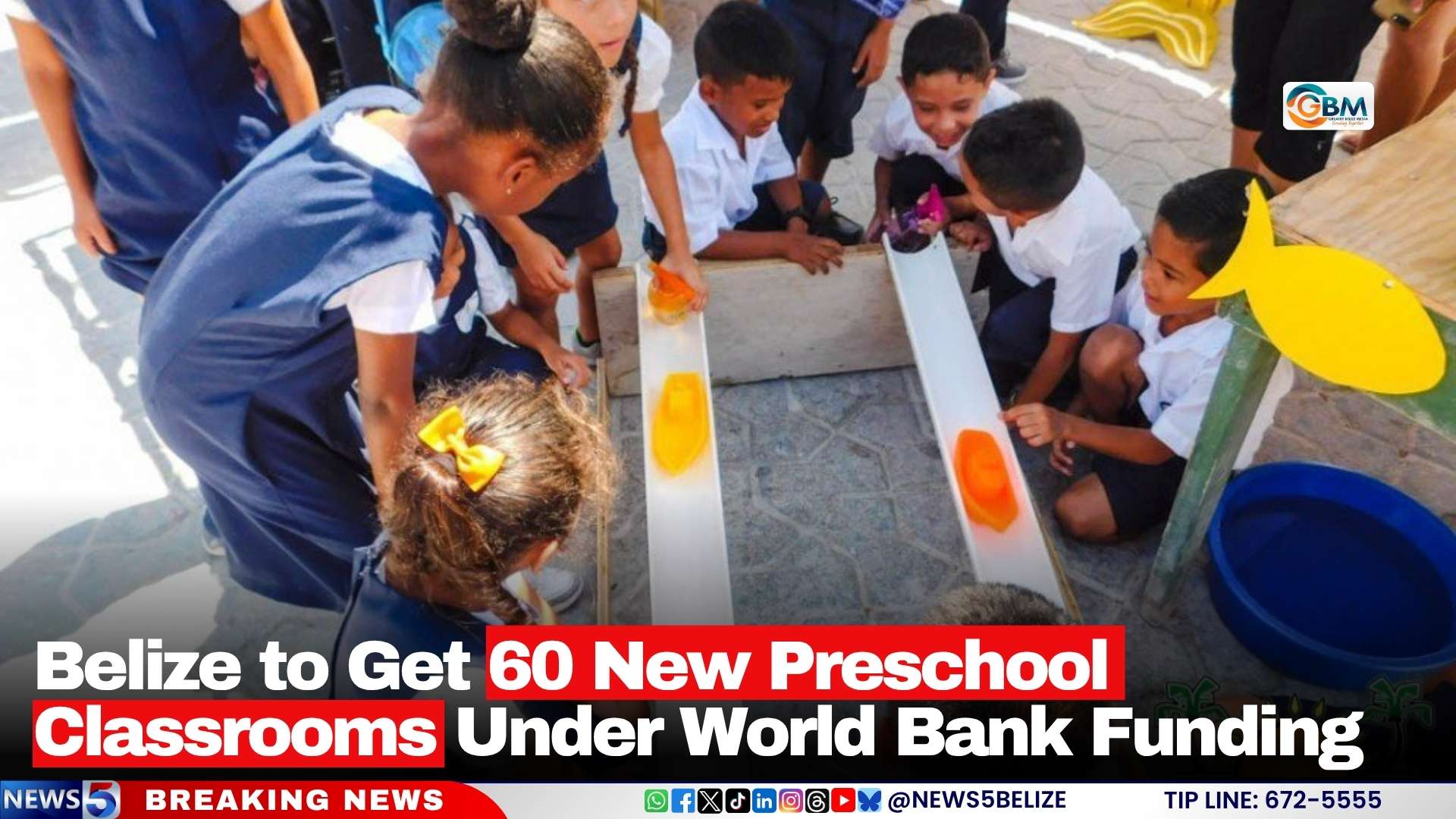
Under the new Belize Early Childhood Development and Female Empowerment Project, the government and development partners will address these gaps through widespread infrastructure expansion and quality improvements. The core infrastructure component calls for the construction of 60 new preschool classrooms within existing primary school campuses in underserved communities, alongside upgrades and full rehabilitation of 30 aging current preschool facilities to bring them up to modern learning standards. Beyond preschool infrastructure, the project will also support the establishment or improvement of roughly 80 community-led early childhood development centers, developed in partnership with local community groups, non-profit organizations, and private service providers to ensure long-term sustainability and local alignment.
Lilia Burunciuc, World Bank Director for the Caribbean, emphasized the dual impact of the investment, noting that reliable care creates ripple benefits across the entire economy. “When caregivers can trust that their children are in safe, nurturing environments, they are free to participate fully in the economy and society,” Burunciuc said. “This project invests in both Belize’s youngest citizens and the women who care for them.”
Total funding for the initiative amounts to $24.78 million, broken down into a $23.5 million low-interest credit from the International Development Association, the World Bank’s fund for low-income countries, and a $1.28 million grant from the global Early Learning Partnership, a multi-donor fund focused on expanding access to quality early education in developing nations.