分类: society

  • Marathon Insurance Brokers and Rotary join forces for youth engagement and community impact

    Marathon Insurance Brokers and Rotary join forces for youth engagement and community impact

    More than a thousand service leaders from across the Caribbean are preparing to gather in Kingston, Jamaica, in spring 2026 for a major regional gathering of one of the world’s largest volunteer service organizations. The 52nd Annual Conference of Rotary District 7020 will kick off on April 27, 2026, hosted at the iconic Jamaica Pegasus hotel, with local financial services firm Marathon Insurance Brokers stepping in as the official sponsor of the event.

    Organizers have centered this year’s conference around the unifying theme “Unite for Good”, a framework designed to align regional volunteer efforts around three urgent, high-priority goals. First, the gathering will prioritize equipping communities across the region to build stronger, more adaptive resilience against the growing threat of climate-fueled natural disasters, which have increasingly impacted small island Caribbean nations in recent years. Second, attendees will work to expand and deepen the tangible, positive impact that Rotary service programs deliver to local communities throughout the district. Third, the conference will focus heavily on expanding youth engagement, bringing younger generations into the organization’s volunteer network.

    This cross-regional conference will draw participants from a sprawling network of 137 Rotary-affiliated clubs spread across 10 Caribbean nations. In total, 91 traditional Rotary Clubs and 46 Rotaract Clubs, the organization’s youth-focused branch, will send delegates to the Kingston gathering, creating space for cross-border collaboration and idea-sharing between service leaders from different island nations.

    Beyond its core priorities, the 2026 conference will also act as a collaborative platform for delegates to advance progress across Rotary’s seven global core areas of focus. These key issue areas include advancing peacebuilding and conflict resolution around the world, expanding access to disease prevention and treatment in underserved communities, driving inclusive local economic development, and improving access to clean water, sanitation, maternal health, and quality education. By bringing regional leaders together around these shared goals, conference organizers hope to strengthen Rotary’s position as a relevant actor for young people, inspire a new wave of volunteer participation, and deliver measurable, long-term good to communities across the Caribbean.

  • Ecstasy in oats could have triggered prison ban

    Ecstasy in oats could have triggered prison ban

    Jamaica’s Department of Correctional Services (DCS) has implemented a controversial new ban on several popular food items that visitors are permitted to bring into the nation’s correctional facilities, framing the policy as a critical upgrade to its ongoing fight against contraband trafficking, including illicit drugs like marijuana. The new list of restricted staples, which sources tell the Jamaica Observer are core food sources for incarcerated people who reject prison-prepared meals, was publicly announced by the agency this Tuesday. Under the updated rules, cup soups, rolled oats, tinned potato chips and other similar packaged snacks, and boxed cereals are no longer accepted during inmate visits.

    In a public notice accompanying the ban announcement, the DCS urged all visitors to familiarize themselves with and abide by the new guidelines to avoid unnecessary entry delays or inconvenience. The agency noted that visitor cooperation is essential to upholding the safety, security and consistent daily operations of all correctional facilities across the island. Responding in writing to queries from the Observer on Wednesday, the DCS communications team clarified that the strengthened restrictions are a core component of the department’s long-term strategy to maintain safety, discipline and orderly operations within its facilities.

    “As part of these enhanced controls, the department has also rolled out stricter gate entry protocols and broader restrictions on certain visitor items that could be exploited to hide prohibited contraband,” the DCS statement added. The agency emphasized that all new measures are preventative, and reflect its longstanding zero-tolerance policy for contraband smuggling and any activity that threatens institutional security. “We remain committed to balancing strict security standards with professionalism, fairness, and humane treatment of those in our custody, while upholding our core mandate of rehabilitation and successful reintegration into society,” the statement read.

    But the new policy has already drawn skepticism from both former inmates and industry insiders, who question both the effectiveness of the ban and point to a far larger source of contraband infiltration. One former inmate who spoke to the Observer shared that the ban on grain products like oats stems from reports that visitors have been crushing ecstasy (MDMA) pills, commonly known as Molly, into the loose grain to smuggle the drug into facilities. Despite this, the ex-inmate argued that senior prison administrators would make more progress cutting contraband if they focused their investigations on internal staff rather than punishing visitors and inmates.

    That critique is echoed by a well-placed source who interacts with Jamaican prisons on a regular basis. The source pointed out that existing protocols already require loose goods like oats to be poured out into clear plastic bags and searched thoroughly before entry. “Apart from sealed cup soups, items like oats and chips can easily be transferred to transparent packaging and searched just like any other item. Even visitors bringing toothpaste have to squeeze it out into a plastic bag for inspection,” the source explained.

    The insider went on to challenge the core logic of the ban, noting that widely recognized industry data shows the vast majority of contraband that enters Jamaican correctional facilities is brought in by correctional officers and wardens themselves, not visiting family members. “Everything you can think of is already available in prison, except your freedom. If an inmate wants a cell phone, they can get one. Inmates even trade common basic goods like tissue for drugs,” the source said.

    While the source acknowledged that smuggling contraband inside food packaging like sealed chip tins is plausible, they noted that incarcerated people have proven far more creative in their smuggling methods than surface-level bans address. “It’s possible this has happened, and it’s a logical reason for the ban, but the bigger issue remains unaddressed,” they added.

    The source also confirmed that the banned food items are staples for the large share of inmates who refuse to eat meals prepared by prison kitchen staff. Many of these inmates rely on instant, heatable options like cup soup that they can prepare themselves, even in single cells where some have access to small personal kettles. The source pulled back the curtain on the poor quality of institutional prison meals, saying, “The reality is that the food served in Jamaican prisons is almost unfit for human consumption. Inmates get hard bread for breakfast, and a small portion of rice with chicken back for lunch. It’s cooked in massive bulk, so it’s never appealing or high quality. Banning something as basic as cup soup is almost certainly going to spark discontent among the inmate population.”

    The Observer has also learned that to avoid relying on prison food, inmates have gone to extraordinary lengths to cook their own meals, even carving out pieces of their shoe soles to use as fuel to heat water for tea or instant food behind bars. The source confirmed these accounts, noting “Inmates are incredibly resourceful when they don’t have access to acceptable food.”

  • Unified voices panel highlights need for human rights reform

    Unified voices panel highlights need for human rights reform

    Against a backdrop of persistent inequality for underrepresented groups across the Caribbean island nation, the Do-Nation Foundation Inc. has brought together cross-sector experts and community advocates for the Unified Voices Panel Discussion, a cornerstone event of the organization’s flagship initiative “Unified Voices: Engendering Change Through Peace”. Designed to fill critical gaps in public discourse around equity, the forum established a structured, accessible space for frank, solution-focused dialogue on four pressing issues: human rights, social inclusion, youth empowerment, and systemic social equity in Saint Lucia.

    The event drew a diverse panel of voices spanning government, law enforcement, and grassroots community organizing, ensuring a breadth of perspectives rooted in both professional experience and on-the-ground community work. Participants included Janey Joseph, Director of Gender Relations, Inspector Sisley Baptiste from the national Vulnerable Persons Team, and Maria Fontenelle, a representative of the Saint Lucian community organization Colours of Iyanola. Each speaker drew from their unique backgrounds to outline ongoing barriers to equity, and collectively reinforced the urgent need for expanded inclusive policy and deep-rooted systemic change across Saint Lucia’s public and private institutions.

    Core topics of the discussion spanned the most pressing unaddressed challenges facing marginalized groups across the country: from systemic disadvantages faced by rural women and people living with disabilities, to the continued social and legal marginalization of LGBTQIA+ community members. The central goal of the conversation, organizers noted, was twofold: to amplify the voices of groups that are routinely excluded from mainstream policy discourse, and to inspire cross-community collective action to build a more inclusive, peaceful Saint Lucian society.

    Zachary Hippolytte, a human rights consultant with the Do-Nation Foundation who served as the panel’s moderator, framed the discussion as both a timely and long-overdue intervention in national equity work. He emphasized that the event’s unique value stemmed directly from its commitment to centering diverse lived experience, noting that “Our panellists… brought diverse backgrounds and …experiences when it comes to the human rights of the individuals.”

    While acknowledging that public conversations around equity have advanced in recent years, Hippolytte stressed that major gaps between rhetoric and tangible action remain. Citing ongoing systemic barriers that limit access to services and justice for vulnerable Saint Lucians, he remarked, “Folks, we have a lot of work to do, especially when it comes to services and justice.” He highlighted the specific unaddressed challenges facing the Deaf community in Saint Lucia, pointing to widespread gaps in accessible public information: “For example, for Deaf men and women… it is very important that we still deal with situations where those citizens don’t have access to… watching our news because there is no sign language interpreter being broadcast over our news stations.” Hippolytte framed this accessibility gap as a critical, underdiscussed issue that demands immediate policy attention.

    Beyond highlighting ongoing challenges, the panel outlined a clear path forward centered on coordinated policy reform and sustained grassroots advocacy. Per Hippolytte, projects like Unified Voices are intentionally designed to shift public awareness and pressure national decision-makers to prioritize equity. He called for tangible, actionable policy changes that would expand accessibility and political representation for marginalized groups across the country, noting that the project’s core mission is to “create this awareness so that our leaders could ensure that they implement policies that could ensure that these individuals… can feel that they were part of our solution.”

  • Minister calls for regulated fees at private elderly care homes

    Minister calls for regulated fees at private elderly care homes

    Access to professional residential care for elderly Barbadians has become an unaffordable luxury for most ordinary families in the country, a senior government minister has urged policymakers to extend existing price regulation frameworks to cover private care facilities, bringing these critical services back within reach of average households.

    Addressing the House of Assembly during debate on the landmark Older Persons (Care and Protection) Bill, Agriculture Minister Dr. Shantal Munro-Knight expressed public support for the legislation’s existing provisions that expand official oversight of elderly residential care centers. However, she argued that the scope of regulatory reform must go further to address the widespread issue of exorbitantly priced care that locks out low- and middle-income families.

    Drawing a parallel to how the Barbadian government already sets and regulates pricing for other regulated professions, Munro-Knight noted that the island’s shifting demographic landscape makes accessible elderly care an increasingly urgent national priority. Even as the public sector works to expand its own elderly care offerings, public facilities often reach full capacity, leaving families with no choice but to turn to private providers. Without price regulation, these vulnerable households are left at the mercy of unregulated private pricing that puts critical care out of reach, she explained.

    Beyond pricing reform, Munro-Knight also called for stronger enforcement of minimum quality standards across all residential care facilities, describing firsthand observations of unacceptable conditions during her tours of local centers. She called some facilities’ living arrangements deeply depressing, noting that many are not adapted to meet the specialized needs of elderly or disabled care recipients. Common issues included multi-bed rooms that offer no privacy for residents or visiting family members, stair-only access and narrow corridors that make wheelchair navigation nearly impossible, and dim, uninviting spaces that fail to support residents’ mental and physical wellbeing.

    The minister stressed that far too many facilities only provide basic food and medication to residents, with no structured activities or social stimulation to keep older adults mentally engaged and active. This lack of engagement contributes to higher rates of depression and faster cognitive decline among residents, she added. Munro-Knight also highlighted an unaddressed gap in care support for families that choose to keep elderly relatives at home: many of these households require round-the-clock care assistance that they cannot afford, and the government should explore additional support programs to meet this need.

  • Antigua and Barbuda Dental Association Introduces “Legacy Board” to Strengthen Future Leadership

    Antigua and Barbuda Dental Association Introduces “Legacy Board” to Strengthen Future Leadership

    The Antigua and Barbuda Dental Association (ABDA) has announced the completion of its leadership transition with the successful election of a new Executive Board, a milestone that leaders say will strengthen the organization’s long-term development and capacity to serve the twin-island nation. The incoming board brings together a mix of seasoned dental practitioners and rising early-career professionals, structured to balance decades of institutional experience with fresh perspective from the next generation of the field.

    The full 10-member Executive Board includes a number of key roles, led by continuing President Dr. Deborah Akande and Immediate Past President Dr. Derek Marshall. Rounding out the core leadership team are Vice President Dr. Kronskie Dickenson-Foster, Secretary Dr. Danny Ghazalea, Assistant Secretary Dr. Jessica Fernandez, and Treasurer Dr. Kamal Moursy — the board member who coined the body’s ‘Legacy Board’ label to reflect its intergenerational mission. Two new roles, created as part of sweeping constitutional updates, are filled by Dr. Jahleel Allen as Early Career Dentist representative and Dr. Afi Bello-Williams as Community Liaison Officer. Rounding out the board is Dr. Adonis Mansoor, who will serve as Social Media Chair.

    A defining feature of the new leadership structure is its intentional commitment to elevating emerging voices in dentistry: nearly one-third of all board members are under the age of 35, a deliberate shift to integrate younger dental professionals into high-level decision-making. ABDA leadership notes this blended model is designed to preserve decades of accumulated institutional knowledge while unlocking the innovative energy and new ideas that early-career practitioners bring to the table. This balance, leaders expect, will help the association maintain a clear strategic direction, strengthen ties with industry stakeholders and community partners, and better respond to the evolving needs of both dental professionals and the Antigua and Barbuda public.

    To formalize this new approach to leadership and outreach, ABDA has approved key updates to its organizational constitution that create two permanent new leadership positions. The Early Career Dentist seat guarantees that the perspectives and professional concerns of younger association members are directly represented at the highest level of governance, while the Community Liaison Officer role will lead the association’s public outreach efforts and ensure the organization remains responsive to community oral health needs.

    ABDA’s recent membership in the FDI World Dental Federation has also shaped the organization’s new strategic direction, bringing renewed focus on intergenerational leadership development and alignment with global professional standards. Through this global partnership, ABDA now accesses international best practices for dental care and professional governance, contributes to global policy discussions around oral health, and participates in evidence-driven initiatives to advance the field locally.

    Continuing President Dr. Deborah Akande emphasized that the global partnership with FDI has underscored how critical investing in young dental professionals is to the long-term health of the field. ‘We regularly receive guidance, participate in virtual meetings, and develop suggested international initiatives. This exposure has reinforced our commitment to nurturing the next generation of dental leaders. Our new Board is just the beginning,’ Akande said.

    Looking ahead, ABDA reaffirmed its core mission: advancing accessible, high-quality oral health across Antigua and Barbuda, upholding rigorous professional standards for the nation’s dentists, and serving the health needs of all people living in the country.

  • Man admits to possessing illegal shotgun, remanded for sentencing

    Man admits to possessing illegal shotgun, remanded for sentencing

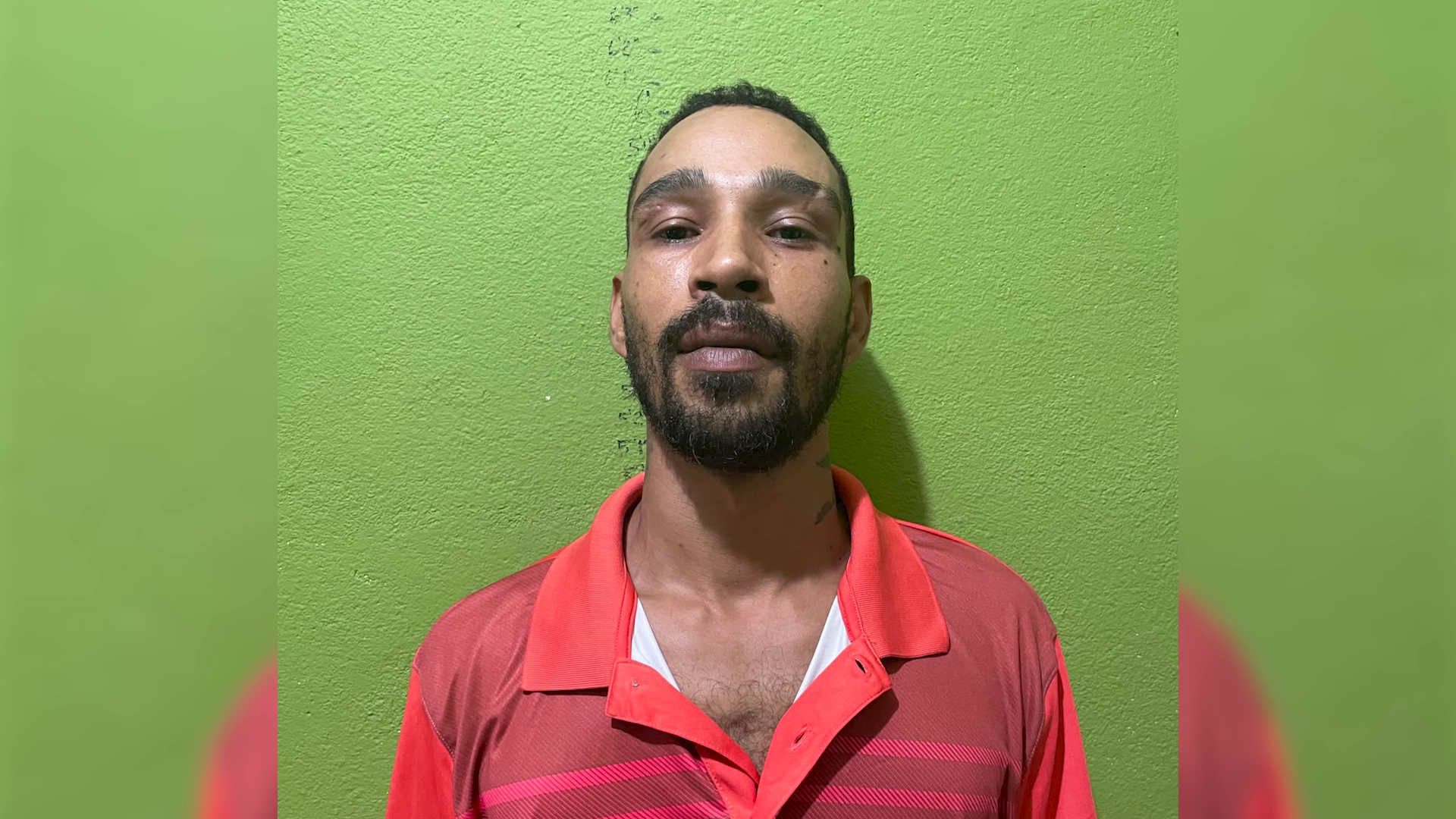
    A 26-year-old man has entered a guilty plea to charges of unlawful firearm possession stemming from a police search of his residence earlier this month, and has been ordered to remain in custody ahead of his sentencing hearing scheduled for May.

    Ajahnae Nicholas appeared before Chief Magistrate Ngaio Emanuel to answer for the charges laid against him following the execution of a search warrant at his Green Bay Hill home on April 10. According to official police accounts, Nicholas cooperated with officers by directing them to his bedroom, where law enforcement recovered a silver 12-gauge Mossberg shotgun. The weapon had been concealed beneath his bed, wrapped inside a plastic bag, and all factory identifying serial numbers had been intentionally erased from its frame.

    When questioned by investigators, Nicholas claimed he had stumbled upon the unregistered firearm while it was abandoned in brush located near his property. Prosecutors have emphasized that the unmarked, high-powered shotgun poses a severe risk to public safety, highlighting its capacity to fire large-caliber shotgun shells and the deliberate removal of identifying marks that would allow law enforcement to trace its origin.

    Nicholas was remanded to custody following his plea, with his formal sentencing scheduled to take place before the court on May 12. Judicial officials confirmed that the court is currently reviewing applicable sentencing guidelines as it prepares to deliver its ruling next month.

    In a related development, 20-year-old Kayshia Riley of Sweets Village, who was named as a co-accused in the original case, has had all charges against her formally dismissed by the court. Defense attorney Sherfield Bowen represented both Nicholas and Riley throughout the court proceedings.

  • Middle-class seniors struggling despite home ownership

    Middle-class seniors struggling despite home ownership

    During Tuesday’s parliamentary debate on the landmark Older Persons (Care and Protection) Bill, Barbadian Member of Parliament Sandra Husbands has drawn attention to the largely unreported financial and social vulnerabilities facing the nation’s senior population, revealing stark divides in hardship between two distinct economic groups of elderly residents across the constituency she represents.

    Husbands, who also serves as the country’s Minister of Technological and Vocational Education, outlined that while the larger cohort of middle-class elderly often appear outwardly comfortable, living in fully paid-off, well-furnished homes, this outward appearance masks deep-seated financial strain. Many of these seniors are retired public servants and private sector supervisors who live on fixed pensions that were sufficient to cover their costs more than a decade ago, but have been eroded by persistent inflation. As empty nesters with no family members nearby to help, they struggle to cover routine home repairs, rising utility costs, groceries, and evolving age-related health expenses all at once.

    By contrast, the smaller group of working-class elderly face a different set of urgent challenges. A large share of these seniors live in overcrowded housing, where their needs and personal preferences are frequently sidelined by other household members. Even living on meager, fixed pensions, they are often pressured to cover financial demands from other relatives living under the same roof, leaving them with barely enough to cover their own basic needs.

    Husbands emphasized that these shared financial pressures leave both groups of seniors disproportionately vulnerable to abuse and financial exploitation. When they can no longer manage all daily tasks and financial decisions independently, many seniors turn to untrained informal caregivers — often relatives, neighbors or other close contacts — that may not act with integrity. In some of the most distressing cases, even family members exploit vulnerable seniors by taking control of their assets and finances, creating overwhelming stress and uncertainty for older people who have already worked their entire lives.

    Against this backdrop of widespread vulnerability, Husbands told fellow lawmakers that shifting demographic trends on the island make consistent, targeted reform of the national social security system a non-negotiable priority. She pushed back against critics who have claimed recent government reforms are only designed to force people to work longer while cutting their future pension benefits, arguing that ongoing pension adjustment is critical to protect current seniors and future generations alike.

    “Anyone who truly cares about this country and truly cares about the entire group of Barbadians who live here … must understand that pension reform is absolutely important. It’s the right thing to do. It’s the moral thing to do,” Husbands said.

    She added that the current push for stronger elder protection legislation is even more necessary given the widespread financial insecurity facing seniors. Beyond policy reform, Husbands also called for expanded public financial literacy initiatives and encouraged younger Barbadians to begin retirement planning far earlier, noting that too many people wait until their 60s to prepare for their post-work years. When seniors lack sufficient financial resources, she explained, they grow more dependent on others, more likely to endure exploitation, neglect or unkind treatment, and create added strain on both families and the state — making protective regulation all the more critical to safeguard vulnerable older Barbadians.

  • Retired teacher jailed for sex crimes on 11-y-o boy

    Retired teacher jailed for sex crimes on 11-y-o boy

    A 65-year-old retired educator from St. Vincent and the Grenadines has received a total prison sentence of two years, seven months and 17 days after being convicted on four separate counts of indecent assault involving a 13-year-old minor boy. The sentencing ruling was issued by a sitting magistrate during a closed court hearing for defendant John Clyde Fitzpatrick, who resides in the Sion Hill area of the country.

    Under local rules for cases involving child victims, legal proceedings for this type of sensitive matter are held in camera, meaning the public and press are barred from observing hearings to protect the safety and privacy of the underage victim. As a result, iWitness News, the local media outlet first reporting on the case, has only been able to confirm the official sentence handed down in the matter, with no additional details from the court proceedings available for public release.

    Court and law enforcement records confirm the criminal offences Fitzpatrick was convicted of took place between September 2024 and January 2025, per an official February 2025 statement published by local police. In that statement, law enforcement noted that the sensitive nature of the case and mandatory legal protections for the minor victim’s identity mean no further specific details about the offences or the investigation can be shared with the public at this stage of the legal process.

    Even with limited public disclosures, police confirmed that all required legal protocols have been strictly followed throughout the investigation and prosecution to guarantee that justice is delivered for the young victim. Fitzpatrick was charged and convicted under Section 127(1)(a) of the Criminal Code, CAP 171 of the 2009 Revised Edition of the Laws of St. Vincent and the Grenadines. This statute explicitly outlines that any act of indecent assault against a child under the age of 15 carries a maximum penalty of 10 years of imprisonment. A supplementary clause in the legislation, Subsection 2, also reinforces a key legal protection for minors: under local law, a child under the age of 15 cannot legally provide consent that would excuse an indecent act or reclassify it as not amounting to assault.

  • Granny’s heart ‘mashed up’

    Granny’s heart ‘mashed up’

    A deadly late-night ambush on a Trinidad and Tobago roadway has left a nation grappling with unspeakable sorrow, after gunmen pulled over a car carrying five people returning from a casual day trip, killing four including a 9-year-old elementary school student with a bright artistic future. The violent attack unfolded Sunday evening along Lady Young Road in Morvant, cutting short the lives of 34-year-old Asim Armstrong, his 9-year-old great-niece J’Layna Armstrong, 27-year-old Obataiye Latiff, and 24-year-old Chelsea Edwards. The fifth passenger, 23-year-old Cornelius Short, escaped with his life and remains hospitalized in stable condition following the attack. For Tee Bruce, a Belmont resident and mother to Armstrong and honorary grandmother to J’Layna, the violence has shattered her world completely, leaving her unable to process the sudden loss of two of her closest family members. In an emotional interview with local media on Monday, Bruce described her heart as “mashed up” by the killings, saying she is stuck in a constant state of numb grief that leaves her weeping nonstop. “Numb is the word to say. I have no more feelings. I cry every minute,” Bruce shared. For Bruce, who raised three sons, J’Layna filled the place of the daughter she never had, and the bond between Armstrong and the young girl was unbreakable—so close, Bruce said, they were like “ring on finger.” The morning of the trip, Bruce had packed J’Layna’s clothes for the group’s outing to Harry’s Water Park in Tabaquite, and watched the child walk out the door to meet her uncle, with no idea it would be the last time she saw her alive. “Everybody was good. Everything was okay,” she recalled. Now, she says her days are marked by crippling emotional ups and downs, and J’Layna’s biological father is faring even worse in the wake of the tragedy. Though Bruce says she draws some comfort from the outpouring of support from friends and extended family, the loss has left an irreparable hole in her life. Just weeks earlier, the community had mourned the death of 7-year-old Angelica Saydee Jogie, who died in a jet ski accident off the coast of Tobago. Bruce said she had grieved deeply for that little girl, never imagining she would soon be facing her own devastating loss of a child. Remembering J’Layna, Bruce described the 9-year-old as a confident, outspoken, loving and incredibly intelligent young girl who was already showing signs of being a future star. “She will get on very bad, if you don’t pronounce her name properly,” Bruce said, laughing through her tears as she recalled J’Layna’s fiery personality. J’Layna loved the performing arts and drama, and had been training under veteran Trinidadian actress, producer and drama coach Penelope Spencer, who recognized her natural talent and potential from the start. Walking through J’Layna’s bedroom on Monday morning, Bruce found herself staring at the young girl’s landscape paintings, a quiet reminder of all the potential that was cut short. J’Layna’s mother, Bruce added, was a dedicated hardworking parent who doted on her daughter—even making special trips to J’Layna’s school to deliver sushi for her birthday, and bringing flowers to cheer her on after every school walkathon. J’Layna’s stepfather was also a loving, steady presence in her life, Bruce said, and the whole family had welcomed him fully. For Asim Armstrong, J’Layna was “his eyeball”—the person he loved most in the world, Bruce said. What makes their shared death even more tragic, she added, is that Armstrong had already fought and won a brutal battle with aggressive cancer. Diagnosed at age 20, Armstrong endured years of harsh treatment that forced him to give up his beloved hobby of playing football, and he had only just pulled through a major health crisis around the 2023 Christmas holiday. Armstrong would have turned 35 on May 31, and the family had been planning a celebratory trip to Saint Lucia to mark the occasion. Despite the unthinkable loss, Bruce says the family holds no anger toward the attackers, and is just focused on supporting one another through this dark time. Instead of a traditional wake, the family will host a night of prayer to honor Armstrong and J’Layna before their funeral. Local political leaders and community members have also expressed profound shock and sorrow over the attack, which has sent waves of grief across the entire country. Keith Scotland, Member of Parliament for Port of Spain South, called the killings far more than an ordinary tragedy, saying the violence has shifted the entire national mood. “What has occurred there is more than a tragedy. It’s something that has changed the mood of the nation. It’s unfathomable what has transpired,” Scotland said in a telephone interview Monday. Scotland extended his deepest condolences to the entire family, noting that even though he never met J’Layna, all accounts paint her as a good child on a promising path. Scotland added that this ambush is just the latest in a string of violent tragedies that the small nation is struggling to process, coming just after the killing of Corporal Eversley in San Fernando and the discovery of 56 buried bodies at a cemetery in Cumuto. “It’s a lot for the country to process. It’s sad,” he said. For residents of Morvant, the news of the ambush, and the killing of an innocent 9-year-old, has left the entire community reeling. On Monday morning, as residents prepared for their workday, many described feeling overwhelming shock and sadness at the news. One local woman asked, “Who would want to hurt a child?” Another male resident said he personally knew one of the murdered men and the young girl, calling the killing simply senseless and sad. “We have to keep praying. Day in, day out. We have to cover ourselves,” one Morvant woman said of the ongoing wave of violence that has shaken the community.

  • Mirador Sur Sensory Park opens to expand accessible public spaces

    Mirador Sur Sensory Park opens to expand accessible public spaces

    In a landmark step toward building more inclusive urban public spaces in the Dominican Republic, Banco Popular Dominicano has partnered with the National District City Hall to inaugurate the Mirador Sur Sensory Park, a purpose-built recreational area focused on breaking accessibility barriers and fostering cross-community social connection in Santo Domingo.

    The core of the new development is a 340-square-meter sensory playground, which received a RD$5 million investment from Banco Popular. Unlike traditional play spaces, the area is outfitted with specialized equipment crafted to stimulate all five senses and encourage comfortable interaction among visitors of all physical and cognitive abilities. This initiative is not an isolated community project: it is integrated directly into the national bank’s long-term corporate sustainability strategy, which aligns with the United Nations’ Principles for Responsible Banking and centers on delivering measurable, tangible social benefits across the country.

    Beyond the sensory playground itself, an additional RD$10 million was earmarked for comprehensive upgrades to the broader surrounding grounds of Mirador Sur Park. The cross-cutting improvements include the installation of 90 new energy-efficient lamps to boost nighttime safety, complete renovations to the existing calisthenics and skate areas, construction of new public restrooms, placement of additional waste receptacles throughout the space, and an upgraded security network powered by high-resolution IP monitoring cameras.

    Christopher Paniagua, speaking on behalf of Banco Popular, emphasized that the collaborative project embodies the financial institution’s longstanding commitment to advancing sustainable development and elevating quality of life for local communities. For her part, National District Mayor Carolina Mejía praised the park’s role in advancing social inclusion, noting that it creates a welcoming, secure environment tailored specifically to meet the diverse play and recreational needs of children with disabilities and different ability levels.

    Organizers and city leaders hope the new Mirador Sur Sensory Park will serve as a replicable national model for how urban public spaces can center accessibility, inclusive recreation, and sustainable development simultaneously, setting a new standard for community projects across the Dominican Republic.