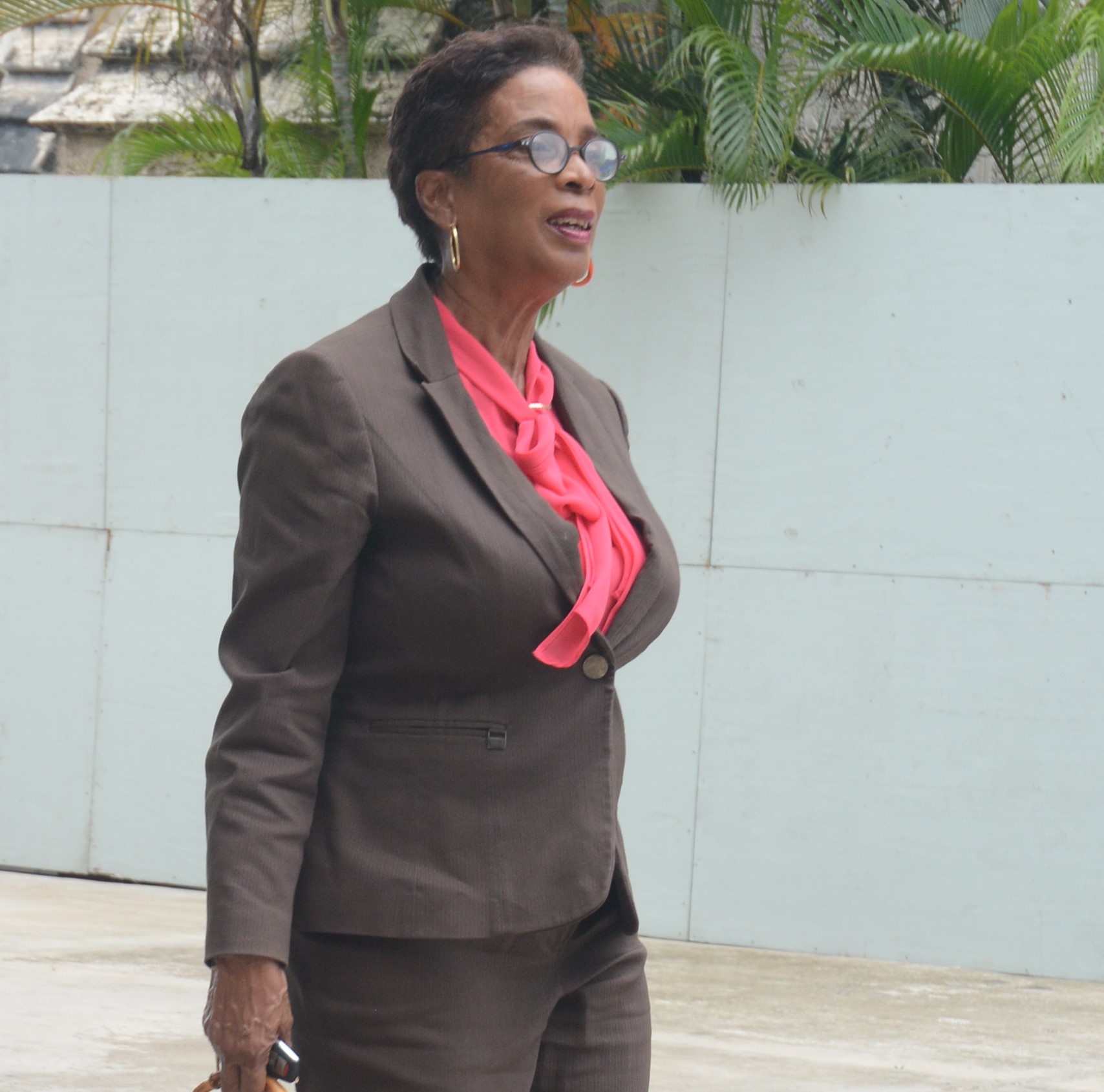
During Tuesday’s parliamentary debate on the landmark Older Persons (Care and Protection) Bill, Barbadian Member of Parliament Sandra Husbands has drawn attention to the largely unreported financial and social vulnerabilities facing the nation’s senior population, revealing stark divides in hardship between two distinct economic groups of elderly residents across the constituency she represents.
Husbands, who also serves as the country’s Minister of Technological and Vocational Education, outlined that while the larger cohort of middle-class elderly often appear outwardly comfortable, living in fully paid-off, well-furnished homes, this outward appearance masks deep-seated financial strain. Many of these seniors are retired public servants and private sector supervisors who live on fixed pensions that were sufficient to cover their costs more than a decade ago, but have been eroded by persistent inflation. As empty nesters with no family members nearby to help, they struggle to cover routine home repairs, rising utility costs, groceries, and evolving age-related health expenses all at once.
By contrast, the smaller group of working-class elderly face a different set of urgent challenges. A large share of these seniors live in overcrowded housing, where their needs and personal preferences are frequently sidelined by other household members. Even living on meager, fixed pensions, they are often pressured to cover financial demands from other relatives living under the same roof, leaving them with barely enough to cover their own basic needs.
Husbands emphasized that these shared financial pressures leave both groups of seniors disproportionately vulnerable to abuse and financial exploitation. When they can no longer manage all daily tasks and financial decisions independently, many seniors turn to untrained informal caregivers — often relatives, neighbors or other close contacts — that may not act with integrity. In some of the most distressing cases, even family members exploit vulnerable seniors by taking control of their assets and finances, creating overwhelming stress and uncertainty for older people who have already worked their entire lives.
Against this backdrop of widespread vulnerability, Husbands told fellow lawmakers that shifting demographic trends on the island make consistent, targeted reform of the national social security system a non-negotiable priority. She pushed back against critics who have claimed recent government reforms are only designed to force people to work longer while cutting their future pension benefits, arguing that ongoing pension adjustment is critical to protect current seniors and future generations alike.
“Anyone who truly cares about this country and truly cares about the entire group of Barbadians who live here … must understand that pension reform is absolutely important. It’s the right thing to do. It’s the moral thing to do,” Husbands said.
She added that the current push for stronger elder protection legislation is even more necessary given the widespread financial insecurity facing seniors. Beyond policy reform, Husbands also called for expanded public financial literacy initiatives and encouraged younger Barbadians to begin retirement planning far earlier, noting that too many people wait until their 60s to prepare for their post-work years. When seniors lack sufficient financial resources, she explained, they grow more dependent on others, more likely to endure exploitation, neglect or unkind treatment, and create added strain on both families and the state — making protective regulation all the more critical to safeguard vulnerable older Barbadians.