分类: society

  • Column: Suriname blijft worstelen, maar hoop gloort aan de horizon

    Column: Suriname blijft worstelen, maar hoop gloort aan de horizon

    For decades, Suriname has been trapped in a recurring cycle of systemic challenges that continue to plague its transportation, agricultural, and environmental sectors. Public transport operators face persistently ambiguous and fluctuating fare regulations, while rice farmers—the backbone of the nation’s economy—repeatedly confront seasonal irrigation shortages and unfavorable pricing structures. Meanwhile, citizens regularly battle worsening urban flooding and inefficient waste management systems that remain unresolved despite years of political discussions.

    The renewal processes for bus permits undergo constant procedural changes without achieving meaningful efficiency or transparency. Critical water canal maintenance appears neglected, resulting in increasingly severe flooding during routine rainfall. The rice sector, vital to Suriname’s economic stability, faces the same fundamental challenges season after season without sustainable solutions.

    Despite periodic changes in government leadership, the approach remains consistently characterized by temporary fixes and partial measures that provide momentary relief rather than comprehensive solutions. The waste management crisis continues as a persistent eyesore, with paid garbage collection systems remaining in discussion phases while trash accumulation worsens.

    Suriname nevertheless possesses unique advantages that many nations lack. The country experiences none of the catastrophic natural disasters—hurricanes, earthquakes, or tsunamis—that regularly devastate other regions. Its air quality remains pristine, and abundant high-quality drinking water is readily available—resources that millions globally still struggle to access. Additionally, Suriname maintains a peaceful society characterized by rich cultural diversity and remarkable social harmony.

    These blessings often go underappreciated as citizens focus on daily frustrations, yet they provide a solid foundation for transformative development. Realizing this potential requires leadership willing to break from traditional patterns and implement long-term vision rather than short-term fixes. The nation needs administrators who view the country as a collective responsibility rather than a personal playground, prioritizing communal welfare over individual interests.

    The path forward demands courageous leadership committed to substantive change, combined with active citizen engagement and renewed institutional trust. While Suriname’s challenges are significant, the capacity for meaningful transformation exists within its societal framework. Through determined collaboration and visionary governance, Suriname can transcend its cyclical problems and build a future worthy of its citizens’ pride and aspirations.

  • Authorities launch international training program for emergency rescue teams

    Authorities launch international training program for emergency rescue teams

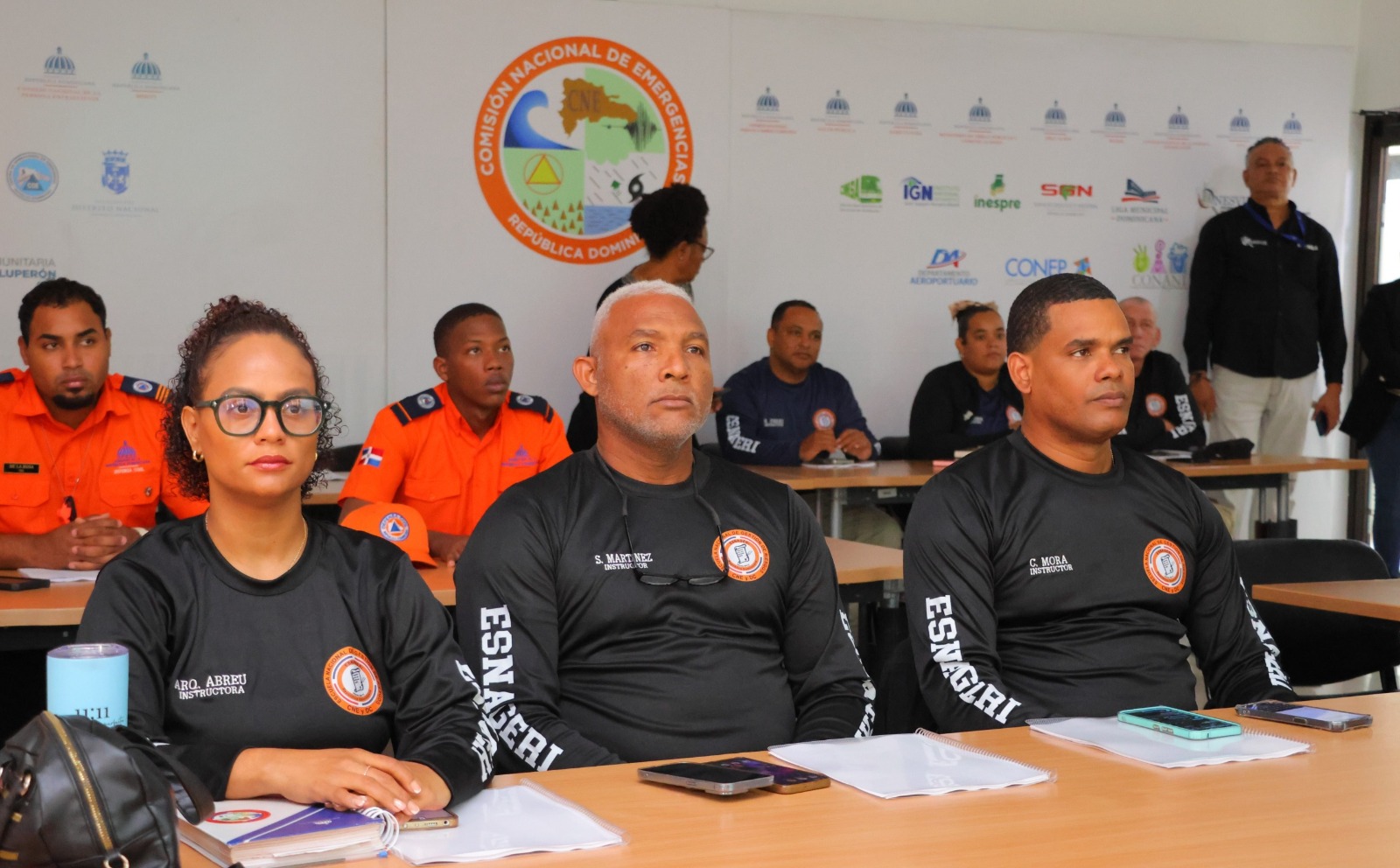
    SANTO DOMINGO – In a significant move to bolster national disaster preparedness, Dominican authorities have inaugurated a comprehensive international training and certification initiative designed to enhance specialized search and rescue (SAR) capabilities. The program specifically targets operations in collapsed structures and confined spaces, aiming to elevate the technical and operational proficiency of emergency response teams across the country.

    This strategic endeavor represents a collaborative inter-institutional partnership, spearheaded by the National Office for Seismic Evaluation and Vulnerability of Infrastructure and Buildings (Onesvie). The initiative is being executed in coordination with major international and domestic partners, including the United Nations Development Programme (UNDP), the National School of Risk Management (Esnageri), and the National Emergency and Security System 9-1-1.

    Official communications clarify that the program’s core objective is to systematically reduce seismic vulnerability and significantly improve emergency response outcomes for disasters triggered by earthquakes and catastrophic structural failures. This will be achieved through the rigorous implementation of internationally recognized training protocols and certification standards.

    The curriculum is structured around four specialized courses. The foundational training commenced with the Incident Command System (ICS), which is being delivered by instructors from the American Safety & Rescue Institute. This module carries international accreditation certified by Texas A&M University. A subsequent series of advanced courses, slated for March, will complete the training cycle. These will encompass critical skill sets in hazardous materials (HAZMAT) management, confined space rescue techniques, and advanced strategies for rescue operations in collapsed buildings.

  • Baby girl found abandoned on Anacaona Street in San Juan de la Maguana

    Baby girl found abandoned on Anacaona Street in San Juan de la Maguana

    In a distressing incident that has unsettled the local community, a three-month-old female infant was discovered abandoned on Anacaona Street in San Juan de la Maguana this past Sunday. The child was found carefully wrapped in a small blanket and appropriately dressed, left unattended on a neighborhood curb. Alert residents promptly notified municipal authorities, who swiftly responded to secure the infant’s safety. Emergency services transported the baby to a nearby medical facility for comprehensive health evaluation, where physicians confirmed the child remains in stable condition despite the traumatic circumstances. The identity of those responsible for abandoning the infant remains unknown as investigations continue. The case has been formally referred to the National Council for Children and Adolescents (Conani), the Dominican Republic’s primary agency responsible for protecting vulnerable minors. Community members expressed profound shock regarding the incident, highlighting ongoing concerns about child welfare in the region.

  • Abinader leads second diversion of Guayubín River at Boca de los Ríos Dam

    Abinader leads second diversion of Guayubín River at Boca de los Ríos Dam

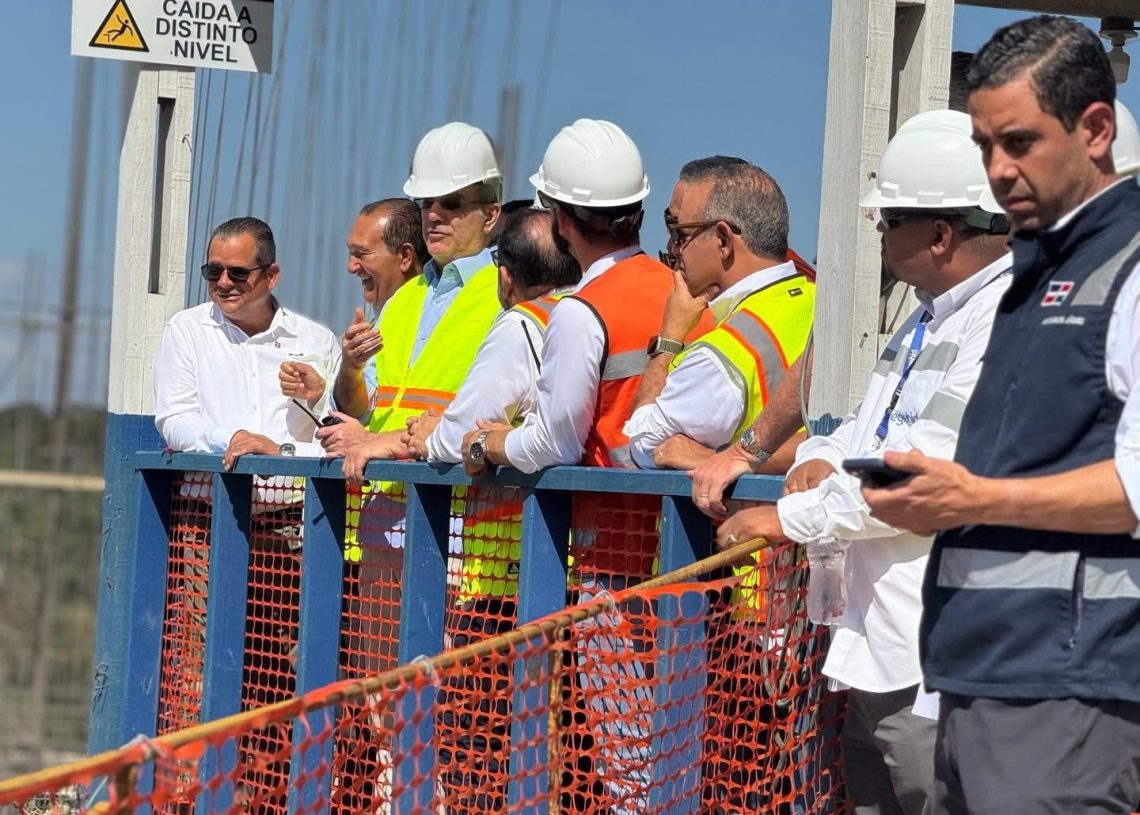
    SANTIAGO RODRÍGUEZ – In a significant development for national infrastructure, Dominican President Luis Abinader presided over a pivotal ceremony for the Boca de los Ríos Dam project. The event centered on the second strategic diversion of the Guayubín River, signaling the final construction phase of this major hydroelectric initiative managed by the Dominican Hydroelectric Generation Company (Egehid).

    At the project site, President Abinader initiated the removal of a temporary cofferdam. This action authorized heavy machinery to carve a new channel, redirecting the river’s flow into specially constructed diversion galleries. This engineered pathway will guide water toward the emerging dam structure for the remainder of the construction period.

    José Augusto Caputo, the Project Director, emphasized the operation’s critical nature, stating, ‘This second river diversion represents a fundamental milestone for the project’s advancement and denotes a crucial transition within the construction sequence.’

    Egehid’s General Manager, Rafael Salazar, provided technical context, noting that an initial diversion in March 2023 enabled construction crews to build the dam’s primary structure on dry land. He clarified that this latest maneuver will temporarily restore the river to its natural course, channeled through the concrete diversion galleries. Upon project completion, these galleries will be permanently sealed, initiating the reservoir filling process.

    Concurrently, this phase enables construction to commence on a lower segment of the closure dam adjoining the main wall. The project also progresses with the arrival of the first three massive radial spillway gates. Each gate, an engineering feat in itself, measures 12 meters in width, 14 meters in height, and weighs roughly 110 tons, with installation preparations now underway.

  • Plan International presents results of “Down To Zero” child protection project

    Plan International presents results of “Down To Zero” child protection project

    After more than ten years of dedicated intervention, Plan International’s groundbreaking Down To Zero initiative has concluded its operations in the Dominican Republic, establishing a robust child-protection framework across 14 high-risk communities in the nation’s southern region. The comprehensive program specifically targeted areas severely impacted by tourism development and heightened social mobility, which have historically contributed to increased vulnerabilities.

    The project achieved remarkable reach, directly impacting over 650 individuals across the provinces of Azua, Elías Piña, San Juan, Pedernales, and Barahona. Its prevention strategy centered on community empowerment, training 100 adolescents as prevention promoters and equipping 153 local leaders with skills to activate reporting and response mechanisms. Institutional capabilities were significantly enhanced through the engagement of 90 public and private sector representatives who collaborated on developing standardized case management protocols.

    A cornerstone of the initiative involved confronting the cultural normalization of sexual exploitation through 24 distinct educational interventions. These included community film screenings and structured dialogues designed to break longstanding silences surrounding exploitation while building sustainable local capacity.

    Project coordinator Luis Toledo emphasized the transformative outcomes, stating, ‘Today we witness more conscious communities, youth spearheading prevention initiatives, and local systems significantly better prepared to address cases effectively.’ He identified the establishment of self-sustaining protective ecosystems as the program’s most profound accomplishment.

    Plan International, with over 35 years of operational presence in the Dominican Republic and outreach across 120 communities, has reaffirmed its institutional commitment to fostering secure and equitable environments for the nation’s children and adolescents. The concluding ceremonies, held February 17 in Barahona and February 19 in San Juan de la Maguana, marked the formal transition of protection responsibilities to strengthened local institutions.

  • National District Carnival 2026 fills the Malecón with color, music, and tradition

    National District Carnival 2026 fills the Malecón with color, music, and tradition

    The iconic Malecón waterfront of Santo Domingo transformed into a spectacular canvas of cultural expression during the National District Carnival 2026, where an estimated crowd of thousands gathered for a celebration marked by vibrant displays and impeccable organization. Under the meticulous coordination of the Mayor’s Office of the National District, the event unfolded as a testament to both tradition and community spirit.

    A procession of more than seventy elaborately costumed dance troupes captivated attendees as they paraded along the capital’s coastline. Their performances, rich in creativity and rhythmic precision, served as a dynamic exhibition of local identity. The afternoon festivities, commencing at approximately 3:30 p.m., were safeguarded by a comprehensive inter-agency security and logistics operation, ensuring a secure and orderly environment for all families and visitors.

    Mayor Carolina Mejía articulated the profound significance of the carnival, framing it not merely as a festive occasion but as an essential manifestation of the city’s collective heritage and social fabric. This year’s edition carried a special dedication to José Guillermo ‘Pepe’ Mieses, a revered physician, athlete, and folklorist recognized for founding the legendary troupe Los Leones del Diablo and for his pivotal role in institutionalizing the carnival’s framework.

    The ceremonial opening was led by the newly crowned King and Queen of Carnival, Francisco Taveras Benítez and Santa Valdez, both honored for their lifelong dedication to the tradition. The parade featured diverse participants, including the National District Fire Department Band and the renowned Los Guloyas de Propagas, with competitive categories spanning Grand Troupe, Best Floats, and various traditional character groups.

    The event drew a distinguished audience of municipal authorities, council members, and prominent figures from the cultural and artistic sectors, who universally praised the event’s superior organization and artistic merit. As daylight faded, the celebration reached its crescendo at Eugenio María de Hostos Park with a powerful concert. Headlining artists Toño Rosario, Omega, Sexappeal, Jandy Ventura, and Steffany Constanza delivered an electrifying musical finale that energized the massive crowd.

    Through this highly successful execution, the Mayor’s Office has powerfully reaffirmed its commitment to preserving cultural legacy, fostering safe public spaces for family entertainment, and cementing the National District Carnival’s status as a premier, anticipated event in Santo Domingo’s cultural calendar.

  • “Don’t take it personal,” Prime Minister tells suppliers as Antigua upgrades major event production

    “Don’t take it personal,” Prime Minister tells suppliers as Antigua upgrades major event production

    In a firm declaration of national development policy, Prime Minister Gaston Browne has announced his administration’s refusal to permit exclusive supplier arrangements that could compromise the nation’s capacity to host world-class events. Speaking on the Browne and Browne Show broadcast via Pointe FM, the Prime Minister articulated a strategic vision for upgrading the country’s event infrastructure to achieve regional and international competitiveness.

    Browne emphasized that Antigua and Barbuda must develop autonomous capabilities to execute high-level conferences, international festivals, and premium performances without dependence on singular providers. “We are leveling up,” stated Browne, underscoring the government’s position against allowing any entity to hold the nation hostage through restrictive production arrangements.

    The Prime Minister outlined specific requirements for the country’s advancement, including the development of large-scale staging facilities, premium sound systems, and professional production standards. He highlighted that attracting high-profile artists and major international events necessitates sophisticated technical infrastructure that meets global expectations.

    Beyond physical infrastructure, Browne addressed the need for human resource development, calling for enhanced professionalism within the events sector. He advocated for specialized training and certification programs in critical areas such as sound engineering to elevate service standards and diminish reliance on foreign technicians.

    This initiative forms part of a comprehensive modernization strategy for Antigua and Barbuda’s tourism and conference offerings. The government aims to position the dual-island nation as a premier destination for global meetings and cultural events by delivering consistently exceptional international experiences that align with national development objectives.

  • Only a Lucian would…

    Only a Lucian would…

    The vibrant island nation of Saint Lucia possesses a linguistic culture entirely its own, where everyday communication transforms into an art form rich with humor, exasperation, and distinctive character. This creole-influenced vernacular, heard from bustling marketplaces to crowded bus stands, represents more than mere communication—it embodies the very soul of Lucian identity.

    Among the most colorful expressions is “How is me uh?”—a rhetorical question deployed when extricating oneself from an untenable situation. Similarly, the standalone interjection “AA” conveys profound disbelief, often amplified when paired with “Just so?” to intensify skepticism.

    The local lexicon thrives in social dynamics. “Mouth open, story jump out” serves as the ultimate gossip-closer, signaling sudden truth revelation. Exaggeration finds its voice through “Asiay!” and the universal exclamation “Mama!!”, both amplifying shock or astonishment in daily interactions.

    Public transportation has bred its own terminology. Bus drivers famously instruct passengers to “Small up yourself”—a pragmatic appeal for space optimization that reflects communal adaptability. The terms “Garçon” or “Gassa” (meaning friend or comrade) frequently precede humorous anecdotes or mild confrontations, adding camaraderie to criticism.

    Emotional expression takes nuanced forms: “Mwen pa mélé” (I don’t care) demonstrates dismissive indifference, while “You fulling my head” conveys intolerance toward excessive complaints. Frustration manifests through the Creole sigh “Abeh bon!”, and disappointment through the repetitive “Wer, wer, wer”.

    Perhaps most ironically, the phrase “I coming just now” universally signals significant delay rather than imminent arrival. Meanwhile, “Ro ro” encapsulates the drama of gossip, arguments, or general mischief, completing a linguistic tapestry that remains beautifully inaccessible to outsiders while defining Lucian cultural intimacy.

  • Northeastern United States braces for historic blizzard

    Northeastern United States braces for historic blizzard

    A formidable winter storm is poised to unleash its fury across the Northeastern United States, placing over 41 million residents under blizzard warnings from Maryland to Maine. Meteorological projections indicate the system will deliver catastrophic conditions, including snow accumulations potentially reaching two feet, hurricane-force wind gusts, and perilous whiteout visibility.

    The most severe impacts are forecast to commence late Sunday evening, extending through Monday morning’s commute. In preparation, multiple states including Rhode Island, Pennsylvania, and Connecticut have preemptively declared states of emergency. These declarations include comprehensive commercial vehicle bans and travel restrictions effective as early as 5:00 PM Eastern Time.

    New York City leadership has implemented particularly stringent measures. Mayor Zohran Mamdani announced a complete travel prohibition effective 9:00 PM Sunday until noon Monday, characterizing the approaching storm as potentially ranking among the city’s ten most severe winter events in the past 150 years. The regional transportation network is undergoing systematic shutdowns: NJ Transit will suspend bus, light rail, and Access Link services at 6:00 PM; the Long Island Rail Road anticipates full system closure by 1:00 AM Monday; and Staten Island Ferry operations will cease at 5:00 PM Sunday. Aviation disruptions continue to mount, with thousands of flights canceled nationwide—New York-area airports, particularly JFK, experiencing the highest concentration of cancellations.

    Educational institutions across affected regions, including New York City and Boston, will remain closed Monday. In a notable policy shift from January’s storm response, Mayor Mamdani explicitly declared a traditional ‘snow day’ without remote learning requirements, emphasizing student safety during the storm’s most intense period.

    New York’s emergency preparedness apparatus is fully activated, featuring over 2,000 snow plows and 2,600 sanitation workers deployed on extended 12-hour shifts. The city’s response strategy demonstrates heightened focus on vulnerable populations: warming centers are being expanded, overdose prevention sites will maintain overnight operations, and encampment clean-ups are temporarily suspended. This approach reflects lessons learned from January’s lethal winter event, which resulted in at least 18 fatalities, predominantly among unhoused residents. Municipal authorities have already facilitated shelter placement for 84 individuals through coordinated 311 and 911 system outreach.

    With blizzard conditions expected to intensify overnight, officials throughout the Northeast uniformly advise residents to remain indoors, avoid all non-essential travel, and prepare for extended service disruptions and delays. The storm is evolving into what could become one of the most consequential winter emergencies in recent regional history.

  • Girl Guides Association of Dominica marks 100 years of World Thinking Day

    Girl Guides Association of Dominica marks 100 years of World Thinking Day

    The Girl Guides Association of Dominica (GGAD) has embarked on a historic celebration, joining 12 million members worldwide in marking the 100th anniversary of World Thinking Day. This global observance, organized under the World Association of Girl Guides and Girl Scouts (WAGGGS), brings together participants from 153 nations to commemorate a century of advocacy and cross-border solidarity among young women.

    The 2026 centennial celebration carries profound historical significance, tracing its origins to the inaugural event held in 1926. For ten decades, this tradition has empowered girls and women to voice their perspectives on global issues affecting their communities. This year’s theme, “Our Friendships,” emphasizes the enduring bonds of sisterhood that transcend generations and geographical boundaries.

    Dominica’s week-long commemorative activities commenced on February 22nd with a solemn Mass at Roseau Cathedral, attended by Her Excellency Sylvanie Burton, President of the Commonwealth of Dominica and Chief Guide, alongside her husband. The ceremony saw participation from both Girl Guides and the National Scouts Organization, demonstrating broad youth engagement.

    Subsequent events included a Centennial Panel Discussion titled “Bond that Time Could Not Break” at the UWI Auditorium on February 23rd, which was live-streamed to maximize audience reach. Artistic expressions took center stage on February 24th through guided poster creation activities that enabled members to visually interpret the friendship theme.

    The celebration continued with National Pride Day on February 26th, where members across all age groups—Girl Guides, Rangers, Brownies, and Rainbows—donned formal uniforms in a powerful display of organizational unity. The week culminated in a talent showcase at St. Martin Secondary School on February 27th, highlighting the creative abilities of Dominican youth.

    Originally conceived as a moment for international reflection on shared values, World Thinking Day has evolved into a substantial movement advocating for girls’ education, gender equality, and leadership development worldwide. The Dominican chapter’s emphasis on friendship underscores the transformative power of human connections both within the Caribbean nation and across the global community.

    This centennial observance not only honors the organization’s rich legacy but also looks toward a future where young women continue to drive positive change through strengthened communities, mutual support, and dedicated service.