分类: society

  • Jamaica to host Rotary’s annual district conference this April

    Jamaica to host Rotary’s annual district conference this April

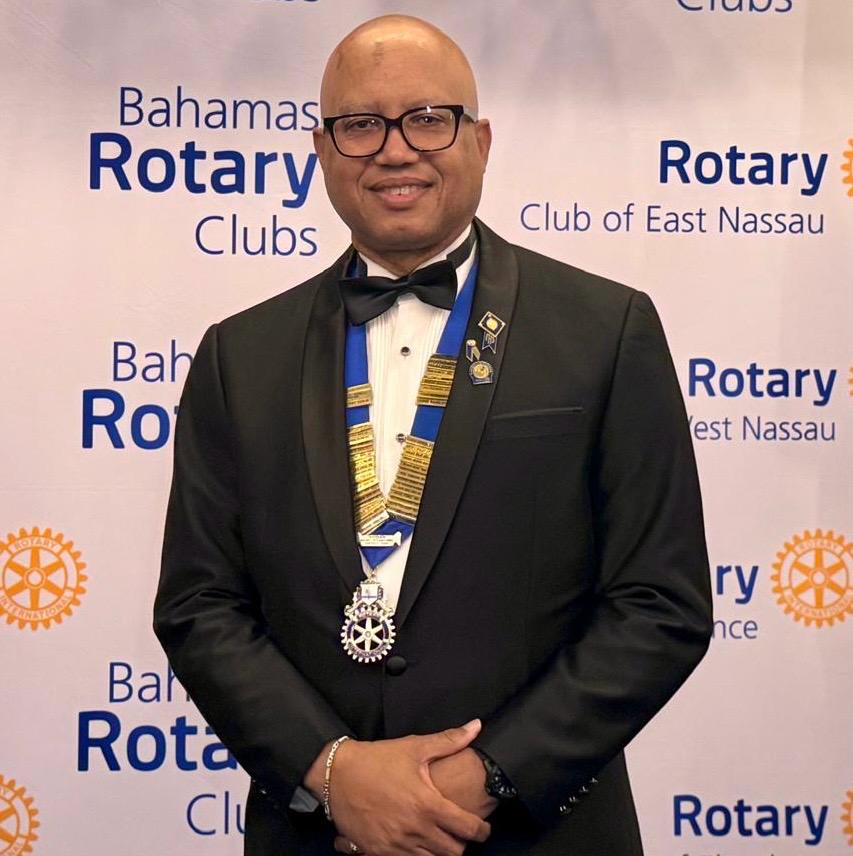
    KINGSTON, Jamaica — Rotary International’s District 7020 is poised to host its annual conference at the Jamaica Pegasus Hotel from April 27 to May 2, gathering hundreds of members from across the northern Caribbean. This year’s assembly carries the urgent theme “Unite for Good,” reflecting the organization’s commitment to addressing escalating regional challenges through collective action.

    Professor William ‘Bill’ Aiken, District Governor for 2025-2026, emphasized the critical need for strengthened response capabilities in the face of growing threats. “The challenges of the modern world are growing in scale and impact,” Aiken stated, “and our clubs must grow equally in strength to support communities and their people to become resilient and to thrive.”

    The conference comes as the region confronts dual crises: increasingly frequent category-five hurricanes and persistently high rates of cardiovascular disease. Aiken cited Hurricane Melissa’s impact on Jamaica last year, following closely after Hurricane Beryl’s category-four encounter, and the devastating 2019 Hurricane Dorian in the Bahamas as examples of the “brutal realities” requiring enhanced preparedness.

    Rotary’s strategic response encompasses seven key areas: peacebuilding and conflict prevention, disease prevention, maternal and child health, basic education and literacy, water sanitation and hygiene, community economic development, and environmental protection. The district governor stressed that effective work in these domains demands “not just more diligence on the part of our members, but deliberate capacity building.”

    The gathering will feature addresses from prominent Rotary dignitaries including Rotary International President-nominee Larry Lunsford, past RI president Barry Rassin (2018-2019), RI Director Patrick Eakes, and past RI director Jeremy Hurst. In a significant departure from tradition, the opening ceremony on Thursday, April 30 will be held at Emancipation Park, intentionally bringing the conference into the public domain.

    “We want the public and Jamaicans at large to come see and understand what Rotary means to Jamaica and the region,” Aiken explained, extending an invitation to corporate Jamaica and other interested parties to participate.

    District 7020 encompasses 91 Rotary clubs and 46 Rotaract Clubs across 10 northern Caribbean territories including Anguilla, Bahamas, British Virgin Islands, Cayman Islands, French West Indies, Haiti, Jamaica, Sint Maarten, Turks and Caicos, and the US Virgin Islands. The conference aims to forge partnerships, provide upskilling opportunities, and inspire incoming presidents and secretaries to create lasting impact in their communities.

  • Reduced rainfall affecting water systems

    Reduced rainfall affecting water systems

    Jamaica faces an escalating water security crisis as the National Water Commission (NWC) warns of impending restrictions across multiple regions due to critically low rainfall levels. With 133 of the island’s 612 water supply systems already experiencing reduced inflows, authorities are mobilizing emergency response measures to avert a full-scale drought disaster.

    The Meteorological Services Branch projects significantly below-normal rainfall during the traditional April-June precipitation period, creating potentially severe implications for households, agriculture, and essential services. The situation has prompted the Ministry of Water, Environment and Climate Change to convene an urgent meeting of the Drought Management Committee for comprehensive resource assessment.

    Minister Matthew Samuda, chairing the emergency session, identified particular vulnerability in western regions where infrastructure remains compromised from Hurricane Melissa’s recent passage. Simultaneously, the National Irrigation Commission reported mounting challenges in eastern territories, especially within the Yallahs Basin watershed.

    In response, Minister Samuda has directed the Rural Water Supply Limited to immediately execute a two-phase emergency action plan. The strategy mandates comprehensive assessment of rural water systems in hurricane-affected communities with cost analysis and rehabilitation timelines. Additionally, authorities will conduct urgent audits of water storage capacity at critical institutions including healthcare facilities, educational institutions, and detention centers.

    “This is fundamentally about preparedness and protection,” Minister Samuda emphasized. “We must ensure our most vulnerable citizens and essential services remain safeguarded should anticipated rains fail to materialize.”

    The government highlights ongoing investments in community resilience, having distributed nearly 13,000 household water storage tanks to enhance local capacity during dry periods. Minister Samuda will shortly present Cabinet with detailed recommendations for strengthening national water security measures.

    Long-term infrastructure projects are advancing concurrently, including the Western Water Resilience Project commencing full construction in June 2026. The Rio Cobre Water Supply Project, currently under development, promises to deliver approximately 15 million imperial gallons daily upon completion—capacity exceeding previous crisis deficits and substantially enhancing national water security.

  • Two men killed in Eleuthera shooting

    Two men killed in Eleuthera shooting

    A midnight shooting outside Sammy’s Bar on Harbour Island has left two men dead, sending shockwaves through the small community. The victims, identified as Khristen ‘Tum Tum’ Francis and Michael Lancelot Reckley, both in their thirties, were ambushed by an assailant dressed in black shortly after midnight. According to eyewitness accounts, the gunman approached the establishment and discharged approximately seven rounds before fleeing the scene. Francis, a local waiter who had been out on bail pending murder charges related to a 2021 Eleuthera shooting, was pronounced dead at the island’s medical clinic. Reckley, a roofing worker and father of two including an autistic son, succumbed to his injuries at the crime scene. Family members revealed that Reckley’s final words were a message of love for his wife. The tragedy has highlighted growing concerns about firearm violence and youth idleness in the community. Island administrator Gwendolyn Patram confirmed that law enforcement personnel from both local and mainland agencies have launched an intensive investigation, with several individuals already being questioned. Residents gathered at the medical facility in a spontaneous vigil, praying for the victims and calling for increased security measures. The incident represents the latest in a series of violent episodes that have troubled the island since last year, raising urgent questions about public safety and crime prevention strategies in small island communities.

  • New UWI unit to boost learning support for struggling students

    New UWI unit to boost learning support for struggling students

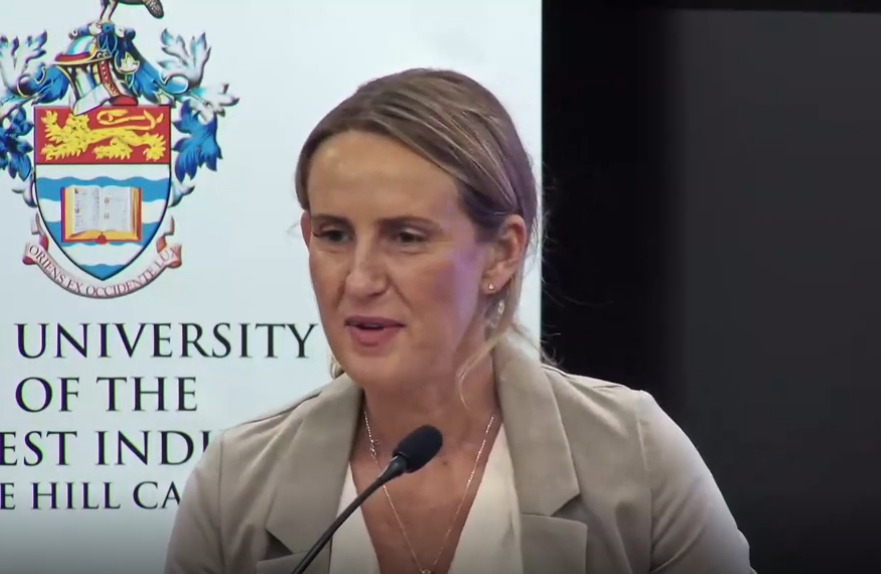
    The University of the West Indies Cave Hill Campus has inaugurated a specialized Educational and Psychological Assessment Unit (EPAU) to address learning difficulties among young students across Barbados. Funded by a $200,000 Caribbean Development Bank grant, this initiative establishes a dedicated pathway for identifying and supporting educational needs within the Caribbean cultural context.

    EPAU Coordinator Erin Mahon revealed that the unit primarily serves nursery through secondary school students experiencing learning gaps, with ambitions to expand services to university students. “Currently, university students seeking learning assessments are outsourced to private psychologists,” Mahon told Barbados TODAY. “We aim to become the primary assessment resource for all educational levels.”

    The unit operates through a referral system with the Ministry of Educational Transformation while maintaining direct collaboration channels with schools and families. Beyond comprehensive psychoeducational assessments, EPAU offers targeted screening services and group consultations. The unit is currently conducting literacy and mathematics screenings across first-form classes to identify students requiring additional support.

    A distinctive feature of EPAU’s methodology is its cultural grounding in Caribbean realities. “Our assessments are interpreted within the cultural and linguistic context of our learners,” Mahon emphasized. “Recommendations are specifically tailored to be realistic for small island developing states.”

    Chief Education Officer Dr. Ramona Archer Bradshaw endorsed the unit as complementary to the ministry’s Every Child Barbados initiative. “Despite expanding our student support services from 12 to over 40 professionals in six years, demand continues to outpace capacity,” Dr. Bradshaw stated during the launch ceremony. “This unit will provide critical support where our systems are most stretched, particularly for vulnerable students.”

    The EPAU will also enhance educator capabilities through specialized workshops training teachers and principals in interpreting assessment reports and implementing recommendations. Strategic partnerships with speech pathologist Jamelle Roberts and early childhood specialist Tanisha Morris will further strengthen the unit’s multidisciplinary approach.

    Dr. Bradshaw highlighted the dual academic and psychological objectives: “While exam success remains important, we must equally prioritize psychological wellbeing. This unit will ensure children receive comprehensive support systems preparing them for both present challenges and future opportunities.”

  • Tourism Ministry Honours Retirees at Team-Building Dinner Celebrating Decades of Service

    Tourism Ministry Honours Retirees at Team-Building Dinner Celebrating Decades of Service

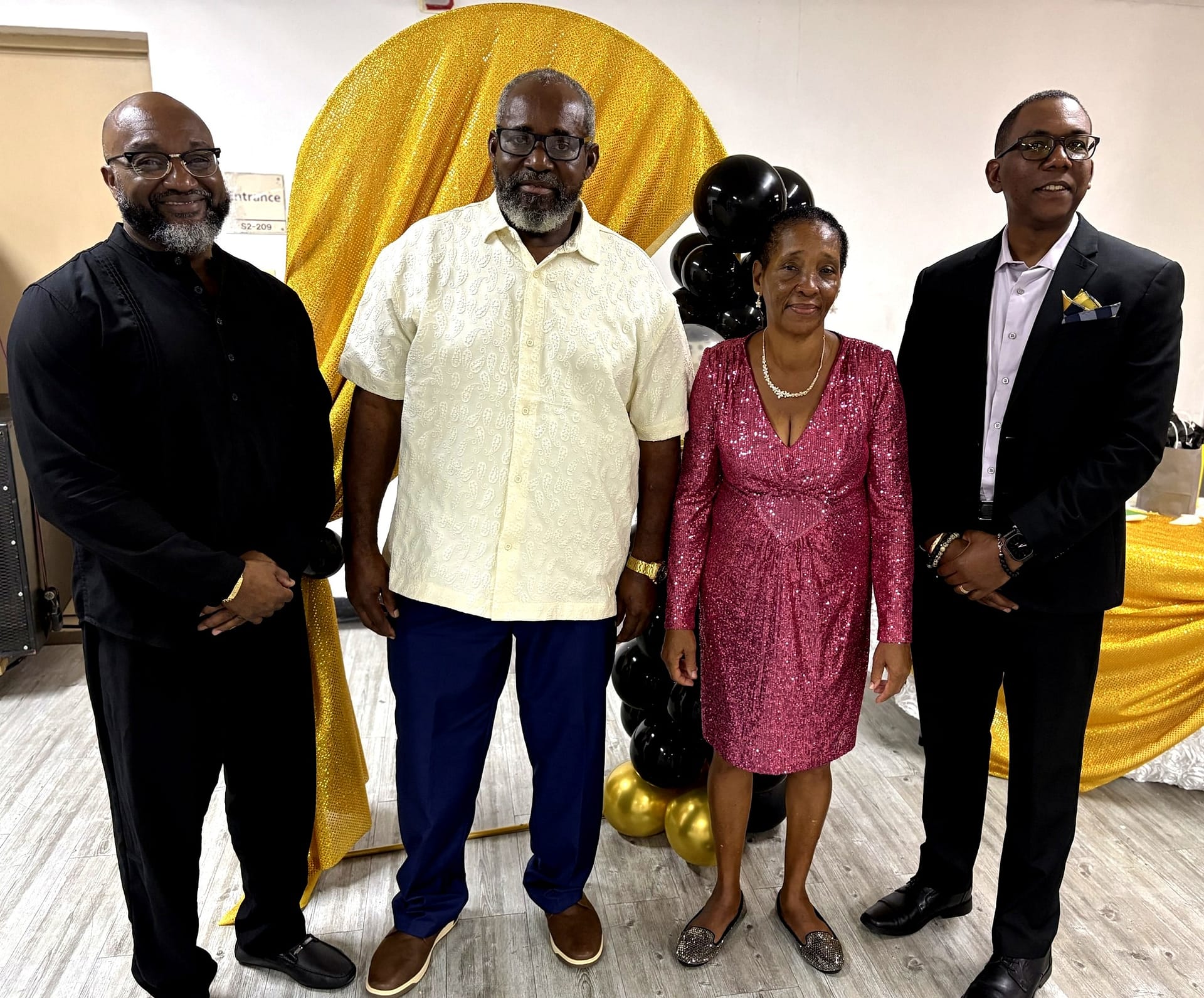
    In a significant gathering that blended celebration with institutional reflection, the Ministry of Tourism and Investment convened a special team-building dinner on February 21st. The event served as both a tribute to departing veterans and a strategic initiative to foster unity among current staff members.

    The evening’s highlight was the formal recognition of five distinguished retirees whose combined service represents approximately 100 years of institutional expertise. Naomi Elizabeth Mason, honored for her extraordinary 43-year tenure, stood as the ministry’s longest-serving retiree. She was joined by Terrance Charles (21 years), Phillip George (23 years), Carlene Gilkes (7 years), and Paula Claire Joseph (5 years).

    Permanent Secretary Sean Cenac delivered heartfelt remarks acknowledging the retirees’ profound impact on both the ministry and the broader tourism sector. “These individuals have fundamentally shaped the foundation of our tourism industry,” Cenac stated. “Their decades of exemplary service have established the platform for our continued growth and development.”

    Looking toward the future, Cenac emphasized the critical importance of internal collaboration and innovation. He challenged current team members to build upon this legacy by enhancing performance metrics and advancing sustainable tourism practices through strengthened cooperation.

    The ministry positions this event as a pivotal moment in its organizational development—simultaneously honoring historical contributions while galvanizing current personnel around shared objectives. This deliberate merging of past appreciation with future-oriented team building reflects a strategic approach to maintaining institutional continuity amid evolving industry challenges.

  • Making the case again for National Heroes in recognition of our Independence celebrations

    Making the case again for National Heroes in recognition of our Independence celebrations

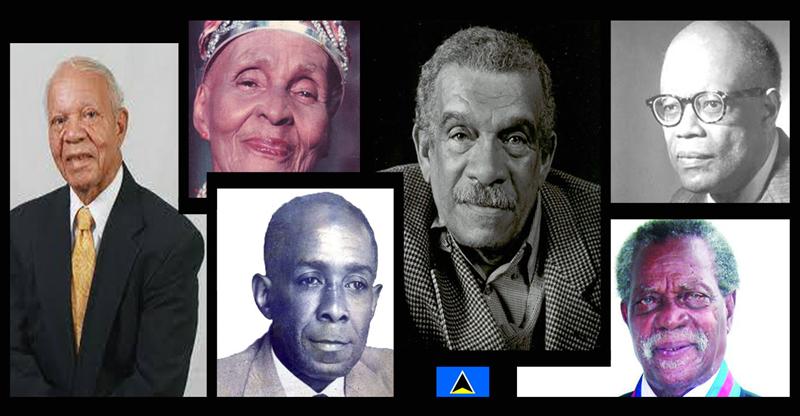
    Four decades after former Prime Minister John Compton’s poignant warning, Saint Lucia continues grappling with what he termed “a major deficiency in our national psyche”—the failure to properly honor its nation-builders. His 1983 address during the Simón Bolívar bicentennial celebrations remains strikingly relevant today, highlighting the persistent pattern of treating national heroes as “disposable commodities” rather than foundational pillars of national identity.

    This societal shortfall extends beyond ceremonial neglect into the educational realm. Many citizens remain unaware of the architects who shaped Saint Lucia’s political institutions, economic reforms, and cultural identity. The nation heavily relies on fading oral traditions while underinvesting in written documentation, biographical preservation, and structured civic education. This cultural modesty, while admirable, risks evolving into collective amnesia when divorced from deliberate historical preservation.

    The psychological inheritance of colonialism further complicates this dynamic. Centuries of external domination conditioned Saint Lucians to seek validation through metropolitan approval and foreign credentials, creating a paradigm where local achievements require double justification. This has fostered ambition coupled with internal hesitation, where even global recognition rarely translates into sustained local reverence.

    Legislative frameworks for correction already exist. The National Honours and Awards Act (Chapter 17.08) established by former Prime Minister Kenny D. Anthony provides structures for designating National Heroes through a balanced, bipartisan commission. The criteria are specific and demanding: candidates must have demonstrated visionary leadership, achieved extraordinary excellence benefiting Saint Lucia, or made heroic sacrifices improving socioeconomic conditions.

    The existing architecture requires only political will, public engagement, and cultural urgency to activate. Proper implementation could transform civic education through school curricula modules, transparent nomination processes during Independence celebrations, and formal affirmation of living exemplars. Such institutionalization would create a virtuous cycle where recognition inspires contribution, contribution fosters pride, and pride ensures preservation.

    As Saint Lucia celebrates another Independence anniversary, substantive pride must replace slogans. It requires rooted knowledge of the nation’s builders, codified in law and reflected in public ceremony. The critical question remains whether Saint Lucia will finally honor its heroes while they can still receive gratitude, transforming Compton’s four-decade-old admonition into meaningful action.

  • ‘Beaches Case’ Adjourned Again to April 9

    ‘Beaches Case’ Adjourned Again to April 9

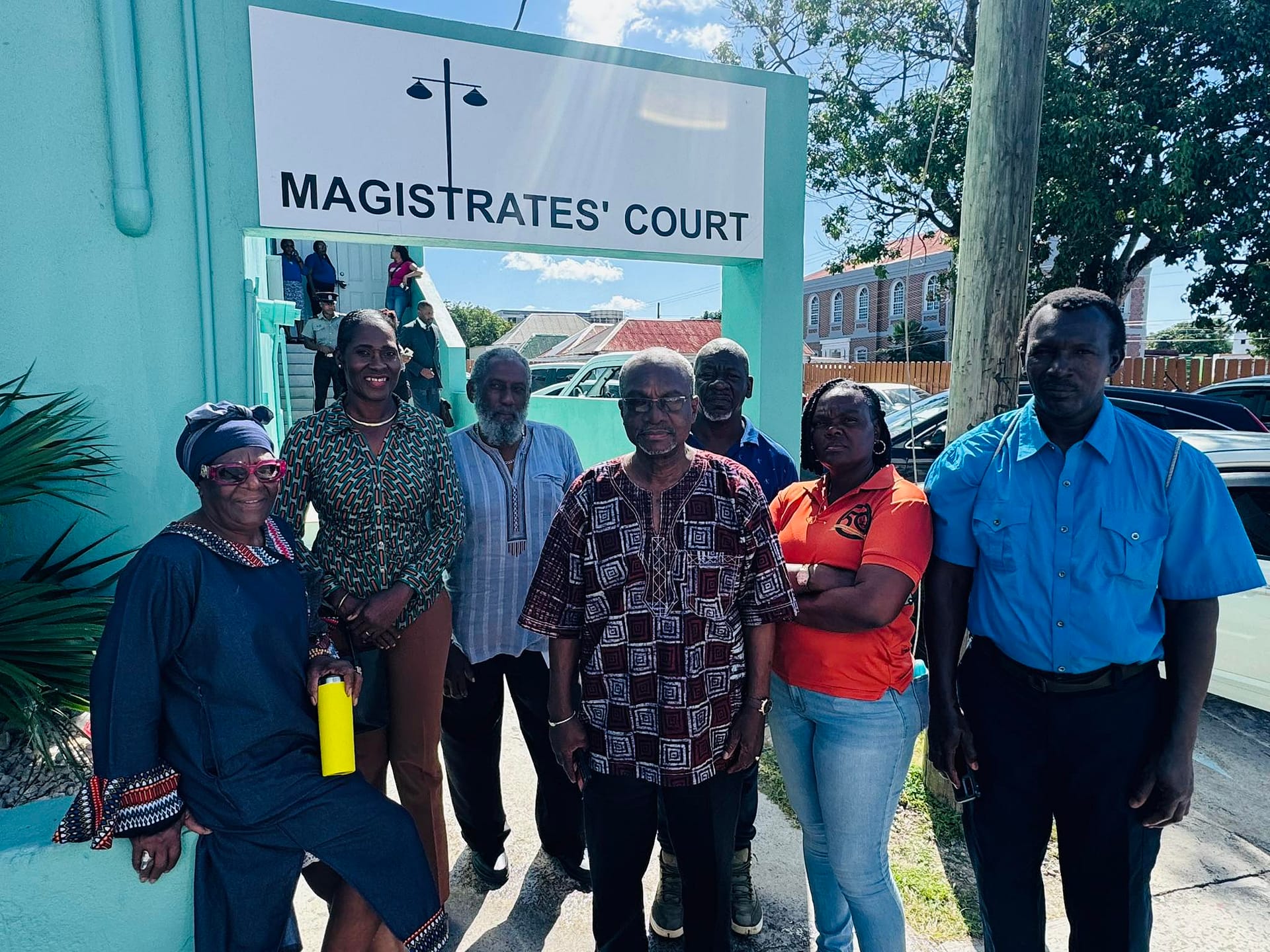
    A landmark legal dispute over public beach access in Barbados has been further delayed, with the Magistrate’s Court scheduling the next hearing in the protracted ‘Beaches Case’ for April 9, 2026. The case originates from an incident on Whit Monday (June 9, 2025) when several individuals allegedly trespassed at Laurys Bay in the St. Philip North constituency. Prosecutors contend the defendants unlawfully entered property associated with a private coastal development, while the accused maintain their actions were a legitimate protest against diminishing public access to Barbados’ shoreline. The repeated adjournments have drawn sharp criticism from defense supporters who characterize the delays as procedural abuse. Both sides await the 2026 court date as this socially significant case continues to highlight tensions between private development interests and traditional public beach rights.

  • Saint Lucia’s Chevening Scholars sweep UK degrees with distinctions

    Saint Lucia’s Chevening Scholars sweep UK degrees with distinctions

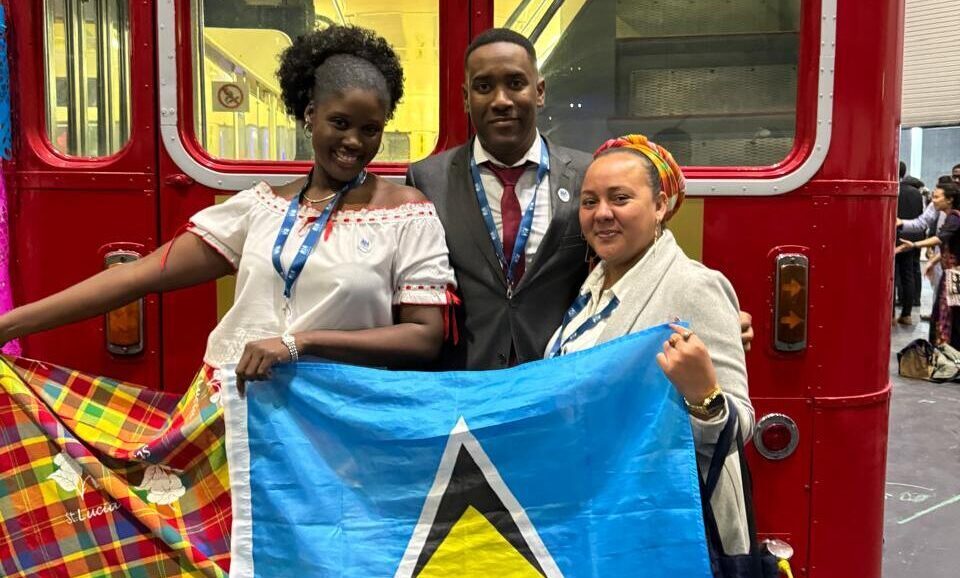
    Three exceptional scholars from Saint Lucia have returned home with top academic honors after completing transformative Master’s degrees in the United Kingdom through the renowned Chevening Scholarship program. Nyus Alfred, Amanie Mathurin, and Patrish Lionel, all originating from the island’s southern region, successfully adapted to Britain’s challenging academic environment and climate while achieving remarkable scholarly distinction.

    Nyus Alfred emerged as the top-performing student in his cohort at the London School of Economics and Political Science (LSE), earning Overall Distinction with perfect distinctions across all seven courses in the Media and Communications program. He received the award for Best Overall MSc Academic Performance in his department, a significant accomplishment for someone who initially questioned his ability to compete with students from elite global institutions.

    Amanie Mathurin likewise achieved Overall Distinction at LSE in Media, Communication and Development, earning top marks in five of six courses including her dissertation. Her research focused specifically on Saint Lucian culture, examining calypso music as a form of political discourse in a thesis titled ‘Singing For Di Maléwé’ – Resistance, Knowledge, and Political Discourse in Saint Lucia’s Calypso.’

    Patrish Lionel completed her Master of Arts in Strategic People Management and Practice at Liverpool John Moores University with Distinction, overcoming both academic challenges and personal tragedies during her studies. Despite receiving news of her father being injured by a stray bullet and her grandmother’s passing during her dissertation period, she persevered to achieve academic excellence.

    The three scholars formed a strong support system during their time abroad, describing themselves as ‘a small but mighty group’ that maintained accountability to each other while recognizing their role in paving the way for future Saint Lucian scholars. Their achievements demonstrate that despite coming from a small nation, Saint Lucians can compete and excel at the highest levels of global academia.

  • Stanislaus becomes first Saint Lucian to earn medical degree in Morocco

    Stanislaus becomes first Saint Lucian to earn medical degree in Morocco

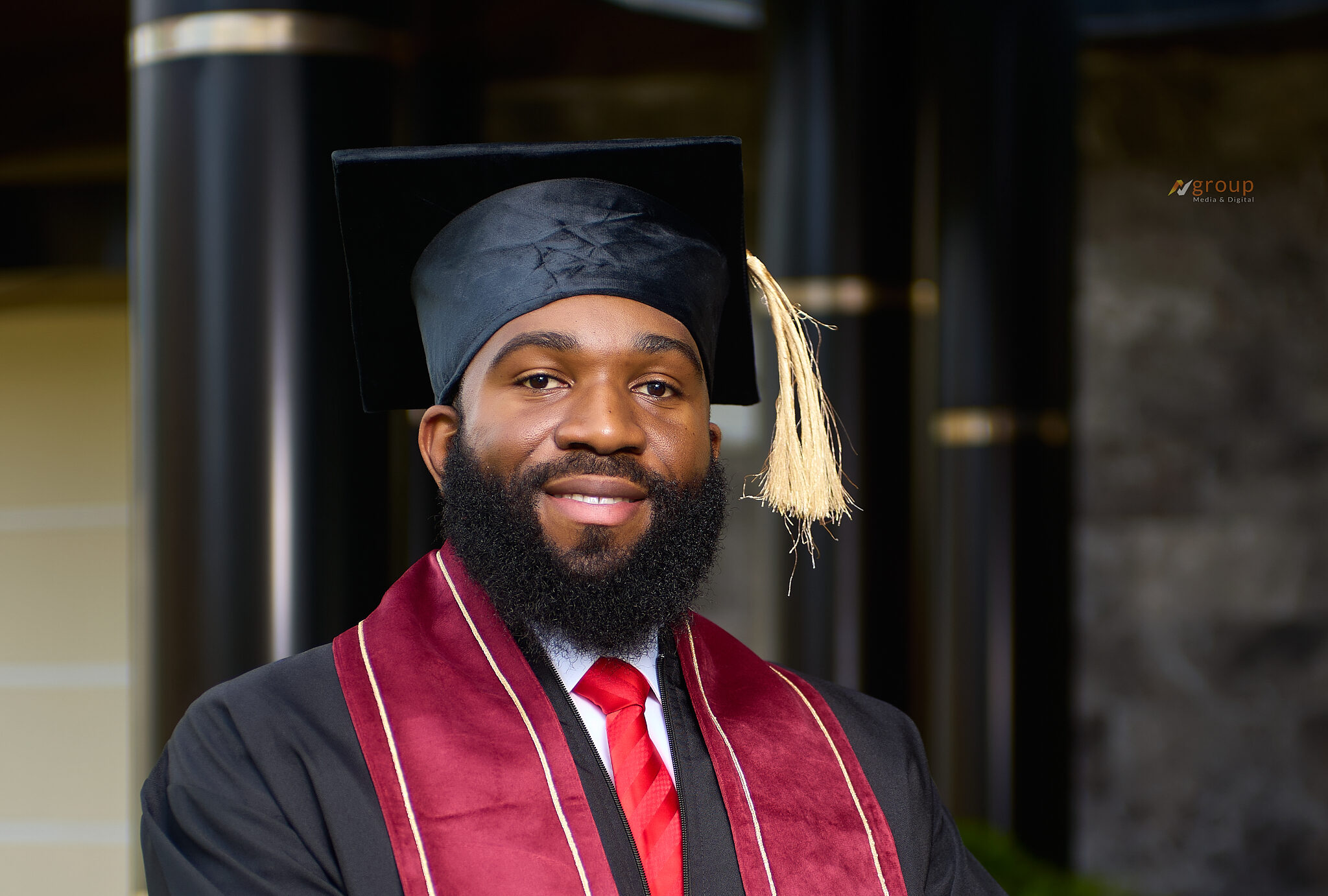
    In a historic academic achievement, Kerrone Courtney Stanislaus has become the first citizen of Saint Lucia to earn a medical degree from Morocco, completing a rigorous seven-year journey that began in 2018. The young graduate received his Doctor of Medicine from the prestigious Faculty of Medicine and Pharmacy of Rabat, marking a significant milestone for both himself and Caribbean educational opportunities.

    Stanislaus described the accomplishment as “both an honor and a profound responsibility” in an exclusive interview with St Lucia Times. He emphasized that his achievement represents more than personal success—it symbolizes regional representation and opens new possibilities for Caribbean students seeking medical education abroad.

    The path to this milestone required extraordinary adaptation. Transitioning from his small Caribbean island to North Africa presented multiple challenges: navigating cultural differences, adjusting to climate variations, and mastering medical studies conducted entirely in French while surrounded by Arabic in daily life. Stanislaus admitted the initial experience was “overwhelming,” but through perseverance and dedication, he gradually gained confidence.

    His motivation remained steadfast through personal tragedy when his mother passed away during his fourth year of studies. “I told her I wanted to be a doctor when I was four years old,” Stanislaus shared, “and she poured her soul into ensuring that I had everything needed to achieve that goal.” This personal drive fueled his academic excellence, culminating in a prize-winning thesis titled “The Impact of Physical Exercise Therapy on Cancer Patients: Clinicians’ Perspective.”

    Stanislaus’s research choice was deeply personal, inspired by the loss of both his mother and uncle to cancer. His work explored the therapeutic potential of exercise in cancer treatment and examined whether clinicians adequately incorporate physical activity into treatment plans. “I truly believe exercise can serve as a safe, cheaper and feasible adjunctive approach in our ongoing global battle against cancer,” he stated.

    This achievement gains additional significance amid shifting geopolitical landscapes affecting traditional medical education pathways. For decades, Cuba has served as a primary training ground for Caribbean medical students, but recent uncertainties have created demand for alternative options. Stanislaus believes Morocco could emerge as a viable alternative, though he cautions prospective students about the challenges.

    “Morocco is far from a bed of roses and truly isn’t for the faint or weak of heart,” he noted frankly. “There is no shortage of challenges. But for those who are hungry enough and cling to a sense of purpose greater than themselves, you can definitely thrive here.”

    For aspiring medical professionals considering international education, Stanislaus emphasizes the necessity of open-mindedness, discipline, and adaptability. He particularly stresses the importance of genuine motivation: “Choose it for the right reasons, not prestige, not pressure, but for the genuine love and commitment to service and lifelong learning.”

  • SJDC Marks 40th Anniversary With Week of Activities

    SJDC Marks 40th Anniversary With Week of Activities

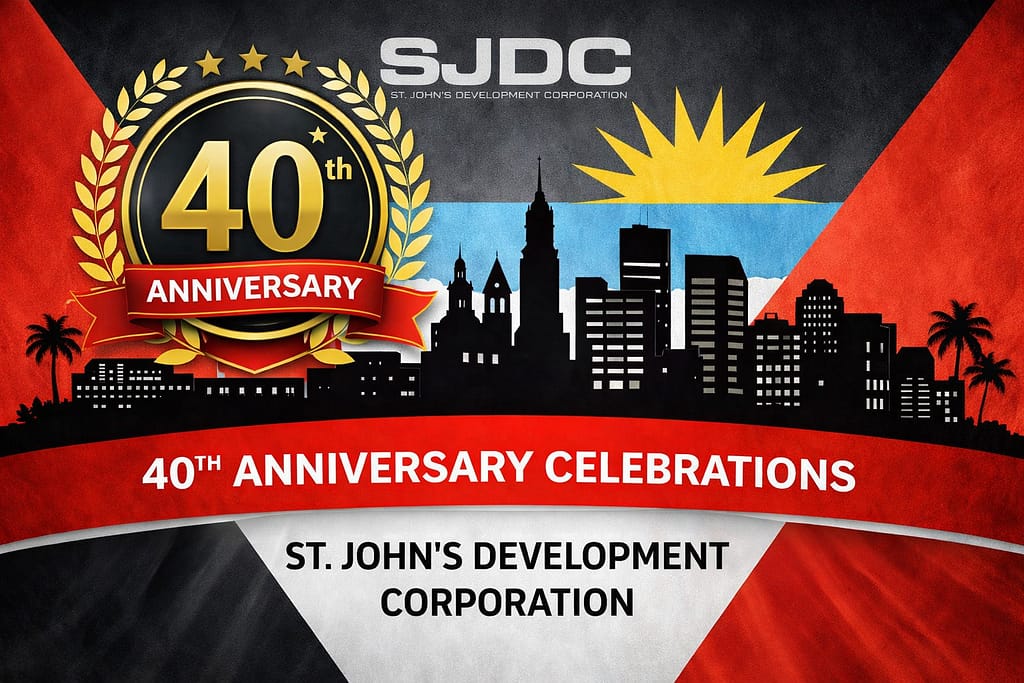
    The St. John’s Development Corporation (SJDC) launches a commemorative week celebrating its 40th anniversary, embracing the thematic vision ’40 Years: Honoring our Past: Shaping our Future.’ The milestone celebrations commenced on Friday, February 20th, with an early morning feature on the popular local program ‘Good Morning Antigua and Barbuda.’

    The schedule continues with a spiritual observance on Sunday, February 22nd, hosting a congregational service at Spring Gardens Moravian Church at 8 a.m., followed by a communal breakfast at Heritage Hotel at 10:30 a.m.

    Highlighting its civic responsibilities, the corporation has designated Monday, February 23rd, for a dedicated media day. This initiative will concentrate on public education regarding litter awareness, prevention, and control strategies, beginning at 7:45 a.m.

    Midweek, on Thursday, February 26th, the corporation will express its gratitude during Customer Appreciation Day at 10:30 a.m. The following day, Friday, February 27th, is reserved for internal staff recognition. Employees will participate in a designated ‘Staff Dress Day’ and attend an inspirational talk by a motivational speaker at 1 p.m. at the Heritage Hotel.

    The extensive anniversary program will culminate on Saturday, February 28th, with an evening of leisure and community bonding. A barbecue social accompanied by games night is scheduled for 6 p.m. at the Multipurpose Center.

    Established four decades ago, the SJDC emphasized that this series of events embodies its dual dedication: paying homage to its rich historical legacy while actively forging a progressive path for future development initiatives in St. John’s.