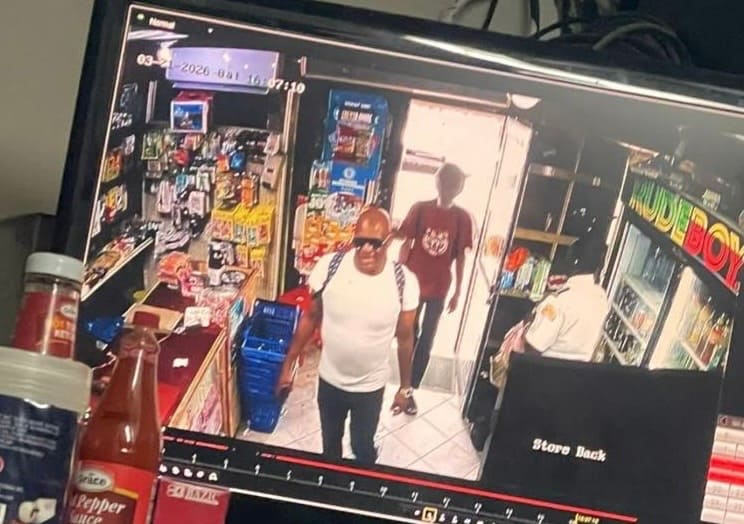
Authorities are investigating a concerning incident involving a minor at a supermarket in the Old Parham Road area, prompting a family to seek community assistance in identifying an individual captured on surveillance footage. According to family representatives, the child had visited the establishment to complete a purchase when an unsettling encounter occurred, leaving the minor visibly distressed and prompting immediate return to parental care. The family has formally reported the matter to law enforcement agencies and is now urging public cooperation in their efforts to identify the individual described as ‘the guy in the white.’ Surveillance imagery released to the public depicts a Caucasian male wearing a light-colored shirt and dark trousers within the supermarket premises. While official police statements remain pending, investigators are encouraging anyone with relevant information about the individual or incident to come forward to assist with ongoing investigative procedures. The case highlights continuing community concerns regarding public safety and retail security protocols, particularly involving vulnerable minors in commercial environments.
分类: society
-
Booby Alley project set to deliver 150 homes by August, PM says
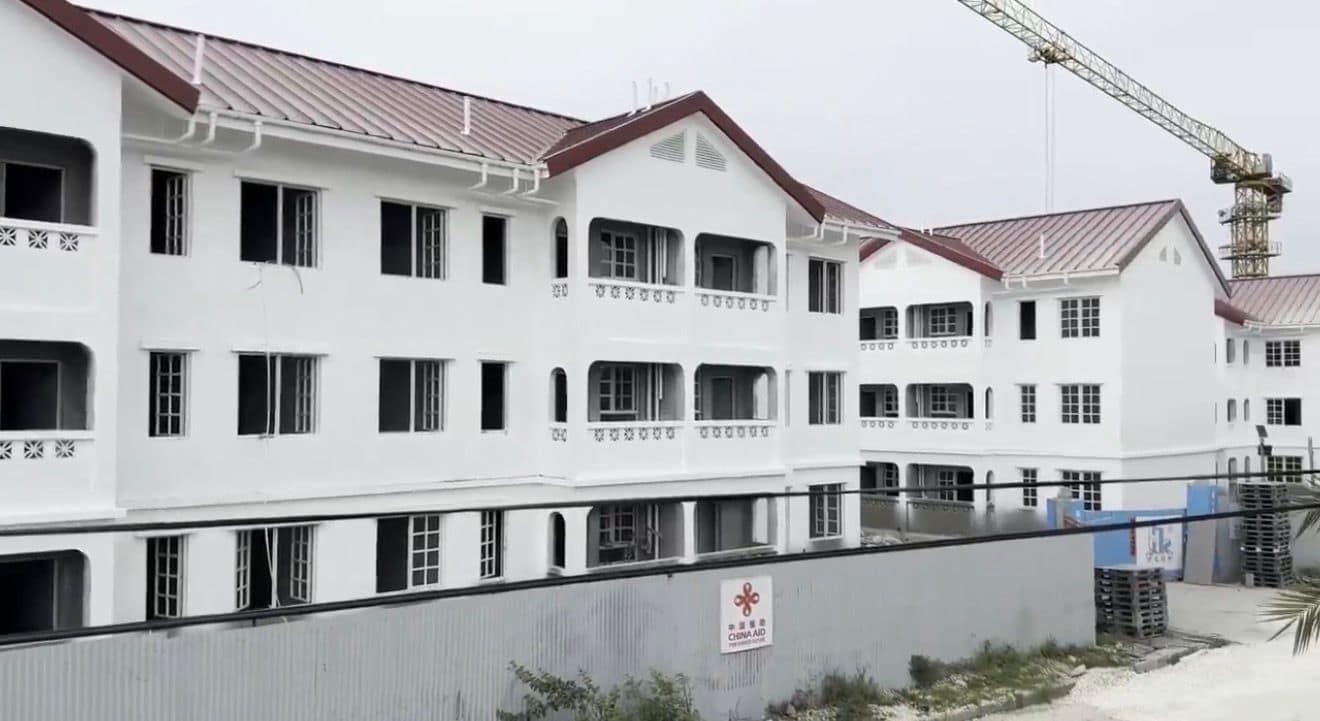
Antigua and Barbuda’s Prime Minister Gaston Browne has announced a significant milestone in the nation’s housing redevelopment initiative, projecting that approximately 150 condominium units in the Booby Alley revitalization project will be ready for occupancy by residents of the Point area this August. The disclosure came during the leader’s weekly national address, where he provided comprehensive updates on several infrastructure developments across the dual-island nation.
The residential units, representing a transformative approach to urban housing, are anticipated to achieve construction completion between May and June, with subsequent months dedicated to installing essential landscaping and fundamental community amenities. Browne emphasized the project’s role in replacing historically overcrowded and substandard living conditions, noting that the site previously contained over 100 chattel homes, many lacking adequate sanitation facilities.
Addressing community engagement, the Prime Minister specifically encouraged ground-floor residents to participate in maintaining the surroundings and enhancing the area’s greenery. He observed that initial resident skepticism has progressively transformed into support as the development visibly takes shape, creating modern housing solutions in a historically disadvantaged neighborhood.
Beyond the Booby Alley project, Browne outlined additional infrastructure advancements, including a new cruise upland facility on Lower Newgate Street scheduled for completion within coming months. The Prime Minister also highlighted continued major investments in Barbuda, revealing that a hotel development partially backed by actor Robert De Niro is preparing to open its first phase by year’s end, with guest accommodations expected to commence in early 2025.
Regarding transportation infrastructure, Browne confirmed that long-awaited resurfacing work on All Saints Road will commence shortly under the management of the Public Works Department, following delays attributed to an overseas contractor.
-
UWI-based parliamentary assembly holds inaugural sitting
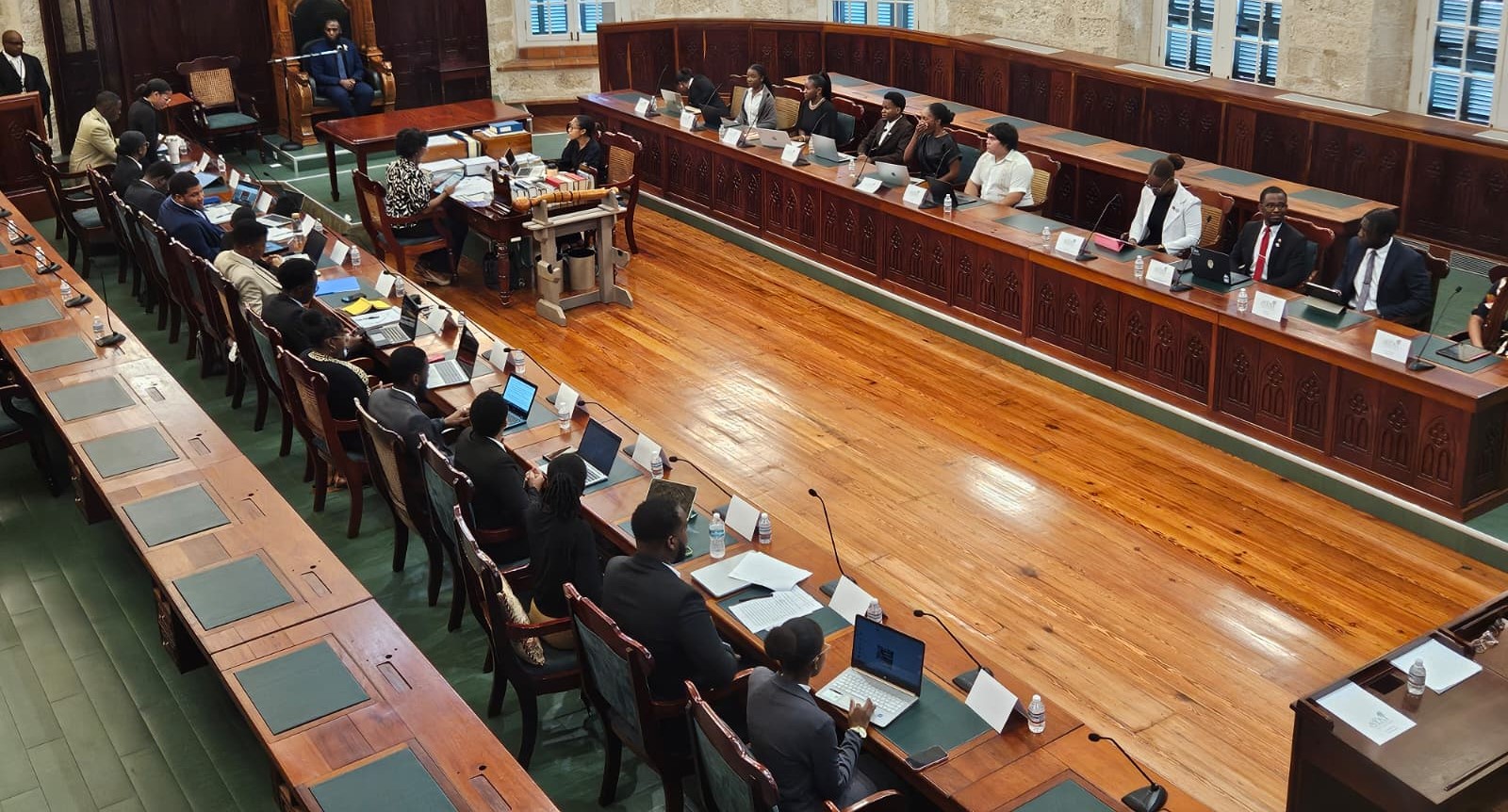
The University of the West Indies, Cave Hill Campus, witnessed a groundbreaking political initiative on Saturday as student leaders inaugurated the Caribbean Parliamentary Assembly (CPA), establishing a simulated parliamentary platform designed to amplify youth voices in regional policy discussions.
This innovative program, conceived by the UWI STAT Vice Chancellor’s Ambassador Corps’ Cave Hill chapter in collaboration with the Cave Hill Guild of Students and campus associations, represents a strategic effort to institutionalize youth participation in governance matters. The assembly’s organizational structure features representatives nominated by island associations, comprising two delegates from each territory, three guild representatives, and four members from the Vice Chancellor’s Ambassador Corps, with the law society president presiding as Speaker.
The inaugural session focused on examining emerging technologies, particularly artificial intelligence, and their potential impact on Caribbean development. Joshua Harris, Prime Minister of the CPA, outlined the assembly’s operational framework, indicating plans for quarterly sessions with potential virtual meetings during summer months when students return to their home countries.
Notably, the initiative has attracted participants from diverse academic disciplines including economics, law, political science, and sports studies, creating an interdisciplinary approach to policy analysis. The program gained additional support through incorporation of the Rotary Club of Barbados, strengthening its civic foundation and community connections.
Senator Shane Archer, Minister of State for Youth and Culture, enthusiastically endorsed the initiative, recognizing it as a significant advancement in youth civic engagement after years of absence of such platforms. He encouraged participants to expand their dialogue beyond formal debates to include direct public interaction, potentially evolving into a recognized regional advisory body that could provide recommendations to the CARICOM Secretariat.
Archer further advocated for reinstating parliamentary outreach programs for younger students, previously suspended due to COVID-19 restrictions and parliamentary renovations, emphasizing the importance of early civic education. The proceedings were live-streamed, enabling broader regional accessibility and transparency in this pioneering educational endeavor.
-
Wereldwaterdag: druk op waterinfrastructuur in Suriname en Caribisch gebied
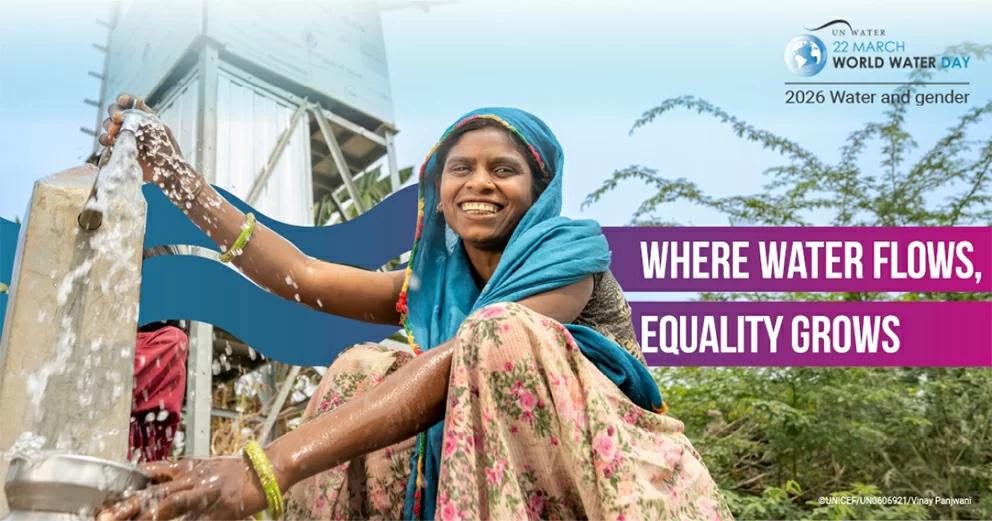
On World Water Day, March 22nd, Suriname’s national water utility company SWM has drawn attention to the critical importance of maintaining sustainable and reliable water supply systems despite the country’s abundant freshwater resources. The company emphasized that careful management remains essential to ensure clean and safe drinking water for future generations.
SWM is currently advancing multiple strategic initiatives to enhance drinking water infrastructure. The Water Supply Modernization Program, financed by the Inter-American Development Bank, focuses on reducing water loss, modernizing production stations, and institutional strengthening. Simultaneously, the Water Supply Infrastructure Improvement Project—supported by the French Development Agency and European Union—is rehabilitating and upgrading water production facilities in the Wanica and Marowijne regions.
The utility company is actively promoting conscious water usage and urging society to protect water sources. Additional investments are being made in staff training and technological innovation to future-proof the water supply system.
Across the broader Caribbean region, water systems face mounting pressures from aging infrastructure, growing demand, and climate change impacts. While approximately 90% of households have access to piped water systems, many countries struggle with unreliable supply, significant water loss through leaks, and inadequate wastewater management—issues that harm both economic stability and ecological health.
Lilia Burunciuc, World Bank Director for the Caribbean, identified reducing water loss, strengthening regional cooperation, and investing in training and modern technologies as essential measures to enhance water security. She noted that substantial financial investment is required to develop climate-resilient and efficient water services, emphasizing that public funding alone will not suffice.
The World Bank continues to support Caribbean governments in modernizing water infrastructure and improving management practices to promote employment, economic resilience, and sustainable growth.
With World Water Day serving as a catalyst, strengthening sustainable water supply and public awareness remains a priority throughout Suriname and the wider Caribbean region.
-
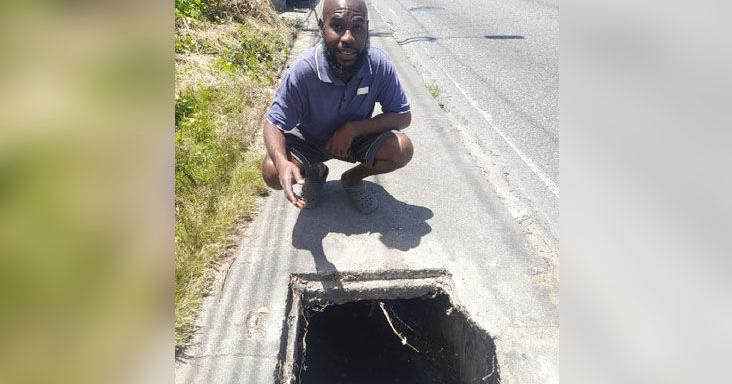
Look down, not up
Across Trinidad, from the capital Port of Spain to communities in Central, South, and East regions, a silent infrastructure crisis is endangering citizens’ daily lives. Pedestrians navigate a hazardous landscape of broken pavements, gaping manholes, and non-existent walkways, creating what residents describe as an ongoing public safety emergency.
The human toll is both visible and painful. Farida Khan, 62, recounted her terrifying plunge into an uncovered manhole near her Enterprise home. “I just fell right in,” she said, describing how she stood crying for help in contaminated water filled with garbage. Her diabetic condition made the injuries particularly concerning. Adding to the danger, non-functional street lights have left the area in perpetual darkness despite repeated reports to authorities.
This pattern repeats nationwide. Months after Khan’s accident, her 67-year-old brother suffered severe injuries from a fall on the same degraded pavement, requiring multiple stitches for deep cuts to his head and legs. Richard Gokool, a vendor from Longdenville, narrowly avoided catastrophe when his bicycle pitched into an open manhole on Old Southern Main Road. “What if I had pitched in front of a vehicle?” he questioned, highlighting the absence of compensation mechanisms for infrastructure-related injuries.
The crisis disproportionately affects vulnerable populations. Elderly residents, children, and persons with disabilities face heightened risks when accessing essential services. Kerwyn Holder, who gained new perspective after a biking accident left him on crutches, emphasized that “pavements are life for the ordinary people” and directly impact living standards.
Business owners like Chantelle Edward from Montrose acknowledge their role in pavement damage but stress that solutions remain elusive despite years of complaints. “They are unsightly and dangerous,” she stated, describing how some communities have begged for basic pavements for decades.
In urban centers, the situation similarly deteriorates. Bank employees abandon high heels to avoid tripping on broken surfaces, while fast food workers describe walking in Port of Spain as “a miserable experience.” Beyond physical safety concerns, dark spaces created by faulty lighting increase opportunities for criminal activity.
From Las Lomas to Cunupia, residents emphasize this transcends political blame games. Security officer Sherry Francis leaves for work at 3:30 a.m. in dangerous darkness, while her young children cannot walk to school safely due to missing infrastructure. As one resident summarized, functional pavements represent more than concrete—they “connect us to civilization” through safe access to transportation, education, and essential services.
-
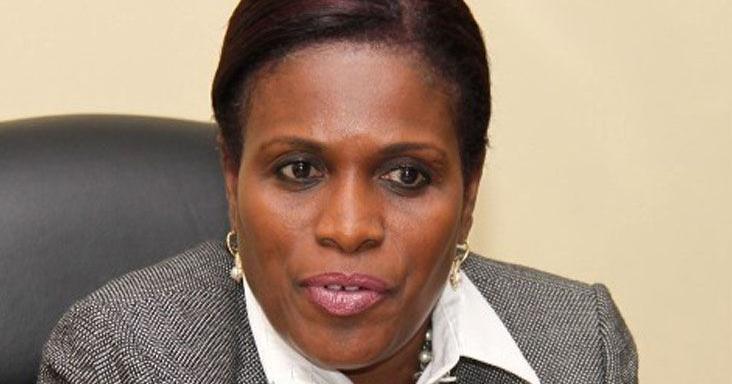
Pavement repairs, street lighting to be prioritised, say ministers
The Trinidad and Tobago government has initiated a nationwide infrastructure rehabilitation program targeting deteriorated road networks and public utilities. Works Minister Jearlean John revealed that the Highways Division maintains systematic oversight through biweekly inspections across all eight operational districts, prioritizing interventions based on deterioration severity, traffic volume, and potential risks to public safety.
Minister John detailed specific maintenance challenges, identifying approximately 113 defective manhole covers and over 223 linear meters of damaged pavement along the Southern Main Road corridor alone. The ministry is currently prioritizing procurement of materials for comprehensive repairs while maintaining inventories of missing bridge handrails for future installation as funding becomes available.
Simultaneously, Public Utilities Minister Barry Padarath announced an aggressive street light restoration initiative following a comprehensive national audit. The audit revealed widespread aging and outdated lighting infrastructure inherited from previous administrations. Padarath credited newly appointed T&TEC General Manager Ian Ramrattan, who rejoined the organization from Canada’s power sector, with driving rapid improvements in utility infrastructure.
The government acknowledges inherited challenges including outdated power lines causing recent outages in Central and East Coast regions. Officials emphasize shifting focus from loss-yielding mega projects to practical infrastructure upgrades, with both ministries coordinating technical support and funding allocation for nationwide improvements.
-
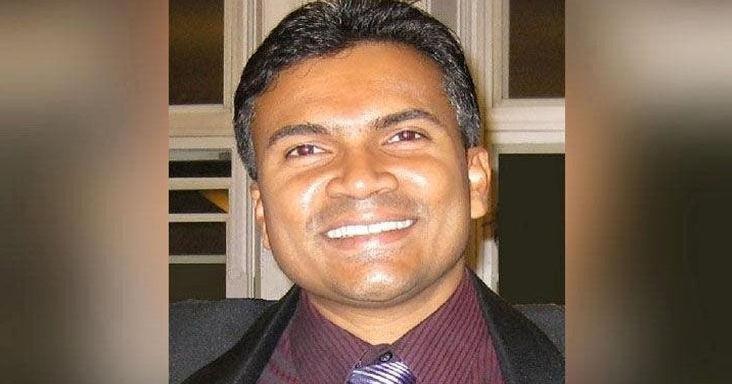
‘A deep, deep crisis of civilisation’
Despite the implementation of a State of Emergency (SoE), Trinidad and Tobago continues to grapple with an unrelenting surge in violent crimes, including homicides, kidnappings, and home invasions. Criminologists assert that the government’s reliance on emergency measures constitutes an ineffective, one-dimensional strategy that fails to address the complex nature of criminal activity in the nation.
Official statistics reveal a murder toll of 76 as of 2026, showing only a marginal decrease from 85 recorded during the previous year. The current administration, led by Prime Minister Kamla Persad-Bissessar, has implemented two States of Emergency since assuming power in April 2025, citing escalating threats from organized criminal networks. This approach follows a similar emergency declaration by the preceding PNM government in December 2024.
Dr. Randy Seepersad, a prominent criminologist, explains that the SoE primarily targets gang-related violence, which accounts for approximately 40% of homicides. ‘The operational methodology involves saturating high-crime zones with joint police and military personnel, which can suppress retaliatory gang killings,’ Seepersad noted. However, he emphasized that 60% of murders—including those stemming from domestic disputes, altercations, and robberies—remain largely unaffected by emergency measures.
Fellow criminologist Daurius Figueira presented a more critical assessment, characterizing the SoE as fundamentally irrelevant to Trinidad’s evolving criminal landscape. He highlighted that emergency measures primarily instill fear in law-abiding citizens rather than deter hardened criminals. ‘In situations of extreme passion or organized criminal disputes, SoEs provide no persuasive deterrent,’ Figueira stated. ‘Transnational criminal operations continue unimpeded, with professional contract killers (sicarios) reemerging as significant threats in 2026.’
Both experts concur that the government’s repetitive use of emergency declarations without accompanying structural reforms represents a ‘dance of futility.’ Figueira particularly criticized the outdated national security apparatus and prison system, warning that correctional facilities risk being overtaken by organized crime. ‘The national security apparatus we have is the creation of politicians—it works for politicians but not for the average citizen,’ he concluded, describing the situation as a ‘deep crisis of civilization.’
The criminologists urge authorities to develop multifaceted strategies that address the diverse causes of violence beyond gang-related activity, emphasizing that sustainable solutions require modernization of security institutions and targeted interventions for domestic violence and other non-gang-related crimes.
-

Dayron is still waiting for high-cost medication; Family calls for protest for approval
In Santo Domingo, a desperate plea for medical justice unfolds as one-year-old Dayron Almonte Socias battles Spinal Muscular Atrophy (SMA), a severe genetic disorder causing progressive muscle deterioration. His parents, Inmanol Almonte and Genesis Socias, face an agonizing reality: despite constitutional guarantees to healthcare, the Ministry of Public Health and the High Cost Drugs Program have delayed approval of Evrysdi—the critical medication sustaining their son’s life—for over a year.
The drug, priced at approximately 620,000 Dominican pesos per bottle (required every two months), remains financially unattainable for the family. With existing supplies dwindling, Dayron’s survival hinges on institutional intervention. In response, his parents will lead a peaceful demonstration on March 25 at 10:00 a.m. outside the National Palace, urging authorities to honor legal obligations under the Dominican Constitution and General Health Law 42-01.
Article 61 of the Constitution explicitly mandates the state to ensure access to essential medicines and comprehensive healthcare for all citizens. The protest extends beyond Dayron’s case, symbolizing a broader struggle for countless individuals awaiting approval of vital treatments. Community solidarity is urged to amplify calls for systemic accountability and the protection of fundamental health rights.
-

IHS holds cultural celebration as part of centenary
Intermediate High School marks a monumental educational milestone this year, commemorating a century of academic service and transformative impact under the unifying theme “Educating Generations, Enriching Lives for the Future.”
The institution’s Modern Languages and Arts Department, in collaboration with the Social Sciences Department, orchestrated a distinctive cultural celebration on March 12th. The event, titled “Echoes of Hope: A Century in Song, Story and Spirit,” masterfully intertwined the school’s hundred-year heritage with the vibrant cultural legacy of the Garifuna community.
This historic centennial pays homage to the visionary foundation laid by Dr. J.P. Eustace, whose pioneering dream centered on delivering quality education to underprivileged youth and creating sustainable pathways toward brighter futures. Throughout its existence, the school has maintained an unwavering commitment to intellectual development, character formation, and student empowerment through knowledge, discipline, and community service.
The celebration unfolded through three immersive segments. “A Century in Story” transported attendees through the institution’s evolutionary journey, featuring dance performances and original poetic compositions by faculty members Arlane Sutherland and Rohan Bellingy that artistically captured the school’s struggles, victories, and aspirations.
The second segment honored Dr. Eustace’s Christian educational philosophy through hymns of gratitude and worship, marking the triumphant return of the school band after years of inactivity. Music students from Fourth and Fifth Forms demonstrated their refined skills through recorder ensemble performances, showcasing the institution’s ongoing musical development.
The finale celebrated the resilience and unity defining the school’s legacy, paying tribute to foundational figures including “Timmy” Richards, whose 48-year dedication significantly shaped the institution’s trajectory. The event culminated in vibrant cultural displays featuring traditional Garifuna attire, historical garments, and innovative futuristic uniform concepts modeled by students Phobe and Tishawn.
School representatives emphasized that the celebration transcended historical reflection, serving as profound recognition of educators and pioneers who championed education’s transformative power. Their enduring legacy continues to inspire the institution’s commitment to its foundational mission of educational empowerment and community service.
-
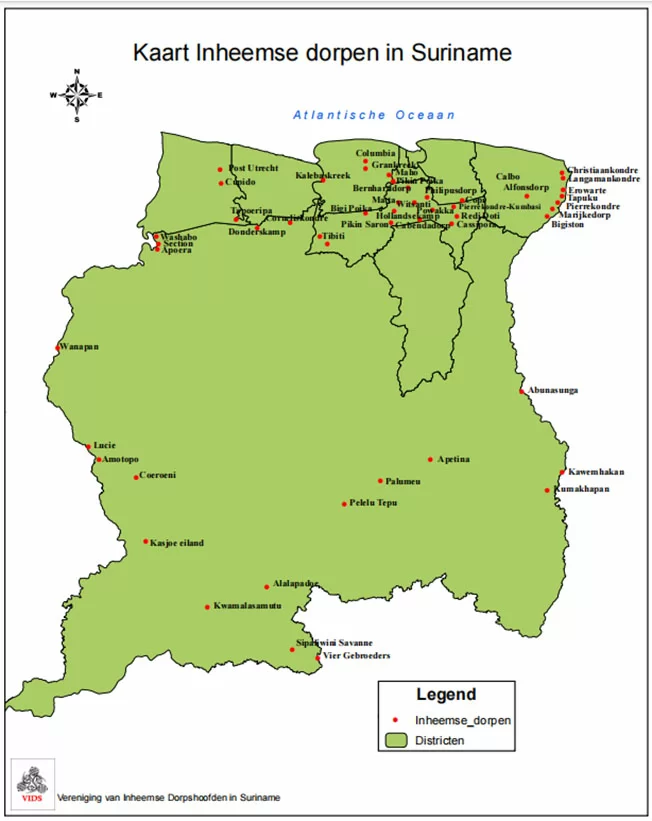
VIDS op Wereld Waterdag: Inheemse dorpen kampen met ernstige waterproblemen
On World Water Day, the Association of Indigenous Village Chiefs in Suriname (VIDS) has issued an urgent appeal addressing the severe water infrastructure deficits plaguing indigenous communities throughout the country. Despite international development agendas—including the Sustainable Development Goals (SDGs)—promising to ‘leave no one behind,’ indigenous and tribal populations in Suriname continue to experience systemic neglect regarding access to clean drinking water, sanitation, and reliable infrastructure.
Recent analyses confirm that numerous interior communities remain dependent on rainwater, creeks, or rivers due to a near-total absence of basic water systems. Village leaders from multiple regions reported alarming conditions:
In Marowijne, villages such as Langamankondre and Christiaankondre face acute water shortages, requiring emergency shipments from Paramaribo to supply schoolchildren. These communities also lack consistent electricity, relying on outdated generators despite proximity to urban centers. Similarly, in Alfonsdorp, a water source managed by the Surinamese Water Company exists but fails to provide 24/7 supply, forcing residents to rely on irregular and often contaminated water from neighboring villages.
In Para, growing settlements like Wit Santi struggle with water accessibility, with households compelled to carry water long distances or collect rainfall. High connection fees further exacerbate inequities. Meanwhile, in Hollandse Kamp, taps have run dry for four years, and trucked-in water frequently fails to meet SDG 6 safety standards.
Water quality remains another critical concern. In Donderskamp, recently rehabilitated water installations still produce dark, undrinkable water, compelling residents to seek alternative—and often unsafe—sources. In western regions such as Apoera, Section, and Washabo, arbitrary flat fees and alleged payment arrears—sometimes exceeding SRD 10,000—have sparked outrage, especially as meter installation costs remain unaffordable for most families.
Southern Suriname suffers near-total absence of water infrastructure, with communities depending on river and creek water increasingly contaminated by mining pollutants, erosion, and climate-induced droughts and floods.
Water pollution poses a severe threat to traditional sources. Rivers once considered safe, like the Marowijne, are now tainted by mercury and chemicals from gold mining—activities often licensed without adequate protection for indigenous territories.
Women and girls bear the heaviest burden, as water collection and management traditionally fall to them. Water scarcity heightens their workload, curbing educational and economic opportunities and compounding discrimination based on gender, ethnicity, and socioeconomic status.
VIDS emphasizes that these issues stem from structural marginalization, insufficient inclusion in policy processes, and the lack of full legal recognition of indigenous collective rights. Although indigenous organizations are occasionally invited to policy dialogues, their input rarely influences outcomes.
The association urges the government and relevant agencies to:
– Invest urgently in sustainable interior water infrastructure;
– Ensure fair and affordable water pricing;
– Strictly regulate mining-related water pollution;
– Involve indigenous communities in decision-making through Free, Prior, and Informed Consent (FPIC);
– Center gender equality in water policy.Without structural solutions and genuine community participation, VIDS warns, the SDG pledge to ‘leave no one behind’ will remain an empty promise for Suriname’s indigenous peoples.