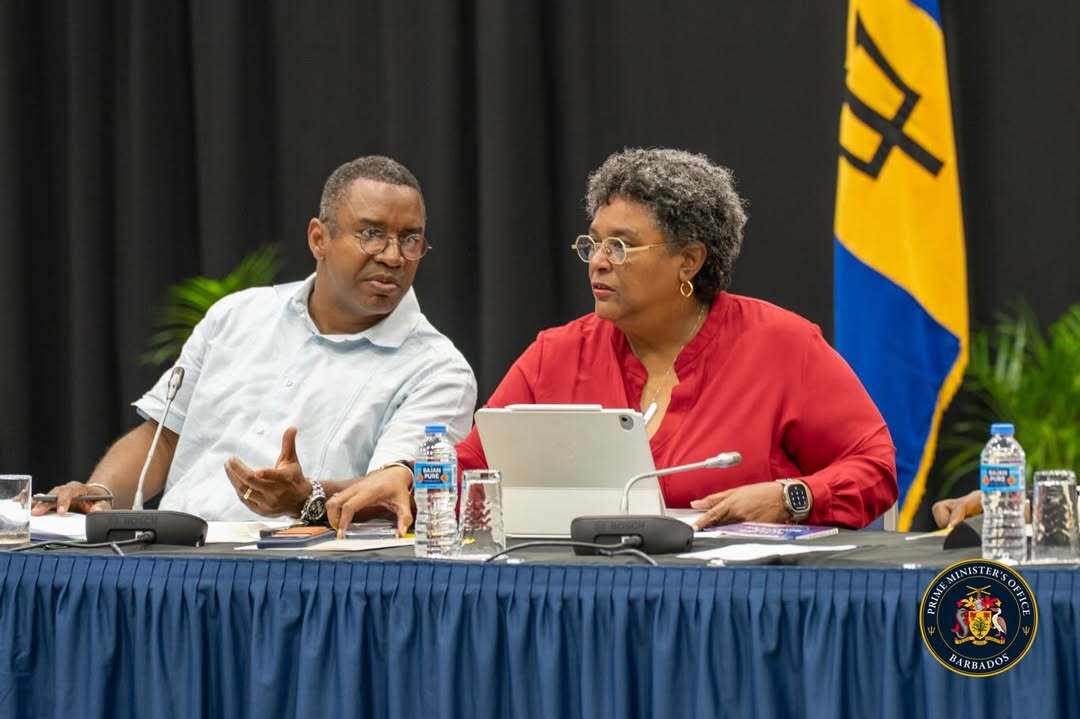
As the 2026 Atlantic hurricane season approaches, scheduled to kick off on June 1, the government of Barbados has launched a new series of high-level inter-agency emergency preparedness meetings less than two weeks out from the official start date. The cross-sectoral gathering brought together stakeholders from a wide range of fields including national security, public health, utility management, transportation, tourism, agriculture, and the private sector, reflecting the whole-of-society approach Barbados is taking to storm readiness.
Prime Minister Mia Mottley announced the ongoing preparedness efforts during a public statement shared to social media Wednesday, confirming that national response systems are being reinforced, existing readiness protocols are undergoing thorough review, and meteorological monitoring infrastructure is receiving critical updates to boost capacity ahead of the season.
“This level of preparation is deliberate. It is disciplined. It is how we must approach the protection of our people, our communities and our country,” Mottley emphasized. The planning push comes as climate change continues to drive growing regional and global alarm over Atlantic hurricane seasons that are growing more active and less predictable with each passing year, putting small island nations like Barbados at heightened risk of catastrophic damage.
Attendees at the high-level meeting included senior Cabinet ministers, leaders of national emergency response agencies, top meteorological officials, national security personnel, and key utility stakeholders. Among those in attendance were Brigadier Carlos Lovell, chief of staff of the Barbados Defence Force, and Sabu Best, director of the Barbados Meteorological Services.
Mottley stressed that in an era of shifting climate patterns, Barbados can no longer afford to treat hurricane preparedness as a low-priority, after-the-fact concern. “The climate is changing. The seasons are not what they used to be,” she said, noting that old expectations of storm frequency and intensity no longer apply. Beyond outlining government-led efforts, the prime minister issued a public call to action for all Barbadians to take responsibility for their own preparedness, rather than leaving all planning to state agencies.
“My message to Barbados is that government will do its part, and I ask every household, every business and every community to do the same,” Mottley said. She outlined key steps residents can take right away: auditing and restocking emergency supply kits, securing critical personal and legal documents, clearing debris and hazards from residential properties, and confirming the location of the nearest designated emergency shelter. She also urged community members to check on vulnerable residents, including elderly relatives, people living with disabilities, and any other groups that may require extra support during a storm emergency.
In closing, Mottley reminded the public to only trust official weather and emergency updates from authorized government sources, avoiding unconfirmed rumors that can create unnecessary panic. The entire preparedness effort, she explained, centers on one core goal: protecting human life and reducing the country’s vulnerability before a storm ever makes landfall. “We pray that Barbados is spared, and while we pray, we prepare,” she said. “Preparedness saves lives. Let us all do our part.”