分类: society

  • PSA rejects CPO proposal

    PSA rejects CPO proposal

    Long-running negotiations over years of unpaid salary arrears for public sector workers and retirees in Trinidad and Tobago have entered a new phase, with the country’s leading public service union rejecting a revised government offer and preparing to table a fresh counter-proposal this week.

    The Public Services Association (PSA), which represents employees across the Civil Service, Statutory Authorities and the Tobago House of Assembly, has been negotiating backlogged salary adjustments for two multi-year periods: 2014 through 2016, and 2017 through 2019. In a major breakthrough for workers, the union secured a 10% total salary increase by December 2025, alongside a landmark consolidation of the Cost of Living Allowance (COLA) and back-adjusted payments owed to retirees. In its official bulletin to members dated May 23, 2026, PSA President Felisha Thomas framed this earlier agreement as a critical win, noting it represented a stark improvement over the previous administration’s offer of just 4% total increase with no COLA consolidation, delivering tangible financial gains for working households across the public sector.

    The current dispute centers on the payment structure for the accumulated arrears, which the government values at an estimated $3.8 billion. In January 2026, the Chief Personnel Officer (CPO), the government’s lead negotiator for public sector pay, put forward an initial proposal: 40% of arrears paid in cash split across three fiscal years, with the remaining 60% issued through non-cash arrangements. The non-cash options included offsets against existing mortgage or rental debts owed to the state-run Housing Development Corporation and Trinidad and Tobago Mortgage Bank, settlement of outstanding personal tax bills, $3,500-worth of executive medical coverage, tuition fee offsets for state-owned higher education institutions, tax exemptions for new and roll-on/roll-off vehicle purchases, and conversion of cash entitlements into additional paid leave. The PSA rejected this initial offer, and put forward an 80% cash counter-proposal at the time, with the remaining 20% held as deferred payment via interest-bearing government bonds. The union also added supplementary demands including full settlement of outstanding debts to public sector medical plans, priority access to state housing, and expanded access to residential and agricultural land across both Trinidad and Tobago.

    During a negotiation session held the Friday before the bulletin’s release, CPO Dr. Daryl Dindial resubmitted a proposal substantially identical to the January framework, adding only a new carveout for retirees: only those with arrears accumulated through 2018 would receive full cash payment, while all later arrears for retirees would be issued via non-cash arrangements. The PSA rejected this revised offer immediately. Union negotiators have continued informal talks with the CPO, floating a range of alternative flexible arrangements, including allowing workers to apply arrears toward existing mortgage obligations, convert cash to extra leave, receive temporary income tax relief, access supermarket and fuel credits, or put arrears toward future pension entitlements.

    Throughout the talks, the PSA has held firm on two core demands: all retirees must receive 100% of their outstanding arrears as full cash payment, and all cash disbursements must be completed no later than March 31, 2027. On Monday, May 25, 2026, the union will submit a formal revised counter-proposal to the CPO, calling for a new structure of 60% of arrears paid in immediate cash, and 40% held as deferred cash, backed by equity stakes in state-owned publicly traded assets on acceptable terms.

    In her message to members, President Thomas reaffirmed the union’s commitment to securing the best possible outcome, recalling the organization’s earlier work to force a better deal than the previous administration’s “shameless and disrespectful 4%” offer, and to protect the COLA consolidation the union won. On the government side, CPO Dr. Dindial has characterized the original 40% cash / 60% non-cash proposal as the administration’s “best and final offer,” and gave the PSA a four-week window to respond to the terms.

  • Bewoners Houttuin tekenen fel protest aan tegen geplande opslag radioactief materiaal

    Bewoners Houttuin tekenen fel protest aan tegen geplande opslag radioactief materiaal

    Residents of Houttuin and surrounding communities in Suriname’s Wanica District have officially lodged formal objections to Houston-based energy firm Halliburton’s proposal to build a radioactive materials storage facility in their residential area. Organized under the advocacy group Suriname River Eco & Water Resort Steering Committee, locals submitted two detailed formal complaints to the Wanica Southeast District Commissioner and the National Environmental Authority (NMA), outlining severe, multi-layered concerns over potential threats to the region’s environment, public health, and community safety.

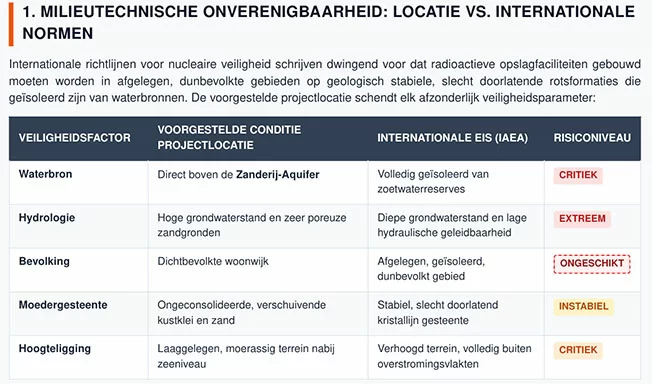
    At the core of residents’ opposition is the facility’s proposed location: directly above the Zanderij Aquifer, Suriname’s most critical source of fresh drinking water. The community argues the region’s geological and hydrological features make it categorically unsuitable for radioactive waste storage. Porous sandy soils, high regional groundwater tables, and frequent flood risk create a near-constant threat of radioactive contamination that cannot be mitigated through standard design safeguards, the objection states.

    Residents specifically flag the planned storage of radioactive isotopes including Americium-241 and Cesium-137 at the site. They warn that any leak, ground subsidence event, transport accident or extreme flood event could result in irreversible, long-term contamination of the region’s groundwater, agricultural land, and residential neighborhoods, posing lifelong health risks to the local population.

    Beyond the inherent risks of the project’s location, residents accuse the NMA and project consultants of systemic lack of transparency around the required Environment Management and Monitoring Plan (MMMP). Critical data required for full public and regulatory assessment—including radioactive activity levels, radiation contour maps, regional groundwater flow models, and emergency disaster response scenarios—is entirely missing from the publicly released documents, according to the complaint.

    The community also raises questions over the expertise and independence of TDS Consulting, the firm hired to conduct the project’s environmental impact assessment. Residents note that TDS representatives admitted during public information sessions that the firm lacks specialized expertise in nuclear engineering, radioecology, and radiation safety—core competencies required to properly evaluate the risks of a radioactive storage facility.

    Worsening these concerns, residents argue that Suriname as a whole is currently unprepared to handle radiological emergencies. The country lacks specialized nuclear regulatory legislation, independent radiation testing laboratories, specialized medical facilities equipped to treat radiation exposure, and trained response personnel to contain and manage an incident should one occur, the complaint states.

    Locals also say they have lost trust in Halliburton as a project operator, pointing to the company’s history of negligence and environmental contamination in prior international operations. The objection specifically references past incidents involving radioactive materials where the company failed to implement adequate safety precautions, according to residents.

    Another key grievance is the lack of adequate public outreach: residents say they were notified of project consultation sessions far too late, leaving local community members with very little time to register for the public meetings and prepare formal objections to submit to the NMA.

    The objection also extends to a second Halliburton project planned for the same area: an operational base for oil and gas exploration activities. Residents say that during initial information sessions, Halliburton failed to disclose that tools and equipment that have been in contact with radioactive sources would also be stored and handled at the base, leaving communities unaware of additional risks.

    In their formal demands, residents are calling on the NMA to reject all permits for the Houttuin radioactive storage facility entirely. They are also requesting an independent international assessment of the project’s risks, the development of modern national legislation for radiation protection and nuclear liability before any similar projects are approved, and a full assessment of alternative sites that meet international safety standards for radioactive material storage. The community emphasizes that such high-risk facilities should never be sited in densely populated residential areas or above critical drinking water reserves.

    As of the filing date, neither the NMA nor Halliburton has issued a public response to the formal objections.

  • Straatverlichting langs weg naar Matta officieel in gebruik genomen

    Straatverlichting langs weg naar Matta officieel in gebruik genomen

    In a major milestone for infrastructure and community development in Suriname, the critical road connecting Zanderij to the village of Matta officially received permanent street lighting starting Saturday, marking the completion of a project aimed at addressing longstanding public safety concerns and unlocking growth in the inland region.

    The initiative, delivered in partnership between the Surinamese government and Energiebedrijven Suriname (EBS), the country’s national energy utility, was designed to respond directly to requests raised by local communities in the Para district years ago. Speaking at the official activation ceremony on behalf of President Jennifer Simons, Minister of Health, Welfare and Labor André Misiekaba emphasized that the project delivers on a core campaign commitment of the administration to expand critical basic services across Suriname’s inland territories. “This project demonstrates our government’s consistent pledge to invest in infrastructure that improves daily life and creates opportunities for communities outside the capital,” Misiekaba stated during the event.

    EBS Director Leo Brunswijk outlined that road safety was the central driver behind the street lighting installation. For decades, the high-traffic route between Zanderij and Matta has been notoriously dangerous for motorists, pedestrians, and commercial drivers after dark, with frequent collisions and security incidents reported after sunset. Brunswijk added that the project is far more than a standalone safety upgrade: it forms a core part of a broader national strategy to expand reliable, accessible electricity access to underserved communities across Suriname. Work is already underway to extend the national power grid further to reach additional rural settlements in the Para district, bringing basic energy services to households that have long operated off-grid or relied on unstable, expensive private power generation.

    Para District Commissioner Patrick Kensenhuis hailed the street lighting activation as a transformative step forward for the entire region. Kensenhuis noted that safer travel along the route will not only improve quality of life for local residents but also support growing tourism and small business activity in the area, which has long been held back by the lack of after-dark infrastructure. For local residents who have campaigned for this upgrade for years, the official switch-on has been met with widespread enthusiasm. Community members report that they have long avoided travel along the route after dark, and now expect the new lighting to cut down on road accidents and reduce crime along the highway, creating a safer environment for everyone who uses the road.

  • Two men deported from St Kitts charged with Steer Town, St Ann fatal gun attack

    Two men deported from St Kitts charged with Steer Town, St Ann fatal gun attack

    Three years after a fatal home invasion shooting left one young man dead in Steer Town, St Ann, Jamaica, the two primary suspects have finally faced formal charges following their deportation from neighboring St Kitts and Nevis.

    The accused individuals, identified as 31-year-old Chevon Brown, a lifeguard also known by the alias ‘Balla’, and 37-year-old Kemar Matthews, also called ‘Bibbi’, both share a home address in Ocho Rios, St Ann. Their charges are directly linked to the February 8, 2023 killing of 20-year-old Kimani Lettman, a Steer Town resident.

    According to official reports from the St Ann’s Bay Police Division, the violent incident unfolded shortly after 2:30 a.m. that Wednesday. Lettman and a companion were inside a private residence when multiple armed suspects forced entry into the home. The attackers immediately opened fire on the two occupants before escaping the area on foot.

    Emergency responders were called to the scene immediately after the shooting. Both injured men were rushed to a local medical facility for treatment, where Lettman was pronounced dead. The second victim received care for non-life-threatening injuries and was released from hospital shortly after treatment.

    As investigators launched a full probe into the fatal attack, they quickly uncovered evidence that Brown and Matthews had fled Jamaica for St Kitts and Nevis shortly after the shooting to avoid arrest. Cross-border law enforcement cooperation led to the pair being taken into custody in St Kitts, and they were formally deported back to Jamaica last Thursday, May 21, 2026.

    Upon their arrival in Jamaica, the two men were taken directly into police custody. They have since been formally charged with a total of five criminal offences: murder, wounding with intent, possession of a prohibited firearm, unauthorized possession of ammunition, and burglary. Judicial authorities confirm that a court date for the pair is currently being finalized, and no further details on bail or upcoming proceedings have been released to the public as of press time.

  • New School Building Opens in Toledo Serving 16 Communities

    New School Building Opens in Toledo Serving 16 Communities

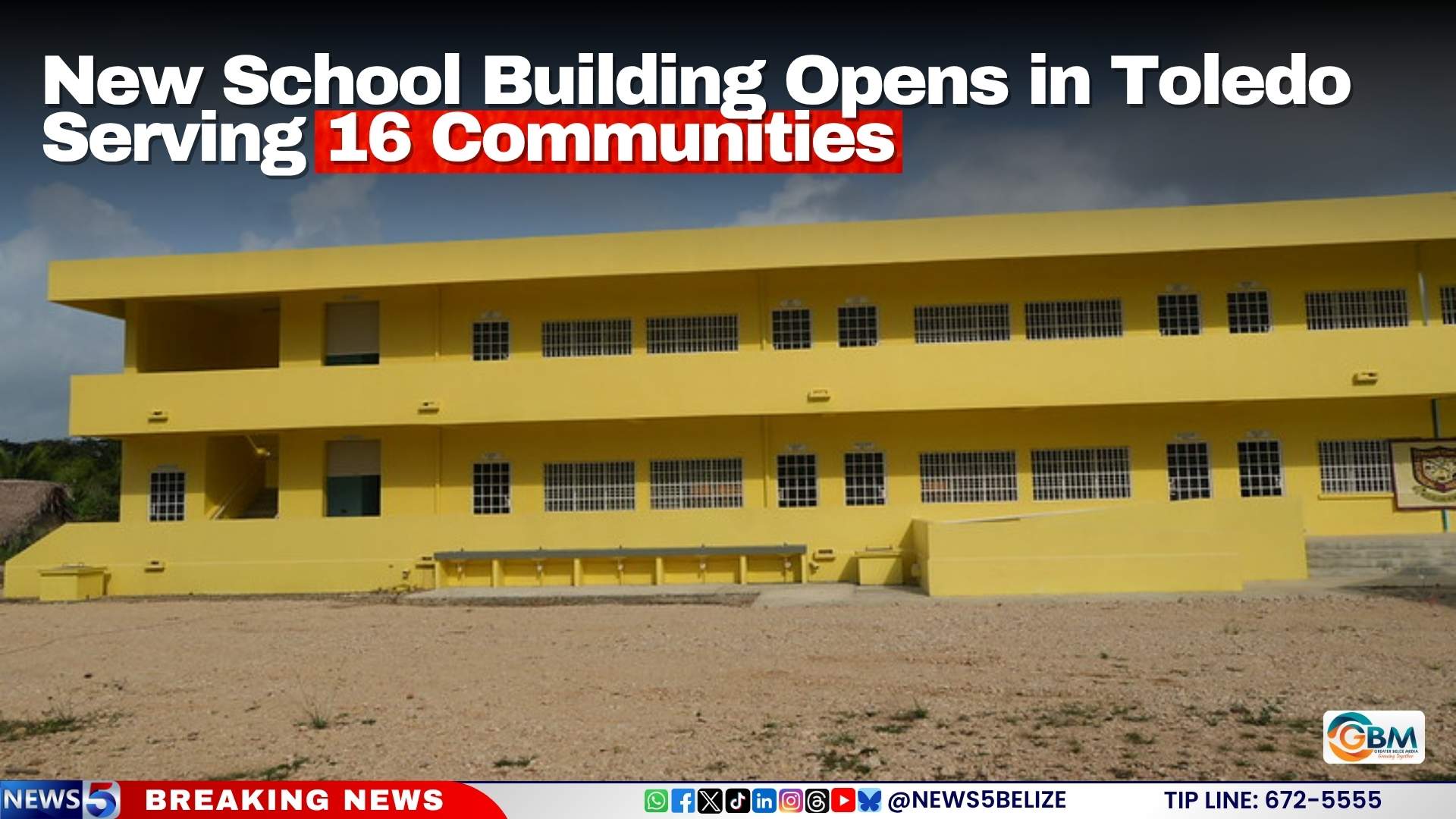
    After decades of inadequate learning infrastructure that left thousands of rural secondary students underserved, a brand-new two-story academic facility officially opened this week at Corazon Creek Technical High School in Toledo, marking a long-awaited milestone for education access across 16 surrounding communities.

    Funded through a financing partnership between the Caribbean Development Bank and implemented via the national Social Investment Fund, the robust eight-classroom concrete building is far more than a basic learning space. It also includes dedicated administrative offices, gender-separated restrooms for both students and staff, secured storage areas, and accessibility ramps designed to accommodate learners with disabilities, making the campus fully inclusive for the first time in the school’s history.

    The draw of this improved campus reaches across a wide swathe of rural Toledo, with students traveling from scattered small communities to attend classes. Among these is the remote village of Machakilha, where until very recently, residents faced the constant risk of being cut off from secondary education due to the lack of a reliable access road. The only bridge connecting the village to the main highway was on the brink of structural collapse until the Ministry of Infrastructure completed a $250,000 rehabilitation project to shore up the crossing and restore consistent access.

    At the official inauguration ceremony, Dr. Osmond Martinez, Area Representative for Toledo East and national Minister of Economic Transformation, did not shy away from acknowledging the long history of systemic neglect that left rural Toledo communities behind for generations. He pointed to the remote community of Otoxha, founded back in 1923, as a stark example of the disparities the region has faced for decades.
    “Otoxha was established in 1923, and still, its residents lack access to consistent clean drinking water,” Martinez said. “That is outright neglect of a population that should never have been left behind. No matter a person’s cultural background, we have a moral obligation to leave no one behind. I hold firm to the belief that one day I will be called to account for what I did with the privilege of public service that I have been given.”
    In addition to the opening of the new building, Martinez made a surprise announcement that has been welcomed by graduating students and their families: all mandatory graduation fees for completing students at Corazon Creek Technical High School have been fully covered by the government, eliminating a final financial barrier for students finishing their secondary education.

    The project represents the first major investment in regional education infrastructure for Toledo in recent years, with officials signaling that more targeted investments to address long-standing disparities in rural access to basic services are planned for the coming months.

  • Honouring the Life and Legacy of Sir Aziz Hadeed  A Tribute from the Guild President

    Honouring the Life and Legacy of Sir Aziz Hadeed  A Tribute from the Guild President

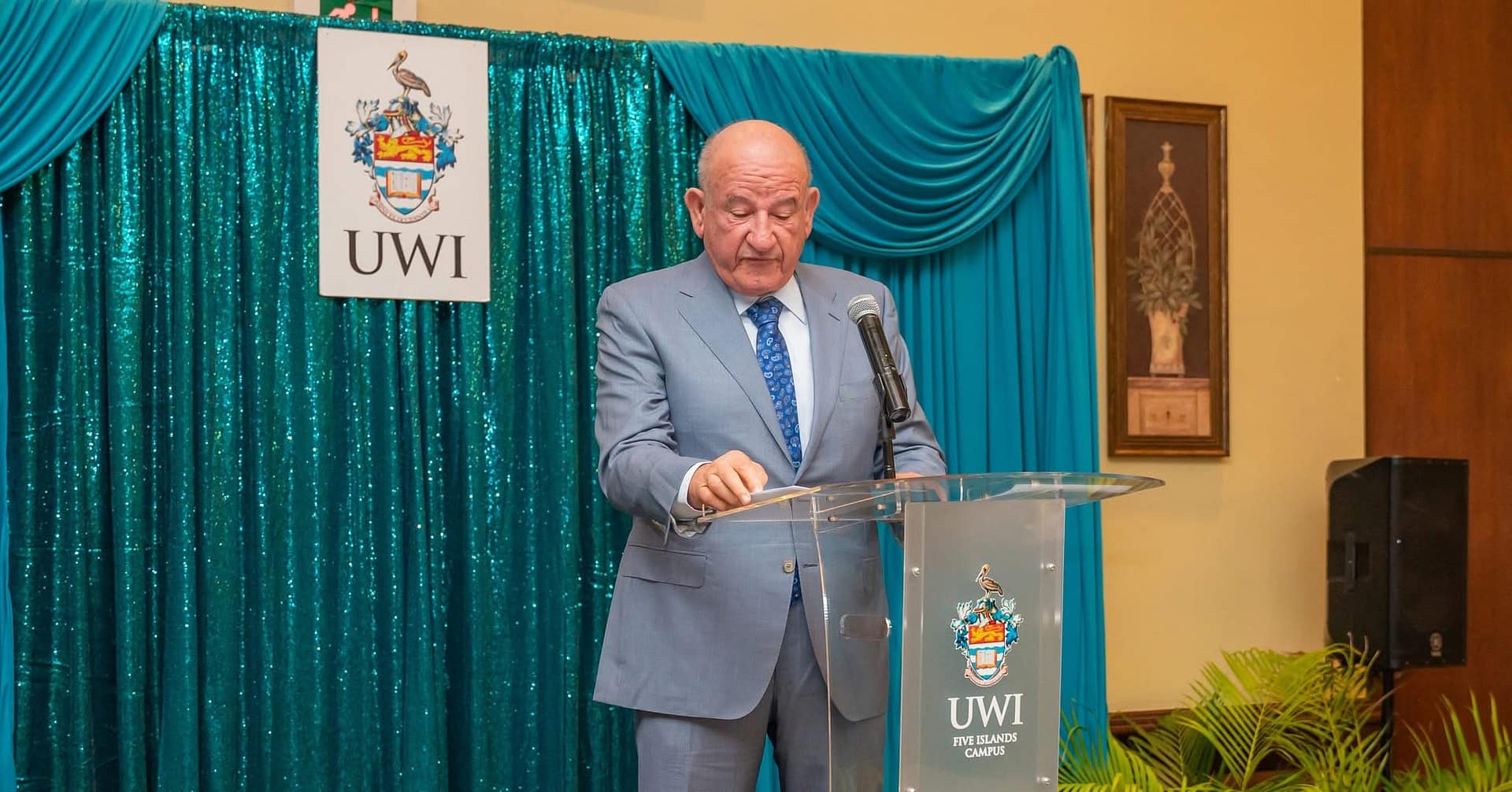
    The University of the West Indies Five Islands Campus community is in mourning this week following the announcement of the death of respected campus leader Sir Aziz Hadeed. In a heartfelt statement released on behalf of the campus’s student body, Guild President Kerron McKenzie shared an outpouring of sympathy for the family, close friends, professional colleagues, and all others grappling with the loss of the iconic figure.

    Far beyond holding the formal title of campus chairman, Sir Aziz distinguished himself as a forward-thinking visionary, a dedicated nation-builder, and a lifelong advocate for the life-changing power of accessible education. Under his steady guidance, radical generosity of spirit, and unshakeable commitment to advancing the campus’s mission, the UWI Five Islands Campus was transformed into a thriving hub of opportunity, personal growth, and collective hope for thousands of young scholars across Antigua and Barbuda, as well as the broader Caribbean region.

    The true scale of Sir Aziz’s contributions to the institution cannot be quantified through a list of official titles or institutional achievements alone. His greatest impact is written in the countless lives he lifted up, the professional and educational doors he opened for underrepresented young people, and the optimistic vision of opportunity he cultivated for generations of future students. It was through his steadfast dedication to expanding access to higher education that countless students have been able to pursue bolder dreams, set loftier goals, and carve out meaningful personal and professional paths through learning.

    The enduring legacy Sir Aziz leaves behind will continue to resonate across every corner of the campus for decades to come. It lives in each new student who walks the campus grounds, every graduate who carries the knowledge they gained here out into the world, and in every future expansion and improvement of the institution he nurtured so deeply.

    On behalf of the entire UWI Five Islands Campus student body, McKenzie expressed sincere gratitude for Sir Aziz’s years of selfless service, his transformative vision for the campus, and his enduring investment in the futures of young Antiguans and Barbudans. May his soul rest in eternal peace, and may his legacy continue to serve as a guiding light for the institution and all those whose lives he touched.

  • WATCH: Woman in custody for suspected arson in St Mary

    WATCH: Woman in custody for suspected arson in St Mary

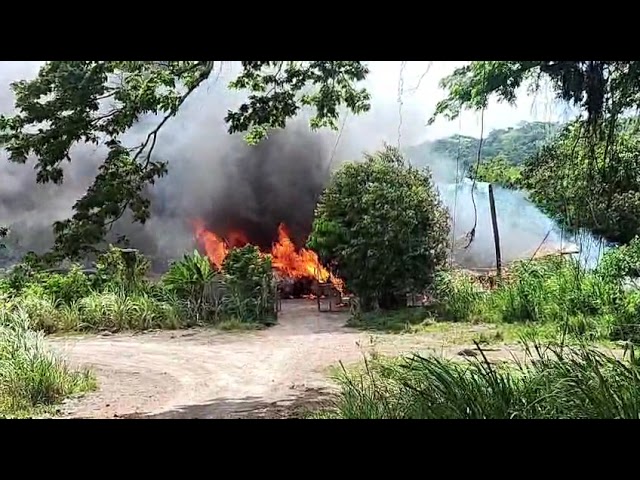
    A shocking act of alleged arson has rocked a rural community in St Mary, Jamaica, leaving a local industrial compound damaged and a 59-year-old woman in police detention. The incident unfolded at the Surrey and Aggregate premises in the Georgia district of the parish around 2:00 p.m. on Sunday, according to official law enforcement accounts.

    The compound’s on-site caretaker, who first encountered the woman before the fire broke out, told investigators she was behaving aggressively and disruptively on the property. After multiple attempts to convince her to leave the premises peacefully failed, the caretaker made the decision to travel to the nearest police station in Annotto Bay to file a report and request assistance.

    When the caretaker returned to the Surrey and Aggregate compound alongside law enforcement, they discovered both targeted office buildings were already engulfed in raging flames. In addition to the structural damage, two privately owned vehicles — a pickup truck and a standard passenger car — were also caught in the blaze, suffering significant damage.

    Emergency response teams from the Annotto Bay Police Department and the local fire service quickly deployed to the scene to contain the fire and begin documenting evidence. By the time first responders secured the area, the suspect 59-year-old woman was taken into custody without further incident. Authorities have confirmed that formal investigations into the motive behind the alleged attack are currently ongoing, with no additional details on potential charges released to the public as of the latest update.

  • Ferry Basic School gets major upgrade through UDC labour day initiative

    Ferry Basic School gets major upgrade through UDC labour day initiative

    KINGSTON, Jamaica — When students of Ferry Basic School in St Andrew step back onto campus for the new school term, they will be greeted by a fully renovated, safer, and more functional learning space, the result of large-scale improvement works completed by the Urban Development Corporation (UDC) and its partner stakeholders during this year’s national Labour Day.

    The comprehensive upgrade project addressed a wide range of longstanding infrastructure needs at the institution. Works carried out included critical roof repairs and structural reinforcement to shore up aging building sections, full demolition and reconstruction of the school’s non-functional kitchen, drainage system clearing and maintenance, and plumbing repairs across the campus. Additional upgrades covered landscaping and expansion of the school’s outdoor play area, installation of new playground equipment, construction of two new bathroom vanities, and fresh repainting of multiple school buildings. As a key safety addition, the UDC team also installed corrugated steel mesh covers over open drainage zones, eliminating a major hazard for young students and staff.

    In an interview with JIS News, UDC Customer Service Manager Diane Hanson explained that the renovation initiative forms a core part of the state agency’s annual corporate Labour Day community engagement program. The UDC invested approximately JMD $1.7 million into the remedial and upgrade works at Ferry Basic School.

    Hanson highlighted that one of the most impactful changes addressed a critical daily need for students. “When our team first conducted an assessment of the school, we found the existing small kitchen was completely non-functional. We know how important it is for children to access a hot, nutritious lunch every day, rather than relying only on cold snacks,” she noted.

    “What we delivered is a fully rebuilt kitchen with new cabinetry and all the necessary infrastructure to support daily meal preparation. Now, long after our team has left, the school will have a fully operational kitchen, and students will be able to enjoy warm meals every school day,” she added.

    Hanson also shared the reasoning behind selecting Ferry Basic School for this year’s Labour Day project: the institution’s close proximity to the Raintree Development Complex, one of the UDC’s flagship urban development projects, making the upgrade a natural part of the agency’s commitment to supporting surrounding local communities.

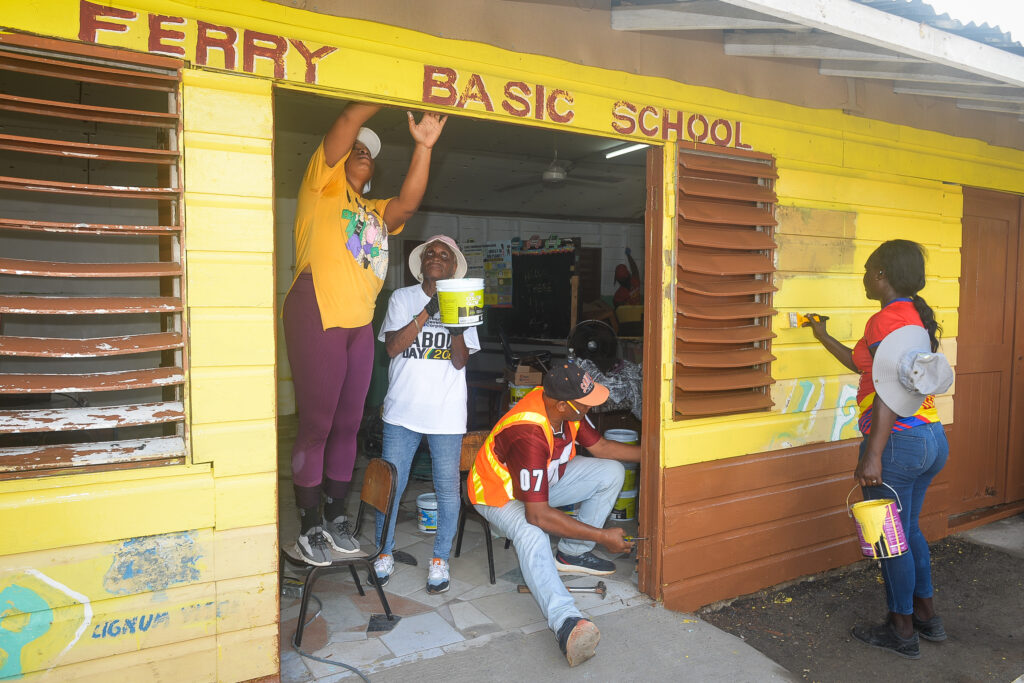
    Photos from the Labour Day work day show Hanson working alongside UDC technical staff — including Junior Civil Engineer Kuffy-Hi Smith and Landscape Supervisor Christopher Cole — to complete repainting work at the school on May 25. Ferry Basic School is just one of several educational institutions and community public spaces that benefited from UDC-led rehabilitation projects across Jamaica this Labour Day.

  • St James residents unite to restore Rose Heights Community Centre

    St James residents unite to restore Rose Heights Community Centre

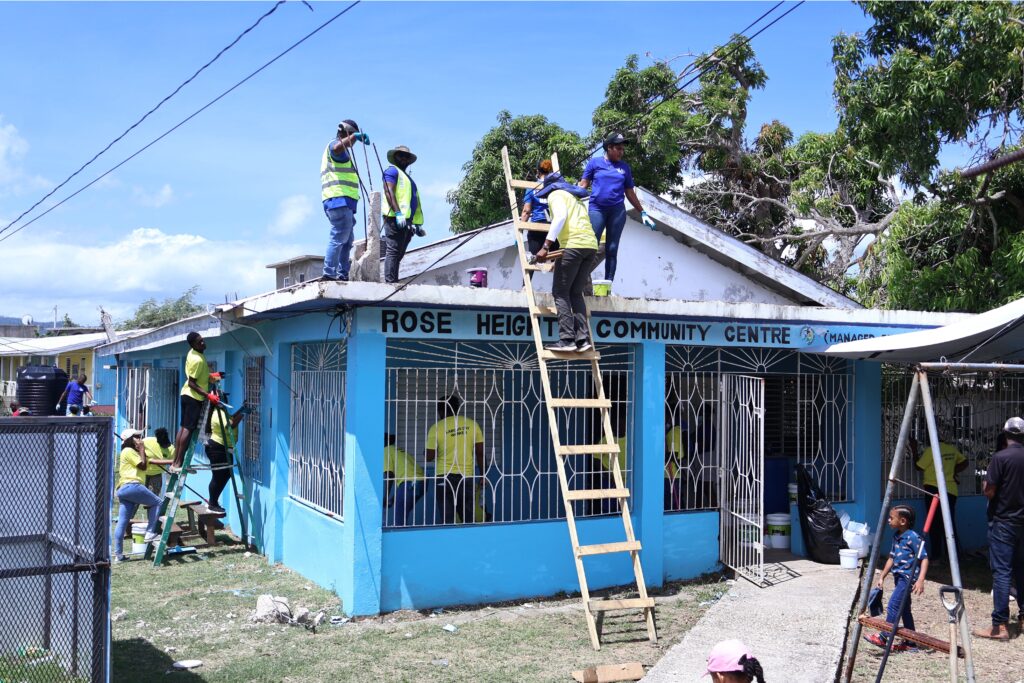
    In St James, Jamaica, a widespread collaborative effort between local residents, volunteer groups, and public and private sector stakeholders has breathed new life into the storm-ravaged Rose Heights Community Centre, marking a major milestone for this year’s Labour Day Parish Project.

    The community hub, which suffered extensive structural damage when Hurricane Melissa swept through the region, has received a full $3.8 million renovation. Works launched on May 22, progressing steadily to completion by the Labour Day holiday on May 25, and included comprehensive debris cleanup, full roof repairs, fresh interior and exterior painting, with plans already in place to establish a community garden on the facility’s grounds. For the more than 17,000 Rose Heights residents who rely on the centre for regular programming and gatherings, the restoration addresses a critical gap in local community infrastructure.

    Beyond reestablishing a central gathering space for neighborhood events, the upgraded facility will also serve a vital public safety function as a certified emergency shelter for future hurricane events. This upgrade comes as local authorities ramp up preparedness efforts ahead of the 2026 Atlantic Hurricane Season.

    Speaking exclusively to JIS News, Richard Vernon, Mayor of Montego Bay and St James Councillor, emphasized that the project delivers dual benefits for the parish: strengthening disaster readiness and building long-term community resilience. “As we approach the new hurricane season, it is critical that we repair existing damaged shelters and bring infrastructure back online to expand our capacity after the losses we sustained from Hurricane Melissa,” Vernon explained. “This project puts us in a far stronger position to protect residents when the next storm hits.”

    Vernon also highlighted the overwhelming community buy-in for the initiative, noting that the restoration has sparked widespread enthusiasm among local residents. “When I spoke with neighbors earlier this project, they told me this is a dream come true,” he said. “Out of the crisis of Hurricane Melissa, we’ve gotten renewal and rehabilitation, and the community is incredibly grateful for this investment.”

    Andrea Kerr Finakin, president of the Rose Heights Community Centre, echoed that gratitude, extending recognition to every stakeholder that contributed time, funding, and labor to the project. Finakin noted that the centre has long been the beating heart of the Rose Heights community, and she is thrilled to see it restored to its role as the neighborhood’s primary emergency shelter and event space.

    Volunteers made up a large portion of the renovation workforce, including a team from the University of Technology (UTech) Jamaica Circle K Club. Abisah Graham, one of the UTech volunteers, emphasized that the project exemplified the power of cross-community collaboration to drive meaningful change. “No matter what your background is, we can all come together to give back,” Graham said. “Our club brings together members from all walks of life, and we’re here to contribute however we can—whether that’s swinging a hammer for renovations, dropping off donations, or picking up a paint roller. This work is all about uniting as one to improve our community and make a real difference.”

    As the final touches are put on the renovation, the restored Rose Heights Community Centre stands as a testament to collective action and proactive disaster preparedness, ready to serve the St James community for years to come.

  • Women inmates transferred from Venezuelan prison after uprising

    Women inmates transferred from Venezuelan prison after uprising

    A prison uprising at a detention facility in Venezuela’s western city of Barinas has prompted authorities to transfer more than 100 incarcerated women out of the complex, an independent prison monitoring group confirmed this week.

    The Venezuelan Prison Observatory (OVP), a non-governmental organization that tracks conditions across the country’s correctional system, announced Monday that a senior prison official had notified family members of the full evacuation of 112 female inmates. The official did not disclose the new location where the women would be held, the NGO added in a post on the social platform X.

    Per the OVP’s update, the official also outlined next steps for the facility: male prisoners at the Barinas complex will be eligible for voluntary transfer, and a joint working group made up of judges and prosecutors will be deployed to the site to conduct a full review of all inmates’ cases.

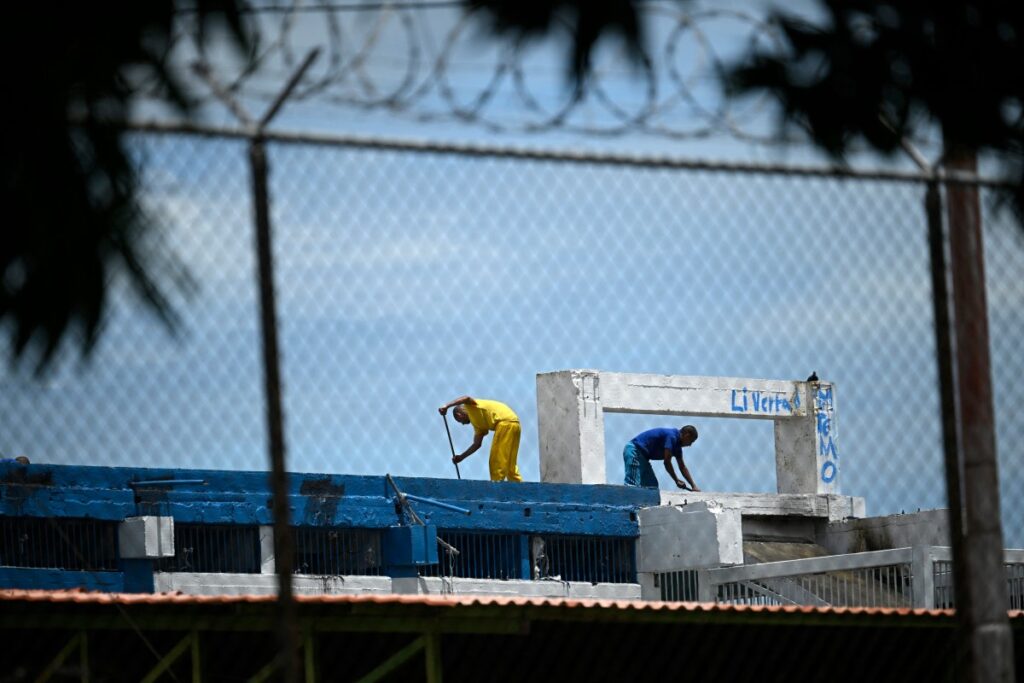
    The unrest unfolded Sunday, when 1,200 male and more than 100 female inmates at the prison—located roughly 500 kilometers from the capital Caracas—launched a coordinated protest over poor treatment. By Monday morning, hundreds of detainees had set fire to mattresses and bed linens, gathered on the prison roof, and unfurled large banners reading “No more torture.” The OVP confirmed that a small group of protesters remained stationed on the prison’s watchtowers at dawn. Dozens of anxious relatives gathered outside the facility’s gates throughout the day, waiting for updates on their loved ones.

    Inmates allege they have been systematically subjected to beatings and torture at the complex, OVP spokesperson confirmed. As of Tuesday, Venezuelan national authorities have not issued any public statement in response to the riot or the allegations of abuse.

    This uprising is the latest in a years-long string of crises to rock Venezuela’s correctional system, where activists and human rights groups have long decied chronic overcrowding, endemic violence, insufficient food rations, and near-total lack of access to basic medical care. Just months prior, in April, the government confirmed that five people were killed during a separate riot at the high-security Yare III prison outside Caracas.

    The unrest comes amid a period of major political transition in Venezuela. After U.S. special forces carried out a surprise raid that captured former autocratic leader Nicolas Maduro in Caracas on January 3, the country’s new government under President Delcy Rodriguez passed a landmark amnesty law in February under pressure from Washington. The legislation has paved the way for the release of hundreds of political detainees held under the Maduro regime. Even so, many Venezuelans have voiced public frustration over the slow pace of releases and broader prison reform, highlighting the gap between promised policy changes and on-the-ground conditions inside the country’s facilities.