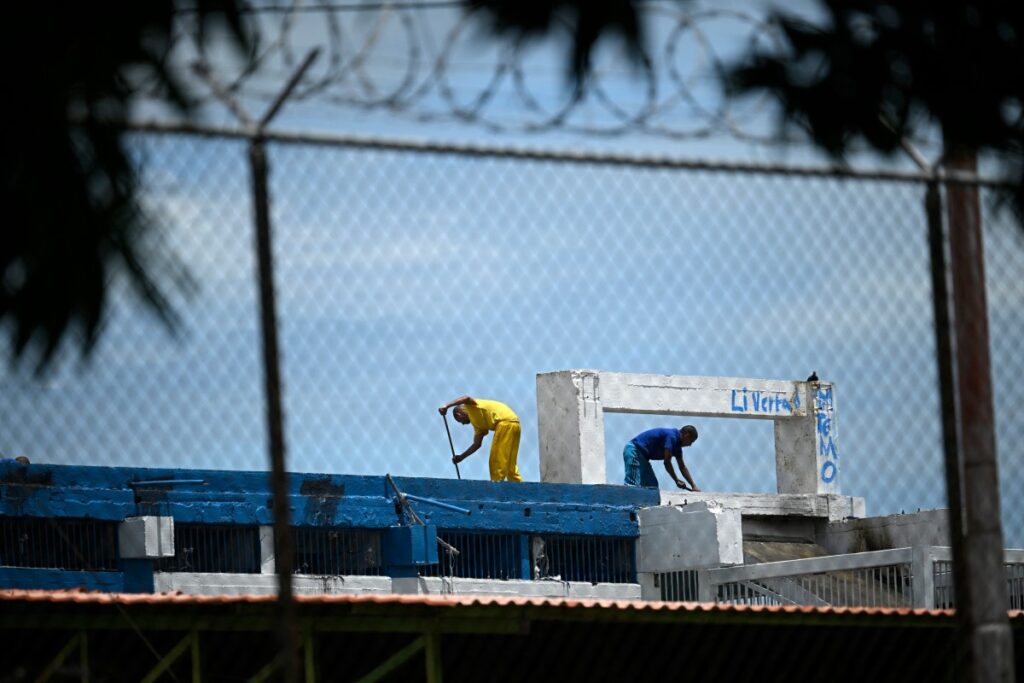
A prison uprising at a detention facility in Venezuela’s western city of Barinas has prompted authorities to transfer more than 100 incarcerated women out of the complex, an independent prison monitoring group confirmed this week.
The Venezuelan Prison Observatory (OVP), a non-governmental organization that tracks conditions across the country’s correctional system, announced Monday that a senior prison official had notified family members of the full evacuation of 112 female inmates. The official did not disclose the new location where the women would be held, the NGO added in a post on the social platform X.
Per the OVP’s update, the official also outlined next steps for the facility: male prisoners at the Barinas complex will be eligible for voluntary transfer, and a joint working group made up of judges and prosecutors will be deployed to the site to conduct a full review of all inmates’ cases.
The unrest unfolded Sunday, when 1,200 male and more than 100 female inmates at the prison—located roughly 500 kilometers from the capital Caracas—launched a coordinated protest over poor treatment. By Monday morning, hundreds of detainees had set fire to mattresses and bed linens, gathered on the prison roof, and unfurled large banners reading “No more torture.” The OVP confirmed that a small group of protesters remained stationed on the prison’s watchtowers at dawn. Dozens of anxious relatives gathered outside the facility’s gates throughout the day, waiting for updates on their loved ones.
Inmates allege they have been systematically subjected to beatings and torture at the complex, OVP spokesperson confirmed. As of Tuesday, Venezuelan national authorities have not issued any public statement in response to the riot or the allegations of abuse.
This uprising is the latest in a years-long string of crises to rock Venezuela’s correctional system, where activists and human rights groups have long decied chronic overcrowding, endemic violence, insufficient food rations, and near-total lack of access to basic medical care. Just months prior, in April, the government confirmed that five people were killed during a separate riot at the high-security Yare III prison outside Caracas.
The unrest comes amid a period of major political transition in Venezuela. After U.S. special forces carried out a surprise raid that captured former autocratic leader Nicolas Maduro in Caracas on January 3, the country’s new government under President Delcy Rodriguez passed a landmark amnesty law in February under pressure from Washington. The legislation has paved the way for the release of hundreds of political detainees held under the Maduro regime. Even so, many Venezuelans have voiced public frustration over the slow pace of releases and broader prison reform, highlighting the gap between promised policy changes and on-the-ground conditions inside the country’s facilities.