分类: society

  • Second top official resigns from National Taxi Union

    Second top official resigns from National Taxi Union

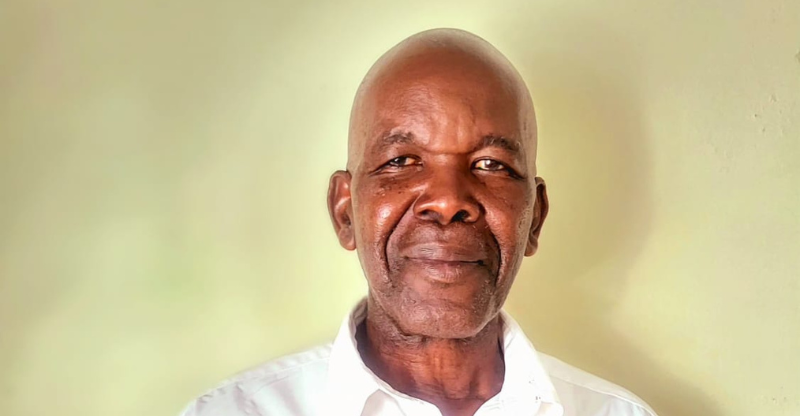
    The National Taxi Union has been rocked by a second high-profile resignation in just 48 hours, with vice president Isidore Brisefert stepping down from his post Wednesday with immediate effect. His departure follows closely after public relations officer David Shakes Christopher exited the senior leadership team a day prior, marking the latest escalation of long-simmering internal tensions over current president Terry Valcin’s leadership.

    In an official public statement announcing his exit, Brisefert laid out clear, damning concerns about Valcin’s approach to leading the organization and the strategic trajectory the union has taken under his tenure, echoing the criticisms shared by Christopher in his own departure announcement Tuesday.

    Brisefert’s resignation letter centered on what he described as a persistent lack of collaborative, collective decision-making across the union’s executive body. He wrote that after careful, extended reflection, he could no longer remain in a leadership role under a president whose governing style increasingly leaned into authoritarianism rather than the democratic, consultative, collective representation that union members deserve.

    The departing vice president went on to question the transparency and fairness of internal decision-making processes, alleging that key issues affecting frontline taxi operators are regularly settled without meaningful debate or consideration of alternative perspectives from executive members. Brisefert noted that this top-down approach has fueled rising frustration among the union’s top governing body, with little willingness from Valcin to course-correct.

    “As vice president, I have always held that strong union leadership must be built on the foundations of fairness, openness, collaborative teamwork, and respect for every member’s voice,” Brisefert said in his statement.

    He added that the union has failed to unify its membership and grow its industry influence under current leadership, in large part because the input of executive committee members is routinely sidelined or ignored entirely. Frontline taxi operators, he argued, need far more inclusive, effective leadership that prioritizes their needs.

    “Our taxi operators deserve leadership that listens, includes all voices, and fights unapologetically for their best interests,” Brisefert said. “In these economically uncertain times, our members need unity, transparency, and trustworthy representation that shows up for them every day.”

    Though he is leaving his senior vice president post, Brisefert expressed gratitude to the members who have supported his work and confirmed he will continue advocating for taxi operators across the country in a new, non-leadership capacity.

    For his part, Christopher framed his own exit as the result of months of consideration, saying his decision reflected widespread, cross-executive concerns about the union’s current management structure. He argued that the core values that once anchored the union have eroded significantly under Valcin’s leadership, creating a situation where he could not in good conscience continue serving in his role.

    These latest departures are not an isolated incident, but the outcome of years of unresolved leadership friction within the union. Former president Lucien Joseph first publicly questioned the legitimacy of Valcin’s leadership before stepping down in 2022, shortly after he lost a no-confidence vote from union members. The organization most recently held its Annual General Meeting and Conference of Delegates in March 2025 to address ongoing internal and industry challenges.

    To date, President Valcin has declined to provide immediate comment on the dual resignations. He told local outlet St Lucia Times that he plans to deliver a full, detailed address on the situation at a general union meeting scheduled for June 1. That upcoming gathering will also tackle a slate of pressing industry-wide issues, including a proposed plan to launch a custom taxi service app and ongoing policy discussions about third-party transportation platforms such as Uber.
  • CDPF and Grand Bay community unite for Isidore Sunday Chill event

    CDPF and Grand Bay community unite for Isidore Sunday Chill event

    On Sunday, May 24, 2026, a unique community-focused gathering brought local law enforcement and residents together in Dominica’s Grand Bay district. The Commonwealth of Dominica Police Force (CDPF) partnered with the Grand Bay Village Council to host the Isidore Sunday Chill event, held at the scenic Geneva Playing Field, drawing hundreds of participants from across the region.

    Unlike traditional community events centered solely on leisure, the Isidore Sunday Chill was crafted with a clear purpose: to bridge the gap between police forces and the neighborhoods they serve, while fostering connection among local residents through friendly competition. Organizers structured the day around recreational activities that prioritized teamwork, mutual respect, and open dialogue, giving community members and law enforcement the chance to interact outside of formal, often high-stakes encounters.

    Three competitive highlight matches anchored the day’s schedule, each drawing enthusiastic crowds of supporters. The opening marquee event was a tightly contested football match between the Police Sports Club and local side South City Football Club. After 90 minutes of end-to-end energetic play, South City claimed a well-earned 3–1 win over the police team.

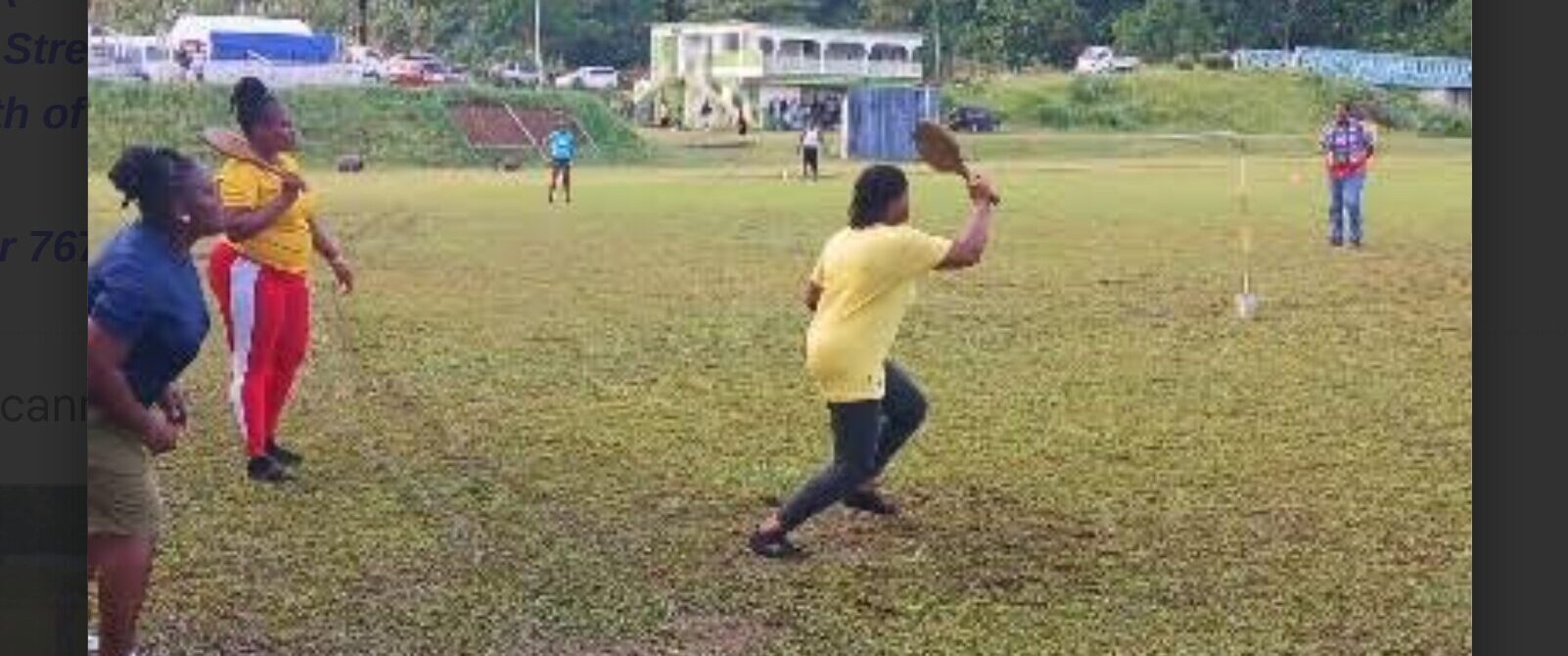
    Next up was a rounders tournament featuring three competing squads: ACS South Defenders, St. Joseph Phoenix, and the Police Sports Club. Through a series of back-and-forth matches that tested both skill and strategy, ACS South Defenders outperformed their opponents to take home the tournament championship title.

    The final contest of the day was a tense first-to-50 domino showdown, pitting CDPF officers against one of Grand Bay’s top-ranked domino teams. In a match that came down to the final round, the local Grand Bay side edged out the police team to secure victory.

    Following the conclusion of all activities, CDPF officials emphasized that events like Isidore Sunday Chill are far more than one-off recreational gatherings—they are a core part of the force’s long-term community policing strategy. The organization noted that effective policing extends far beyond enforcing laws and responding to incidents; it requires intentional trust-building, collaborative partnership, and active engagement with community members to create safer, more cohesive neighborhoods.

    In a closing statement, CDPF extended its gratitude to all stakeholders who made the event possible, saying: “A sincere thank you to the Grand Bay Village Council, all participating athletes and teams, event supporters, and every community member who turned out to make this initiative a resounding success.”

  • Taj Weekes recounts harrowing experience with gunmen

    Taj Weekes recounts harrowing experience with gunmen

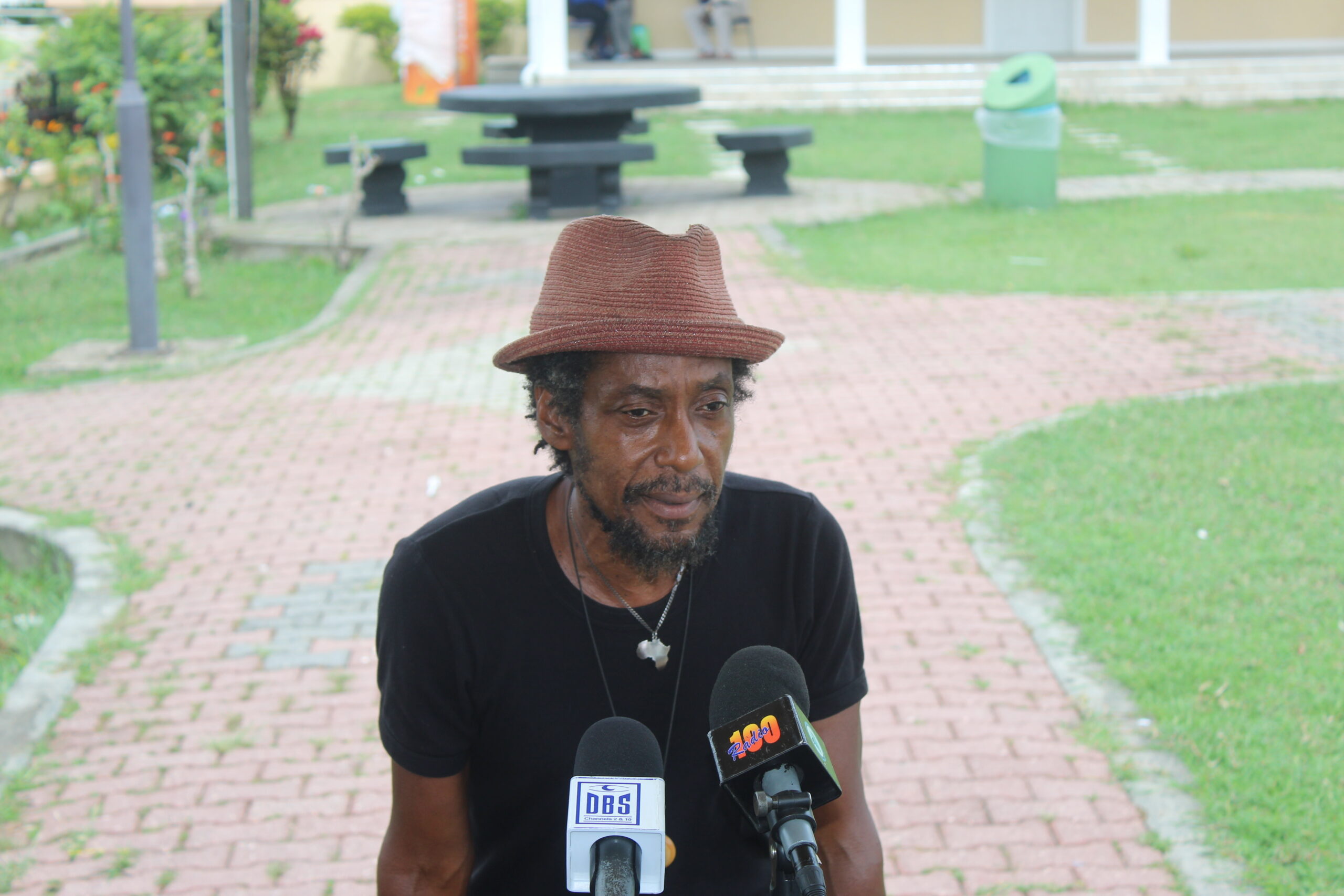
    Known internationally as a Grammy-nominated reggae musician and dedicated social philanthropist, Taj Weekes has spent years advocating for marginalized communities across the Caribbean through his non-profit TUCO Foundation. After decades living abroad across the United States, Cuba, and multiple regions of Africa, Weekes made the choice to return to his home country of Saint Lucia earlier this year, settling into a quiet, isolated property tucked into the wooded coastline of Mon Repos on the island’s southeastern shore. What he expected to be a peaceful, reclusive life of quiet gardening and community-focused work was shattered dramatically last Sunday night, when four masked, armed intruders accessed his remote property.

    In a first-hand public account of the incident shared earlier this week, Weekes detailed the disorienting encounter that unfolded around 10:15 p.m. He had left his doors open — a habit he developed in the secluded, low-crime area he called home — and was speaking with his wife on the phone when he spotted four bright lights moving down his private driveway. Initially, he assumed the visitors were friends or family with access to the property, so he walked out casually to greet them, not raising his guard.

    As he drew closer, Weekes realized the figures were four adult men dressed in tactical military-style gear and fully masked to hide their identities. Two of the men held their flashlights pointed directly at Weekes, while the other two kept their lights aimed at the ground. When Weekes challenged them to state their purpose for being on his land, the men remained completely silent, only staring him down. After several seconds of tense silence, one of the intruders shifted his flashlight away from Weekes to reveal a loaded handgun he was carrying.

    Weekes recounted that he stood his ground, telling the intruders he had no fear and they could act if that was their plan. After a long, tense standoff, the group did not attack or rob him; instead, they silently moved past Weekes toward the back beach bordering his property. Moments later, Weekes said he heard what he is confident was a single gunshot. While Weekes’ wife — who remained on the phone throughout the entire encounter — alerted local family members, Weekes immediately contacted the Micoud District Police Service, which he confirmed arrived at the property within minutes to launch an investigation.

    When asked if the incident could have been a case of mistaken identity, Weekes rejected the possibility entirely. His remote home is not marked on most casual maps, and accessing the private driveway requires intentional navigation through unmarked back roads. “You don’t stumble on this place by accident,” Weekes explained. “This was pre-planned. The whole point was to intimidate me. But I want to be clear: we will not be intimidated, and we are not leaving.”

    Weekes, who now spends most of his time growing food to feed local food-insecure families and tending to trees on his property, says he has no personal conflicts that would explain the attack. “I haven’t harmed anyone. All I do now is dig in the dirt, plant, and spend time with my dogs. I’ve done nothing to anyone,” he said.

    The incident comes amid a documented surge in violent crime across Saint Lucia, a trend Weekes called deeply disappointing for returning residents. “I’ve lived all over the world, and I’ve never had an encounter like this,” he said. “To come back home to do good work and face this? It’s devastating. But I also count my blessings — so many other people across the island haven’t survived similar encounters, so I’m grateful I’m here to talk about it today.”

    As someone who has spent decades running social programs for vulnerable and marginalized Saint Lucian communities, Weekes said that quick law enforcement crackdowns will never solve the country’s crime crisis. Long-term, holistic change that brings together government, civil society, faith groups, and local communities is the only path forward, he argued.

    Weekes stressed that people who commit crime are not outsiders to Saint Lucian society — they are members of our communities, shaped by the systems and gaps we all collectively allow to exist. “They didn’t come from another planet. They are us,” he said. “We can’t keep pointing fingers and blaming isolated neighborhoods. Crime is a national problem that we all share responsibility for fixing. When a child grows up without support, that’s our failure as a society, not just the failure of one community.”

    Even though the incident has left him feeling less secure than when he first returned home, Weekes says he has no plans to leave the country he has spent his career advocating for. “Home is where the heart is. I did all my work for Saint Lucia from abroad for decades — why would I leave now that I’m back?” he said. “Being here on the ground lets me speak to these issues firsthand, in a way I never could when I was living overseas.”

    Weekes acknowledged that he does not have a single step-by-step plan to end crime, but he remains optimistic that collective action can reverse the current trend of rising violence. “It’s not naive to believe we can build a Saint Lucia free of violent crime. It can happen — we just have to commit to working together to make it real,” he said. He pointed to intergenerational change as the core of any long-term solution, noting that the old African proverb “it takes a village to raise a child” still holds true. “I was raised by a whole village that looked out for me. Today, that village doesn’t function like it used to,” he said. “We have to rebuild that support system if we want to stop children from growing into people who commit violence. If we don’t put a long-term plan in place now, by 2030 this crisis will be far worse than it is today. We can’t keep ignoring the problem and repeating the same failed approaches.”

  • Monkey raids on farms persist as ministry seeks regional, AI solutions

    Monkey raids on farms persist as ministry seeks regional, AI solutions

    Barbados’ agricultural sector is grappling with an escalating crisis of rampant monkey raids on commercial and small-scale farms, pushing the country’s Ministry of Agriculture to pursue cross-regional knowledge sharing and cutting-edge artificial intelligence interventions to curb mounting farmer losses. Agriculture Minister Dr. Shantal Munro-Knight openly admitted Wednesday during a press briefing at the ministry’s Graeme Hall headquarters that there is no silver bullet for this decades-long problem, which has plagued local farming alongside persistent praedial crop larceny for generations.

    Calling both issues systemic challenges that have undermined agricultural productivity for decades, the minister emphasized that neither monkey-related crop destruction nor crop theft can be resolved with a single, quick intervention. To build a context-appropriate solution, Dr. Munro-Knight has spent recent months researching mitigation strategies used across neighboring Caribbean and South American nations, including on official visits to Guyana and Suriname. She found that monkey crop raids are a shared struggle across the region: no country has yet developed a one-size-fits-all definitive solution, with territories testing a range of differing approaches to manage the problem.

    Currently, the Barbados Ministry of Agriculture is evaluating a suite of technology-driven mitigation tools, with artificial intelligence at the core of its exploratory work. Existing AI-powered options already deployed in other regions include AI-integrated drone monitoring, smart perimeter fencing that sends real-time alerts of intruding primates, and non-lethal deterrent systems that fire low-impact pellet sprays to scare monkeys away without causing harm. The minister stressed that cost accessibility is a non-negotiable factor during the evaluation process, noting that any effective solution must be affordable for working farmers to deliver real benefit.

    To advance this work, the ministry will convene a closed expert stakeholder meeting in the second week of June, bringing together internal ministry teams, external agricultural partners, environmental experts and other relevant stakeholders to review existing mitigation measures and hash out new potential solutions that address both monkey damage and praedial larceny simultaneously.

    Dr. Munro-Knight also addressed widespread public debate surrounding monkey culling, noting that while the government has already increased the financial bounty for approved culling operations, Barbados remains committed to balancing crop protection goals with humane wildlife management. She added that even with expanded culling, the current approach cannot address the scale of the primate population that is driving widespread crop damage across the island.

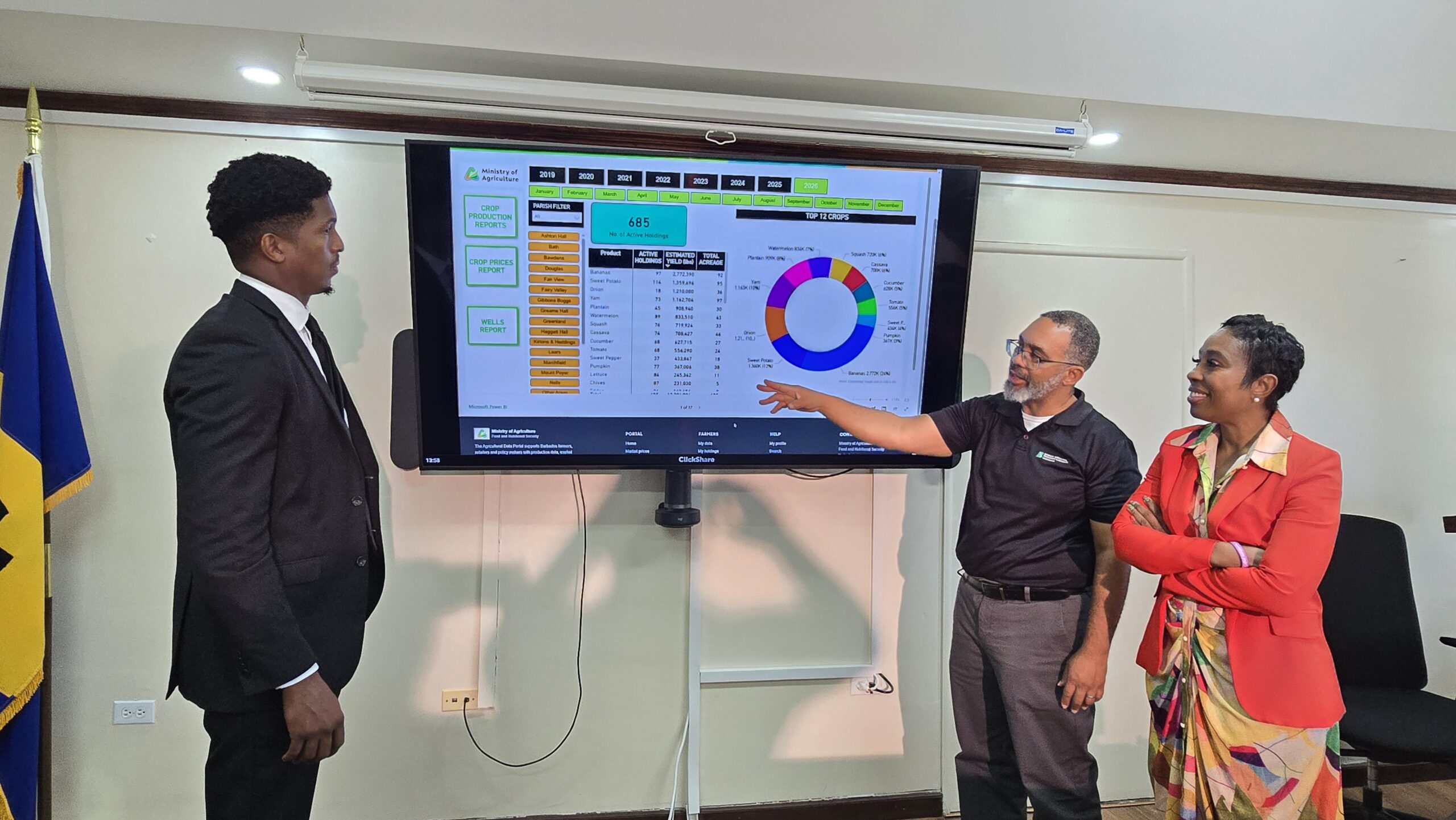
    In a step to build better data for evidence-based policy, the ministry launched a new agricultural data collection platform on Wednesday in partnership with the state-owned Barbados Agricultural Development and Marketing Corporation (BADMC). Right now, officials lack the comprehensive data needed to accurately calculate the total economic loss that monkey raids inflict on the local agricultural sector each year. The new platform is designed to fix this gap by enabling systematic, comprehensive data collection in collaboration with local farming communities, giving officials clear figures to guide future strategy and resource allocation.

    Monkey raids often leave crops damaged beyond recovery, forcing many local farmers to absorb significant, uncompensated financial losses year after year. Closing out her remarks, Dr. Munro-Knight underlined that solving the crisis cannot fall to the Ministry of Agriculture alone. Long-term sustainable solutions will require coordinated cross-agency collaboration with the Ministry of Environment, local academic institutions, and international development partners to deliver results that work for both farmers and wildlife.

  • Community policing initiative removes derelict vehicles from Coco Bottom and Goodwill

    Community policing initiative removes derelict vehicles from Coco Bottom and Goodwill

    A coordinated clean-up initiative across two residential areas in Dominica has successfully cleared dozens of derelict abandoned vehicles, marking a key step forward in the island nation’s push for safer, healthier public spaces. The operation, carried out across the Coco Bottom and Goodwill communities, brought together multiple governmental and response organizations to address the long-standing issue of unclaimed vehicles blighting residential neighborhoods. Leading the effort was the Commonwealth of Dominica Police Force (CDPF), which partnered with the Solid Waste Division, the National Authorizing Office, and Rapid Response Recovery to execute the removal work.

    This initiative is not an isolated clean-up, but a core component of the CDPF’s broader Community Policing Strategy, a framework designed to foster collaborative public safety work between law enforcement, local stakeholders, and community members. The strategy centers on proactive problem-solving rather than reactive response, targeting visible environmental and safety hazards that erode quality of life for local residents.

    Law enforcement and public health officials have outlined a wide range of risks posed by derelict vehicles left on public roads, sidewalks, and community green spaces. Beyond the obvious aesthetic blight of decaying vehicles, these abandoned units create hidden public health threats: they frequently collect stagnant rainwater, creating ideal breeding grounds for disease-carrying mosquitoes, while decaying interiors and accumulated waste also attract rodent populations that can spread pathogens to nearby homes.

    Safety risks extend far beyond public health, officials added. Abandoned vehicles often block narrow residential roads and critical pedestrian pathways, creating hazards for drivers, cyclists, and walking residents, particularly children and elderly community members. In some cases, law enforcement has documented that these unused vehicles are repurposed as hiding spots for illegal activity, ranging from drug storage to trespassing, undermining community safety.

    Environmental and fire risks add another layer of concern. Leaking automotive fluids from decaying engine components can seep into local soil and groundwater, introducing toxic contaminants that harm local ecosystems and potentially impact residential water quality. Dry, decaying rubber and upholstery in derelict vehicles also create a significant fire hazard, especially during Dominica’s dry season, where a small spark can ignite a blaze that spreads to nearby vegetation or structures.

    Following the completion of this round of removals, the CDPF has issued a formal public advisory to all vehicle owners across Dominica. Residents who currently hold unused, non-operational vehicles on public land are urged to move and dispose of them properly through official waste channels immediately. Any unclaimed derelict vehicles remaining on public roads or community spaces after this notice will be removed by authorities without further advance warning and disposed of at the official municipal landfill, the CDPF confirmed.

    In a closing statement, the CDPF emphasized that maintaining safe, clean communities is a shared responsibility, calling for ongoing collaboration between residents, local businesses, and governmental agencies to address hazards before they escalate into larger public issues. “Let us work together to keep our communities safe, clean, and free from hazards,” the statement concluded.

  • Veteran education official pushes for more student talent platforms

    Veteran education official pushes for more student talent platforms

    As Barbados deepens its international cultural and educational collaboration networks, a seasoned senior education leader is making a final push to reshape how the country approaches student success, arguing that young people with talents outside traditional academics deserve the same resources and support to thrive as their academically gifted peers.

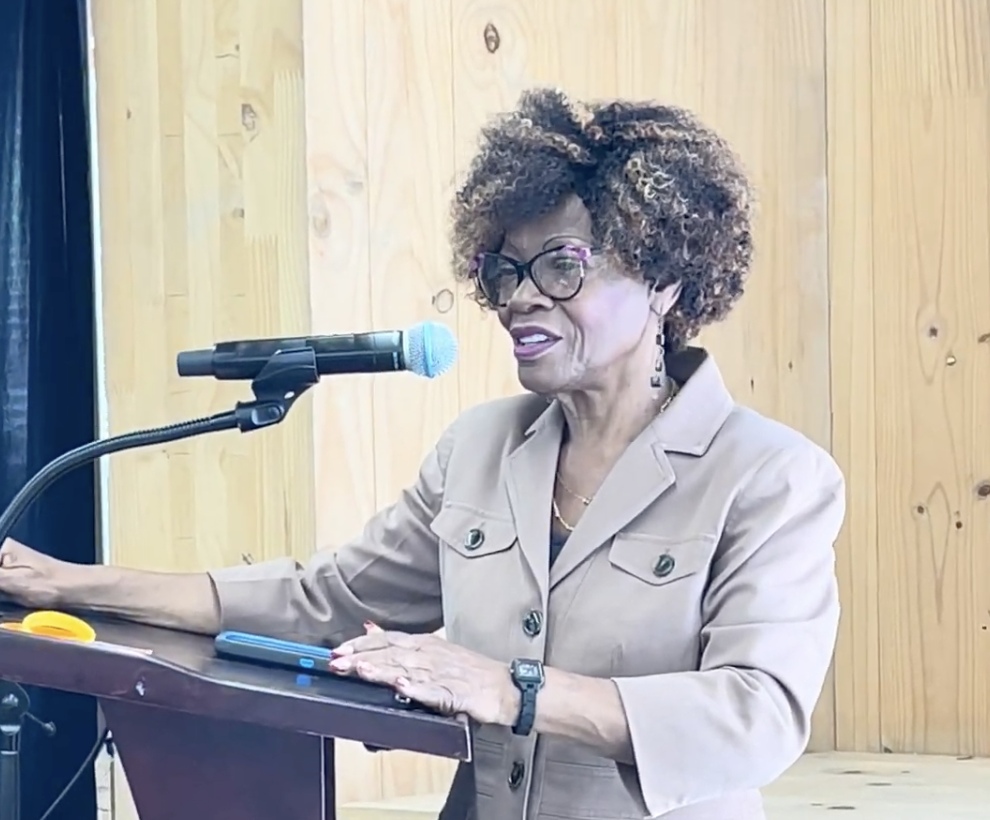
    Idamay Denny, a former deputy chief education officer who led the Barbadian government’s flagship education reform initiative and currently serves as a strategic policy advisor for the Ministry of Education Transformation, shared her vision Wednesday during a cultural exchange showcase at the Oceana Innovation Hub. The event brought together students from New York’s Performing Arts Technology High School (PATHS) and two local Barbadian secondary schools, St Leonard’s Boys’ School and Coleridge and Parry School, for cross-cultural collaborative performances and skill-sharing.

    Denny, who is set to officially retire from her government post this Friday, told attendees that the energy and creativity on display at the showcase reinforced her longstanding argument for overhauling education investment priorities. “What I saw here this morning reinforces what I tell the people in the ministry about investing in our students in terms of transformation,” she said. “We have to give you things that when you wake up in the morning, you want to get to school, and activities like what we saw here this morning are those kinds of activities.”

    The showcase itself is a core component of a formal partnership between the Ministry of Education Transformation and the non-profit initiative I WILL GRADUATE, which hosted the PATHS student band on the island for a week of cultural exploration and collaborative learning with local young people. A reciprocal trip for Barbadian students to visit New York is already planned for the coming months.

    A central pillar of Denny’s advocacy is challenging the outdated perception that creative fields like music and the arts are secondary extracurriculars rather than viable long-term career pathways. She emphasized that today, creative industries represent one of the most reliable routes to sustainable, well-paying employment for young people — a far cry from the norm when she was a student.

    “Once upon a time when I was a girl going to school, nobody thought that music was going to be the thing that was going to carry you somewhere in life. We saw that as a little extra thing by the side. But nowadays, music is one of the biggest pathways to sustainable employment,” she explained.

    Denny pointed to standout performances from PATHS students during the showcase to illustrate how the creative industries are evolving and opening doors for underrepresented groups. Highlighting a young female trumpet player who took the stage, she noted that the historically male-dominated professional music space is becoming far more inclusive. “Once upon a time then we saw bands… All men. But can you see from her that we can have some real good women playing in these bands. I will not be surprised if God allows me to live another 10 years to turn on my TV one day and see her playing in a band. She’s that good. Her heart is in it.”

    She also reserved praise for a young PATHS vocalist, telling the audience she has the raw talent to become a global entertainment star. “When I saw you, I thought I would see you in one of those shows X Factor, The Voice… all of those things where people go and their whole career gets made in that moment while they’re there performing. I could see you on one of those shows winning and then becoming a big-time star.”

    Across all her remarks, Denny stressed that schools must expand their definition of success to recognize and nurture skills beyond core academic subjects. “Yes, we want you to go to school and we want you to do well academically, but we don’t want you to think that academics is all. There are other things. You have other talents and we want to provide the mechanisms; we want to provide the infrastructure for you to do well with all those talents that you have,” she said.

    Even as she prepares to leave her formal government role, Denny made clear she has no plans to step away from advancing arts-integrated education and international exchange. “This is only the beginning,” she said. “As I said, I am leaving this job… But I won’t be gone from this because I want to see this develop.”

    She added that centering non-academic talent has been a core goal of her work shaping the ministry’s ongoing education transformation agenda. “We know that we have children who are not the best academically… We know there are children who have other talents. We know there are children who want to do other things. Why don’t we put the infrastructure in place to help those children do those things?”

    The exchange also offered a powerful example of how creative collaboration builds soft skills like leadership that traditional classroom learning often struggles to foster, Denny noted. During the event, a student from St Leonard’s Boys’ led a workshop teaching visiting PATHS students how to play the traditional Barbadian steel pan — an experience Denny called a clear display of emerging leadership.

    “That was leadership. We want children to develop leadership skills. It doesn’t only come from learning English and History and Science; it comes from this sort of activity too,” she said. “When I saw the boys from St Leonard’s standing beside their counterparts from PATHS, guiding them into how to play the scale on the steel pans, I saw leadership in action. These children are bright, brilliant children, but we don’t feel so. So we have to expand what we call brilliance.”

    Closing her remarks, Denny thanked the PATHS delegation for selecting Barbados as the host for the exchange initiative and reaffirmed her commitment to supporting the growing partnership, including the upcoming reciprocal student trip to New York. “I am going to spend some time helping to develop this collaboration,” she said.

  • Youth voices drive engaging discussions at IICA Grenada’s 2026 Accountability Seminar

    Youth voices drive engaging discussions at IICA Grenada’s 2026 Accountability Seminar

    On May 20, the Grenada Cricket Stadium played host to the 2026 IICA Grenada Accountability Seminar, a landmark gathering centered on the critical theme of advancing youth development in agriculture. Bringing together young aspiring producers, government leaders, agricultural industry stakeholders, and global and regional development partners, the event carved out dedicated space to unpack actionable strategies for expanding and deepening youth engagement across Grenada’s agricultural sector, while also giving the Inter-American Institute for Cooperation on Agriculture (IICA) a platform to share its progress on ongoing support for the island’s national agricultural development goals.

    Opening the proceedings, Gregg Rawlins, IICA’s representative for the Organization of Eastern Caribbean States (OECS), laid out the institution’s comprehensive eight-pillar regional strategy designed to empower and engage young people in agriculture across the Eastern Caribbean. The framework prioritizes four core priorities: strengthening interconnected youth agricultural networks, expanding equitable access to cutting-edge training and digital agricultural technology, backing youth-led agri-entrepreneurship, and shaping enabling policy environments that remove barriers to youth participation. Looking ahead to next steps in Grenada, Rawlins confirmed IICA’s commitment to partnering with the national government and other local stakeholders to launch a dedicated national youth in agriculture network, building on recent OECS regional youth-focused initiatives to drive the strategy’s implementation on the ground.

    Hon. Lennox Andrews, Grenada’s Minister for Agriculture, Lands and Forestry, reinforced the national government’s unwavering commitment to positioning young people as the central driving force of the country’s agricultural transformation. This transformation, Andrews emphasized, will be rooted in agricultural modernization, climate-smart production practices, youth entrepreneurship, and value-added processing that boosts profit margins for young producers. To deliver on this commitment, the minister outlined a suite of targeted interventions aimed at removing the most common barriers young people face: expanded access to affordable land, tailored financing options, hands-on skills development, and support for innovative production practices. He detailed ongoing skills training offerings already available through the government’s extension services and dedicated youth desk, including short courses covering crop and livestock production, protected agriculture, and industry-standard good agricultural practices. The Fisheries Division, he added, offers specialized training for young fishers in safe product handling and value-added processing, while partnerships with regional institutions including IICA and the Caribbean Agricultural Research and Development Institute (CARDI) have already delivered training in climate-smart agriculture, sustainable water management, drought and pest-resilient crop varieties, and effective use of climate data for farm planning. In a major policy announcement, Andrews revealed the government’s plan to acquire 102 acres of agricultural land, which will be subdivided into plots and made exclusively available to young people seeking to enter or expand their operations in the sector.

    Senator Seville Francis, Parliamentary Secretary in the Ministry of Youth and Sport, further outlined the range of government-backed support programs designed to help young people access critical agricultural resources, skills training, and business development support. Francis noted that young farmers registered with national extension services or included on the official national farmers registry are eligible for a range of in-kind support, including free seeds, planting materials, fertilizer, irrigation equipment, one-on-one technical advice, and connections to formal regional and international markets. For young entrepreneurs with viable business plans, she added, financing and tailored entrepreneurial support for agricultural ventures is available through the Grenada Development Bank and broader national micro, small, and medium enterprise (MSME) support initiatives.

    A core highlight of the seminar was its open, interactive format, which gave young farmers and agri-entrepreneurs direct access to policymakers and development partners to raise the specific challenges they face and collaborate on solutions. A youth-led dialogue facilitated by young farmer Bevon Charles centered on the most pressing barriers to entry and growth — particularly limited access to affordable land and affordable financing — while also highlighting untapped opportunities in technology-driven innovation and value-added processing. Attendees explored a range of emerging high-growth sub-sectors that hold particular appeal for young producers, including digital agriculture, hydroponics, climate-smart production technologies, drone applications for farm management, protected agriculture, and local value-added processing, all of which can boost profitability and make agriculture a more attractive career path for young Grenadians.

    Additional program contributions included a presentation from Cindy Lewis, project manager for the Grenada Young Entrepreneurs in Agriculture and Agribusiness Project, who outlined ongoing efforts to boost national agricultural output through targeted financial grants for small-scale producers and professional certification opportunities for young agricultural workers. One of the most significant outcomes of the seminar was renewed collective momentum to establish the long-discussed national Youth in Agriculture Network, a dedicated platform for advocacy, knowledge sharing, and collaboration among young people working across the agricultural sector. Work on the network is already underway under the CDF Young Entrepreneurs in Agriculture Project, with ongoing technical and strategic support from IICA.

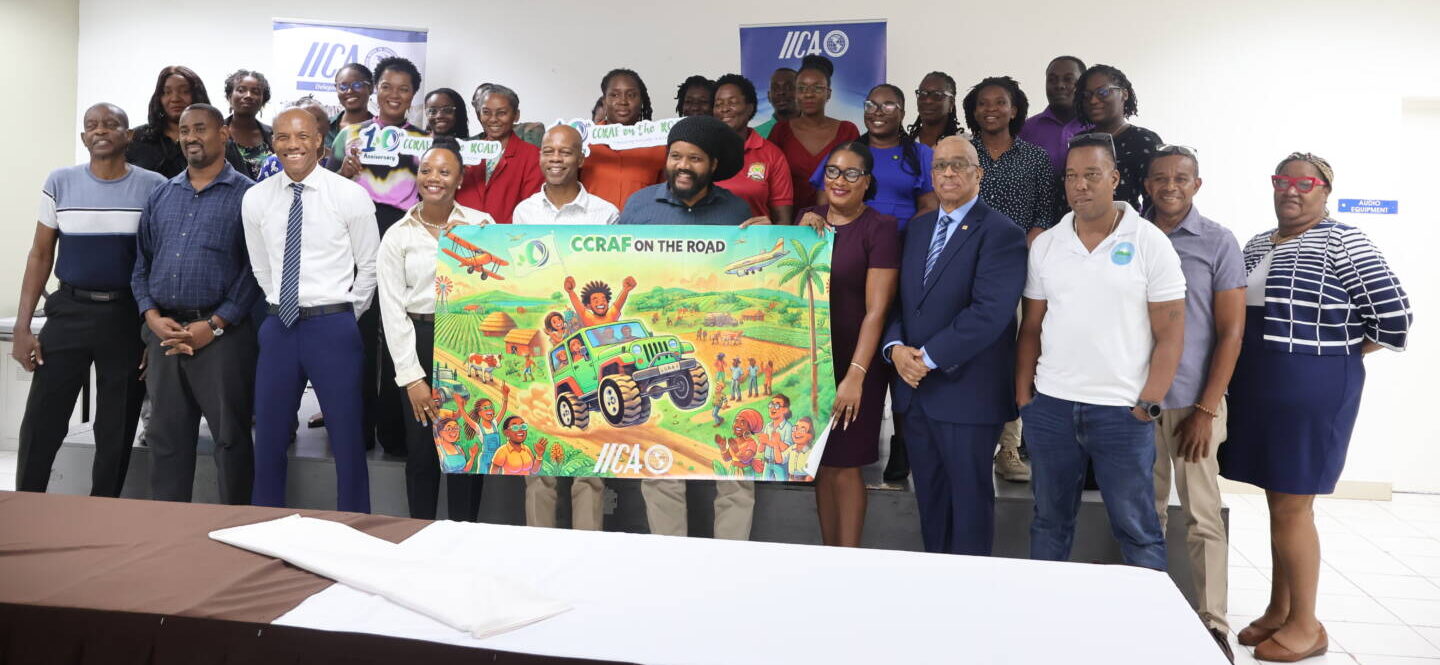
    Gregory Delsol, IICA Grenada’s technical specialist, also updated attendees on the progress of two key ongoing IICA initiatives on the island: the construction of a climate-friendly solar-powered sea moss drying facility, and the Global Water Partnership-Caribbean (GWP-C) Alliance Water Conservation and Improved Irrigation Project, which aims to boost water security for Grenadian farmers amid growing climate volatility. Coordinators from the Caribbean Climate Responsive Agriculture Forum (CCRAF), who were on island for the forum’s “CCRAF on the ROAD” outreach series, also used the occasion to recognize participants who successfully completed the Beginner to Business (B2B) three-part entrepreneurship webinar series for young producers.

    By the close of the seminar, all participating stakeholders reached a shared conclusion: sustained cross-sector collaboration between the national government, regional institutions, youth-led groups, development partners, and the private sector is essential to building a more inclusive, resilient, and innovative agricultural sector that can attract and retain the next generation of agricultural leaders in Grenada. Attendees unanimously emphasized that investing in youth empowerment in agriculture is not just a priority for young people — it is a critical foundation for long-term food security, ongoing innovation, and climate resilience across Grenada’s entire agri-food system.

  • $25M Spent, Still No “Rightful Magic Recipe” Against Sargassum

    $25M Spent, Still No “Rightful Magic Recipe” Against Sargassum

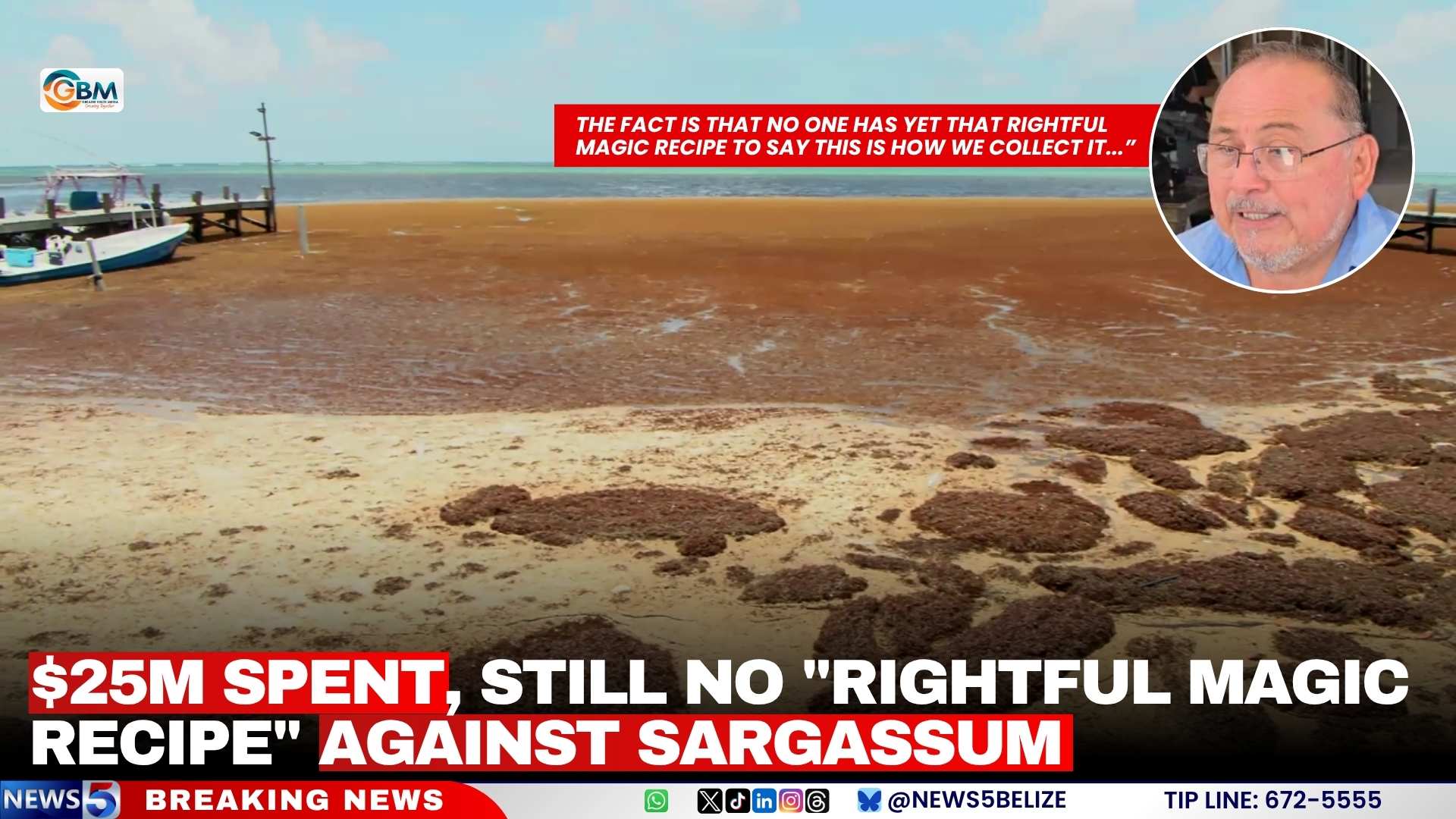
    For years, Belize has poured millions of dollars into countering an escalating threat to its coastline: massive, unchecked invasions of sargassum seaweed that smother popular beaches, cripple local tourism, and upend life in coastal communities. Yet despite the steady flow of funding and dozens of proposed solutions, government officials confirm no viable, scalable fix has emerged to turn the tide against the growing crisis.

    Andre Perez, Belize’s Minister of Blue Economy and representative for the rural southern region, recently shared the grim reality of the country’s anti-sargassum efforts in an interview with local outlet News 5. While dozens of entrepreneurs and innovators have pitched a wide range of strategies for repurposing and removing the invasive seaweed, none have delivered a permanent, workable resolution.

    “The truth is, nobody has cracked that perfect magic recipe that tells us exactly how to eliminate this problem,” Perez explained. He emphasized that the only truly effective approach to stopping sargassum damage requires intercepting and removing the dense floating mats of seaweed out on the open ocean, before they can drift ashore. Once sargassum washes up onto beaches, it quickly begins to rot, creating foul odors, driving away tourists, and disrupting coastal ecosystems. Without a reliable at-sea collection system, the damage continues unabated.

    To date, the financial toll of the crisis has already been steep. Perez confirmed that the island town of San Pedro alone has spent $25 million on ongoing beach cleanup efforts to clear rotting sargassum from its shorelines. For other hard-hit coastal communities including Hopkins, Caye Caulker, Seine Bight, and Placencia, the Belize Tourism Board (BTB) provides up to $10,000 per month to support local cleanup work. Even with this consistent funding and effort, however, the sargassum invasions keep intensifying.

    The U.S. National Oceanic and Atmospheric Administration (NOAA) currently rates large stretches of Belize’s coastline as facing “High Coastal Risk Levels” for sargassum wash-ups, and long-term forecasts indicate the 2026 season will bring even worse conditions than previous years.

    In response to the crisis, a handful of pilot programs in southern Belize are testing experimental strategies to turn the invasive seaweed into usable products, including agricultural fertilizer, decorative art, construction bricks labeled “sarga-blocks”, and sand supplement for public works projects. These initiatives prioritize ecological at-sea collection to prevent sargassum from reaching shore in the first place. While Perez praised these exploratory efforts as welcome steps forward, he acknowledged that none of the programs have yet demonstrated they can work at scale to solve the crisis. “We have yet to see it working,” he stated of the ongoing trials.

  • IN PICTURES & VIDEO: Fibreglass-reinforced plastic fishing boats for fishermen at Layou

    IN PICTURES & VIDEO: Fibreglass-reinforced plastic fishing boats for fishermen at Layou

    A long-awaited development for small-scale fishing communities in Layou is coming to fruition this afternoon, with a formal handover ceremony scheduled to deliver modern fibreglass-reinforced plastic fishing boats to local beneficiary fishermen at the Layou Fish Landing Site, kicking off at 3 p.m.

    For generations, many fishermen operating out of Layou have relied on aging, less durable vessels that struggle with rough coastal conditions and require frequent, costly repairs. The introduction of fibreglass-reinforced plastic (FRP) boats marks a significant upgrade over traditional wooden craft, offering superior corrosion resistance, longer service lifespans, lighter hull designs that improve fuel efficiency, and better structural stability on open water.

    The initiative, which targets local fishing households that depend on the industry for their primary livelihood, is designed to boost the productivity and safety of small-scale fishermen working in the region. Local community leaders and fisheries development stakeholders are expected to be in attendance at the handover, marking a key milestone in efforts to support the sustainability of Layou’s coastal fishing sector.

  • Sir Hilary Beckles joins colleagues in mourning death of Sir Aziz Hadeed

    Sir Hilary Beckles joins colleagues in mourning death of Sir Aziz Hadeed

    The wider community of the University of the West Indies (UWI) is mourning the loss of Sir Aziz Hadeed, KCMG, CBE — a prominent Antigua and Barbuda-based businessman, public servant, and lifelong education advocate — with top regional leaders and university colleagues sharing tributes to his decades of service and transformative impact.

    In separate official statements released by UWI Five Islands Campus and the central Office of the UWI Vice-Chancellor, leaders outlined the profound legacy Sir Aziz leaves behind, particularly through his unwavering commitment to expanding educational access across the Caribbean region and driving national and regional development.

    A well-respected figure across public and private spheres, Sir Aziz held multiple senior public roles throughout his career: he served as a former Independent Senator, a former Cabinet Minister, and Dean of the Diplomatic Corps for Antigua and Barbuda. When UWI Five Islands Campus was formally established in August 2019, Sir Aziz was selected as the campus’ very first Council Chairman. He won reappointment for a second term in 2024 and held the leadership position up until his passing.

    Throughout his tenure, Sir Aziz steered the young campus through some of its most critical formative moments. His leadership guided the institution through its 2019 official launch, the unprecedented operational disruptions brought on by the global COVID-19 pandemic, and the negotiation of a landmark $80 million development partnership with the Saudi Fund for Development, secured in 2023.

    Under his strategic governance, the campus achieved explosive growth: student enrollment has surged from just 173 students in its inaugural academic year to more than 1,400 enrolled students today. Sir Aziz remained actively engaged in campus leadership up to his final days, chairing the March 2026 Council meeting themed “Building Beyond Borders.”

    UWI Vice-Chancellor Hilary Beckles highlighted that even in the relatively short time Sir Aziz led the campus council, he emerged as one of the university system’s most passionate and effective advocates across the Caribbean. “Within the short time span of graduation cycles, Sir Aziz Hadeed secured a reputation as a solid and passionate champion of The UWI’s mandate in Antigua and Barbuda, and beyond,” Beckles said in his statement.

    Beckles added that Sir Aziz moved quickly to lay strong, sustainable operational foundations for the Five Islands Campus Council, bringing clear strategic direction to all governance decisions and actions for the growing institution. Beyond his professional contributions, Beckles emphasized that university leadership held deep personal respect for Sir Aziz’s values and character.

    “Pro Vice-Chancellor and Campus Principal, Professor C. Justin Robinson, and I came to respect and celebrate him as a lover of education who relished in the academic development of the youth. We admired his commitment to social justice and his passion for philanthropy. His impact on the University culture was considerable. We all benefited from his wisdom and friendship. We shall miss his mind and his calming manner,” Beckles noted.

    On behalf of the entire UWI system, Beckles extended sincere condolences to Sir Aziz’s family, friends, and colleagues, noting that the Caribbean region will continue to honor his transformative contributions and enduring legacy. “Together we shall celebrate the outstanding contributions of his life. May his soul rest in peace,” he said.