分类: society

  • Traffic arrangements: CARIFTA Games, National Stadium

    Traffic arrangements: CARIFTA Games, National Stadium

    As Grenada prepares to host the 53rd edition of the CARIFTA Games in 2026, the Royal Grenada Police Force (RGPF) has announced a full set of adjusted traffic regulations to keep movement orderly around the event’s primary venue, the Kirani James Athletic Stadium. The special arrangements will run from Saturday, April 4 to Monday, April 6, 2026, and will be enforced daily between 5:00 a.m. and 11:00 p.m.

    To guide inbound vehicle traffic to the stadium, all motorists heading to the venue will be required to access the site via two designated routes: the Queen’s Park Ring Road starting from its intersection with Cherry Hill in St. George, and the Hump Back Bridge connection to River Road Public Road. Once daily competition concludes, no vehicles will be permitted to enter the venue area at all. Critically, the RGPF has emphasized that no entry will be granted to motorists approaching the stadium from the Mt Gay or Mt Rush directions.

    Several additional road sections will be completely closed to vehicle traffic throughout the event. These include Old Fort public road starting from its junction with Lucas Street, Cemetery Hill from its intersection with Church Street, and the section of the Ring Road stretching from the Mt Rush Public Road junction toward Humpback Bridge.

    To accommodate all attendees and personnel, the RGPF has rolled out a segmented parking plan tailored to different groups. VIPs will be allocated parking in the concrete paved zone directly in front of the Kirani James Athletic Stadium, while official event personnel will park in the lot immediately to the left upon entering the stadium grounds. Media outlets, catering vendors, and senior police officers working on-site during the games will use the grass parking area located on the left side of the main stadium car park entrance. Performers participating in activities at the event’s Culture Village will park at the rear of the National Cricket Stadium near the River Road end, an area typically reserved for VIP parking. Buses carrying athletes and team management staff will be assigned parking at Gate 6, immediately to the left of the entrance.

    For general spectators, two public parking zones have been designated: the Wesley College ground, and the right side of Gate 6 upon entry. Multiple high-traffic areas around the venue have been marked as no-parking zones to prevent congestion, including Melville Street from the Fish Market to Keep Left, the stretch from Keep Left to Cherry Hill (including the entire Queen’s Park Public Road), the section from the Cemetery Hill and River Road intersection to Purcell’s Lumber Yard, both sides of the stadium ring road, and Mt Rush public road from its junction with the Stadium Ring Road up to the start of the hill.

    At the end of each day’s events, three major roads will be converted to one-way traffic flow to ease post-event exit congestion: River Road public road will only allow travel toward the DeCaul roundabout, Mt Rush public road will be one-way toward Mt Gay, and Mortley Hill will only permit travel toward Sans Souci.

    The RGPF also confirmed a pre-planned emergency access route: all emergency response vehicles will travel along Cemetery Hill, Church Street, and Grand Etang Road to reach the General Hospital if needed. This announcement was officially released from the Office of the Commissioner of Police.

  • Project Polaris Groundbreaking Ceremony

    Project Polaris Groundbreaking Ceremony

    On a historic plot of land that has carried centuries of Grenadian narrative—from Indigenous Amerindian settlement through colonial slave and sugarcane plantations—Prime Minister Dickon Mitchell has officially launched the groundbreaking ceremony for Project Polaris, the nation’s ambitious new state-of-the-art Grenada General Hospital. Far more than a construction milestone, the event marked a defining step forward for the island nation’s long-term national development plan, Vision 75, which aims to transform Grenada into a resilient, inclusive, innovation-driven economy by its 75th independence anniversary in 2050.

    For more than a century, Grenada’s existing General Hospital, originally built as a colonial infirmary by French rulers, has stood as a quiet witness to the nation’s tumultuous history. It survived the 1850 Great Fire of St. George’s, weathered devastating hurricanes Janet and Ivan, and endured through Grenada’s political revolution. Over generations, successive governments have patched and expanded the aging facility: adding new wings, expanding overcrowded wards, repainting walls, and repairing leaky roofs. But officials have long acknowledged that retrofitting a 19th-century structure to meet 21st-century clinical standards is no longer feasible. For years, Grenadian healthcare workers have delivered life-saving care against steep odds, working within severe space constraints while the public has waited patiently for systemic change. Today, that change finally begins, Mitchell emphasized.

    The path to this groundbreaking ceremony was the result of deliberate, accelerated action by Mitchell’s administration, which took office in 2022. Built on the non-negotiable principle that all Grenadians deserve access to world-class healthcare without leaving their home country, the project moved from concept to land acquisition in just 12 months, with the 2023 purchase of the strategic plot from the Neckles family. Mitchell highlighted the family’s stewardship of the land for a full decade, from 2013 onward, when they chose to hold the entire parcel intact rather than subdivide and sell it for private development, recognizing its long-term strategic value to the nation.

    Mitchell acknowledged that the road ahead still holds significant hurdles, from financial constraints to logistical challenges, and that skeptics have questioned the project’s feasibility. But he reaffirmed that the government’s commitment to delivering tangible progress for the Grenadian people remains unwavering. Years of rigorous feasibility studies, environmental impact assessments, and intensive negotiations have laid a strong foundation for the project, which is designed not just as a new hospital building, but as a sustainable, integrated ecosystem of care. Today’s ceremony moves the project from planning to active construction, turning a decades-long policy discussion into tangible progress.

    Project Polaris stands as the cornerstone of Vision 75, the government’s national development roadmap. “You cannot have a wealthy nation without a healthy nation,” Mitchell noted, framing public health as the bedrock of all national prosperity. A productive economy depends on a healthy workforce, and a thriving society cannot exist without a modern, accessible healthcare system that meets the needs of all citizens. Echoing the transformative impact of two of Grenada’s most iconic national infrastructure projects—the Maurice Bishop International Airport completed in 1984 and St. George’s University founded in 1977—Project Polaris is set to reshape the nation’s trajectory. During construction, the project will create hundreds of local jobs, and once completed in 2029, it will support thousands of high-skilled clinical and support roles, strengthening Grenada’s human capital for decades to come.

    The new hospital facility is the core infrastructure, or “hardware,” of a broader public healthcare transformation that includes complementary policy and system reforms, labeled the initiative’s “software.” Key reforms include transitioning hospitals to a semi-autonomous management structure to speed up procurement, improve operational efficiency, and boost maintenance standards; laying the regulatory and financial groundwork for a national universal health insurance scheme that will eliminate the cruel choice for Grenadians between life-saving care and losing their life savings; revitalizing local community health centers and village medical outposts to expand preventative primary care, reducing the burden of advanced illness on the acute care hospital; and implementing a system-wide quality improvement program at the existing General Hospital to boost patient experience and clinical outcomes immediately, while construction on the new facility progresses.

    Beyond improving domestic care, Project Polaris will position Grenada as a regional leader in healthcare excellence among the Organisation of Eastern Caribbean States (OECS), turning the Spice Isle into a global health tourism destination and a regional hub for specialized clinical care. To mark the occasion, the government of Grenada signed a new Letter of Intent with CAF, the Development Bank of Latin America and the Caribbean, outlining a framework for expanded collaboration to strengthen the nation’s health sector, advance digital health integration, and develop sustainable, high-impact initiatives that improve health outcomes for all Grenadians. Mitchell extended an open invitation to local private sector stakeholders, the Grenadian diaspora, and international partners to join the project, framing the initiative as proof that small island developing states can lead regional progress when they commit to bold ambition. “Grenada is no longer a passenger in the story of Caribbean development; it is a pilot,” he said.

    To underscore the shared responsibility of building a healthier nation, every member of the Grenadian Cabinet has pledged to donate one month of their annual salary to the project each year until its completion in 2029. Mitchell extended a call to all Grenadians at home and abroad to join the effort, whether through public advocacy, personal commitment to healthy lifestyles, or direct partnership. Beyond bricks and mortar, he framed the project as a shift in national mindset: health is not just a service to access when illness strikes, but a collective priority to protect every day.

    In closing, Mitchell extended gratitude to the cross-government team that brought the project to this milestone, international development and financing partners, and the Neckles family for their stewardship of the land. He also recognized long-standing institutional partner St. George’s University, whose expertise in medical education will make the new hospital a hub for clinical training as well as patient care. “May God bless this project, and may God bless our beautiful nation,” he said.

  • From Barefoot Schoolgirl to Assistant Superintendent of Police

    From Barefoot Schoolgirl to Assistant Superintendent of Police

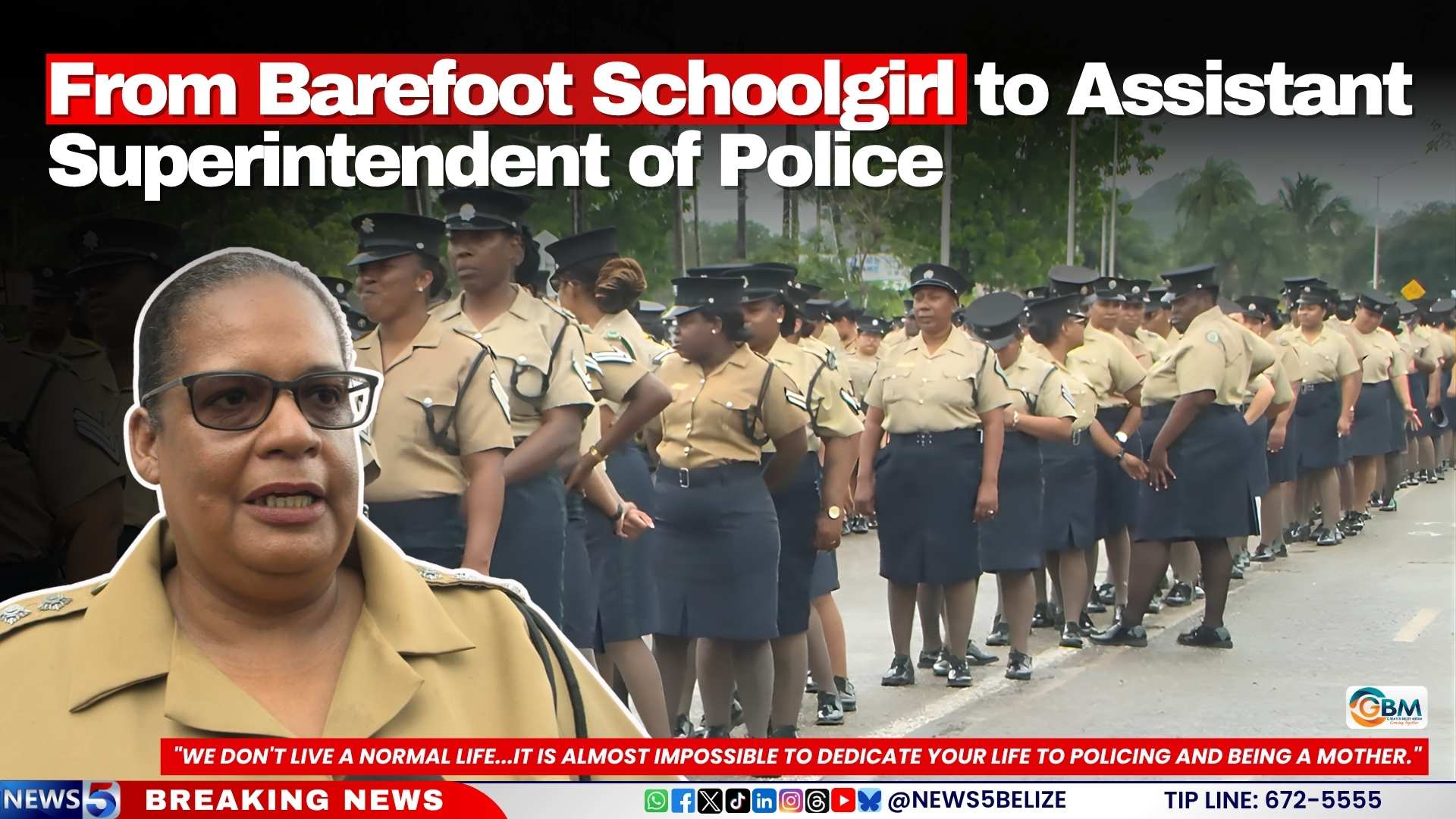
    As Women’s Month draws to a close in 2026, Belize is spotlighting an extraordinary story of grit and survival that defies every early-life obstacle stacked against a small-town girl who grew up to become one of the country’s leading law enforcement officers. Hortence Hernandez, now Assistant Superintendent and Press Officer for the Belize Police Department, has opened up about her decades-long journey from a poverty-stricken, abuse-plagued childhood to leading uniformed service, sharing unflinching insights into the unique barriers women in policing still face today.

    Hernandez’s earliest years were rooted in Crooked Tree Village, a remote rural community where she grew up with almost no material resources to her name. Unlike many children her age, she often walked to classes barefoot, frequently missed lessons to stay home caring for her younger siblings, and sometimes went entire school days without even a basic exercise book to complete assignments. “We were literally dirt poor,” she recalled in her candid interview. “Many days I go to school barefooted. I could remember I often don’t even have an exercise book to write in.”

    Her childhood was defined not just by poverty, but by chronic instability and abuse. She bounced between two households: a violent home with her mother and stepfather, and her grandparents’ home, which offered safety but remained crippled by financial hardship. One searing memory from her early school years still stands out: while sitting on her home steps laughing as neighbors gathered to play in the yard, her stepfather pressed a lit cigarette into her back before kicking her down the concrete steps. Now, as a survivor of both childhood physical and sexual abuse, she says she understands firsthand the isolating pain that keeps many victims from speaking out.

    These traumatic early experiences, paired with a childhood instinct to play “police” instead of leaning into traditional gendered play, set the course for her future career during a defining encounter at age 18. That day, she witnessed a severely injured woman stumble across a nearby field, her clothing nearly burned away, screaming that her partner had doused her and set her on fire. “From that day,” she said, “if ever I become a police officer, it is definitely at the Family Violence Unit I wanted to work.”

    When Hernandez finally left Crooked Tree Village, the opportunity to join the police force came almost by accident: a friend alerted her to the upcoming recruitment exam just 24 hours before it was scheduled. Even after passing the exam and earning a spot in training, the challenges had only just begun. Unable to afford required training gear, she made the desperate choice to pawn her mother’s wedding ring to cover costs. The only training shoes she could afford were too small, leaving her feet raw and bleeding every single day through months of drills. When she appealed for leniency, a female sergeant refused to grant her any accommodation. “It tested my faith, and I wanted to leave, but nonetheless, I prayed to God and said, ‘This is where I wanted to be.’ So I stuck it out,” she shared.

    That relentless perseverance would become a throughline in every part of her life, including her role as a parent. Over nearly 26 years, she raised five daughters almost entirely on her own, sacrificing countless birthdays, school events, and report card ceremonies to meet the demands of her shift work. She recalled a time when a school principal publicly shamed her for missing a parent event, completely unaware of the constant balancing act that working mothers in law enforcement are forced to navigate. “It is almost impossible to dedicate your life to policing and be a mother,” she said. “We don’t live a normal life.”

    Hernandez has also been open about ongoing challenges she has faced within the police department itself, pointing to a surprising source of tension for women in uniform. “Women are our own greatest enemies,” she argued. “At every point that a woman can get to bring down another woman, they will do that.” She recalled a particularly hurtful moment when fellow female officers openly celebrated when she was passed over for a promotion to sergeant.

    Despite every barrier, Hernandez never stopped prioritizing education alongside her rising career. She earned degrees in paralegal studies and public sector management, followed by a master’s degree in management, and only made her final student loan payment this past December. “Every step of what I do is God,” she said. For all her professional accomplishments, she calls her five daughters her proudest achievement; one has even followed in her footsteps and joined the Belize Police Department.

    When asked what advice she would give to young women considering a career in policing, she was unflinchingly honest. “I will never encourage a woman to become a police officer,” she said. “However, if you want to become one, do it because it is a calling, not a salary…You cannot be a police officer and give it 100% and be a mother and a wife and give it 100%.”

    As Women’s Month wraps up, Hernandez summed up what the uniform means to her in one word: resilience. “It means that you must always go above and beyond to protect and serve. Being a woman does not mean sitting behind a desk. It means that we will compete with men because we are capable of doing just as men are doing and even better,” she said. Hernandez will mark 26 years of service with the Belize Police this coming June, after joining the force on June 18, 2000.

  • From Sea to Plate: The Story Behind Every Bite of Belize’s Seafood

    From Sea to Plate: The Story Behind Every Bite of Belize’s Seafood

    For visitors and locals alike, Belize’s signature seafood dishes — tangy ceviche, crispy conch fritters, golden fried fish served alongside classic rice and beans — carry an unmistakable flavor of the Caribbean coast. But few stop to question the complex, multi-layered process that brings each fresh catch from open water to the dining table.

    Over the past several years, Belize has built a coordinated management system to govern every step of the seafood supply chain, from harvest to service. Core rules include designated fishing zones, species size limits, and seasonal fishing closures, all designed to safeguard the nation’s vulnerable marine ecosystems and ensure the fishing industry remains a viable livelihood for future generations of Belizeans. At the center of this sustainability push is the Belize Fund for a Sustainable Future, which funds targeted programs to connect responsible ocean harvesting with transparent, ethical end-to-end supply chain management.

    Building and maintaining this system, however, has proven far from simple, with regulators and conservation groups constantly adapting to address unforeseen gaps. For hundreds of coastal Belizean families, fishing is more than an industry — it is a multigenerational way of life that anchors local communities. While enforcement of catch rules at sea is well-established, senior officials with Belize’s Fisheries Department say the largest unaddressed challenge lies not in what is pulled from the water, but in what happens to the catch after it lands.

    Senior Fisheries Officer Adriel Castañeda explained that one of the weakest links in the current regulatory framework is the unregistered middle tier of the supply chain: vendors and brokers who purchase catch directly from fishers to resell to hotels, restaurants, and other bulk buyers. Currently, these actors operate outside formal registration requirements, creating a critical transparency gap. “We are going through the revision of our regulations, and some of the things that we’re including are for vendors, for those middlemen … to also be registered, because they are currently not registered. So, there’s a little gap, per se,” Castañeda said. He added that registered middlemen would also be required to report data on what they buy and where products are distributed, information that is essential for regulators to track total catch volumes and maintain accurate fisheries records. This unregulated gap leaves a portion of Belize’s seafood trade untraced, raising questions about the origin of some products, whether they were caught legally, and if they meet national sustainability standards. Closing this gap would not only strengthen marine protection efforts but also reinforce shared accountability across every actor in the seafood chain.

    Beyond formal government regulation, local communities and international conservation organizations have long played a central role in advancing Belize’s sustainable fishing goals. The Wildlife Conservation Society (WCS) has operated in the country for more than 40 years, focusing on scientific research, community education, and habitat protection to preserve vulnerable marine species. A key part of WCS’s strategy centers on engaging working fishers directly in data collection, rather than framing them as targets of regulation. This collaborative approach helps the broader fishing community understand catch patterns by species, location, and volume, turning that data into actionable conservation strategies that make fishers active partners in protection. Henry Brown, Technical Research Assistant at WCS, used the critically endangered Nassau Grouper to illustrate the impact of these rules. “Take the Nassau Grouper, a critically endangered species. Size limits help juveniles grow to maturity, while the larger ‘mega spawners’ hold the most eggs to replenish the population. These measures give the species a chance to bounce back,” Brown explained.

    Simple, targeted rules like size limits and closed spawning seasons do more to protect ecosystem health than many complex policy interventions, giving vulnerable populations time to reproduce and replenish. Kiefer Alvarez, Enforcement Coordinator at the Turneffe Atoll Sustainability Association (TASA), outlined how on-the-water enforcement works in practice: “Once a fisher has more than ten undersized conch, for example, he automatically commits an infraction. Once he has less than ten, we issue a written warning, and it all depends on our discretion because we can charge them for one, two, or three.” Brown emphasized the stakes of this work for the entire nation: “Our entire country is bounded by the sea, so the sea is one of our main resources, especially for our coastal communities, so by properly managing it as well as using sustainable fishing activities [we protect that future].”

    Accountability does not end when seafood leaves the supply chain and reaches the dining sector. Restaurants, food vendors, and everyday consumers are the final drivers of market demand, and their choices can either strengthen or undermine years of conservation and regulatory work. One Belizean business leading by example is Smokeez Seaside Restaurant & Bar, where owner Ramon Salgado has built his brand around working exclusively with a small network of vetted, trusted local suppliers to guarantee all seafood served is legally caught, ethically sourced, and fully traceable. Salgado noted that restaurants bear unique responsibility for shaping sustainable markets: “I think restaurants play an important role because we are the purchasers. If we continue as restaurants to purchase anything just so that we can sell it … at the end of the day, five or 10 years from now, we may not even have any conch or seafood to sell.” He added that regular, unannounced compliance checks from fisheries enforcement teams help keep local businesses accountable, creating a lasting culture of sustainable sourcing. “That keeps us in compliance,” he said. “It creates a habit for us to source sustainably.” For consumers, every menu selection is a choice that ripples back up the supply chain, influencing fishers’ practices and shaping the long-term abundance of Belize’s coastal waters.

    Ultimately, every bite of Belizean seafood is the product of a shared journey that links fishers, middlemen, regulators, conservation groups, restaurants, and diners in a common mission to protect the nation’s most precious coastal resource. Every decision, from what a fisher chooses to catch to what a diner orders off the menu, carries tangible consequences for the future of Belize’s oceans, the livelihoods of coastal communities, and the survival of the iconic cuisine that defines the country. As stakeholders continue to close gaps in the regulatory system, that mission remains clear: sustainable seafood is a shared responsibility for all.


  • Belize City Gears Up for Two-Night Holy Week Revival Concert

    Belize City Gears Up for Two-Night Holy Week Revival Concert

    As Holy Week 2026 approaches, the coastal capital of Belize is finalizing preparations for one of its most anticipated community gatherings: the biennial two-night Holy Week Revival Concert, organized by the Belize City Council. First launched in 2023, this unique fusion of spiritual worship and live gospel music is set to welcome attendees across two consecutive evenings, bringing together a diverse lineup of both homegrown Belizean talent and world-famous international gospel performers.

    Deputy Mayor Eluide Miller emphasized that the event is far more than just a musical series. Rooted in a vision of communal connection forged by Mayor Wagner, the concert was conceived to address a growing need for collective renewal and renewed hope among Belize City residents, Miller explained in a press statement ahead of the event.

    “When we first started planning this, Mayor Wagner put forward the idea that our city needed a moment of revival — a chance to reset, reconnect, and rebuild that shared sense of purpose,” Miller said. “This year, we have an incredible lineup of performing groups lined up, including the internationally acclaimed reggae gospel band Christafari and fan-favorite Sinach, who is returning to the stage after a previous appearance. What attendees can count on is an experience that welcomes entire families and centers on community bonding. We’re just hoping people turn out, enjoy the music, and leave feeling that sense of togetherness we’ve worked so hard to build.”

    While past iterations of the concert have drawn massive, enthusiastic crowds, the event has not escaped public criticism, most centered on questions about its use of public funds and overall cost. Taking that community feedback to heart, the Belize City Council implemented a major restructuring of the event’s funding model for the 2026 iteration, partnering with a mix of private sector businesses and public sector institutions to spread the cost and ease the burden on public coffers.

    So far, the collaborative approach has yielded strong results: Deputy Mayor Miller confirmed that organizers have already raised more than $100,000 in cash and in-kind donations from partners. The total projected cost for the 2026 concert comes out to $236,000, meaning the city council will only need to cover the remaining $130,000 — a sharp reduction in public expenditure compared to past events.

    Miller noted that the outpouring of private sector support speaks volumes about the event’s value to the city. “This level of backing shows just how much confidence the local business community has in this initiative,” he said. “They recognize what this event contributes to strengthening the social fabric of our city, and they’ve stepped up to help make it happen again this year.”

  • Verdachten in Vaco-brandstichtingszaak in hoger beroep

    Verdachten in Vaco-brandstichtingszaak in hoger beroep

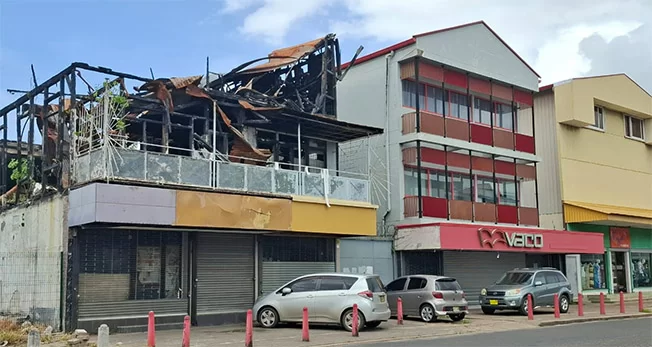
    More than a year after a devastating arson attack destroyed a beloved historic bookstore and damaged three adjacent city-center buildings in the Netherlands, two men convicted in the case have formally launched an appeal against their convictions and sentences. The appeal hearing got underway Monday, marking the next chapter in a case that has shaken the local community. At the original trial, defendant N.J. was sentenced to 10 years in prison, while co-defendant H.S. received a six-year custodial sentence. N.J. has long contested his conviction and sentence, arguing that he received disproportionate punishment because he was neither the mastermind nor the lead organizer of the arson plot, a claim he has reiterated throughout the legal process.

    According to N.J.’s statements to police, he was approached by H.S. to participate in the plan to set fire to one of the city center’s iconic green-and-white listed buildings. The pair were promised a payout of €10,000 for the attack from a figure identified only as “Lori,” who is alleged to be the person who ordered the arson. Lori and another man, identified as rapper K., were taken into custody in 2024 in connection with the plot, but were quickly released by the examining magistrate and will not face any further prosecution for the crime.

    N.J. also told investigators that he had only been released from prison for three months when he agreed to take part in the scheme. He initially claimed he had only been asked to provide a taxi ride for the group, but admitted under judicial pressure that he had thrown an oil-soaked rag into the fire to help the blaze spread more quickly.

    The targeted building on Domineestraat, which housed the well-known Vaco Bookstore, was set on fire on January 15, 2024. The blaze quickly spread beyond the original structure, leaving three other nearby buildings also damaged by fire. In the wake of the attack, Vaco has offered a $50,000 reward for any information or witness statements that can lead to the identification and prosecution of the actual mastermind behind the arson. The appeal case is scheduled to resume in June, with no further updates on proceedings expected before that date.

  • MP Baltimore Donates Medical Supplies to Glanvilles Polyclinic

    MP Baltimore Donates Medical Supplies to Glanvilles Polyclinic

    A prominent Antiguan legislator has delivered a tangible boost to local healthcare access, with a targeted donation of essential medical goods to one of the country’s community care hubs. Randy Baltimore, the Member of Parliament for the St. Philip’s North constituency, has confirmed that the contribution of assorted medical supplies was delivered this week to Glanvilles Polyclinic, with the dual goal of strengthening direct patient care and easing the burden on frontline clinical teams.

    In comments shared following the donation, Baltimore emphasized the foundational role that accessible, well-resourced local healthcare facilities play in sustaining healthy, thriving communities across the nation. “Healthcare facilities are the backbone of our communities,” Baltimore stated, noting that consistent, practical support for clinical staff working on the front lines of care is non-negotiable for keeping community health systems strong.

    Visual documentation of the donation, shared alongside the official announcement, shows a range of items including mobility support devices and packaged clinical supplies staged at the polyclinic ahead of distribution to clinical teams. The donation addresses ongoing gaps in resource access that many small community clinics face, directly benefiting both patients who rely on the facility for regular care and the staff who serve them daily.

    Closing out his statement on the contribution, Baltimore reaffirmed his longstanding dedication to delivering tangible improvements for the residents he represents. “St. Philip’s North, the work continues,” he said, signaling that more investments in constituency infrastructure and public services are planned in the coming months.

  • Parents oppose teen boy’s ‘SURE’ Programme placement

    Parents oppose teen boy’s ‘SURE’ Programme placement

    A viral campus brawl at Doris Johnson Senior High School has sparked a heated dispute between the families of two student defendants and Bahamas’ Ministry of Education, over a controversial decision to reassign the teens to a specialized behavioural intervention program. The two 16-year-old eleventh graders, Kenaj Bain and Durell Farrington, were officially charged with disorderly fighting following the altercation that was filmed and spread widely across social media last month.

    After the pair entered guilty pleas, the court handed down a sentence that included mandatory conflict resolution counselling and a set number of community service hours. Bain was also given a two-week out-of-school suspension, with both students cleared to return to their regular classes once the suspension term was completed. But when the teens arrived back on campus, they received an unexpected notification: instead of resuming their normal studies, they would be reassigned to Programme SURE for a six-month term.

    Programme SURE is a Ministry of Education initiative created to support students who struggle with persistent behavioural challenges, offering instruction in a smaller, more tightly structured learning environment tailored to their specific needs. However, the mothers of both students are vehemently opposing the placement, arguing it is an unfair and inappropriate penalty that does not fit their children’s records or roles in the brawl.

    Farrington’s mother, Anya Taylor, claims her son was not an active participant in the fight at all — he only stepped in to protect Bain when the altercation turned violent. She emphasized that her son has never faced disciplinary action during his time at the school, noting, “If you check his record, he never got in problems in school. I just drop him to school and pick him up. I does be there before the bell even ring so he don’t even have time to be idle.”

    For Bain’s mother, nurse Kelda Forbes, the situation is even more distressing. She says her son only fought back in self-defense after he was struck with a rock by another student. Like Taylor, she insists Bain is not a problem student — teachers regularly praise his academic performance, and he is on track to graduate next year, with ambitions of becoming an orthopaedic surgeon. Last year, Bain completed the competitive Doctor’s Hospital STEM program, ranking among the top male participants in his cohort. Forbes has raised serious questions about how a six-month placement in the alternative program will derail his final year of high school, noting the term spans more than half of his grade 12 studies.

    Forbes also alleges that the decision to place Bain in the program stems from a long-running strained relationship between her son and a senior school administrator, not his role in the recent brawl. She traced the tension back two years, when Bain transferred to the school from the United States while grieving the death of his father. She claims that in a 2024 incident, a school security officer struck Bain first, injuring him, but the school initially moved to suspend Bain. After the family escalated the issue to the Ministry of Education, a review cleared Bain, the officer was removed from the school, and a formal apology was issued.

    Later that same year, Forbes says another unfair incident saw Bain suspended and accused of drug dealing after he picked up a small bag from the school bleachers that a female friend opened and consumed from, leading to the friend falling ill. Even after toxicology tests found no traces of drugs in Bain’s system, the suspension stood. Then, in March 2025, Bain was suspended for leaving a campus fight to seek safety in the school administrative office, charged with skipping class. Forbes adds that even in the current brawl case, Bain was initially arrested and charged, then later cleared of any involvement — yet the school still refused to readmit him until Forbes took the issue to the Ministry of Education.

    Since the latest placement decision, Bain has remained at home, and his mental health has deteriorated sharply. Forbes says her son has grown increasingly depressed, has experienced significant unexplained weight loss, and often breaks down crying uncontrollably. She also claims school administrators have privately labeled Bain as a drug dealer and a “bad seed” to other parents, and she has been repeatedly denied a direct meeting with senior Ministry of Education officials to resolve the dispute.

    When contacted for comment, Education Director Dominique McCartney-Russell explained that placement recommendations for Programme SURE are not made by individual school campuses, but by a centralized cross-functional team within the Ministry of Education. Principals submit referrals that include full disciplinary reports, and the team reviews each referral on an individual, case-by-case basis. While McCartney-Russell declined to comment on the specifics of Bain and Farrington’s cases, she confirmed that three students connected to the viral brawl have been recommended for the program.

    McCartney-Russell outlined the official process for parents raising concerns about placement decisions, advising that families should first raise their objections with the school principal. If the issue remains unresolved after that step, parents can then escalate the complaint to the district superintendent. “We like to go up the chain because they are on the ground and they are more aware of what’s going on so you always want to start from there,” she said.

  • Your turn!

    Your turn!

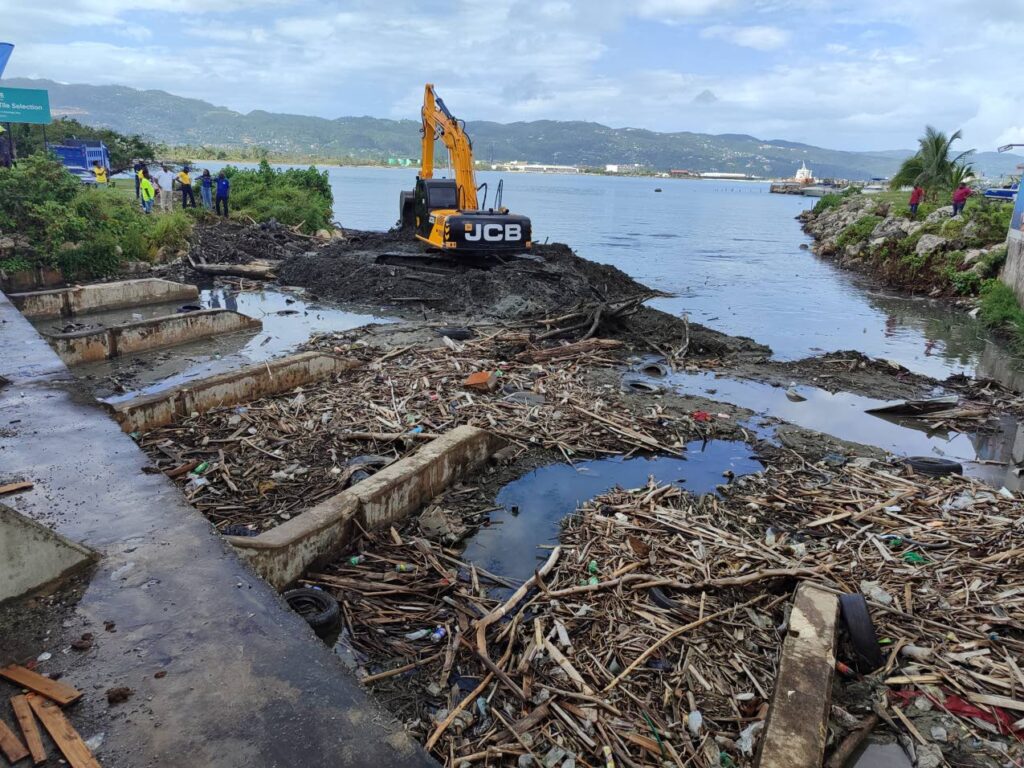
    In a pre-hurricane season cleanup operation carried out on Tuesday in Montego Bay, St James, a team from Jamaica’s National Solid Waste Management Authority (NSWMA) hauled away more than 10 full truckloads of accumulated waste from the city’s high-risk South Gully waterway. During the operation, NSWMA head Audley Gordon made a public call for local municipal authorities to step up their ongoing responsibilities for keeping the nation’s gullies and drainage networks clear of blockages.

    Gordon told reporters on site that the one-time deep cleaning of South Gully, a task that formally falls under the jurisdiction of the St James Municipal Corporation (SJMC), falls outside the NSWMA’s core everyday mandate. The work is being funded under the agency’s $1.5-billion national Debris Management Programme, a post-storm initiative launched to clear residual debris left behind when Hurricane Melissa swept across the island in October of the previous year.

    Gordon emphasized that the operation was a critical proactive step ahead of the upcoming Atlantic hurricane season, noting that South Gully’s outlet under the local underpass has a long-standing reputation as a major flooding hotspot when heavy rains hit. “We couldn’t roll out a national debris management programme and ignore the massive build-up of waste that had clogged this key underpass,” he explained. “Our goal is to do our part to ensure unobstructed water flow through this channel before the first heavy storm of the season arrives.”

    When crews arrived at the site, they found the gully outlet completely choked by a massive accumulation of silt, overgrown vegetation, illegally dumped household garbage, discarded old tires, and assorted other debris. Gordon stressed that while the NSWMA’s one-time deep clean is a major boost for flood resilience, long-term solutions require consistent, scheduled upkeep from the responsible local bodies.

    “This cannot be a single, isolated intervention,” he warned. “Periodic routine maintenance is non-negotiable for this underpass and all similar flood-prone sites. If these channels are not kept clear, flooding risks will remain a constant threat every time we face heavy rainfall.” Repeating his appeal directly to local government stakeholders, Gordon pushed for proactive, regular cleaning schedules to prevent dangerous blockages from re-forming.

    Deputy Mayor of Montego Bay Dwight Crawford, who was present to observe the cleanup operation, acknowledged Gordon’s call for sustained action. He pushed back, however, on the implication that the municipal corporation has neglected its responsibilities, stressing that the SJMC has carried out consistent maintenance work on both the North and South gullies for years.

    “We are extremely grateful for the support and extra effort NSWMA has brought to this project today; their work will make our ongoing flood management efforts far easier,” Crawford told the Jamaica Observer. “The truth is, the St James Municipal Corporation has played a major role in maintaining these critical drainage systems for years, and we will continue these routine maintenance operations moving forward.”

    Crawford added that the municipal corporation is set to open coordinated talks with the National Works Agency (NWA) to secure additional support for island-wide drain clearing efforts ahead of the storm season. “Hurricane season is already upon us, and residents across Montego Bay feel understandable anxiety when heavy rain begins to fall. We are actively reaching out to NWA to request their additional support in addressing these persistent flood risks,” he said.

    Tuesday’s completion of the South Gully cleanup marks the official end of the second phase of the NSWMA’s national Debris Management Programme. Gordon outlined the three-phase structure of the initiative: the first $500-million phase launched immediately after Hurricane Melissa passed, wrapping up before the Christmas holiday season; the second phase kicked off at the start of the new year, and concluded with the South Gully work on Tuesday; and a third phase will begin imminently, with a shifted focus.

    “The third phase will look a little different from the first two,” Gordon explained. “In the months right after the storm, many homeowners were still assessing damage, fundraising for repairs, and sorting out which building materials could be reused. Now that reconstruction is underway, residents are discarding damaged materials like old unusable zinc roofing and rotted construction timber that need to be removed.”

    Gordon added that the NSWMA will step up monitoring and enforcement during the third phase to ensure all discarded post-storm construction waste is disposed of properly at approved facilities, rather than dumped illegally in waterways. He also issued a direct appeal to all residents, particularly those living in communities along gully banks, to avoid illegal dumping and properly contain all household waste.

    “When waste is left loose and uncontainerized, it is only a matter of time before wind and rain carry it into gullies and waterways, eventually flowing out to sea to damage fragile marine ecosystems,” he noted. “We all have a responsibility to be better stewards of our environment. Properly containerizing your household waste is one simple, critical step everyone can take to improve our waste management and protect our natural resources.”

  • Young man killed in suspected ambush

    Young man killed in suspected ambush

    A fatal weekend shooting in the quiet Bois Patat neighborhood of Castries has left one young man dead and a woman hospitalized with life-altering injuries, sending shockwaves through the close-knit local community.

    The deceased victim has been identified as Nicholas Rogers, a young man who lost his life in what local law enforcement sources describe as a carefully planned ambush-style attack. The attack unfolded while Rogers and his female companion were seated inside a private vehicle, catching the pair completely off guard before any help could be summoned.

    The woman, who has not yet been publicly named to protect her privacy during the ongoing investigation, suffered severe harm in the assault. First responders who arrived at the scene documented that she sustained multiple penetrating wounds across both of her lower legs and along the right side of her waist. She was immediately rushed to a nearby local hospital by emergency medical teams to receive urgent surgical and medical care, though no update on her current condition has been released as of press time.

    In the wake of the violent incident, law enforcement officials have formally opened a full criminal investigation to untangle the details of the attack. To date, key details around the shooting, including the full sequence of events leading up to the ambush and any clear motive for the violence, remain undisclosed. Police have not announced any suspects in connection with the killing, and have urged members of the public with any relevant information about the incident to come forward to assist with the inquiry.