分类: society

  • Concept-staatsbesluiten tegen kinderarbeid stap dichter bij invoering

    Concept-staatsbesluiten tegen kinderarbeid stap dichter bij invoering

    On April 7, a key milestone in strengthening national child labor protection frameworks was reached during a stakeholder validation session hosted by the Directorate of Welfare and Labor of Suriname. Participants gathered to review two draft state decrees that will formalize rules surrounding permissible light work and restricted hazardous work for children and young people across the country: the Decree on Light Work and an updated version of the Decree on Hazardous Work.

    Broad consensus emerged among attending stakeholders around the urgent need to formalize these new regulations. To ensure inclusive and well-informed policymaking, stakeholders have been granted a two-week window to submit additional comments and adjustments to the draft texts. Once this public consultation period closes, the revised proposals will be forwarded to the relevant labor minister for review before ultimately being sent to the country’s president for final official approval.

    The new decrees are rooted in the 2018 Law on Employment of Children and Young Persons, a foundational piece of legislation that already sets out core age-based protections. Under existing law, children between the ages of 13 and 15 are only permitted to take on light work when strict regulatory conditions are met, while young workers aged 16 and 17 are barred from accepting any form of hazardous employment. The upcoming decrees will clarify and operationalize these existing principles, filling gaps in implementation guidance.

    Addressing attendees during the validation session, Deputy Minister Raj Jadnanansing emphasized that combating exploitative child labor is a shared responsibility that requires buy-in from all sectors of society. He noted that clear, enforceable regulations are non-negotiable to safeguard the health, education, and development of underage people, while policymakers must also balance these protections with the unique socioeconomic realities facing communities across the nation.

  • Les Cayes, the PM reaffirms the State’s commitment to access to drinking water

    Les Cayes, the PM reaffirms the State’s commitment to access to drinking water

    Haiti’s Prime Minister Alix Didier Fils-Aimé has underscored the national government’s unwavering commitment to expanding reliable access to clean drinking water for all Haitian citizens during an official working tour of the country’s Grand South region. On Tuesday, April 7, the prime minister conducted an on-site inspection of the ongoing drinking water infrastructure upgrade project in the coastal city of Les Cayes, a stop that coincided with a landmark contract signing for new stormwater management facilities in the area.

    The contract signing ceremony marks a critical milestone in Haiti’s efforts to boost urban climate resilience, as the Grand South region has repeatedly faced growing climate-related flood risks in recent years. During his inspection, Fils-Aimé walked through the construction site to review the progress of installation works, holding detailed discussions with engineering and technical teams about the ongoing challenges to delivering sustainable, long-term drinking water access for local communities. Following these conversations, he publicly reaffirmed that the Haitian central government has placed the expansion of basic public services in under-served regional areas at the top of its national development priority list.

    The Les Cayes drinking water system upgrade is a core component of the country’s national Water and Sanitation Infrastructure and Development Program, which is being executed by Haiti’s National Directorate of Drinking Water and Sanitation (DINEPA). The initiative receives substantial financial backing from the Spanish Agency for International Development Cooperation (AECID), through the agency’s Water and Sanitation Cooperation Fund (FCAS).

    With a total program budget exceeding $101 million U.S. dollars, this large-scale development initiative carries a dual mission: to extend coverage of drinking water and sanitation services to unconnected communities across Haiti, and to strengthen the institutional capacity of national agencies working in the water sector. As of the end of December 2025, more than 80 percent of the total program budget has already been committed to ongoing projects across the country, reflecting steady and significant progress in national-scale implementation.

    Unlike many infrastructure initiatives that only target major urban centers, this program spreads investment across multiple cities and regions in both urban and rural Haiti. Its overarching goal is to deliver sustained, measurable improvements to quality of life for hundreds of thousands of Haitian residents across the country. Maintaining the program’s forward momentum, a separate assessment delegation led by Charles Jean-Jacques, National Authorizing Officer for European Development Funds (EDF), recently traveled to the city of Jérémie to inspect a nearly completed drinking water supply project. Once finalized, that facility will provide reliable clean water access to more than 40,000 local Jérémie residents, addressing a long-standing public service gap in the area.

  • Growing Gathering Spreads Message of Peace at Jalsa Salana

    Growing Gathering Spreads Message of Peace at Jalsa Salana

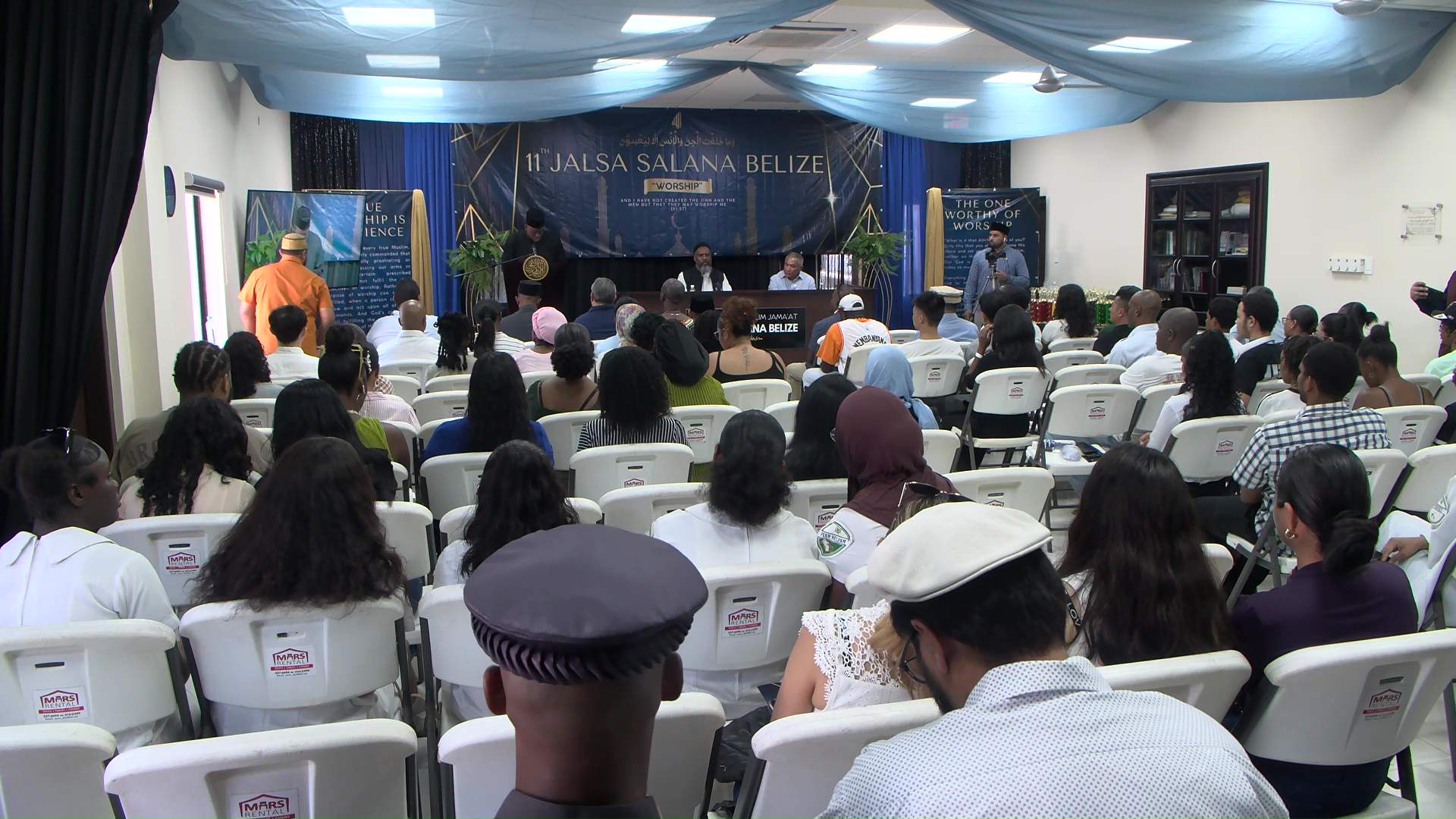
    Scheduled for this weekend in Belize, the 11th annual Jalsa Salana, hosted by the Ahmadiyya Muslim Jama’at community, has grown from a small local gathering into the nation’s largest Islamic conference, opening its doors to Belizeans of all religious and cultural backgrounds to advance a shared message of peace and intergroup unity.

    First launched in Belize back in 2015, the convention has expanded steadily over the past 11 years. What began with just a few dozen community participants now draws hundreds of attendees from every sector of Belizean society. Unlike typical public events centered on entertainment or material exchange, this spiritual gathering is designed to nurture personal moral growth and create a reflective, uplifting atmosphere for people of all beliefs.

    Arslan Warraich, National President of Ahmadiyya Muslim Jama’at Belize, emphasized that the core mission of Jalsa Salana is not focused on worldly gain or recreational activity. Instead, the gathering provides a dedicated space for attendees to purify their perspectives, reset their values, and strengthen both their spiritual grounding and personal moral character. Warraich echoed the foundational teachings of the Ahmadiyya community, noting that the convention was built on a commitment to advancing truth and peaceful Islamic outreach, rooted in divine guidance.

    Beyond its role as an internal religious observance, Jalsa Salana serves as a deliberate public outreach effort to counter common misconceptions about Islam and model the Ahmadiyya community’s core principle of inclusive service. For years, attendance at the annual gathering has been a priority for Belize’s top political and civic leaders, and 2026’s convention was no exception.

    Prime Minister John Briceño praised the Ahmadiyya community for its consistent positive impact across Belize. Beyond its religious mission, Briceño highlighted the group’s ongoing outreach to vulnerable youth and communities in need, noting that the organization sets a powerful example for all civic and religious groups across the country. Unlike groups that push their beliefs aggressively, Briceño explained, the Ahmadiyya community leads by example, reaching out to marginalized groups to demonstrate that peaceful, compassionate action is always a viable alternative to division.

    Belize City Mayor Bernard Wagner also commended the group for its youth-focused community initiatives, specifically calling out its popular annual basketball tournaments, which have become a beloved staple of local youth activity. Wagner, whose own team has claimed three tournament titles, extended his public recognition for the consistent, life-changing work the Ahmadiyya community carries out across the country.

    The multi-day convention features a full schedule of accessible programming for attendees of all ages and backgrounds, including educational lectures on Islamic teachings, structured interfaith dialogue sessions, curated exhibitions on Islamic history, and family-friendly activities. Programming includes dedicated sessions designed specifically for women and young people, to ensure all groups can participate fully in the gathering. Organizers noted that this year’s event builds on the success of the 10th anniversary convention held in 2025, which centered the theme of Islam as a faith rooted in peace and service to all humanity, regardless of religious identity.

    Eleven years after its small debut, Jalsa Salana remains anchored to its founding mission: fostering unity through mutual understanding, and building lasting peace through cross-group respect. This report was filed by Paul Lopez for News Five, from Belize City.

  • Man on 2 attempted murder charges among 2 killed in Kingtown

    Man on 2 attempted murder charges among 2 killed in Kingtown

    Two residents of Layou, a town in St. Vincent and the Grenadines’ Central Leeward region, were shot and killed in an afternoon attack in the Kingstown neighborhood of Stony Ground on Friday, April 10, 2026. Among the deceased was 29-year-old Enrique John, widely known by the alias Shoubu, who had walked free from a court hearing just three days prior despite violating his bail conditions.

    John’s criminal history stretches back nearly a decade, with multiple high-profile charges making local headlines over the years. In 2017, he was arrested alongside two other Layou men on rape charges involving a minor between the ages of 13 and 15; as of press time, iWitness News has not obtained information on the final outcome or current status of that case.

    Most recently, John was granted bail in February 2026 on an attempted murder charge stemming from a November 2, 2025 shootout in Layou. That incident left both John and the alleged target, 27-year-old Tilon Patterson, wounded by gunfire from unknown attackers, according to initial police source reports. John’s bail carried strict conditions: he was required to check in at the Layou Police Station three days a week, avoid all contact with Patterson, and adhere to a nightly curfew from 8:30 p.m. to 6 a.m. set at EC$50,000 bail with one required surety.

    Last Sunday, just days before his fatal shooting, John violated that curfew by attending a public entertainment event after the 8:30 p.m. curfew deadline. He was summoned to the Serious Offences Court on Tuesday, where prosecutors formally moved to revoke his bail and remand him into custody. However, a witness testified that the delay that left John at the event past curfew was caused by local police stopping the witness en route to pick him up. Citing this explanation, the court ruled to release John on his original bail conditions — a decision that came only 72 hours before he was killed.

    John was also one of six defendants awaiting trial on multiple charges linked to a July 17, 2024 armed robbery of the GECCU credit union branch in South Rivers. His co-defendants in that case include 25-year-old unemployed Lemar Isaacs (alias Chak) of McKies Hill, 30-year-old painter Esroy Jeffers (alias Pirate) of Layou, Sharome Dopwell of Paul’s Avenue, 35-year-old bartender Erasto DaSilva of Canouan, and 28-year-old unemployed Rakiesha Joseph (alias Bim Bim) of Layou.

    The second victim killed in Friday’s attack has been identified as 22-year-old Raheem Guy, who local sources confirm was a close associate of John.

    The double killing has stoked widespread community fear that a wave of violent gang-related unrest that shook Layou beginning in 2023 is continuing unabated. Between 2023, the small town recorded four homicides in just six weeks, along with multiple non-fatal shootings — a sharp break from the five-year period that ended with zero homicides in Layou before the outbreak of violence.

  • Govt turns to faith groups with $5m youth action fund

    Govt turns to faith groups with $5m youth action fund

    Against a backdrop of rising youth disengagement and growing public concern over antisocial behavior among young people, the government of Barbados has launched a transformative annual BBD 5 million fund to empower faith-based organizations to lead targeted interventions addressing youth deviance, while supporting skills building, employment inclusion, and the reinforcement of positive community values.

    Third Sector Minister Colin Jordan made the formal announcement during the annual Faith-based Symposium hosted Friday at the Lloyd Erskine Sandiford Centre, which convened religious leaders and community organizers under the central theme “Building Our Young People, Our Future, Our Legacy”. In his keynote address, Jordan emphasized that funding is not the end goal of the initiative, but merely a strategic tool to deliver meaningful, long-term change.

    “Funding is not the goal. Funding is merely an instrument. Impact is the goal: changing lives, changing perspectives, changing outlooks. That is the goal of the fund that government has set up. Transformation is the goal,” Jordan told attendees. He explained that the dedicated annual fund was established specifically to address the persistent resource gaps many faith-based organizations have faced in the wake of the COVID-19 pandemic, which stretched community organizational budgets and limited their ability to expand youth programming.

    The funding is open to both expanding existing successful programs and launching new, innovative interventions aligned with the initiative’s core objectives. For established projects, the support will strengthen programming that keeps young people engaged in constructive activities, equips them with market-relevant practical skills, and opens clear pathways to formal employment and small business entrepreneurship. For emerging ideas, the fund is designed to back new guidance and development projects that faith leaders believe can deliver meaningful impact for local youth populations.

    As the initiative moves toward final implementation, government has shared a draft framework with symposium attendees and is actively soliciting feedback to refine the proposal before it receives final Cabinet approval. Jordan noted that the draft has already been submitted for Cabinet review, but policymakers intentionally paused formal approval to center input from the faith organizations that will lead the work on the ground. “We use this opportunity in the ministry to hear perspectives and to see if there are any tweaks, any adjustments that we have to make, or if you feel it is so badly put together that we have to toss it out and start fresh,” Jordan said, underscoring the government’s commitment to collaborative, community-led design.

    Jordan stressed that the initiative’s success will be measured by tangible, quantifiable outcomes rather than good intentions alone. Key performance indicators will include increased youth participation in structured positive programming, expanded access to certified skills training and employment pathways, measurable reductions in youth involvement in crime and antisocial behavior, stronger family and community connections, and the broader embedding of positive moral and social values among young program participants. The overarching vision, he explained, is to nurture a generation of young Barbadians that are both employable and socially responsible, ambitious but rooted in community, skilled and guided by strong ethical principles.

    Accountability for public fund expenditure is also a core requirement of the initiative. “Good intentions must be translated into well-designed programmes where vision is supported by planning and passion, met with measurable targets. We must be able to look back and see whether or not our expenditure has been met with the results we expected,” Jordan said.

    Beyond direct project funding, the symposium also focused on building long-term organizational capacity for faith-based groups, ensuring they have the spiritual, administrative, and strategic resources needed to deliver sustainable impact. To help organizations develop competitive, high-quality funding proposals, the government has partnered with Karen Phillips, founder of Kainos Caribbean, to deliver targeted training in grant writing and proposal development. Jordan noted that many community groups have strong, impactful ideas but lack the technical skills to present those ideas clearly to funders, and the training is designed to remove that barrier.

    Outlining the broader social and economic benefits of the initiative, Jordan framed the investment in youth development as a catalyst for whole-community transformation. “When young people are trained, certified and supported, they transition more effectively into the labour market, they become contributors rather than dependents, and they become innovators rather than bystanders,” he said. “When communities rally around their young people, something powerful happens. Hope replaces despair, purpose replaces idleness, and peace replaces disorder.”

  • Saint Lucia PM urges UWI to remain ‘cutting-edge’ at Cave Hill Law Gala

    Saint Lucia PM urges UWI to remain ‘cutting-edge’ at Cave Hill Law Gala

    The weeks-long build-up to the annual University of the West Indies Cave Hill Law Week reached its glamorous conclusion Thursday evening, as the legal community gathered at Barbados’ Savannah Beach Hotel for the coveted Law Society Legal Regal Gala. Framed around the creative theme of “Masquerade Night”, the event brought a refined, celebratory atmosphere to one of the law faculty’s most anticipated annual traditions.

    Organized jointly by the student-run Law Society executive committee and the UWI Cave Hill Faculty of Law, the Legal Regal Gala has grown into a signature gathering that bridges classroom learning and professional connection, bringing students, faculty and established legal professionals together for an evening of dinner, networking and recognition. This year’s gathering drew a roster of distinguished guests, led by guest of honor Philip J. Pierre, Prime Minister of Saint Lucia. In attendance alongside Pierre were Dr. Antonius R. Hippolyte, Dean of the Faculty of Law; Dr. Ronnie Yearwood, Deputy Dean of Academic and Student Affairs; and faculty members Carla Ali and Jaydene Thomas.

    In opening remarks, outgoing Law Society President Darrion Poyotte-Lionel reflected on the event’s core purpose, noting that it gives aspiring legal professionals space to celebrate their progress through the notoriously rigorous curriculum of legal education. “Legal Regal has always stood as a hallmark event within the faculty—one that brings together students, faculty, and members of the wider legal community in a space that is both professional and celebratory,” Poyotte-Lionel told attendees. “It is a reminder that while the study of law is rigorous, it is also deeply human—built on relationships, shared experiences, and a collective pursuit of growth.”

    As a UWI alumnus himself, Pierre brought a personal perspective to his keynote address, opening by highlighting the institution’s long legacy of shaping influential leaders who have gone on to make transformative impacts across global academia and professional industries. Beyond celebrating that legacy, the Prime Minister—who also holds cabinet portfolios for finance, constituency development, people empowerment, justice and national security—laid out a series of urgent priorities UWI must address to retain its position as the Caribbean’s leading academic institution.

    Pierre emphasized that academic programs and administrative processes must evolve continuously to meet modern demands, identifying intentional technology integration as a critical investment to keep UWI the top higher education choice for students across the region. He also called for the development of a sustainable, ideally self-financing operating model with full buy-in from regional governments, warning that a lack of coordinated support risks increasing fragmentation of the cross-national institution.

    A core point of Pierre’s address centered on expanding access for economically marginalized students, outlining a new initiative his own government has launched to open higher education to more Saint Lucians. His administration’s “one university per household” project, partially funded by the state, offers full-tuition first-generation scholarships to students with no prior family history of university attendance. “These policies seek to create some level of equity and the basis for wealth creation, and an end to intergenerational poverty,” Pierre explained.

    The Prime Minister went on to touch on other pressing regional and global challenges, including climate change, economic diversification, technological innovation, and public security, framing each as a priority for emerging leaders graduating from UWI. He urged the student audience to develop context-specific solutions for the challenges within their reach, stressing that the university plays an irreplaceable role in navigating an increasingly shifting global geopolitical landscape.

    “The UWI must never lose its place as a leader in the world of intellectual, social and economical activism. A place where critical thinking prevails, but it must also be able to provide solutions for problems of decision makers,” Pierre added.

    Following the keynote, the evening continued with structured networking opportunities for students to connect with faculty and legal practitioners, alongside special awards recognizing outstanding academic achievement from first, second and third-year law students. Attendees were also treated to live entertainment performed by fellow Faculty of Law students, before the event closed with the official public announcement of the 2026–2027 Law Society Executive leadership team.

  • Folks cry foul over hazardous dumping of dead animals, waste

    Folks cry foul over hazardous dumping of dead animals, waste

    In the quiet rural community of Bayleys Plantation Road in St Philip, Barbados, a decades-long public health crisis has finally been brought to light by frustrated local residents, who say repeated illegal dumping of waste — including decaying animal carcasses and discarded household appliances — has upended their daily lives and damaged local livelihoods.

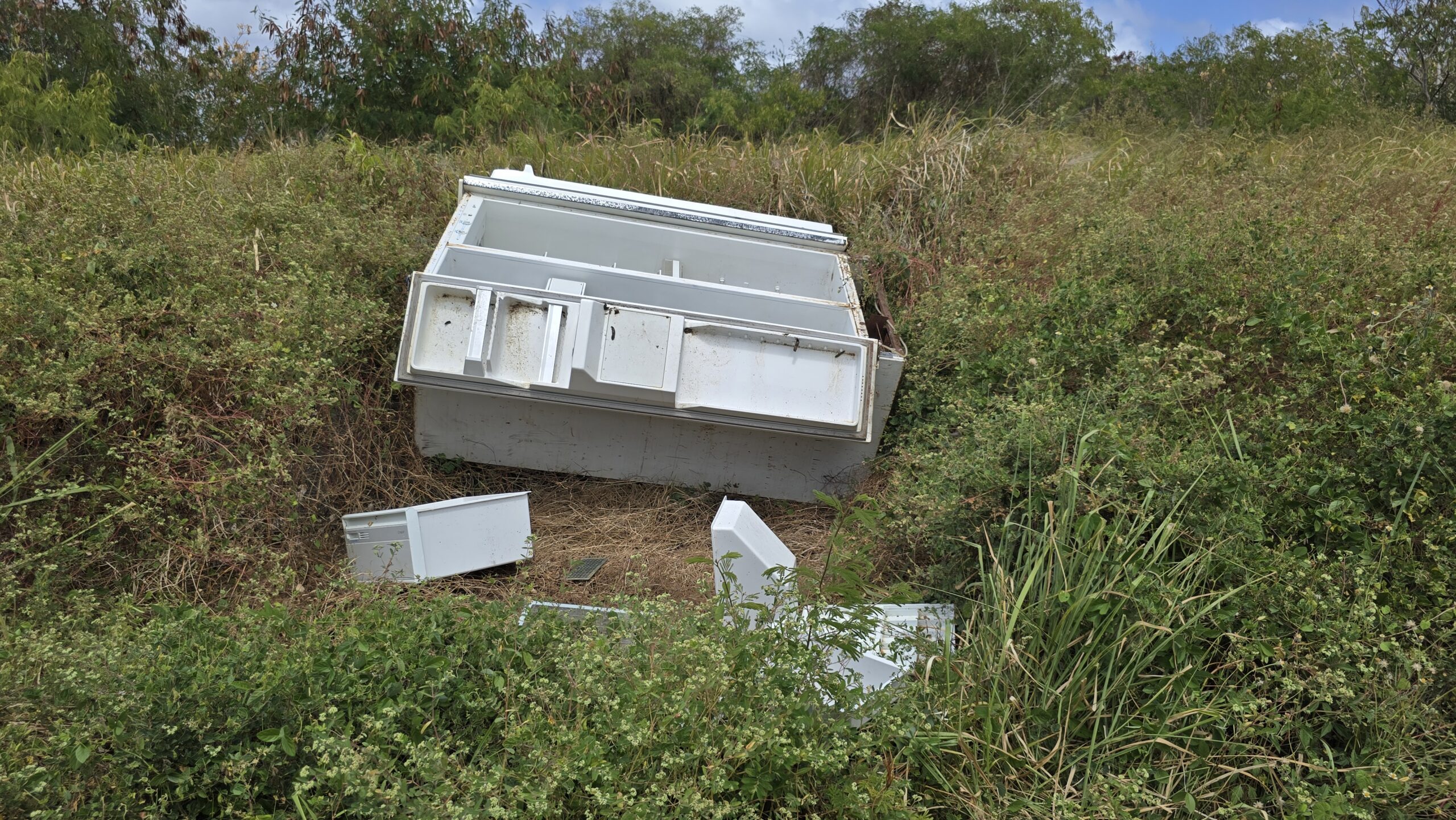
    Local farmer Alvin Wilson, one of the most vocal critics of the ongoing problem, recently spoke out against those responsible for the reckless dumping, describing the toll the unregulated waste has taken on the area’s residents and farms. When a reporter from Barbados TODAY visited the community this Friday, Wilson led a tour of multiple dumping sites along the main highway, where discarded old refrigerators, stoves and other large appliances sit abandoned alongside piles of general household rubbish.

    The most alarming find, however, lies on the only access road leading to Wilson’s home, his farm, and the properties of his neighbors: a large flour bag stuffed full of dead chickens, swarming with flies and emitting a putrid stench that hangs in the air along the entire stretch of road. Wilson explained that this type of dumping is far from an isolated incident. For years, the area has been a regular dumping ground for unwanted waste, ranging from dead farm animals to broken home appliances.

    “Mostly it’s dead animals we find here — chickens, sometimes pigs, sometimes sheep,” he said. “And it’s not just animals. You also get old fridges, old stoves, all kinds of rubbish. This has been going on for years now.” The stench from decomposing animal carcasses is so strong that it has immediate health impacts for anyone passing by. Wilson told reporters he already had a splitting headache on the day of the visit, brought on by direct exposure to the foul odor coming from the latest dump site.

    This most recent batch of dead chickens was dumped earlier this week, Wilson said — and brazenly, in the middle of the day, not under cover of darkness that dumpers usually rely on. “I’d say it was Tuesday afternoon this was dumped here, not even at night. It was broad daylight when they left that batch of dead chickens right here,” he explained, gesturing to the fly-blown bag behind him.

    What makes the situation particularly untenable for local residents is that this dumping is happening on the only road connecting their homes and farms to the rest of the island. Every single person who lives or works in the area has to pass the dumping sites multiple times a day, no exceptions. “You have to pass there to get home, and you have to pass there to get to the farmlands — this entire area is surrounded by agricultural land,” Wilson said.

    The stretch of road from Mapps to Golden Grove has become the preferred dumping ground for perpetrators, he explained, because it is poorly lit at night, making it easy for truck drivers and even local homeowners to drop off unwanted waste unseen. But what worries Wilson most is that dumpers have become so emboldened by the lack of enforcement that they are now willing to dump in broad daylight, a sign the problem is growing worse rather than improving. “Something needs to be done about these culprits,” he emphasized.

    Longtime resident Wilbert Gollop, who has lived in the area for 16 years, confirmed that the illegal dumping has been a persistent problem throughout his time in the community. He recalled one Sunday after returning home from worship at the Kingdom Hall, he found a large, dead ram sheep bloated and stinking right on the roadside just a short distance from where he stood speaking to reporters.

    Gollop also had his own run-in with the bag of dead chickens, discovering it shortly after dumpers left it on the road. He said that in addition to dumping dead animals, some irresponsible actors have even released live chickens onto the roadside, where the animals are left to starve to death before becoming part of the waste problem. “I’ve never seen anything like it. They release dozens of live chickens here, and with no one to feed them, they all die along the road,” Gollop said. “It’s pigs, it’s dogs, mainly chickens — they just come dump whenever they feel like it, no regard for anyone who lives here. It’s ridiculous. You wouldn’t want this dumped outside your door, so why do it to us?”

    Unlike waste handled by official authorities, residents are forced to clean up the mess dumpers leave behind, Gollop explained. When the dead ram was dumped near his home, it was so close that flies from the carcass began moving into his house, leaving him no choice but to handle the disposal himself. “I had to drag it out to the pasture, get wood and tires, and burn it myself. That should never have been my job,” he said. “If you’re raising chickens and making money from it, why should local residents be stuck with the cost and work of disposing your waste? Why do you get to dump it next to people’s homes and on our road?”

    For Wilson, the problem is not just a public health nuisance — it is an active threat to his livelihood. His farm, which grows pumpkins, butternut squash, watermelon, okra and cucumbers, relies on customers being able to access his property to buy produce. Now, many customers refuse to travel through the foul-smelling, partially blocked road, and Wilson is losing critical revenue as a result.

    “This year, customers aren’t coming back through here because it stinks, and the road is blocked,” he said. “I’m losing revenue right now. I’ve had to start delivering all my produce to customers myself, which takes time I don’t have — and I don’t get compensated for that extra time and cost. What’s worse, some customers tell me they just won’t come at all anymore, so I end up stuck with produce I can’t sell. Sometimes sales get delayed for days just because we can’t get products out easily.”

    Wilson said he has already reached out to the Sanitation Service Authority and the Ministry of Health to report the ongoing problem, and during Barbados TODAY’s visit to the area, reporters observed health inspectors conducting an on-site assessment of the dumping sites.

    In closing, Wilson issued a direct plea to those responsible for the dumping to change their behavior immediately. “Stop the dumping,” he urged. “If you have dead animals to dispose of, call the relevant authorities and let them handle the waste properly. At the end of the day, this is affecting real people’s lives. Don’t put us through something you would never want to deal with yourself.”


  • Onderwijscongres met 25 internationale experts moet leiden tot tienjarige visie

    Onderwijscongres met 25 internationale experts moet leiden tot tienjarige visie

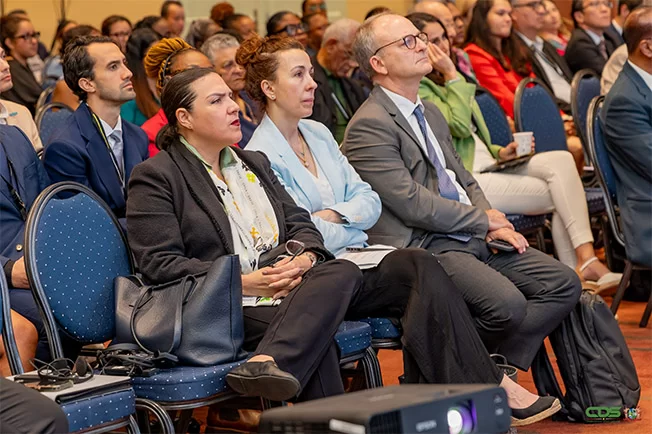
    Suriname has kicked off an ambitious nationwide effort to overhaul its education system and develop its human capital, starting with a high-profile two-day education congress held earlier this month. The 2026 Education Congress, which brought together more than 25 leading international experts alongside hundreds of local policymakers, educators, and civil society stakeholders, concluded on April 9 at Paramaribo’s Hotel Torarica. The gathering is designed to lay the groundwork for two landmark policy documents: a 10-year national vision for education and human capital development, complemented by a sweeping 50-year long-term action plan to guide systemic change.

    The core discussion topic uniting attendees was how Suriname can unlock the full potential of its human capital, a strategic priority as the country prepares for scaled future revenue from its emerging oil and gas sector. Insights gathered from the opening congress will form the foundation of a second, intensive working phase scheduled to run from May 25 to 29 this year. During that follow-up process, national education specialists and international advisors will collaborate to draft concrete, actionable reforms aimed at one overarching goal: guaranteeing every child in Suriname access to high-quality education and equal opportunity to thrive.

    In closing remarks at the inaugural congress, Dirk Currie, Minister of Education, Science and Culture of Suriname, emphasized that broad cross-sector collaboration is non-negotiable for delivering meaningful, lasting change. Currie stressed that the reformed education system must be redesigned to rekindle children’s natural joy of learning, while equipping them with the skills and knowledge they need to succeed in a fast-changing future. He specifically highlighted the critical importance of closing opportunity gaps, noting that this work will lay the foundation for equitable, shared growth as Suriname brings new oil industry revenue online.

    Enrique Ralim, Director of Sports Affairs at the Ministry of Youth Development and Sports, echoed this sentiment, reinforcing that accessible, high-quality education serves as the fundamental bedrock for both broad national development and individual personal growth. Ralim called for a fully inclusive approach to reform, one that ensures no child is left behind regardless of their socio-economic background, physical ability, or any other limiting circumstance.

    Hosted in partnership with the Inter-American Development Bank (IDB), the 2026 Education Congress is widely framed as the official starting point for a years-long national process that will deliver the first major structural overhaul of Suriname’s education system in modern history.

  • GOB: No Bus Fare Increase

    GOB: No Bus Fare Increase

    In the Caribbean nation of Belize, independent public bus operators are facing growing financial strain from skyrocketing global diesel prices, but a government decision has turned down their most immediate request for relief: a hike in passenger fares. As of April 10, 2026, Belize’s Cabinet confirmed that it will not approve any increase to bus fares for the time being, though it has left open the possibility of revisiting all of the industry’s demands if fuel costs fail to fall in the coming weeks.

    The crisis stems from sustained upward movement in global fuel prices that has sharply raised operating costs for every private bus company across the country. Last month, the Belize Bus Association (BBA), the industry group representing local operators, submitted a formal letter to the Ministry of Transportation outlining the intense financial pressure climbing diesel costs have placed on their businesses. In the document, the association laid out three key requests for government intervention to ease the burden: first, a full exemption from general sales tax applied to fuel, vehicle tires, and replacement bus parts; second, emergency government financial subsidies mirroring the support programs rolled out for the transport sector during the COVID-19 pandemic; and third, official regulatory approval to raise standard bus fares to pass a portion of the higher costs onto riders.

    Cabinet’s official response addressed each of these demands, drawing a clear line on the fare increase request. Government officials emphasized that allowing a fare hike would place an unacceptable additional financial burden on ordinary Belizeans who rely on public buses as their primary mode of daily transportation. For the other two requests – the sales tax exemption and emergency subsidies – the government has not issued a final ruling, instead asking the BBA and its member operators to wait for further developments in global fuel markets.

    Speaking on behalf of the government, Minister of Transport Dr. Louis Zabaneh explained that the administration is closely monitoring daily fluctuations in international fuel prices to assess whether current high levels are temporary. “We are hoping it will stabilise and prices will return to some lower levels as they were a few months ago,” Zabaneh stated in his comments on the decision. “In the event we don’t have that kind of downward trend, then Cabinet is prepared to reconsider the request.” He added that the association only needs to wait a matter of a few weeks for price trends to become more clear before any further action is taken.

    For independent bus operators already struggling with compressed margins and rising operating costs, the government’s delay did not resolve the immediate pressure they face. The BBA has responded by announcing it will convene an emergency general meeting with all its member operators in the near future to discuss the situation and vote on next steps for the industry.

  • A green alert is not the same as a red alert: what you should do in each case

    A green alert is not the same as a red alert: what you should do in each case

    As extreme weather events grow in frequency and intensity across many regions, the Emergency Operations Center (COE) has launched a public education campaign to clarify the meaning of different weather alert levels and outline the corresponding life-saving actions residents must take for each risk tier.

    Officials stress that weather alerts are not arbitrary notifications: they are pre-emptive declarations issued ahead of an impending hazardous weather event, designed to let emergency response teams activate contingency plans and allow ordinary residents to put protective precautions in place before danger arrives. To clear up widespread public confusion about the distinct risk levels, COE has broken down the three core alert categories and their requirements:

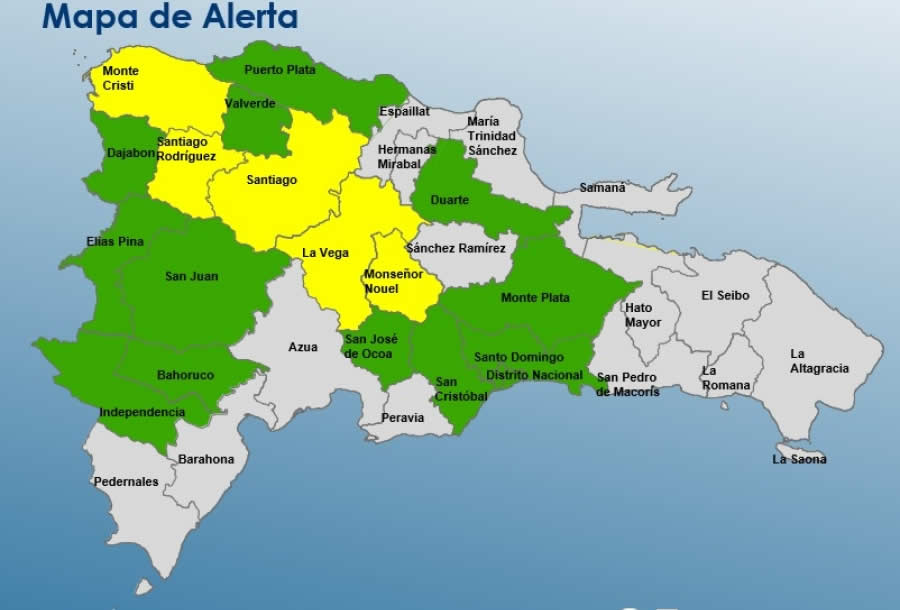
    First, a green alert marks the lowest risk tier, issued when an atmospheric phenomenon is developing and may impact the area. At this stage, the public is advised to stay informed through official updates, maintain situational awareness, and watch for changing conditions that could require further action.

    Second, a yellow alert signals a moderate increase in risk, indicating dangerous weather is on track to reach at-risk parts of the region. For residents located in vulnerable or high-risk zones, this alert means it is time to prepare for evacuation or relocation, and make arrangements to move to a pre-identified safe location well before the weather arrives.

    Third, a red alert is the highest risk classification, reserved for areas directly in the path of the most severe dangerous weather. When a red alert is issued, residents in affected zones must finalize all emergency preparations: confirm emergency supply kits are fully stocked with water, non-perishable food, first aid supplies and critical medications, move immediately to a designated safe location, and remain sheltered there both before and throughout the duration of the weather event.

    COE officials have underscored that understanding the clear distinction between green and red alerts is a critical piece of public safety knowledge. While a green alert only calls for heightened attention and ongoing vigilance, a red alert demands immediate, decisive action to protect personal safety and reduce potential harm.

    In closing, authorities reiterated that consistent adherence to these alert guidelines directly cuts the risk of fatalities and minimizes damage to personal and community property—particularly for low-income and geographically vulnerable communities that face disproportionate harm from extreme weather events.