
A violent shooting disrupted carnival celebrations at the Ranny Williams Entertainment Centre in St. Andrew on Sunday, leaving one man wounded after the gunfire broke out during the widely attended Big Wall party. Local news outlet Observer Online has confirmed that a well-known social media influencer is connected to the shooting incident, and the individual has since voluntarily turned themselves in to law enforcement officials for questioning. As investigations into the circumstances of the attack remain ongoing, the publication has announced it will release additional details on this developing story as new information becomes available to reporters. No further details about the victim’s condition, the motive for the shooting, or potential charges against the suspect have been released to the public as of the latest update.
分类: society
-
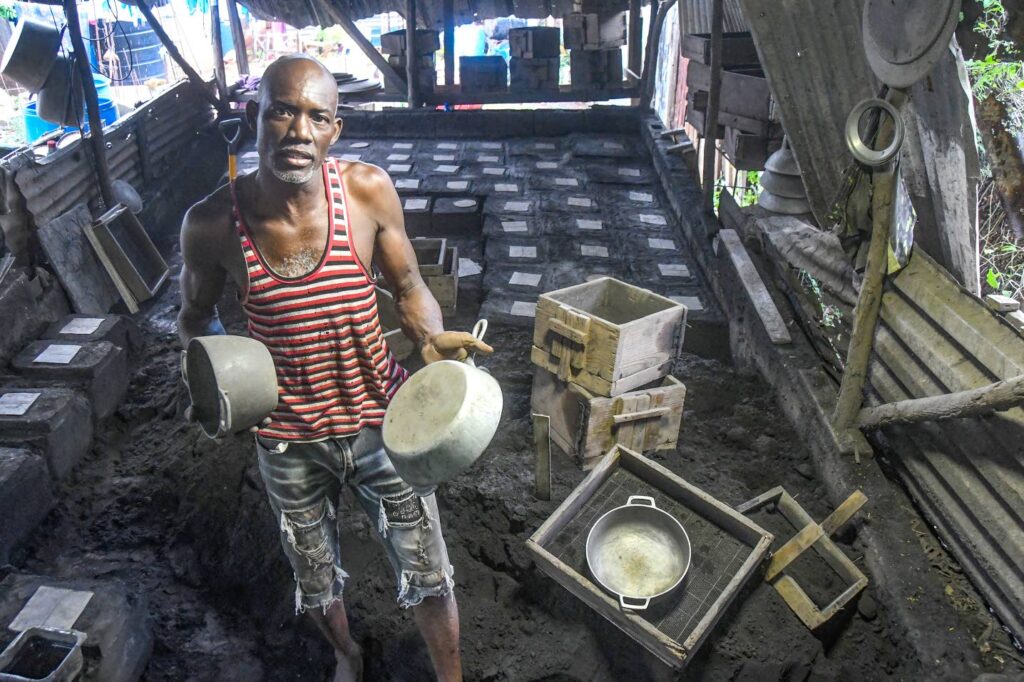
From child apprentice to master craftsman
More than four decades ago, a seven-year-old Kevin Campbell sat quietly among veteran craftsmen in the Frazer’s Content neighbourhood of Spanish Town, St Catherine, Jamaica, watching intently as they shaped handcrafted Dutch pots and coal stoves by hand. Now 52, Campbell has turned this childhood fascination into a thriving small business, producing more than 100 handcrafted aluminium pots per week — and he is on a mission to recruit a new generation to save the fading Jamaican tradition before it disappears entirely.
Campbell recalls that metal pot and cookware crafting was once a booming trade that supported dozens of households across his community. But as the elder artisans who held the knowledge passed away or migrated abroad, the craft declined sharply. Today, only four people in the entire community still practice the traditional skill, and dwindling young interest has left Campbell deeply concerned about its future.
“From the start, Campbell learned the craft from local artisans Kenroy Hylton and a craftsman known only as Culture, who brought the trade — a branch of a tradition originating in Waterhouse, St Andrew. The early exposure stuck with Campbell through decades of work. While many artisans abandoned the trade over the years due to its demanding nature, Campbell’s lifelong passion has kept him committed to the craft. Two years ago, he branched out to launch his own independent business, producing custom-made pieces ranging from small teapots to large soup pots, frying pans and traditional coal stoves in a full range of sizes.
His durable handcrafted products are sold both wholesale and retail to local restaurants and households across St Catherine’s Linstead, as well as Mandeville and Christiana in Manchester, with prices ranging from JMD $1,700 to $20,000 depending on size, type and purchase volume.
The craft is intensely labour-intensive, with each piece taking two to three full days to complete. Campbell crafts all his pots exclusively from aluminium for a smooth, polished finish. The traditional process starts with shaping moulds for both the pot and its lid from topsoil, followed by pouring molten aluminium into the dried mould. Once the metal sets, the raw pot is removed and carefully polished by hand.
Campbell points to his first ever completed pot — a four-pound rice pot he made when he was 10 years old — as proof of his products’ longevity. His family still uses the pot regularly to this day. “It came out wonderful — nice, clean, and pretty. I felt so much joy when I saw that I had made something that turned out perfectly. There’s no feeling like that,” he told reporters, smiling as he held the well-worn piece.
While demand for his traditional cookware has fluctuated over the decades, the craft has been a reliable livelihood that allowed Campbell to support his family and put all four of his children through high school. Though his children have pursued their own independent career paths, they all pitch in to help with the business side of the operation, handling marketing, transportation and sales. His daughter Lamoya has taken on day-to-day operational management, coordinating orders and transactions across the region.
For Campbell, no other line of work can compare to the satisfaction of pot-making. He jokes he would live a million years if it meant he could keep crafting his wares. But he also knows he cannot carry the tradition on his own forever, which is why he is actively inviting young Jamaicans — even college students just curious about the process — to learn the craft from him for free. His contact information is posted on social media (876-435-4960 and 876-797-8623), and he says he is ready and willing to teach anyone who wants to learn.
Campbell follows the example set by the artisans who taught him, who never closed the door to him when he was a curious child. “They could have hidden the knowledge from me, but they didn’t. They gave me the willingness to pass it on by showing me kindness when I wanted to learn,” he explained. “Even if someone just wants to learn the process and doesn’t want to build a whole business out of it, I’m still happy to teach them. Sharing this craft brings me joy.”
-

Cayo Sweeps Farmer of the Year Awards
In a historic clean sweep that has cemented Cayo District’s reputation as a powerhouse of Belizean agriculture, three local producers have taken home every top prize in the 2026 National Farmer of the Year Competition, claiming all three available award categories. The official results of the prestigious annual contest were publicly announced by the National Agriculture and Trade Show (NATS) Organizing Committee this Thursday.
Taking home the coveted Male Farmer of the Year crown was Saulo Mesh, while Yoalma Pocasangre earned recognition as the 2026 Female Farmer of the Year. The third award, Junior Farmer of the Year, went to rising agricultural talent Jeshua Tzib. All three winners hail from Cayo District, marking the first time in recent competition history that a single district has claimed all top honors.
Hosted annually by the NATS Committee, which operates under Belize’s Ministry of Agriculture, Food Security and New Growth Industries, the Farmer of the Year Awards were created to honor producers across the country who demonstrate extraordinary dedication to their craft, implement innovative growing and business practices, and make tangible contributions to the strength and growth of Belize’s national agricultural sector.
The award announcement comes exactly three weeks ahead of the opening of the 2026 National Agriculture and Trade Show, one of the largest annual gatherings for Belize’s agricultural community. This year’s event will run from April 30 through May 3 at the permanent NATS Grounds in the capital city of Belmopan, held under the forward-looking theme “Advancing Smart Agriculture: Building a Climate-Resilient and Sustainable Belizean Food System.” Industry leaders and attendees expect the show to draw hundreds of producers, agricultural vendors, and community members from across the country to discuss the future of food production in Belize amid shifting climate conditions.
-
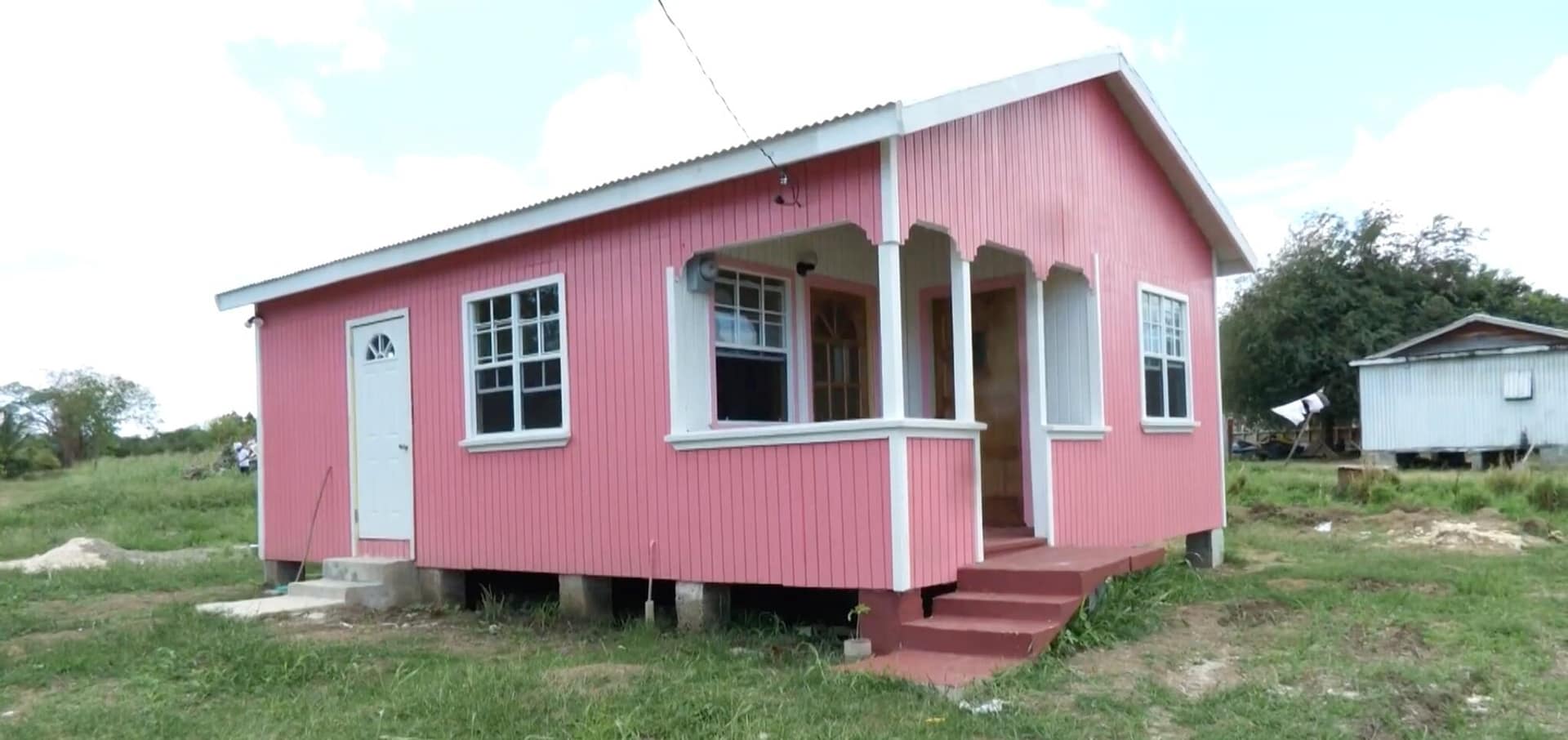
HAPI Programme Hands Over New Home to Briggins Resident
In an emotional ceremony that highlights the human impact of government-led social support initiatives, a Briggins resident has been given the keys to her very own new home through Antigua and Barbuda’s Housing Assistance Programme for Vulnerable Individuals (HAPPI), a scheme designed to lift low-income and vulnerable community members out of inadequate housing.
Dawn Simon, the beneficiary of this latest handover, broke into tears of joy as representatives of the Social Protection Board, operating under the Ministry of Social and Urban Transformation, officially transferred ownership of the property to her. Officials framed the moment as a key incremental milestone for the ongoing programme, which has steadily expanded its reach across the twin-island nation.
Mary Baltimore, Operations Manager of the Social Protection Board, emphasized during the ceremony that the handover represented far more than the transfer of a physical building. Speaking directly to a visibly moved Simon, Baltimore noted that the property was more than concrete and timber—it was a stable, secure foundation for the future, a space Simon could truly call her own. “I know that you are happy. I know the tears are tears of joy,” Baltimore said. “It’s not only a home. We want you to know it’s not a building, but it’s a home. And we are happy today to actually hand over that building to you.”
Sarah Stewart, Permanent Secretary in the Ministry of Social and Urban Transformation, reaffirmed the programme’s lasting positive impact on communities across Antigua and Barbuda, noting that successive handovers have transformed the daily lives of hundreds of vulnerable residents. Stewart praised the government’s commitment to closing the country’s affordable housing gap, calling the initiative a landmark achievement for the nation’s social development agenda. She also extended gratitude to the Social Protection Board’s staff and the private sector partners that have supported the programme’s expansion. “The government is really, really, really, really doing something wonderful for the people of Antigua and Barbuda,” Stewart said.
For her part, Simon offered heartfelt thanks to the government officials, programme administrators, and supporting stakeholders who helped make her dream of homeownership a reality. She singled out senior political leaders and programme staff for their ongoing support, ending her remarks with a call for the work to continue. “I’d like to thank Brigadier Telbert Benjamin, Mrs. Gumbs, also the Honourable State—cutie Benjamin, the Honourable Maria Browne and the staff of HAPPI programme. May God bless you all and y’all keep up the good works,” she said.
Private sector support extended beyond programme funding, with one local business stepping forward to provide an additional gift to Simon to help her settle into her new home. King’s Casino, a long-time supporter of HAPPI beneficiaries, donated a 50-inch television to Simon, while another major corporate partner, the West Indies Oil Company, contributed other forms of practical assistance to the project.
This latest handover marks another incremental step forward for the HAPPI programme, which is advancing its core mission: one home at a time, the initiative is working to lift vulnerable residents out of substandard housing and build long-term, stable communities across Antigua and Barbuda.
-
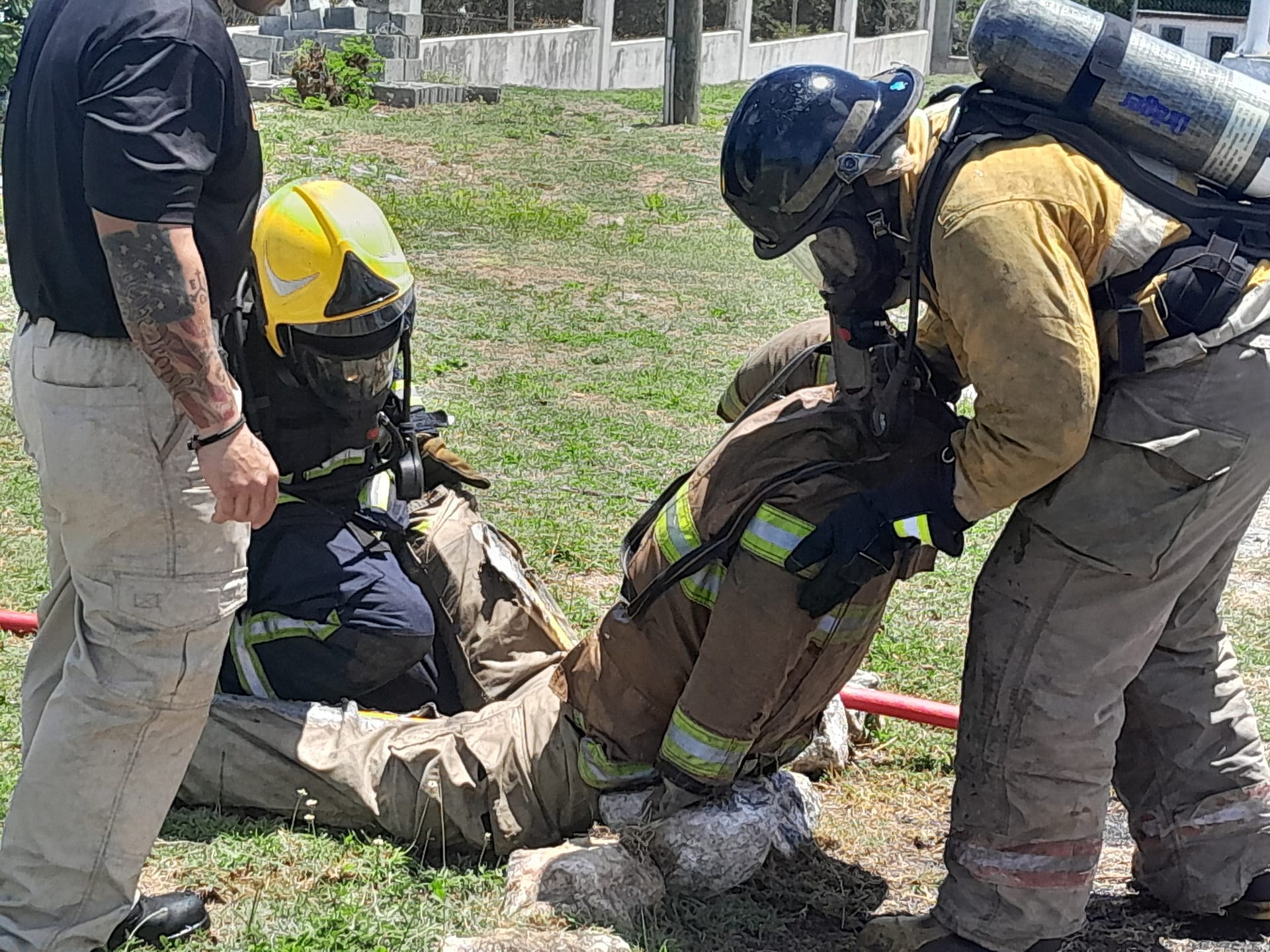
Four-Day Hazardous Materials Training Ends
A four-day intensive professional training program focused on hazardous materials management and emergency response has officially wrapped up this week, bringing together more than 120 frontline practitioners, safety supervisors and emergency response personnel from across the region.
Organized jointly by the local work safety administration and the national occupational skill development center, the training was designed to address growing gaps in hazardous materials handling capacity amid rising industrial activity across multiple sectors including manufacturing, logistics and energy. The curriculum covered a wide range of critical topics, from classification and identification of hazardous substances, proper storage and transportation protocols, to on-site emergency response procedures for leaks, fires and chemical exposure incidents.
Participants engaged in a mix of theoretical lectures delivered by industry experts and hands-on simulation exercises that replicated real-world emergency scenarios. Many attendees noted that the interactive training format helped them translate textbook knowledge into actionable skills that can be applied directly to their daily work. At the closing ceremony, organizers issued certificates of completion to all participants who passed the final assessment, and announced that similar targeted training programs will be held quarterly to meet ongoing industry demand for upgraded safety skills.
Local work safety officials emphasized that strengthening professional training for hazardous materials personnel is a core step in preventing workplace safety accidents and protecting both frontline workers and surrounding community residents. The program comes as part of a broader regional initiative to upgrade overall work safety standards following a series of minor chemical incidents reported in industrial parks over the past year.
-

A village in mourning
A tight-knit Trinidadian community is grappling with unspeakable loss after seven-year-old Angelica Saydee Jogie lost her life in a jet ski collision during a family vacation in Tobago last Wednesday. In the days following the tragedy, relatives gathered at the Jogie family’s Barrackpore home to hold an overnight wake for the young girl, whose sudden death has sent ripples of shock and heartbreak across the entire neighborhood. For Angelica’s loved ones, the tragedy has permanently altered the fabric of their family life.
When local newspaper the Trinidad Express visited the quiet residential community on the day after the accident, family members struggled to hold back tears as they shared memories of the bright, beloved child. Two relatives, who requested anonymity to grieve privately, spoke of the joy Angelica brought to every person she met, a warmth that makes her passing even harder to accept. One relative said, “This incident has already changed the life of our family forever. Every day from now on, we will carry this grief. Life will never be the same again.” Another added, “This hurt cuts so deep that words cannot capture the pain I feel. All I know is I would never wish this suffering on any other family.”
Out of their pain, the family is calling for urgent changes to water safety regulations in Tobago’s recreational coastal areas. They say the current system of marking boundaries between swimmer zones and jet ski routes with just a rope is woefully inadequate, putting all beachgoers in unnecessary danger. “A rope is not enough to protect bathers from high-speed jet skis; that is just putting lives at risk,” one relative explained. “We are calling on authorities to either designate a separate, secured area for jet ski operations or ban them entirely from popular swimming beaches. We need action, so no other family has to go through what we are suffering right now.”
Steven Paul, cousin of Angelica’s father Arnold Jogie, shared that Angelica’s parents were deeply attentive and protective parents, who never let their children out of their sight near water. “The day before the accident, I spoke to Arnold, and he told me he always stayed right beside his kids,” Paul recalled. “The children were never more than an arm’s length away from him, and they only ever entered the water when he was with them. Both parents are so careful with their children.” Paul, who still says he struggles to process the news, added that the entire village has rallied around the grieving family. “When I got the call about Angelica, I started shaking, physically and mentally. I’m still trembling just talking about it now. The whole village is in shock. Since the night the accident happened, we’ve been gathered here to support each other and honor this innocent little girl.”
In the wake of the accident, Angelica’s father was hospitalized, and relatives say they are holding out hope he will be able to return home to the community soon to grieve with his loved ones. As the family makes arrangements to bring Angelica home for her final services, relatives say they are focusing on lifting each other up, preparing for what they know will be an emotionally devastating homecoming. For the Barrackpore community, the loss of the young girl has left a permanent void that will never be filled.
-

A SEA OF BLUE
On a sweltering midday in Port of Spain, a massive crowd of nurses and midwives, dressed uniformly in blue, flooded the capital’s streets to stage a coordinated protest over deeply rooted grievances in Trinidad and Tobago’s public health system. Chanting “BODOE in the building, hiding, hiding, hiding from workers…Bodoe where art thou?”, the demonstrators demanded that Health Minister Dr Lackram Bodoe break his months-long silence and address their unmet demands for better pay, adequate staffing and improved working conditions.
Beginning just after 11 a.m. from the steps of Port of Spain General Hospital, the procession marched along an approved route to the Ministry of Health’s headquarters at Queen’s Park East, with many protesters using umbrellas to block the harsh tropical sun. The demonstration was officially authorized by the Trinidad and Tobago Police Service (TTPS), even amid the country’s ongoing state of emergency, and a heavy contingent of officers was deployed to monitor the march, reroute civilian traffic, and ensure the event remained peaceful. Passing motorists slowed to observe the “sea of blue” that occupied major city thoroughfares as protesters raised placards and shouted their demands for a 10% wage increase and urgent government intervention to reverse what they described as a steadily collapsing public health system.
Two core demands anchored the protest: the immediate resignation of North Central Regional Health Authority (NCRHA) chairman Dr Tim Gopeesingh, and sustained accountability from Health Minister Bodoe, whom protesters repeatedly accused of refusing to engage with frontline health workers. Chants grew louder and more forceful as the procession reached the Ministry of Health’s gates, with frustration boiling over at the minister’s repeated refusal to acknowledge the severity of the sector’s crisis.
Leading the march was Idi Stuart, president of the Trinidad and Tobago National Nursing Association (TTNNA), accompanied by other senior union leaders. Along the route and during a closing address at Independence Square, Stuart emphasized that chronic understaffing has created unsustainable pressure on remaining frontline workers, who are forced to cover excessive patient loads with limited resources. Messages on the protesters’ placards laid bare the depth of their anger and frustration: “Nursing is a profession, not charity work”, “Permanent nurses now”, “Enough is Enough”, “The Struggle is Rough”, and “Does the minister of health care about RHA workers” reflected widespread discontent over insecure employment status and stagnant compensation.
The protest came just 24 hours after Gopeesingh announced that 61 new nurses would be hired across NCRHA facilities, joining the roughly 1,000 registered nurses already working at sites including the Eric Williams Medical Sciences Complex, Arima Hospital, Mt Hope Women’s Hospital, Caura Hospital and multiple regional health centres. But Stuart dismissed this incremental move as wholly insufficient to fix the systemic gaps plaguing the sector.
In an interview after the march, Stuart noted that multiple major health facilities experienced significant service disruptions as a result of the protest demonstration. He also lashed out at recent comments Bodoe made in Parliament, where the minister denied that the public health system is facing any crisis. Stuart said the minister’s downplaying of the situation left frontline nurses “infuriated”, and insisted that the crisis is very real, arguing that the general public would not back Bodoe’s dismissal of the issue.
“I don’t think it was the perception of those persons who were turned away at health centres today. I don’t believe it was the perception of persons who were unable to receive surgery today. I don’t believe those hundreds of persons still in accident and emergency departments across Trinidad and Tobago see it from his perspective,” Stuart said.
With Parliament convening at 1:30 p.m. the same day, Stuart noted that the union did not have approval to protest directly outside the Red House (Trinidad and Tobago’s parliament building), but suggested that a small group of nurses might still pass by the site to make their presence known. The protest concluded outside the Treasury Building and the Eric Williams Financial Complex, where demonstrators chanted “We want we money, right now” — a clear signal that the union will continue industrial action until the government delivers tangible, measurable changes to address their demands.
Despite the widespread public demonstration, Bodoe doubled down on his position during yesterday’s parliamentary sitting, continuing to deny that Trinidad and Tobago is facing a national health crisis. Responding to a question from Opposition Leader Pennelope Beckles, who raised the planned protest and called on the government to address a crisis that she said has now entered its third week, Bodoe told the Speaker of the House: “I wish to assure the population that there is no health crisis in our country at this time. Under this government, the healthcare system continues to provide services to thousands of patients on a daily basis.” He closed by thanking all RHA and Ministry of Health workers for their continued diligent service to Trinidad and Tobago citizens.
Local outlet *Trinidad Express* attempted to reach Gopeesingh for comment on Stuart’s claim that NCRHA facility operations were disrupted by the protest, but he did not respond to phone calls or a WhatsApp message seeking a response.
-
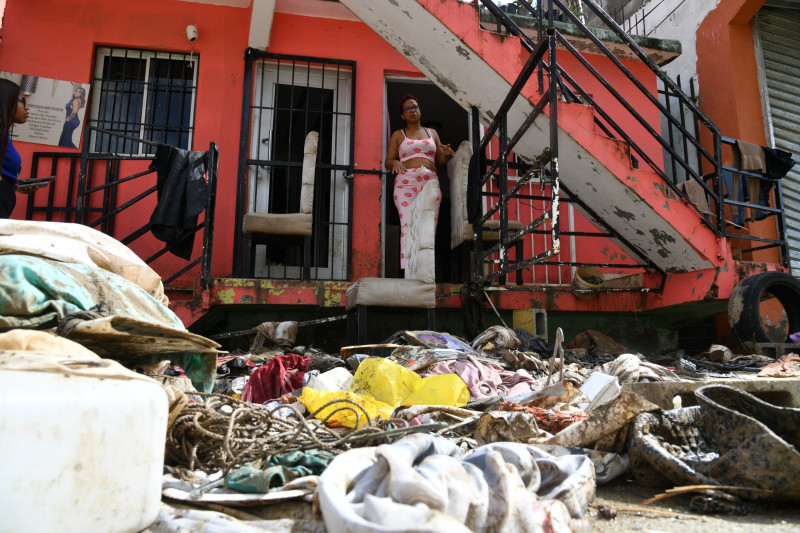
Despair continues in the wake of floods caused by heavy rains
On the early morning of April 7, after hours of intense sustained rainfall, catastrophic flash flooding swept through neighborhoods across the National District and West Santo Domingo, leaving thousands of residents displaced, their homes and livelihoods destroyed in a matter of hours.
For many families, the disaster unfolded in the dead of night, forcing them to flee their rising properties with only their children clutched in their arms and no prearranged safe shelter to turn to. Many still struggle to process the sudden loss of everything they spent years building.
In the La Yuca neighborhood’s Las 800 zone, named for the local ravine that breached its banks, dozens of households lost nearly all their possessions. Electrical appliances including refrigerators, televisions and radios were completely ruined, while beds, sofas, dining sets, stored food and entire wardrobes were left waterlogged and caked in thick mud. Even days after the floodwaters receded, affected residents recount the experience with raw anguish, recalling crying frightened children and the total disorientation of having no emergency plan in place.
As residents work to clear meters of mud and standing water from their homes and wash the few belongings they managed to salvage, many have described overwhelming feelings of helplessness over the limited official support they have received. For days after the flood, the only government intervention was municipal street cleaning, with a single truck of prepared meals arriving later for distributed pickup. Local community groups and educational institutions have stepped in to fill the gap in aid.
The Republic of Costa Rica School, which is supporting 112 displaced families from the area, has launched a donation drive targeting state agencies and local residents. Already, community members have donated clothing and shoes for school-aged children from affected households. School principal Regina Rodríguez explained that the campus has been converted into an official donation collection center. “Once we have gathered most of the donations, families will be able to come to our school auditorium to pick up canned goods, shoes, sheets and other essential supplies that they need right now,” she said.
During an on-site visit to affected zones, observers documented dozens of submerged vehicles abandoned along flooded streets, alongside municipal crews from the National District City Council and technicians from the Santo Domingo Water and Sewer Corporation (CAASD) working to clear mud that was blocking pedestrian access to local thoroughfares.
Many local residents linked the extreme flooding to poorly planned drainage infrastructure work in the area. “I have lived here for more than 30 years, and my home has never flooded anywhere near this bad,” said Mary, a local resident whose entire home inventory was damaged by the floodwaters. “This all happened after they started construction on the local drainage ditch.” Community representatives have formally requested that the mayor’s office provide replacement mattresses for the hundreds of residents who lost theirs in the flood.
In the Las Plantitas area of the Los Girasoles Segundo neighborhood, piles of waterlogged personal belongings stacked outside front gates and mud-caked clothing dragged out to air are the new normal for residents after the nearby ravine overflowed. Affected families report that while a single supply truck carrying beds and food did arrive, only a small number of households received assistance, leaving those living closest to the ravine with no support at all. Residents have also issued urgent calls for water trucks, noting that running water has been cut off in the area for 15 days, leaving them unable to even wash mud out of their flood-soaked clothing.
“I’m hanging everything out to dry unwashed because there’s not a drop of water to be had, and no one is bringing us any,” explained Ana Ramona Sánchez, a Los Girasoles Segundo resident whose entire home was flooded overnight. “Last night, I stayed trapped on my bed behind a locked door holding back floodwater until the waters receded at dawn.”
At the local Colegio Profesora Margarita Báez, the flood damaged critical student academic records, with many that could be recovered laid out in school yards to dry out. The school lost all of its computers, speakers and other electronic equipment. Principal Alejandrina Severino also linked the disaster to unregulated construction. “Water flooded the main office and all downstairs classrooms because construction is being done directly in the ravine, and loose construction debris trapped floating trash, which blocked the water from draining,” she said.
In the Hato Nuevo and San Miguel neighborhoods of Manoguayabo, flooded streets left residents with total loss of household belongings. Many long-term residents described this rainfall as the most severe they have ever witnessed, noting that even in past storm events, flooding was never severe enough to force families to flee into the night with small children. “We kept moving from house to house trying to stay dry, until every one filled up with water,” recounted Elaina Martínez, who fled with three young children including a newborn. “The Emergency Operations Center (COE) sent a boat to evacuate us to the main avenue, where we could go stay with relatives. It was absolutely horrifying.”
Today, beds, furniture and waterlogged clothing line the curbs outside Manoguayabo homes, discarded after being destroyed by mud and floodwater. Many residents are openly grieving as they clean up the few possessions they can salvage.
In Los Alcarrizos, the heavy rains caused the Lebrón Creek to burst its banks, triggering catastrophic flooding that swept several people away in fast-moving currents. Local community members managed to pull the trapped residents to safety before emergency crews arrived. “It was an absolute disaster,” recalled Carolina Rojas, who was injured when a nail pierced her foot as she fled. “Around 2 a.m., the creek rose in seconds, flooding every house in the area. Two elderly people were swept away by the current, and we managed to pull them out with a rope. They’re still in the hospital now. Nothing like this has ever happened here before, but these rains destroyed everything, and you just saw people running, clutching their children to get out.”
In the wake of the disaster, displaced families have been staying with neighbors and extended relatives out of fear of further flooding, only beginning to return to their properties after the COE removed the province of Santo Domingo from its official flood alert list.
-

Strengthening peanut production in Durcis, Haiti
Haiti’s Ministry of Agriculture is launching a targeted initiative to boost peanut production in the agricultural commune of Durcis, part of a broader national push to strengthen food security and lift rural farming communities. Led by Agriculture Minister Marcelin Aubourg, the program kicked off with the distribution of premium, high-yield peanut seeds to local farmers, delivered under the umbrella of the Resilient Agriculture for Food Security Project (PARSA), a initiative supported by World Bank funding.
During his working visit to Durcis, a region long recognized for its untapped agricultural potential, Minister Aubourg held direct consultations with members of local farmers’ associations. These conversations allowed the ministry to center farmer needs in its programming, hearing firsthand the core challenges facing small-scale producers and ensuring future interventions align with on-the-ground realities.
The peanut seed distribution in Durcis is just one component of a far larger sector-wide support effort across Haiti. By the end of the program’s current phase, PARSA will deliver a total of 130 tons of improved peanut seeds to revitalize the crop, a strategic agricultural commodity, across four key departments: South, Nippes, Central, and Grand’Anse. This distribution follows earlier support distributed during the 2026 spring planting campaign, which included 200 tons of bean seeds, 3.5 million cassava cuttings, 1.3 million banana seedlings, and 2.6 million yam transplants. All of these inputs are designed to ramp up overall agricultural output across intervention zones and reduce the financial burden on smallholder farmers working to improve their harvests.
Beyond distributing critical planting materials, Minister Aubourg outlined a long-term vision for modernizing Haiti’s agricultural sector that centers on expanding reliable water access. He emphasized that functional irrigation infrastructure is a non-negotiable foundation for consistent, stable agricultural production. Moving forward, the ministry plans to upgrade and expand national hydraulic infrastructure to meet the growing water needs of farming communities, ensure year-round access to this critical resource, and reduce output volatility caused by drought and inconsistent rainfall, directly advancing national food security goals.
As part of the broader push to increase domestic agricultural output across all subsectors, Minister Aubourg also announced plans to open a new bovine artificial insemination center in the South Department in the coming months. The facility will deliver modern reproductive technologies to local cattle farmers, with the goal of boosting both national milk and meat production by improving livestock genetics and overall sector productivity. The minister highlighted the key technical and financial support provided by the Food and Agriculture Organization of the United Nations (FAO) for this new initiative, underscoring how targeted international cooperation remains central to growing Haiti’s agricultural sector and delivering long-term food security for the Haitian people.
-
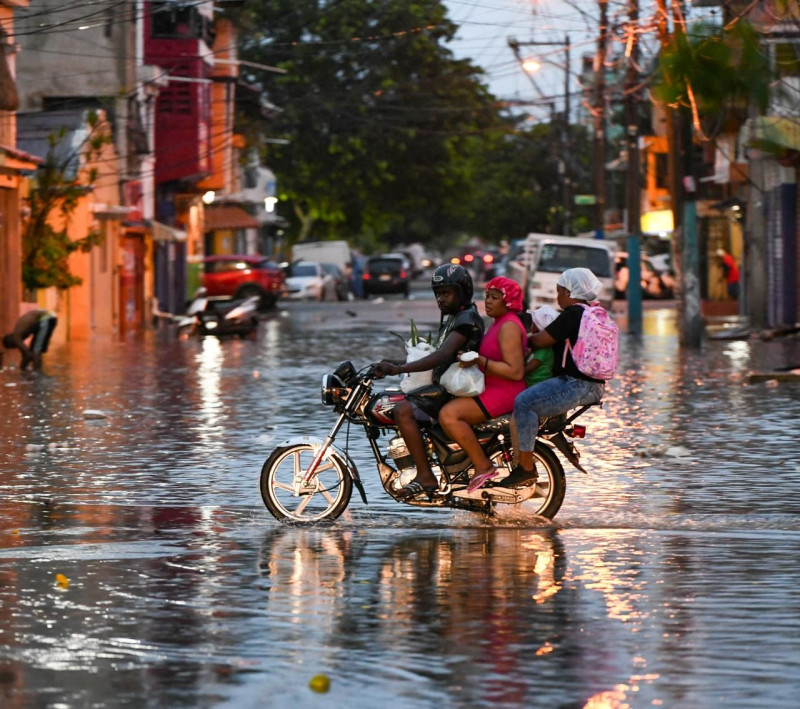
Rain will begin in the early morning and will continue throughout Saturday, reports Indomet.
SANTO DOMINGO – The Dominican Institute of Meteorology (Indomet) has issued public warnings that an approaching trough connected to a frontal system is set to trigger widespread heavy rainfall across more than a dozen of the country’s provinces, bringing with it a suite of potentially hazardous weather conditions over the coming three days.
According to Indomet’s official forecast, the incoming precipitation will range from moderate to intense downpours, accompanied by sudden thunderstorms, strong wind gusts, and even isolated hailstorms in vulnerable regions. The first areas expected to feel the impact of the system include communities across Hato Mayor, Monte Plata, Sánchez Ramírez, Duarte, San José de Ocoa, Monseñor Nouel, La Vega, Santiago, Santiago Rodríguez, Dajabón, Elías Piña, San Juan, Puerto Plata, Espaillat, and Valverde, among other northern and central jurisdictions.
By the early hours of Saturday, the trough’s advance will push scattered showers of varying intensity along the country’s entire Caribbean coastline, with precipitation forecast to persist through the full day. Indomet’s meteorologists note that rainfall will ramp up in intensity through Saturday afternoon, when residents across Greater Santo Domingo, Monte Plata, and most Cibao-region provinces can expect moderate to heavy downpours. The highest risk of severe weather — including isolated hail, thunderstorm activity and gusty winds — will be concentrated along the Central Mountain Range, the country’s western border with Haiti, and southwestern Dominican provinces.
In response to the projected weather event, Indomet’s National Forecast Center has activated a multi-tiered system of warnings and alerts, highlighting the elevated risk of urban flash flooding, swelling rivers and creeks, sudden landslides, as well as ongoing severe wind and thunderstorm activity. Officials cautioned that existing alert levels could be updated over the next 24 to 72 hours as new meteorological data becomes available and the system progresses.
As of the latest advisory, ten provinces are placed under full alert for hazardous weather: Monte Cristi, Monseñor Nouel, Bahoruco, Independencia, Monte Plata, San Juan, Dajabón, Puerto Plata, Elías Piña, and Santo Domingo. Three additional provinces — La Vega, Santiago, and Santiago Rodríguez — are currently under a lower-level weather advisory.
Despite the incoming rain, Indomet forecasts that high temperatures will remain a concern for residents through the duration of the event. Warm, humid wind flow from the east and southeast will keep air temperatures elevated, particularly during afternoon hours, with urban areas facing even higher heat index values that can pose health risks to vulnerable groups. To prevent heat-related illness, the institute has issued public guidance advising residents to wear loose, light-colored clothing, maintain consistent hydration by drinking plenty of water, and limit extended exposure to direct sunlight during peak heat hours.