For decades, the quiet residential neighborhoods of Bay Land and Bank Hall in St Michael, Barbados, have held a special place in the island nation’s sporting and cultural history: they are the childhood stomping grounds of two of cricket’s most iconic figures, national heroes Sir Garfield “Gary” Sobers and Sir Frank Worrell. On Friday, longtime local residents reacted with overwhelming joy and pride to a formal government announcement that will turn these unassuming historic properties into permanent, state-protected heritage landmarks, honoring two men who put Barbadian cricket on the global map.
The groundbreaking initiative was first unveiled last Saturday by Minister of Pan-African Affairs and Heritage Trevor Prescod, during the official launch of Heritage Month at the Cricket Legends Museum. Prescod used the occasion to outline the government’s new approach to preserving national history, emphasizing that this project moves far beyond fleeting, temporary tributes to safeguard irreplaceable pieces of Barbadian cultural identity. The state-led preservation effort will kick off first in Bay Land, centered on the childhood home of Sobers – a living national hero universally hailed as the greatest all-rounder in the history of international cricket.
In his remarks, Prescod stressed that the state has a responsibility to act proactively to honor national heroes while they are still alive to experience the nation’s gratitude. “We can’t have a national hero like Gary Sobers still very much alive… and the state not contributing to having that home that he grew up in symbolically as a representation of his greatness,” Prescod told attendees. “We want to change that… trust me, we’re gonna make sure we do that.”
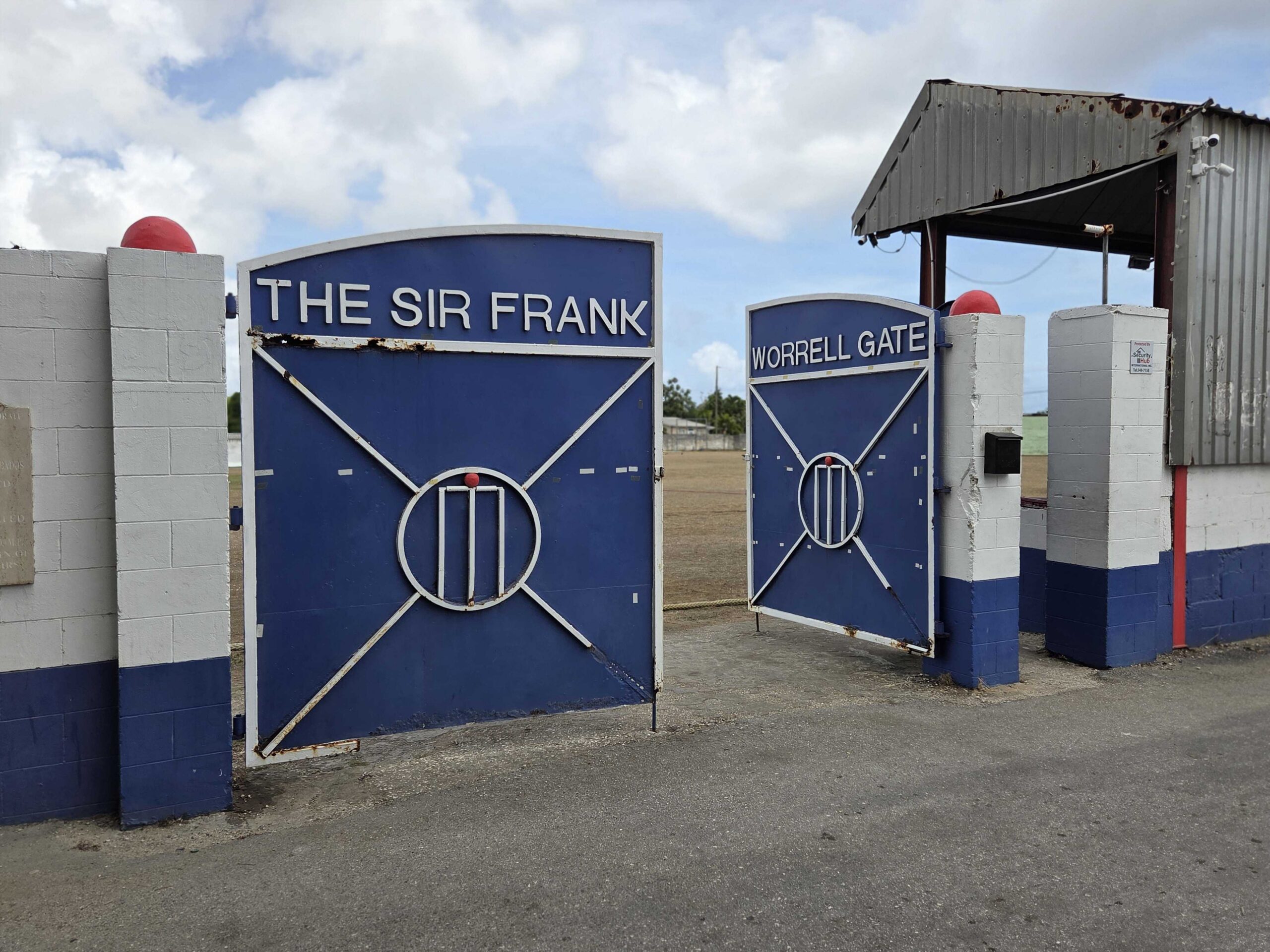
From Bay Land, the project will expand to the eastern edge of the Empire Cricket Club ground, where the former family home of Sir Frank Worrell stands. Worrell made history as the first Black man to serve as full-time captain of the West Indies cricket team, cementing his legacy as a trailblazer both in sport and in breaking racial barriers in international athletics. To deliver a restoration that honors both properties’ history and structural integrity, the Ministry will partner closely with the Barbados National Trust, ensuring the landmarks are protected for future generations of Barbadians and cricket fans worldwide.
For locals who have grown up alongside these historic sites and shared neighborhoods with the legends before they rose to global fame, the government’s plan is a long-overdue recognition of the community’s deep connection to Sobers and Worrell. Eudine Miller, who lived next door to Sobers as a child, said she could not be happier with the designation, arguing the honor should have been granted decades ago. “They should have done this ever since,” Miller said, reflecting on her childhood memories of the young cricket prodigy. “Fun, loving, loving family, yeah, kind. That’s how I remember him: playing cricket, a lot of cricket. He was a friendly guy.” Miller added that she hopes the heritage designation will pave the way for local authorities to rename the street where Sobers grew up in his honor, a change many local residents have long supported.
Michael Welch, a lifelong resident of Walcott Avenue, framed the initiative as more than just a preservation project – he called it a critical investment in inspiring Barbados’ next generation. By making Sobers’ childhood home a public landmark, Welch argued, young people will have a tangible, accessible example of how talent and hard work from a small Barbadian neighborhood can change global sport. “I feel that’s a good movement, that’s a good movement because he is a big builder for a lot of people to follow him in cricket and stuff,” Welch explained. “Not only cricket, but sports. It gives the youngsters something to do instead of just being on the block and stuff like that. It was using him with encouragement. A lot of people love him; he was a well-loved person.”
The plan to preserve Worrell’s former home has also earned strong support from the property’s current caretaker, even as formal planning details remain in early stages. For years, the home – which once had an official commemorative plaque that has since fallen off – has been an unassuming draw for cricket tourism from across the globe. Even locals who do not follow cricket closely acknowledge the undeniable impact of Worrell’s legacy. “I ain’t really a cricket fan, but the contribution—he deserves it. So that’s as far as I could go with that,” local resident Gregory said of the late legend.
Rodney Bushell, a member of the Belle family who currently maintains the property and has historical ties to the Worrell estate, moved into the home after it sat vacant for years following renovations ahead of the 2007 Cricket World Cup. Bushell noted that formal discussions with the Barbados Cricket Association and housing authorities have moved slowly, but he welcomes the prospect of protecting the site for future generations. While he clarified that all formal decisions about the property’s future must be approved by his cousin, who manages the Worrell estate, Bushell said he is fully open to opening the home to cricket fans to experience its unique history.