
A high-impact collision between a large commercial semi-trailer truck and a passenger minibus unfolded Wednesday morning at the Autovía del Este toll station in the La Altagracia region’s popular tourist hub of Punta Cana, disrupting regional travel and prompting an immediate emergency response. Preliminary accounts from first responders on scene confirm that the heavy-duty semi-trailer suffered a complete loss of control before impact. Out of control, the truck collided with the smaller minibus, dragging the passenger vehicle along the roadway before crushing it against infrastructure. After the crash, the rear section of the big rig came to a stop wedged against a reinforced concrete barrier just steps from the active toll booth lanes. As of the latest official updates, local law enforcement and transportation safety authorities have not yet made public any identifying information about the drivers of either vehicle involved in the crash. Officials also have not issued formal confirmation on whether the incident resulted in injuries, or how many people may have been killed in the collision. Emergency response teams, including local law enforcement, highway safety officials, and medical personnel, remain deployed at the crash site, working to clear debris, secure the area, and document evidence to determine the root cause of the incident. Local government and public safety representatives have announced that additional updates will be released in the coming hours, including information on the health status of all vehicle occupants and preliminary findings from the ongoing crash investigation.
分类: society
-
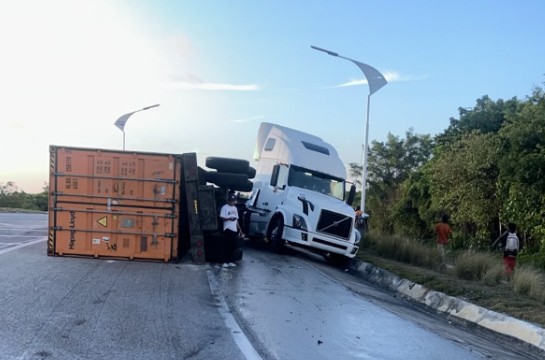
Truck crash partially blocks Coral Highway near Punta Cana roundabout
On Thursday, a heavy truck collision triggered significant traffic disruption along the Coral Highway, in close proximity to the heavily traveled Punta Cana roundabout. The crash has left one of the key eastbound travel lanes partially blocked, creating widespread travel headaches for motorists navigating the busy corridor, with significant delays stacking up for commuters and commercial drivers alike.
Local traffic official Captain Urtecho broke details of the incident during his regular “Tráfico Expreso” segment, broadcast on the popular El Matutino show on 91.3 FM. During the on-air update, he issued a formal advisory urging all drivers planning to pass through the affected zone to adjust their travel routes where possible, and to exercise extreme defensive caution if rerouting is not an option.
Local road authorities have confirmed that work crews and response teams have been deployed to clear the crash site, remove the damaged truck, and resolve the blockage as quickly as safety protocols allow. The top priority for responding teams is restoring full, normal traffic flow along the impacted stretch of highway to eliminate ongoing travel disruptions for the region’s driving public.
-

Search Intensifies as Teams Return to Brown’s Bay in Bid to Find Missing Shenett Jacobs
One week after Shenett Jacobs was last seen in the coastal regions of Brown’s Bay and Nonsuch Bay, a coordinated large-scale search operation involving multiple official agencies and community volunteers kicked off on a new afternoon push to locate the missing woman.
Search teams have scheduled a 2 p.m. assembly at the point where Monday’s search efforts wrapped up, before fanning out to comb a wider expanse of the surrounding landscape and coastal areas. The operation brings together a diverse network of search participants: specialized units from the Royal Police Force of Antigua and Barbuda, including the force’s K-9 unit and drone team, are joined by the drone division of the Antigua and Barbuda Defence Force. Beyond official search personnel, community organization Concerned Citizens of Antigua and Barbuda has mobilized support, alongside Jacobs’ own family members, close friends, and dozens of civilian volunteers who have stepped forward to help with the search effort.
Jacobs was first reported missing after she was last spotted in the Brown’s Bay-Nonsuch Bay corridor on Saturday, July 25. Multiple search operations have already been carried out over the past seven days, and public appeals for any relevant tips or sightings have remained ongoing throughout that period.
Authorities have released a detailed description to help the public identify Jacobs: she stands roughly 5 feet 4 inches tall, has a brown complexion, and hair that mixes black and grey strands. When she was last seen, she was wearing a yellow construction hard hat, a long-sleeved grey shirt, dark green work trousers, and a pair of grey Converse sneakers.
Officials are urging the general public to stay alert for any signs of Jacobs, especially for residents who live in the Brown’s Bay and Nonsuch Bay area, workers who operate in the region, and travelers passing through the vicinity.
Any person who may have spotted Jacobs since her disappearance, or who holds any small detail of information that could advance the search, is asked to reach out through one of several official contact channels. Tips can be shared directly with Jacobs’ daughter at 729-2443, to leaders of Concerned Citizens of Antigua and Barbuda at 764-1451 or 725-2270, or to staff at the closest local police station.
This latest search operation represents a renewed, coordinated effort to thoroughly re-examine the search area and uncover new clues that could finally lead to answers about Jacobs’ current whereabouts.
-

Multiple Injuries Reported in Separate Violent Incidents During J’ouvert Celebrations
Two separate violent confrontations broke out amid the annual J’ouvert Carnival celebrations in St. John’s, Antigua, on Monday morning, leaving four individuals requiring emergency medical care and casting a shadow over the popular pre-dawn street festival. The first violent episode unfolded just after 9 a.m. in the vicinity of Antigua Grammar School along Old Parham Road, one of the main routes for the event, which drew thousands of revelers across the capital. According to local reporting from Observer Media, a resident of Lower Gambles was navigating through the dense crowd of J’ouvert participants when he was attacked. Following the assault, the man lost consciousness and was quickly transported by Emergency Medical Services to the territory’s main public hospital, the Sir Lester Bird Medical Centre, to receive urgent care. Approximately 40 minutes after the first incident, a second, more chaotic disturbance erupted involving three individuals: one man from Pigott’s Village and two residents of Glanvilles. Official police accounts of the confrontation confirm that dangerous weapons including glass bottles and a cutlass were used in the clash. Law enforcement alleges that the Pigott’s Village resident first assaulted one of the Glanvilles men with a bottle, and a Glanvilles woman also suffered injuries in the ensuing scuffle. In retaliation, the injured Glanvilles man reportedly drew a cutlass and attacked the Pigott’s Village resident, leaving him with a significant hand wound. All three people involved in this second confrontation sought and received medical treatment following the altercation, bringing the total number of injured across both incidents to four. At the time of reporting, Antiguan law enforcement officials have launched a full investigation into the root causes and exact sequence of events behind both clashes. No suspects have been taken into custody, and no formal arrests have been announced as investigators work to piece together details of the disturbances that disrupted the annual cultural celebration.
-
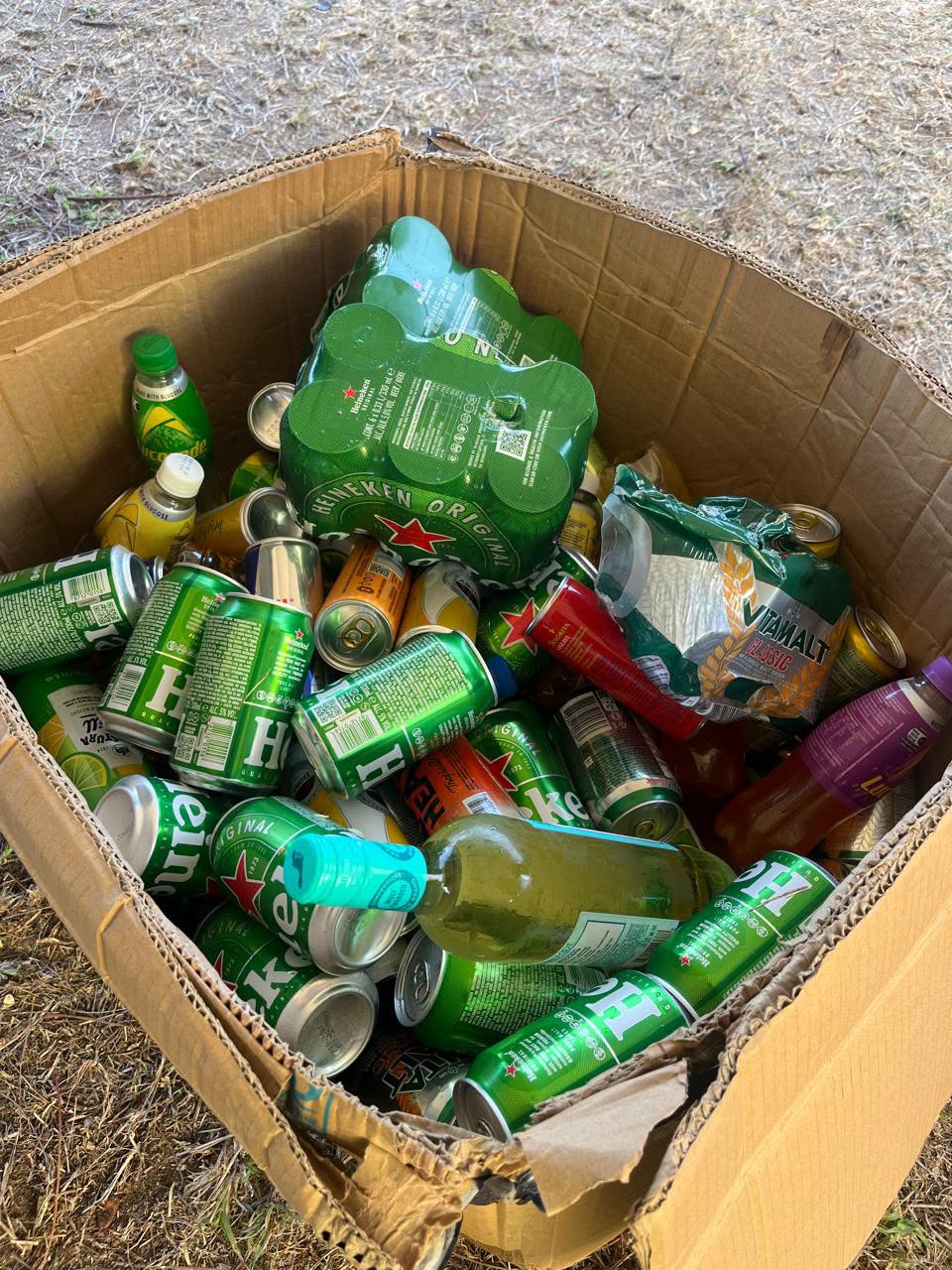
Scores of Beverages Seized as 268 de Breakfas’ Fete Tightens Security
Thousands of attendees heading home after Sunday’s 268 de Breakfas’ Fete were met with strict new security protocols at venue exit gates, as event organizers rolled out updated policies that included the confiscation of all unapproved outside beverages. This year’s iteration of the widely attended community gathering marked a major shift from previous years, moving the entire event to an entirely new location that allowed for expanded access monitoring and updated safety procedures. Trained security staff were stationed at every exit point to enforce the new rules, conducting routine checks that stopped guests from removing unauthorized drinks from the event grounds. Organizers note that this ramp-up in security oversight comes with significant added financial burdens, requiring expanded budgets to cover larger on-site security teams, the construction and installation of dedicated checkpoint infrastructure, and more intensive gate management operations to keep protocols running smoothly throughout the event.
-
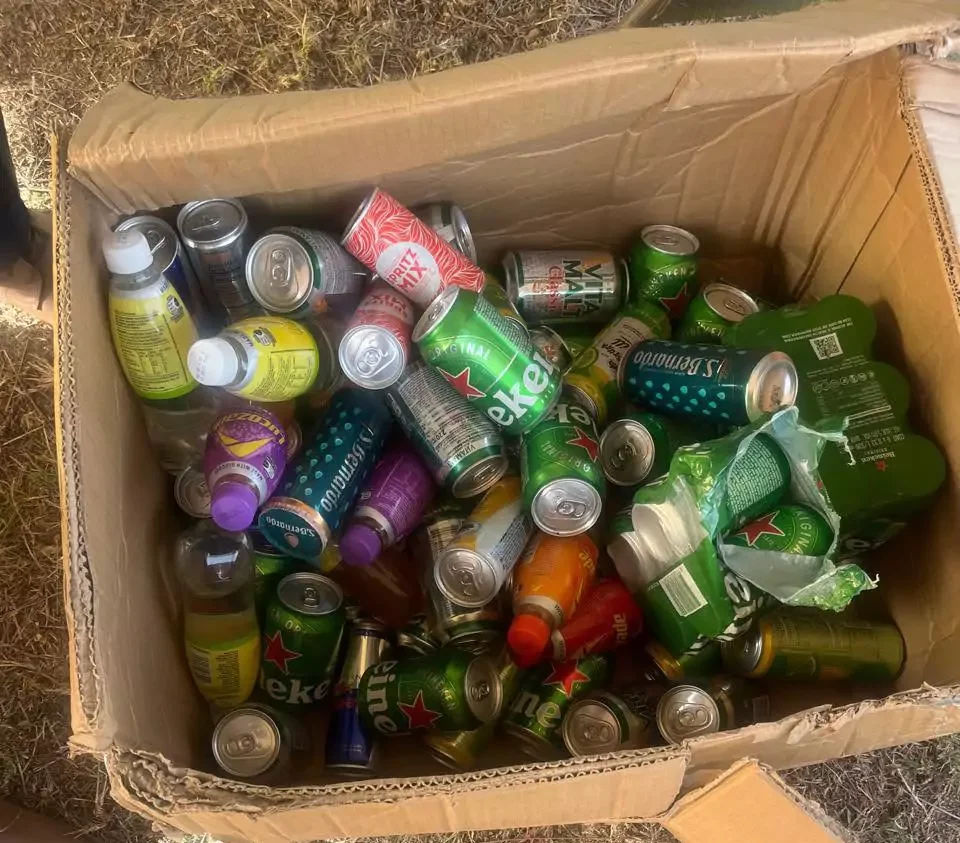
Numerous Beverages Confiscated as 268 de Breakfast Fete Enforces Stricter Exit Policy
Scores of event-goers who wrapped up their Sunday attendance at the highly anticipated 268 de Breakfas’ Fete faced stricter-than-usual security screenings when exiting the venue, as event organizers rolled out a series of new crowd management regulations that included the confiscation of all unapproved outside beverages.
This year’s iteration of the widely popular community gathering moved to an entirely new location, a shift that prompted organizers to implement a complete overhaul of access protocols and security frameworks. Unlike previous years, when entry and exit procedures were far more relaxed, trained security staff were posted at every exit point to carry out close checks, ensuring no attendees could leave the secured event space with prohibited drinks that had not been authorized by event management.
The upgrade to tighter security protocols does not come without financial consequences for the event’s promoters. The expanded security model requires a larger on-duty security team, purpose-built checkpoint infrastructure to regulate foot traffic through gates, and more intensive ongoing management of entry and exit points—all of which add significant unplanned extra costs to the event’s overall operating budget.
-
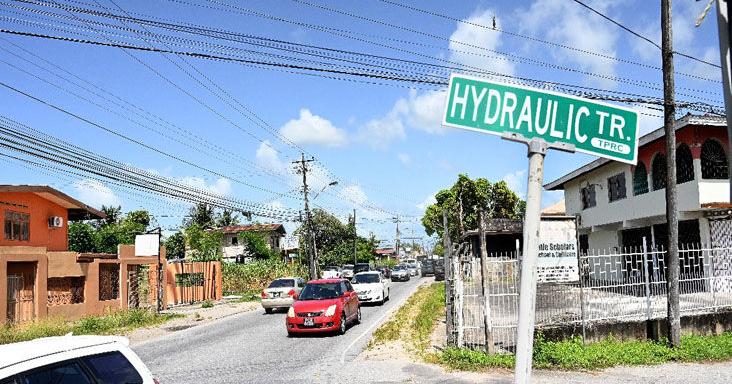
Communities welcome plan
Across several residential and commercial communities in Trinidad, local residents and business owners are reacting to a new national crime-fighting plan: the government’s rollout of 30 joint army-police outposts spread across the country. During on-the-ground interviews with the Express in communities including Acono Road in Maracas Valley-St Joseph, zones adjacent to the Grand Bazaar Interchange, and Kelly Village in Caroni, most stakeholders expressed broad support for the initiative, even as many raised pointed questions about its implementation and potential unintended consequences.
On Acono Road, a taxi driver who goes by Malcolm questioned why existing local police officers could not already carry out the increased patrol duties that the new posts are designed to deliver. “I am not saying current officers are doing nothing,” he explained. “If they are already based at the nearby station, they could carry out these same daytime patrols right now.” Malcolm also raised a key concern that the visible security presence could unfairly stigmatize his community, which relies heavily on tourism. The area is a popular starting point for hikes to Maracas Bay and local waterfalls, and hosts private events like wedding receptions for visitors. “An army and police post might make visitors think this is a dangerous place, and that could hurt the local economy that depends on tourism,” he added.
Despite Malcolm’s concerns, many other residents in the area welcomed the new security measure. A woman at Acono Junction called the plan a positive step, saying it could deter criminal groups from roaming freely and ultimately bring down local crime rates. A man who was gathered with a group of nearby residents also backed the initiative, noting that while he still lacks details on how the posts will operate, the idea makes sense. He argued that consistent, active patrols would push loitering individuals with criminal intent out of the area and crack down on open drug dealing. Other locals said they reserve final judgment until they see how the initiative is carried out, with many emphasizing that officers need to leave the posts to conduct active patrols rather than staying stationary on-site. Steve Villaroel, a local resident, framed the plan as a net positive, noting that most criminal activity in the area is carried out by outsiders, and the posts would help residents feel safer.
In Kelly Village, at a roundabout off the Southern Main Road, poultry vendor John Ramlal also threw his support behind increased permanent security presence, while adding a key recommendation that all officers deployed to the posts should wear body cameras. “Body cameras would help hold everyone accountable,” Ramlal explained. “Good citizens will feel safer, and criminals will be deterred from operating here. We already see how visible police presence improves the area – whenever officers park near the Beetham, traffic flows far more smoothly.” Ramlal added that Kelly Village has struggled with violent crime for years, including shootings in public areas, and has long needed a permanent police footprint. “The area has gotten a bad reputation because of crime, but beyond that it is a nice, convenient place to live,” he said. “A permanent post will help us feel protected again.”
Ornamental plant vendor Felix Hernandez, who operates along Caroni South Bank Road, echoed Ramlal’s support, saying the area has long dealt with persistent crime issues and the new posts are a much-needed intervention. Business owners in the nearby Bamboo community shared similar positive views. A local food vendor, who keeps his stall open until 2 a.m., said already frequent police patrols have had a clear positive impact for late-shift businesses. “I have operated here for 15 years, and thank God I have never been robbed, which I credit to the consistent patrols we already get,” he said. “A permanent post will only drive crime down further.” An employee at a local pizza outlet also supported the plan, noting that response times for emergency police calls are often unacceptably slow in the area, and a local post would cut down on wait times for help when incidents occur.
Overall, while community members raised legitimate questions about operational details and potential negative impacts, the overwhelming reaction from the communities visited was approval of the government’s new crime-fighting push.
-
Missing Fisherman Samuel Chi Found Dead at Sea
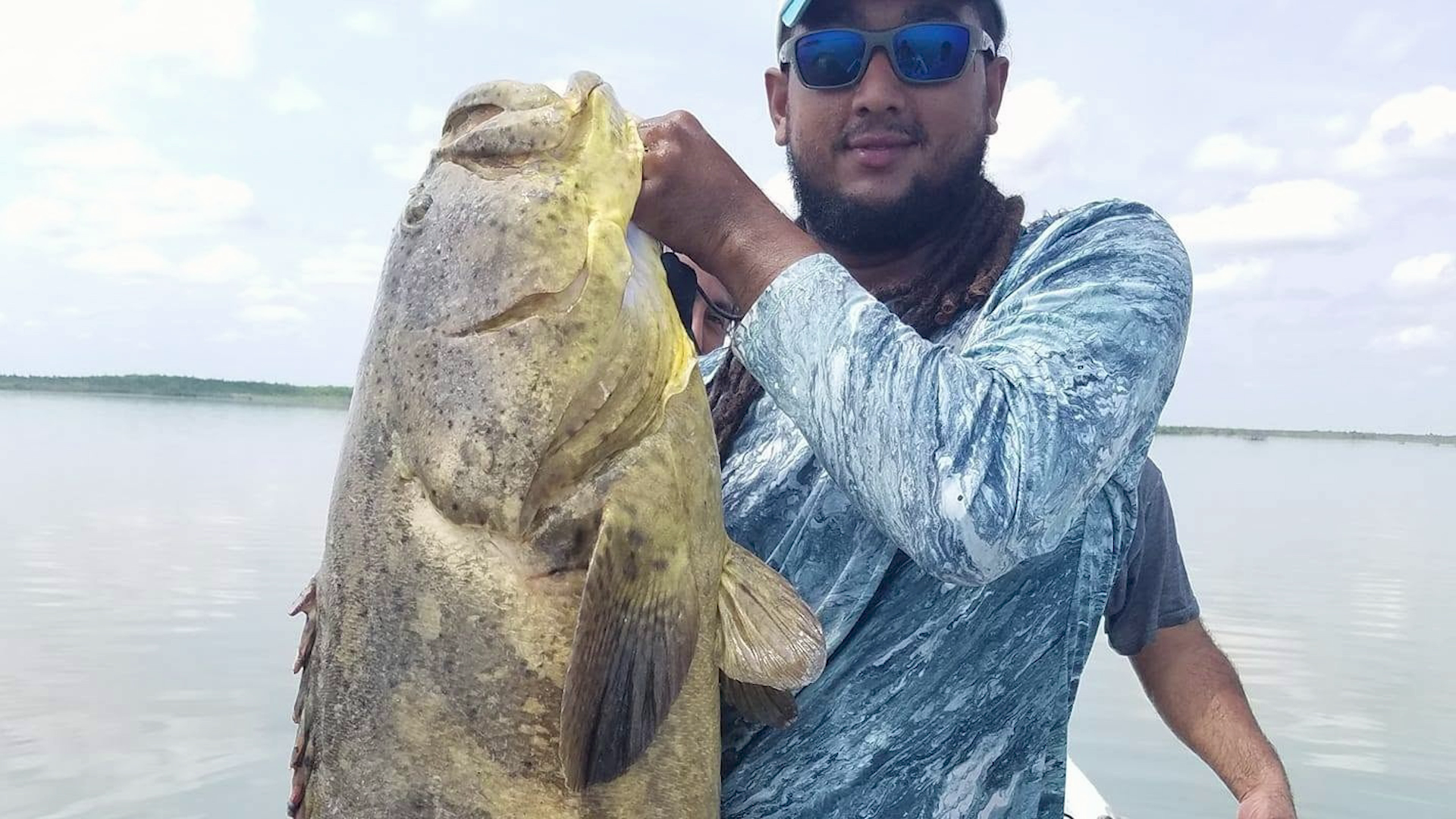
Nearly three days after two recreational fishermen went missing en route from Caye Caulker to Belize’s mainland, the multi-agency search effort has concluded in heartbreak, with the body of 52-year-old Samuel Chi recovered eight miles north of Belize City early on the morning of August 4, 2026. The grim discovery came just 24 hours after Chi’s sailing companion, Albert Vaccaro, was pulled alive from open water, suffering from severe dehydration that has so far prevented him from giving investigators a full account of the incident.
The joint search operation, led by the Belize Coast Guard and supported by local police and family members, spotted Chi’s body around 9 a.m. near Hick’s Caye, approximately four miles southwest of where Vaccaro was rescued the previous day. According to Lieutenant Mark Choc, Operations Manager for the Belize Coast Guard, Chi’s uncle, who had joined the search effort, first identified the body, which had likely been submerged for several hours before resurfacing. The remains were transported to Belize Coast Guard headquarters before being turned over to the national police’s Scenes of Crime unit, which has taken lead on the ongoing investigation.
The two men set off on their journey from Caye Caulker on Sunday evening, and contact was lost shortly after. Chi’s wife, Kristy Chi, who was out of the country when the pair went missing, recalled the slow creep of fear that turned into devastating certainty. “He was updating me on his day and their catch, then around 7:15 p.m. Belize time, messages went unanswered. I didn’t panic at first — that’s not unusual for him out on the water — but then Vaccaro’s wife reached out around 10 p.m. saying they hadn’t arrived yet. That’s when I knew something was wrong. After 15 years with Samuel, I know when something is off,” she shared in a phone interview.
A key point of focus for investigators is the vessel the two men were using, which remains missing despite continued search efforts by the Coast Guard. Choc explained that the small craft was designed exclusively for river use, not open ocean travel, making it unseaworthy for the crossing between Caye Caulker and the mainland. “That in itself is a very likely contributing factor to whatever incident occurred,” Choc noted. Weather conditions are also being investigated as a potential catalyst; the area where the two men were located is commonly used by small vessels seeking shelter from poor conditions, rather than the designated route used by larger, ocean-going craft.
For Chi’s family, the recovery of his body brings a small measure of closure after days of agonizing uncertainty, but the loss has left them utterly devastated. A lifelong recreational fisherman, Chi leaves behind two children and his wife of 15 years. “We were in the best place of our lives, doing exactly what we loved. I can’t even put what I’ve felt these past days into words,” Kristy Chi said. “After last night, I prayed that if it was God’s will, I would get my husband back so I could tell my children what happened to their father. Now we just need answers.”
Authorities have not yet ruled out any potential causes of the incident, including foul play, and are asking any members of the public with information about the crossing, the missing vessel, or the events of Sunday night to come forward to assist the investigation. While Vaccaro survived his ordeal at sea, he remains in recovery and has not yet been able to give a formal statement to police, leaving key details of what unfolded still unconfirmed.
-
Violent Highway Crash Leaves Zabaneh Injured but Alive
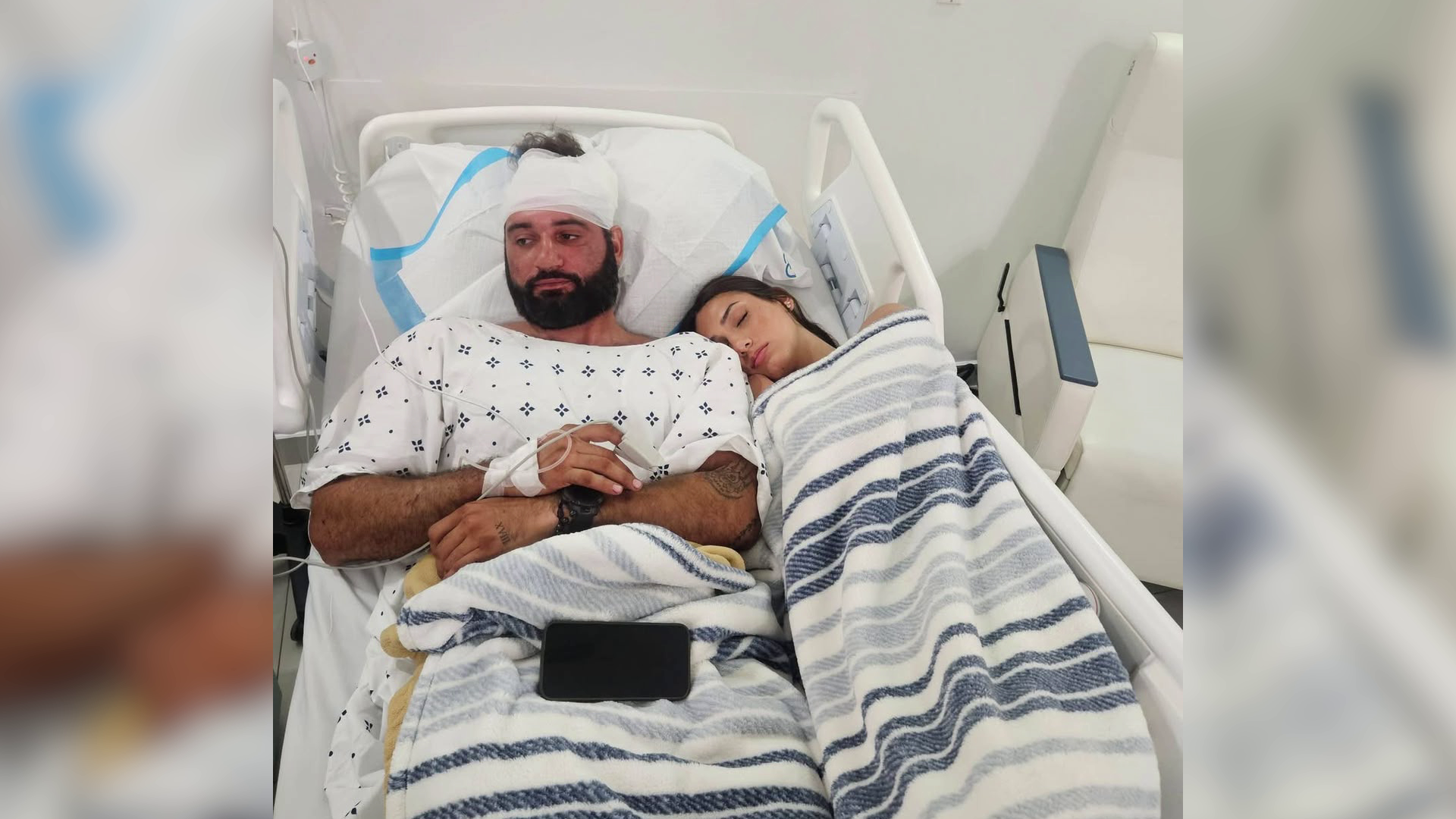
A violent highway collision near Belize’s Haulover Bridge on the Philip Goldson Highway Monday left 24-year-old motorist Emil Zabaneh seriously injured but alive, a miracle outcome doctors say could have easily ended in a fatality.
The incident unfolded when another vehicle pulled out from a nearby gas station and crossed into Zabaneh’s lane, blocking his path. Recounting his son’s version of events from the hospital, Emilio Zabaneh, Emil’s father, told local outlet News Five that Emil spotted the emerging vehicle at the last second, swerved left to avoid a catastrophic head-on crash, and was clipped by the other car on his passenger side rear panel. The impact sent Zabaneh’s vehicle spinning across the highway before it flipped multiple times, ejecting the driver from the cabin before he ended up tangled unconscious, hanging from the wrecked vehicle’s roof.
Initial assessments suggested the crash could cause life-altering harm: Zabaneh suffered a deep gash at the back of his head, and initial imaging pointed to potential spinal damage. But after conducting a full CT scan, medical teams confirmed that the only skeletal injury is a small hairline fracture in a lower vertebra, which doctors say will heal completely with extended bed rest and will not cause long-term mobility impairment. As of Tuesday evening, Zabaneh remains hospitalized for observation, is able to walk unassisted, and is in stable condition.
Family members have expressed cautious relief at the outcome, noting the incident could have ended far worse even without oncoming traffic in the opposite lane when Zabaneh swerved. The 24-year-old is still recovering fragmented memories of the crash, a common temporary effect of mild head trauma following high-force collisions. Local authorities have not yet released an update on potential traffic citations for the driver who pulled out of the gas station.
This report is adapted from a transcript of News Five’s evening television broadcast, originally published online ahead of a full newscast release.
-

Five-Year-Old Caught in Crossfire During San Ignacio Shooting
On a Monday evening in San Ignacio Town, an outburst of gang-involved gunfire left an innocent five-year-old boy hit by a stray bullet, drawing renewed attention to the persistent threat of violent crime in the area. According to local law enforcement officials, the shooting unfolded just after 7:40 p.m. along Collins Boulevard, turning a routine residential street into a scene of chaos. When first responders and police officers arrived at the incident location, they found 30-year-old Carlton McKoy lying on the pavement with multiple gunshot wounds to his body. Early investigative findings outline that McKoy was driving onto Collins Boulevard when a group of suspects seated in a parked vehicle opened fire, discharging multiple rounds directly at his car. As the gunfire spread across the area, one stray bullet traveled off the road and struck the young five-year-old student, who had been walking home on adjacent Bullet Tree Road alongside his mother. Both wounded victims were immediately rushed to a local medical facility for urgent care. The young child, whose identity has not been released to the public, was later transferred to Belize City’s Karl Heusner Memorial Hospital to receive more specialized ongoing treatment. As of Wednesday, authorities have confirmed that both McKoy and the child are in stable condition, with medical teams monitoring their progress closely. Law enforcement agencies have launched a full investigation into the shooting, working to identify the suspects responsible and determine the motive behind the attack. No arrests have been announced as of the latest update, and the investigation remains active and ongoing. This shooting marks another incident of gun violence impacting innocent bystanders in the region, leaving community members concerned about public safety, particularly for children and families moving through public spaces in the evening hours.