Scheduled to take effect following an official agreement between national transport authorities and local bus operators, Belize is set to implement a new round of bus fare increases in 2026 — only the second adjustment of its kind over the past 10 years. The price change is formally attributed to sustained global fuel cost increases that have squeezed operating margins for private and public bus providers across the country.
Alongside the fare adjustment, officials and industry leaders have repeated a long-held pledge to deliver tangible upgrades to bus services, including modernized fleets, improved safety standards and more consistent scheduling. But for regular commuters who lived through the 2016 fare hike, this promise sounds all too familiar. A decade ago, similar commitments of improved service followed the last price increase, and many riders report that few meaningful changes ever materialized, leaving overcrowded routes, aging vehicles and unreliable timetables unchanged.
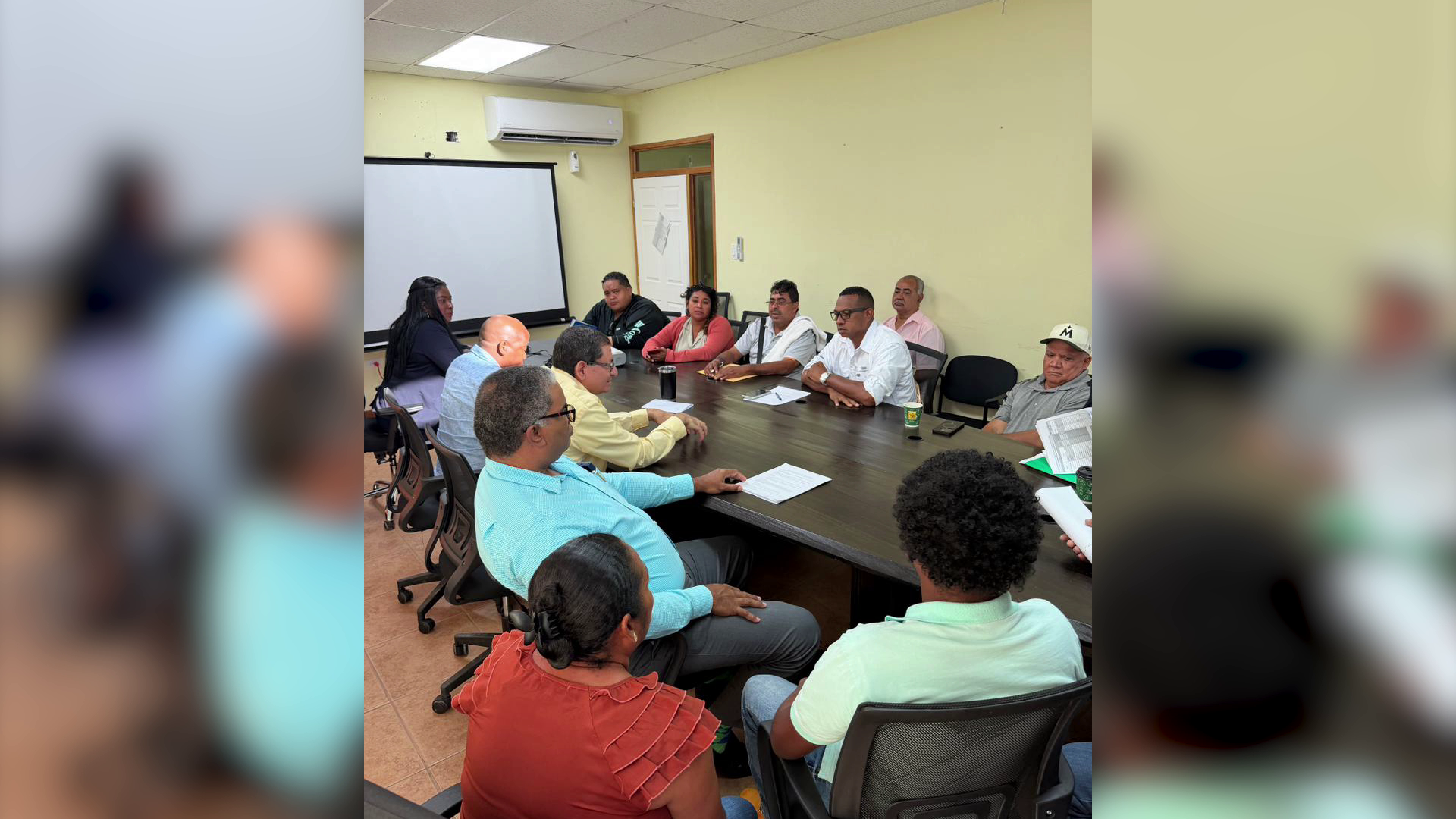
Current Transport Minister Dr. Louis Zabaneh and Belize Bus Association President Philip Jones are pushing back against that widespread skepticism, emphasizing that the 2026 agreement is structured differently to deliver on past unkept promises. In an interview, Dr. Zabaneh explained that the new framework distributes the financial burden of rising global fuel prices across three stakeholders: bus operators, fare-paying commuters, and the Government of Belize, creating a more sustainable balance than previous arrangements. He added that the agreement enforces existing performance conditions attached to operators’ road service permits, and that mid-next month, officials will open new discussions focused on upgrading rural and village bus routes, as part of a broader government strategy to modernize the national highway and public transit sector.
The core demand from commuters that has shaped ongoing negotiations mirrors what was raised a decade ago, when then-Transport Minister Edmond Castro highlighted rider concerns over safety, overcrowding, and unacceptably poor vehicle conditions. “If commuters are being asked to pay higher fares, even if only in some regions, they have every right to expect a better product from service providers,” Castro noted in past discussions that resonate with current public sentiment.
Thomas Shaw, a former president of the Belize Bus Association, echoed a long-held industry position that higher revenue is a prerequisite for service upgrades: “Progress always comes with growing costs, and at the end of the day, if communities want quality, reliable bus service, they have to be prepared to pay for it. If operators get the revenue they need to upgrade, they can deliver the better service commuters want.” Current association president Jones echoed that framing in recent comments, adding that “public transit is the lifeline for most Belizeans. Every operator is on board with this agreement, and we are committed to delivering consistent, high-quality service that gets better over time.”
Despite these renewed assurances, widespread skepticism remains among the riding public. After years of coping with overcrowded carriages, unpredictable schedules, and poorly maintained, aging buses, most commuters say they are adopting a cautious wait-and-see approach. While the leadership of the transport ministry and bus association has changed over the past decade, the core promise of service improvements tied to a fare hike remains identical — and for many Belizeans, that means their distrust remains unchanged too.