分类: society

  • Paralysed Teen Needs Help to go to Mexico for Surgery

    Paralysed Teen Needs Help to go to Mexico for Surgery

    A 16-year-old Belizean teen, Orell Reyes from Pomona Village, is facing an uncertain future after a random shooting left him paralyzed from the waist down earlier this month. Now, a community-led GoFundMe campaign is working to raise the funds he needs to access life-changing specialized medical care south of the border.

    The fundraiser, named “Stand with Orell: A Chance to Walk Again,” was organized by Whitney Geenen on behalf of Reyes’ family—Geenen is the employer of the teen’s housekeeper mother. As of the latest public update, 18 individual donors have contributed a total of $2,176 toward the $15,000 fundraising goal, putting the campaign less than 15% of the way to its target.

    The unthinkable tragedy unfolded shortly after Reyes finished football practice on a June afternoon. The teen stopped to pick up cold sodas for his teammates when two gunmen on a motorcycle opened fire on the area. Reyes was among multiple people struck by gunfire, and a bullet remains lodged in his spinal cord, resulting in permanent lower-body paralysis to date.

    In the weeks since the shooting, Reyes has developed severe, life-disrupting complications that local healthcare systems are not equipped to address properly. He has repeatedly battled dangerous infections and persistent high fevers, while his family grapples with limited access to consistent, adequate care. Local medical providers have confirmed that specialized assessment and potential surgery to safely remove the bullet is not available in Belize; the only viable option for the teen is to travel to Mérida, Mexico for the intervention that could potentially restore his ability to walk.

    From his hospital bed, Reyes described the constant numbness that has upended his young life. “From my waist to my foot, dead, dead, dead, pops. I can’t feel nothing,” he told local outlet News 5. “I just want a little help to go outside so they can take out this bullet out of my back. I tired of laying on my back.”

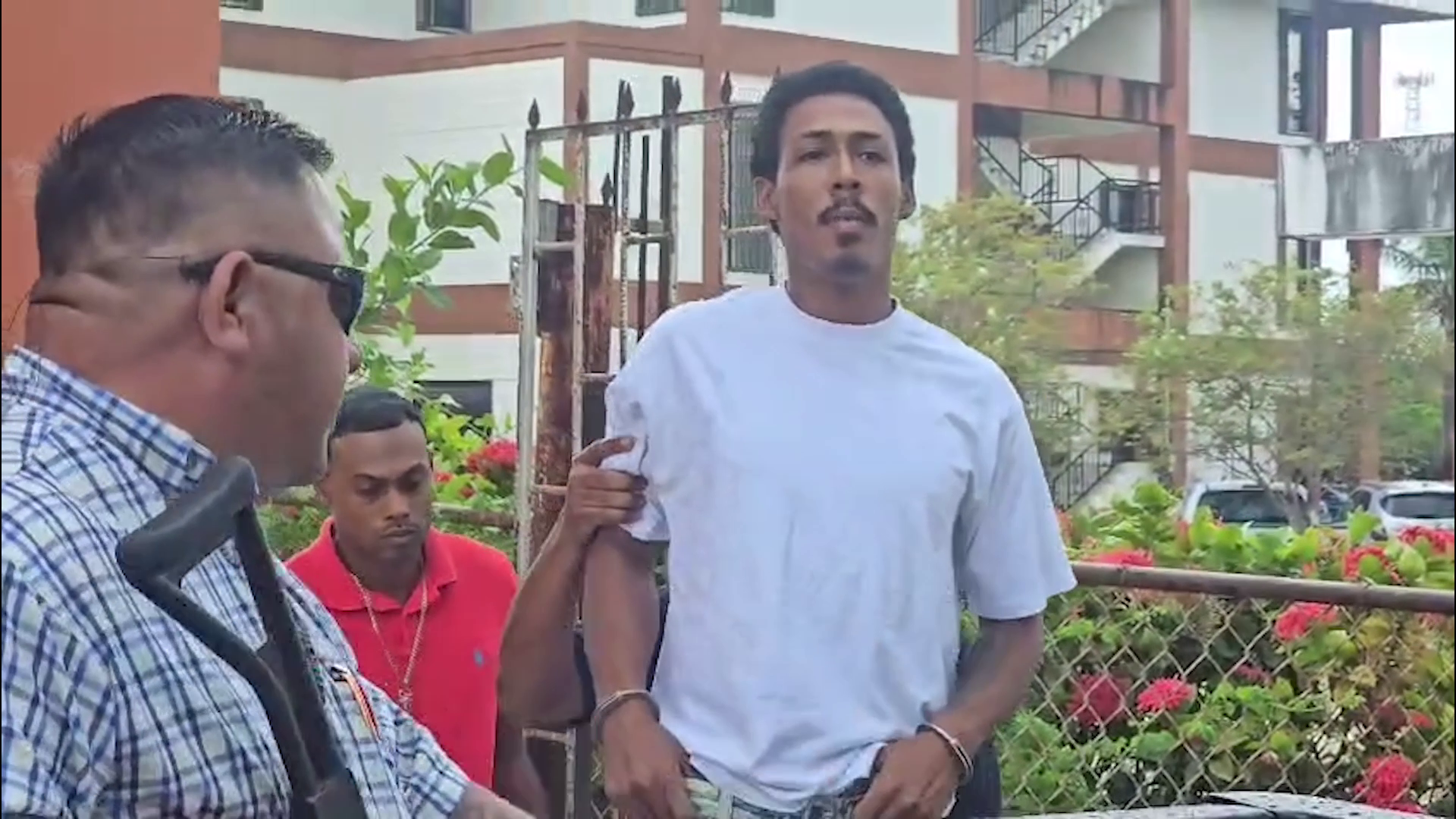
    Law enforcement investigations remain at a standstill nearly a month after the attack. Police have not established a clear motive for the shooting, and investigators have confirmed that Reyes was almost certainly not the gunmen’s intended target. No suspects have been arrested or publicly identified as of the latest updates.

    Community members and supporters around the world can contribute to Reyes’ medical care through the official GoFundMe page at https://www.gofundme.com/f/stand-with-orell-a-chance-to-walk-again.

  • When Will Drivers Be Held Accountable for Road Damage?

    When Will Drivers Be Held Accountable for Road Damage?

    On June 15, 2026, authorities in Belize have raised urgent questions about accountability and public responsibility after newly restored pedestrian safety rails along the Philip Goldson Highway were damaged once again, leaving public funds — and ordinary taxpayers — to cover the repeated repair costs.

    In an official public statement released online Wednesday morning, the Belizean Ministry of Infrastructure Development and Housing (MIDH) shared visual evidence of the damaged safety infrastructure at the entrance to Belize City. The site is no stranger to such incidents: this is the second time the recently replaced and freshly painted rails have been damaged in the same exact location.

    Ministry officials expressed deep frustration over the repeated destruction, noting that the damage appears to be a result of deliberate vandalism combined with consistent driver negligence. “It is disheartening, to say the least, to see what appears to be the deliberate vandalism of these safety rails. Our team had just replaced them and painted them. We are really our own worst enemy, it seems,” the MIDH statement read.

    While individual damaged rails may seem like a minor issue to fix, the cumulative cost of repeated repairs imposes a growing strain on public budgets that comes directly out of the pockets of Belizean taxpayers. Chief Engineer Evondale Moody told local outlet News 5 that these recurring repairs have evolved into a steady, unnecessary drain on the MIDH’s limited resources, labeling the repeated costs a “significant financial burden” for the government agency.

    Moody went on to outline the scope of the ongoing problem, explaining that the ministry is forced to allocate time, labor and materials to repairing or replacing damaged road safety infrastructure — including traffic signs, highway guardrails and pedestrian safety rails — nearly every single week. “While we continue to educate the public, these incidents persist,” he added.

    The news of the latest damage has sparked widespread discussion among members of the public online, with many offering divergent perspectives on the root of the problem and potential solutions. One social media user argued that the issue extends far beyond poor driving or occasional accidents, pointing to a deeper cultural challenge that requires systemic intervention.

    “Part of the problem is fixing the psychology of society. Much harder than fixing a road,” the user wrote, noting that long-term progress will require targeted investment in public education to build stronger civic pride and a shared sense of community responsibility for public infrastructure.

    Other commentators focused on a lack of meaningful legal accountability for people who cause the damage, arguing that repeated incidents persist because those responsible face no consequences for their actions. They noted that while the broader public works to advance progress across Belize, a small number of bad actors continue to undermine collective efforts with impunity.

    At the center of the ongoing public debate is a core policy question: who should be responsible for covering the cost of these repairs — the general public through taxes, or the individuals who cause the damage? One online participant offered a concrete proposal, arguing that holding offenders legally accountable through jail time, required hard labor, and mandatory restitution for repair costs would deter future incidents.

    As of Wednesday morning, MIDH officials have not announced any new policy changes or enforcement measures to address the recurring problem, leaving the ongoing burden of repair costs on Belizean taxpayers for the time being.

  • Shot Dead Near Police Checkpoint

    Shot Dead Near Police Checkpoint

    A senseless act of violence has left the close-knit community of Belize City in mourning, after 36-year-old local resident Eric Nelson was shot and killed late Saturday evening just steps from a heavily monitored intersection.

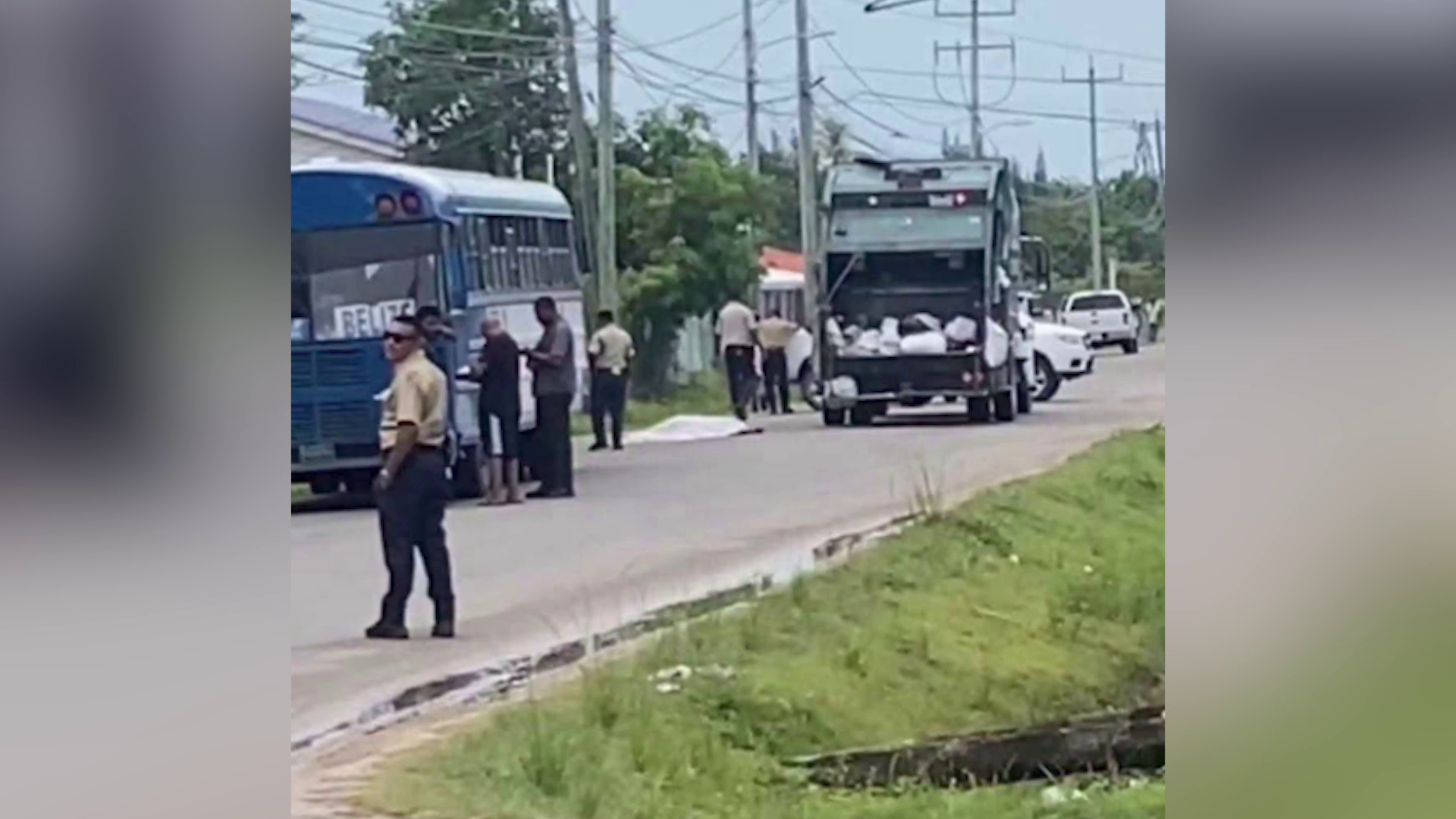
    The shooting unfolded at the corner of Lakeview and Banak Streets, a location that sits less than 10 meters from a fixed police surveillance camera and roughly 90 meters from a permanent 24-hour police checkpoint, according to initial law enforcement details. In a devastating twist for Nelson’s loved ones, the killing came less than a full day after Nelson accepted a promotion at the local call center where he had worked for several years. Authorities have confirmed that Nelson had no documented connections to gang activity or organized crime, leaving investigators with no clear early motive for the attack.

    As forensic teams processed the crime scene over the weekend, investigators confirmed that they will prioritize reviewing footage from the nearby police camera as they work to identify and track down the gunman. Law enforcement officials note that the camera’s close proximity to the shooting site could provide critical evidence to move the case forward, though no suspects have been named publicly as of early Monday.

    In a statement released through local community leaders Sunday, Nelson’s family said they are reeling from the sudden, violent loss of a man they described as hardworking and dedicated to his career. The family issued two urgent requests: first, that any graphic user-recorded videos of the crime scene circulating on social media platforms be taken down immediately out of respect for Nelson, and second, that the public grant the family space and privacy to grieve together in the coming days.

    The Belize Police Department has announced that it plans to release an official update on the investigation to local media outlets by Monday afternoon, as the search for leads continues across the city.

  • Fish markets close at 2 pm after fisheries chief’s death

    Fish markets close at 2 pm after fisheries chief’s death

    In a sudden announcement that has sent ripples of mourning through Barbados’ fishing sector, the Ministry of the Environment, National Beautification and Fisheries has ordered a nationwide temporary shutdown of all fish markets and landing sites, effective 2 p.m. local time Monday, June 15. The unprecedented step comes in response to the unexpected death of Dr. Shelly-Ann Cox, the nation’s Chief Fisheries Officer.

    The temporary closure is not the result of safety concerns or operational disruptions, but rather a deliberate measure designed to support ministry staff and fisheries workers as they process the loss of their beloved leader. All personnel will have access to specialized grief counseling services throughout the day to help them navigate their grief in the wake of the tragic passing.

    Normal fishing and market operations are scheduled to resume fully on Tuesday, June 16, once the memorial and support arrangements conclude. In an official statement released by the Barbados Government Information Service (BGIS), the ministry extended its sincere gratitude to the general public for their patience and understanding during this difficult period of mourning.

    Colleagues and community members have remembered Dr. Cox as a dedicated public servant who invested her entire professional career in advancing the interests and sustainable development of Barbados’ coastal fishing communities. Her work touched the lives of thousands of industry workers, from small-scale artisanal fishermen to large market operators, leaving a lasting legacy that will continue to shape the sector for years to come.

  • STATEMENT:World Elder Abuse Day

    STATEMENT:World Elder Abuse Day

    On June 15, 2026, communities and organizations across the globe observe World Elder Abuse Awareness Day, an annual initiative dedicated to shining a light on a pervasive, underrecognized violation of older people’s human rights. This year’s official theme, Beyond Awareness, Making Elder Abuse Prevention Work, paired with the sub-themes Stand Against Elder Abuse, Refuse to Abuse, marks a clear shift from acknowledging the crisis to demanding tangible, widespread change to protect vulnerable older populations.

    First established as a global reminder, World Elder Abuse Awareness Day reaffirms a core truth: all older people deserve to live their lives in dignity, security, and freedom from any form of mistreatment. Unlike past campaigns that centered primarily on raising public consciousness, 2026’s theme challenges governments, institutions, communities, and individuals to move beyond recognition and implement systemic changes that prevent abuse before it occurs. The sub-themes reinforce this message, framing elder abuse prevention as a shared responsibility rather than a task limited to official bodies.

    Global data and on-the-ground reports consistently show that elder abuse remains one of the world’s most underreported human rights violations. Most incidents occur behind closed doors, often perpetrated by people victims know and trust—family members, paid caregivers, or close community contacts. Mistreatment takes many insidious forms, ranging from physical, emotional, and psychological abuse to financial exploitation, neglect, abandonment, and systemic age-based discrimination. Too often, abuse is hidden behind common stressors like family conflict or overwhelmed caregiving, but its impacts are severe and long-lasting: victims face heightened risk of physical injury, chronic emotional trauma, loss of autonomy, social isolation, declining health, and even premature death.

    This year’s campaign emphasizes that awareness, while a critical first step, is not enough to end the crisis. To turn commitment into impact, the initiative outlines four key priority areas for action. First and foremost is building a culture of radical respect for older people. Far from being societal burdens, older adults are invaluable community members—they are parents, grandparents, mentors, teachers, former public servants, frontline workers, and leaders who have built and continue to contribute to societies around the world. Campaign organizers stress that challenging ageism, the harmful stereotypes and prejudice that erase older people’s worth, is the foundational step to prevention. When respect for older people is normalized in homes, schools, workplaces, and communities, the conditions that enable abuse are drastically reduced.

    A second priority is expanding support for families and caregivers. While millions of caregivers provide dedicated, compassionate care to older loved ones under challenging circumstances, caregiving often places extreme physical, emotional, and financial strain on individuals. Prevention efforts must ensure caregivers have reliable access to training, mental health support, respite care, and community resources to reduce stress that can lead to harmful outcomes. At the same time, older people themselves must be empowered with clear information about their fundamental human rights, so they can recognize mistreatment and advocate for themselves.

    Third, the campaign calls for expanding accessible reporting pathways and early intervention. Silence remains the single biggest barrier to addressing elder abuse: many victims choose not to come forward out of fear of retaliation, shame, broken family ties, or involuntary institutionalization, while others do not know where to turn for help. Communities must be educated to recognize common warning signs of abuse, and systems must be built to offer safe, confidential, stigma-free routes for reporting. Early intervention stops situations from escalating and helps restore safety and dignity to victims much faster.

    Finally, the initiative pushes for the development of fully age-friendly communities, where prevention is embedded across all levels of society. In line with this goal, the Dominica Council on Aging has already rolled out targeted training for relevant stakeholders focused on educating participants on older people’s legal rights, equipping community members with the knowledge they need to prevent mistreatment and work toward full eradication of abuse.

    As the 2026 observance gets underway, organizers are issuing a universal call to action: every person has a role to play in respecting, valuing, and protecting older people, and upholding the vital contributions they have made and continue to make to our world. By working together across sectors and communities, we can build a future where elder abuse is no longer tolerated, and all older people can age with the dignity they deserve.

  • The New Wedding MVP? Dad!

    The New Wedding MVP? Dad!

    Not long ago, the role of a father at his child’s wedding boiled down to a short, clear list of ceremonial duties: escort the bride down the aisle, pose for formal portraits, deliver a heartfelt toast, and hold back tears during the traditional father-daughter dance. That decades-old template no longer reflects reality. Today’s wedding fathers have stepped into a far more dynamic, demanding, and vital role that blends half a dozen full-time job descriptions: part logistics coordinator, part personal financial advisor, part on-site security, part emotional therapist, and even an unpaid, on-call event planner when needed.

    Somewhere between the first venue walkthrough and the final invoice deadline, fathers have quietly claimed the title of the Most Valuable Player of the entire wedding celebration. Yet this critical shift has flown largely under the radar, with far too little attention paid to their expanding contributions.

    Modern weddings have grown into large-scale, complex productions that rival small corporate events in planning and coordination. Couples must navigate strict timelines, binding vendor contracts, intricate seating arrangements, unpredictable weather risks, guest transportation schedules, and delicate family dynamics that can be as tense as high-level diplomatic negotiations. While engaged pairs focus on fun, personal choices like picking signature wedding cocktails and debating the necessity of an elaborate champagne tower, fathers are most often working behind the scenes to keep the entire operation from falling apart.

    Even with the constant stress that comes with last-minute changes and unexpected hurdles, the vast majority of fathers fully embrace their expanded role, whether they are troubleshooting logistical snags or calming a nervous bride moments before the processional.

    Need someone to step in and renegotiate with a vendor that suddenly hiked their invoice just three weeks before the big day? Dad is already on the call. Need a person to hold the bridal party’s bags, track down a missing uncle who wandered off before the ceremony, straighten a crooked groomsman’s tie, soothe a panicking bride, and quietly cover an unexpected extra charge without drawing attention to the added cost? Once again, dad steps up to handle it.

    What makes this shift even more striking is that most fathers downplay their work, brushing off their contributions with a casual line that they are “just helping out.” One of the most fascinating transformations of wedding planning is watching fathers gradually become deeply invested in small details they once claimed meant nothing to them.

    The same man who initially shrugged and said “I don’t care what flowers you pick” will suddenly develop strong, well-reasoned opinions about where the reception tent should be placed, how guest parking should be organized, and whether guests will be uncomfortable during cocktail hour on a hot day. He may not be able to tell the difference between ivory and champagne table linens, but he will absolutely insist that the backup generator be tested hours before the first guest arrives.

    Nor can we overlook the financial flexibility and careful budgeting that modern wedding dads bring to the table. Many go into the planning process assuming they will just contribute to a small, intimate celebration. But a few months in, they find themselves poring over line-item invoices like a seasoned corporate accountant, trying to process how floral arrangements can cost as much as a used car. At some point during the planning process, almost every wedding dad asks the same quiet, disbelieving question: “People pay that much just for chairs?”

    Yet even with all the stress, sticker shock, and last-minute fires to put out, most fathers show up fully committed to making the day perfect for their child. They quickly develop professional-grade event management skills, memorize vendor arrival times better than many professional wedding planners, and check weather updates with the same obsessive focus as a veteran meteorologist tracking a hurricane. While mothers have long been celebrated for the emotional labor they put into wedding days, fathers are increasingly stepping into quiet, consistent roles as emotional support systems for the couple.

    Juggling overwhelming pride, bittersweet nostalgia, constant pressure, and deep love, fathers have emerged as the unsung unexpected heroes of modern weddings. It shows up in the quiet, reassuring conversation outside the ceremony venue before the processional. It shows up in the calm, steady presence when everything seems to be going wrong. It shows up in the soft, unspoken check-in that asks “Are you okay?” without needing to say the words out loud.

    Underneath all the spreadsheets, last-minute payments, logistical checks, and jokes about sky-high wedding costs, there is a father coming to terms with the fact that the little girl he once carried on his shoulders is about to start a whole new chapter of her life. That is the core reason why they have stepped into this role as unsung heroes: they balance all the pressure and work with equal parts love, responsibility, and nostalgia.

    As Father’s Day approaches, it is long past time that these modern wedding dads get the public recognition they have earned. They deserve more than credit for just walking their daughter down the aisle. They deserve recognition for being chauffeurs, tough negotiators, forensic accountants, emergency first responders, family peacemakers, and the steady hand that holds everything together during one of the biggest celebrations of a family’s life.

    This commentary comes from Shikima Hinds, Managing Director of Shikima Hinds Events Concierge.

  • Turning crisis into classrooms

    Turning crisis into classrooms

    Jamaica is currently facing a pressing crisis across its construction sector: a critical shortage of skilled tradesworkers that has slowed progress on key rebuilding projects and created widespread staffing challenges. In response to this gap, a visiting labor leader from the United States has put forward an innovative proposal that ties post-disaster recovery to long-term workforce development, turning an immediate obstacle into a generational opportunity for the island’s young people.

    Wayne Spence, who leads a delegation from the American Federation of Teachers (AFT) and also serves as president of the 60,000-member New York State Public Employees Federation, unveiled the plan during a press forum hosted by the Jamaica Teachers’ Association (JTA). The event centered on disaster risk management and educational recovery in the wake of Hurricane Melissa, where attendees gathered to unpack ongoing challenges for the country’s education sector and explore strategies to build more disaster-resilient school infrastructure.

    Spence’s intervention comes as warnings about Jamaica’s skilled labor deficit grow louder. Just recently, Government Senator Kavan Gayle sounded the alarm about acute shortfalls in a range of key construction trades, including carpentry, masonry, steel work, electrical work, plumbing, and finishing work. This shortage has already translated to costly project delays and persistent staffing strains across the entire construction industry, a problem that is particularly acute as the country works to rebuild infrastructure damaged by Hurricane Melissa.

    Instead of framing the labor shortage as a purely negative barrier to reconstruction, Spence argues that it opens a unique door to address two critical challenges at once: meeting the immediate demand for construction workers and equipping young Jamaicans with stable, in-demand careers for the future.

    “I’ve already spoken with New York-based unions that represent large numbers of Jamaican and Caribbean diaspora members, and they’ve stepped forward to offer their support,” Spence explained. “They’re willing to travel to Jamaica to run hands-on training programs. Right now, many kids can’t attend classes because their schools were destroyed in the storm. Why not use that gap to start training them to help rebuild their own communities? That training directly leads to sustainable jobs — that’s the core of what we’re hoping to accomplish.”

    Spence emphasized that the model would address both immediate and long-term needs. In the short term, it would expand the workforce to speed up recovery work, while over the coming years, it would build a steady pipeline of skilled workers for trades that are projected to remain in high demand for decades.

    Noting the shifts he has seen in Jamaica’s construction industry since he left the country as a child, Spence pointed out that many modern construction skills can be taught to young people far more quickly than many traditional career paths. “When I was growing up here, all construction was concrete — we didn’t use Sheetrock the way we do now. Today, there are accessible skills that 14- and 16-year-olds can learn quickly,” he said. “While school infrastructure is being repaired and students can’t attend regular classes, why not put them to work alongside experienced tradespeople to help rebuild schools themselves, learning on the job and setting themselves up for future careers?”

    Beyond addressing the current labor shortage and post-hurricane recovery, Spence noted that skilled trades also offer long-term security in a rapidly shifting global labor market, where artificial intelligence and automation are displacing millions of traditional roles.

    “AI and automation are going to eliminate a lot of existing jobs, but there are still hands-on roles that technology cannot easily replicate — even China, which has pushed hard into robotics, hasn’t fully solved this,” he explained. “Skilled trades are one of those fields that will remain beyond the reach of automation for the foreseeable future. These jobs will always offer a solid, living wage for workers, which aligns with our core mission as educators to set people up for successful, sustainable careers.”

    The proposal was part of a broader conversation about how Jamaica can speed up school reconstruction and prevent students from falling academically behind when extreme weather disrupts normal school operations. Spence also drew on decades of disaster recovery experience from the United States, where communities have long struggled to bridge the gap between immediate emergency response and the slow, often uneven process of long-term infrastructure recovery.

  • Abinader and Collado inaugurate first phase of Haina Health Boulevard with RD$165 million investment

    Abinader and Collado inaugurate first phase of Haina Health Boulevard with RD$165 million investment

    On a formal ceremony held Monday in Bajos de Haina, Dominican Republic President Luis Abinader alongside Tourism Minister David Collado officially opened the first phase of the highly anticipated Health Boulevard public space project, a development backed by over 165 million Dominican pesos (RD$) in public investment focused on upgrading local communal infrastructure and raising living standards for area residents.

    Spanning a total development area of 27,820 square meters, the completed first phase of the project is projected to deliver tangible benefits to more than 83,000 people living in the surrounding region. Upgrades completed in this stage include new paved pedestrian pathways, expanded green belts, purpose-built recreational and sports facilities, modern urban furniture, professional landscape design, upgraded public lighting, and a large-scale local reforestation initiative.

    Speaking to attendees at the inauguration, President Abinader stressed that the Health Boulevard is far more than a conventional public construction project. Beyond its physical infrastructure, he highlighted the transformative social impact it will have on local community welfare. The new boulevard, he noted, will give local families and children a secure, welcoming space for leisure activities, while driving long-term improvements to quality of life for both permanent residents and visitors to the area.

    Minister Collado framed the new boulevard as a game-changing development for the entire municipality of Haina. Beyond serving as a much-needed recreational hub for local households, he explained, the project is also positioned to act as a key catalyst for expanding tourism activity across the region. Collado also disclosed that, as part of the national government’s broader push to revitalize public spaces and drive inclusive local development, a total of more than RD$780 million has already been allocated to a range of public projects across Haina.

    The first phase of the Health Boulevard was delivered by the Executive Committee for Infrastructure in Tourist Zones (CEIZTUR), the government body tasked with overseeing the initiative. Completed amenities included a new public access plaza, sprawling green recreational areas, dedicated zones for sports and leisure activities, 570 meters of accessible pedestrian walkways, on-site parking facilities, a modern children’s playground, an open-air amphitheater, and a regulation-size basketball court. Construction crews also installed fully upgraded sanitary and electrical infrastructure to support the long-term, reliable operation of all public facilities at the site.

    Looking ahead, government officials confirmed that the Health Boulevard initiative will advance to a second phase of development in the coming period. This upcoming stage will focus on constructing a full-service community center that will host a range of public services and community support programs for Haina residents.

  • Embarrassment to force and country

    Embarrassment to force and country

    A high-profile incident of alleged extortion targeting an American tourist is set to lead to formal charges against two Royal Bahamas Police Force officers on Friday, marking the second major corruption-related case involving law enforcement and visitors to the Caribbean nation in less than a year.

    The case emerged after the visiting tourist filed a formal complaint alleging misconduct by officers at the Nassau Cruise Port, one of the country’s most high-traffic entry points for international visitors. Law enforcement leadership confirmed that a 23-year-old female officer and a 27-year-old male officer were taken into custody following the June 14 complaint, and both are scheduled to make their first appearance at the Magistrate’s Court starting at 10 a.m.

    Royal Bahamas Police Force Commissioner Shanta Knowles called the alleged behavior deeply embarrassing for both the national police service and The Bahamas as a whole, emphasizing that the incident strikes at the core of the country’s reputation as a safe tourist destination. “Again, this is something that is causing embarrassment to our organisation and eventually to the country,” Knowles stated in an interview with The Tribune. “It is acts like this that we even warn our officers about. There is no need for any officer to believe or to act in such a manner where you are in contravention of police policy and also the law.”

    Following the tourist’s report, the force’s Complaints and Corruption Branch launched a full investigation into the allegations. In an official statement, the RBPF reaffirmed its long-standing “zero tolerance” policy for criminal and unethical behavior among personnel, noting that any action that erodes public trust or damages the country’s standing will be addressed decisively, in full alignment with national law.

    The department also noted that the probe into the latest extortion allegations was conducted “thoroughly, fairly, and impartially,” and restated its institutional commitment to upholding core standards of professionalism, integrity, accountability and ethical policing for all serving officers.

    This case comes just months after another high-profile corruption scandal involving police interaction with a tourist. In that earlier incident, a viral TikTok video recorded by a Miami-based visitor circulated widely online, appearing to show an officer attempting to solicit a bribe during a routine traffic stop.

    In that case, Knowles said the department was alerted to the incident by social media, which triggered an immediate internal investigation. Two officers were ultimately pulled from frontline public safety duties and referred to a formal police tribunal for disciplinary review.

    The 2024 video showed officers conducting a roadblock near St Matthew’s Anglican Church off Shirley Street, after the tourist was stopped while operating a rented scooter. In the recorded footage, the officer identified by badge number 4438 appeared to suggest the traffic violation could be “worked out” rather than result in a formal ticket — comments that were broadly interpreted by social media users and investigators as a clear solicitation of a bribe. The officer was also heard advising the tourist to move out of the line of sight of other on-duty officers during the exchange.

  • Diaspora urged to help provide resources to assist children with special needs

    Diaspora urged to help provide resources to assist children with special needs

    MONTEGO BAY, St James — As Jamaica grapples with a sharp, nationwide increase in the number of children requiring specialized educational support, Education Minister Dr. Dana Morris-Dixon has issued an urgent, heartfelt call for resource and expertise backing from members of the Jamaican diaspora community around the world. Speaking Monday at the 11th Biennial Jamaica Diaspora Conference, hosted at the Montego Bay Convention Centre, the minister openly conceded that the country’s current education infrastructure is not prepared to meet this growing demand, even as the government remains committed to upholding the principle that no child will be left behind.

    “Our special education children cannot be left behind. They’re just as important as every other child, and they have a lot to give to this country,” Morris-Dixon told the assembled audience, drawing a show of commitment from attendees after framing her appeal: “We have to do a lot of work in that area, and as a diaspora, I need your help. You need to commit to helping me — you’re clapping, so you’re committing to helping me!”

    The most pressing gap the system faces is a lack of dedicated diagnostic facilities to identify and assess children’s special needs, the minister explained. Currently, the only public diagnostic centers operating under the Ministry of Education are based at Mico University College in Kingston and Sam Sharpe Teachers College in St James, forcing families in more rural regions to travel hundreds of kilometers to access critical evaluations. Morris-Dixon did highlight one upcoming improvement: a new diagnostic facility in Portland, set to open before the end of the year. Once operational, the center will cut travel times and improve access for families in Portland and neighboring St Mary, a development the minister called a meaningful win for local communities.

    Even as the government expands diagnostic capacity, a second, more persistent challenge remains: a critical shortage of specialized therapy professionals. “That’s where we don’t have a lot of experts,” Morris-Dixon said. To address this gap, she extended an open invitation to international academic institutions and training programs: if they are educating speech therapists, occupational therapists, or other specialists focused on supporting children with special needs, the Jamaican Ministry of Education stands ready to welcome students and practitioners for clinical placements and collaborative work.

    “We’re open. We’re a very flexible ministry,” she noted. “We understand that we may not have all of the resources here, but we’re open to getting the support for the students in different ways.” Alongside recruiting outside expertise, the minister emphasized that ongoing professional development for local special education teachers remains a top priority.

    In a key policy update, Morris-Dixon revealed that the Ministry of Education has finalized the country’s first formal special education needs policy, which will soon be submitted to Parliament for approval. A core component of the new framework is expanding public education to build greater awareness and understanding of special needs across Jamaican society.

    The appeal comes just days after Observer Online reported that the ministry is already moving ahead to create new specialized learning spaces, following a surge in demand for special education services nationwide. One senior official noted that demand has reached alarming levels in the Kingston and St Andrew Corporate Area, a trend that may be linked to higher numbers of school-aged children born during recent viral epidemics and the COVID-19 pandemic.