
In an unexpected official notice released Tuesday, June 9, the top leader of Jamaica’s Ministry of Sports has ordered an immediate temporary closure of the ministry’s central office facilities, with all employees transitioning to remote work arrangements that will remain in effect until the government issues new guidance. The public announcement was formally signed by Heather Samuel-Daley, the sitting Director of Sports. “Please be advised that the Ministry of Sports is currently closed,” the official notification read, confirming that all non-essential and administrative personnel would carry out their job duties off-site for the foreseeable future. Strikingly, senior ministry officials did not include any public explanation for the sudden office shutdown, nor did they offer any preliminary timeline for when staff might be allowed to return to in-person work at the main ministry campus. In a follow-up statement to the press, administrative representatives added that additional updates will be shared with the public and stakeholders promptly as new details are finalized. The ministry also extended a formal apology for any disruptions or inconveniences the sudden shift may cause for community members, sports organizations, and other groups seeking in-person services, while expressing gratitude for the public’s patience, understanding, and ongoing cooperation amid the unanticipated change.
分类: society
-

Ethnic Leaders Assert Rights But Reject Division
Long one of Belize’s most politically and socially charged policy flashpoints, disputes over customary land ownership and ancestral territorial rights have reemerged as a central national conversation, with three of the country’s largest ethnic groups advancing formal claims rooted in centuries of cultural and historical connection to their traditional lands.
The debate kicked off most recently when the National Kriol Council released an official statement formally asserting traditional land rights for Kriol (Creole) Belizeans, identifying culturally significant historic Kriol settlements stretching across the country from Belize City and the Belize River Valley to Placencia, Seine Bight, Punta Gorda, and Yemeri Grove. In his remarks outlining the group’s position, National Kriol Council President Wilford Felix emphasized the unique ancestral origins of Kriol culture in Belize, arguing that unlike other ethnic groups whose cultural traditions developed outside Belize before migration, Kriol culture emerged indigenously within Belize’s borders. With a continuous presence dating back roughly 200 years before the arrival of other major ethnic groups, Felix says it is only logical that Kriol communities be included in national conversations around indigenous land recognition, a status already granted to Maya communities and claimed by the Garifuna people.
Parallel to the Kriol Council’s assertion of rights, the Maya communities of southern Belize’s Toledo District continue their multi-year process of demarcating customary lands, and are preparing to return to the Caribbean Court of Justice to seek clear enforcement of existing rulings against the national government. Cristina Coc, spokesperson for the Maya Leaders Alliance, explained that the court has already formally confirmed that Maya customary land tenure carries the same legal weight as any other form of property recognized under Belizean law. Critically, Coc noted, the court has also ruled that existing land titles granted to third parties, both before and after the 2015 affirmation of Maya rights, do not invalidate long-held customary claims. “Our property rights as Maya people did not begin in 2015,” Coc emphasized, acknowledging that the current landscape leaves overlapping competing claims to the same parcels of land.
For the Garifuna people, who have long sought formal recognition of their ancestral rights to coastal communities including Hopkins and Seine Bight, the movement has now taken institutional form: the National Garifuna Council recently launched a dedicated Legal Defense Fund to support formal court action to defend their territorial claims. Ifasina Efunyemi, Assistant Treasurer of the National Garifuna Council, pushed back against public misunderstanding of the group’s claim to indigenous status, noting that indigenous status refers to presence in a territory prior to colonization, a standard Garifuna communities meet on Belize’s southern coast. “We were the first to occupy the southern coast of Belize from the Sibun to the Sarstoon, and it is our presence that made it possible for the British to expand its boundary to the Sarstoon because we were here,” Efunyemi stated, challenging any parties seeking to contradict the group’s ancestral history.
Nearly three decades ago, former Belizean Prime Minister Said Musa famously declared he would not oversee the balkanization of Belize along ethnic or territorial lines, a framing that hangs over the current national conversation. What unites all three groups in this moment is a shared demand for formal recognition of ancestral rights – but all parties have emphasized they do not seek national division. As Belize continues to navigate the tangled intersections of ancestry, cultural identity, and property ownership, the core challenge extends beyond simply defining legal land rights: the country must now find a way to address these longstanding historical claims without deepening ethnic divides among the communities that all call Belize home. In the coming months, negotiations and court proceedings will test whether Belize can reconcile these competing interests while preserving national unity. News Five will continue to provide updates as this story develops.
-
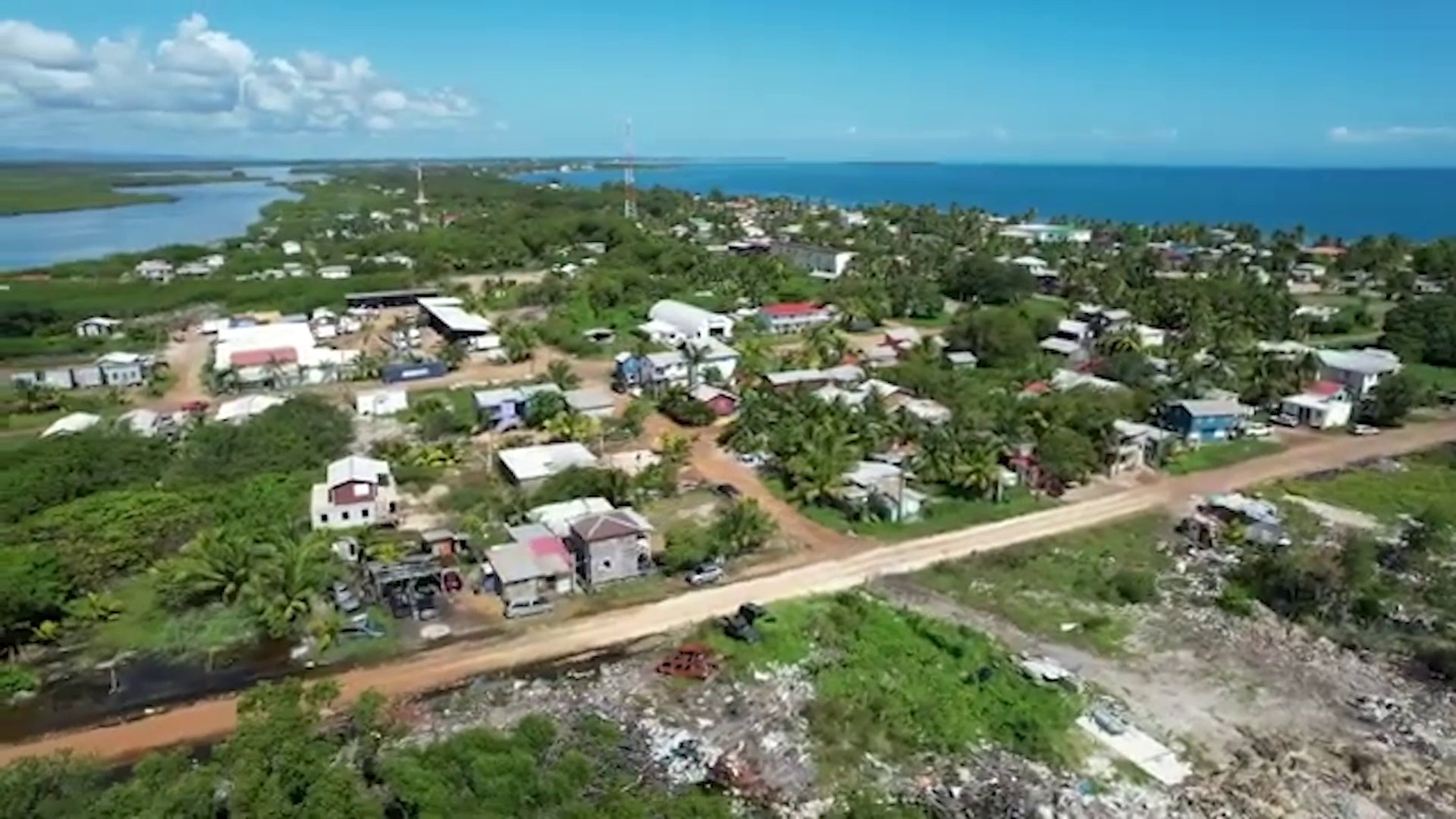
Will Ethnic Land Rights Fight Divide Belize
As national debate over customary indigenous land rights gains momentum across Belize in June 2026, leaders from the country’s three largest Indigenous groups — the Kriol, Garifuna, and Maya communities — are pushing back against a growing public narrative that frames the land rights movement as an ethnic conflict pitting marginalized groups against one another.
In joint public remarks, the community leaders emphasized that their shared advocacy is not a competition between ethnic groups for limited land resources. Instead, it centers on demands for systemic fairness, expanded equitable access to national territory, and legal recognition of ancestral land ties that have bound each community to Belize’s soil for hundreds of years. While each group maintains distinct historical claims to specific lands across the country, they have aligned on a core unifying message: the land justice movement must not divide ordinary Belizeans.
Wilford Felix, president of the National Kriol Council, explained that his organization’s advocacy is first and foremost a public assertion of Kriol indigenous identity tied to land, not a conflict with other Indigenous groups. “Many people wrongly assume Kriol communities are only rooted in Belize District,” Felix noted. “But the historical record shows that Kriol settlements emerged alongside every river and waterway across the entire country. We are calling for recognition of that long history, not a fight against other communities.”
Ifasina Efunyemi, assistant treasurer of the National Garifuna Council, expanded on this framing, urging the public to look past false divides. “People want to frame this as Garifuna versus Maya, or Creole versus Mestizo, but that’s a misrepresentation of what’s really happening,” Efunyemi said. “We all need to step back and recognize who the actual barrier to justice is: the systemic disenfranchisement that has held back ordinary working Belizeans of all ethnic backgrounds for generations. That is the shared challenge we face, not conflict with one another.”
Cristina Coc, spokesperson for the Maya Leaders Alliance, echoed this solidarity, noting that the fight for Maya land rights aligns with the needs of all low-income Belizeans. “What we are demanding as Maya Belizeans benefits every ordinary person in this country,” Coc explained. “Across the nation, working Belizeans are fighting to keep a roof over their heads — many can’t even secure a small residential lot to build a home. At the same time, a small handful of wealthy elites hold thousands of acres of unused land for their own benefit. That is a clear injustice that the government cannot ignore. Our movement for ancestral land recognition is part of a broader fight for all Belizeans to claim their birthright to this country.”
The current debate emerged after the Government of Belize established an Independent Commission on Village Boundary Disputes to resolve overlapping geographic claims between Indigenous communities. While the commission was intended to de-escalate local conflicts, recent public consultations around the body’s work have inadvertently fueled racial tension, with some public commentary framing the land rights push as an inter-ethnic conflict.
This report is a transcribed excerpt from an evening television newscast, with Kriol-language statements rendered using a standardized spelling system for accessibility.
-

Belizeans Angered over BWS Cut-Offs
As of June 9, 2026, a widespread public anger is spreading across Belize, directed at Belize Water Services Limited (BWSL) over the company’s controversial practice of cutting running water to residential and commercial customers over extremely small unpaid balances. Residents across the country have come forward with shocking accounts of disconnections, with some reporting their service was halted for amounts as little as a few cents, and others citing unpaid balances between just five and 15 Belize dollars. Compounding the public’s frustration is the steep 25-dollar reconnection fee that customers are forced to pay to restore their access to this essential utility — a charge that in most cases far exceeds the original outstanding amount on the bill. The controversy has escalated beyond neighborhood complaints to reach the highest legislative body of the country, the National Assembly, where opposition United Democratic Party (UDP) Senator Sheena Pitts recently brought the growing volume of public grievances to light, highlighting the unfair financial burden that this policy places on ordinary consumers. Senator Pitts shared her own first-hand experience with the punitive policy during the assembly debate, which brought the issue into sharp relief. Even though her office consistently pays its water bills in advance, drawing down the pre-paid balance over time, an accidental missed payment for a total outstanding balance of just 10 dollars and 51 cents resulted in an immediate full disconnection of service. To restore running water to the office, she was required to pay 25 dollars in reconnection fees alone, on top of an additional mandatory security deposit that the company demanded before service could be reinstated. “For the life of me, as Belizeans experience, for ten dollars and fifty-one cents the service was disconnected and twenty-five dollars had to be repaid,” Pitts stated during her address, echoing the frustration that thousands of ordinary Belizeans have already expressed privately and in public complaints. Local reporters reached out directly to BWSL leadership multiple times to request a formal comment on the widespread complaints and the policy behind the cut-offs. However, as of the publication of this newscast, the company has not responded to any requests for comment or clarification on its billing and disconnection policies. This report is a transcribed version of an evening television newscast, with Kriol language phrases rendered into standard spelling for clarity in the text format.
-

The True Cost of Belize’s Road Chaos
A devastating weekend of road accidents that claimed seven lives across Belize in early June 2026 has pulled back the curtain on a far larger, underreported crisis plaguing the nation’s roadways, one that imposes a quiet but steep financial burden on ordinary taxpayers. While the seven fatalities from five separate collisions dominated local news cycles, official data shows these tragic deaths represent only the most visible portion of a persistent public safety issue that costs the public millions annually in uncompensated emergency care.
Investigative reporter Shane Williams from local outlet News Five conducted an in-depth probe into the hidden costs of Belize’s persistent road chaos, revealing that fatal crashes are just the tip of the iceberg. Full-year 2025 traffic data from national law enforcement records more than 3,300 recorded road traffic accidents across the country – only 94 of which resulted in fatalities. The vast majority of non-fatal collisions never make regional or national headlines, but they still generate cascading costs that ultimately fall to the public.
When reached for comment following the fatal June 2026 weekend, Assistant Commissioner of Police Hilberto Romero, head of the National Crime Investigation Branch, noted that no “major incidents” beyond the fatal crashes were reported during the holiday period, a framing that underscores how non-fatal collisions are routinely sidelined in official and public discourse.
Most non-fatal crashes with serious injuries require emergency treatment at Belize’s largest public healthcare facility, the Karl Heusner Memorial Hospital (KHMH). Data obtained by News Five from KHMH for the first two months of 2026 lays bare the growing financial strain these accidents place on the public health system. Between January and February alone, the hospital treated 150 patients injured in road traffic accidents, running up a total treatment cost of more than $95,000 Belize dollars – $54,000 in January and $41,000 in February.
Worryingly, hospital officials have only managed to collect roughly 45% of that total amount, equal to $43,200. That leaves more than $51,000 in uncompensated care from just two months, a deficit that accumulates over the course of the year and is ultimately covered by public tax revenue. For Belizean residents, that means every unreported road collision indirectly adds to the tax burden that comes out of their own household budgets, even when they are not involved in a crash themselves.
The deadly June weekend has reignited public calls for targeted road safety reforms to address the growing crisis, which claims nearly 100 lives annually and drains millions from public coffers each year through uncompensated emergency care. Advocates argue that the hidden financial cost of road accidents makes systemic safety improvements not just a public health imperative, but a fiscal necessity for the small Caribbean nation.
-

Legal Fraternity Mourns Loss of Edmund Pennil
The small Central American nation of Belize is in mourning this week following the death of one of its most decorated legal figures, Edmund Oliver Pennil, who dedicated over 60 years of his life to serving the country’s judiciary. Pennil passed away on Saturday, June 6, 2026, leaving behind a decades-long legacy of institutional knowledge and generosity that shaped generations of Belizean judges, attorneys and legal professionals.
Widely celebrated across the national legal community for his unparalleled grasp of Belize’s court procedures and institutional history, Pennil earned the affectionate nickname “the human Google” among practitioners for his extraordinary ability to answer nearly any question about local legal processes without consulting reference materials. His depth of retained knowledge, built over a lifetime of work in the judiciary, set him apart as a one-of-a-kind resource for the entire sector.
Veteran Belizean attorney Orson “OJ” Elrington, one of many legal professionals who relied on Pennil’s guidance throughout his career, shared heartfelt reflections on Pennil’s legacy. Elrington emphasized that Pennil was consistently open and willing to share his hard-earned expertise with new and established practitioners alike, creating a foundation of support that strengthened Belize’s entire judicial system.
“His lifelong commitment to public service is a rarity, especially in today’s culture of immediate gratification,” Elrington noted in his tribute. “I do not believe we will ever see another dedication like his in Belize, particularly within the judiciary. Personally, I am eternally grateful for his help, and every legal practitioner in the country shares that gratitude.”
The Government of Belize also released an official statement acknowledging Pennil’s passing, calling his death a “significant loss to the nation” and affirming that he will be deeply missed by all who had the opportunity to work with him and know him.
This report is adapted from a transcript of a televised evening news broadcast from Belize.
-
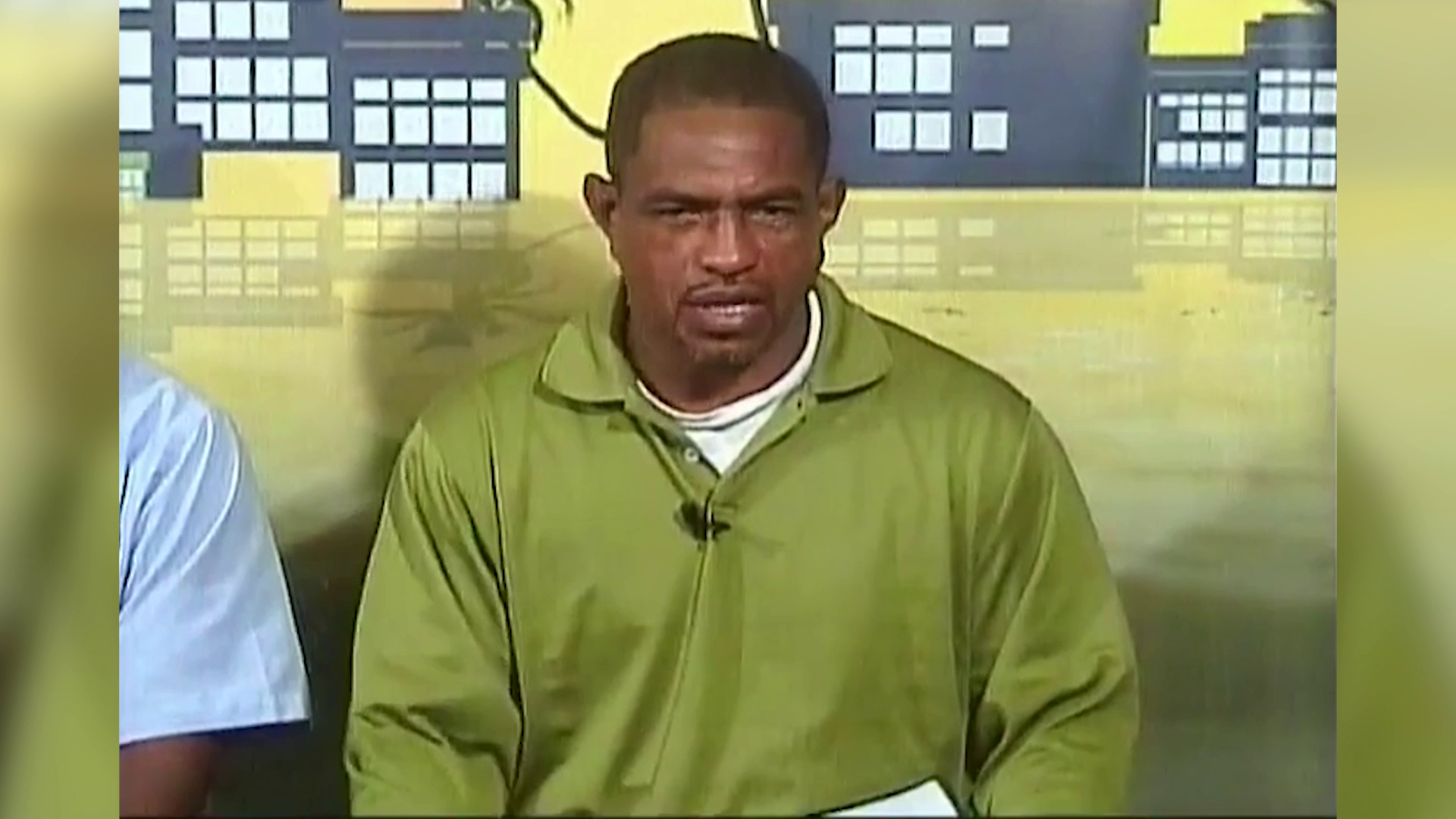
“Brother Fem” Dies, Leaves Powerful, Faith-based Legacy
Belize is mourning the passing of one of its most beloved public figures, Eufemio “Brother Fem” Cruz, who died June 9, 2026, at the age of 62. The media personality and faith leader was hospitalized after a medical emergency at his home that preceded his death. Family and colleagues report Cruz likely suffered either a stroke or a heart attack, and was found unconscious on the floor of his home Sunday morning before being rushed to a hospital. He remained in a coma until his passing, and was transferred to Belize City for care on Monday, two days before his death.
Cruz built a decades-long career that connected him to households across the small Central American nation, blending broadcast journalism, musical talent and faith-based outreach to become one of the country’s most trusted public voices. For 16 years starting in 2010, he worked with Plus TV, and also contributed reporting to Belize’s popular Love FM. Most famously, he served as the host of the daily morning program *Rise and Shine*, where his warm demeanor and personal touches — from reading birthday and anniversary greetings from viewers to sharing messages of encouragement — turned him into a household name. Crowds of listeners from every corner of the country embraced his accessible, caring on-air presence.
What made Cruz stand out beyond his broadcast work was his dual identity as a musician and committed Christian minister. An accomplished guitarist, he performed both secular music and contemporary Christian music after his conversion, and even released his own full album of original work. Throughout his career, he used his platform, his voice and his music to lift up Belizeans and unify communities across the nation through his shared faith.
Louis Wade, owner of Plus TV, spoke on behalf of the media outlet’s team, remembering Cruz as not just a colleague but a dear friend and brother. Wade highlighted Cruz’s relentless dedication to his work, noting that even as Parkinson’s disease progressed in his body in his final years, he never missed an opportunity to show up for his audience and coworkers. Wade called out Cruz’s natural ability to connect with people, saying love was his greatest tool for building connection across the country.
Cruz’s death marks the fourth passing of a sitting Belizean media professional in 2026, a milestone that adds an extra layer of loss to the Belizean media community. As the nation pauses to reflect on his life and legacy, those closest to him remember a man defined by unwavering purpose, infectious passion, and a lifelong commitment to serving others. His combination of media work, ministry, and musical talent leaves a gap that will be deeply felt by audiences and colleagues across Belize for years to come.
-
Plans to upgrade Government Industrial School to juvenile detention centre
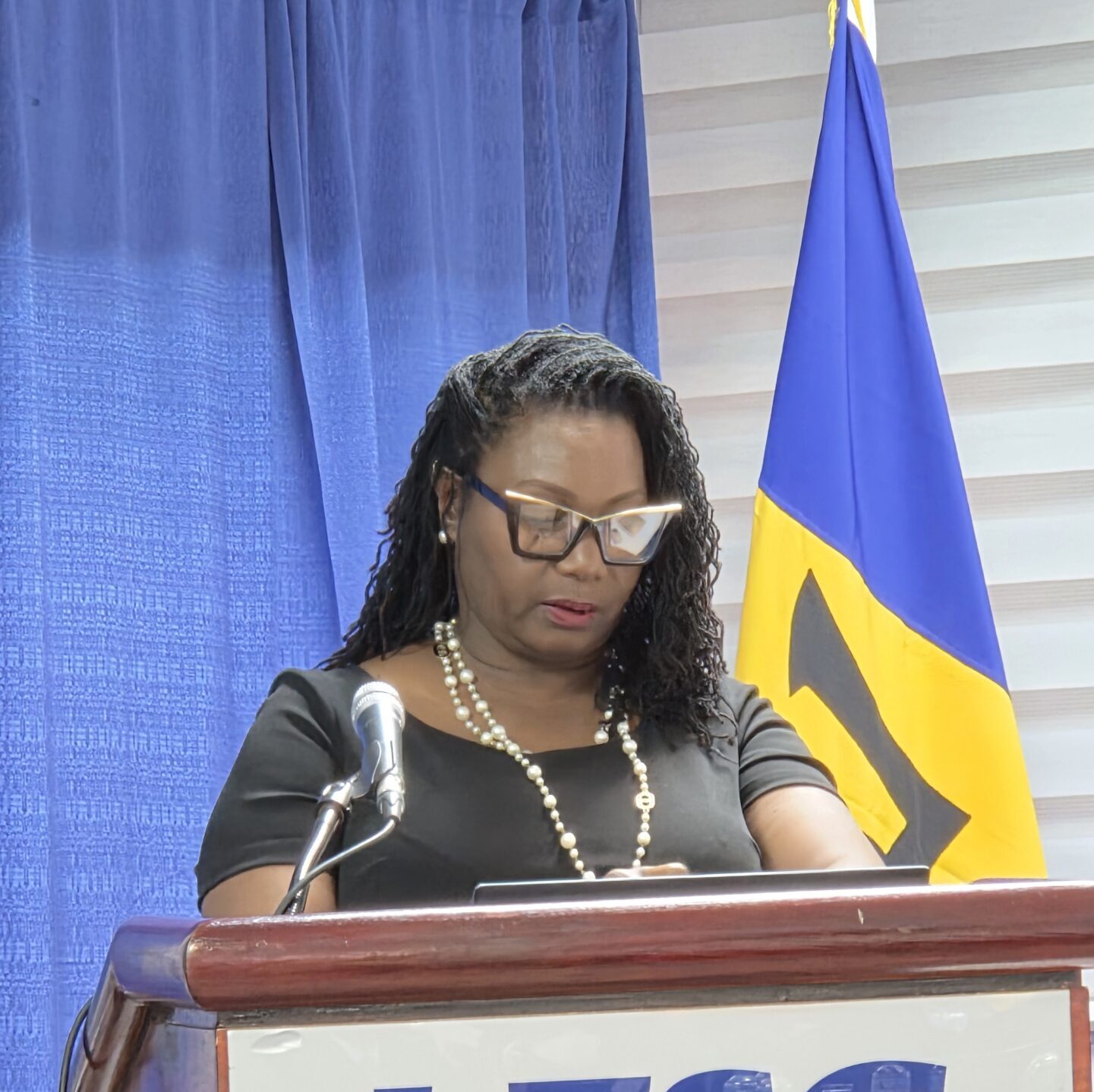
Barbados is advancing a multi-million-dollar infrastructure and operational overhaul to transform the aging Government Industrial School (GIS) into a fit-for-purpose modern juvenile detention facility, a change mandated by the island nation’s landmark 2024 Child Justice Act. The announcement of the plans came during the second day of the Barbados Probation Service’s symposium, “Modern Perspectives on Sentencing and Penal Reform”, at a dedicated panel discussion focused on the readiness and resource requirements of the new child justice legislation.
Speaking to attendees gathered at the Lloyd Erskine Sandiford Centre, GIS Principal Seilest Bradshaw made a clear case that the new law can only deliver on its intended goals if significant targeted investment is channeled into the institution. “The 2024 Act requires a secure, purpose-built residential facility, and that is not what we operate today,” Bradshaw explained. “Our current set-up is more comparable to a group home, which cannot meet the requirements of the new legislation. We need major investments in both core infrastructure and specialized professional staff; a full, comprehensive restructuring of GIS is non-negotiable to bring the institution in line with the vision laid out in the new law. Legislation sets the standard, but it is funding that determines whether that standard can actually be achieved.”
In direct response to Bradshaw’s call, Minister of Home Affairs Gregory Nicholls confirmed that the project is already well in motion. “We have put hundreds of collaborative work hours into this planning process, bringing together the GIS principal, my ministry’s project implementation unit, the permanent secretary, and the full project team,” Nicholls said. “We just met with the project architect last Friday, and we know this transformation will run into millions of dollars. The facility was originally built as a dormitory-style space for misbehaving children under the century-old 1926 Reformatory and Industrial Schools Act, and it is not suited for the needs of today’s young people in the system.”
Nicholls also noted that the population of youth entering the facility has shifted dramatically since the 1926 legislation was first enacted. “Today, the children who come through our doors are not the same offenders the 1926 law was designed to address,” he said. “Many of these young people have endured neglect, multiple forms of abuse – verbal, physical, sexual, emotional – starvation, and abandonment. They end up on the streets, get in trouble at school, use cannabis, start out as lookouts for criminal actors, move on to stashing illicit goods, commit petty theft, and too often graduate to involvement in gun crime.”
Bradshaw emphasized that the 2024 Child Justice Act represents a fundamental philosophical shift in how the country approaches youth in conflict with the law. The new framework centers the reality that these young people are first and foremost children, with inherent rights, untapped potential, and the capacity to rehabilitate and change. Core to this new approach are principles of accountability through counseling, restorative justice practice, community-focused sanctions, and an overarching priority on rehabilitation over punishment.
One major ongoing challenge Bradshaw highlighted is pervasive community stigma against youth who have gone through the juvenile justice system. Even when these young people complete their sentences and are cleared of criminal records, she explained, social stigma often creates greater barriers to re-entry than a formal record would. “When these young people return to their communities, they are not given a fighting chance to rebuild their lives,” Bradshaw said. “Some people still throw their past in their face. Even though they don’t carry a formal criminal record, gossip and social judgment often do more harm than a criminal record ever could.”
She added that many youth return to the same unstable home and community environments that originally contributed to their harmful behavior, with little access to stable family support. “I am begging, I am pleading for these young people to get the ongoing support they need in their communities after they leave the facility,” she said.
The principal also called for an end to siloed working practices across government agencies, stressing that sustained positive outcomes require coordinated action from social services, education, health, and justice systems working in lockstep.
While the institution works to provide the resources and structure for rehabilitation, Bradshaw noted that the greatest driver of change is the young people’s own dedication – pointing to a growing number of success stories from the GIS. “Nine of our young people in custody have already completed their Caribbean Secondary Education Certificate examinations, and seven young men are currently waiting to be assessed for their barbering certification,” she said. “On any normal day, you can see these young people learning in classrooms, following structured routines. These are the same young people that no one believed in, that no one ever told were capable of achieving these goals.”
-
Charities receive grants from Ross med school
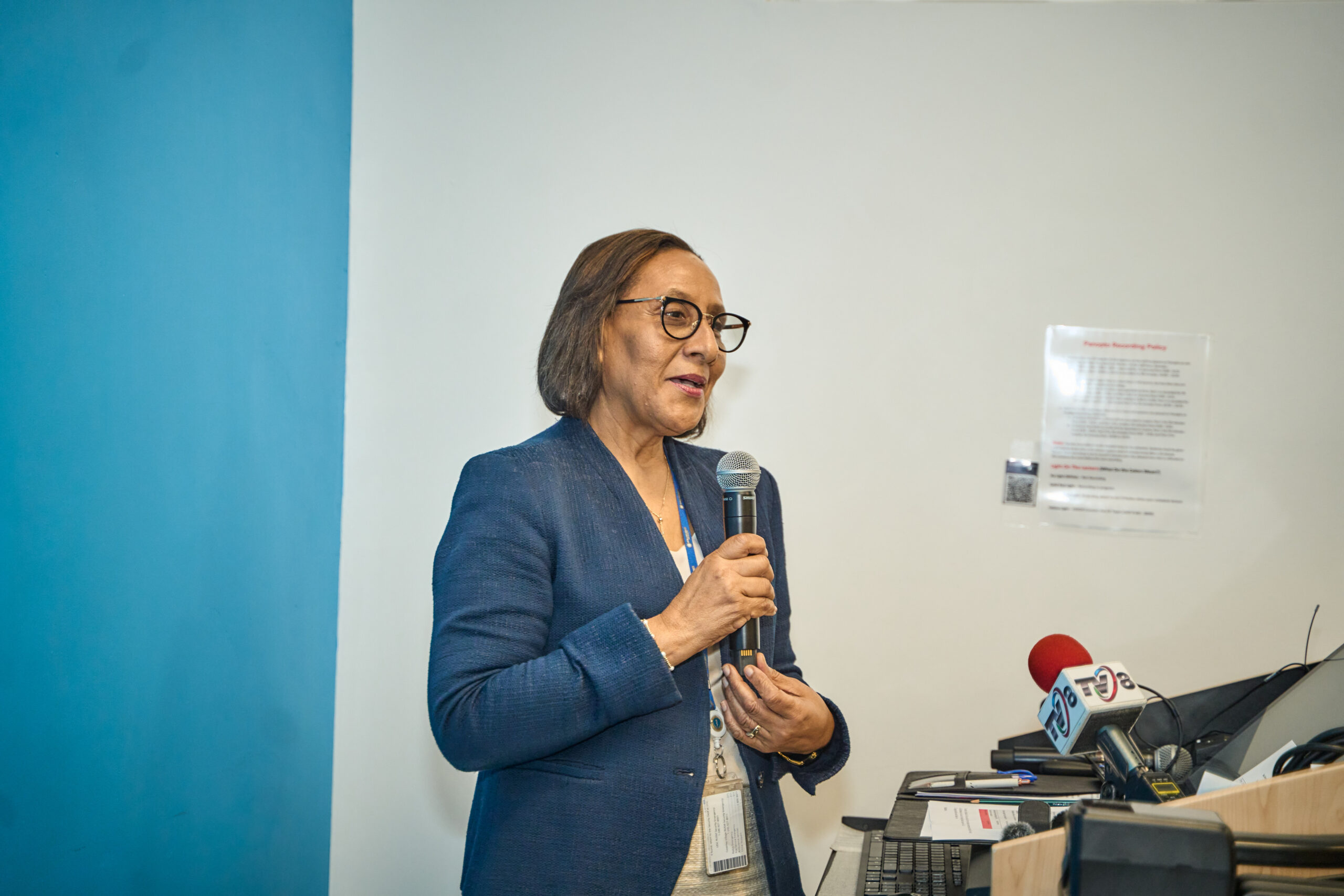
On a recent Tuesday at its Barbados campus, Ross University School of Medicine (RUSM), a private for-profit medical institution, awarded a series of grants to 11 local charitable organizations spanning health services, social advocacy, youth development, and community support. The initiative is designed to deepen cross-sector community partnerships and scale up critical support systems for vulnerable populations across the island.
The 11 recipient organizations cover a broad spectrum of community needs: Verdun House Substance Abuse Foundation, the Rotary Club of Barbados, Rotary Club of Barbados South, Caribbean Colon Cancer Initiative, Healthier Nation Initiative Foundation, Hope Foundation, Heart and Stroke Foundation of Barbados, Barbados Alliance to End Homelessness, Eden Lodge Youth Charitable Trust, Barbados Breastfeeding and Child Nutrition Foundation, and the Pleion Foundation. Each group has a decades-long track record of addressing unmet social and health needs in local communities across Barbados.
During the short award ceremony, Dr. Rhonda McIntyre, Senior Associate Dean of External Affairs at RUSM, opened with remarks that framed the grant distribution as more than a financial transaction. She emphasized that the event was a public recognition of the profound commitment, compassionate outreach, and transformative vision that each recipient organization brings to the communities they serve.
“Each of these organizations fills a critical gap in addressing pressing social and health challenges across Barbados, while working to build a more inclusive, healthy future for all Barbadians,” McIntyre noted. “Whether you are developing safe, supportive spaces for young people to grow, expanding access to life-saving essential healthcare, or lifting up unhoused community members, your work drives tangible, daily improvement to people’s lives across the country. We are deeply honored to stand alongside you as you advance this important, noble mission.”
While the university did not publicly disclose the total monetary value of the combined grants, McIntyre made clear that RUSM’s commitment to local community groups extends far beyond one-time financial contributions. She explained that this ongoing partnership is rooted in the core values shared by RUSM and its parent company, Covista Communications, which has long championed the impact of collaborative community work. “This is not just a financial commitment; it is a commitment to building long-term relationships rooted in mutual respect and a shared goal of lifting up all Barbadians,” McIntyre said.
Beyond supporting the critical work of local charities, the partnership also offers unique, formative learning opportunities for RUSM medical students completing their studies on the island. McIntyre explained that hands-on engagement with community organizations gives students real-world experience that cannot be taught in a traditional lecture hall, complementing their formal academic medical training.
“Our students come to Barbados to study medicine, but they gain far more than the knowledge we deliver in the classroom,” McIntyre said. “The work they do alongside your teams—listening to community members, learning about local challenges, and lending their time and skills to support your missions—shapes them into the empathetic, community-centered physicians and leaders they will become in their future careers. You teach them empathy, adaptability, and the core value of service to others that no textbook can fully convey.”
The ceremony was documented through official photography by Shamar Blunt of Barbados TODAY, capturing the grant presentations to leadership from the Hope Foundation, Caribbean Colon Cancer Initiative, and Barbados Breastfeeding and Child Nutrition Foundation.
-
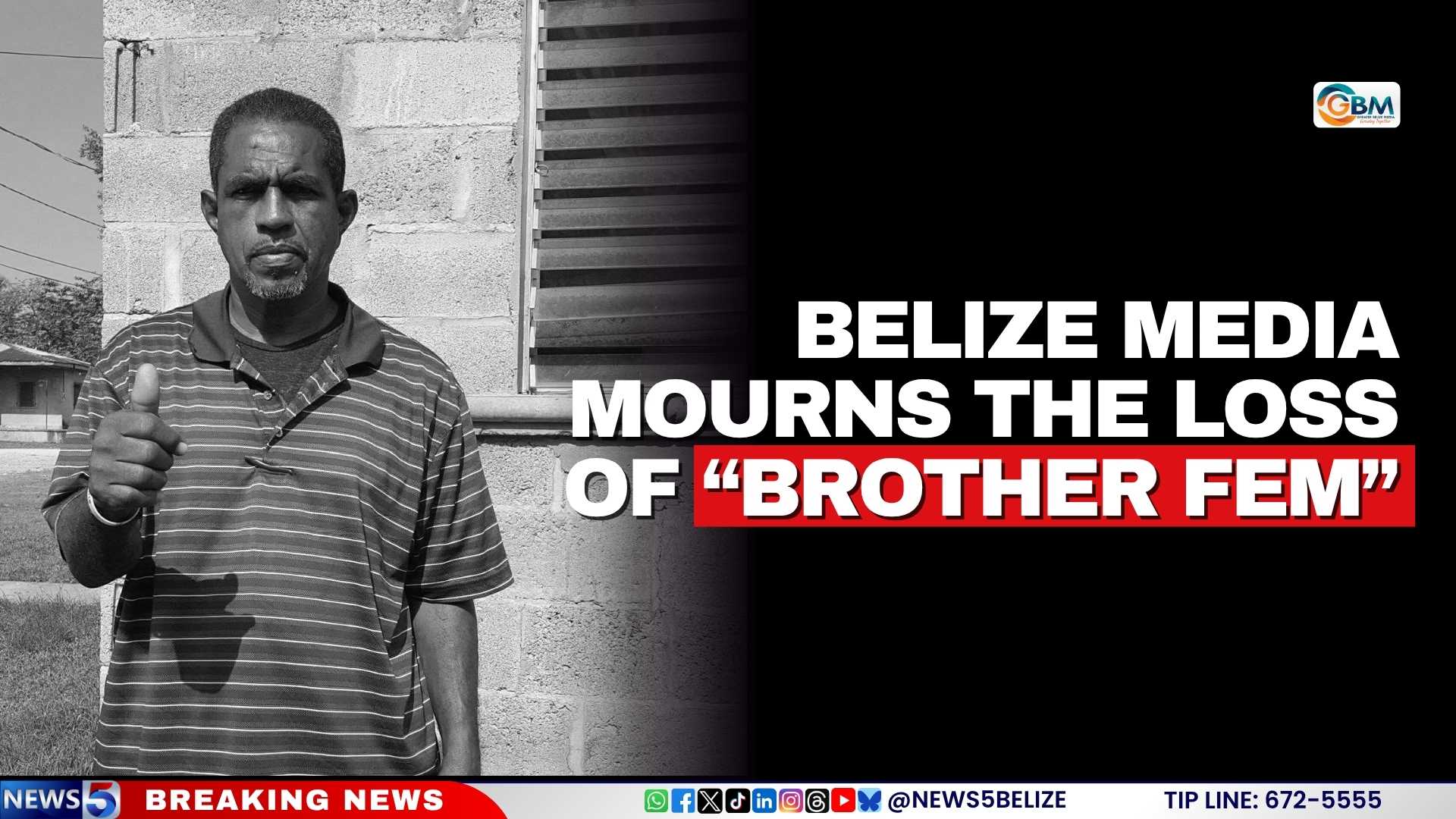
Belize Media Mourns the Loss of “Brother Fem”
The small Central American nation of Belize is mourning one of its most recognizable and cherished media figures this week, after veteran journalist, musician and community leader Eufemio “Brother Fem” Cruz passed away on the morning of June 9, 2026 at the country’s Karl Heusner Memorial Hospital. The 80-plus year-old personality had been admitted to the hospital for treatment of traumatic injuries he sustained following an accidental fall at his private residence, according to official local reports.
For decades, Cruz’s warm, familiar voice and steady presence became a staple in households across Belize, shaping the daily routines of countless citizens. He launched his media career first as a field correspondent for leading Belizean broadcaster Love FM, before expanding his work into television as a reporter for Plus TV. It was his role as co-host of Plus TV’s wildly popular morning talk show *Rise and Shine*, alongside program director Louis Wade, that cemented his status as a household name across the country.
But those closest to him emphasize that his impact stretched far beyond the screen and the airwaves. A deeply humble man who never sought public acclaim or industry awards, Cruz was rooted in the everyday experiences of ordinary Belizeans, earning him the nickname “Grassroots to the bone Breda Fem” from one of his longtime professional colleagues. In a social media tribute shared after his passing, the colleague called his death a devastating loss for the entire Belizean community.
His daughter echoed that sentiment in a moving online tribute to her father, highlighting the profound personal impact he had on those closest to him. “My father had blessed hands, and I am truly grateful for the way he helped shape and guide me into the young woman I am today,” she wrote. For many Belizeans who worked alongside him or grew up watching his broadcasts, Cruz was far more than a media personality: he was a trusted mentor, an ordained community minister, a talented local musician, and a loyal friend who preferred to lift others up rather than chase the spotlight.
Cruz’s passing marks the fourth high-profile loss for Belize’s tight-knit media community in less than four months, a string of deaths that has deepened the national moment of mourning. Less than a month before Cruz’s death, on May 19, 39-year-old Breaking Belize News reporter Aaron Humes died suddenly after suffering a heart attack at his home. Prior to Humes’ passing, two other local journalists died earlier this year: freelance reporter Roy Davis passed away on February 26, and Ruben Morales Iglesias, a reporter with Breaking Belize News, died on March 16.
Media institutions and journalist associations across Belize have already begun planning collective tributes to honor the four lost professionals, highlighting the outsized impact each had on developing the country’s independent media landscape over the past decades.