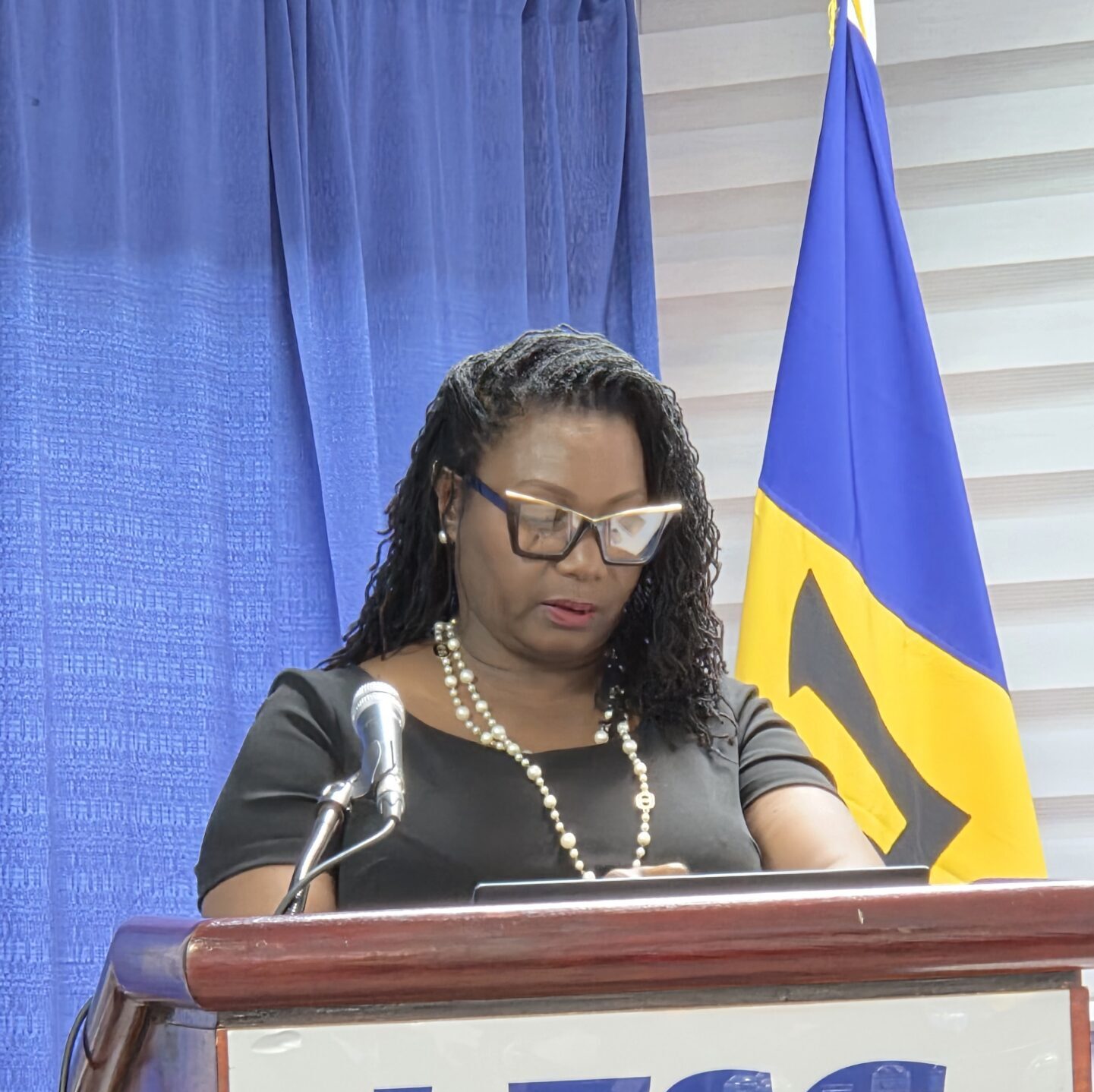
Barbados is advancing a multi-million-dollar infrastructure and operational overhaul to transform the aging Government Industrial School (GIS) into a fit-for-purpose modern juvenile detention facility, a change mandated by the island nation’s landmark 2024 Child Justice Act. The announcement of the plans came during the second day of the Barbados Probation Service’s symposium, “Modern Perspectives on Sentencing and Penal Reform”, at a dedicated panel discussion focused on the readiness and resource requirements of the new child justice legislation.
Speaking to attendees gathered at the Lloyd Erskine Sandiford Centre, GIS Principal Seilest Bradshaw made a clear case that the new law can only deliver on its intended goals if significant targeted investment is channeled into the institution. “The 2024 Act requires a secure, purpose-built residential facility, and that is not what we operate today,” Bradshaw explained. “Our current set-up is more comparable to a group home, which cannot meet the requirements of the new legislation. We need major investments in both core infrastructure and specialized professional staff; a full, comprehensive restructuring of GIS is non-negotiable to bring the institution in line with the vision laid out in the new law. Legislation sets the standard, but it is funding that determines whether that standard can actually be achieved.”
In direct response to Bradshaw’s call, Minister of Home Affairs Gregory Nicholls confirmed that the project is already well in motion. “We have put hundreds of collaborative work hours into this planning process, bringing together the GIS principal, my ministry’s project implementation unit, the permanent secretary, and the full project team,” Nicholls said. “We just met with the project architect last Friday, and we know this transformation will run into millions of dollars. The facility was originally built as a dormitory-style space for misbehaving children under the century-old 1926 Reformatory and Industrial Schools Act, and it is not suited for the needs of today’s young people in the system.”
Nicholls also noted that the population of youth entering the facility has shifted dramatically since the 1926 legislation was first enacted. “Today, the children who come through our doors are not the same offenders the 1926 law was designed to address,” he said. “Many of these young people have endured neglect, multiple forms of abuse – verbal, physical, sexual, emotional – starvation, and abandonment. They end up on the streets, get in trouble at school, use cannabis, start out as lookouts for criminal actors, move on to stashing illicit goods, commit petty theft, and too often graduate to involvement in gun crime.”
Bradshaw emphasized that the 2024 Child Justice Act represents a fundamental philosophical shift in how the country approaches youth in conflict with the law. The new framework centers the reality that these young people are first and foremost children, with inherent rights, untapped potential, and the capacity to rehabilitate and change. Core to this new approach are principles of accountability through counseling, restorative justice practice, community-focused sanctions, and an overarching priority on rehabilitation over punishment.
One major ongoing challenge Bradshaw highlighted is pervasive community stigma against youth who have gone through the juvenile justice system. Even when these young people complete their sentences and are cleared of criminal records, she explained, social stigma often creates greater barriers to re-entry than a formal record would. “When these young people return to their communities, they are not given a fighting chance to rebuild their lives,” Bradshaw said. “Some people still throw their past in their face. Even though they don’t carry a formal criminal record, gossip and social judgment often do more harm than a criminal record ever could.”
She added that many youth return to the same unstable home and community environments that originally contributed to their harmful behavior, with little access to stable family support. “I am begging, I am pleading for these young people to get the ongoing support they need in their communities after they leave the facility,” she said.
The principal also called for an end to siloed working practices across government agencies, stressing that sustained positive outcomes require coordinated action from social services, education, health, and justice systems working in lockstep.
While the institution works to provide the resources and structure for rehabilitation, Bradshaw noted that the greatest driver of change is the young people’s own dedication – pointing to a growing number of success stories from the GIS. “Nine of our young people in custody have already completed their Caribbean Secondary Education Certificate examinations, and seven young men are currently waiting to be assessed for their barbering certification,” she said. “On any normal day, you can see these young people learning in classrooms, following structured routines. These are the same young people that no one believed in, that no one ever told were capable of achieving these goals.”