分类: society

  • STATEMENT: DAPD 2026 message from president Judy Sango

    STATEMENT: DAPD 2026 message from president Judy Sango

    The Dominica Association of Persons with Disabilities (DAPD) enters 2026 with reinforced determination to advance its four-decade mission of fostering equal participation opportunities for disabled citizens in national socio-economic development. Since its founding pledge in 1983 to serve as the representative voice for Dominica’s disabled community, the organization continues to champion accessibility through education, vocational training, rehabilitation services, and employment initiatives.

    Commencing a new five-year program cycle in January 2025 extending through December 2029, DAPD has already activated multiple projects focused on skills development, income-generation enterprises, and community engagement. Building upon this foundation, the association’s 2026 strategy prioritizes localized fundraising efforts and the expansion of signature events including National Dollar Day, Wheel a Walk a Thon, and Dinner in the Dark—established as cornerstone initiatives for achieving organizational self-sustainability.

    DAPD credits its substantive progress to the resilience of its members and consistent support from partners and citizens, collectively transforming inclusion from abstract vision to daily reality through advanced dignity protections and rights advocacy. The organization extends profound gratitude to 2025 supporters whose commitments enabled measurable achievements, with outcomes slated for presentation at the upcoming Annual General Meeting.

    In a message representing members, staff, and leadership, DAPD envisions a 2026 marked by hope, prosperity, and national unity—urging collaborative efforts to strengthen societal foundations rooted in inclusivity, equality, and universal respect. The association calls for continued amplification of disability leadership to ensure Dominica’s future embodies both inclusive and sustainable development principles.


  • Eastern Caribbean Supreme Court to Open 2026 Law Year with Ceremonial Proceedings

    Eastern Caribbean Supreme Court to Open 2026 Law Year with Ceremonial Proceedings

    The Eastern Caribbean Supreme Court (ECSC) will formally inaugurate its 2026 judicial calendar on Monday, January 12th, through traditional ceremonial proceedings centered on the theme “The ECSC: Justice that Endures – Anchored in Independence, Strengthened through Trust.

    The Commonwealth of Dominica serves as this year’s host member state, where the Court of Appeal will conduct its first scheduled sitting of the new legal year. In Antigua and Barbuda, the day’s events will commence with an 8:00 AM church service at St. John’s Anglican Cathedral, followed by a ceremonial procession to the High Court of Judiciary and Attorneys.

    A highlight of the proceedings will be the inspection of the Guard of Honour, after which a Special Sitting of the High Court will convene at 10:00 AM. Her Ladyship the Hon. Mde. Margaret Price Findlay, Acting Chief Justice, will deliver the featured address via live broadcast from the Dominica-based court.

    The ECSC extends invitations for public participation either through physical attendance at the church service or Special Sitting, or via remote viewing on various media platforms.

    Established in 1967 through the West Indies Associated States Supreme Court Order, the ECSC functions as a superior court of record for the Organisation of Eastern Caribbean States (OECS). Its jurisdiction encompasses six independent nations—Antigua and Barbuda, Dominica, Grenada, Saint Kitts and Nevis, Saint Lucia, Saint Vincent and the Grenadines—along with three British Overseas Territories: Anguilla, British Virgin Islands, and Montserrat. The court maintains unlimited jurisdiction across all member states.

  • Woman Reports EC$1,800 Phone Theft, Later Targeted in Ransom Demand

    Woman Reports EC$1,800 Phone Theft, Later Targeted in Ransom Demand

    A troubling incident involving theft and digital extortion has emerged, highlighting the vulnerabilities individuals face with lost personal technology. According to police reports, a woman recently filed a complaint regarding a missing premium smartphone valued at approximately EC$1,800 (Eastern Caribbean dollars). The device is believed to have fallen from her possession during a nighttime excursion.

    The situation took a sinister turn several days post-incident when the victim received an unsolicited communication through a messaging application. An unidentified individual, purportedly in possession of the missing device, contacted the woman and made explicit demands for financial compensation in exchange for its return. This attempt to leverage the lost property for monetary gain has transformed a simple case of lost property into a potential criminal extortion scheme.

    Law enforcement authorities have confirmed they are actively investigating the matter as suspected theft followed by attempted extortion. Police officials have provided appropriate guidance to the complainant regarding safety protocols and legal recourse in such circumstances. The investigation remains ongoing as authorities work to identify the individual behind the extortion attempt and recover the stolen property. This case serves as a cautionary reminder about the importance of securing personal belongings and the potential digital risks associated with lost mobile devices containing sensitive personal information.

  • Arrest warrant issued for Brittany Harris over libel allegations

    Arrest warrant issued for Brittany Harris over libel allegations

    A Bahamian court has issued an arrest warrant for Brittany Harris, a 34-year-old woman facing charges of intentionally libeling high-profile public figures. The case involves allegations against Energy and Transport Minister JoBeth Coleby-Davis and attorney Bjorn Ferguson.

    According to court documents, Harris stands accused of publishing a video targeting Mr. Ferguson on social media platforms in April 2024, which prosecutors claim was deliberately intended to cause public humiliation. Additionally, she allegedly shared defamatory content about Minister Coleby-Davis on Facebook in October 2024, accompanied by audio recordings purportedly meant to shame the government official.

    The legal proceedings took a significant turn when Harris failed to appear before Deputy Chief Magistrate Kara Turnquest Deveaux for a scheduled status hearing. This absence prompted Magistrate Deveaux to rule that Harris had violated her bail conditions, resulting in the immediate revocation of her bail and the issuance of an arrest warrant.

    The court’s decision carries financial implications for Harris’s sureties, who now face potential forfeiture of their $5,000 bond to the Crown. Harris had previously entered a plea of not guilty to both counts of intentional libel during December proceedings.

    The case, prosecuted by Inspector K Wilkinson, remains ongoing with trial dates set for February 24 and 25, 2026, should Harris be apprehended and brought before the court.

  • Primetime owner cites uneven playing field and rising overheads as 14-year-old venue closes

    Primetime owner cites uneven playing field and rising overheads as 14-year-old venue closes

    New Providence’s nightlife landscape has undergone a significant transformation with the permanent closure of Primetime Nightclub, a dominant entertainment venue for fourteen years. Owner Lavon Rahming confirmed the establishment’s shutdown resulted from converging factors including evolving consumer preferences, escalating operational expenses, and his own recognition that the business had completed its lifecycle.

    Mr. Rahming described the closure as a difficult but necessary evolution, noting that his core customer base had gradually diminished due to natural life progression. “People change their lives, get married, and assume responsibilities,” he explained, highlighting how demographic shifts influenced his decision to ultimately rebrand.

    Rather than terminating operations entirely, Rahming is orchestrating a strategic pivot. The existing facility is currently undergoing comprehensive renovations to emerge within approximately four months as a sophisticated restaurant and lounge under an entirely new brand identity, completely disassociated from the Primetime legacy.

    Beyond personal business considerations, Rahming identified systemic challenges within Bahamas’ nightlife industry. He cited unsustainable overhead costs, inconsistent regulatory enforcement, and perceived stigmatization of nightclub operations as significant sector-wide pressures. Notably, he referenced unequal enforcement of operating hours that placed his establishment at a competitive disadvantage compared to venues permitted to operate until 4 AM.

    The closure’s impact on staff was reportedly minimized through natural attrition, as many employees had already transitioned to part-time status while pursuing other ventures during the club’s gradual decline. A limited team remains engaged during the renovation phase, with Rahming continuing to provide support where feasible.

    Despite newer venues drawing away portions of his former clientele—many operated by former Primetime promoters—Rahming maintains a philosophical perspective, viewing their success as natural industry evolution rather than direct competition. The nightclub concluded public operations with a final event last Saturday, formally ceasing operations on Monday amid preparations for its next incarnation.

  • Lawyers, DCS joust over allowing digital devices in prisons

    Lawyers, DCS joust over allowing digital devices in prisons

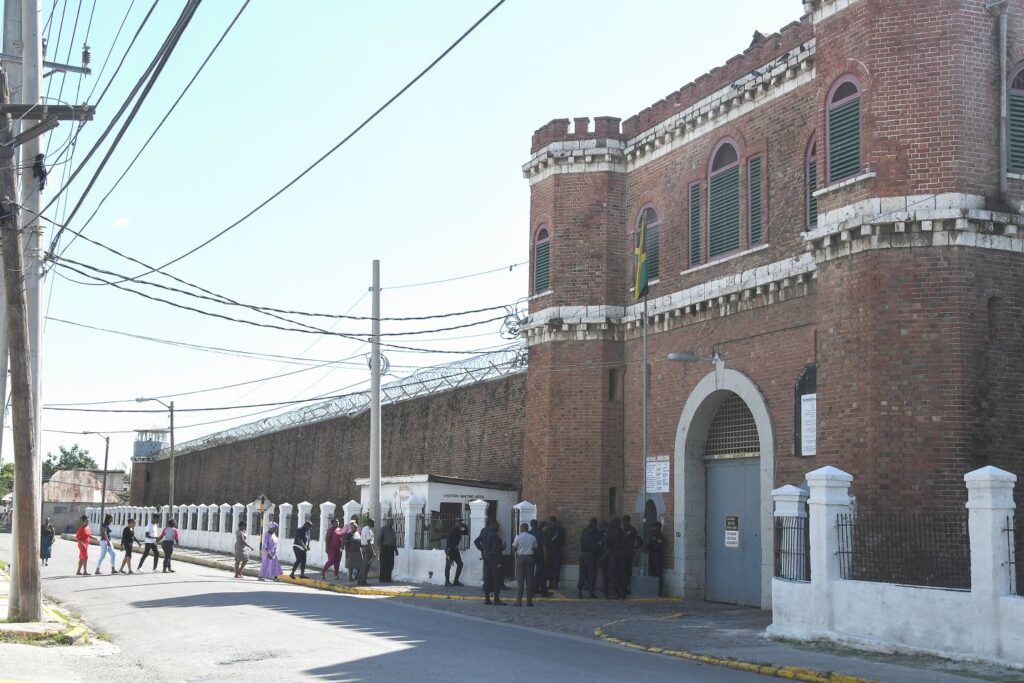
    A significant legal confrontation has emerged in Jamaica’s Home Circuit Court, centering on attorney access to electronic devices within correctional facilities. The Department of Correctional Services (DCS) issued an official denial Thursday refuting claims that lawyers are being prohibited from bringing cellphones and digital devices into prisons when consulting with incarcerated clients.

    The controversy surfaced during preliminary proceedings for the landmark trial of Tesha Miller and 24 co-defendants, who face extensive charges under anti-gang legislation including murder and robbery allegations. Miller is identified as the alleged leader of the Clansman gang faction based in Spanish Town, St. Catherine.

    Wednesday’s scheduled trial commencement collapsed as prosecutors requested a substantial 12-14 week adjournment to complete documentation and finalize case preparations. Presiding Judge Dale Palmer rejected this extended delay, instead mandating that DCS representatives, including Commissioner of Corrections Brigadier Radgh Mason, appear in court Friday to address the device access policy.

    Defense attorneys presented compelling arguments against the device restrictions. John Clarke, representing Miller, revealed he had raised concerns since April 2024 regarding electronic disclosure accessibility. Clarke described inconsistent implementation across facilities, noting that while medical professionals receive device access privileges, attorneys remain restricted despite judicial correspondence advocating for their access.

    Co-counsel Tameka Harris expressed profound frustration, disclosing that the matter had been discussed in multiple stakeholder meetings with Commissioner Mason, who had previously committed to resolving the issue through formal institutional orders. Harris emphasized the practical impossibility of adequately presenting digital evidence—including videos and audio recordings—without electronic devices, potentially compromising defendants’ rights to comprehend evidence against them.

    The DCS response affirmed its commitment to inmates’ constitutional rights to legal representation, referencing February 2025 discussions with the Jamaica Bar Association and subsequent March 2025 correspondence from Commissioner Mason. The department stated it facilitates legal consultations through virtual platforms and permits electronic devices when “safe, reasonable, justified and practicable,” while encouraging formal reporting of any rights violations.

    Judge Palmer, adamant about progressing the long-pending case, declared a June adjournment unacceptable and scheduled Friday’s hearing to determine a reasonable preparation timeline, acknowledging the substantial judicial resources already invested in this complex gang prosecution.

  • Objection, Your Honour

    Objection, Your Honour

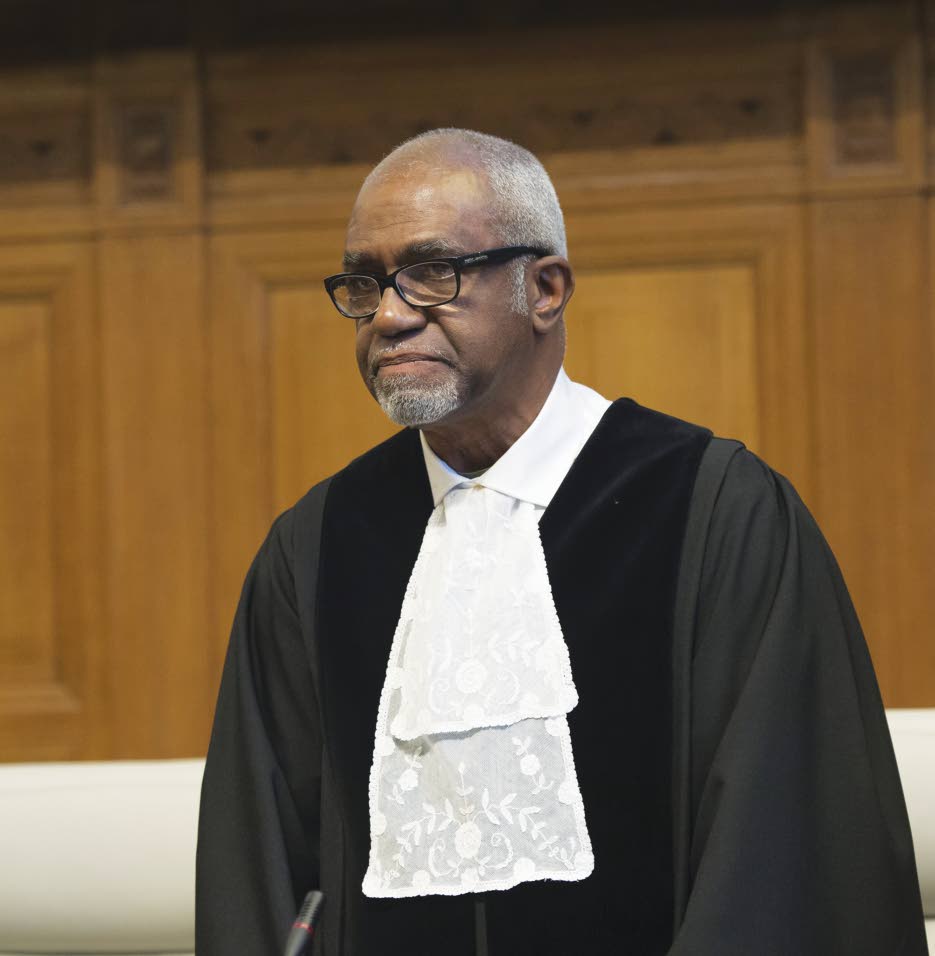
    A significant constitutional debate has erupted within Jamaica’s legal community following controversial remarks by distinguished jurist Patrick Robinson regarding appellate court authority over judicial decisions. The former International Court of Justice judge recently advocated for eliminating what he termed “a legal oddity” – the ability of Jamaica’s Court of Appeal to overturn rulings made by the Chief Justice.

    Robinson’s position, articulated in a January 2026 Sunday Gleaner column, emerged from his analysis of Jamaica’s 2025 appellate court decision to quash a murder conviction originally presided over by Chief Justice Bryan Sykes. The appellate court had determined that Justice Sykes had “descended quite extensively into the arena” during proceedings, improperly eliciting evidence that should have remained the prosecution’s responsibility.

    In response, prominent defense attorney Peter Champagnie, King’s Counsel, has characterized Robinson’s proposal as both “a misstep” and “retrograde,” despite expressing profound respect for Robinson’s legal expertise. Champagnie maintains that appellate review of judicial decisions represents a crucial “peer review” mechanism essential to maintaining judicial integrity within democratic systems.

    The attorney specifically referenced the Judicature (Appellate Jurisdiction) Act, highlighting provisions that ensure the Court of Appeal’s independence from the Chief Justice’s office. Section 3(1)(b) stipulates that while the Chief Justice may participate in appellate panels, this requires invitation from the court president and the presence of at least four other judges.

    The controversy centers on the case of Conroy Stephenson, whose murder conviction was overturned in December 2025. Stephenson had been sentenced to 16 years imprisonment in 2019 for a fatal shooting in Seaview Gardens. The Appeal Court determined that extensive judicial intervention during witness cross-examination had denied Stephenson a fair trial, resulting in both overturned conviction and acquittal without retrial.

    Champagnie clarified that while judicial questioning during trials is permissible for clarification purposes, judges must avoid descending into the adversarial arena by conducting what effectively becomes cross-examination on behalf of either prosecution or defense. This distinction between appropriate judicial inquiry and improper advocacy forms the crux of the current legal discourse surrounding judicial conduct and appellate oversight in Jamaica’s justice system.

  • Kingston East police renew appeal for wanted man Kerrin ‘Bones’ Bailey

    Kingston East police renew appeal for wanted man Kerrin ‘Bones’ Bailey

    Jamaican authorities have escalated efforts to apprehend 30-year-old Kerrin Bailey, alias “Bones,” who remains at large following a deadly November 2025 shooting incident in St. Andrew. The Kingston East Police Division has issued a renewed public appeal for information regarding Bailey’s whereabouts, emphasizing his status as a primary person of interest in the case.

    The violent episode unfolded on November 13th at approximately 8:30 PM in the Jack Vale community of Bull Bay. Local residents reported hearing explosive gunfire originating from a residential property, prompting immediate emergency response. Law enforcement personnel arriving at the scene discovered two gunshot victims—a male and female—both suffering from critical injuries.

    Emergency medical services transported both individuals to a nearby medical facility, where 28-year-old truck operator Rai-Ronaldo Fry was declared deceased upon arrival. The female victim received urgent treatment and was admitted in stable condition, subsequently undergoing recovery procedures.

    Following comprehensive investigation, police identified Bailey as a central figure in the shooting incident and officially listed him as a wanted individual. Investigators have disclosed that Bailey’s last confirmed residence was located on Talmania Avenue in the Harbour Heights sector of Kingston 17. Surveillance operations indicate he frequently visits various locations across St. James Parish, alongside regular appearances in Bull Bay and Harbour View districts.

    Law enforcement officials are strongly urging Bailey to voluntarily surrender at the Elletson Road Police Station without further delay. The public assistance hotlines include direct connections to the Elletson Road Police Station (876-928-1261/1262), the National Intelligence Bureau (811), Crime Stop (311), and all local police precincts.

  • Soufriere tragedy sparks heartfelt tributes to devoted father

    Soufriere tragedy sparks heartfelt tributes to devoted father

    The coastal community of Castries, Saint Lucia, has been plunged into mourning following the tragic demise of 31-year-old Sherman Lionel in a marine incident off Anse Mamin, Soufriere. The fatal accident occurred on Wednesday when Lionel, an experienced snorkeler, was struck by a water vessel while exploring underwater realms.

    Emergency response efforts saw the victim transported via private means to Soufriere Hospital, where medical personnel pronounced him deceased approximately at midday. Preliminary reports indicate the severity of injuries sustained in the collision proved insurmountable despite medical intervention.

    As news of the tragedy circulated throughout the island nation, digital memorials blossomed across social media platforms, revealing Lionel’s identity as a dedicated parent and aquatic enthusiast. Heartfelt tributes consistently highlighted his profound devotion to his three young children—one son and two daughters—and his authentic passion for marine activities.

    Digital eulogies captured the collective grief, with one social media user noting: ‘You departed while engaged in what you loved most—diving,’ while another tribute emphasized: ‘His children constituted his entire world. Our hearts break for them.’

    Law enforcement authorities have verified that an additional individual sustained injuries during the incident, though specific details regarding their medical status remain confidential pending family notifications. The Marine Intelligence and Investigations Unit has launched a comprehensive investigation to determine the precise sequence of events and contributing factors that led to this fatal maritime collision.

  • Dominica’s Judy Sango participates in UN agencies and OPDs’ webinar highlighting inclusive hiring practices in the Caribbean

    Dominica’s Judy Sango participates in UN agencies and OPDs’ webinar highlighting inclusive hiring practices in the Caribbean

    A groundbreaking regional webinar has galvanized efforts to transform workplace cultures across Barbados and the Eastern Caribbean, with United Nations agencies partnering with Organizations of Persons with Disabilities (OPDs) to accelerate inclusive employment practices. The virtual forum marked a strategic shift from compliance-based approaches to creating genuinely accessible environments where diverse talents can flourish.

    Judy Sango, President of the Dominica Association of Persons with Disabilities and freelance writer, challenged pervasive stereotypes during her address. “The false equivalence between disability and inability remains our greatest barrier,” she noted, urging employers to adopt value-based hiring rather than charitable approaches. Sango emphasized that persons with disabilities demonstrate exceptional problem-solving capabilities, resilience, and reliability when given equitable opportunities.

    Patrice Quesada, UN Resident Coordinator a.i. for Barbados and the Eastern Caribbean, framed employment as a transformative tool for social cohesion. “Inclusive hiring transcends box-ticking exercises—it’s about cultivating environments that genuinely value diversity as the cornerstone of community resilience,” he stated in his opening remarks.

    Barbadian attorney Jeneil Odle brought personal perspective as member of the Barbados Council for the Disabled, advocating for systemic educational reforms. “We need expanded special needs schooling beyond primary level, improved assistive technology access, and comprehensive teacher training,” Odle articulated. She notably reframed inclusion as economic imperative: “This isn’t charity—it strengthens business performance, governance, and societal progress simultaneously.”

    The discussion highlighted structural challenges identified by Michelle Brathwaite of the UN Human Rights Office, including legislative gaps, insufficient data collection, and underfunded support services across the region. UNESCO’s Yeonghyeon Kim emphasized accessible information design as critical for equitable recruitment processes.

    ILO Geneva’s Senior Disability Specialist Stefan Tromelo directly contested harmful assumptions: “We must dismantle the myth that informal economy participation is the only option for persons with disabilities. Decent formal employment must become universally accessible.”

    The forum concluded with spotlight on youth-led initiatives, including Grenadian advocate Zinzee Noel’s ‘HireAbility’ social media campaign developed with the UN Resident Coordinator’s Office. This grassroots movement aims to reshape employer perceptions through authentic storytelling and awareness-building.