
The Ministry of Agriculture, Fisheries, Food Security and Climate Change has escalated its warnings to Saint Lucian residents and enterprises as the nation progresses into the most arid phase of its annual dry season. With meteorological patterns indicating significantly diminished rainfall—a condition frequently exacerbated by Saharan dust incursions—authorities highlight critical vulnerabilities in domestic water provision, agricultural output, and commercial continuity. The dry season, spanning from December through May, characteristically presents substantial rainfall deficits. Officials caution that absent preemptive action, these persistent arid conditions may precipitate disruptive supply interruptions, diminished agricultural productivity, and heightened operational stress on water distribution services. In response, the Ministry is advocating for a tripartite strategy: strategic water storage, capacity expansion initiatives, and conscientious consumption practices. The public is advised to tailor water storage plans according to household size, usage patterns, and local disruption risks. Rainwater harvesting (RWH) is promoted as a sustainable, year-round auxiliary to the treated supply provided by WASCO. Citizens are further encouraged to remain apprised of developments through weekly forecasts and official advisories. Jason Ernest, Director of the Water Resources Management Agency (WRMA), emphasized that systemic resilience is contingent upon immediate collective action. He asserted that bolstering storage infrastructure, adopting rainwater harvesting, and implementing efficiency measures are pivotal strategies for mitigating shortage vulnerabilities and preserving the island’s finite water resources. For additional guidance, the WRMA can be contacted via telephone at 468-5663, 468-5664, or 468-5669.
分类: society
-
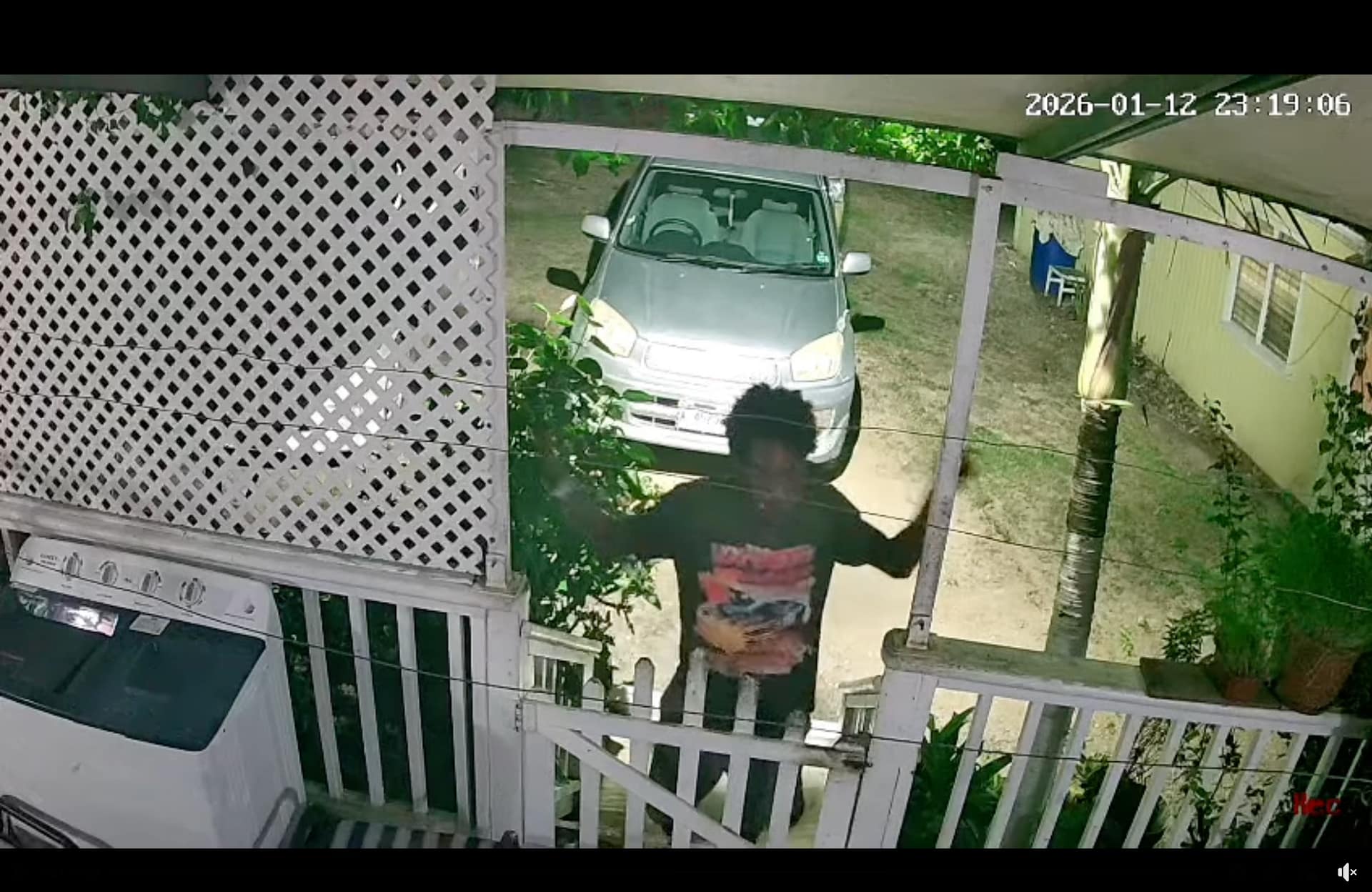
Gas bottle theft in Gray Hill captured on surveillance footage
Law enforcement authorities in Gray Hill have launched a public appeal for information regarding a brazen gas bottle theft captured on security cameras. Surveillance footage reveals an unidentified individual swiftly absconding with the pressurized container, indicating a premeditated act of property crime.
The incident has reignited concerns among local residents about recurring theft patterns targeting private possessions throughout the neighborhood. Community members report this represents part of a broader pattern of similar violations affecting area homeowners.
Police investigators have confirmed the stolen propane cylinder was unlawfully taken from its rightful owner and stress the potential safety implications of mishandling such pressurized equipment. Law enforcement emphasizes the importance of community cooperation in resolving this case and preventing future occurrences.
Authorities encourage residents to maintain heightened vigilance and immediately report any suspicious activities or recognizable details from the surveillance footage. Confidential tip lines have been established through local police stations to protect informant privacy while assisting the ongoing investigation.
-

Man to appear in court on murder charge
A criminal case is advancing in Barbados as a 30-year-old resident of St. Michael prepares to face murder charges in the District ‘A’ Criminal Court. The accused, identified as Xzavier Malik Clarke from Marl Hole Road, Halls Road, has been formally charged by authorities in connection with the fatal incident involving David Leacock.
The Barbados Police Service confirmed that the charges stem from events occurring on November 11, 2025, with the Criminal Investigation Department (Central) leading the investigation and subsequent filing of charges. The judicial process marks a significant development in a case that has drawn attention to law enforcement procedures and criminal accountability within the Caribbean nation.
Legal experts anticipate that the court proceedings will shed light on the circumstances surrounding Leacock’s death while demonstrating the Barbados justice system’s approach to handling serious violent crimes. The case represents one of several homicide investigations currently moving through the country’s legal channels, highlighting ongoing efforts to address criminal activity through formal judicial mechanisms.
-

Vehicle Reported Stolen from Spencer’s Supermarket Parking Area
Law enforcement agencies in Antigua and Barbuda have launched a comprehensive investigation following the reported theft of a light blue Toyota vehicle from the Spencer’s Supermarket vicinity. The missing automobile, identified by its distinctive national registration number A72662, was reported stolen under circumstances that authorities are currently examining.
Police officials have issued a formal appeal to community members, urging anyone with potential sightings or relevant information about the vehicle’s whereabouts to immediately contact their nearest police precinct. The department has emphasized that anonymous tips are welcome, ensuring confidentiality for those who wish to contribute information without public disclosure.
Investigators highlighted the crucial role of community cooperation in such cases, noting that prompt public response significantly enhances recovery prospects. The theft incident has prompted increased security awareness among local businesses and vehicle owners in the area. Law enforcement representatives confirmed that all information received will be treated with utmost priority as they work to resolve this case and return the vehicle to its rightful owner.
-

Hezekiah Parker Jr. Charged with Unlawful Possession of Firearm, Ammunition, and Cannabis
In a targeted operation underscoring heightened law enforcement efforts, Antiguan authorities have apprehended and charged Cedar Valley Heights resident Hezekiah Parker Jr. on multiple serious counts related to illegal weapons and controlled substances. The arrest culminated an early morning raid conducted on Saturday, January 10, 2026, at the suspect’s residence.
During the search, officers from the Royal Police Force of Antigua and Barbuda uncovered a significant cache of illicit materials. The seized items included a Smith & Wesson .380 caliber pistol, seven rounds of matching ammunition, and approximately 100 grams of cannabis.
Formal charges have been filed against Parker Jr., encompassing the unlawful possession of an unlicensed firearm, illegal possession of ammunition, possession of cannabis, and possession with intent to supply the controlled substance. This case represents a clear demonstration of the police administration’s renewed focus on proactive measures to combat community-based criminal activity.
The Royal Police Force has officially stated that these targeted operations form a critical component of its broader strategy to enhance public safety by systematically removing illegal firearms and narcotics from circulation. Law enforcement officials are actively encouraging continued community cooperation, urging citizens to report any suspicious activities to their nearest police station or directly to the Criminal Investigations Department. The accused is scheduled for an imminent court appearance to answer the charges.
-
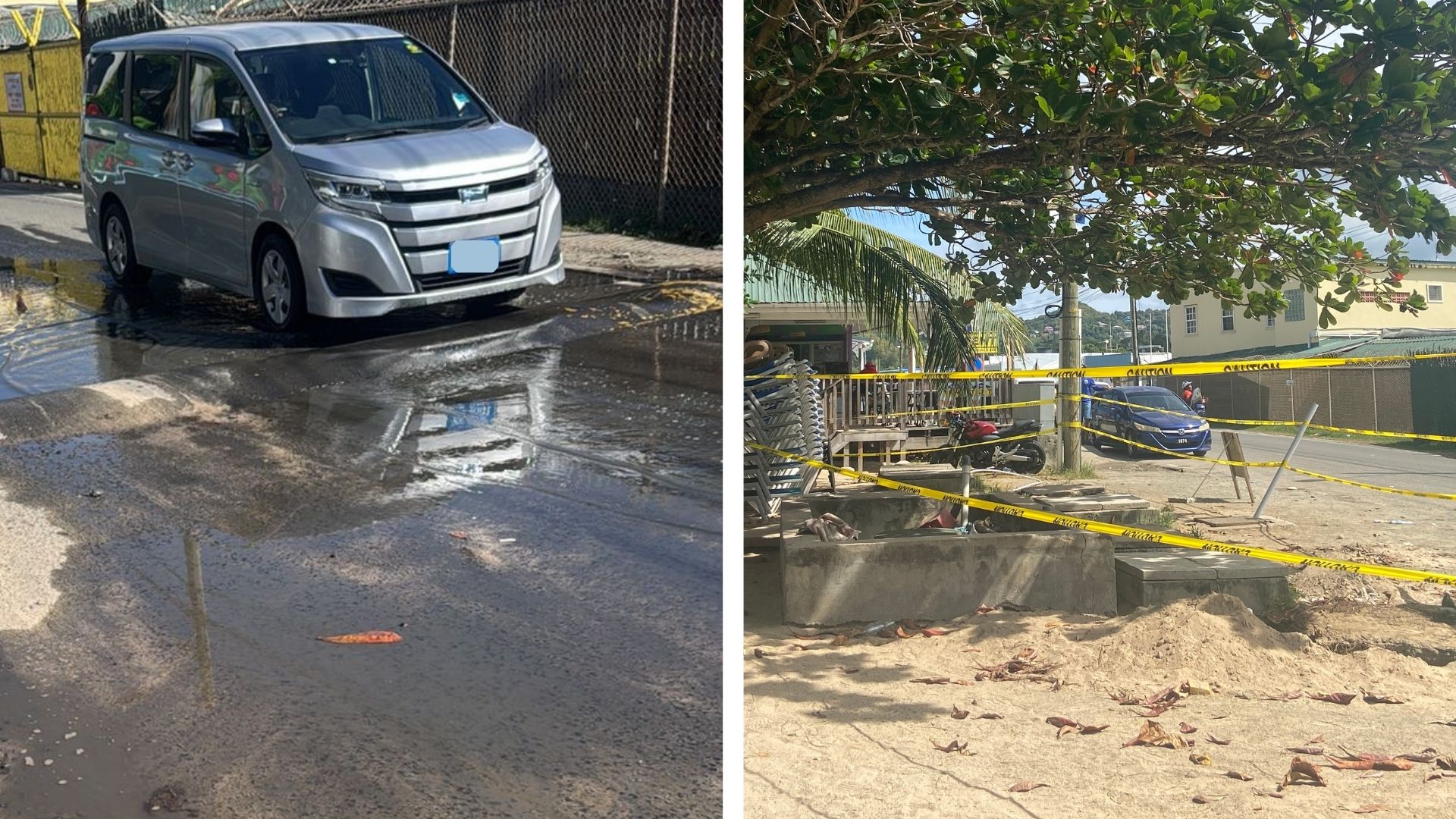
When will the Vigie Beach sewage leak saga end?
After seven years of recurring contamination, Vigie Beach in Saint Lucia may finally see relief from its chronic sewage leakage problem. The National Conservation Authority (NCA) has initiated containment measures by cordoning off affected sections and implementing temporary repairs to address the foul-smelling wastewater seepage that has plagued this popular tourist destination.
The environmental issue originates from three of eight waste tanks positioned opposite the George F. L. Charles Airport, which process effluent from eight beachfront restaurants and two public facilities. Local vendors and tourism workers report that the most recent leakage had been developing for several weeks before reaching critical levels last week, creating unsanitary conditions that have significantly impacted business operations and visitor experiences.
While the NCA acknowledges the complexity of the situation, stakeholders remain skeptical about temporary measures. “This has been a recurring problem for seven years,” commented a local tourism employee who requested anonymity. “Although they’ve sectioned off the area with caution tape and are working on repairs, I’ll only celebrate when we have a permanent solution.”
The environmental hazard has drawn sharp criticism from visitors, with tourist Maria Scott describing the situation as “appalling” and “disgusting” in video footage shared with local media. Her husband Michael added that the sewage problem “puts Saint Lucia on a bad scale” and requires immediate resolution.
Visual evidence from the past month shows wastewater spreading across sandy areas and onto adjacent roadways, with vehicles and pedestrians occasionally passing through the contaminated zones. Historical reports indicate similar incidents dating back to October 2022, when burst pipes beneath beachfront establishments caused comparable contamination issues.
The root causes remain contested between authorities and business operators. The NCA maintains that poor compliance with grease trap installation policies among restaurants contributes significantly to pipe blockages, while some tenants argue that inadequate maintenance by authorities is the primary culprit.
According to DBS News reports, the NCA has previously replaced piping systems without achieving lasting results. The authority has indicated that a permanent solution might require temporary closure of the restaurant and bar complex, though officials express concern about the economic impact on local livelihoods. The NCA has confirmed ongoing consultations with engineering experts to develop a comprehensive long-term resolution.
-

Government Targets End to Outdoor Bathrooms Nationwide
The Caribbean nation of Antigua and Barbuda has initiated a comprehensive national program to eradicate outdoor bathroom facilities, marking a significant advancement in public health and residential infrastructure. Minister for Social and Urban Transformation, Roland Turner, characterized the endeavor as a critical and long-overdue modernization effort essential for improving community health standards.
This sanitation overhaul will be executed through direct interventions for qualifying households, identified via rigorous government assessments. The program operates under the established framework of the nation’s social protection initiatives, ensuring a structured and supportive approach to implementation.
Minister Turner explicitly stated, ‘The era of outdoor toilets in Antigua is conclusively over,’ while actively rallying community organizations and citizens to collaborate by engaging with the Social Protection Board. This initiative represents a core component of the broader Housing Assistance Programme Initiative (HAPI), which is dedicated to elevating living conditions for the most vulnerable segments of the population.
Substantial logistical support for the project is already underway, underscored by the recent procurement of building materials exceeding EC$1 million in value. These resources are currently being allocated to households with the most pressing needs, facilitating urgent repairs, reconstruction of damaged or lost homes, and renovations of properties in severe states of disrepair.
The program’s expansion has concurrently revealed a growing demand for skilled labor to meet its ambitious construction targets, presenting new opportunities for local employment and workforce development alongside its primary public health objectives.
-

House-Lifting Programme to Target Flood-Prone Communities
The government of Antigua and Barbuda has unveiled a groundbreaking housing resilience strategy designed to protect vulnerable communities from devastating flood damage. Through a specialized home elevation program, authorities will physically raise flood-prone residences to safer elevations, particularly targeting wooden structures built in low-lying areas.
Social and Urban Transformation Minister Roland Turner explained the critical need for intervention during an interview with ABS News. “Many homes in these vulnerable areas lack sufficient elevation to allow floodwaters to pass safely underneath during heavy rainfall events,” Minister Turner stated. He characterized the solution as “a very simple intervention” that could dramatically reduce property damage and financial losses for at-risk homeowners.
The innovative program will be integrated into the existing Housing Assistance Programme Initiative (HAPI), which already facilitates repairs, renovations, and reconstruction projects for disadvantaged residents. This expansion comes alongside a significant infusion of resources, including building materials valued at over EC$1 million that have recently arrived for distribution.
To address implementation challenges, the government has developed a comprehensive workforce strategy. Cabinet has approved the deployment of newly recruited construction workers from the Dominican Republic to supplement existing teams, including inmate labor programs. This additional manpower will support three specialized construction teams operating simultaneously across the nation, significantly accelerating the pace of housing improvements.
The multi-faceted approach represents one of the Caribbean region’s most comprehensive housing resilience efforts, combining structural interventions, material support, and workforce development to create sustainable solutions for climate-vulnerable communities.
-
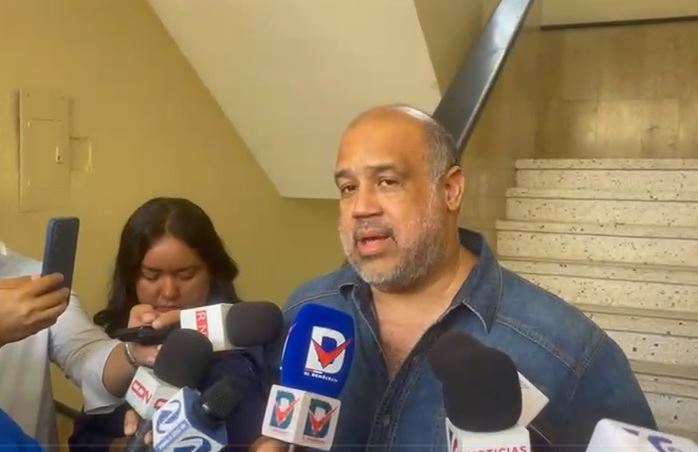
Defense seeks to overturn 18-month detention of ex-Senasa director
SANTO DOMINGO – The legal defense team for Santiago Hazim, former director of the National Health Insurance (Senasa), has formally challenged the 18-month pretrial detention order issued against him, asserting fundamental violations of his constitutional rights.
Attorney Miguel Valerio confirmed Tuesday that an appeal was submitted to the Criminal Chamber of the Court of Appeals of the National District. The defense contends that Judge Rigoberto Sena’s ruling improperly relied on subjective moral and ethical assessments rather than established legal principles. Valerio characterized the decision as lacking appropriate legal justification, noting the inclusion of extraneous biblical and literary references that bear no connection to the legal purpose of coercive measures.
The appeal argues that judicial references to alleged greed and moral disloyalty constitute improper grounds for detention that remain disconnected from the evidentiary requirements of the case. Additionally, the defense maintains that the detention order violates Hazim’s right to adequate medical care by preventing continuation of treatment for a serious health condition.
Valerio emphasized that preventive detention should serve specific procedural purposes—primarily preventing flight risk or evidence tampering—which he asserts were not substantiated in the ruling. The defense claims the court disregarded these legal standards, thereby compromising Hazim’s dignity and presumption of innocence.
The case involves allegations by the Public Prosecutor’s Office that Hazim and six co-defendants participated in the embezzlement of over RD$15 billion from Senasa. While Hazim and six others received pretrial detention, three additional defendants received alternative measures including electronic monitoring, travel restrictions, and mandatory court reporting. Their legal representatives have indicated their clients’ continued cooperation with ongoing investigations.
-
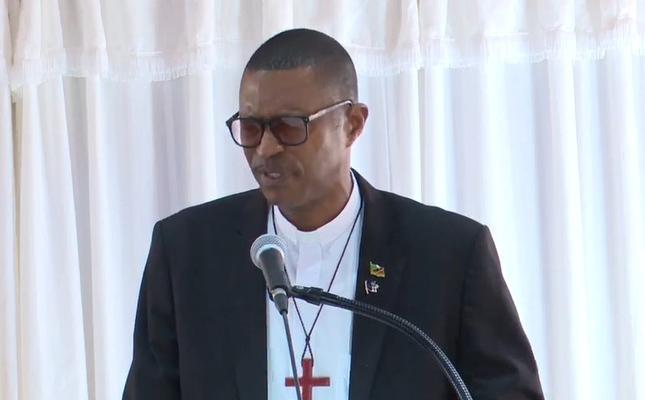
Law year opens with a call for fairness, equality, and clarity in Justice System
BASSETERRE, St. Kitts – The 2026 Legal Year commenced with a powerful appeal for judicial integrity as Pastor Derek Brown delivered a stirring address during Monday’s ceremonial church service, emphasizing three fundamental pillars: fairness, equality, and clarity within the justice system.
Speaking before legal professionals and congregants, Brown articulated the critical necessity of administering justice without prejudice or external influence. He anchored his message in this year’s judicial theme: “The Eastern Caribbean Supreme Court: Justice that Endures, Anchored in Independence, Strengthened through Trust,” interpreting it as a direct commitment to equitable treatment for all citizens.
“A judicial framework must instill universal confidence that justice will be served impartially,” Brown stated. “An institution anchored in independence operates without compromise or interference—it is fundamentally unbiased. When strengthened through public trust, it becomes a transparent system worthy of societal reliance.”
The pastor further highlighted the urgent need for clarity in legal proceedings, particularly within what he characterized as an increasingly confusing global landscape dominated by distorted information. He expressed deep concern over the proliferation of ‘alternative facts,’ noting that repeated falsehoods often gain unwarranted legitimacy.
“In our rapidly evolving world, truth itself faces unprecedented challenges,” Brown observed. “What was once universally right cannot suddenly become wrong. The justice system must serve as an enduring bulwark against such distortions—independent, influential, and truly worthy of public trust.”
Additionally, Brown cautioned against tolerating minor offenses, warning that overlooked violations can escalate into severe societal problems. Using illustrative examples during his sermon, he advocated for comprehensive accountability across all levels of law enforcement and civic society.