分类: society

  • APUA Shop Steward Pushes for Better Mental Health Support for Workers

    APUA Shop Steward Pushes for Better Mental Health Support for Workers

    At a joint rally hosted by the Antigua and Barbuda Labour Party and the Antigua and Barbuda Trades and Labour Union, held at the site of the V.C. Bird bust, a leading Antigua Public Utilities Authority (APUA) workers’ representative put workplace mental health at the top of the national labor advocacy agenda, calling for sweeping policy changes to prioritize frontline worker well-being.

    Zabina Nicholas, APUA’s elected shop steward, used the public gathering to press for stronger, more comprehensive worker protections across all sectors of the island nation’s economy. She opened her address by emphasizing that ongoing, organized advocacy for workers’ rights cannot slow down, pointing to outdated employment contracts that fail to address the modern challenges of rising workplace stress and persistent staffing shortages that have left workforces stretched thin.

    “Change the contract… because we care about the mental health,” Nicholas told the assembled crowd. She highlighted that stress levels among Antiguan and Barbudan workers have stayed critically high in recent years, arguing that workers are long overdue for formal employment policies that explicitly recognize and prioritize their holistic well-being, rather than only focusing on output and operational demands.

    Nicholas laid out an ambitious, time-bound national goal: to establish permanent, binding mental health frameworks in every Antiguan and Barbudan workplace by 2027. The plan outlines three core foundational requirements to make these frameworks effective: visible, sustained commitment from organizational leadership, dedicated budget and personnel resources to support mental health initiatives, and full integration of mental health protocols into routine human resource management practices.

    The specific proposals contained in the roadmap cover a range of worker-focused changes: mandatory mental health literacy and de-escalation training for all people managers, accessible flexible work arrangements tailored to help employees manage personal and mental health needs, strict privacy protections for workers who disclose mental health conditions to avoid stigma and discrimination, guaranteed paid medical leave for workers seeking ongoing mental health treatment, and structured, supported return-to-work systems for employees returning to their roles after extended mental health leave.

    Drawing on global public health and labor research to back her calls, Nicholas noted that work-related mental health disorders are not just a local challenge, but a growing global public health crisis. International studies consistently link excessive working hours and unchecked workplace pressure to a range of severe negative outcomes, including increased rates of anxiety, depression, and chronic physical illness, she explained.

    Speaking to rally supporters, Nicholas reinforced the movement’s commitment to protecting workers: “We will not allow our people to succumb to this cycle.” The end goal of the proposed reforms, she clarified, is to reposition workplace mental health as a core component of overall workplace safety and organizational productivity, rather than an afterthought added only after crises occur. This push for mental health reform is part of a broader national campaign to improve working conditions and quality of life for all workers across Antigua and Barbuda.

    Closing her address, Nicholas framed the movement as an investment in the nation’s future: “A strong mind makes a strong worker, but many strong minds make a great nation.”
  • The Boy’s Brigade 2026 Week of Activities Celebrates Leadership, Faith, and Service Among Youth

    The Boy’s Brigade 2026 Week of Activities Celebrates Leadership, Faith, and Service Among Youth

    St. John’s, Antigua and Barbuda – The dual-island nation of Antigua and Barbuda wrapped up its annual Boys’ Brigade Week 2026 on April 12, a six-day national observance centered on the mission of growing the next generation of principled leaders while fostering strong personal character among young male participants. Held from April 7 to 12 under the official theme “Raising Leaders, Building Character,” this year’s gathering drew top public figures, including Sir Rodney Williams, Governor General of Antigua and Barbuda, who took a central role in the week’s closing ceremonies.

    Over the six days of programming, organizers put together a diverse slate of activities designed to nurture three core pillars for members: leadership capability, personal discipline, and community service. Participants kicked off the week with a media engagement session to share the Brigade’s work with broader audiences across the country. Next came a community outreach project, where members delivered a donation to the Care Project at Holberton Hospital, one of the nation’s leading public healthcare facilities. Young participants also got the chance to build hands-on leadership skills through dedicated training workshops, before taking part in a public March of Witness that wound through the central streets of St. John’s. The week also included a two-night overnight camp and a casual beach picnic for members and their families at popular local spot Pigeon Point.

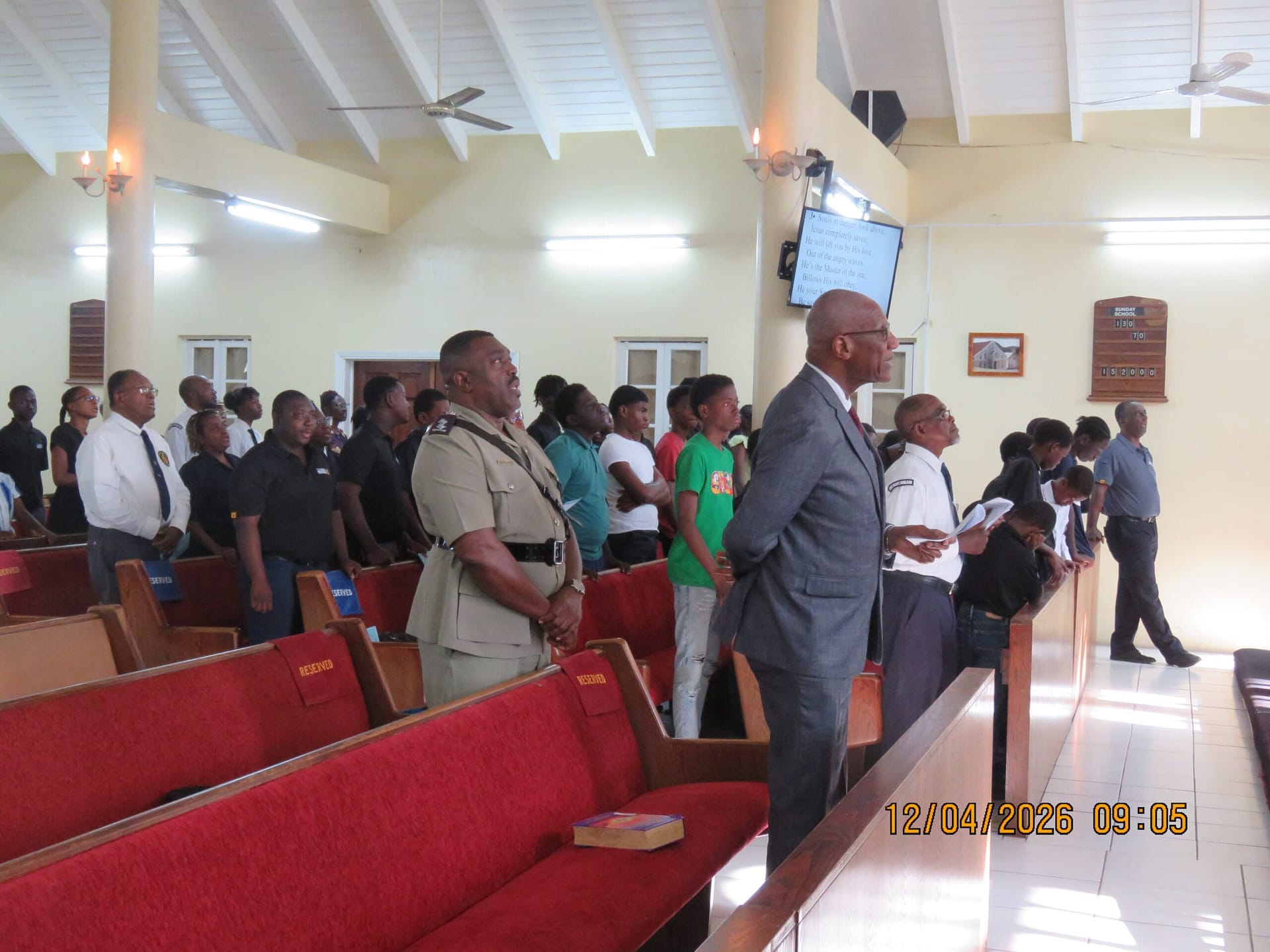
    The entire observance reached its ceremonial conclusion on Sunday, April 12 with a special intercessory Church Service held at Baxter Methodist Church. Both Governor General Sir Rodney Williams and his wife Her Excellency Lady Williams, who serves alongside the Governor General as joint Patron of the national Boys’ Brigade, were in attendance for the service. In his formal remarks to attendees, the Governor General offered high praise for the youth organization’s decades-long commitment to fostering positive youth development across Antigua and Barbuda.

    “As Patrons of the Boys’ Brigade in Antigua and Barbuda, Lady Williams and I take particular pride in the role the Brigade continues to play in shaping the character, discipline, and spiritual foundation of our young men,” Sir Rodney shared. He went on to frame the organization as a critical anchor for young people navigating an increasingly complex modern world, calling it “a beacon of faith, discipline, and service” that delivers consistent, trusted mentorship and guidance to growing boys and young men.

    The Governor General emphasized that youth-serving groups like the Boys’ Brigade fill an irreplaceable role in instilling core values of integrity, community leadership, and service to others, adding that their grassroots work remains foundational to long-term national progress. He also extended specific recognition to the unsung contributors that make the Brigade’s work possible: chaplains, program officers, volunteer leaders, participating parents, and community supporters, whose consistent dedication leaves a lasting positive mark on the lives of hundreds of young men across the country.

    Sir Rodney also highlighted the longstanding productive partnership between the Boys’ Brigade and the Office of the Governor General. Beyond Boys’ Brigade Week, the organization regularly contributes to key national observances, including annual Commonwealth Day activities, and collaborates on initiatives designed to boost civic engagement and participation among the nation’s youth.

    After the closing church service concluded, the Governor General moved to the parade ground to take the official salute from marching Brigade members, who delivered a disciplined, high-spirited public display of their training. The parade capped off a full week of activities that stayed true to the organization’s core mission of centering faith, community fellowship, and intentional character development for participants.

    Today, the Boys’ Brigade in Antigua and Barbuda stands as a long-trusted cornerstone of the nation’s youth development ecosystem. For generations, the organization has nurtured young men rooted in Christian values, personal discipline, and a commitment to serving their country, building a legacy that continues to benefit communities across the islands.

  • Thieves Make Off With 26 Toilets From Affordable Homes Site

    Thieves Make Off With 26 Toilets From Affordable Homes Site

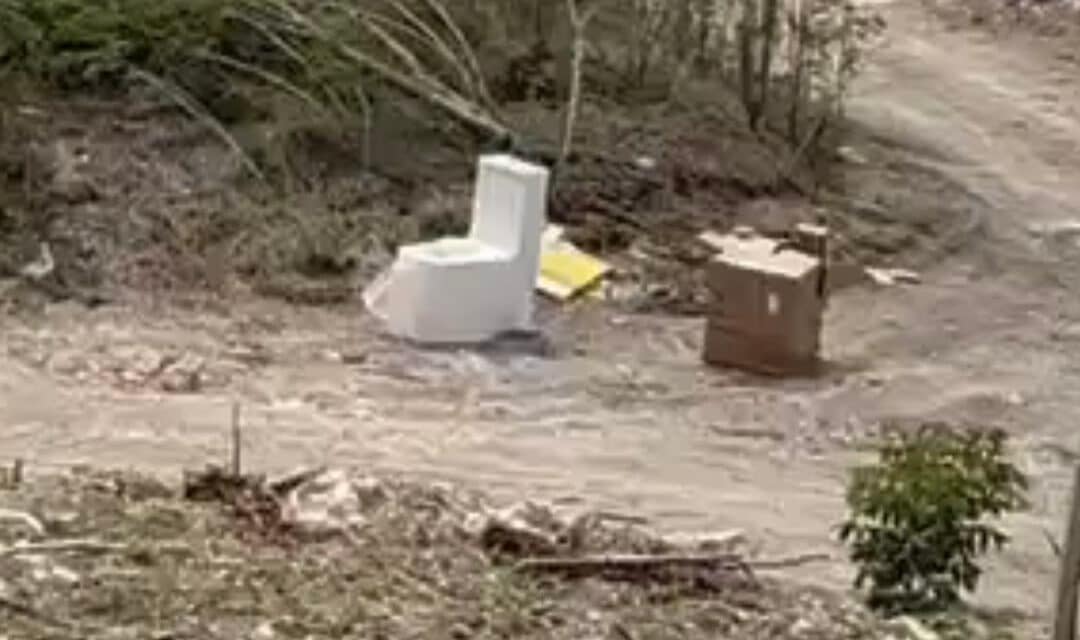
    A non-profit housing organization focused on delivering low-cost accommodation in Antigua is reeling after a brazen theft that set back its community-focused construction work last week. Affordable Homes Antigua confirmed that thieves targeted an on-site storage container, making off with 26 toilets alongside a range of other essential building materials needed for the ongoing project.

    In a public statement shared on the organization’s online platforms, representatives shared that the team was deeply shaken by the incident, describing the losses as a substantial, unexpected blow to the project’s timeline and operational capacity. As of the organization’s latest update, no information has been released regarding the specific location of the affected construction site, nor has the total monetary value of the stolen goods been disclosed. It also remains unconfirmed whether local law enforcement has been contacted to investigate the crime, and no persons of interest have been publicly named in connection with the theft.

    The incident has thrown a spotlight on a long-running issue that plagues construction sectors across many growing regions: inadequate security at active building sites. As Antigua has seen a steady uptick in residential construction activity in recent months, experts and industry insiders note that opportunistic theft of building materials has become an increasingly common problem, often stalling progress on projects aimed at addressing housing insecurity for low-income and working-class communities.

  • Governor General and Lady Williams Attend St. John Hospice Fundraiser at Casa Palmadita

    Governor General and Lady Williams Attend St. John Hospice Fundraiser at Casa Palmadita

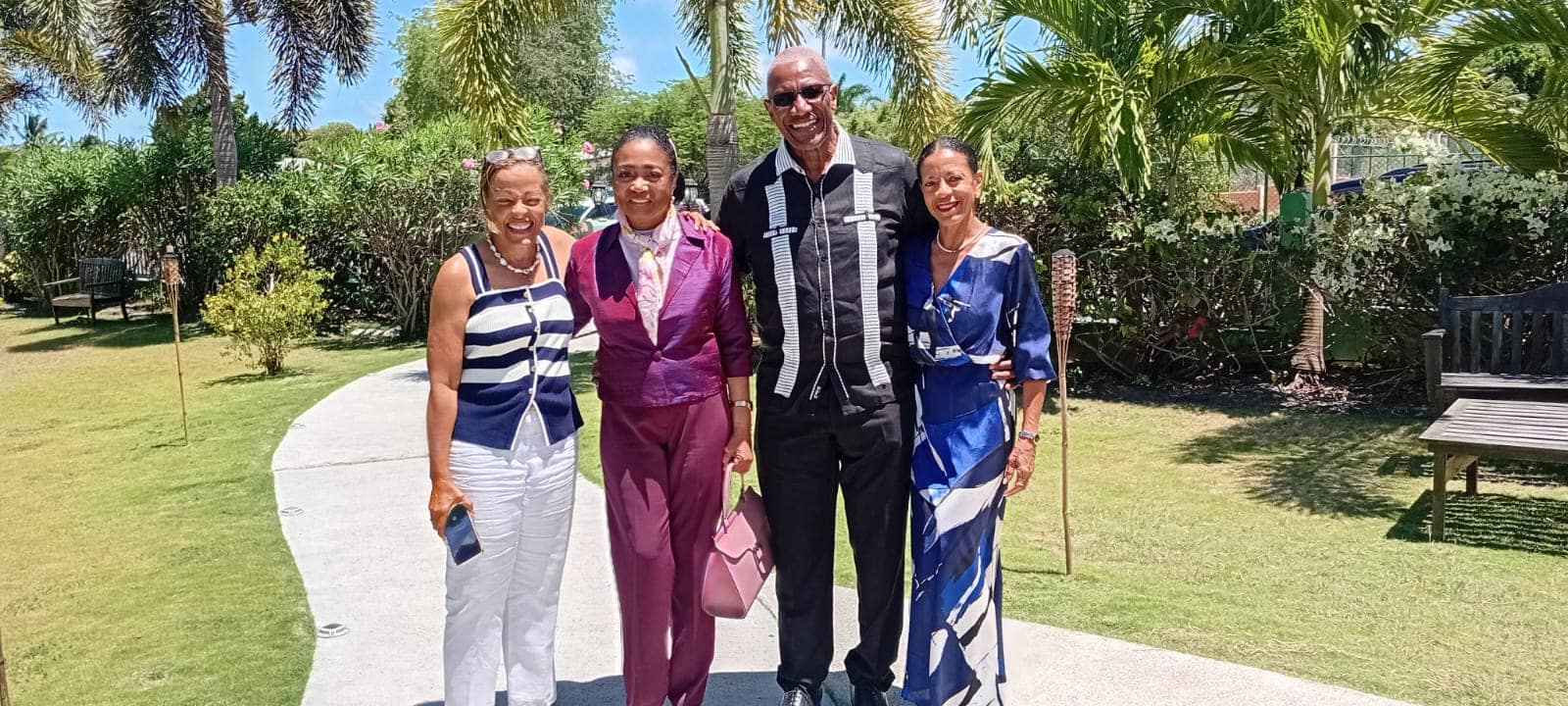
    On Sunday, May 3, 2026, a community-focused fundraising event dubbed “Wash You Foot and Come” brought together dozens of engaged locals and dignitaries at Casa Palmadita in Fitches Creek, with the highest-profile guests being Governor General of Antigua and Barbuda Sir Rodney Williams and his wife Lady Williams. The event was organized to benefit St. John Hospice, a palliative care institution that counts the couple as its official patrons.

    For years, St. John Hospice has filled a critical gap in Antigua and Barbuda’s care ecosystem, delivering specialized, compassionate end-of-life support to terminally ill residents and their loved ones navigating the emotional and practical challenges of serious illness. Unlike many healthcare services that focus on curative treatment, the hospice centers its work on upholding patient dignity, reducing physical discomfort, and surrounding patients and families with emotional support — a mission that has earned it deep respect across the nation.

    In opening remarks delivered to the gathered crowd, Sir Rodney Williams highlighted the quiet but transformative impact of the hospice’s work. He praised the organization for staying rooted in core values of dignity, comfort, and radical empathy, and urged all attendees to continue their long-term support of the institution beyond the one-day fundraiser. He noted that sustained backing, whether through financial donations, hands-on volunteer work, or public advocacy to expand the hospice’s reach, remains essential to keeping the organization’s critical services running.

    Following his remarks, Lady Williams presented a sizable donation on behalf of The Halo Foundation, a long-standing partner of St. John Hospice, to Charlene Selkridge, chair of the event’s planning committee. The Halo Foundation has built its mission around supporting vulnerable community members, and its ongoing partnership with the hospice aligns with its core commitments to care, compassion, and public service. This latest contribution marks another chapter in the foundation’s years of investment in palliative care across the country.

    The day’s program was smoothly run by Colin Maynard, the newest appointee to the St. John Hospice Board of Directors, who stepped into the role of Master of Ceremonies. Between appeals for support and formal remarks, guests were treated to a lively lineup of local musical entertainment: Armani Gomes performed on the steelpan, Garrett Gill took on guitar duties, and Jevonte played keyboard, adding a warm, community-focused tone to the gathering.

    Before the event concluded, Sir Rodney and Lady Williams extended formal thanks to every group that contributed to its success, from Selkridge and the entire planning committee to the hospice’s board, executive leadership, frontline care staff, volunteer caregivers, corporate sponsors, the performing artists, and every individual attendee who gave their time or money to the cause.

    Beyond raising the critical operating funds the hospice relies on to continue its work, the fundraiser also achieved a second key goal: it raised public awareness of the irreplaceable role St. John Hospice plays in supporting families across Antigua and Barbuda. By bringing community members together in a spirit of generosity and fellowship, organizers helped more locals understand the value of palliative care and the ongoing need for collective support to sustain the service for years to come.

  • Manhunt for two suspects

    Manhunt for two suspects

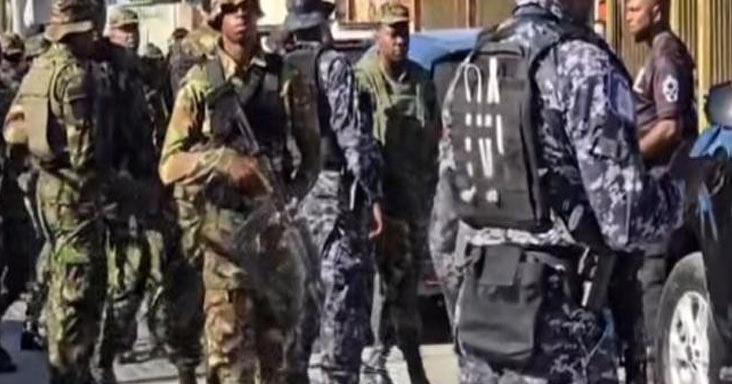
    A massive coordinated manhunt is still underway across central Trinidad for two suspects who fled the scene of a fatal early-morning home invasion that left four suspects dead in a police-military operation on Saturday. Two other people connected to the incident are currently in law enforcement custody, but investigators have not yet closed the case as they work to track down the remaining fugitives and dismantle a suspected criminal ring linked to a string of recent break-ins in the region.

    Law enforcement insiders shared new updates on Sunday, confirming that one of the two detainees is being held at the Caroni Police Station. The second arrested suspect was injured during an exchange of gunfire with responding officers and remains under constant police supervision at a local medical facility, where he is receiving treatment for his wounds.

    Senior law enforcement officials confirmed that the two detainees are being held within the 48-hour detention window permitted under Trinidad’s existing legal framework. When this initial period comes to an end, investigating officers are prepared to submit a formal request to a senior officer ranked above Assistant Superintendent of Police to extend the detention period by up to seven additional days. Sources close to the investigation also told local outlet Express that authorities are already evaluating the use of extraordinary emergency measures, specifically a preventative detention order (PDO). This legal tool would allow officials to hold the detainees for the full duration of the active state of emergency (SoE) currently in place across the country.

    The entire operation was triggered by a reported home invasion in the community of Cunupia early Saturday. Local police received an urgent call about the break-in and launched a rapid response, bringing in military support to contain the scene. The confrontation escalated into a shootout that left four of the suspected intruders dead. Two people were taken into custody at the scene, while two others managed to evade capture and escape.

    In the days following the confrontation, police have maintained a visibly increased presence in the communities affected by the recent string of home invasions. Investigators are actively following up on every tip and lead they receive, with the dual goal of capturing the two remaining fugitives and breaking up the organized criminal network believed to be responsible for the recent wave of break-ins across central Trinidad.

    As the search operation moves forward, government and law enforcement officials are calling on local residents to stay alert to any unusual or suspicious activity in their neighborhoods. Members of the public with any information that could help investigators locate the two at-large suspects are urged to come forward and share their tips with authorities.

  • Column: Integriteit, meer dan een modewoord

    Column: Integriteit, meer dan een modewoord

    In modern public discourse, the term “integrity” is everywhere—dropped in workplace meetings, political speeches, and casual conversations, universally celebrated as a critical value. But how often do people actually live up to the standard it sets? Far from being just a trendy buzzword or an abstract ideal to be cited on special occasions, integrity is the bedrock of ethical action, the foundation of mutual trust, and the cornerstone of a fair, functional society.

    Contrary to common framing that holds only leaders and politicians accountable to standards of integrity, the concept is just as often missing from the everyday choices of ordinary people. It starts with small, seemingly inconsequential decisions: a white lie to avoid conflict, a partially truthful answer to dodge criticism, shifting blame to another person for a mistake one made. What looks harmless at first can quickly snowball, eroding public trust and sowing deep-seated division and suspicion across communities. That makes integrity an ongoing personal responsibility that requires intentional attention every single day, especially in the small, unobserved choices that add up to shape collective culture.

    So what exactly is integrity, at its core? It means remaining steadfast to your own core values and principles, even when staying true comes at a cost. It stands for unwavering honesty, consistent reliability, and radical transparency. It requires taking full ownership of your actions and aligning your words with your deeds at all times. Put simply, integrity is the bridge that connects what we claim to stand for and what we actually do, and the social glue that holds together personal relationships, institutions, and entire societies.

    This standard must apply across every sphere of life: the workplace, personal friendships, public governance, and even online interactions. Whether it is a high-stakes business decision, a private conversation with a loved one, or the public bond between voters and elected officials, that foundational bond collapses without integrity. Even so, it is common to see people weaponize the language of integrity to advance their own self-serving interests, rather than actually practicing what they preach. When power, wealth, or social status is on the line, most people take the easy way out, lacking the courage to be honest or own up to their mistakes.

    Nowhere is this gap more visible than during election campaigns. Candidates make sweeping, ambitious promises to win over voters. Even though most voters know only a tiny fraction of those pledges will ever be fulfilled, we still hold out hope that this election cycle will be different. Time and time again, that hope gives way to disappointment, trapping communities in a vicious cycle of broken trust and unmet expectations.

    The chasm between public rhetoric and private action is staggering. Politicians who preach honesty while engaging in corrupt backroom deals; corporate CEOs who promise transparency while hiding critical information from stakeholders and the public. This persistent gap systematically erodes public trust, fuels widespread cynicism, and deepens social division—at a moment when collective unity is more important than ever, draining the energy needed to tackle shared challenges.

    Even with these widespread failures, integrity remains irreplaceable to a healthy society. It is the foundation of mutual trust and the cement that holds communities together. Without it, people lose sight of our shared humanity and conflict becomes inevitable. Beyond its social benefits, integrity also brings deep personal fulfillment: it lets people look at themselves in the mirror with a clear, unburdened conscience.

    The encouraging takeaway? Change starts with individual action. Integrity does not require grand, headline-grabbing gestures. It only requires a deliberate, daily choice: to be honest, take responsibility, and act consistently with your values, even when no one is watching to hold you accountable. Of course, we also need leaders who model these values publicly, and institutions and workplaces that reward and prioritize integrity rather than punishing it or turning a blind eye to compromise. Only then can we build an environment where public trust can take root and grow.

    It is long past time to stop only talking about integrity and start actually living it. Because without integrity, all words are empty, and without mutual trust, our communities are lost.

  • US$10 million from Rotary International (District 7020) for DINEPA in Haiti

    US$10 million from Rotary International (District 7020) for DINEPA in Haiti

    At the 2026 annual conference of Rotary International District 7020, hosted in Jamaica between April 28 and May 1, Haiti’s leading water and sanitation public agency secured a landmark multi-year investment to expand critical public services across the country. The National Directorate of Drinking Water and Sanitation (DINEPA), led by Director General Théophil Ostinvil, held a series of targeted high-level strategic talks with top Rotary leaders during the event, including former Rotary International President Barry Rasin, former Zone 33/34 Director Jeremy Hurst, and incumbent District 7020 Governor William Bill Aiken, alongside multiple past district and organizational leaders.

    These in-depth discussions successfully aligned the institutional priorities of both organizations around advancing Haiti’s drinking water and sanitation goals, laying a solid foundation for deeper long-term collaboration. After productive negotiations, the two sides finalized a binding financial commitment of $10 million that will be disbursed over the coming five years. This injection of capital marks a major milestone in resource mobilization for Haiti’s underfunded water and sanitation infrastructure.

    The new funding falls under the ongoing partnership between DINEPA and Rotary International District 7020, managed through the Haiti National Water, Sanitation and Hygiene Initiative (HANWASH) — the official technical implementation body for Rotary’s development work in Haiti. Beyond addressing the urgent need for capital, this commitment carries broader strategic meaning: it signals broad international confidence in DINEPA’s institutional leadership and validates the impact of recent sectoral reforms implemented by the agency. It also opens new doors for expanded technical and financial partnerships with other global development actors, a critical enabler for Haiti’s goal of achieving universal access to safe drinking water and formal sanitation services for all citizens.

  • 80% of Caribbean Journalists Are Burnt Out. Here’s Why That Should Worry You

    80% of Caribbean Journalists Are Burnt Out. Here’s Why That Should Worry You

    On World Press Freedom Day 2026, May 3, the Media Institute of the Caribbean (MIC) has issued a stark public warning about the cascading crises facing regional journalism, with four out of every five Caribbean journalists now reporting clinically significant professional burnout. The organization describes the current state of Caribbean media as a “perfect storm of overlapping negative challenges” that threatens not just newsrooms, but the foundation of democratic accountability across the region. One of the most damaging structural pressures is the massive outflow of digital advertising revenue from local media outlets to global tech giants Meta and Google. MIC data shows that between 15% and 25% of all digital advertising spending in the Caribbean now flows to the two U.S.-based platforms, rather than supporting local news organizations that produce context-specific, community-focused reporting. Beyond the revenue collapse, working conditions for journalists have deteriorated sharply. More than 80% of respondents to MIC’s research reported persistent burnout, with the vast majority lacking access to formal mental health support or workplace well-being resources. Many journalists also face ongoing targeted threats including personal harassment, legal intimidation designed to silence critical reporting, and growing state and private surveillance of their work and personal communications. The rise of generative artificial intelligence has added a new layer of systemic risk to the regional media ecosystem, building on pressures that date back years. A 2023 MIC analysis documented multiple harmful uses of AI across the Caribbean: AI-generated deepfakes deployed to disrupt regional electoral processes, coordinated disinformation campaigns that erode public trust in public health guidance, and synthetic content intentionally crafted to exploit and widen ethnic and religious divisions within local communities. MIC officials warn that this combination of financial instability, harmful working conditions, and disinformation threats has already weakened the ability of regional journalism to act as a core democratic watchdog, holding governments and powerful private actors accountable to the public. Against this backdrop, the organization emphasizes that media literacy is no longer a niche educational skill, but an essential piece of foundational democratic infrastructure that all communities need to navigate modern information environments. To address these interconnected crises, MIC has outlined a three-pronged policy call for regional stakeholders. The organization is urging Caribbean national governments to implement targeted taxation on digital advertising revenue earned by global tech giants, creating a potential revenue stream to support local public and private media. It is also calling on independent regulators to conduct mandatory audits of big tech algorithms to identify and correct bias that disadvantages local news content in user feeds. Finally, MIC is pushing for education systems across the region to embed media literacy training into formal curricula starting in primary school, building long-term public capacity to identify disinformation and evaluate news sources. In closing, MIC reaffirmed that sustainable, independent media, widespread public media literacy, and protected press freedom are non-negotiable prerequisites for building peaceful, equitable democratic futures across all Caribbean nations.

  • Two Dead In Horrific Crash

    Two Dead In Horrific Crash

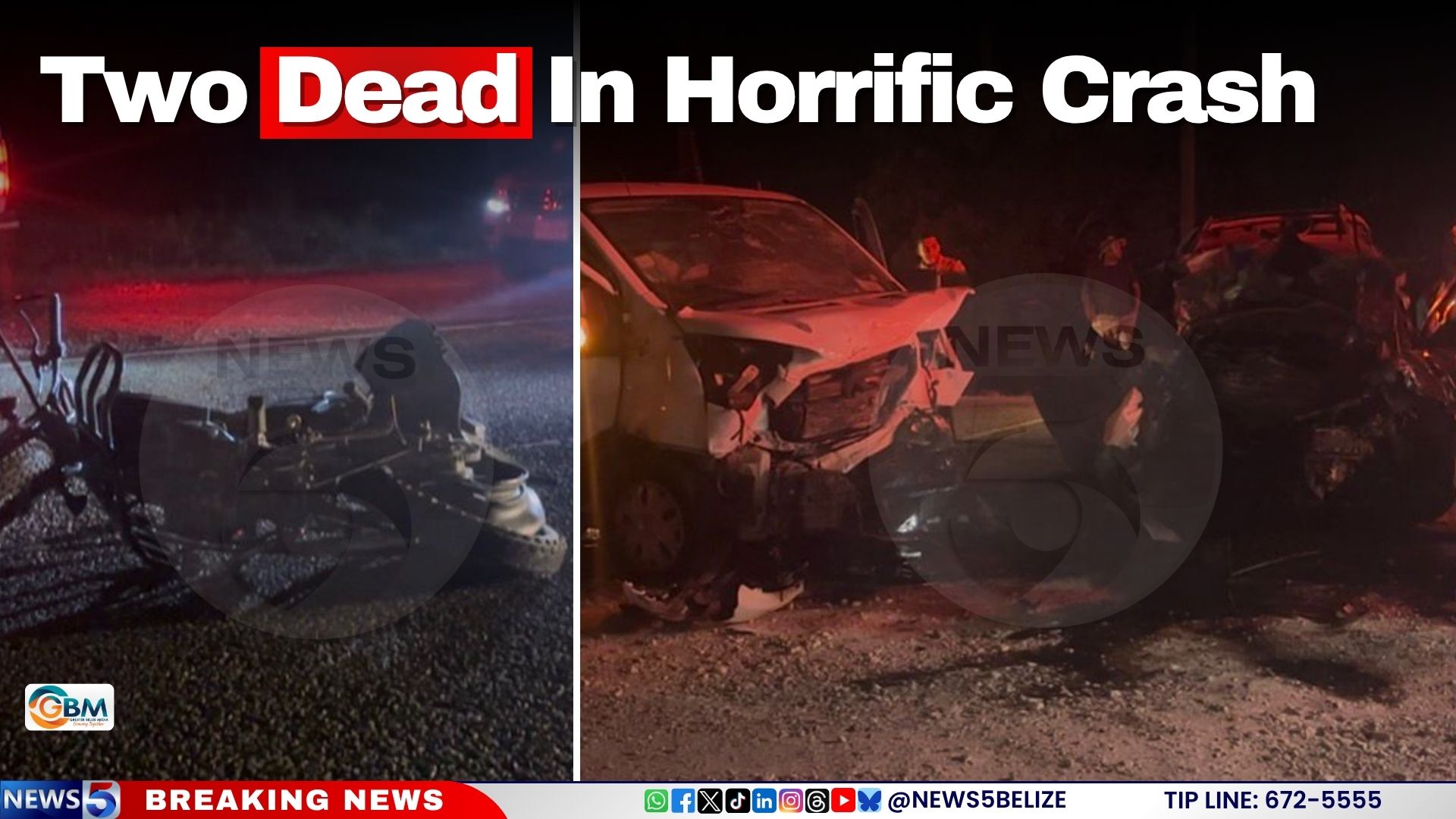
    A devastating traffic collision on the George Price Highway in Belize’s Belize District has claimed the lives of two local men and left multiple other people injured, emergency responders confirmed Sunday. The fatal crash unfolded at the 16-mile marker of the highway on the night of Saturday, May 2, 2026, with at least 10 people directly involved in the incident.

    The two victims, identified by local sources as Glenn Lamb Jr. and Nelson Hemsley, were pronounced dead at the scene of the collision. Photographic documentation from the crash site confirms that the incident involved a passenger vehicle and a motorcycle, though authorities have not yet released additional details on the exact sequence of events that led to the crash, or the condition of the injured parties.

    In the hours following confirmation of the deaths, grieving family members took to social media to share tributes to their lost loved ones, expressing raw, heartfelt pain over the sudden tragedy. A relative of Lamb wrote publicly, “I love you, God knows…My little brother, God, this hurts so much.”

    Hemsley’s family also remembered him as a man defined by kindness, describing him as “nothing but pure love.” Another relative of Hemsley shared their shock and grief in a social media post, writing, “Can’t believe this uncle we are broken man this hurts until RIP until we meet again.”

    As of Sunday morning, local authorities had not issued a formal update on further investigation into the cause of the crash, or the status of those who were transported for medical care.