分类: society

  • Self-employed unit expands reach to thousands – NISSS

    Self-employed unit expands reach to thousands – NISSS

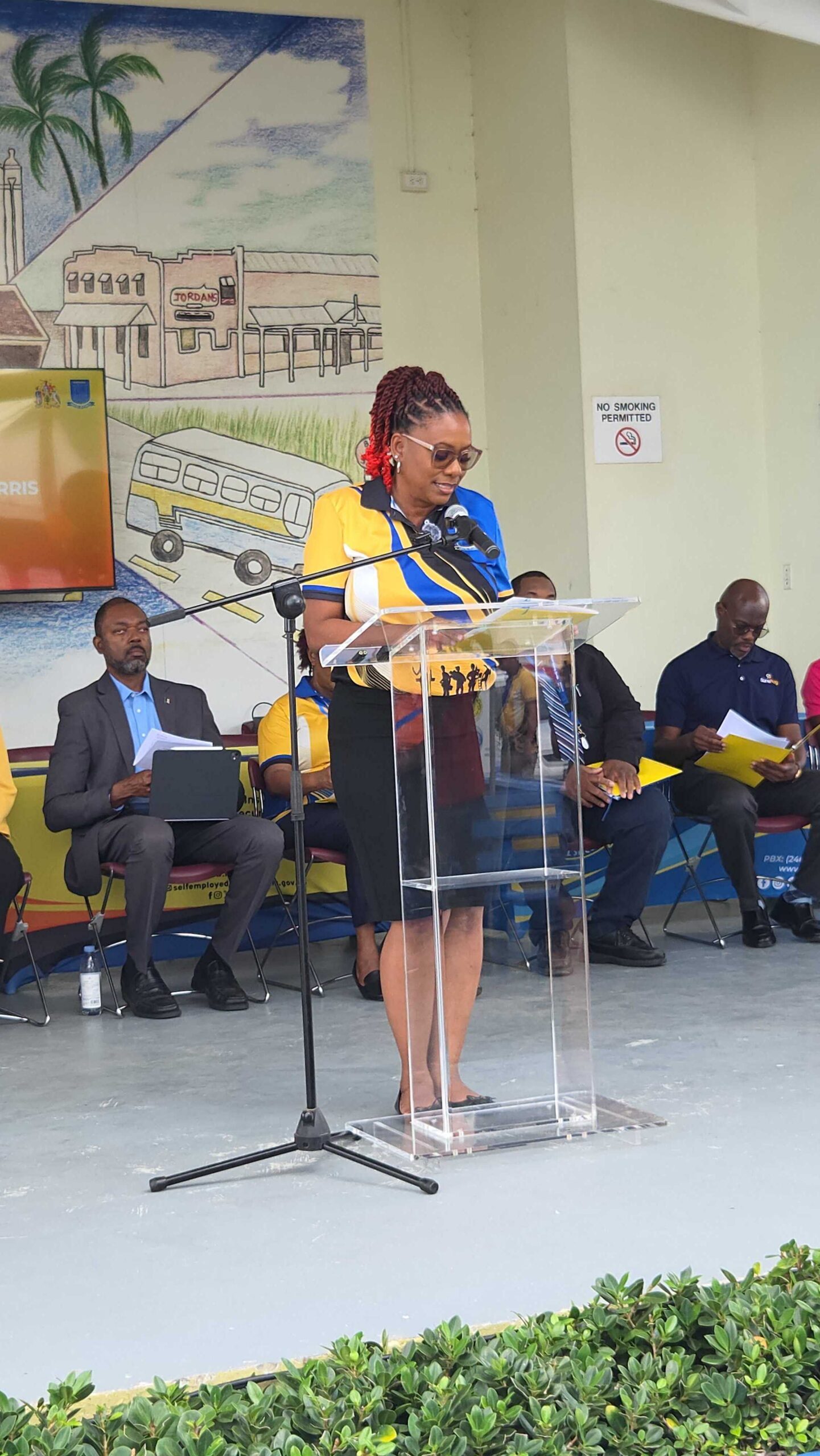
    Barbados’ National Insurance and Social Security Service (NISSS) has announced a landmark milestone for its specialized Self-Employed Unit, revealing that more than 3,000 independent workers have signed up for national social security coverage in just over 14 months since the initiative launched. Officials made the announcement Friday during a celebratory ceremony held at Speightstown Esplanade, where they detailed the community-centered strategy driving the program’s rapid growth and unveiled new flexible payment options tailored to the unique needs of self-employed workers.

    Alethea Thomas, acting project manager of the Self-Employed Unit, presented the official progress update at the event, breaking down the results of the unit’s ground-up outreach approach launched on March 17, 2025. By the end of the program’s first full year, 3,039 self-employed Barbadians had completed new registrations, with a sharp late surge pushing totals even higher. Thomas shared that April 2026 alone saw 678 total processed registrations, including 543 first-time sign-ups and 135 reactivations of lapsed coverage, a result she credited to the unit’s intentional, community-facing model.

    Unlike traditional social security outreach that relies on centralized bureaucratic offices, the NISSS initiative has shifted to meet independent workers where they already operate. To date, the team has hosted 28 interactive workshops and community sessions across every part of the island, connecting directly with street vendors, skilled tradespeople, creative professionals and other independent workers in their daily work environments. What started as a registration drive has evolved into a long-term relationship-building framework, Thomas explained, that has made NISSS more visible, accessible and trusted among the self-employed community than ever before in the institution’s history.

    A key new rollout announced at the ceremony is flexible payment terms designed to accommodate the irregular, fluctuating income streams that are common for independent workers. The initiative’s 15 field officers, all recruited from the local communities they now serve, have been central to the program’s success, Thomas noted, adding that their existing connections to the populations they engage with has helped break down barriers to registration.

    Thomas emphasized that the self-employed workforce, whose members make a deliberate choice to “bet on themselves” through independent work, deserve the same long-term social protection that traditional employees access through the national insurance system. “The self-employed persons of Barbados work hard, and they make the necessary sacrifices for themselves, living on their own terms through skill, labour, creativity, and courage that deserves to be honoured,” Thomas told attendees. “What we are offering through the NISSS is the assurance that that hard work pays off, not just today, but for the rest of their lives — that the years of hard work and hustle will lead to somewhere safe, secure, and worry-free.”

    She added that every Barbadian, regardless of whether they work for an employer or run their own business, is entitled to financial security during retirement. “Every Barbadian, whether employee or self-employed, deserves those golden years, and it is the mission of the Self-Employed Unit to assure this.” Immediately following the ceremony, the unit’s field officers departed for new outreach stops in Six Men’s Bay and Mile-and-a-Quarter in St Peter, continuing the ongoing registration drive to reach remaining unregistered self-employed workers across the island.
  • Students eye non-traditional careers at national showcase

    Students eye non-traditional careers at national showcase

    As secondary school students across Barbados increasingly turn away from long-established conventional professions to explore unconventional vocational paths, the Barbados Association of Guidance Counsellors (BAGC) has broadened its industry partnerships to meet this shifting demand. The expansion was announced Friday by BAGC president Sharnell Clarke, during the opening of the association’s 19th National Career Showcase, hosted this year at the University of the West Indies at Cave Hill.

    Clarke noted that while core traditional careers including law, medicine, and education still draw significant student interest, a clear divergence in vocational preferences has emerged in recent years. To reflect this changing landscape, organizers this year added non-traditional roles to the showcase lineup – including a professional fruit carving artist, one of the creative vocational paths that has piqued growing curiosity among attending students.

    “More young people are actively broadening their horizons and opening themselves up to career options their parents or older generations rarely considered,” Clarke explained in an interview on site. “That’s why we worked to bring in representatives from every corner of Barbados’ economy, from skilled creative trades to public service roles that many students have never gotten the chance to learn about first-hand.”

    This year’s showcase brought together 70 distinct organizations spanning virtually every major sector of the Barbadian economy: finance, insurance, education, medical and mental health, business development, entrepreneurship, tourism, agriculture, animal control, food nutrition, and skilled creative trades. Even niche public service sectors got a spot in the event: the Barbados Police Service brought representatives from its canine unit and traffic division, while the national agriculture ministry featured six separate departments to introduce students to roles in agribusiness and rural development. For sports-inclined students, Barbados’ iconic cricket legends were also on hand to walk attendees through what it takes to build a professional career in competitive sports. BAGC also hosted its own exhibition, to demystify the work of guidance counsellors and encourage students interested in education and mental health to consider the profession themselves.

    Unlike past years, when the showcase opened to secondary students from third to sixth form, resource constraints – including limited event space and tightened funding – forced organizers to refocus the event exclusively on third-form students. This demographic, Clarke explained, is at a critical career juncture: they are just weeks away from selecting specialized subjects for their fourth and fifth form studies, a choice that directly shapes their future post-graduation vocational options.

    All secondary schools across the island were invited to send their third-form cohorts, including the specialized Derrick Smith School and Vocational Centre. According to Clarke, the core mission of the annual showcase is to bridge the gap between classroom learning and real-world work, giving students access to professionals and industries that most would never encounter in their daily school lives.

    “For most young people, there’s no way to learn what a typical day looks like in an unfamiliar career until you actually talk to someone who does that work every day,” Clarke said. “This event gives them that chance: they can ask questions, get behind-the-scenes insight, and even discover entirely new careers they never knew existed before.”

    Clarke added that a national, centralized showcase offers unique value that smaller, individual school career fairs cannot match. As an island-wide association, BAGC has the resources and network to bring together a far wider range of professions under one roof, giving every attending student access to a broader scope of vocational opportunities no matter what school they attend.

  • Project FLOW commissions 15 school water systems in Region Three

    Project FLOW commissions 15 school water systems in Region Three

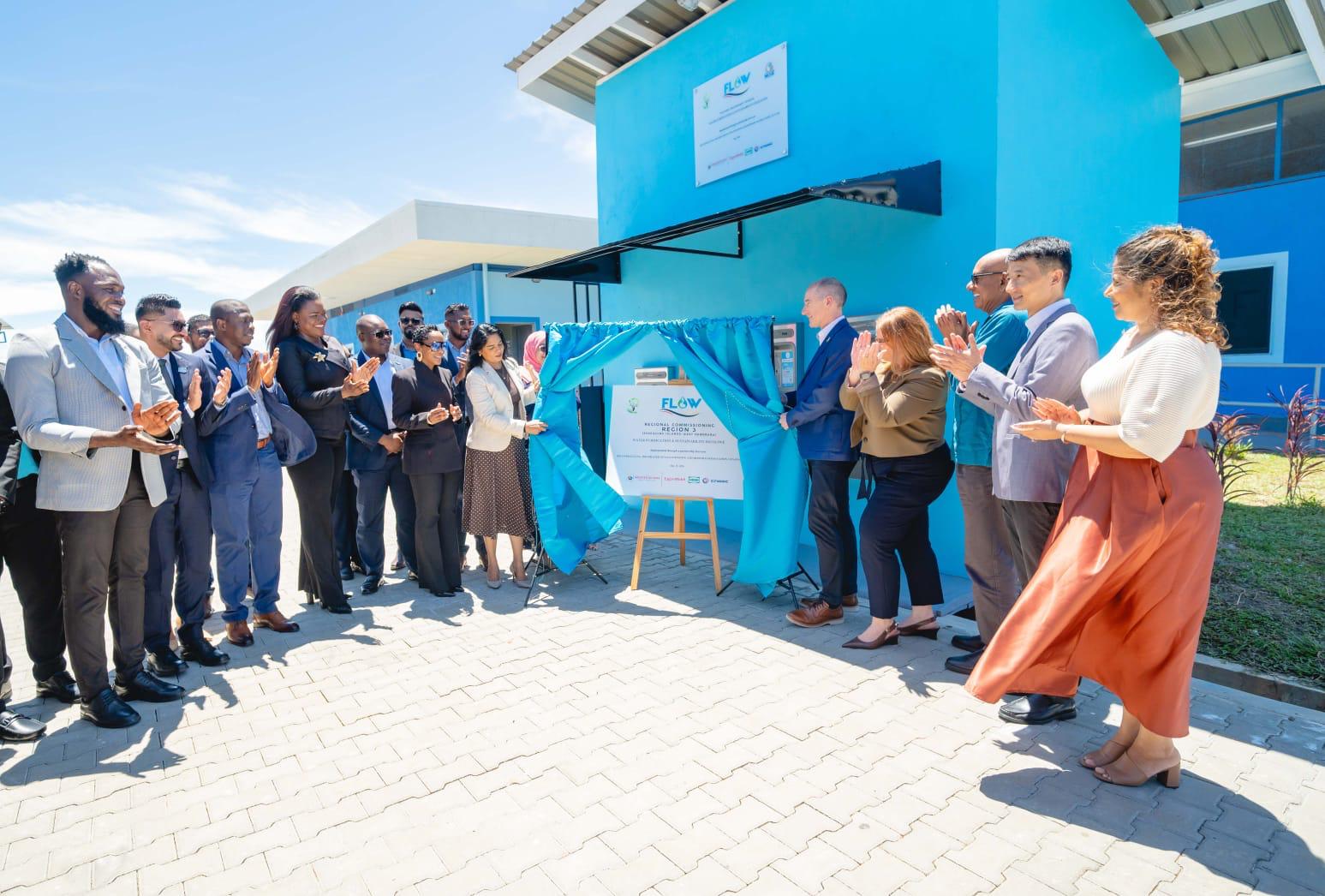
    On Friday, May 15, 2026, stakeholders formally commissioned and handed over 15 new community water purification installations to secondary schools across Guyana’s Region Three, marking a major milestone for the country’s landmark National Water Purification Sustainability Initiative, known as FLOW.

    The cross-sector partnership delivering the project – Recover Guyana, the Greater Guyana Initiative (GGI), and Guyana’s Ministry of Education – confirmed that more than 9,000 students and teaching staff across the region will now gain consistent access to safe, purified drinking water on school campuses.

    As the flagship program of the Greater Guyana Initiative, FLOW is framed as a transformative national investment that ties together educational progress and long-term environmental sustainability. Beyond expanding access to clean drinking water, the initiative also prioritizes encouraging reusable water bottle use and cutting plastic waste in school communities. Launched as a four-year national program, FLOW has set an ambitious target to serve more than 58,000 students across 141 public secondary schools, 10 technical vocational education and training (TVET) institutions, and four specialized needs schools by 2030, directly advancing global sustainable development goals.

    All 15 new systems were transferred to participating school administrations between May 6 and 8, 2026. School leaders and students have already voiced gratitude for the intervention, reporting early improvements in student well-being, campus hygiene standards, household cost savings for families, and overall learning conditions.

    At the official handover ceremony hosted at Tuschen Secondary School, Dr. Dave Lalltoo, Project Lead and President of Recover Guyana, highlighted that Region Three now hosts 16 completed FLOW sites when including the earlier pilot program at West Demerara Secondary School. That pilot delivered striking measurable results: it eliminated the need for more than 65,000 single-use plastic bottles in just nine months, proving the model’s viability and clearing the path for national rollout.

    “Through the partnership of Recover Guyana, the Greater Guyana Initiative, the Ministry of Education, local communities, schools, technical experts, and countless hardworking individuals, Region 3 now stands as a national example of sustainable development done correctly,” Lalltoo said in remarks at the ceremony.

    Alistair Routledge, President of ExxonMobil Guyana, explained that the project receives backing through the Greater Guyana Initiative – a 10-year, $100 million development commitment to Guyana from ExxonMobil Guyana, Hess, and CNOOC. “Through this initiative, we are working to support projects that improve lives, strengthen communities, and create long-term value for Guyana,” Routledge noted. “The FLOW Water Purification Sustainability Initiative is a perfect example of what that commitment looks like in action.”

    Guyana’s Minister of Education Sonia Parag also praised the collaborative effort. “We believe in development through partnership, whether that is in education, agriculture, or healthcare. To witness the FLOW system firsthand and see how students are benefiting from it was truly amazing,” Parag said. “This partnership is not only about development and shared benefits, but also about innovation and sustainability, all of which improve the quality of education. It aligns directly with the Government of Guyana’s vision to strengthen education and infrastructure while creating cleaner, safer environments and communities.”

    In addition to guaranteeing reliable access to clean drinking water for students, analysts project the initiative will generate substantial socioeconomic and environmental benefits for both schools and the broader Region Three community. Over a three-year period, the new installations are expected to deliver a total of $87 million in cumulative cost savings for the region.

  • Career showcase opens students’ eyes to expanding job opportunities

    Career showcase opens students’ eyes to expanding job opportunities

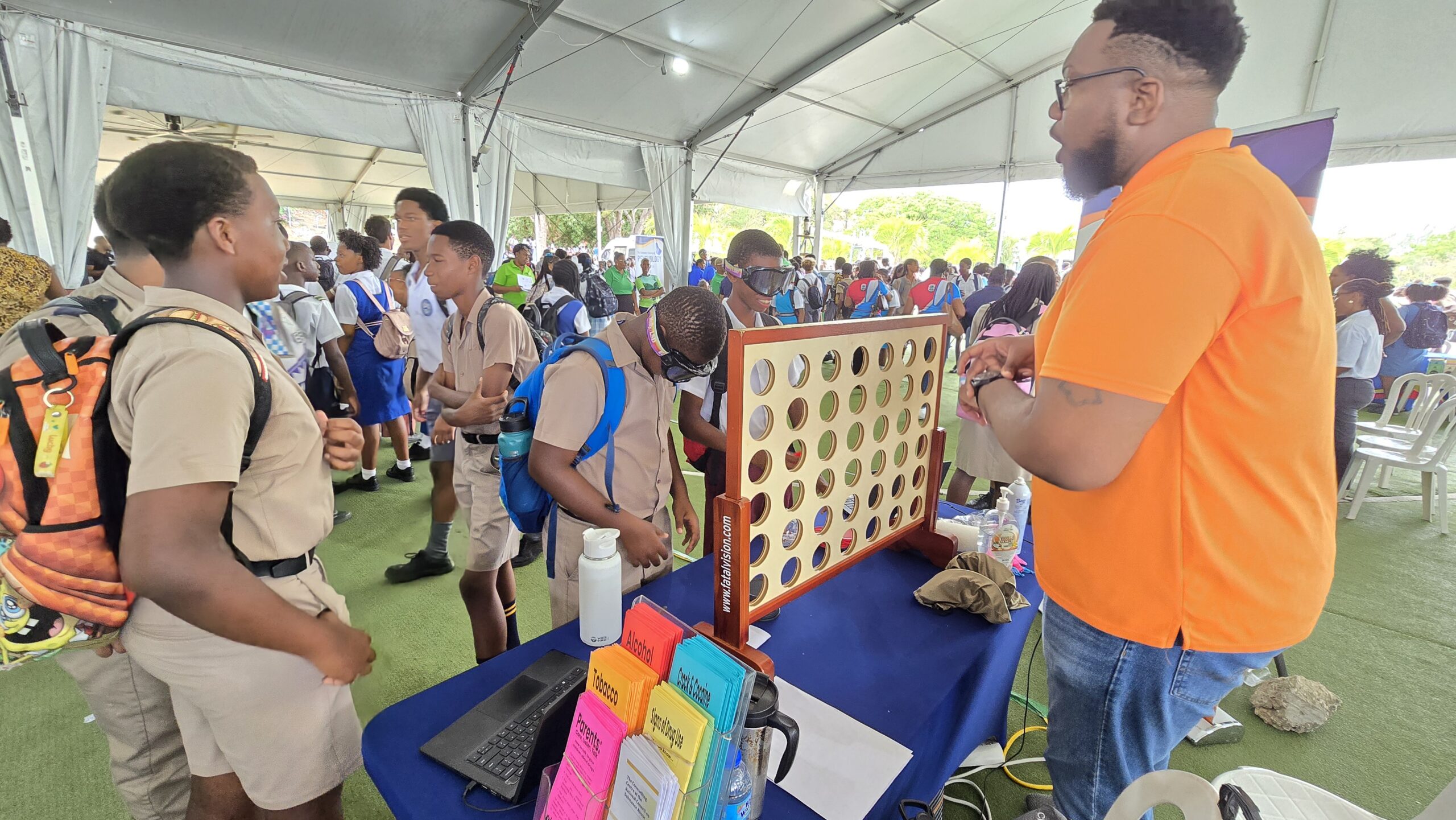
    On a bustling Friday at the University of the West Indies’ Cave Hill campus in St. Michael, hundreds of third-form secondary students from across Barbados stepped into a world of professional possibility at the 19th Annual National Career Showcase, hosted by the Barbados Association of Guidance Counsellors (BAGC). Held under the forward-thinking theme “A Bright Future Loading… Planning Your Vision,” the three-day event brought together 70 local and regional businesses, professional organizations, and educational institutions to demystify career pathways and break down the academic requirements students need to pursue their professional goals.

    Unlike traditional career fairs that rely on static brochures and brief handshakes, this year’s showcase prioritized interactive engagement to spark long-term interest. Exhibitors set up hands-on demonstrations, immersive challenges, and guided conversations to help young students, many of whom are just beginning to map out their post-secondary plans, connect classroom learning to real-world work.

    One of the biggest crowd-pleasers of the event was the booth hosted by Robot Adventures, where students lined up to crowd around live robotics displays, test their skills at maneuvering robotic arms, and complete hands-on technical challenges. Chief Instructor Jelani Payne, who leads the organization’s youth outreach programs, told attendees that robotics and related automation fields represent one of the fastest-growing professional sectors across the globe and the Caribbean, with a vast range of untapped opportunities for local graduates.

    Payne highlighted several fast-growing subfields that are already creating high-demand jobs in the region, from drone technology and autonomous systems to 3D printing and underwater robotics. “The career paths here are incredibly broad,” Payne explained. “For example, drone technology is already being used for farm security to prevent petty larceny, and to secure private property. We also see growing demand for professionals who can program autonomous drones and robotic systems that can complete tasks without any human input.”

    He noted that underwater robotics has emerged as a particularly promising field for Barbados, given the island’s deep maritime ties. Underwater robotic systems are used for deep-sea exploration, environmental monitoring, and hull cleaning for commercial ships – work that is often too dangerous, dirty, or repetitive for human workers to complete safely and efficiently. For students interested in joining the field, Payne advised focusing on multidisciplinary STEM coursework during secondary school, noting that robotics draws from mechanical engineering, electrical engineering, and computer science. Key foundational subjects include physics, chemistry, information technology, mathematics, and technical drawing, he added.

    At the BAGC’s own booth, Parkinson Memorial Secondary School guidance counsellor Kara Clarke led an effort to educate students on two fronts: the range of services guidance counsellors provide to students in schools, and the rewarding career path that counselling offers. Many students who visited the booth told Clarke they only had a limited understanding of what guidance counsellors do day-to-day, and some were surprised to learn that counsellors support students with academic planning, mental health, social conflict, and college applications, beyond just discipline referrals.

    Visitors interacted with the same worksheets, educational games, and counselling resources used in schools, and many who stopped by expressed genuine interest in pursuing counselling as a career. Clarke walked prospective students through the standard educational pathway: most entering professionals earn undergraduate degrees in psychology or social work before completing a master’s degree in school counselling or clinical psychology.

    Beyond inspiring the next generation of guidance counsellors, Clarke said the booth served another important purpose: reducing the stigma around seeking counselling support in schools. “We wanted to let students know that reaching out to your school guidance counsellor is nothing to be ashamed of,” she explained, adding that the day’s conversations with students had been “very enriching” for all participating counsellors.

    Other exhibitors highlighted opportunities in sectors that are foundational to Barbados’ economy, from tourism and logistics to cricket administration. Neil Hoyte, a representative from local firm Foster and Ince, focused on educating students about the wide range of jobs linked to the cruise industry, a core driver of the island’s tourism sector. Hoyte explained that many students have no idea how many different roles are needed to keep cruise operations running smoothly, from tour guides and vessel turnover coordinators to freight managers, transportation staff, and administrative teams. “We have roles for people with a wide range of skills and interests,” he noted.

    Natasha Yearwood, a representative from Platinum Port Agency, added that the firm’s detailed ship models on display were a huge hit with students, helping spark natural conversations about maritime and hospitality careers both on-board cruise vessels and in local on-shore roles.

    Even the island’s iconic sport of cricket was featured as a source of diverse professional opportunities beyond playing professionally. Alicia Gittens, administrative assistant at Cricket Legends of Barbados, explained that the cricket industry needs skilled workers across every professional function, from administration and finance to community outreach and management. “There are so many roles beyond stepping onto the pitch,” Gittens said. “Even working with retired cricketers to preserve the sport’s legacy and keep it active in local communities is a rewarding career, and cricket as a whole gives young people the chance to make a real impact on the next generation.”

    For organizers, the 2024 showcase once again delivered on its core mission: helping young Barbadians make informed choices about their futures, connecting local industries to emerging talent, and opening doors to opportunities many students never knew existed.

  • NOTICE: Single Lan  Traffic

    NOTICE: Single Lan Traffic

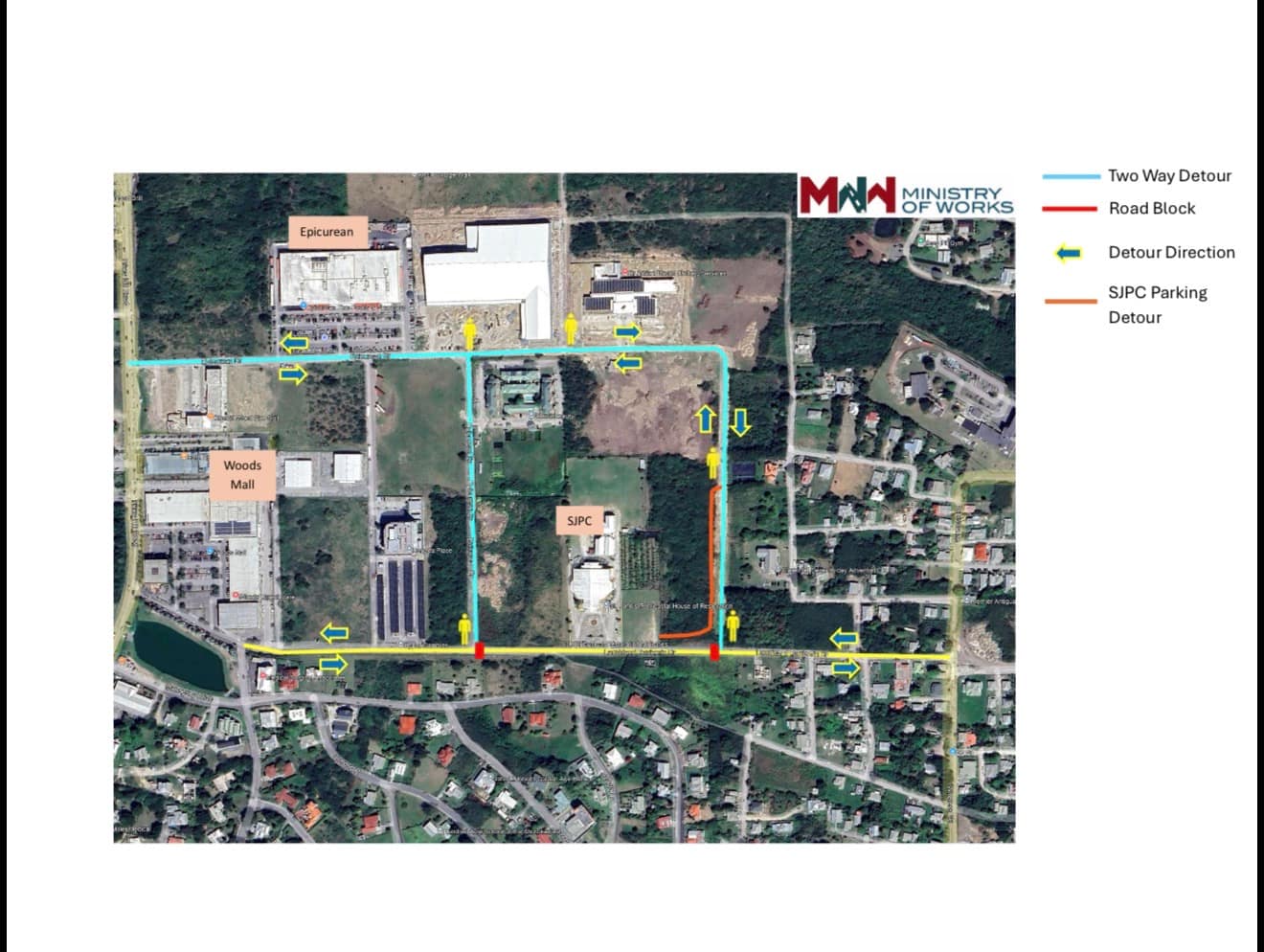
    Residents and commuters in Antigua and Barbuda are being put on advance notice of major planned infrastructure improvements that will disrupt traffic on a key stretch of All Saints Road (ASR) next year. The Ministry of Works has announced that full weekend night detours will go into effect after the temporary single-lane traffic arrangement expires, spanning from 7:00 p.m. on Saturday, May 16, 2026 through 7:00 a.m. the following day, and again from 7:00 p.m. on Sunday, May 17, 2026 to 7:00 a.m. on Monday morning.

    For motorists heading out of town, the official alternate route requires a right turn at Flex Hardware Store, then connecting back to All Saints Road via the street that runs past Heritage Preschool. Drivers traveling into town toward St. John’s will instead need to turn left at D’Cravinz, and reconnect to the main route through Herberts.

    To keep traffic moving safely and reduce confusion, trained flag persons will be stationed at key points along the detour to direct drivers. Commuters are reminded that marked portions of the alternate route operate as one-way traffic zones, with clear markings shown on official project maps. Visible signage is also being installed along both directions of the detour to guide road users to their destinations.

    Local residents who live near the work zone will still be able to access their properties, though the Ministry has warned that they must exercise extreme caution when moving through the area. Heavy construction equipment will be operating in close proximity to the work site, making extra awareness critical for everyone in the vicinity. Importantly, all local businesses along the affected stretch of road will remain open for customers throughout the construction period.

    This upgrade work forms part of the broader government-led All Saints Road Project, a major public infrastructure initiative aimed at improving the road network across the area. Project organizers are urging all stakeholders, including daily commuters, business owners, and local residents, to plan their travel ahead of the weekend works to account for potential delays. Anyone with questions about the project or the upcoming detour arrangement can reach out to the Project Implementation Management Unit directly by phone at 562-9173 for more information.

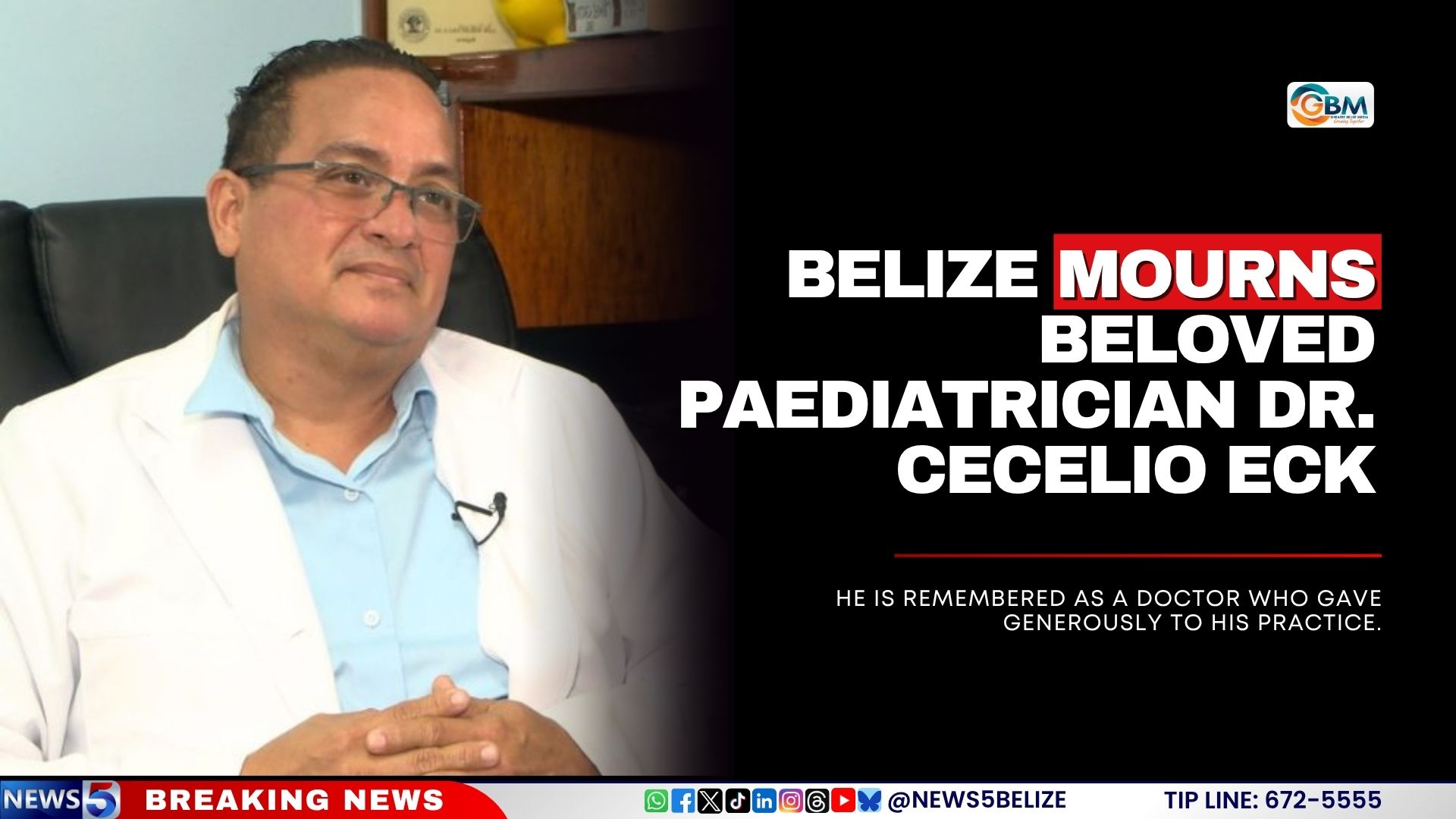
  • Belize Loses Beloved Paediatrician Dr. Cecelio Eck

    Belize Loses Beloved Paediatrician Dr. Cecelio Eck

    The small Central American nation of Belize is grieving the loss of one of its most cherished medical professionals, Dr. Cecelio Eck, a pediatrician who dedicated nearly 30 years of his life to caring for the country’s children. Dr. Eck passed away on [May 15, 2026], following a prolonged, very public fight against late-stage cancer.

    Dr. Eck first made his cancer diagnosis public in 2024, choosing to be open about his health journey at a time when many people keep such news private. Over the course of his treatment, he tried multiple cutting-edge and standard therapeutic approaches, including chemotherapy, radiation therapy, and immunotherapy. For a brief period after initial interventions, his health improved enough that he was able to return to the clinic to see the young patients he described as his greatest joy. Unfortunately, he later shared the devastating news that despite aggressive treatment and surgical intervention, the cancer had recurred.

    Throughout every step of his illness, Dr. Eck maintained radical transparency about his experience. He spoke openly and honestly about the physical, emotional, and psychological challenges that come with a stage four cancer diagnosis, providing comfort and perspective to other patients and families navigating similar battles across the country. Colleagues, patients, and community members remember him as a physician who gave endlessly of his time, energy, and compassion to his practice. He went far beyond the standard duties of a doctor, often staying late to see a sick child or supporting families through frightening health scares with gentle empathy.

    As news of his passing spreads across Belize, tributes are pouring in from across the nation. Communities that relied on Dr. Eck’s care are honoring his decades of service and the profound impact he had on generations of Belizean children and their families.

  • International Day of Families 2026 National Address

    International Day of Families 2026 National Address

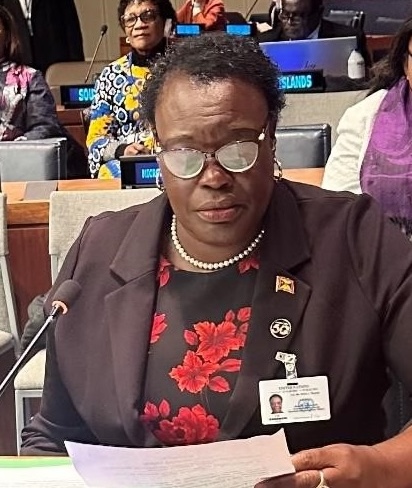
    As the people of Grenada, Carriacou, and Petite Martinique mark the 2026 International Day of Families, the country’s Minister for Social and Community Development, Housing and Gender Affairs, Hon. Gloria Ann Thomas, has delivered a national address calling for unified reflection and urgent action to address systemic family inequalities that threaten child wellbeing across the nation.

    This year’s global observance centers on the theme “Family Inequalities and Child Wellbeing”, a framing that Thomas says matches the pressing domestic priorities facing Grenada. In her remarks, she emphasized that the strength and prosperity of the entire nation are inherently rooted in the stability and wellbeing of its family units. As the foundational building block of every community, families serve as the first source of care, mentorship, and safety for children, laying the groundwork for their long-term growth and success. But Thomas made clear that this foundational role is undermined by deep, persistent inequities that shape outcomes for thousands of households across the country.

    These disparities are not abstract statistics, the minister argued. Gaps in income, access to affordable housing, quality public services, and formal family support systems create unequal starting points for children and parents alike. These gaps play out in tangible, daily ways: a child showing up to school unable to focus because their basic needs have not been met, a household facing crisis without any social safety net to turn to for help. Left unaddressed, these inequities do not only harm individual families—they erode long-term child development outcomes, drag down educational attainment across the population, and put broader social stability at risk.

    Thomas outlined that the Grenadian government has centered family strengthening as a core policy priority, rolling out targeted interventions to expand opportunity for marginalized households. These investments include expanded social support programs, community-led outreach initiatives, and evidence-based parenting education programmes designed to equip caregivers with the resources they need to build safe, nurturing home environments. The government remains committed to expanding these efforts, she added, noting that stable, secure housing and targeted protection for at-risk vulnerable family members are non-negotiable components of holistic family wellbeing that the state will continue to prioritize.

    Crucially, the minister stressed that addressing family inequality cannot be achieved by the government alone. Meaningful, sustainable progress requires shared collective responsibility, with active engagement from local community groups, civil society organizations, the private sector, and individual households across Grenada. Urgent, clear action is needed to confront the interconnected issues that weaken family stability, including gender-based and domestic violence, child neglect, and widespread economic hardship that pushes vulnerable households into crisis. Sustainable change demands both proactive intervention for families already facing harm and long-term prevention strategies, supported by continued public investment, cross-sector coordination, and consistent, decisive policy action.

    Even as she called for urgent action to address gaps, Thomas highlighted the extraordinary resilience that Grenadian families have demonstrated in the face of ongoing challenges. Countless households across the country show incredible strength, creativity, and unwavering dedication to their children, even when navigating systemic barriers and economic hardship. This inherent resilience deserves to be supported by responsive, effective public systems that meet families where they are, rather than leaving them to struggle alone.

    As the country marks this International Day of Families, Thomas called on all citizens to move from reflection to tangible commitment. She urged the nation to unite around a shared goal of reducing systemic family inequality, building a more inclusive society where every family receives the support they need, and every child has the opportunity to grow and thrive.

    “The well-being of our children remains the truest measure of our nation’s progress,” Thomas said. “A strong, inclusive future begins with strong families.”

    She closed her address by extending gratitude to the people of Grenada and offering a blessing for the nation’s continued prosperity. This address was published by NOW Grenada, which notes that it is not responsible for the opinions and statements shared by contributing public figures.

  • Something’s ‘fowl’ in Haynesville

    Something’s ‘fowl’ in Haynesville

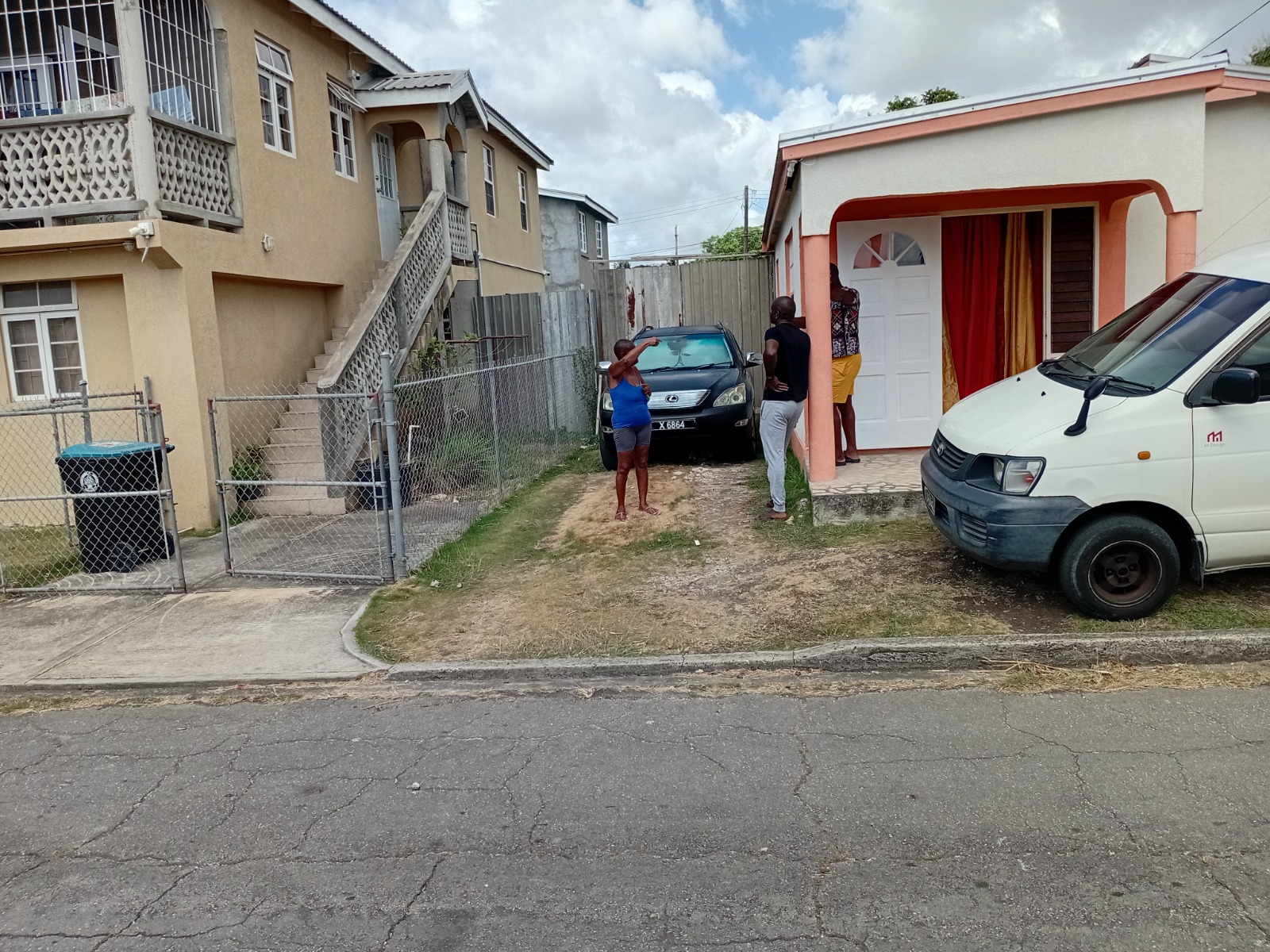
    For years, neighbours of a small-scale backyard chicken operation in Haynesville, St James, Barbados, have lived with a suffocating stench that has infiltrated their homes, ruined outdoor relaxation, and attracted unwanted pests – and according to affected residents, repeated complaints to government regulators have yielded little to no relief.

    When Barbados TODAY visited the residential neighbourhood to investigate the growing dispute, local businessman Anthony Ifill, whose home sits just feet from the chicken pen, detailed the three years of daily discomfort he has endured. Ifill explained that the sharp, pungent odour of accumulated chicken manure hangs over his property constantly, turning his post-work return home into anything but the peaceful retreat he craves.

    Ifill said his repeated attempts to secure intervention from government environmental health officials have been met with unfulfilled promises and bureaucratic stonewalling. According to Ifill, after a senior ministry official pledged to personally oversee an inspection and follow up on his complaint, she never contacted him again despite multiple reminders. That inaction, he said, has mirrored the behaviour of the area’s assigned inspector, whom he and his family have attempted to meet with for three years without success. “They wouldn’t even let you put the complaint in writing that you were actually there to make a complaint; all we got was that it would be logged in the book,” he said. Ifill added that the chicken farmer briefly cleaned up the site after complaints, and the odour disappeared temporarily, but the problem quickly returned once attention faded. The farmer has shown little consideration for the quality of life of nearby residents, he argued.

    Randy Mason, another resident whose backyard abuts the chicken pen’s back fence, said he has dealt with the nuisance since moving to the neighbourhood two years ago. Beyond the persistent stench, Mason said the accumulated manure has drawn a surge of unwanted pests to his property, including flies, rats, centipedes, and massive numbers of cockroaches that swarm the yard after sunset. “You see when six o’clock and the sun goes down? cockroaches are in that yard like bush,” he told reporters.

    Mason explained that the odour soaks into laundry left hanging to dry, leaving clothing permanently scented with manure. While he said he does not oppose the farmer earning extra income from the small operation, he and other neighbours demand basic consideration for surrounding residents. “Other neighbours told me that when the rain falls, the smell gets really strong. But I live directly behind the pen, so it’s affecting me a lot,” he said. “I don’t want to stop them from doing what they doing because everybody has to make an extra dollar. But they have to do something about the stench by cleaning more often.” Mason added that the farmer has refused to engage with neighbours to discuss a mutually acceptable solution.

    When Barbados TODAY reached out directly to the Haynesville woman at the centre of the complaints for comment, she did not immediately issue a response. However, environmental health officials confirmed Wednesday that they have received the complaints and have officially served notice to the small chicken farmer.

    Acting Chief Environmental Officer Euroline Welch-Drakes confirmed that officers from the Brandford Taitt Polyclinic launched an official investigation into the nuisance claims. Citing confidentiality rules, she declined to share specific details of inspectors’ initial findings, but confirmed that formal notices have been issued to the property owner.

    Welch-Drakes explained that the department follows a structured procedural process to resolve nuisance complaints, and that investigators avoid contacting complainants while engaging with the accused property owner to prevent unnecessary conflict between community members. Once the process is complete, the department will follow up directly with the residents who filed complaints, she said.

    If the inspection finds violations of Barbados’ Health Services legislation, the property owner will receive formal instructions to abate the public health nuisance and a set timeline to complete required changes. Failure to comply with the order can result in administrative penalties, starting at a $300 fine for the first offense, with an additional $10 fine added each day the violation remains unaddressed after the deadline. Welch-Drakes noted that unpaid fines can be added to the property owner’s land tax bill or recovered through formal court proceedings.

  • Belize Spent Over Half a Million Dollars on OnlyFans in 2025

    Belize Spent Over Half a Million Dollars on OnlyFans in 2025

    New data from an independent annual industry analysis reveals that consumers in Belize poured more than half a million Belize dollars into content subscriptions on OnlyFans during 2025, marking a double-digit year-over-year increase that aligns with broader growth trends across the Caribbean and Central America.

    According to OnlyGuider’s *OnlyFans Wrapped 2025* report, a global study tracking user spending patterns across 188 nations, total U.S. dollar-denominated spending on the platform from Belizean users hit $310,246.99 in 2025. That figure converts to roughly 620,000 Belize dollars, representing an 11.6% increase from the 2024 total of $277,988.10 USD. Globally, Belize ranks 139th in overall total spending on the platform and 108th in per capita spending.

    Belize’s steady growth is far from an unusual trend in the region, the report confirms. Neighboring economies across the Caribbean and Central America have seen far more dramatic spikes in OnlyFans spending: Dominica recorded a staggering 254% year-over-year jump, while Grenada saw spending rise by 194%. Jamaica, one of the larger economies in the region, notched total annual spending of $2.8 million USD on the platform in 2025.

    OnlyGuider’s analysis attributes the widespread regional growth in consumer spending on the platform to two key interconnected factors: ongoing expansion and improvement of mobile internet infrastructure across smaller Caribbean and Central American nations, and the rise of tourism-linked digital creator economies. Many content creators in the region tie their work to travel and lifestyle themes centered on the area’s popular tourism sector, building subscriber bases that include both local users and international followers.

    For Belize specifically, the 11.6% annual increase underscores a gradual but consistent shift in how local consumers interact with and financially support independent digital content, mirroring a global shift toward direct consumer support for online creators rather than reliance on ad-supported platforms.

  • $10,000 bribe costs motorist $75,000

    $10,000 bribe costs motorist $75,000

    In Montego Bay, St James, a local motorist’s misguided attempt to bribe a police officer to avoid traffic penalties has resulted in a far heftier financial penalty than he ever expected. 56-year-old Eric Buchanan faced sentencing last Wednesday before Judge Natiesha-Fairclough Hylton at the St James Parish Court, where he was ordered to pay a combined $75,000 in fines across four separate offenses, after his $10,000 bribe offer backfired spectacularly.

    Details of the incident, which have now been laid out in open court, show that uniformed police officers on routine mobile patrol first spotted Buchanan violating road rules by ignoring a posted one-way traffic sign. Pulling the driver over, officers requested his standard operating documentation: a valid driver’s license, proof of insurance coverage, and a current vehicle fitness certificate. Upon inspection, officers quickly confirmed that Buchanan lacked two required documents: a valid insurance certificate and an up-to-date fitness certificate for his vehicle.

    After being instructed to gather and submit all required paperwork, Buchanan eventually handed a folder of documents to the attending officer. The officer immediately noticed two $5,000 banknotes folded inside the cover of the insurance documents, court records confirm. Prosecutors allege that Buchanan explicitly encouraged the officer to accept the cash, saying in local patois: “Officer, yuh done see wha a gwaan? Tek this and gwaan officer, yuh done see wha a gwaan” — a clear request for the officer to look past his violations in exchange for the hidden $10,000 bribe.

    Buchanan was taken into custody on bribery charges immediately after the attempted payoff. During his court appearance, the motorist pushed back against the bribery allegation, claiming the entire situation was a misunderstanding. He argued that the hidden cash was not a bribe, but a “gesture” to reward the officer for what he claimed was assistance helping him exit a nearby car park. He added that heavy rain had created confusion around the traffic stop, but his explanation was inconsistent and difficult for the court to corroborate.

    Judge Fairclough-Hylton rejected Buchanan’s version of events entirely, and handed down stacked penalties to send a clear message about corruption attempts targeting law enforcement. For the bribery charge alone, Buchanan was ordered to pay a $30,000 fine or serve 30 days in prison in default of payment. Additional penalties were imposed for his other traffic violations: $20,000 fine (or 10 days’ jail) for driving without valid insurance, $17,000 fine (or 10 days) for operating an unfit vehicle, and $8,000 fine (or 10 days) for disobeying the one-way traffic sign — bringing the total mandatory fine to $75,000, seven and a half times the value of the original bribe Buchanan tried to offer.