分类: society

  • Pinelands Creative Workshop launches programme to ease 11-Plus anxiety

    Pinelands Creative Workshop launches programme to ease 11-Plus anxiety

    For thousands of young students moving from primary to secondary education, the jump in academic expectations, combined with pre-exam stress and uncertainty about new social environments, can derail even the most motivated learners. Now, a community-focused organization is stepping in with a creative, accessible solution to support the most vulnerable members of this student population.

    The Pinelands Creative Workshop, a community arts and education non-profit, has launched Finding Your Balance, a ground-breaking new initiative designed to address two growing challenges: widening academic gaps for at-risk pupils and the rapid rise of exam anxiety ahead of the critical 11-Plus examination, which determines secondary school placement.

    Funded by the Maria Holder Memorial Trust, the programme specifically targets students who are falling behind academically or feeling overwhelmed by the impending transition to secondary education. Speaking on Saturday, Pinelands Creative Workshop Chief Executive Officer Sophia Greaves outlined the urgent need that prompted the programme’s creation, noting that the organization had observed alarming gaps in student proficiency ahead of exam season.

    “We were seeing a trend where a number of our students… were operating basically at a very early stage, like Class 1, and having significant challenges,” Greaves explained. “Along with that, we saw anxiety issues that normally come as we move towards exam mode.”

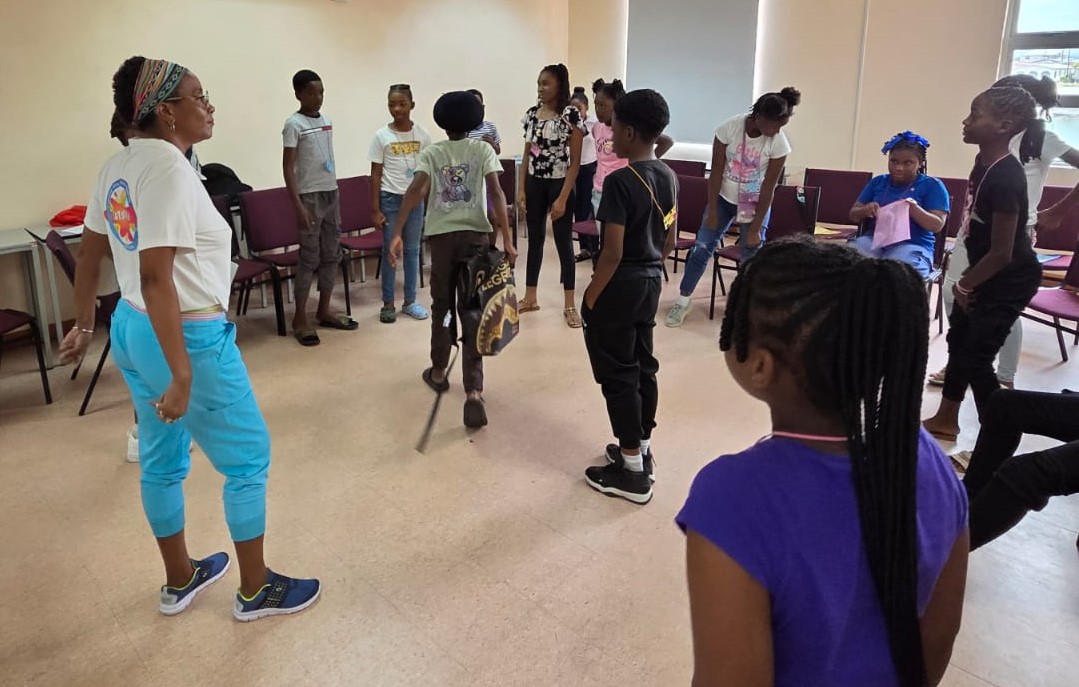
    Unlike traditional tutoring programmes that rely on rote learning and carry steep costs that put them out of reach for low-income families, Finding Your Balance leverages creative arts interventions including drama, sound-based activities and movement work to equip students with practical social and emotional skills. These tools help young learners navigate common secondary school challenges such as bullying, interpersonal conflict, and the increased academic rigour of higher-level classes. Crucially, the programme also fills an academic gap for families who cannot afford private supplementary tutoring, providing free or low-cost support that continues from a student’s first year of secondary school all the way through to their Caribbean Examinations Council (CXC) exams.

    Greaves explained that secondary school classroom dynamics create inherent gaps that the initiative is designed to address, noting that the programme is built to complement, rather than replace, the support offered in mainstream school settings. “The primary reality is that secondary school is not as supportive as primary school,” she said. “Classes are 30 children; there’s no way a teacher can get over concepts with 30 children of different abilities at the same time. We are trying to be complementary to what is offered in schools.”

    Recognizing that student success depends on whole-family support, the initiative also extends beyond the student population to engage caregivers through the organization’s “Parenting with a Purpose” seminar series. These sessions provide parents and guardians with holistic social and emotional resources to help them support their children through this pivotal educational transition, ensuring that support reaches every part of a student’s life.

  • One dead, another injured in Jackmans shooting

    One dead, another injured in Jackmans shooting

    A violent early-morning shooting in the Jackmans neighborhood of St. Michael has left one man dead and a second man hospitalized, according to official updates from Barbados law enforcement. The incident unfolded on Skeetes Road in the pre-dawn hours of Sunday, triggering an immediate investigation from local police.

    The Barbados Police Service confirmed that its Operations Control unit first received the emergency report of the gun violence at approximately 2:10 a.m. Responding officers were dispatched to the scene without delay, where they made a grim discovery: the lifeless body of an adult male positioned between two parked motor vehicles, near a local event that was taking place in the area.

    Following the initial assessment of the scene, a licensed medical examiner was called to the site to formally confirm and pronounce the man’s death. Law enforcement have not yet released the identity of the deceased pending notification of next of kin.

    A second male involved in the incident suffered gunshot injuries and was transported to the island’s primary care facility, the Queen Elizabeth Hospital, by a private motor vehicle before officers arrived. As of the latest update, medical authorities have not released a public update on the injured man’s condition.

    Local investigators are now working to piece together the circumstances that led to the shooting, and are actively calling on members of the public with any relevant information to step forward. Anyone who was present in the Skeetes Road area in the early hours of Sunday morning, witnessed the shooting unfold, or has any details that could assist the investigation is encouraged to reach out through multiple confidential contact channels.

    Tips can be submitted anonymously via the Crime Stoppers Hotline at 1-800-8477, through the national police emergency line at 211, or directly to investigators at District A Police Station by calling either 430-7242 or 430-7246. Police have not yet announced any suspects in connection with the shooting as the investigation remains ongoing.

  • Political taunting reflects deep-rooted homophobia

    Political taunting reflects deep-rooted homophobia

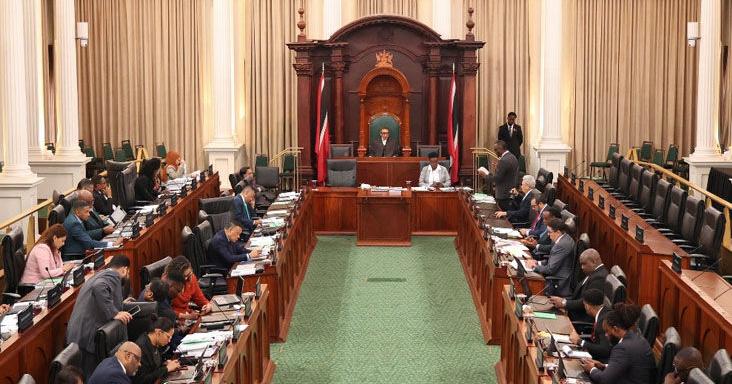
    Trinidad and Tobago has long positioned itself as a socially tolerant nation, but LGBTQI+ rights organizations and community advocates are pushing back against that narrative, pointing to deeply entrenched homophobia and gender-based discrimination that plays out even in the country’s highest legislative chamber: Parliament.

    Advocates document repeated patterns of disrespectful taunting and personal insults targeted at male politicians, ranging from damaging insinuations about their sexuality to the deliberate use of feminine pronouns as a weapon of ridicule. These verbal attacks, they argue, are not just petty legislative squabbling—they are clear evidence that anti-LGBTQI+ bias and gendered bigotry remain embedded in the nation’s political culture.

    In an interview outlining the community’s ongoing challenges, Johannah-Rae Reyes, project and community outreach officer for CAISO: Sex and Gender Justice, explained that harmful behavior in formal spaces like Parliament and informal digital spaces like social media is merely a reflection of deeper, widespread societal problems.

    “Homophobia, transphobia, and biphobia are pervasive across our society, and so are gender-based bullying and sexual harassment,” Reyes explained. “No one is safe, especially LGBTQI+ people, women, and persons who are gender non-conforming. This is why we need to have serious conversations about stigma and discrimination and how these forms of violence are connected. No one should be bullied in their workplace for any reason.”

    Reyes emphasized that Parliament, as the heart of the nation’s democratic governance, should be held to a far higher standard of conduct. “Many of our ancestors fought and died so we can now take charge of our own affairs, and we’re seeing too many instances of disrespect and personal attacks from both sides of the House happening in Parliament and on social media. Our leaders need to take leadership more seriously. They need to understand the impact this kind of discourse has on society.”

    While the country publicly touts its tolerance, Reyes noted that lived experiences vary dramatically for LGBTQI+ people across different demographics. “Trinidad and Tobago is very diverse and LGBTQI+ people get a range of responses, from tolerance and acceptance to indifference all the way to hate. There is a lot of misinformation and pressure from religious entities to maintain the status quo of harmful gender and sexual norms and exclude people, especially LGBTQI+ people. But every day we meet people who are willing to bridge the gaps and find understanding. There is hope here.”

    Access to safety and support, Reyes added, is heavily shaped by intersecting factors of class, geography, and community connection. “It depends on a few other factors—if you’re queer, but you have money and status and live in a city or a town, then there are social protections that would buffer one person from a lot of the challenges that someone who is working class and from a rural area would experience. One person might be working class, but they have the acceptance and support of their family and community—that person would have a more positive experience than someone who does not have support but may be middle or upper class. Obviously, you can imagine someone who doesn’t have family nor community support, is hustling to make ends meet or living on the streets, they would be even more challenged if they are LGBTQI+.”

    Intersecting disadvantages create even greater barriers for marginalized subgroups within the LGBTQI+ community, Reyes noted: “Imagine if you are living with a disability or a migrant with no protections or documentation and also LGBTQI+. Being safe for many people depends on a range of social factors and legal protections, as well as recognition of human rights and dignity for all.”

    Chinyere Brown, research and programme officer at CAISO, expanded on how overlapping systemic disadvantages compound hardships for LGBTQI+ Trinidadians and Tobagonians, pointing to poverty, disability, migration status, and gaps in existing legal protections as key amplifiers of risk. “Many of these challenges could be avoided if we ensure the rights of all people, including the LGBTQI+ community. Sexual orientation is explicitly excluded in the Equal Opportunity Act, and the courts have recriminalised consensual same-sex relationships. There are things we can do to improve the circumstances of the most marginalised and make a good life even better for those who have more support.”

    Brown also outlined widespread failures by public service providers to meet the needs of LGBTQI+ people experiencing violence. Many LGBTQI+ survivors who report harm to law enforcement face additional abuse at the hands of officers, she explained, including forced outings, public ridicule, and harassment from the very people tasked with protecting them. CAISO’s programming recognizes police inaction and mistreatment as a form of violence in itself, as it denies LGBTQI+ people equal protection under the law and obstructs access to justice.

    “Too often, clients have also been ill-advised or dismissed when they presented cases of same-sex intimate partner violence at police stations prior to intervention by the programme,” Brown said. “This not only exposes community members to repeated harm but also fosters a sense of impunity for perpetrators of violence.”

    Beyond law enforcement, LGBTQI+ people also report dehumanizing treatment when accessing healthcare and other public services, Brown added. “Yes, we have had reports of duty bearers; police, as well as healthcare workers, dropping the ball when it comes to their duty to support any person who needs help. This often happens because of biases, stigma and what they may feel like is their ‘right’ to discriminate. Clients and community members have shared reports to us of being humiliated when attempting to seek needed services. And far too often, the fear of being dismissed or not believed causes LGBTQI+ people to not seek help at all.”

    To address these gaps in support, CAISO has launched its Growing Spaces initiative under the broader Wholeness and Justice Programme, which provides direct navigation support to LGBTQI+ community members. The programme offers practical help ranging from assisting with police reports to accompanying clients to medical appointments, and the organization’s legal team also pursues formal complaints against public service providers that fail in their duty to serve all people equally.

    “We hope everyone can rise to the occasion and do better, if not their absolute best, in their delivery of services to all people,” Brown said.

  • Cutbacks blamed for Cumuto burial scandal

    Cutbacks blamed for Cumuto burial scandal

    A planned mass interment of 56 bodies — 50 infants and six adults — at Cumuto Cemetery last month was the direct outcome of deep budget cuts across Trinidad and Tobago’s state agencies and lax oversight of public funeral disposal contracts, top industry leaders have confirmed.

    In a telephone interview with local media on Friday, May 8, David Simpson, managing director of Simpson’s Memorial Ltd. and an executive board member of the Association of Funeral Professionals of Trinidad and Tobago (AFPTT), outlined that austerity measures implemented at hospitals and state-run facilities including the Forensic Science Centre have shrunk allocations for deceased person handling to the barest margin of institutional budgets.

    Keith Belgrove, AFPTT president and chief executive officer of Belgroves Funeral Home, echoed Simpson’s concerns in a separate interview with *Sunday Express* the same day. He confirmed that public health institutions consistently award disposal contracts to the lowest bidders, a practice that leaves funeral providers with too little funding to deliver services that uphold basic human dignity for the deceased.

    Belgrove emphasized that hospitals and regional health authorities (RHAs) hold a legal obligation to conduct rigorous due diligence before awarding contracts, to verify that selected funeral establishments maintain all required facilities, equipment, trained staff, and operational knowledge mandated by the country’s Burial Grounds Act. Under existing legislation, he explained, each adult must be placed in an individual coffin, with a maximum of two coffins permitted per grave at separate depths. While multiple infants may legally be placed in a single coffin, even mass graves require each set of remains to be prepared and interred with formal, respectful procedures.

    The planned mass burial came to light on April 18, when two contractors hired by an Arima-based funeral home arrived at Cumuto Cemetery to dispose of the 56 unclaimed bodies. The cemetery keeper, unaware of the operation and its details, contacted the Trinidad and Tobago Police Service (TTPS), which launched an official investigation immediately after responding to the scene.

    Last week, Senior Superintendent Sherma Maynard-Wilson of the TTPS Northern Division confirmed to *Sunday Express* that the investigation into the incident remains active, with law enforcement working to conclude its procedural review and finalize findings. When asked whether criminal charges were expected, Belgrove noted that based on the AFPTT’s preliminary assessment of the case, no violation of the Cemetery Act occurred because the burial was never completed.

    Simpson explained that formal protocols for the disposal of unclaimed bodies have long been established, requiring public notification, detailed documentation, and individual or regulation-compliant group burials for all deceased persons. Under standard procedure, when bodies remain unclaimed at hospitals for more than three months, RHAs are required to publish public notices in local media to alert any next of kin. If no one comes forward to claim the remains after this process, the hospital gains legal authority to arrange for disposal.

    However, ongoing financial pressure and the race to the bottom created by low-cost competitive bidding have pushed many contracted funeral providers to cut critical corners to stay in business. “When hospitals cut their budget for this service, funeral providers have to cut their budgets too,” Simpson explained, noting that the low-bid tendering process is a long-standing cost-saving measure for RHAs that predates the current national administration.

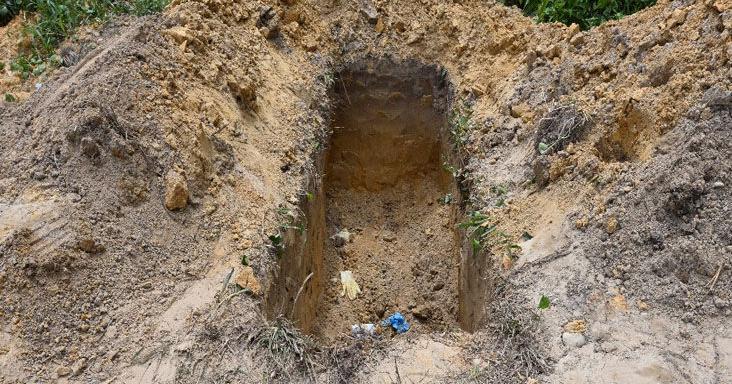
    Per official regulatory requirements, every set of remains should be placed in a regulation coffin, individually registered, and interred following documented procedures. In this April 18 case, Simpson said, funeral staff instead chose to transport all 56 bodies together to the cemetery, hired two casual workers to dig a single unregulated grave, and planned to inter all remains together without following required separation and documentation steps.

    Simpson added that different state facilities and RHAs currently operate on inconsistent, unstandardized protocols for funeral contracts: Port of Spain Mortuary follows its own ad-hoc process, while the mortuary at Mt Hope Hospital operates under separate, equally unregulated arrangements. He argued that implementing a uniform national protocol for unclaimed body disposal would resolve much of the systemic inconsistency that enables this kind of incident.

    He also lamented broader flaws in the current contracting process, noting that competing funeral homes often never receive follow-up communication about tender outcomes, leaving RHAs free to select providers that agree to complete the work for the lowest possible fee regardless of compliance or quality.

    In this specific case, Simpson said the incident only became public because the cemetery keeper was not notified of the burial in advance, as required by regulation. Under proper procedure, the funeral provider is required to pay a $300 fee to the regional corporation, obtain an official invoice, process payment at a bank, present the receipt to the cemetery keeper, and only then receive an assigned plot for interment. Skipping this notification step, which was a direct result of cutting corners to save time and money, triggered the police response that exposed the systemic failures leading to the planned mass burial.

  • Fresh questions  emerge in Angelo’s  disappearance

    Fresh questions emerge in Angelo’s disappearance

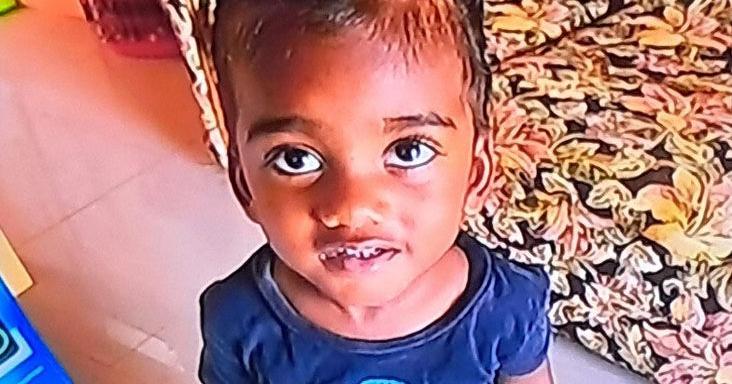
    What began as a missing person report filed Monday night for two-year-old Angelo Tobias Plaza has entered its fifth day of intensive search operations, with investigators widening the window of possible disappearance to before the official report date. Sources close to the investigation confirmed to local outlet Sunday Express that law enforcement has obtained both surveillance video evidence related to the case and detailed records of the movements of Angelo’s mother Kalifah Tobias and stepfather Shannon Miller, covering the period from last Sunday through Monday afternoon. Currently, investigators are prioritizing the timeline between Sunday night and Monday morning as the most likely window for the toddler’s disappearance, contradicting initial assumptions that the child went missing only shortly before being reported. On Sunday, Angelo was confirmed to have been staying with relatives in the Goodwood neighborhood of Tobago, and police are working to piece together every detail of his whereabouts to build a clear, accurate chronology of events leading up to his disappearance. As of press time yesterday, both Kalifah Tobias and Shannon Miller remain in police custody, held at two separate law enforcement facilities across Tobago. Superintendent Rodhil Kirk, speaking on behalf of the investigation team, told reporters that detectives are currently in active consultation with senior legal officials to assess whether criminal charges will be filed in connection with the toddler’s disappearance. “This is an active, ongoing investigation, and police must leave no stone unturned to uncover the full truth of what happened. Every step of this process requires careful deliberation, which is why we are working closely with legal authorities to determine whether any charges are appropriate,” Kirk explained. As official search efforts continue, community members in Tobago have grown increasingly frustrated by the low level of public participation in the search. Chandra Jerry, a resident of nearby Pembroke, became visibly emotional while speaking to reporters about the need for broader community action. “This little boy cannot speak for himself, so it is our responsibility as Tobagonians to be his voice. It breaks my heart to come out every day to help search and see so few people show up to support this child,” Jerry said. “No matter where you live on the island, we all have a part to play in bringing him home.” Clint Thomas, a representative of the volunteer Hunters Search and Rescue Team, shared details of the search operations conducted on the fifth day, noting that teams had thoroughly combed all terrain directly behind Angelo’s Goodwood Bay home. Search teams covered nearby hillsides, a local cassava farm, and an uncovered water tank located just outside the property’s perimeter, with no significant breakthroughs reported as of press time. As the search stretches into a new week, Angelo’s relatives have announced plans to hold a public candlelight vigil next week to keep attention on the case and maintain public hope that the toddler will be found alive. Initial reports filed after the disappearance suggested Angelo had wandered toward the nearby ocean after residents heard cries coming from the coastal area, but investigators have since noted that multiple conflicting accounts of the events have emerged, and all statements are being carefully verified. Antonio Plaza, Angelo’s biological father, issued a public appeal this past Friday, begging for any information that could bring answers to the family and help close the painful uncertainty surrounding his son’s disappearance.

  • Labour Ministry probing working conditions at India-owned quarry in Region 7

    Labour Ministry probing working conditions at India-owned quarry in Region 7

    Guyana’s Ministry of Labour has launched an official probe into claims of widespread labor and occupational safety violations at a Batavia quarry located in Region Seven, Cuyuni-Mazaruni, following public allegations raised by opposition political leaders. The development, first reported on 16 May 2026, comes as the India-headquartered quarry operator EKAA HRIM Earth Resources Management maintains that one recent employee death was caused by a heart attack, and has dismissed circulating claims as misleading.

    The allegations first entered the public sphere when Opposition Leader Azruddin Mohamed, head of the main opposition We Invest in Nationhood (WIN) party, took to social media to share accounts from individuals identifying themselves as employees of the quarry. Mohamed called on Guyanese President Irfaan Ali, who formally commissioned the quarry three years ago, to intervene immediately on behalf of a group of Indian national workers. The opposition leader claimed the workers have not received owed wages and are being prevented from leaving the country by being held of their passports, demanding a full investigation into the circumstances of one worker’s death.

    “We’re calling for an investigation into what really transpired because we heard that that man worked, worked and worked till he collapsed and died of what is being called a heart attack,” Mohamed told reporters during a public appearance accompanied by former workers and other WIN party officials.

    WIN General Secretary Odessa Primus doubled down on the opposition’s demands, calling for the quarry to be immediately shut down and its responsible owners prosecuted. “This is a clear human rights violation. It is sick and very disturbing to be in this day and age and have to interface with these sort of things,” Primus said.

    Accounts shared by the workers have painted a grim picture of conditions at the remote quarry site. One anonymous employee alleged that basic health infrastructure is completely absent at the location, and no dedicated boat transport is available to evacuate sick or injured workers to the nearest hospital. The employee also claimed that salary payments have been delayed for multiple consecutive months, leaving workers in desperate conditions.

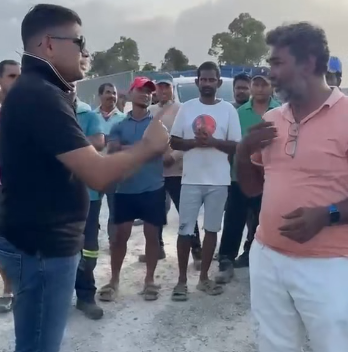
    In video footage posted to the Team Mohamed Facebook page, a senior EKAA HRIM representative appeared to acknowledge the workers’ demands during an on-site meeting with Mohamed, confirming that workers would receive meals over the upcoming weekend and assuring that their rights would be respected. The representative stated the company would meet workers’ welfare needs ahead of their planned trip to Georgetown to meet with officials from the Indian High Commission.

    In an official statement released via public relations firm Tagman Media, EKAA HRIM pushed back against the public allegations, saying it is working collaboratively with the Indian High Commission in Guyana, the Ministry of Labour and all relevant local authorities to resolve all outstanding issues with full transparency and accountability. “Verified information and supporting documentation will be shared through the appropriate channels in due course,” the company said.

    The firm labeled circulating social media claims as “misleading and inaccurate”, warning that unsubstantiated reports risk sparking unnecessary public fear, confusion and misunderstanding among stakeholders and the general public. “We respectfully urge the public and all stakeholders to refrain from spreading unverified information and to allow the relevant authorities to complete their processes professionally and independently,” the statement added.

    The company concluded by thanking the Guyanese government, relevant ministries, its staff, commercial partners and the public for their ongoing support, understanding and cooperation through the ongoing controversy. EKAA HRIM reaffirmed its commitment to protecting employee welfare, complying fully with Guyana’s national labor laws, and maintaining transparency across all of its domestic operations. Labour Minister Keoma Griffith confirmed the launch of the investigation in an interview with Demerara Waves Online News on Saturday, confirming that authorities are now reviewing the full set of allegations.

  • Ceremony honoring more than 60 Haitian educators (List)

    Ceremony honoring more than 60 Haitian educators (List)

    On May 15, 2026, Haiti marked its annual National Educators’ Day with a central tribute ceremony held in Pétion-ville, drawing top government officials including Prime Minister Alix Didier Fils-Aimé and multiple cabinet members to recognize the outsized role of the country’s teaching workforce. In opening remarks at the event, Prime Minister Fils-Aimé offered a profound, nation-wide tribute to Haitian educators, framing their work as foundational to the country’s future. “This morning, alongside the Minister of Education, I salute the heroic courage and unwavering determination of our educators,” the Prime Minister stated. “I join in this tribute to honor those who carry the spirit of our nation on their shoulders. Educators, you are the silent guardians of the Republic, you are the patient architects of national stability, you are the builders of this new Haiti that we all so fervently desire. You sow the seeds of knowledge, dignity, and hope in people’s minds. That is why, on behalf of the entire nation, I offer you today my most sincere and grateful tribute.” Vijonet Déméro, Haiti’s Minister of National Education, used the occasion to reaffirm the government’s commitment to advancing tangible improvements for educators across the country, whose work he described as central to forging national identity and sustaining collective hope. Déméro emphasized that sustainable, long-term change for Haiti cannot be achieved without the active participation and support of the country’s educators, noting that meaningful progress in the education sector depends on targeted investment in the workforce. “Nothing is possible without their presence in the classroom,” Déméro asserted. “My team and I are convinced that the recovery of the education system requires better training for our educators and a legitimate increase in their salaries.” Elysé Colagene, Director General of Haiti’s National Education Fund (FNE), echoed this sentiment, framing the ceremony itself as a meaningful gesture of national gratitude. He commended the persistent courage and dedication of educators, who he said shape the collective spirit and soul of the Haitian nation. The central event featured a formal presentation of “Honor and Merit” plaques to recognized educators, alongside the official distribution of appointment letters to the two national top graduates of the Teacher Training College and Kindergarten Teacher Training College (ENIJE), presented by Prime Minister Fils-Aimé. To extend the national tribute beyond the capital, parallel recognition ceremonies were held the same day at all nine of Haiti’s remaining Departmental Directorates of Education (DDE). In total, more than 60 educators were honored for their exceptional service and national contributions across all 10 regional directorates on May 15. The full list of recognized educators by regional directorate is as follows: Northwest DDE: 1. DERIUS Naomie, 2. EXCEUS René, 3. LOUIS Reber, 4. EDOUARD Jean Mara, 5. SAINVAL Rolner; North DDE: 1. TABOIS Carlo, 2. CELESTIN Marie-Claude P., 3. LAMOUR Marie Edwige, 4. DENOSCHAMPS Jacques Ulrick, 5. CINALIEN Séraphin, 6. PREVINA Annasta Anne; DDE Nippes: 1. JOSEPH Malyne ORELIEN, 2. HOGU Patrick, 3. JEAN JACQUES Saint Jean, 4. PIERRE Gethro, 5. NICOLAS Fidele, 6. GREANJEAN Hervé; DDE South-East: 1. CONFIDENT Marie Gabrielle, 2. MICHEL Marie Junave, 3. POSY Jean Joseph Quesner, 4. AMBROISE Jocelyn, 5. MARCELIN Dieucin, 6. ROY Bissainthe Andréane; DDE North-East: 1. RICH Chrismène, 2. JOSEPH Jacques-André, 3. JOSEPH Nickson, 4. ELVA Wiltone, 5. JEAN-CLAUDE Jean Baptiste, 6. SIMILIEN Ronel; DDE Grand’Anse: 1. MONROSE Jeanine Sévère, 2. MERCIDIER Paulémond, 3. BOURDEAU Vébert Alcantin, 4. ELIAZARD Ermithe Jeanty, 5. PIERRE Rechet; DDE West: 1. JOSEPH Julmiste, 2. RAMEAU Ralph Vladimir, 3. FRANCOIS Aloude Laura Pierre-Louis, 4. DEMERO Anousse, 5. BERNARD Brousseau, 6. GUERRIER Fergusson Réginald, 7. LAMBERT Erna – Fleurissaint J., 8. JOACCEUS Wilfrid, 9. DUCLAIR Henriette Moisset, 10. DORVIL Anne Marie Darline F., 11. CENATUS Bérard, 12. JEAN-JACQUES Nirvah, 13. CHARLES Volvcik Germain; DDE Artibonite: 1. ALEXIS Borose, 2. ALEXANDRE Emmanuel, 3. PIERRE Iramène, 4. JHON Lucien, 5. MARCELUS Lahens, 6. JEAN Paule Serette; DDE Centre: 1. Israël JOSEPH, 2. JOSEPH Dieudonne, 3. Jean Patrick PIERRE LOUIS, 4. Antoine Gédéon COLAS, 5. André SIMON; DDE South: 1. GACHETTE Claunette Antoine, 2. MASSON Pierre Vanise, 3. JOLIVERT Pierre Rodney, 4. JOACHIM Berting Savio, 5. PETIT Pierre Richard, 6. DENIS Marie Andréa Ribou.

  • Guyana launches mathematics task force

    Guyana launches mathematics task force

    On Saturday, May 16, 2026, Guyana’s Ministry of Education announced the launch of a new 20-member national mathematics task force, an initiative designed to reverse longstanding underperformance in mathematics education across all school levels of the South American nation.

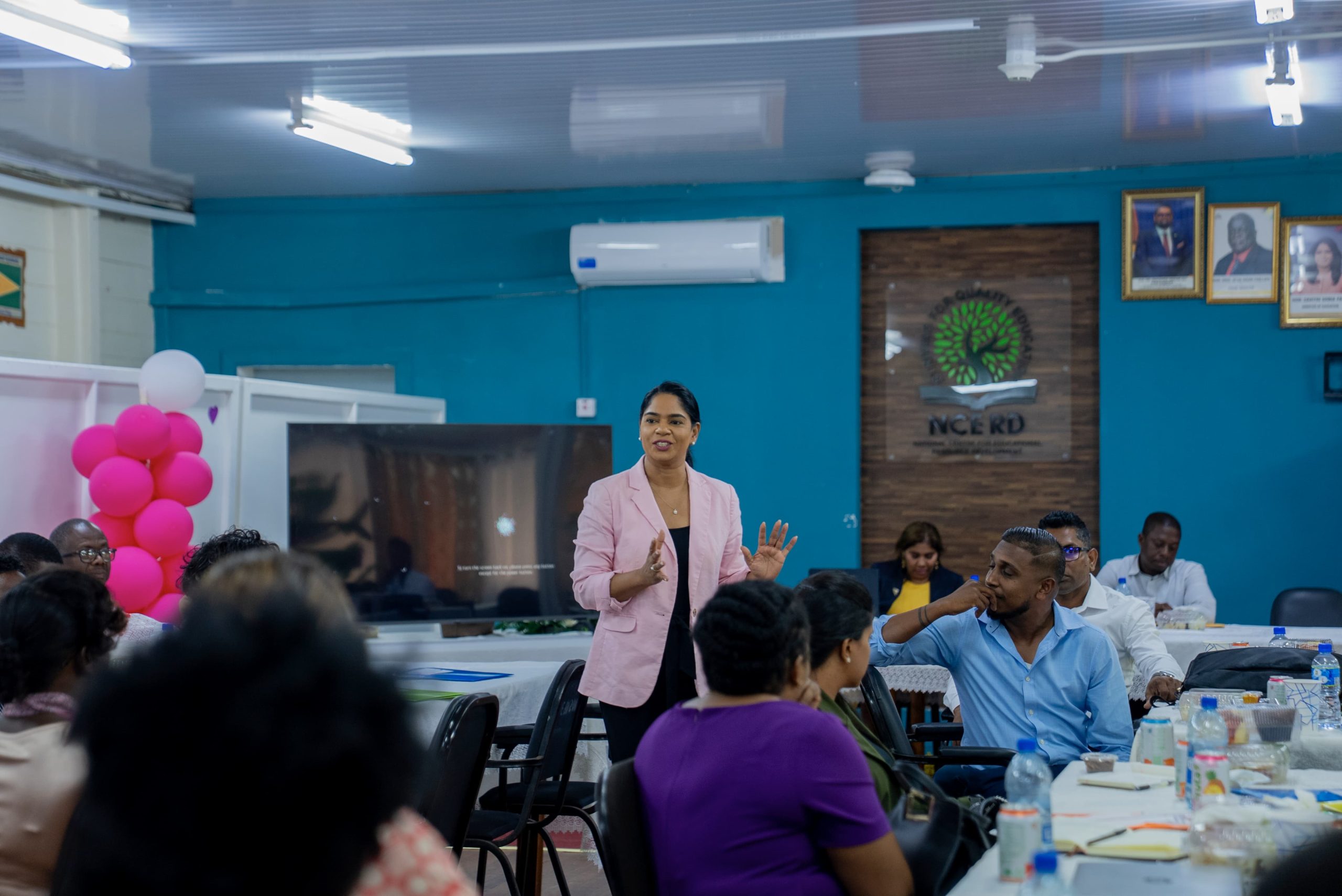
    Heading the interdisciplinary panel is Chief Education Officer Saddam Hussain, with a deliberately diverse membership that brings together stakeholders from every corner of Guyana’s education sector. The body includes specialists drawn from each of the country’s 10 administrative regions, all Regional Education Officers, prominent academics from the University of Guyana including Mohandatt Goolsarran and Dr. Troy Brown, international educator Zamal Odeen, mathematics experts from the capital Georgetown and beyond, and representatives from Guyana’s primary teacher training institution, the Cyril Potter College of Education (CPCE). The task force held its inaugural session recently at the auditorium of the National Centre for Education and Research Development (NCERD) in Kingston, Georgetown.

    Education Minister Sonia Parag, who formally established the task force, laid out its core mandate in opening remarks: to analyze current student performance trends across primary, secondary and tertiary education, then develop a holistic, long-lasting strategy to lift learning outcomes. A core requirement Parag imposed is full collaborative input from grassroots education workers across the country. Before any policy is finalized, the task force will travel to every administrative region to hold extensive consultations with frontline mathematics teachers and school headteachers, ensuring local buy-in and on-the-ground insight shapes the final plan.

    “They have to be engaged and I want them to be in agreement with the final plan before anything is implemented,” Parag said, emphasizing that top-down policy cannot deliver meaningful change without the backing of the educators who will implement it.

    Parag highlighted a critical gap that the new strategy will address: a disconnect between content expertise and instructional skill among many current mathematics educators. Many teachers hold deep knowledge of mathematics but lack the training to translate that knowledge into accessible, effective classroom learning, while others have strong teaching skills but lack sufficient mastery of advanced mathematical content, she explained. To close this gap, Parag instructed the task force to center its review on foundational teacher training and ongoing professional development, starting with reforming how trainee teachers are prepared at CPCE.

    “You have teachers who have the knowledge, but they don’t know how to deliver; you have teachers who can deliver, but they don’t have the knowledge. So, we still have to align those things so that you have more teachers who have the knowledge and can also deliver in the classroom,” Parag said, clarifying that the assessment is not a criticism of working teachers, but a call for systemic improvement from the Ministry of Education itself. “It’s just saying that perhaps we at the Ministry of Education need to improve the way we are training our teachers.”

    Beyond teacher training, Parag pushed for a fundamental shift in teaching philosophy, moving away from a culture focused on rote memorization and exam cramming toward deep, conceptual understanding of mathematics. True comprehension, she argued, equips students to tackle unexpected, complex problems that often appear on high-stakes assessments, rather than being thrown off course by unfamiliar question formats.

    “We need to rethink whether we’re teaching children to understand mathematics or teaching them to memorize just to pass an exam. It’s something very serious because if you prepare them to understand mathematics, then even if a curveball is thrown, it’s not going to throw them off, and that is what we should be aiming for now,” she said.

    The task force has also been directed to address two often-overlooked barriers to math success: student math anxiety and low foundational literacy. Parag noted that many students develop a psychological block against mathematics before they even begin learning, a mindset that teachers must actively overcome to drive progress. Additionally, literacy skills are a prerequisite for solving math problems: students cannot correctly answer a question they cannot read and interpret.

    To address the literacy-math link, the Ministry of Education has already rolled out new early intervention measures, integrating literacy development into early childhood math readiness starting at the nursery school level. National literacy assessments will now be administered to students in Grades Two and Four, to identify learning gaps early and deliver targeted support before poor literacy derails math progress. “By Grade Four, all of our children must know how to read properly and comprehend well. If they can’t do that, it means they can’t answer exam questions. It means they cannot reason, which is what mathematics is – reasoning,” Parag explained.

    During the inaugural meeting, task force members put forward a range of actionable proposals to boost engagement and outcomes. Suggestions included a national reward and recognition program for outstanding math students and teachers, a national mathematics competition, dedicated math clubs in every school, standardized weekly formative assessments to track student progress, classroom “math walls” displaying key formulas and concepts, and interactive, game-based learning activities aligned with current curriculum topics.

    Parag acknowledged that Guyana has made incremental gains in math performance in recent years, but stressed that more urgent action is needed. She noted that poor math outcomes are a global challenge, not unique to Guyana, but that the country is committed to turning the tide locally. The minister committed to ongoing collaboration with the task force, noting that the group’s on-the-ground expertise is critical to developing a viable long-term solution.

    Parag also emphasized that national investments in education infrastructure, learning resources and teacher training must be matched by strong leadership at the school level, with headteachers taking responsibility for monitoring and supporting quality classroom instruction. She also highlighted the underutilized role of Parent-Teacher Associations (PTAs) in building a supportive learning ecosystem that connects home and school, noting that she is traveling across the country to meet with PTAs to boost parental engagement at all education levels.

    “The ministry cannot do it alone, the teachers cannot do it alone and our children cannot do it alone. Their development requires the best of all of us,” she said.

    Closing the inaugural session, Parag framed the task force’s work as a definitive new starting point for mathematics education across Guyana, calling on members to craft a strategy that will chart a brighter future for generations of learners. “I want this to be a new beginning for mathematics,” she said.

  • Renewed push to revive Oistins Fish Festival

    Renewed push to revive Oistins Fish Festival

    Barbados’ long-running Oistins Fish Festival is poised for a major revitalization, as local leaders, vendors, residents and community representatives have launched a collaborative consultation process to reverse years of stagnation and set the event up for long-term growth ahead of its 50th anniversary in 2027.

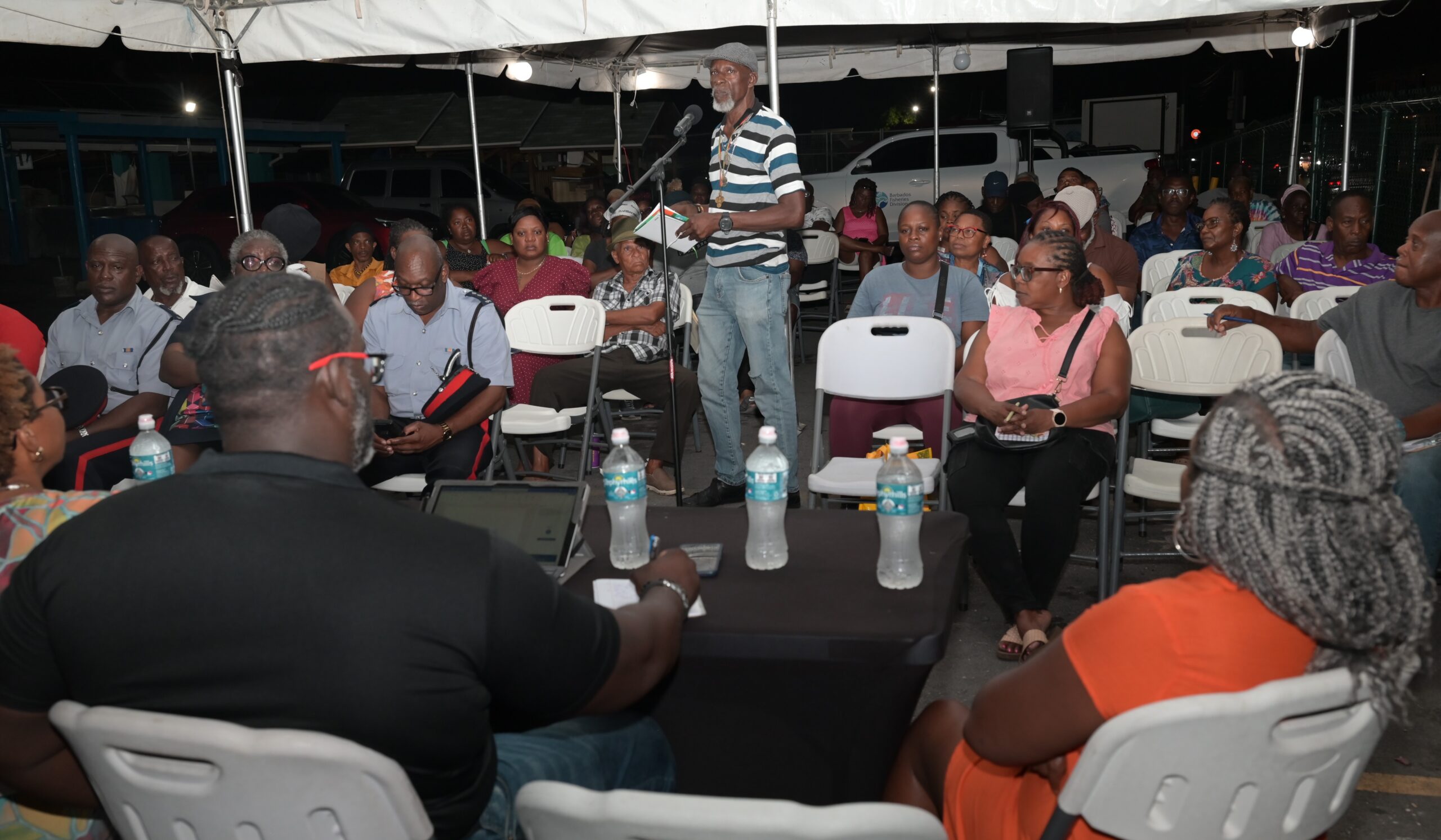
    The first public town hall meeting focused on the festival’s revival took place Thursday evening in the car park of the Berinda Cox Fish Market, drawing a large crowd of Oistins-based vendors, fishing community members, local residents and other invested stakeholders eager to share their ideas for improvement. Officers from the Oistins Police Station also attended the session, pledging to uphold a secure, welcoming environment for both local attendees and out-of-town visitors at all future festival events.

    Leading the revitalization effort is Dr. Shantal Munro-Knight, Member of Parliament for Christ Church South and Barbados’ Agriculture Minister, who has pledged that under her leadership, the historic festival will not only survive, but emerge stronger than ever. Munro-Knight emphasized that the planning process will center the needs and voices of the local fishing and vendor communities that form the core of the event’s identity.

    During the meeting, organizers compiled a range of actionable concerns and proposals from attendees. Many long-time participants called for formal recognition of the founding members who built the festival from its early days, a request Munro-Knight described as an easy, high-priority win for the revitalization team. Vendor Sue Ann Gilkes-Smith put forward two key suggestions: reconfiguring vendor stalls into a single continuous stretch along the event route, rather than the current fragmented layout, and boosting safety measures to encourage older patrons, who have historically been core spenders at the festival, to return comfortably.

    Kemar Harris, Chairman of the Oistins Bay Garden Board, explained that the series of town hall meetings was launched to address a years-long breakdown in communication between festival organizers and local stakeholders, which had gradually eroded the event’s quality. “What leads to breakdowns is a lack of communication,” Harris told attendees. “Over the years, people have been complaining, so there will be a series of these meetings to hear you, see you and feel you. Consultation is paramount, and this MP believes in that, so when consultations stop, you cannot say no stone has been left unturned.”

    Edwin Warner, Deputy Chairman of the Oistins Bay Garden Board and owner of local food stall Crazy Eddies, shared harsh criticism of the most recent festival held over the 2024 Easter weekend, calling it one of the worst iterations in recent memory. Warner argued that the previous organizing committee had grown stagnant after years in charge, failed to consult local Oistins Bay Garden stakeholders, and brought in outside participants without centering the community that anchors the event. He also put forward a series of proposals to expand the festival, including cleaning up the local boatyard to create additional space for vendor stalls, involving fishing communities from across Barbados, and adopting a regional approach that invites fisherfolk from neighboring Caribbean countries such as St. Lucia and Grenada to participate.

    Harris confirmed that the series of public consultation meetings will continue in the coming months, with all discussions centered on supporting local vendors and strengthening the festival’s roots in the Oistins community ahead of its milestone 50th anniversary in 2027.

  • Police investigate stabbing incident at Market Hill

    Police investigate stabbing incident at Market Hill

    Authorities in Grenada have launched an active criminal investigation into a violent altercation that left one woman with multiple stab wounds in the island’s capital district. The incident took place on 15 May 2026 in the Market Hill neighborhood of St George’s, according to official updates from the Royal Grenada Police Force.

    Early findings from the investigation confirm the injured victim was engaged in a confrontation with a second woman when the attack unfolded. During the dispute, the victim suffered cutting and stabbing injuries across multiple areas of her body, requiring urgent emergency medical intervention.

    Following the attack, first responders moved the injured woman to Grenada’s General Hospital for urgent treatment. Hospital officials admitted her for ongoing care, and as of the latest police update, her medical status has been listed as stable, giving investigators room to continue building their case.

    Law enforcement has confirmed that no further details about the identities of the parties involved or the possible motive for the altercation have been released to the public at this stage. Investigations into the circumstances of the incident remain active, with detectives working to piece together a full account of what led to the violence. This update was officially released through the Office of the Commissioner of Police in Grenada.

    NOW Grenada, the platform distributing this official update, has noted that it does not take responsibility for contributor-supplied content or statements included in public official updates, and provides a reporting pathway for users to flag any abusive content associated with the posting.