分类: society

  • Twenty Pastors Demand Removal of ‘Sexually Suggestive’ Billboard in Belmopan

    Twenty Pastors Demand Removal of ‘Sexually Suggestive’ Billboard in Belmopan

    BELMOPAN – May 19, 2026 What started as scattered public outrage shared across social media platforms has evolved into a coordinated civic campaign aimed at removing a provocative alcohol industry advertisement from a prominent public location in Belize’s capital city.

    A coalition of 20 senior faith leaders from Belmopan and its neighboring communities submitted an official formal petition to Belmopan Mayor Pablo Cawich on Tuesday, calling on the mayor to exercise his municipal authority to take down the billboard, which the group describes as overtly sexually suggestive and out of line with local community standards. The religious leaders argue that the advertisement violates long-standing public decency norms for public spaces, and add that the widespread national backlash the billboard has sparked only confirms that it has no place on public display.

    Leading the campaign is Senator Louis Wade, who serves as both a sitting legislator and a church leader. Wade emphasized that the mayor carries both legal and moral responsibility to address the public’s concerns and remove the advertisement immediately.

    “This is publicly owned land, and the public has made their objections extremely clear,” Wade stated in comments following the delivery of the petition. “It seems the mayor may be unclear on the existing law. Belize’s criminal code specifically addresses the public display of indecent images, photographs and other content, and this advertisement falls squarely into that category.”

    When pressed to respond to counterarguments that the advertiser holds a legal right to freedom of expression, Wade rejected the framing, noting that the right to free speech applies to all members of the public — not just commercial advertisers.

    “The freedom of expression that matters most here is the freedom of expression of thousands of Belmopan residents who have said they do not want this offensive content in their public spaces,” Wade explained. “The outcry has echoed across the entire nation: every major media outlet has covered the controversy, social media platforms are flooded with thousands of posts opposing the billboard, and that collective public voice is clear proof that this content is indecent and inappropriate for public display.”

    Additional details on the mayor’s response and next steps in the campaign will be shared during News 5 Live’s 6:00 pm evening newscast, which viewers can tune into for full coverage of the developing story.

  • Reporter Aaron Humes Dies After Heart Attack at Home

    Reporter Aaron Humes Dies After Heart Attack at Home

    The Belizean media community is mourning the unexpected loss of one of its most recognizable voices: award-winning veteran reporter Aaron Humes passed away at his home Wednesday afternoon at just 39 years old, following an acute heart attack. Local reports confirm that shortly after 2 p.m., Humes’ mother grew alarmed when she received no answer after knocking on her son’s bedroom door. After several minutes of waiting and attempts to get his attention, Humes was ultimately able to unlock and open the door, where his mother found him already in the throes of the life-threatening cardiac emergency.

  • “Child Protection is Everybody’s Business”

    “Child Protection is Everybody’s Business”

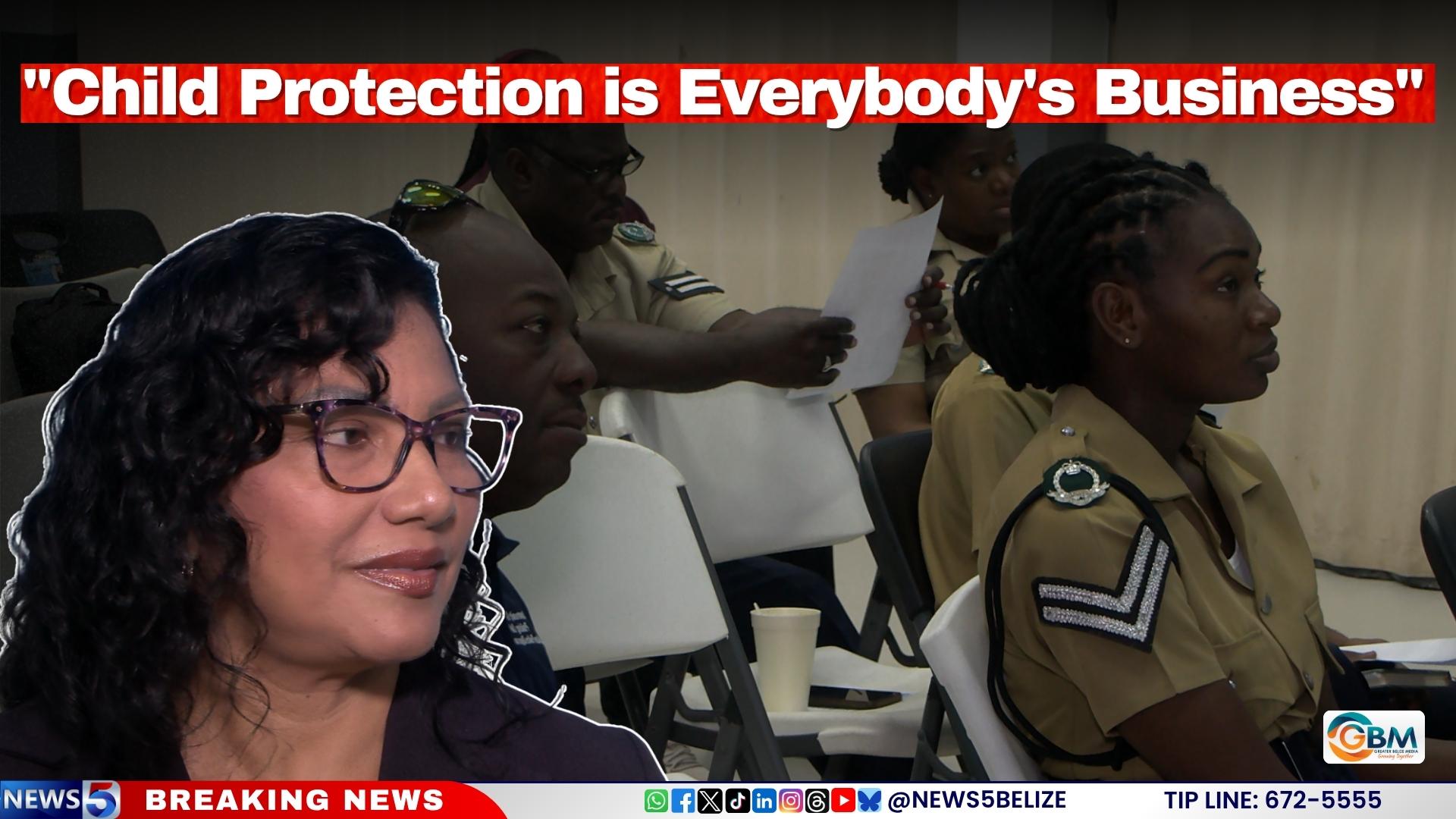
    A recent surge of arrests connected to sexual violence against children has sent shockwaves through local communities across Belize, driving child protection advocates to push for collective action rather than just public outrage. The movement has taken tangible form this week with the launch of capacity-building training led by the UNICEF-backed Blue Teddy Bear Campaign, a national initiative designed to equip ordinary Belizeans with the skills to identify signs of child abuse and file official reports when concerns arise.

    On the morning of May 19, 2026, staff members from the Yarborough Community Resource Center joined the first training session hosted at the Department of Youth Services. The campaign is a collaborative effort between UNICEF, Belize’s National Commission for Families and Children, and the Ministry of Human Development, aiming to break down systemic and cultural barriers that allow abuse to remain hidden.

    Carla Alvarez, the lead consultant guiding the training, outlined a key, underrecognized barrier to child safety that the initiative seeks to address: it is not a lack of public care that enables abuse, but widespread fear of involvement among ordinary people. “Sometimes we see things, but we are afraid to report because there’s that fear that we’re gonna be exposed as the reporter,” Alvarez explained. She also noted that shifting social and technological landscapes have left modern children vulnerable to risks that previous generations never encountered at young ages, requiring a more proactive public response than ever before.

    Alvarez pushed back firmly against the common misconception that child protection is the exclusive responsibility of official bodies like police forces or specialized nonprofits. “Child protection is everybody’s business. It’s not just the business of the police or community-based organizations or UNICEF. It’s everybody’s business,” she emphasized.

    The training also challenged two widespread harmful assumptions about child abuse that contribute to underreporting. First, Alvarez reminded participants that abuse does not only occur in low-income or so-called “troubled” households—it impacts every socioeconomic segment of Belizean society, a cross-cutting reality that helps keep abuse unaddressed and unspoken. Second, the training expanded public understanding of what counts as child abuse, stressing that harm extends far beyond visible physical or sexual violence. Psychological mistreatment, emotional abuse, and neglect are equally damaging to children’s long-term well-being, yet these forms of abuse are far less likely to be recognized or reported by community members.

    “There has to be that talk and that dialogue about what exactly is child abuse and violence,” Alvarez said. “One of the goals of this training is to ensure that everybody understands the ramifications of what encompasses abuse and violence.” The initiative comes as Belize grapples with growing public awareness of child safety gaps, with organizers hoping that widespread public education will turn passive concern into active protection for vulnerable children across the country.

  • Pompen bij Sabaku project en Indira Gandhiweg aanpak wateroverlast

    Pompen bij Sabaku project en Indira Gandhiweg aanpak wateroverlast

    Cross-border cooperation is delivering much-needed relief for flood-prone communities in Suriname, as two water pumps borrowed from neighboring Guyana are set to be deployed to tackle persistent flooding in two high-need areas.

    The newly arrived pumps, provided on a loan basis by Guyana, are designed to speed up the drainage of excess rainwater and surface water in regions that have long struggled with recurrent waterlogging, according to Suriname’s Ministry of Public Works and Spatial Planning (OWRO).

    Installation schedules are already in place: the first pump will go into place at the Sabaku Project site starting Wednesday, while the second unit will be installed along Indira Gandhiweg. This second pump will support drainage operations for the Rahemal development project and the residential neighborhoods surrounding the corridor.

    As construction teams prepare to install the new equipment, the ministry has issued a public advisory noting that temporary road closures and traffic disruptions are expected during the installation work. Motorists and local residents have been asked to plan ahead for the construction, adjust travel itineraries and use alternative routes when necessary to avoid delays.

    Beyond the immediate deployment of the borrowed pumps, OWRO confirmed that long-term, systemic solutions to address flooding across multiple regions of Suriname remain a top priority. The government will continue advancing structural interventions that build long-term resilience to chronic water overcapacity across vulnerable communities.

  • Entertainer Jesse Fyah Found Guilty of Indecent Assault and Serious Indecency

    Entertainer Jesse Fyah Found Guilty of Indecent Assault and Serious Indecency

    A well-known Antiguan entertainer Harrison Horsford, who performs under the stage name Jesse Fyah, has been found guilty of two criminal charges — indecent assault and serious indecency — after a full trial before the nation’s High Court.

    The case dates back to October 2020, when prosecutors laid out the details of the incident to the court. According to the prosecution’s narrative, the victim, a local woman, had agreed to accept a car ride from Horsford, a decision that would lead to an unsettling and harmful encounter. Once the woman was in the vehicle, Horsford initiated a series of unwanted sexual advances. He proceeded to touch her body without any form of consent from her, the court confirmed. The woman ultimately managed to exit the vehicle, leaving the scene visibly distressed and shaken by the experience.

    Throughout the legal proceedings, Horsford firmly denied all the allegations brought against him, maintaining his innocence against the charges. Despite his claims, the jury of his peers reached a guilty verdict after only an hour of closed-door deliberations.

    Following the guilty verdict, Judge remanded Horsford into official custody immediately. Sentencing for the two convictions has been scheduled for July 1. Legal guidelines note that each of the charges carries a maximum penalty of five years of imprisonment, meaning Horsford could face substantial time behind bars if the court issues consecutive sentences. The outcome marks a significant legal proceeding.

  • Wakeme Rodney Pleads Guilty to Firearm and Ammunition Charges

    Wakeme Rodney Pleads Guilty to Firearm and Ammunition Charges

    A 32-year-old man from Bendals has entered a guilty plea to charges of unlawfully holding a firearm and ammunition, following a routine police traffic stop that uncovered the hidden weapon earlier this month.

    Wakeme Rodney faced charges after law enforcement officers stopped his pickup truck during a checkpoint operation conducted along Bendals Main Road on May 14. Officers first pulled Rodney over when they observed he was failing to comply with basic road safety rules by not wearing his required seatbelt. What began as a minor traffic infraction quickly escalated into a weapons case when officers searched the vehicle and found the hidden cache.

    Tucked inside a black Adidas side bag resting on the front passenger seat, police discovered a fully loaded Beretta APX 9mm pistol, alongside seven rounds of live ammunition. Following the seizure, Rodney told investigators that he had no intention of keeping the weapon illegally, claiming he had stumbled upon the gun near the Masonry Product facility along Big Creek Main Road, and was en route to hand it over to authorities when he was stopped.

    Rodney formally entered his guilty plea before Chief Magistrate Ngaio Emanuel during a court hearing held this week. Following the plea, the Bendals resident was remanded into custody to await his formal sentencing, which has been scheduled for May 27.

  • CCTV Camera Captures Man Driving Away With Stolen Car

    CCTV Camera Captures Man Driving Away With Stolen Car

    A car owner in an unspecified location is reeling from a brazen, shockingly quick vehicle theft that was entirely caught on closed-circuit television, after a moment of carelessness left the automobile vulnerable to opportunistic crime. As detailed in initial incident reports, the owner pulled their car over along a public roadside, exited the vehicle, and walked into a nearby building to handle a quick errand. In a careless mistake that would cost them their car, they left the driver’s side door propped open and the vehicle’s keys still inside the ignition. Mere seconds after the owner left the scene out of sight of the car, the surveillance system documenting the area picked up a male suspect approaching the unattended vehicle with clear intent. The man moved quickly, climbing straight into the driver’s seat and pulling away from the roadside before any passersby could intervene. The car owner returned to the spot of the theft only moments after the suspect drove off, and immediately realized what had happened. The owner sprinted after the stolen vehicle in a frantic attempt to stop the thief, but the suspect had already put too much distance between himself and the scene, and the owner could not catch up. In the weeks following the incident, still frames and clips pulled directly from the CCTV footage have been widely shared across social media and online community platforms, as local residents and law enforcement work together to identify the unknown suspect and track down the stolen vehicle for recovery. As of the latest updates on the case, law enforcement agencies have not issued any formal public comment confirming details of the incident or sharing updates on the ongoing investigation.

  • Onverwagt viert 145 jaar geschiedenis: Onze voorouders bouwden aan een toekomst

    Onverwagt viert 145 jaar geschiedenis: Onze voorouders bouwden aan een toekomst

    On a reflective and celebratory Monday, Plantation Onverwagt in Suriname gathered residents and national leaders to mark 145 years since local community members secured ownership of the land, a milestone that came just years after the abolition of slavery across the region. The event blended lively music, shared personal memories, and intergenerational storytelling, centering two core goals: honoring the site’s complex history and charting a path forward to protect the community’s shared heritage and social cohesion for decades to come.

    Speaking at the celebration, Suriname President Jennifer Simons emphasized the critical urgency of documenting the unique history of the Para region and preserving the oral histories passed down by elder generations. She warned that without intentional efforts to transfer these collective memories to younger cohorts, large portions of the nation’s vulnerable cultural heritage risk fading into permanent loss.

    According to Suriname’s Communication Service, the 145th anniversary commemorates the 1881 purchase of the plantation by its residents, a transaction that took place shortly after chattel slavery was abolished in the region. Simons stressed that this historic act of self-determination offers a powerful example of how Suriname’s ancestors built a stable, hopeful future for their descendants even in the face of immense systemic hardship and displacement.

    “Our ancestors refused to remain trapped in the identity of victims. Instead, they came together to build a lasting community for the generations that would come after them,” the head of state told attendees. She used the occasion to make a major policy announcement: this coming August, Suriname will launch its first annual National Heritage Month, a nationwide initiative designed to draw greater public attention to the country’s diverse cultural heritage and advance the values of peaceful coexistence across all communities.

    Beyond the new heritage initiative, President Simons also raised urgent concerns about the long-term protection of collective land holdings tied to historic plantations like Onverwagt. She issued a call to action, urging local community leaders, academic and cultural heritage experts, and national government bodies to collaborate closely to develop sustainable solutions that will safeguard the collective land rights of these communities in perpetuity.

    Local community leader Clyde Vyent also reflected on the plantation’s enduring meaning for the people who call it home. He framed Onverwagt as a lasting national symbol of human dignity and resilience, noting that the 1881 land purchase by ancestors was a deliberate act designed to free future generations from economic dependence on outside actors. At the same time, Vyent acknowledged the persistent challenges the Onverwagt community still grapples with today, including high rates of unemployment, gaps in educational access, and outdated, inadequate public infrastructure. “Our goal is to leave behind a community that our children and grandchildren will be proud to call home,” he said.

  • Fisherfolk want major changes to operations at Fisheries Complex

    Fisherfolk want major changes to operations at Fisheries Complex

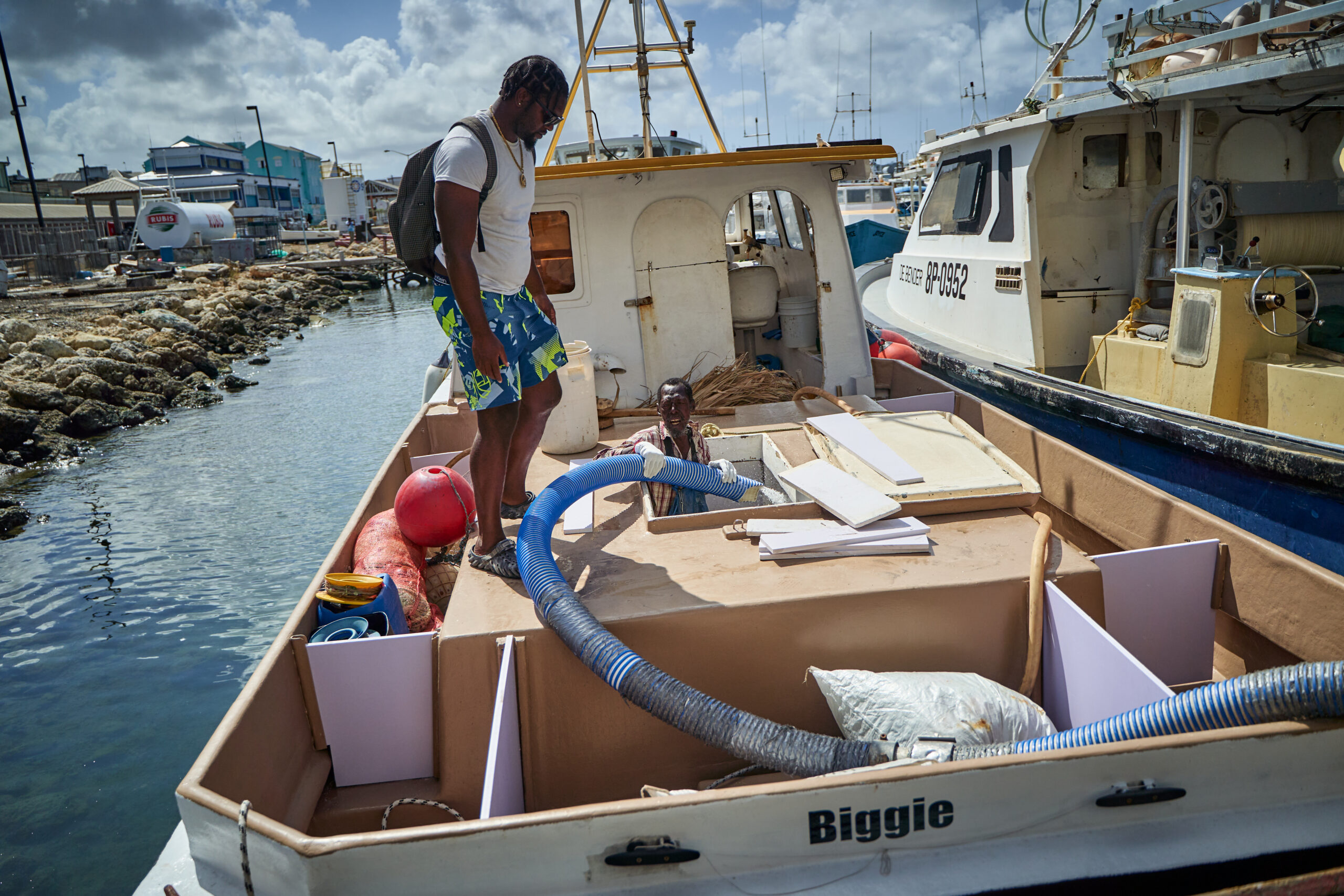
    A growing wave of discontent is sweeping through Barbados’ fishing community, as persistent ice shortages at the Bridgetown Fisheries Complex continue to threaten the livelihoods of hundreds of local fisherfolk, prompting renewed calls for sweeping management changes to the facility’s critical ice production infrastructure.

    The demands were voiced this week by Moonesh Dharampaul, leader of the Black Fin Fleet Co-operative Society, during an on-site media interaction on the sidelines of a visit by representatives from the United Nations Food and Agriculture Organization (FAO). Dharampaul placed the blame for the recurring crisis squarely on systemic mismanagement, saying the long-running issues have crippled daily operations for fishermen across the island.

    While Dharampaul acknowledged that Fisheries Minister Santia Bradshaw has publicly committed to resolving the problem, he warned that the glacial pace of progress and persistently low ice output continues to hold the sector back. His cooperative is now pushing for a major restructuring of oversight: calling on Chief Fisheries Officer Dr Shelly-Ann Cox to take direct charge of the complex’s seafood markets, arguing the current governance framework lacks the accountability and transparent communication the crisis demands.

    “When it comes to the ice machine problems, it is simply poor management across the board — there is no other way to frame it,” Dharampaul told reporters. “We have not seen the required level of proactivity from current leadership around routine maintenance, open communication, or taking responsibility for failures. That is the core change we are demanding.”

    Dharampaul’s criticism marks the second public airing of grievances in just seven days: a week prior, a group of fishermen based at the Bridgetown facility held their own press conference to detail months of frustration over the unreliable ice supply.

    The root of the current capacity crisis, Dharampaul explained, is that only one of the ice system’s two compressors remains operational, cutting maximum production by half. The facility was designed to run two compressors feeding two separate ice machines, but with just one unit working, output is so low that the system can only serve two fishing vessels before needing to shut down to rebuild ice reserves for the next day’s operations.

    This crippling capacity limitation has forced desperate measures: many local fishermen are now traveling all the way to Grenada just to secure adequate ice for their catches, Dharampaul said. More than 150 fishing vessels are currently docked idle at the Bridgetown Complex, he added, with crews waiting for government intervention to resolve the crisis before they can resume full operations.

    According to Dharampaul, fisheries officials have already begun preliminary steps to review the situation: the permanent secretary of the ministry and Minister Bradshaw have requested a full report from Eric Lewis, Senior Manager of Fish Markets. That report is expected to include full maintenance logs for the ice system, as well as formal proposals to replace outdated and failed equipment.

    Beyond internal reviews, the Black Fin Fleet Co-operative Society is pushing for two broader, long-term changes: an independent third-party audit of the entire ice machine system, and the creation of a public-private partnership to take over management of the ice production infrastructure. Dharampaul argued that this hybrid model would cut operational costs for the Barbadian government, boost the efficiency of ice production, and give local fishermen a tangible stake and sense of ownership in the sector that supports their livelihoods.

    Urgent action is non-negotiable, he added, if the government hopes to rebuild fishermen’s trust in the sector’s governance. These changes cannot wait — they are needed sooner rather than later to get the industry back on its feet.

  • BELfund staff to receive 8% pay hike

    BELfund staff to receive 8% pay hike

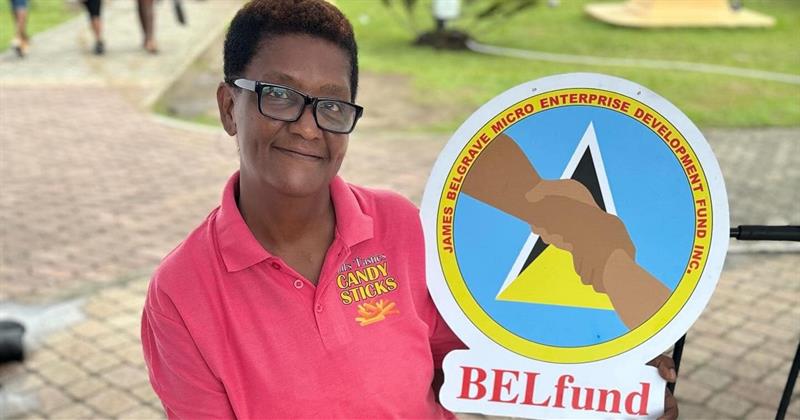
    After months of negotiations, Jamaica’s National Workers Union (NWU) has announced a landmark tentative agreement with the government-backed BELfund that delivers tangible economic gains and upgraded working conditions for hundreds of technical and clerical staff across the organization.

    Under the terms of the deal, the 8% cumulative wage increase will be phased in incrementally over a three-year period, with the first adjustment set to take effect in September 2025. In addition to the scheduled pay raises, the collective bargaining agreement addresses longstanding worker concerns by expanding social protection and quality of life provisions, including enhanced paternity leave provisions that allow new fathers more paid time to support their families, and a brand-new subsistence allowance designed to offset out-of-pocket costs for field officers who regularly travel and work off-site.

    As part of the negotiated settlement, all covered employees will also receive retroactive back pay to account for the timing of the agreement’s implementation, ensuring workers do not lose out on the compensation gains they secured through the collective bargaining process. Both parties have confirmed that the formal signing ceremony for the new three-year collective agreement will be held at the office of the Labour Commissioner, marking the official conclusion of negotiations and clearing the way for the terms to be put into effect.

    The deal represents a rare win-win outcome for both labor and management, with the agreement reached through collaborative negotiation rather than industrial action, avoiding potential disruption to BELfund’s core public services while delivering meaningful improvements that address workers’ financial and workplace needs.