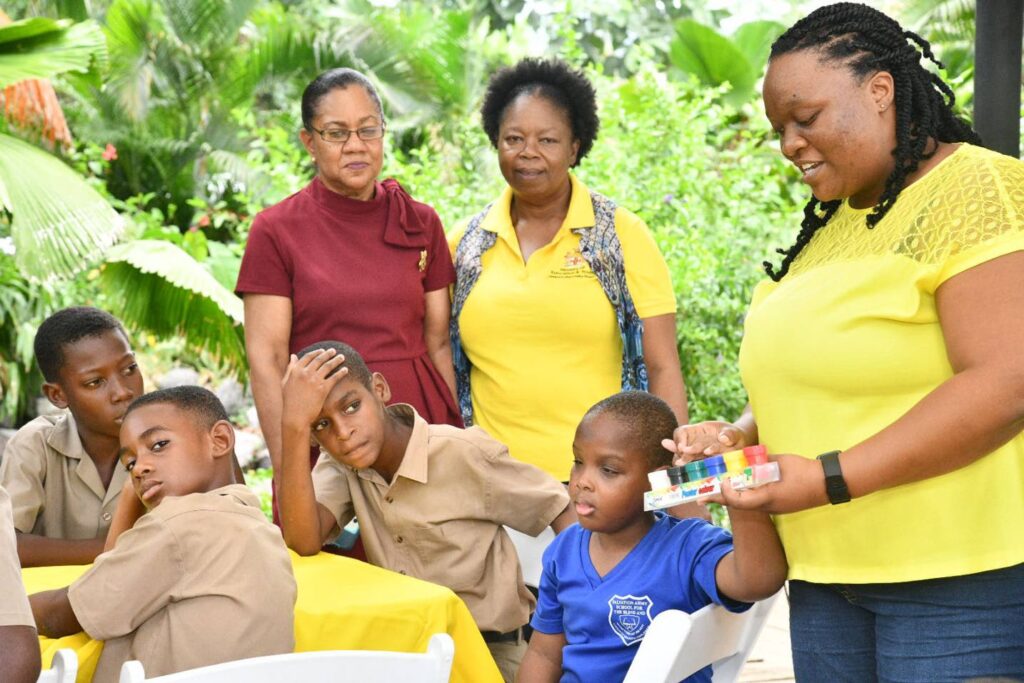
As part of Jamaica’s annual Child Month celebrations, Jamaica’s Ministry of Education, Skills, Youth and Information hosted a landmark inclusive gathering on Thursday, creating a judgment-free, supportive space where children with special needs across the Corporate Area could share their experiences and build connections. The event, held on the scenic lawns of Devon House in St. Andrew, brought together students from five specialized institutions across the country: the Salvation Army School for the Blind, Danny Williams School for the Deaf, Carberry Court School of Special Education, Randolph Lopez School of Hope, and Hope Valley Experimental School. This gathering formed a core component of the ministry’s groundbreaking Child Conversations initiative, which centers underrepresented youth voices in public policy and community programming. Centered on the urgent theme “Prioritising our children’s mental health, stronger minds, safer future”, the event also broke new ground by pairing students with disabilities with neurotypical, able-bodied peers, creating structured opportunities for cross-group dialogue and mutual understanding. Hyacinth Blair, senior director for Children’s Affairs and Policy at the ministry, explained the core goals of the initiative in an interview with the Jamaica Observer, emphasizing the critical, often overlooked role of mental wellness in overall child development. Blair stressed that the event sought to demystify mental health for young Jamaicans, pushing back against harmful societal stigmas that frame discussions of emotional struggle as a sign of dysfunction. “We want our children to understand that it’s okay to be sad about things. It’s okay to talk about things. Mental wellness doesn’t mean that you are mad, so to speak. We want them to understand that as much as it is important to be physically well and emotionally well, mentally well is also a part of it,” Blair told the outlet. Blair pointed out that children without disabilities often lack exposure to peers with special needs, leading to unintended insensitivity and even open bullying. By bringing both groups together for open conversation, the initiative aims to foster lasting empathy and allyship among young people. “We have paired them with able-bodied peers, and we want conversations so that there is a greater level of understanding between children who do not have challenges and our special needs children so we can have more collaboration, more understanding,” Blair said. “Children can be really cruel. You may see a child with special needs and another child will want to tease them. So we want them to understand each other more, to talk more. And so with a greater level of understanding, you as a child who does not share the same challenge, you may be in a crowd with other students, and because you were exposed to that child or that special need, you can be able to say to your peers, ‘Don’t do that’ or ‘Don’t say that.’” Blair also highlighted a troubling gap in support systems for disabled children: global and local research confirms that children with special needs face a drastically higher risk of abuse and mental health struggles than their peers, in large part because societal stigma has long pushed conversations about youth mental health into the shadows. Compounding this risk, many disabled children face communication barriers that leave them unable to report harm or access existing support services. “It’s probably greater among them because sometimes we don’t remember them as we ought to. And sometimes they can’t articulate their challenges or their problems as well as the other child because of the issue that they may have,” Blair explained. “There was a time when we would not talk about mental health. It’s something that we keep in the closet, but we understand now that in order to develop strong minds and to have a safer future for our country, then our children need to be mentally well. One of the ways really is to be able to express yourself, to talk about the things that are bothering you, and to find solutions. To feel safe in expressing themselves. We want it to become a normal part of life.” Blair used the 211 national child abuse reporting hotline as an example of a critical service that fails disabled youth: children with speech or hearing impairments often cannot access the phone-based hotline, leaving them with no safe way to report harm. This gap, she argued, underscores the urgent need to develop alternative, accessible communication channels that meet the unique needs of disabled children. “If a child doesn’t speak well, doesn’t hear well, then it’s hard for them to articulate how it is they’re feeling,” she noted. The initiative has already earned widespread praise from educators at specialized schools, who have long called for more targeted support for disabled students’ mental health. Sashoir Murphy Hewitt, a teacher at the Danny Williams School for the Deaf, welcomed the event as a long-overdue step to address the isolation many deaf students face in Jamaica. “I think the initiative will be very beneficial, especially to the deaf students, because Jamaican Sign Language is not a language that is publicly known, and that is their first language, so many time they don’t have persons to communicate with or who understand them or who they feel comfortable to share whatever they are going through,” Murphy Hewitt said.
分类: society
-
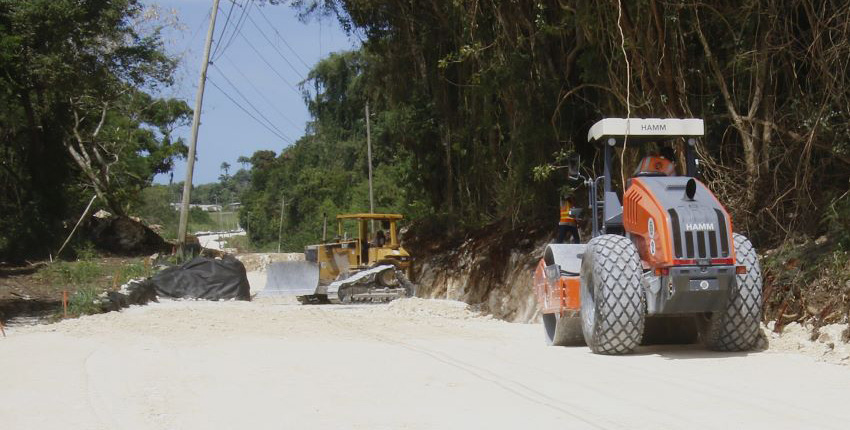
Update on Scotland District Road Rehabilitation Project
Following 14 months of intensive construction and rehabilitation work, a key rural roadway at Airy Hill Bottom in St Joseph has officially reopened to vehicle and pedestrian traffic, marking a major milestone in a government-led infrastructure upgrade initiative across the region. The completed project forms part of the Ministry of Transport and Works’ (MTW) $230 million Scotland District Road Rehabilitation Programme (SDRRP), delivered in a partnership between main contractor China National Complete Plant Import and Export Corporation (COMPLANT) and local sub-contractor Infra Construction Inc.
Major upgrade works targeting improved road safety and long-term infrastructure resilience on Airy Hill kicked off in early 2023. At the project launch, George Holder, MTW’s official project representative for the SDRRP, outlined the full scope of work for the site, which included full realignment of the road’s path and complete replacement of an aging, failing culvert. Holder explained that the original road layout featured a notoriously dangerous curve that had long been a safety hazard for motorists, while the existing culvert had degraded beyond repair.
“The old culvert could no longer handle peak water flow during heavy rain events, so we are increasing its overall capacity to prevent flooding and future structural damage,” Holder noted of the upgrade.
Beyond the completed Airy Hill Bottom project, Holder provided an updated progress report on other active infrastructure projects across the Scotland District, confirming that three critical bridge structures are currently under active construction: Melvin Hill Bridge in St Joseph, and Dark Hole Bridge and Brucevale Bridge in St Andrew. Both Melvin Hill Bridge and Dark Hole Bridge were forced to close last year after suffering sudden structural failure, making their replacement a top priority for the ministry.
Holder added that the project team initially faced significant access challenges when trying to reach the Dark Hole Bridge site, but those barriers have now been resolved. Construction is proceeding on schedule, with a full completion target set for August 2024.
At the Brucevale Bridge site, the project team is on track to finish all foundation work by the end of June 2024. Once foundations are finalized, crews will move forward to construct the bridge’s superstructure and side abutments, followed by installation of the finished bridge deck. The full Brucevale Bridge replacement project is projected to wrap up in late August to early September 2024, at which point the connecting roadway will reopen to public traffic.
Progress is also advancing on upgrade works along the Ermie Bourne Highway, where multiple aging culverts and structural components are being replaced after decades of wear and erosion. In the Cattlewash section of the highway, paving has already been completed, and construction crews have now moved north to continue upgrades along the stretch leading into Barclays Park.
This report was provided via public notice from the Ministry of Transport and Works.
-

Former All Saints Secondary Teacher Donates Exam Packages to Students Needing Extra Support
A former educator from All Saints Secondary School is turning her personal experience and professional passion into tangible support for students who need extra academic help, launching a new community-focused outreach initiative to lift up underserved learners at her former workplace.
Andrecia Lewis, the founder of local tutoring service A.G.L Tutoring, rolled out the first iteration of her give-back program on Friday, rolling out tailored resources and encouragement to students in two cohorts — Classes 1A1 and 2A1 — which are primarily made up of learners requiring additional academic assistance beyond standard classroom instruction.
For Lewis, the initiative is far more than a community project: it is a deeply personal mission rooted in both her years of teaching at the school and her own identity as a neurodivergent person living with Sensory Processing Disorder. She has long centered her work on elevating students who are often sidelined in traditional education systems, saying that connection to the school community makes this effort particularly meaningful.
“As a former teacher at the institution, this initiative was especially meaningful to me, as I remain passionate about supporting students who are often overlooked and reminding them that they are capable of succeeding,” Lewis shared in a statement about the launch.
Her personal experience with neurodivergence shapes her core belief: learners with varied abilities deserve targeted extra support and accessible resources to build their confidence, boost their academic motivation, and create a more inclusive, positive educational experience that meets their unique needs.
Looking ahead, Lewis plans to expand this work through A.G.L Tutoring, with a long-term goal of driving sustained positive change for local education and student development across the broader community, while also advocating for wider public understanding and more robust institutional support for neurodivergent learners at all grade levels.
-
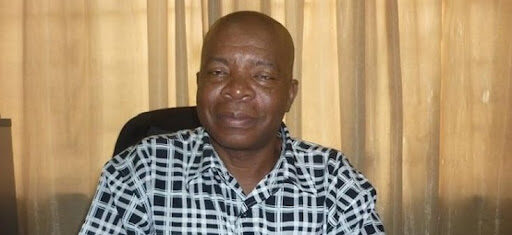
DPSU general-secretary urges more proactive approach by union members
In a stirring address to union delegates gathered at the Dominica Public Service Union (DPSU) headquarters in Roseau this week, General Secretary Thomas Letang has issued a urgent call to rank-and-file members: shift from passive reaction to proactive participation to protect hard-won worker protections. His remarks headlined the 13th iteration of the union’s biennial delegates convention, a landmark gathering that brings together grassroots members, union leadership, and cross-sector representatives to map the organization’s strategic course for the next two years. This year’s convening, which drew nearly 100 delegates, centered its discussions around the unifying theme: “Investing In Ourselves, Organising For Workers’ Rights And Benefits.”
Beyond setting strategic priorities, the convention serves multiple critical purposes for the DPSU: it allows delegates to review past progress, hash out new initiatives focused on advancing worker rights and benefits, explore paths for organizational growth and member self-development, and strengthen the union’s collective voice in advocating for public service employees across Dominica.
In his keynote address, Letang pushed back against a culture of dependency that he says has weakened the union’s impact. He argued that the idea that successful advocacy relies solely on the work of the union’s executive committee is a dangerous misconception that must be rooted out entirely. “It is only after ridding oneself of mental slavery that a worker will be able to yield to the call to be organized so that collectively we can strive to preserve hard, thoughtful workers’ rights and benefits,” Letang told delegates.
The DPSU leader emphasized that broad, collective participation is non-negotiable for the union to deliver meaningful gains for its members. He called out what he described as a growing culture of passivity among many current members, and criticized non-members who benefit from the union’s work without contributing to its efforts, labeling these free-riders “parasites.”
“There are just too many passive, inactive, and non-members, the latter, which I refer to, or I would prefer to refer to as parasites, who are not contributing as they should in ensuring that there are positive outcomes emanating from the union’s effort,” Letang said. “Let us, for a change, be more active than reactive. Let us face the many challenges confronting us head-on.”
-
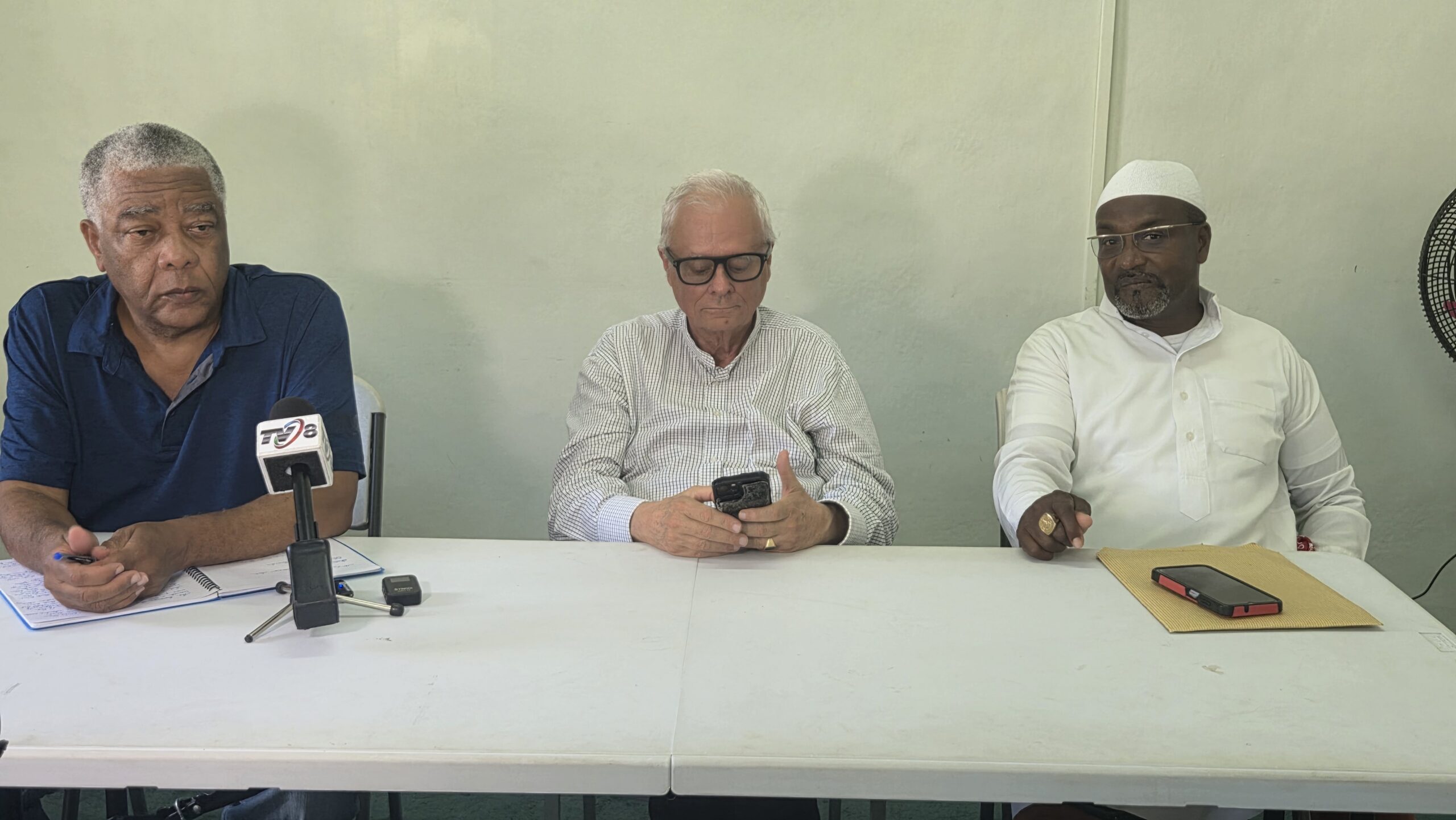
Veteran lawyer backs ‘McKenzie friend’ services amid bar association dispute
A heated public debate over the role of unlicensed legal supporters known as “McKenzie friends” has gripped Barbados, after the Barbados Bar Association (BBA) issued a rare public warning naming three community and political figures it says are not authorized to offer legal services. The BBA specifically called out Winston Clarke, Colin Roach and Quincy Jones, alerting residents that none of the three have been formally called to the island’s bar and are not entered on the official roll of licensed practicing attorneys. But the BBA’s public notice has sparked sharp pushback from senior legal figures and community leaders, who argue these unlicensed advisers fill a critical gap for low-income Barbadians locked out of the formal legal system.
Leading the criticism is Alair Shepherd, one of the island’s most prominent senior constitutional counsels, who came forward to defend the work of the named McKenzie friends. In a press briefing held Thursday at the Belleville office of the Unity Workers’ Union (UWU), Shepherd argued that the services these practitioners provide are both lawful and desperately needed. “I just thought somebody from the Bar needed to say to the public that they are filling a badly needed void,” Shepherd told reporters. He emphasized that the work of McKenzie friends is not illegal under common law, and that at least one local court has explicitly endorsed their right to assist self-represented litigants, specifically allowing Clarke to speak on a client’s behalf in a past proceeding that ultimately ended in a successful outcome for the litigant.
The concept of a McKenzie friend traces its roots to the 1970 English Court of Appeal case *McKenzie v McKenzie*, which established that self-represented litigants have a formal right to receive non-lawyer support and guidance during court proceedings. This principle has been widely adopted across Commonwealth common law jurisdictions, including Barbados, though specifics on allowed activities are left to the discretion of individual trial judges. Under the established framework, it is well within a judge’s power to permit a McKenzie friend to address the court directly, a long-standing precedent that the BBA’s notice failed to acknowledge, Shepherd said.
Shepherd labeled the BBA’s public naming of the three practitioners “unfortunate”, arguing that the publication of their names in a public warning created the misleading implication that their work was inherently unlawful, when it is actually protected by established common law. For his part, Clarke – one of the three named in the notice – said the BBA failed to extend him even the basic courtesy of an opportunity to respond to prior complaints before going public with the warning. He told reporters that after a complaint was filed over his assistance to a self-represented litigant, BBA leaders never reached out to him for comment, instead publishing his name directly in local newspaper notices.
Clarke, who has long made clear to all clients that he is not a licensed attorney, said the warning has already caused severe harm to his livelihood, with many community members now incorrectly believing he was misrepresenting himself as a lawyer and pulling away from his services. “Quite a few people have reached out to me saying that from reading that they believed that I was purporting to be an attorney and that they shouldn’t take advice from me about anything,” Clarke said. “I am very upset about this and the way it was done because they should have reached out to me.” He added that he intends to bring the matter before the courts, and will continue providing assistance to low-income residents who cannot afford the cost of a licensed attorney.
The BBA’s move has also drawn criticism from Caswell Franklyn, leader of the Unity Workers’ Union and a former senator, who has himself provided informal legal guidance to community members for years. Franklyn threw his full support behind Clarke and the other named practitioners, noting that systemic gaps in access to justice leave low-income Barbadians with few affordable options for legal support. “The problem is if you are poor and cannot afford a lawyer you suffer in Barbados and as Mr Shepherd said, Winston and others are providing a need,” Franklyn said. “Almost on a weekly basis I have to see people who do not have the wherewithal to go to a lawyer and I have sent them to Winston.” The debate has shone a bright spotlight on longstanding unmet demand for affordable legal assistance across the island, with advocates pushing for clearer formal recognition of the role McKenzie friends play in expanding access to justice.
-
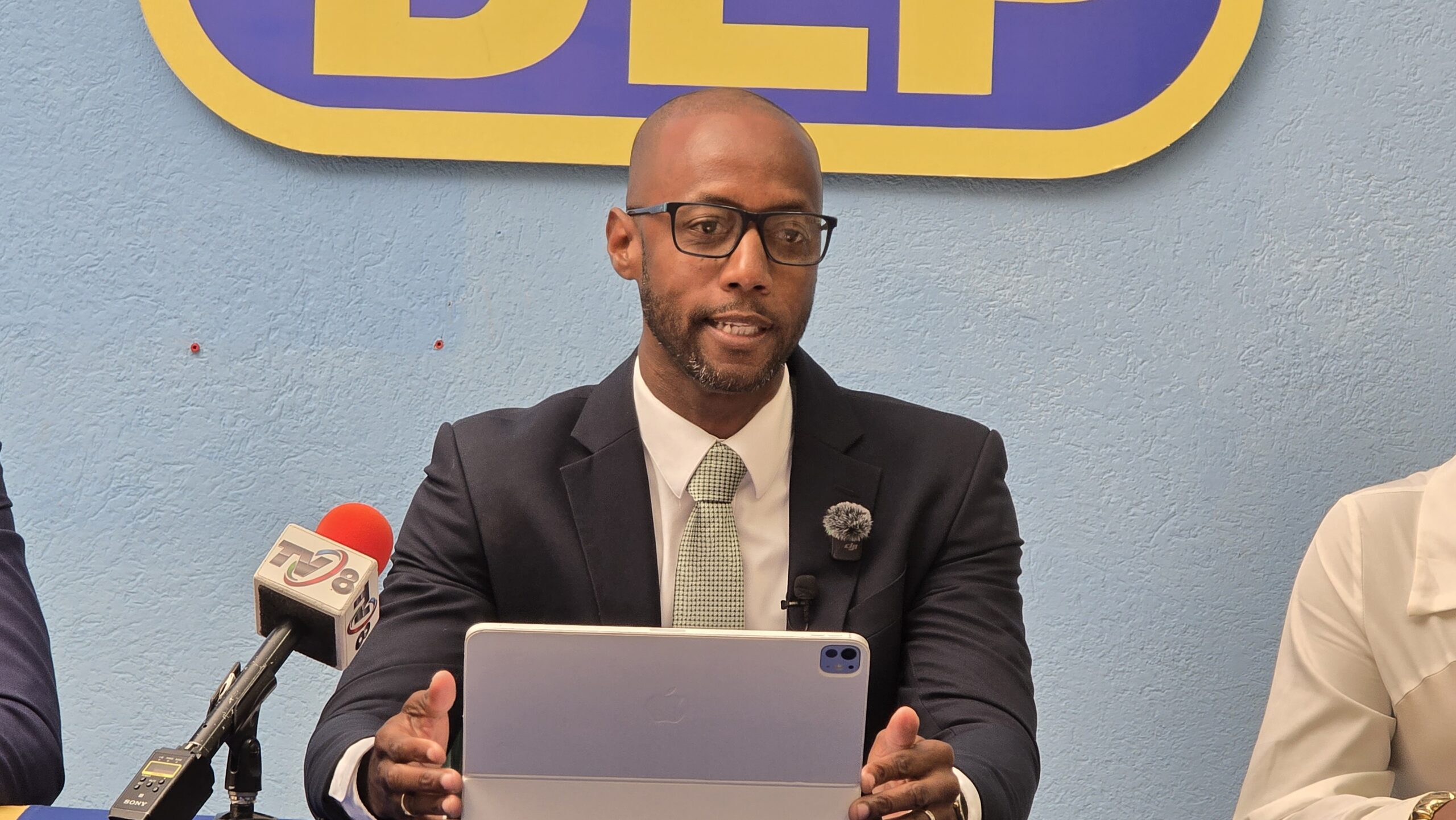
DLP links rising violence to lack of youth engagement
As violent crime continues its upward trajectory across the Caribbean island nation of Barbados, the main opposition Democratic Labour Party (DLP) is pressing the ruling government to revive targeted youth engagement initiatives, warning that disenfranchised young men are increasingly vulnerable to recruitment by criminal gangs and drawn into violent activity. The urgent call comes in the wake of a recent assault on a foreign tourist near popular Carlisle Bay, carried out by a group of young males, that left the visitor hospitalized and raised fresh alarms about crime spreading to key tourism areas.
Speaking at a DLP headquarters press briefing Thursday, Senator Ryan Walters, chair of the party’s shadow spokesperson cabinet, outlined growing risks as the academic year draws to a close. With no structured summer activities in place for thousands of out-of-school teens, Walters warned that idle time will leave many 16 to 18-year-old young men with little positive outlet for their energy. Left with no organized programming, many will gather on neighborhood blocks, where they face heightened exposure to recruitment by gangs and groups engaged in harmful, illegal activity, he argued. “Government intervention is critical to reverse this trend,” Walters stressed.
He added that the dual gaps of eliminated national summer programs and restricted access to public community and recreational facilities have exacerbated the island’s crime crisis. The DLP has proposed reviving two proven successful initiatives: the Barbados Defence Force (BDF) sports program, which draws young men into structured athletic activity and keeps them engaged away from criminal circles, and a revamped Advanced Youth Corps that expands opportunities for positive community participation. Walters noted that the country has not hosted full-scale national summer programs for at least two years, a gap that stirred widespread public frustration last year, and remains unaddressed by the current administration.
Beyond the absence of seasonal programming, Walters pointed to systemic barriers to recreational access that push young people toward idle activity. During a recent community visit two weeks prior to the press conference, local residents told him that public recreational courts shut off their outdoor lighting as early as 6 or 7 p.m. each evening. This means even young people who want to play basketball or road tennis — two extremely popular pastimes for Barbadian youth — are locked out of safe, structured activity after work or school, leaving them with no positive alternative to gathering on neighborhood streets.
Walters emphasized that violent crime is no longer confined to a small set of high-risk neighborhoods, but has become a pervasive threat across the entire country. “This reality is closer to home than ever before, and our communities are under direct threat,” he said. The island has seen repeated shooting incidents in residential areas dense with young families, including Deacons Farm and The Pine, and even violent attacks within close proximity to local nursery schools, he added. Citing seven years of consistent crime data, Walters noted that the island has posted near-record high murder rates in recent years: 49 murders were recorded in 2024, followed by 48 in 2025. As of mid-2026, the country has already seen 22 homicides, putting the island on pace to average one murder per week for the full year. In total, more than 240 young men have been murdered across Barbados over the past seven years, Walters confirmed.
DLP’s tourism and international transport spokesperson Rasheed Belgrave added a separate layer of concern, noting that violent crime is now spilling over into the island’s top tourism zones, threatening Barbados’ decades-long brand as a safe, welcoming tropical destination for international visitors. Belgrave pointed to a string of high-profile violent incidents in prime tourism and entertainment districts over recent months: a fatal stabbing on First Street in Holetown, St. James; a triple homicide at Thunder Bay, also in St. James; and a fatal shooting during the popular annual Oistins Fish Festival, a major draw for both tourists and local residents. “These tragic events have planted fear in spaces that are supposed to be safe and welcoming for everyone,” Belgrave said.
Beyond the immediate damage to public safety, Belgrave warned that persistent violent crime in tourism hubs will have severe cascading impacts on Barbados’ economy, which relies heavily on tourism and hospitality as its primary source of employment and foreign revenue. “These incidents do not just harm our national reputation as a peaceful destination, they undermine the hard work of thousands of law-abiding Barbadians who depend on tourism for their livelihoods,” he explained. If the current wave of violence goes unaddressed, Belgrave warned, it will eventually lead to declining visitor arrivals, eroded public confidence in public safety, and reduced patronage for tourism-linked businesses from both international visitors and local residents. The economic ripple effect would hit every sector tied to tourism, from large hotels and fine dining restaurants to taxi providers, street vendors, local attractions and small hospitality businesses across the island.
The opposition’s joint call puts new pressure on the ruling administration to respond to rising crime rates and address the underlying socioeconomic drivers of violent gang activity, particularly among unemployed and out-of-school youth.
-
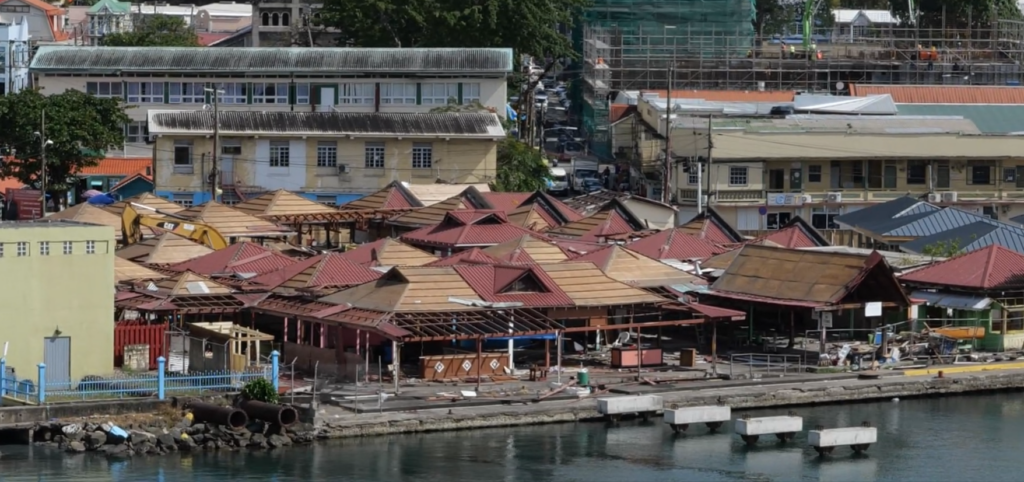
PM promises financial support for vendors affected by Castries Vendor Arcade project
A major redevelopment project on the Castries waterfront in Saint Lucia has left local vendors from the iconic Castries Vendor Arcade in limbo, prompting a pledge of targeted financial assistance from Prime Minister Philip J. Pierre following widespread vendor discontent over relocation arrangements.
The demolition and renovation work, which kicked off just over a week ago, is being carried out by Global Ports Holdings (GPH) as part of a broader initiative to upgrade and modernize public vending infrastructure across the capital. Under the original transition plan, displaced vendors were instructed to move to a temporary site on Jeremie Street, repurposed from the area’s former fire station. However, the relocation has not gone smoothly: leaders of the vendor community have raised sharp objections to the incomplete state of the temporary facility, highlighting the complete absence of critical toilet infrastructure that vendors and their customers depend on.
Peter Ras Ipa Isaac, president of the Craft and Dry Goods Vendors Association, was among the first to voice these concerns, also pushing for formal compensation to offset lost income that vendors will incur during the entire transition period. Many vendors report they have already lost significant trading days due to the sudden displacement, putting additional financial strain on small businesses that already operate on thin margins.
During a briefing this week where Prime Minister Pierre received an official update on vendor transition progress, he acknowledged the frustrations of the affected small business owners. In an official statement released by the Office of the Prime Minister on Thursday, Pierre noted that he is overall pleased with the pace of the renovation and expansion works, and reaffirmed his commitment to seeing the project finished as quickly as possible to deliver long-term benefits to the capital.
Addressing the vendors’ calls for support, Pierre confirmed that all eligible vendors will receive tailored financial assistance after a full formal assessment of individual and collective losses is completed. “Some form of financial support will be given to vendors who meet the requirements for that level of support,” Pierre stated, though he did not release specific details of eligibility criteria or funding caps at this time.
The Prime Minister has ordered government officials to prepare a comprehensive report that documents each vendor’s individual financial circumstances, calculates relocation-related out-of-pocket costs, and estimates total lost earnings over the course of the transition. The finalized data from this assessment will be used to determine the exact amount of assistance each affected vendor will receive.
Speaking directly to the vendor community, Pierre offered a public assurance that the government prioritizes the well-being of Saint Lucian citizens throughout the redevelopment process. “I want to assure the vendors that the government will always see about the benefit of the people. The government will maintain that the people of Saint Lucia must come first, and very shortly, an announcement will be made on the level of support that will be given to the vendors involved,” he added.
When complete, the revamped Castries Vendor Arcade is expected to deliver improved, safer, and more modern trading conditions for vendors, supporting long-term growth of the local small business sector and boosting the capital’s appeal to both locals and tourists.
-
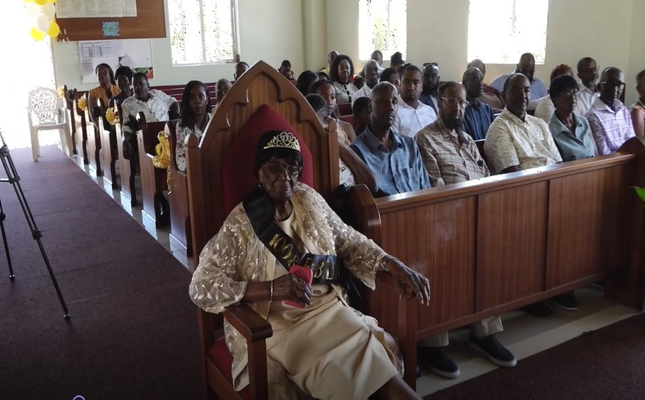
Nevis Celebrates Newest Centenarian Ernestine Alberta France Wilks at Thanksgiving Service
On the Caribbean island of Nevis, a beloved local matriarch has marked a rare and extraordinary life milestone, drawing community leaders, dignitaries and loved ones together for a joyful celebration of a century lived in service to others.
Mrs. Ernestine Alberta France Wilks, a long-time resident of St. James Parish, officially turned 100 years old in mid-May 2026, and was honored with a special thanksgiving service at Combermere Methodist Church on May 19. The event, held under the theme “A Century of Love, Faith, Strength and Legacy”, brought together hundreds of well-wishers, including Wilks’ extended family, lifelong friends, church community members and senior government officials from across the Federation of St. Kitts and Nevis.
Senior clergy and community leaders took the opportunity to reflect on Wilks’ decades of quiet, impactful service to the Combermere neighborhood. Chaired by Reverend Steadroy Pemberton, the service highlighted Wilks’ decades-long contribution to local education, where she spent years caring for students at Combermere All-Age School, preparing homemade snacks and hot meals for children during break periods, touching the lives of multiple generations of local youth.
Top dignitaries in attendance included Governor General of St. Kitts and Nevis Her Excellency Dame Marcella Liburd, Deputy Governor General for Nevis Her Honour Hyleeta Liburd, and Premier of Nevis Honourable Mark Brantley, alongside other members of the Nevis Island Administration (NIA) Cabinet. Each offered heartfelt tributes and congratulations to the new centenarian, acknowledging her lifelong contributions to family and community.
“100 years is a major milestone — 10 full decades. On behalf of a grateful nation, I’d like to thank you for your contribution to your family, your community, and your country,” Dame Marcella Liburd said during the service. “I just want to congratulate you, to thank you, and thank all members of your family who are taking such good care of you. May God continue to bless you with good health and more long life. Happy 100th birthday.”
Deputy Governor General Hyleeta Liburd echoed the warm wishes, saying, “It is really God’s blessing that has brought you this far, and it is a true pleasure to greet you and wish you happy birthday. I extend love to you on behalf of the people I serve and my own family. May God’s blessings rest upon you.”
In a special gesture of recognition, Premier Brantley presented Wilks with a unique honor on behalf of the NIA: a commemorative postage stamp bearing her name, part of the administration’s ongoing program to formally recognize Nevisian centenarians and their legacies.
“The Nevis Island Administration has a program in place where we celebrate our centenarians in a very tangible way. What we do for all of our centenarians is create a custom postage stamp. Very soon, you will have a postage stamp that says ‘Ernestine Alberta France Wilks’ on it,” Brantley announced. “Thank you for the life that you’ve lived. You’re an inspiration to many, and I trust your family feels proud celebrating with you today, seeing the contribution you’ve made to us all.”
In response, Wilks expressed deep gratitude for the outpouring of love and support, and offered blessings and prayers for the gathered guests, her church family, and the entire Nevisian community. Following the thanksgiving service, celebrations continued into the evening with a centennial gala honoring Wilks’ century of life and service.
As of May 2026, the Federation of St. Kitts and Nevis is home to nine centenarians, eight of whom are women and one a man. Six of those nine centenarians, including Wilks, are residents of Nevis.
-

Police caught on video beating handcuffed man in Kingstown
A viral social media video depicting multiple plainclothes police officers repeatedly assaulting a handcuffed man has triggered an official internal investigation by the Royal Saint Vincent and the Grenadines Police Force (RSVGPF), with top department leaders issuing a strong condemnation of excessive use of force.
The silent footage, which circulated online after 10 a.m. local time on Thursday, was filmed on Hillsboro Street, located close to Coreas City Store and the area’s Central Market. In the video, the restrained man is thrown to the ground and struck multiple times by officers using both their fists and wooden truncheons. At one point, one officer is seen drawing his service weapon, even as the man remains in handcuffs for the entire duration of the incident.
At least six other people appear alongside the victim in the clip, all believed to be plainclothes members of the RSVGPF. The group is gathered near a pickup truck, and one officer is identifiable by a t-shirt emblazoned with “SVG Police” on the back. As of the police force’s public statement, the exact date the footage was recorded has not been confirmed.
Within hours of the video spreading across social platforms, the RSVGPF released an official public comment acknowledging the circulating content. “Their contents require no description from this office. The public has seen enough to expect a clear response,” the statement read. The department made clear that any form of police misconduct—including brutality, unlawful violence, intimidation, humiliation, and abuse of authority—has no place within its ranks.
The police commissioner explicitly condemned any behavior by officers that fails to meet the force’s legal and professional standards. The statement emphasized that police authority is granted solely to protect communities, preserve public order, and enforce the law fairly. “It must never be used to punish, degrade, or overpower persons beyond what the law permits,” the statement added, noting that when officers cross this ethical and legal line, the damage extends far beyond the victim. Misconduct harms the individual targeted, erodes public trust in law enforcement, and undermines the work of the vast majority of officers who serve with discipline and restraint.
Per the commissioner’s order, the RSVGPF has launched an immediate, full investigation into the incident captured in the video. Department leaders pledged the probe will be thorough, impartial, and rooted entirely in evidence, with investigators reviewing the footage itself, interviewing all relevant witnesses, examining surrounding context, and assessing the actions of every officer involved.
The force has asked the public to allow the investigative process to proceed unimpeded to uncover the full truth. While the video raises urgent and serious questions, officials noted that a complete factual record must be established before any final actions are taken. The statement also guaranteed that there would be no special treatment for offending officers: if criminal conduct is confirmed, the full weight of the law will be applied, and if disciplinary violations are proven, internal action will be pursued aggressively, regardless of an officer’s rank, tenure, connections, or position.
Beyond investigating the individual incident, the RSVGPF High Command will also conduct a broader review to identify any systemic gaps related to supervision, officer training, command oversight, or operational decision-making that may have contributed to the event. Corrective systemic changes will be implemented wherever evidence shows they are needed.
The department acknowledged that the incident has already damaged public confidence in local law enforcement, and that verbal commitments alone cannot undo that harm. “That harm cannot be reversed by words. It must be answered by truth, accountability, and visible action,” the statement said. “The people of Saint Vincent and the Grenadines are entitled to firm policing. They are also entitled to lawful policing. The Royal Saint Vincent and the Grenadines Police Force will enforce both standards.”
-
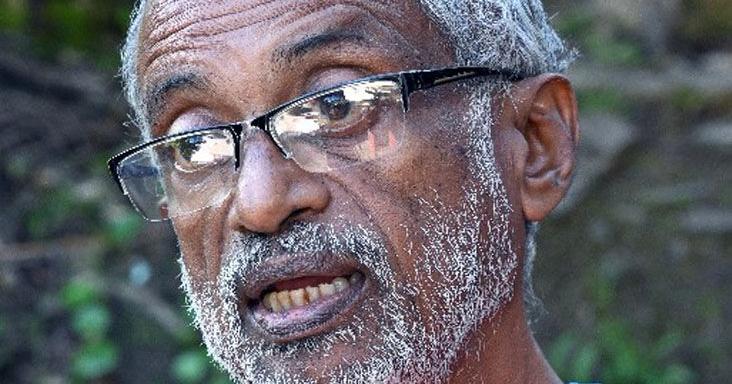
They are trying to cover their tails
The father of a man killed in a January police confrontation in St Augustine has launched a blistering attack on the Trinidad and Tobago Police Service (TTPS), calling the upcoming charges against his daughter-in-law a manufactured lie designed to shift blame and cover up police misconduct.
Christopher Samaroo, father of the deceased Joshua Samaroo, spoke out publicly one day after authorities announced Kaia Sealy would face two serious criminal charges: shooting with intent to inflict grievous bodily harm on police officers, and manslaughter for Joshua Samaroo’s death during the January 20 incident.
Rejecting the official narrative outright, Samaroo accuses the TTPS of framing Sealy to distract from their own role in the fatal encounter. In a phone interview with local outlet Express, Samaroo made clear he will not accept the police’s version of events. “Joshua is dead and my daughter-in-law is still alive, and I have to do everything to help her with his child and her,” he said, adding that law enforcement is deliberately spreading falsehoods to protect themselves from scrutiny.
Samaroo pointed out gaping logical inconsistencies in the official account, questioning how Sealy could simultaneously be the shooter and the person shot by officers. He also challenged the claim that she fired at police, noting that Joshua Samaroo had his hands extended outside of his vehicle when officers confronted him, making the police narrative impossible. “That does not make any sense. Another easy way they are trying to get out of the quicksand they are in,” Samaroo said, arguing the TTPS is facing mounting public backlash over this case and a string of other controversial police-involved shootings.
The grieving father called on Trinidad and Tobago society to confront what he described as systemic “insanity” in law enforcement. While he expressed faith that divine guidance will ultimately lead to justice, he also dropped a hint that he holds key evidence that will be revealed at the appropriate time. “I have a trump card that I will release when the time is right. The last say will be with me because I talk to my God every night, and he is going to direct me as to what is going to take place,” Samaroo said. He reiterated his unflinching accusation of institutional corruption, stating “The TTPS is corrupted, and I say that without fear or favour.”
Criston Williams, the attorney representing the Samaroo family, declined to elaborate beyond noting that the family is eager to understand how prosecutors have built the case against Sealy. “The family is very curious to see how the charge is constructed, but beyond that I have no further comment,” Williams said.