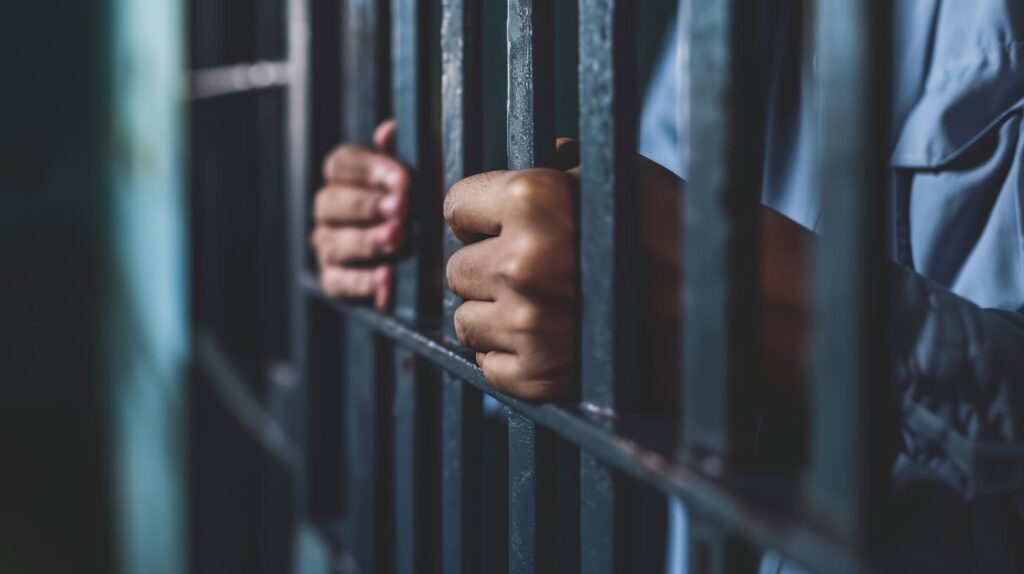
A recent investigation by Jamaica’s Police Civilian Oversight Authority (PCOA) has debunked widespread reports of a major tuberculosis (TB) outbreak at three Corporate Area police detention facilities, contradicting earlier claims that multiple defendants in the high-profile Klansman gang trial linked to the Tesha Miller faction had contracted the disease.
The initial TB exposure fears created significant disruption to the ongoing trial, leading to early adjournment of proceedings shortly after concerns were first raised during the case’s second court sitting on February 5. Presiding Justice Dale Palmer took the allegations seriously, ordering mandatory medical evaluations for all 25 co-defendants in the matter and approving the transfer of all inmates held at the three facilities flagged for potential exposure to alternative detention sites for the duration of the trial.
Following the emergence of media reports of a TB “flare-up” on February 6, 2026, PCOA inspection teams carried out two rounds of on-site assessments at the targeted lock-ups: Half-Way-Tree in the St Andrew Central Division, Hunt’s Bay in the St Andrew North Division, and Greater Portmore in the St Catherine South Division, on February 10 and 27 respectively. In an official public statement released Thursday, the authority confirmed its final findings show just one confirmed active TB case across all three facilities, located exclusively at the Hunt’s Bay lock-up.
PCOA’s investigation cross-checked facility medical logs, which documented that a licensed physician had already initiated treatment for the confirmed case and collected diagnostic samples from five additional inmates for TB testing. Local lock-up staff also reported to investigators that 10 more inmates were being monitored for possible infection, per the statement.
No evidence of TB transmission or confirmed cases was identified at the Half-Way-Tree facility, the authority confirmed. A full review of the site’s medical records turned up no documentation of TB-related patient consultations, nor any transfers of inmates to external medical providers for respiratory symptom evaluation. At the Greater Portmore lock-up, inspections also found no confirmed TB diagnoses, though medical records note one inmate received care for TB-compatible symptoms, with final test results still pending.
In a surprising secondary finding, inspectors did document that five inmates across the facilities were being treated for scabies, a contagious parasitic skin condition marked by severe itching and bumpy rashes. The PCOA also noted that Hunt’s Bay correctional staff already had access to sufficient personal protective equipment, including procedural masks, disposable gloves, and hand sanitizer, to mitigate infection risk for frontline personnel.
Beyond the TB investigation, the inspection once again shone a light on longstanding systemic issues plaguing Jamaican police lock-ups. Two of the three facilities assessed – Hunt’s Bay and Greater Portmore – were found to be operating well above their official designated capacity, with the overcapacity population made up mostly of remand prisoners awaiting trial. The PCOA has instructed local station commanders to implement immediate mitigation measures for overcrowding, and to coordinate with area commanders and court authorities to relocate excess inmates to appropriate facilities.
This is not the first time the oversight body has raised the alarm about unsafe conditions in Jamaican detention facilities. Last year, a special PCOA audit of five large lock-ups in the Area Four policing region revealed widespread overcapacity alongside major deficiencies including crumbling infrastructure, unresolved safety hazards, and ongoing public health risks. Those findings were published in the authority’s quarterly newsletter. A chicken pox outbreak was also reported at the Hunt’s Bay facility in December of the previous year, highlighting the repeated risk of infectious disease spread in overcrowded settings.
Established under the Police Civilian Oversight Authority Act of 2005, the organization holds statutory responsibility for regular inspections of police stations, lock-ups and all operational sites run by the Jamaica Constabulary Force. Routine inspections of police custody facilities are built into the authority’s annual work plan, conducted on a recurring basis to monitor conditions for inmates and staff.