分类: society

  • Daylight shooting in the city leaves multiple injured

    Daylight shooting in the city leaves multiple injured

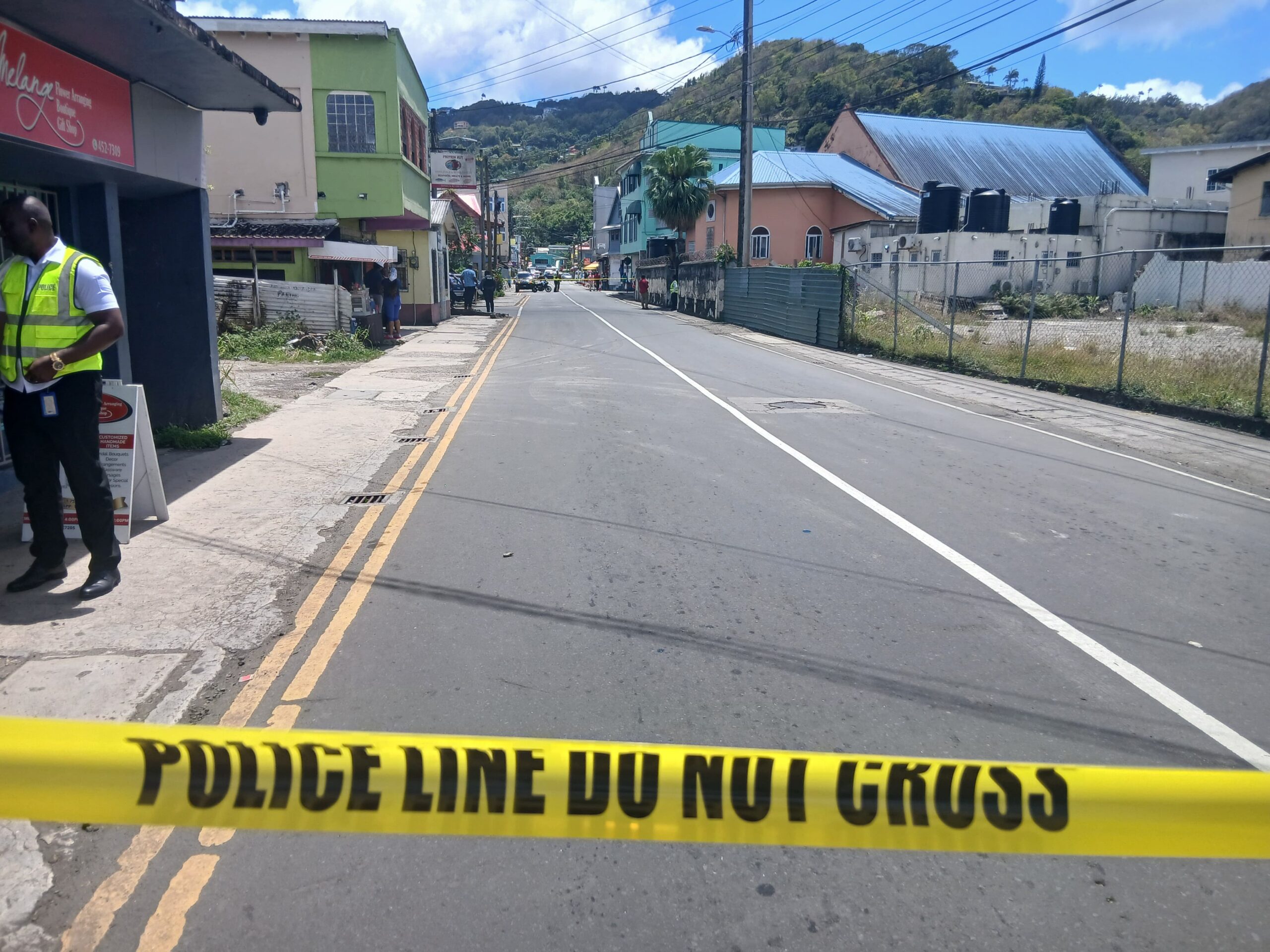
    A violent daylight shooting erupted near Chaussee Road on Wednesday afternoon, resulting in at least three individuals sustaining injuries. The incident, which unfolded in a public space, has intensified existing concerns regarding public safety and criminal violence within the community.

    According to an anonymous eyewitness account provided to St Lucia Times, the confrontation initiated when two masked individuals, described as the apparent ‘aggressors,’ approached a male victim. The verbal altercation rapidly escalated into a lethal exchange of gunfire between the parties involved. During the chaotic shootout, the targeted individual and an uninvolved bystander, tragically caught in the crossfire, were both struck by bullets.

    The situation might have culminated in far more severe casualties had it not been for the courageous intervention of an off-duty police officer who was coincidentally present in the vicinity. The officer reportedly responded to the danger without hesitation, an act which eyewitnesses believe prevented further loss of life. The anonymous source praised the officer’s bravery, stating, ‘I commend that police because I figure he’s very brave to have run in that area there by himself.’

    This event has provoked profound anxiety among citizens, sparking renewed debates on the pervasive nature of crime and the brazenness of violent acts occurring in broad daylight. The eyewitness expressed deep consternation, characterizing the violence as ‘morally destructive’ and ‘inhumane,’ while issuing a sobering reminder that any citizen, including family members, could easily become a victim of such random violence.

    As of the latest reports, local law enforcement authorities have not yet released an official statement regarding the shooting, the investigation, or the condition of the victims.
  • NBC Still Wrestling With Bus Standees and Scheduling

    NBC Still Wrestling With Bus Standees and Scheduling

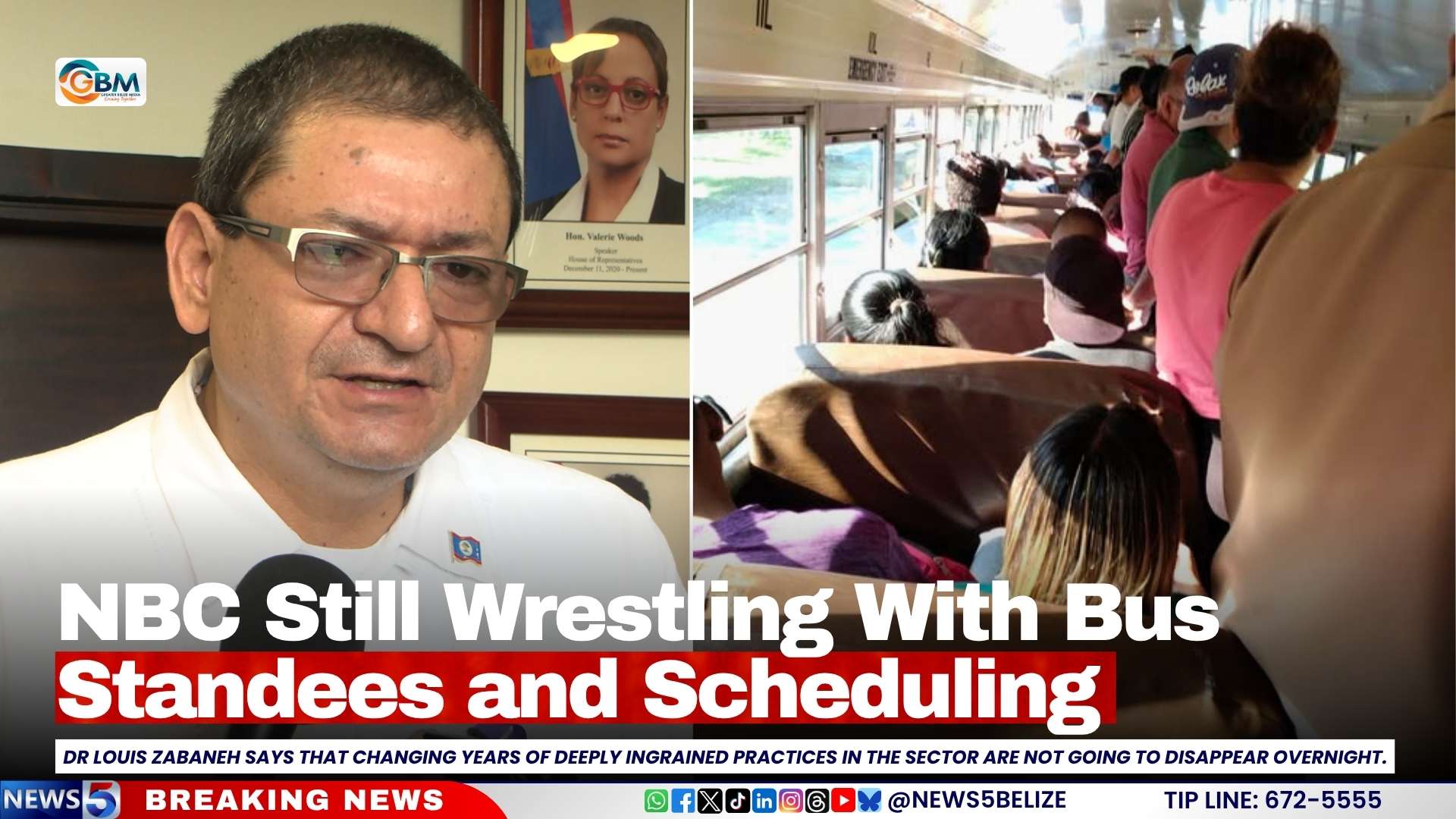
    BELIZE CITY, March 25, 2026 – The National Bus Company (NBC) continues to face significant operational hurdles in its mission to transform Belize’s public transportation network. Despite successfully integrating seventeen operators under its unified system, the organization confronts deeply entrenched practices that undermine scheduling efficiency and passenger safety.

    Transport Minister Dr. Louis Zabaneh acknowledged the systemic nature of these challenges, emphasizing that decades of established operational patterns cannot be rapidly eliminated. “We have always recognized that scheduling conflicts represent the core of this problem,” Zabaneh stated. “Historically, numerous road service permits were issued for nearly identical time slots, creating inherent inefficiencies that we are now systematically addressing.”

    The minister specifically highlighted issues with so-called “express” services that frequently fail to maintain their intended operational patterns. These vehicles often overtake regular buses only to subsequently revert to standard routes, defeating their purpose and disrupting the overall schedule integrity.

    Equally concerning remains the persistent practice of transporting standing passengers despite explicit safety prohibitions. Minister Zabaneh attributed this dangerous tradition to historical economic models where operators depended on standee fares to compensate for revenue shortfalls along certain routes. “We are actively working to transform this deeply embedded cultural practice within our transportation sector,” Zabaneh affirmed.

    The NBC’s ongoing struggle demonstrates the complex realities of modernizing public infrastructure where operational habits and economic necessities frequently conflict with safety standards and efficiency goals.

  • The memory of the FRC fire lives on, 8 years later

    The memory of the FRC fire lives on, 8 years later

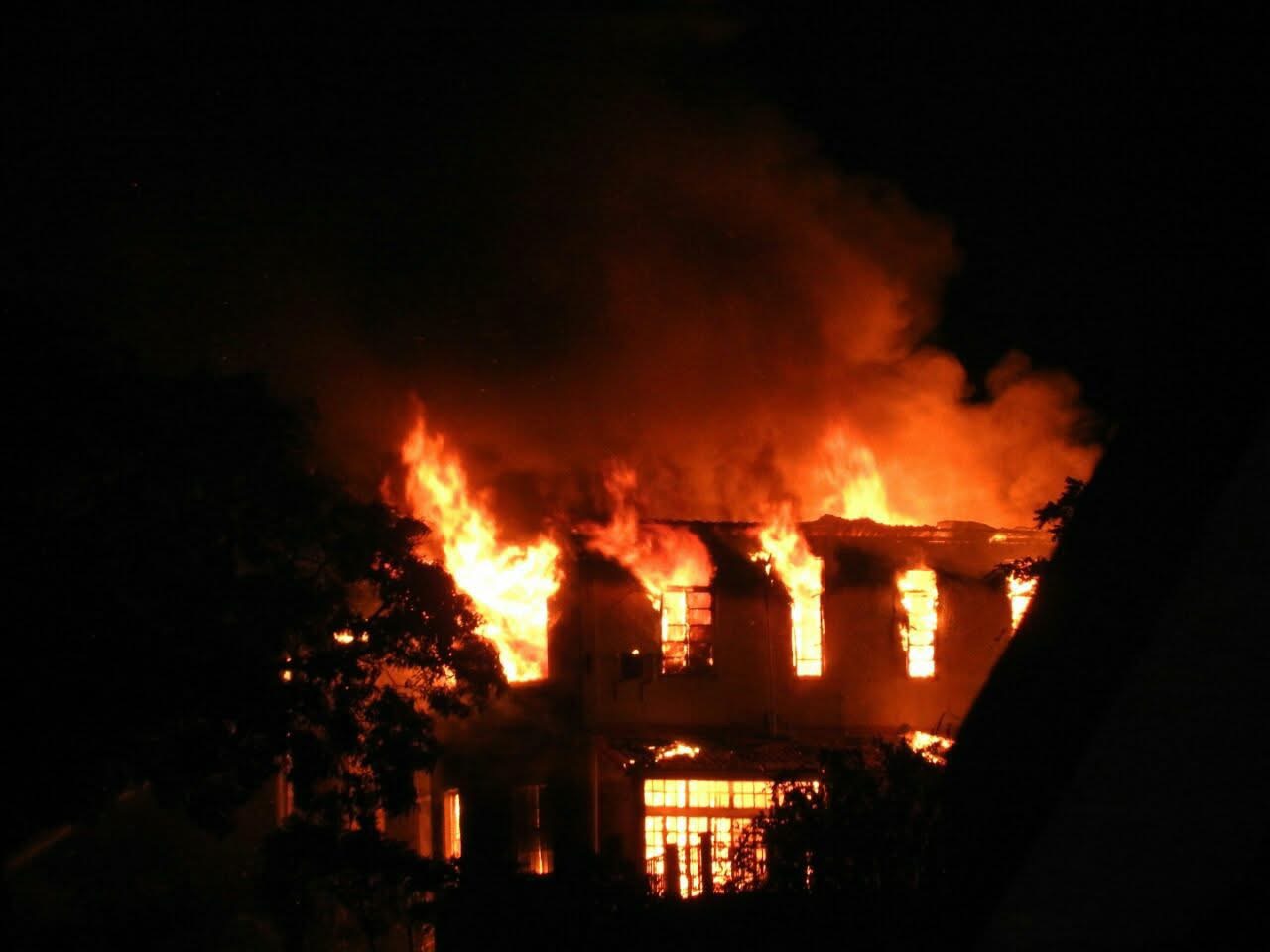
    Eight years have passed since one of Saint Lucia’s most culturally catastrophic events—the complete destruction of the Folk Research Centre (FRC) by fire on March 25, 2018. The historic institution, regarded as the nation’s cultural heart, was reduced to ashes along with irreplaceable artifacts, literature, and cultural collections that documented the island’s heritage.

    The Mount Pleasant facility served as more than just a repository—it functioned as a dynamic cultural hub where Saint Lucian identity came alive through educational classes, scholarly lectures, literary events, and community gatherings. Its physical destruction represented a profound loss to the nation’s cultural continuity.

    In the aftermath of the tragedy, FRC founder Monsignor Patrick Anthony delivered a pivotal message that would guide the institution’s recovery: “FRC was in a building but FRC was not a building. FRC was a concept of development, a vision of culture and national development and identity. Whereas fire can burn a building, fire cannot burn a vision, cannot burn a concept.”

    Today, from its new headquarters at Barnard Hill in Castries, the Folk Research Centre continues its vital mission. The organization has undertaken extensive efforts to salvage and restore damaged artifacts from the fire with notable successes, though significant challenges persist. The ongoing work demonstrates the resilience of cultural preservation even when physical structures are lost.

  • Minister Huur steunt samenwerking met SEMIF voor duurzame ontwikkeling regio’s

    Minister Huur steunt samenwerking met SEMIF voor duurzame ontwikkeling regio’s

    Suriname’s Minister of Regional Development, Miquella Huur, has formally endorsed the strategic initiatives proposed by the Suriname Environmental and Mining Foundation (SEMIF) aimed at promoting sustainable natural resource management across the country’s key regions. The foundation presented its comprehensive development framework during a high-level meeting at the ministry headquarters, outlining ongoing projects in entrepreneurship, education, community development, and environmental conservation.

    The collaborative session identified critical challenges hindering regional progress, including inadequate networking capabilities and insufficient strategic coordination among local organizations. SEMIF officials emphasized the urgent need for strengthened institutional partnerships with the ministry, particularly to advance agricultural sector development, enhance capacity building programs, and improve support mechanisms for local producers.

    A significant educational component of the proposed collaboration involves creating access to bachelor’s degree programs for approximately 90 students, representing a major step toward human resource development in the regions. Minister Huur characterized these initiatives as vital opportunities to revitalize previously stalled development projects, noting that the partnership could serve as a catalyst for sustainable regional transformation.

    The targeted regions—Brokopondo, Marowijne, and Sipaliwini—are known for their rich natural resources but have faced developmental challenges. This new government-civil society partnership aims to create a more coordinated approach to resource management while ensuring environmental sustainability remains at the forefront of economic development plans.

  • Antigua and Barbuda Joins CARICOM Call for Reparatory Justice on Slavery Remembrance Day

    Antigua and Barbuda Joins CARICOM Call for Reparatory Justice on Slavery Remembrance Day

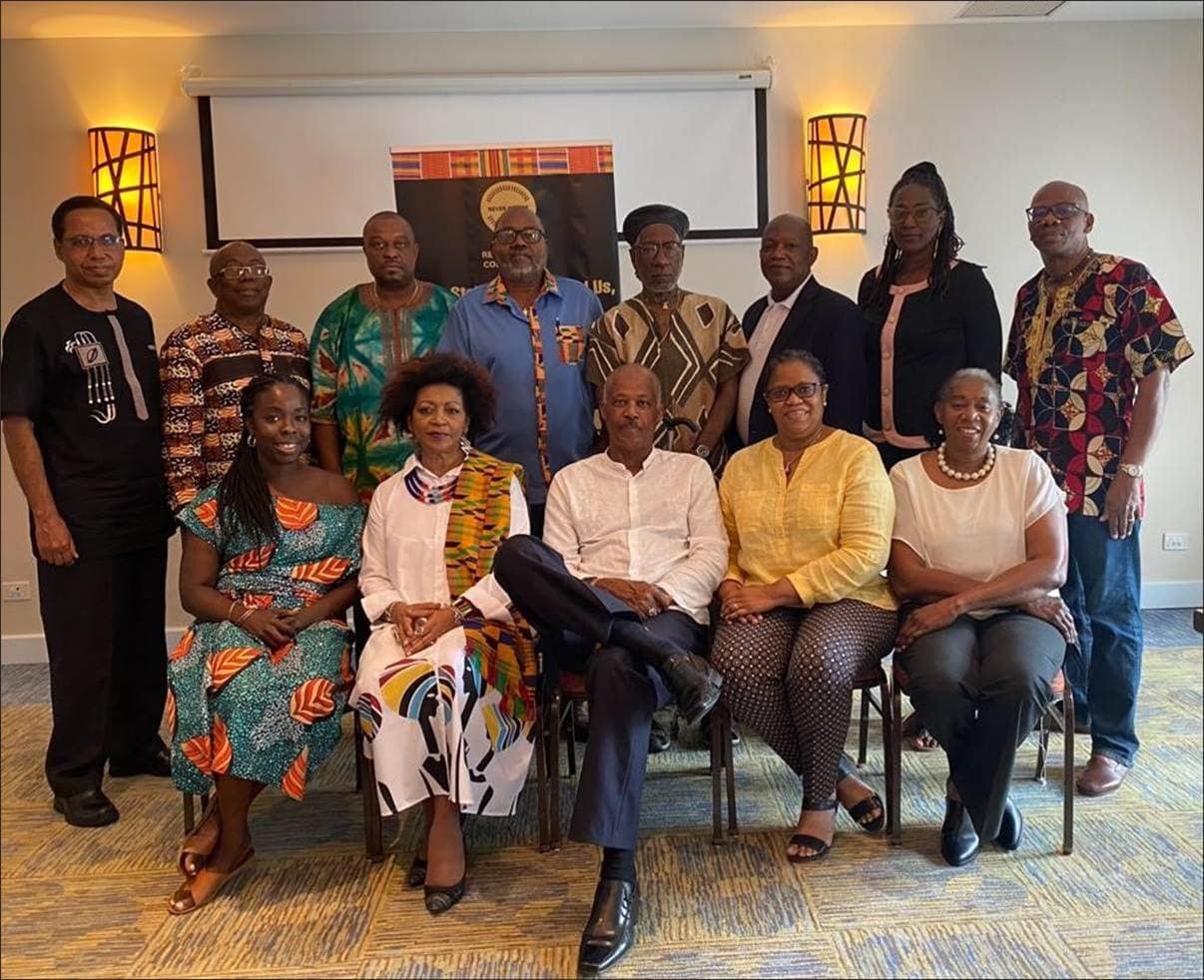
    On the International Day of Remembrance for Victims of Slavery and the Transatlantic Slave Trade, the CARICOM Reparations Commission issued a powerful declaration honoring the approximately 15 million African men, women, and children who suffered through centuries of chattel enslavement in the Americas. The commission memorialized both the unimaginable horrors endured during the Middle Passage and the systematic denial of basic humanity that characterized the institution of slavery.

    The statement simultaneously celebrated the extraordinary resilience and continuous resistance demonstrated by enslaved Africans against what it termed ‘a racialized system of European domination.’ This defiance, the commission emphasized, ultimately contributed to ending one of history’s most profound injustices.

    CARICOM’s reparations framework finds concrete expression through its Ten Point Plan for Reparations, which establishes a comprehensive roadmap for addressing historical wrongs through regional development priorities. The commission renewed its urgent appeal for restitution and compensation via structured repair programs and sustained measures to dismantle persistent structural and institutional racism.

    The commission presented a historical analysis framing transatlantic slavery as deliberately orchestrated crimes against humanity that simultaneously fueled European economic expansion while systematically underdeveloping Africa and the Caribbean. It noted how these deeply entrenched systems of exploitation continue to shape contemporary global inequalities.

    Significant momentum was identified with the African Union’s declaration of the Decade for Reparations (2026-2035), hailed as a historic commitment that strengthens global reparations efforts. This development establishes a formal framework for enhanced collaboration between African nations, Caribbean communities, and the broader diaspora in forging a unified movement.

    The commission characterized the current moment as decisive for the reparatory justice movement, citing growing international awareness and expanding coalitions across Global Africa. It reaffirmed commitment to continued advocacy, dialogue, and public education initiatives.

    In its concluding remarks, the commission honored ancestral resilience in the face of extreme adversity while calling upon the international community to take concrete action. It framed justice for victims of African enslavement as fundamentally interconnected with justice for all humanity.

    [Organizational Context]
    The CARICOM Reparations Commission functions as a regional entity building the ethical, moral, and legal case for reparations from former colonial powers and their institutions to Caribbean nations and peoples. This case rests on addressing crimes against humanity including native genocide, the Trans-Atlantic slave trade, and racialized chattel slavery.

    CARICOM (Caribbean Community), established in 1973 and revised in 2001, comprises fifteen Member States and six Associate Members representing approximately sixteen million citizens. The organization operates through four pillars: economic integration, foreign policy coordination, human/social development, and security cooperation. Its Georgetown, Guyana-based Secretariat serves as the principal administrative organ.

  • Woman Robbed of Nearly $5,000 in Jewelry in Stann Creek

    Woman Robbed of Nearly $5,000 in Jewelry in Stann Creek

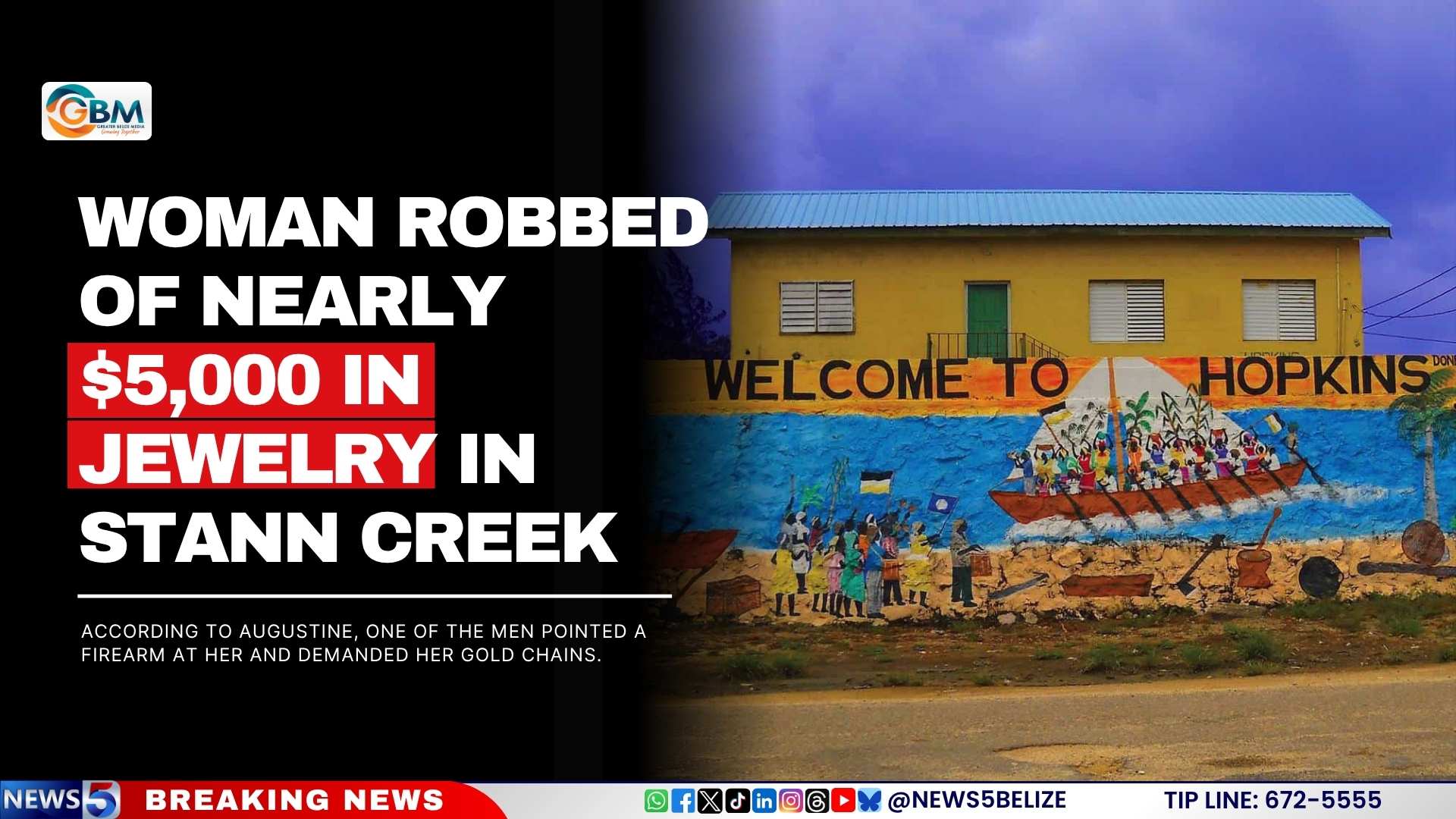
    STANN CREEK, BELIZE – A violent robbery has shaken the community of Hopkins Village following a traumatic incident in the early hours of Monday morning. Authorities have launched a manhunt for two unidentified males after they allegedly stole jewelry valued at nearly $5,000 from a local waitress.

    The victim, identified as 24-year-old Alaih Hilda Augustine, was socializing with a companion near the Savannah area shortly before 1:00 a.m. when they were approached by the suspects. According to official reports, one of the assailants brandished a firearm and directly threatened Augustine while demanding her valuable gold chains.

    In a terrifying sequence of events, the second suspect physically seized a gold chain appraised at $1,200 along with a personalized gold medal inscribed with the name ‘ALIYAH’ valued at $275. During the subsequent struggle, the victim reluctantly surrendered an additional gold chain worth approximately $3,500 to prevent further escalation of violence.

    The Belize Police Department has confirmed the total value of stolen items amounts to $4,975. Law enforcement officials are actively pursuing multiple investigative leads and have appealed to the public for any information regarding the suspects’ identities or whereabouts. The investigation remains ongoing as authorities work to apprehend those responsible for this brazen armed robbery.

  • 17 Pounds of Cannabis, Firearm Seized in City Raid

    17 Pounds of Cannabis, Firearm Seized in City Raid

    In a significant law enforcement operation on Tuesday morning, Belize City authorities apprehended two residents and confiscated substantial quantities of illegal narcotics and an unlicensed firearm. The coordinated raid, executed at approximately 10:00 a.m., targeted a residential property on Handy Side Street registered to a 31-year-old male suspect.

    Police units conducting the search discovered a green plastic bag containing eight separate packages of suspected cannabis. The total weight of the confiscated material amounted to 17 pounds. In addition to the drug seizure, officers located a .22 caliber revolver concealed within a PVC pipe, accompanied by three live rounds of .22 ammunition.

    Both the primary suspect and a 29-year-old woman present at the residence were taken into custody. Law enforcement officials have indicated that the detainees face multiple charges including possession of controlled substances with intent to distribute and illegal possession of firearm and ammunition without appropriate licensing. The investigation remains ongoing as authorities examine potential connections to broader narcotics distribution networks in the Belize City region.

  • PM Says “Unscrupulous Owners” Are Cutting Off Water and Lights on Tenants

    PM Says “Unscrupulous Owners” Are Cutting Off Water and Lights on Tenants

    The Belizean government has initiated a comprehensive review of rental market regulations in response to growing concerns about tenant exploitation and rapidly escalating housing costs. Prime Minister John Briceño has publicly condemned what he described as “unscrupulous owners” who deliberately disconnect water and electricity services to pressure tenants in single-room apartments.

    This crisis emerges against a backdrop of severe affordability challenges, where low-income families frequently allocate disproportionate shares of their monthly earnings to secure basic accommodation. The financial strain leaves minimal resources for other essential needs including nutrition, healthcare, and utilities.

    During a press briefing, Prime Minister Briceño revealed that the Cabinet has engaged in repeated high-level discussions addressing these predatory practices. While unequivocally denouncing utility disconnections as unacceptable, the Prime Minister simultaneously acknowledged the complex balance required in crafting effective policy solutions.

    “We must establish equilibrium in this situation,” Briceño stated. “Property owners have legitimate investment interests and require rental income streams. However, if regulatory measures become excessively lenient, we risk encouraging non-payment behaviors. This represents a delicate policy tightrope that我们必须 navigate with precision.”

    The administration has not yet proposed specific legislative measures or established a definitive timeline for implementation, indicating the complexity of developing protections that safeguard tenant rights while respecting property owners’ legitimate financial interests. This regulatory examination occurs within Belize’s broader affordable housing conversation, where supply constraints and income disparities continue to intensify market pressures.

  • Gov’t asks for more scholarships aligned with SVG’s needs

    Gov’t asks for more scholarships aligned with SVG’s needs

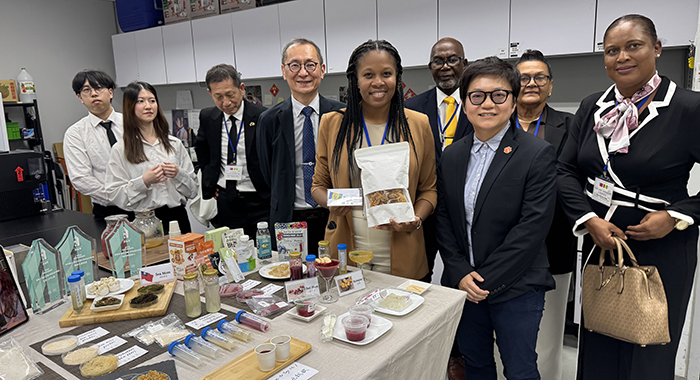
    The government of St. Vincent and the Grenadines is pursuing targeted educational collaborations with Taiwan to address pressing national development needs, according to Senator Lavern King, Minister of State in the Ministry of Education. The initiative follows high-level discussions during an official delegation to Taiwan led by Deputy Prime Minister St. Clair Leacock.

    Minister King identified pharmacology as a critical shortage area, noting that the cabinet routinely approves work permits for foreign pharmacologists due to insufficient local expertise. This skills gap was confirmed during recent consultations with the private sector, prompting the government to conduct a comprehensive audit of the nation’s current and future workforce requirements.

    “We’re adopting a pragmatic and strategic approach to scholarship distribution,” King stated at a press conference in Kingstown. The government is specifically seeking expanded opportunities in digital transformation and innovation sectors, recognizing Taiwan’s global leadership in semiconductors and artificial intelligence.

    A significant concern emerged regarding the return on investment for government-funded scholarships. Minister King revealed “a worrying trend” of scholarship recipients not returning home after completing their studies abroad. The delegation held frank discussions with Taiwan’s Ministry of Foreign Affairs about encouraging Vincentian students to return home.

    The government is developing multiple strategies to reverse this brain drain, including exploring funding mechanisms through a proposed development bank to support graduate entrepreneurship. The approach connects educational opportunities with post-study employment prospects, addressing job security concerns that often prevent professionals from returning.

    Deputy Prime Minister Leacock highlighted the broader challenge of “professional raiding” by wealthier nations offering competitive salaries in US dollars. This phenomenon creates significant attrition in key sectors, necessitating improvements in wages, working conditions, and professional motivation to retain skilled professionals.

    The educational strategy emphasizes disciplined allocation of scholarships to priority fields rather than reducing opportunities in other areas. The government seeks to expand the total number of scholarships while ensuring they align with the nation’s developmental objectives across diverse sectors.

  • Government advances national literacy drive

    Government advances national literacy drive

    Grenada’s Ministry of Education has initiated a comprehensive national program to address critical literacy gaps among young learners, following concerning data revealing that over one-third of students perform below required standards in Minimum Competency Tests. Education Minister David Andrew announced the initiative during a Post-Cabinet Briefing, emphasizing its far-reaching implications for educational attainment, employment prospects, and overall quality of life.

    The program, developed in partnership with SUMMA (the Education Research and Innovation Laboratory for Latin America and the Caribbean), targets foundational learning at the primary level, specifically focusing on students from kindergarten through Grade 4. Minister Andrew stressed that strengthening early literacy is essential to prevent long-term academic challenges, noting that proficiency in reading and writing at the primary level reduces the need for remedial interventions later in students’ educational journeys.

    This initiative builds upon the Antigua Commitment to Literacy, a regional framework established by education ministers from 11 Latin American and Caribbean countries in collaboration with SUMMA and the Organisation of Eastern Caribbean States (OECS). Preliminary groundwork has already commenced, with technical teams conducting visits to schools across Grenada to engage stakeholders and prepare for implementation.

    Central to the program’s strategy are comprehensive teacher training and curriculum redesign tailored to regional needs, incorporating modern methodologies to enhance how foundational skills are taught and acquired. The collaboration is projected to span three to six years, with a planned rollout beginning in September 2026.

    Significant financial backing has been secured through a partnership with the Global Partnership for Education, which will match local fundraising efforts dollar-for-dollar. Grenada has already obtained nearly US$500,000 in private sector commitments, reaching halfway toward its initial US$1 million target and potentially accessing up to US$2 million in matched funding.

    Minister Andrew expressed strong encouragement regarding private sector support, highlighting that Grenada’s approach has attracted international attention as a potential model for similar small states. Additional fundraising continues as the Ministry of Education prepares for the program’s official launch in the coming months, with ongoing stakeholder engagement and resource mobilization efforts.