分类: society

  • ‘Zero tolerance to school violence’

    ‘Zero tolerance to school violence’

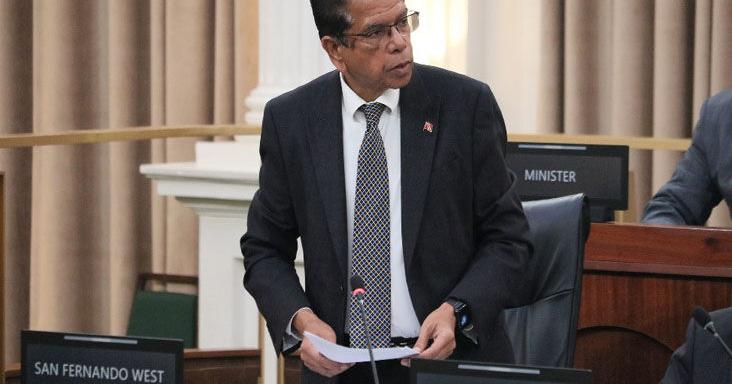
    A recent viral video capturing a violent student assault at a secondary school in Chaguanas has pushed school safety and disciplinary policy into the spotlight of Trinidad and Tobago’s parliamentary debate, prompting the nation’s top education official to reaffirm a hardline stance against campus violence.

    During Wednesday’s parliamentary sitting held at the Red House in Port of Spain, Education Minister Dr Michael Dowlath addressed questions from Opposition Member of Parliament Dr Nyan Gadsby-Dolly, who centered her query on the widely circulated footage of the attack on a male student earlier that week. Gadsby-Dolly pressed for clarity on two key points: whether the Trinidad and Tobago Police Service (TTPS) had been officially brought into the case, and what steps had been launched to hold the students responsible for the beating accountable.

    Responding to the first set of questions, Dowlath confirmed that ministry officials have already received an initial incident briefing from Chaguanas South Secondary School, the campus where the assault took place. He confirmed that school administration has formally reached out to the Chaguanas Community Police unit, and the full investigation is currently underway under law enforcement oversight. For the implicated students, Dowlath noted that the school has already launched its internal disciplinary process, collecting written testimonies from both the involved students and independent witnesses. Parents of all implicated students have already been contacted and summoned to a meeting at the school, and the ministry has ordered the school to hold formal disciplinary hearings aligned with national education policy and the National School Code of Conduct, after which official disciplinary measures will be finalized. The ministry will maintain active oversight of the case to ensure the disciplinary process concludes properly and that the school continues full cooperation with the TTPS, Dowlath added.

    Turning to the broader question of systemic responses to rising campus violence, bullying, and gang-related activity in secondary schools, Dowlath outlined a series of updated and expanded measures the ministry has rolled out to improve school safety. Most notably, the ministry has recently revised and strengthened the National School Code of Conduct, adding more explicit, clear provisions governing violent acts, in-person bullying, cyberbullying, gang-associated behavior, weapon possession, and other severe instances of misconduct. He repeated that a zero-tolerance framework remains in full effect for all serious violent acts that put student safety at risk.

    To reinforce on-the-ground safety, the national Police in Schools Programme remains active across 51 of the nation’s highest-risk secondary schools, with supplementary police patrols and cross-agency partnership deployed when needed. The ministry’s Student Support Services Division continues to deliver targeted support for at-risk students, including professional counseling, behavioral intervention programs, psychosocial support, conflict resolution training, and external referrals for students requiring more intensive support. Individual schools also receive guidance and training on evidence-based behavioral management strategies, restorative justice practices, and timely conflict intervention to de-escalate tensions before they escalate into violence. Dowlath emphasized that the ministry maintains ongoing close collaboration with parents and local school communities to strengthen student oversight, improve disciplinary standards, and expand early intervention for at-risk youth. To close, he noted that the ministry continuously tracks data on student disciplinary actions and suspensions, using this data to refine intervention strategies and allocate support services where they are most needed.

  • Up to 200% Higher; What’s Driving Belize’s Light Bill Surge?

    Up to 200% Higher; What’s Driving Belize’s Light Bill Surge?

    As summer heat settles over Belize, households across the nation are facing a crippling financial shock that has sent waves of frustration through local communities: skyrocketing electricity bills that have jumped as much as 200% in just one month, piling extra pressure on families already stretched thin by rising fuel costs and a soaring cost of living.

    In late May 2026, hundreds of Belizeans took to social media to voice their outrage over the sudden, unexpected surge in monthly energy charges, with many reporting increases of $30 to $50 above their typical bills, and others facing spikes that doubled or even tripled their previous monthly costs. Local outlet News Five sent reporter Britney Gordon to the streets of Belize City to speak directly to affected consumers and unpack the root causes of the unprecedented hike.

    The first official rate adjustment came in January 2026, when Belize Electricity Limited (BEL), the country’s main power provider, raised baseline rates to $0.4427 per kilowatt-hour. That adjustment was approved to cover $108 million in accumulated past and projected energy supply costs for the firm. Four months after that increase, BEL has submitted a new regulatory request to lock current average rates in place through July 2028, while also seeking approval to add a surcharge of up to $0.0152 per kilowatt-hour to offset unexpected short-term cost fluctuations. That proposed surcharge has not yet been approved and has not gone into effect.

    Many consumers we spoke to linked their higher bills to the recent rollout of BEL’s new smart metering system, saying costs began climbing immediately after their old meters were replaced. One Belize City resident told Gordon she has seen a $30 jump in her monthly bill directly after her traditional meter was swapped for a smart model. Another customer, who is out of her home from 5:30 a.m. to 6:30 p.m. Monday through Saturday and has not changed her energy usage habits at all, reported seeing her monthly bill surge from $62 to $237 in a single billing cycle – a jump of nearly 280% that left her stunned.

    For households that rely on air conditioning to cope with Belize’s hot season, the impact has been even more severe. One customer shared that his bill hit more than $300 when he ran his AC regularly, forcing him to stop using the unit entirely and switch to fans to cut costs, bringing his bill down to just $85. Another resident noted that while his own bill has not spiked dramatically, air conditioning is not a luxury for most Belizeans during the hot season – it is a necessity, making the price hikes all the more unfair.

    When reached for comment on consumer complaints, BEL issued a brief statement denying any changes to billing calculation outside of the January 2026 base rate increase. “We would like to clarify that no new system has been implemented for the calculation of bills, outside of the rate increase that came into effect in January…. We understand the concerns being raised and will address them further in our formal response,” the company said. The utility has yet to release a full explanation for the extreme bill spikes reported by hundreds of customers. A previously proposed time-of-use pricing system, which would have charged higher rates during peak energy consumption hours, was never approved by regulators and was never rolled out to customers.

    The sudden surge in energy costs comes at a time when Belizean households are already grappling with broad-based inflation, driven in large part by climbing global and domestic fuel prices. Many residents say they are at a loss to see how working- and middle-class families can absorb the new cost burden. “How can the Belizean people live survive in an economy such as this? We won’t make it,” one Belize City customer told Gordon.

  • Double Murder, Double Guilty: Court Rejects Miguelito’s Story

    Double Murder, Double Guilty: Court Rejects Miguelito’s Story

    More than three years after two fatal shootings shook the quiet community of Ladyville, a high court has delivered a guilty verdict in a case that gripped local attention, closing a key chapter in one of the area’s most high-profile homicide investigations. On Friday, May 22, 2026, Justice Candace Nanton found 49-year-old Miguelito Encalada guilty on two counts of murder for the deaths of his wife Desiree Gonzalez and his brother George Rochester, who were gunned down in public during daylight hours back in April 2023.

    From the earliest stages of the investigation, Encalada maintained a consistent claim of innocence: he told responding officers that armed intruders had stormed his local business, opened fire on his family members, and unexpectedly left him alive to tell the story. For years, that narrative formed the backbone of his defense, but prosecutors spent months building a case that dismantled that account entirely.

    The turning point in the trial came from forensic evidence that directly linked the fatal bullets to Encalada’s own legally licensed firearm. After weeks of witness testimony and expert analysis of ballistic records, Justice Nanton ruled that the state had proven its case beyond a reasonable doubt, throwing out Encalada’s version of events entirely. Just minutes after wrapping up her review of the evidence, she delivered the two guilty verdicts to a packed courtroom.

    Relatives of both Gonzalez and Rochester filled the public gallery for the highly anticipated verdict. Multiple onlookers reported that family members reacted with quiet emotion as the ruling was read out, with some wiping away tears after months of waiting for a resolution. The case is now set to move to the sentencing phase, scheduled for July 2026. Justice Nanton has ordered multiple pre-sentencing reports to be compiled, as the court weighs whether to pursue capital punishment for the convictions, which carries the highest possible penalty under Belizean law.

    Local legal observers note that the case has drawn widespread community attention because of the familial connections between the defendant and the victims, as well as the shocking nature of the public shootings that happened in broad daylight. The conviction brings a measure of closure for the families, though the final sentence will not be decided for another two months.

  • Escape in Black SUV Ends in Arrests, Murder Case Cracked

    Escape in Black SUV Ends in Arrests, Murder Case Cracked

    In the peaceful small community of Unitedville, located in Belize’s Cayo District, a brazen fatal shooting that left local resident Allen Gongora dead last month has been cracked by law enforcement just days after the attack, with two people — including a 15-year-old minor — already facing formal murder charges.

    The incident unfolded on the evening of May 19, 2026, when 43-year-old Gongora was gunned down inside his own home. The violent attack sent shockwaves through the normally quiet neighborhood, with local residents immediately reporting hearing multiple gunshots ring out before witnesses observed a male suspect fleeing the property. According to initial investigative accounts, the suspect escaped the scene in a black SUV, fleeing at high speed toward the nearby city of Belmopan.

    In a formal statement confirming the major breakthrough in the case, Assistant Superintendent of Police Stacy Smith, a staff officer with the department, announced that both the 15-year-old male minor and 27-year-old Jevon Ramclam — both residents of Belize City — have been taken into custody and officially charged with murder. Early in the investigation, Smith confirmed that law enforcement believes the killing is tied to illegal drug activity.

    The investigation remains ongoing, with authorities expecting more arrests to come as they continue to untangle the full scope of the conspiracy behind the shooting. Investigators are still processing evidence connected to the firearms recovered in the case, which have been sent to the National Forensic and Science Services Laboratory for ballistic and forensic testing. Smith noted that standard evidence processing protocols are being followed to build a solid case against all parties involved, and law enforcement continues to collect new witness testimony and supporting information to advance the inquiry.

    This case marks another high-profile homicide investigation in the Cayo District, with the quick arrests offering a early resolution for a community that has been on edge since the deadly attack.

  • Twelve Years for a Killing; Why Baizar’s Family Says It’s Not Enough

    Twelve Years for a Killing; Why Baizar’s Family Says It’s Not Enough

    On a scheduled military rotation at a remote Belizean outpost in 2025, serving Belize Defense Force (BDF) officer Clive Baizar was shot and killed by a fellow service member. More than a year after the killing, a court’s final sentencing has reignited grief and frustration among Baizar’s surviving relatives, who say the punishment handed down falls far short of the justice they have long awaited.

    Last week, in exclusive interviews with local media, members of Baizar’s family shared their profound disappointment with the case’s outcome. The family had entered the trial process holding out for a murder conviction, a charge they believed matched the gravity of Baizar’s death while he was on active duty. Instead, the accused shooter was found guilty of the lesser offense of manslaughter and sentenced to just 12 years in prison.

    To unpack the procedural steps that led to this outcome, reporters spoke with Francis Usher, Chief Executive Officer of Belize’s Ministry of National Defense. Usher, who was an active BDF member when the shooting occurred, emphasized that both the defense force and the national ministry fulfilled their legal obligations fully by turning over every piece of available evidence to the Director of Public Prosecutions, the independent body with final authority over how the case was prosecuted.

    Reflecting on the 2025 incident, Usher described the killing as a devastating blow to the entire BDF community. “It hit all of us extremely hard, not only because he was a serving member of the force, but also because he was a serving member of the force on duty,” Usher said. “There was various factors but it was ultimately caused by another member of the force and that rocked all of us. But as an organization, as the BDF, as the ministry, our duty at that point was to ensure that all the relevant documents, evidence, reports, were compiled, not tampered with and was submitted for justice to take its course based on the events that occurred and those that were there, the evidence on hand. So we handed all of those over. How does it strike me? It was difficult at the time and every time I think about it, it is still difficult.”

    In the wake of the fatal shooting, BDF leadership implemented a key policy update: revising regulations governing alcohol possession and consumption on all military bases across the country, a change designed to prevent similar violent incidents in the future. But for Baizar’s loved ones, even institutional reforms cannot ease the discontent they feel over the sentencing result. The family’s dissatisfaction draws added context from ongoing conversations about violent misconduct among Belizean security forces: a separate trending investigation is currently examining a pattern of domestic violence involving another active police officer, raising broader questions about accountability for uniformed personnel.

    This report is adapted from a transcribed broadcast of a local evening news program, with all quoted statements preserved in their original context.

  • Teen Among Two Nabbed in Caye Caulker Drug Bust

    Teen Among Two Nabbed in Caye Caulker Drug Bust

    In a series of coordinated law enforcement actions across Belize in late May 2026, authorities have taken large quantities of illegal narcotics and unregistered firearms off the streets, arresting five suspects including one teenager.

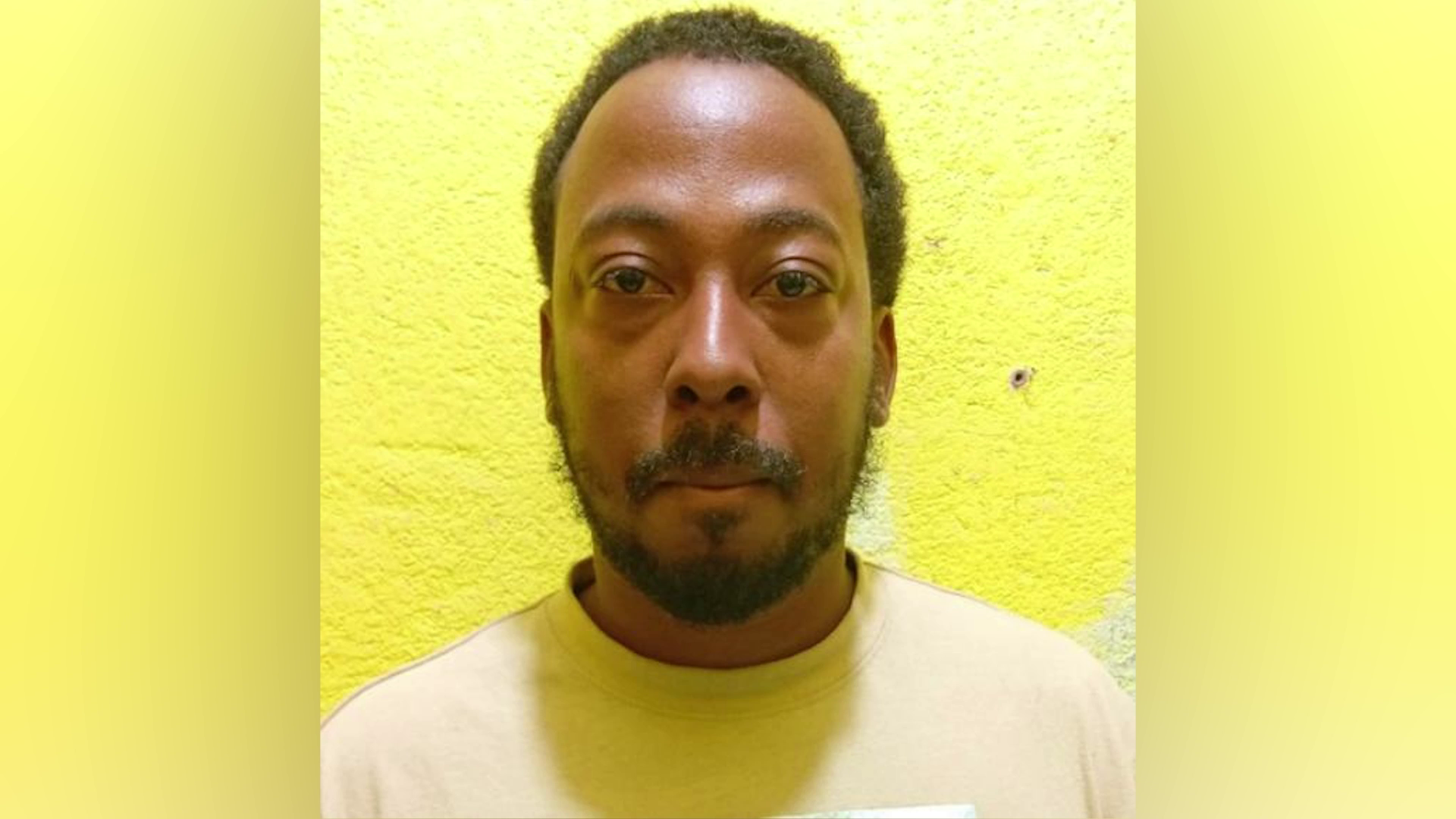
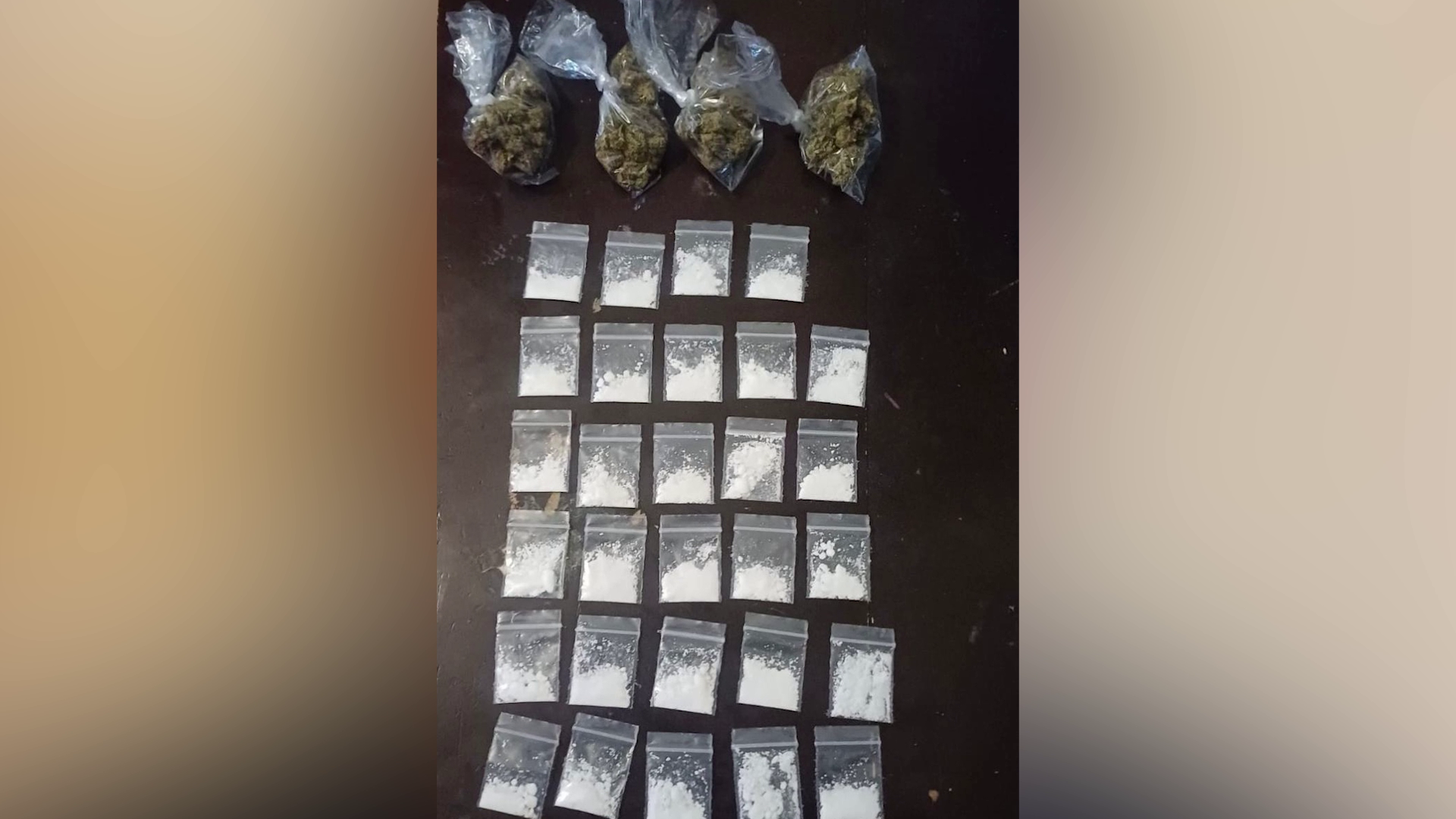
    The first bust unfolded on the popular island community of Caye Caulker, where a routine police patrol turned into a major drug trafficking raid targeting a local residential property. During the search of the home, officers uncovered 19 zip-lock plastic bags holding a total of 16.1 grams of suspected cocaine, alongside four bags of cannabis weighing 21.3 grams. A subsequent search of 22-year-old local resident Idan Pineda, one of the two suspects taken into custody, yielded an additional four zip-lock bags containing 2.45 grams more suspected cocaine.

    Alongside Pineda, officers arrested a 15-year-old minor from the same village. Both suspects face joint charges of possession of controlled substances with intent to supply – the formal charge for drug trafficking – as well as simple possession of controlled drugs. Pineda faces an additional trafficking charge connected to the narcotics found on his person. The inclusion of such a young suspect has sparked renewed public concern about the penetration of drug activity into youth populations on Belize’s island communities.

    Across the mainland in Belize City, which remains under a public State of Emergency due to surging gang-related violence and gun crime, two separate Special Patrol Unit operations led to the seizure of two illegal nine-millimeter pistols and the arrest of two local men. Thirty-one-year-old Kendale Carcamo of Ebony Street was arrested after a loaded black Beretta pistol holding 14 live rounds fell from his waist during a routine search of his residence. Officers also found 0.8 grams of suspected cocaine on Carcamo, leading to additional drug possession charges alongside counts of unlicensed firearm and ammunition possession.

    Twenty-five-year-old Jermaine Anderson from the Conch Shell Bay area was arrested separately after officers uncovered an unregistered black Austrian-made nine-millimeter pistol at his home. He has been charged with illegal firearm possession. The seizures mark the latest progress in the Belize Police Department’s ongoing city-wide crackdown on illegal gun crime, launched to curb rising gang-related violence that prompted the declaration of a State of Emergency.

    The third major operation took place in Belmopan, the nation’s capital, carried out by the specialized Gang Intelligence Investigation and Interdiction Unit (GI3) on May 20, 2026. The raid on a Belmopan residence led to the seizure of 585 grams of suspected crack cocaine, contained in three separate plastic bags. Three suspects – 23-year-old Ayana Samuel, 19-year-old Taysha Young, and 20-year-old Akeem Myvette – were arrested and jointly charged with drug trafficking. Police have confirmed that targeted enforcement operations will continue across the capital in the coming weeks to disrupt drug distribution networks.

    This report is compiled from a transcribed evening television newscast covering the latest round of anti-crime actions across the country.

  • Belizean Workers Gain Global Support as UN Backs Right to Strike

    Belizean Workers Gain Global Support as UN Backs Right to Strike

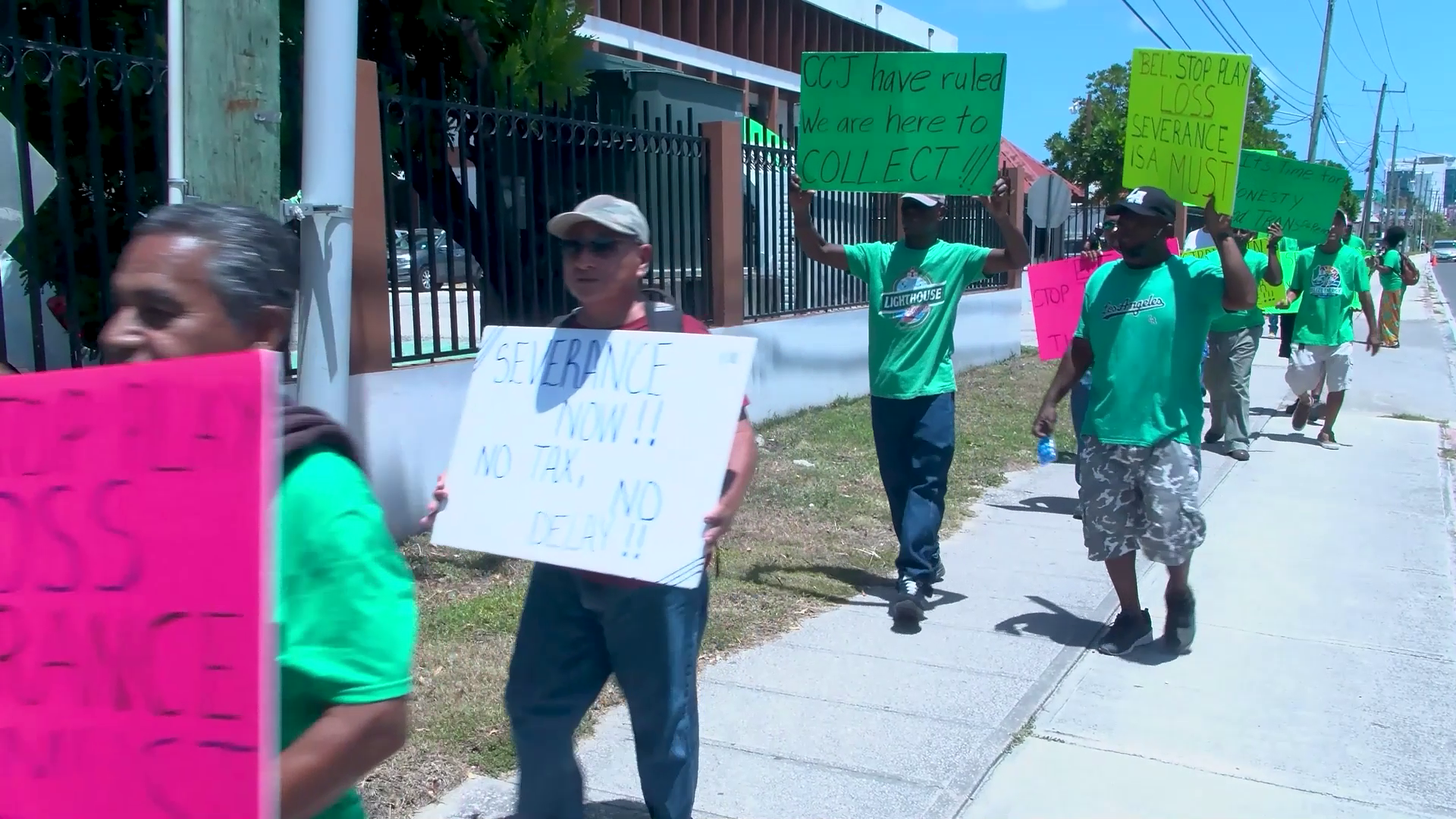
    In a landmark decision that has sent ripples through global labor advocacy circles, the International Court of Justice (ICJ), the United Nations’ highest judicial body, has formally affirmed that the right to strike is protected under the core International Labour Organization (ILO) Convention 87, delivering a critical boost to Belizean workers who have long pushed for clearer legal protections for collective action.

    Dated May 22, 2026, the ruling clarifies a long-debated interpretation of global labor standards, cementing the link between the fundamental right to freedom of association enshrined in ILO Convention 87 and workers’ ability to withdraw labor as a collective bargaining tool. For the Central American nation of Belize, the international decision carries particular local weight. While Belize’s national constitution already enshrines the rights to freedom of assembly and association, the ICJ’s ruling adds an authoritative, binding layer of international legal protection that reinforces domestic labor rights.

    Dean Flowers, president of Belize’s Public Service Union, framed the decision as a transformative victory for workers both in Belize and across the globe. He noted that while Belize has not historically blocked workers’ right to strike, countless workers in other regions have faced violent repression, imprisonment, and legal bans when they have taken collective action after reaching an impasse with employers or governments. “This solidifies our right here in Belize to continue withdrawing our labor when government believes that they can ignore us,” Flowers explained in an interview following the ruling. “It gives us the assurance that we can act when government tries to impose policy decisions on the people we represent without meaningful consultation.”

    Flowers emphasized that Belizean workers do not use strike action arbitrarily; strikes are only called when core constitutional rights to engagement, consultation, and transparent communication have been breached by authorities. Looking ahead, he called on Belizean policymakers to update domestic legislation to explicitly codify the right to strike in the revised Trade Unions Registration and Recognition Act, arguing that the formal legal alignment with the international ruling would strengthen labor protections for all Belizean workers.

    Legal analysts have cautioned that the ICJ ruling does not serve as a blanket “free pass” for unregulated work stoppages, nor does it outline specific rules governing when and how strikes may be conducted. Instead, the decision’s core contribution is its clear, formal confirmation that the right to strike falls under the protection of freedom of association guaranteed by international labor law, setting a binding precedent for labor rights disputes across all ILO member states.

    This report is adapted from a transcript of a televised evening newscast focused on Belizean current affairs.

  • Citizen security council to be reconstituted amid rising crime

    Citizen security council to be reconstituted amid rising crime

    As firearm-linked homicides continue their upward trajectory across Barbados, the Mia Mottley-led administration is moving to reactivate the National Advisory Council on Citizen Security, a key anti-crime body that has not convened since the February general election, multiple sources close to the process have confirmed to Barbados TODAY.

    The council was first established in 2024, born from urgent public outcry after a devastating wave of gun violence that culminated in a mass shooting in Bridgetown’s Nelson Street. That attack left three men dead, eight others injured, and two additional children wounded in separate connected incidents, prompting Prime Minister Mottley to label the shootings a shocking, reckless string of attacks targeting vulnerable Barbadian citizens. At the time of its launch, Mottley tasked the body with developing evidence-based, comprehensive solutions to the island’s growing crime crisis, with a core focus on advising the government on updated anti-gang legislation and a national gun amnesty program.

    Over its initial tenure, the council made notable progress, contributing to draft crime legislation and submitting policy recommendations across a range of public safety related areas. But the body faced early structural turmoil when its founding chair, law professor Velma Newton, stepped down just over a year into her post, citing deep-rooted operational flaws that hampered the council’s ability to deliver results.

    In her resignation letter to the prime minister, Newton outlined that she had delayed her own long-term professional commitments to take the role, drawn by a commitment to addressing national violence, but fundamental planning oversights undermined the work from the start. She criticized the original 24-member structure as unwieldy, noting that a large share of appointed members were unable to attend regular meetings or contribute to the baseline research needed to map existing social support services for at-risk youth, disabled people, and affected families. Adding to the dysfunction, Newton revealed that no dedicated administrative secretary was allocated to the council, even after a formal budget was submitted to the responsible ministry shortly after launch. For nearly nine months, she wrote, the chair and one non-council volunteer were solely responsible for all data collection and member correspondence.

    Just days after the council’s initial formation, the Prime Minister’s Office announced an expansion that added three lay community members and an additional stakeholder group, after a wide range of civil society organizations and individual experts reached out offering to contribute. Mottley noted at the time that she sought to avoid overburdening the full council with excessive membership, but planned to co-opt additional specialists to join smaller working sub-committees focused on specific policy areas.

    The scale of Barbados’s violence crisis has grown increasingly alarming in the years since the council was launched. In 2024, the island recorded an initial count of 49 murders, representing a 158% jump from the prior year, with an additional manslaughter case bringing the final total to 50 – the highest number of annual homicides ever recorded in Barbados’s history. That record high remained unchanged last year, and five months into the current year, the island has already recorded 25 killings, the vast majority linked to gun violence.

    The council is currently chaired by Senate President Reginald Farley, and the Mottley administration is preparing to formally reconstitute the body to resume its work on addressing the national violence crisis.

  • Camalote Man Loses Leg In Motorcycle Crash

    Camalote Man Loses Leg In Motorcycle Crash

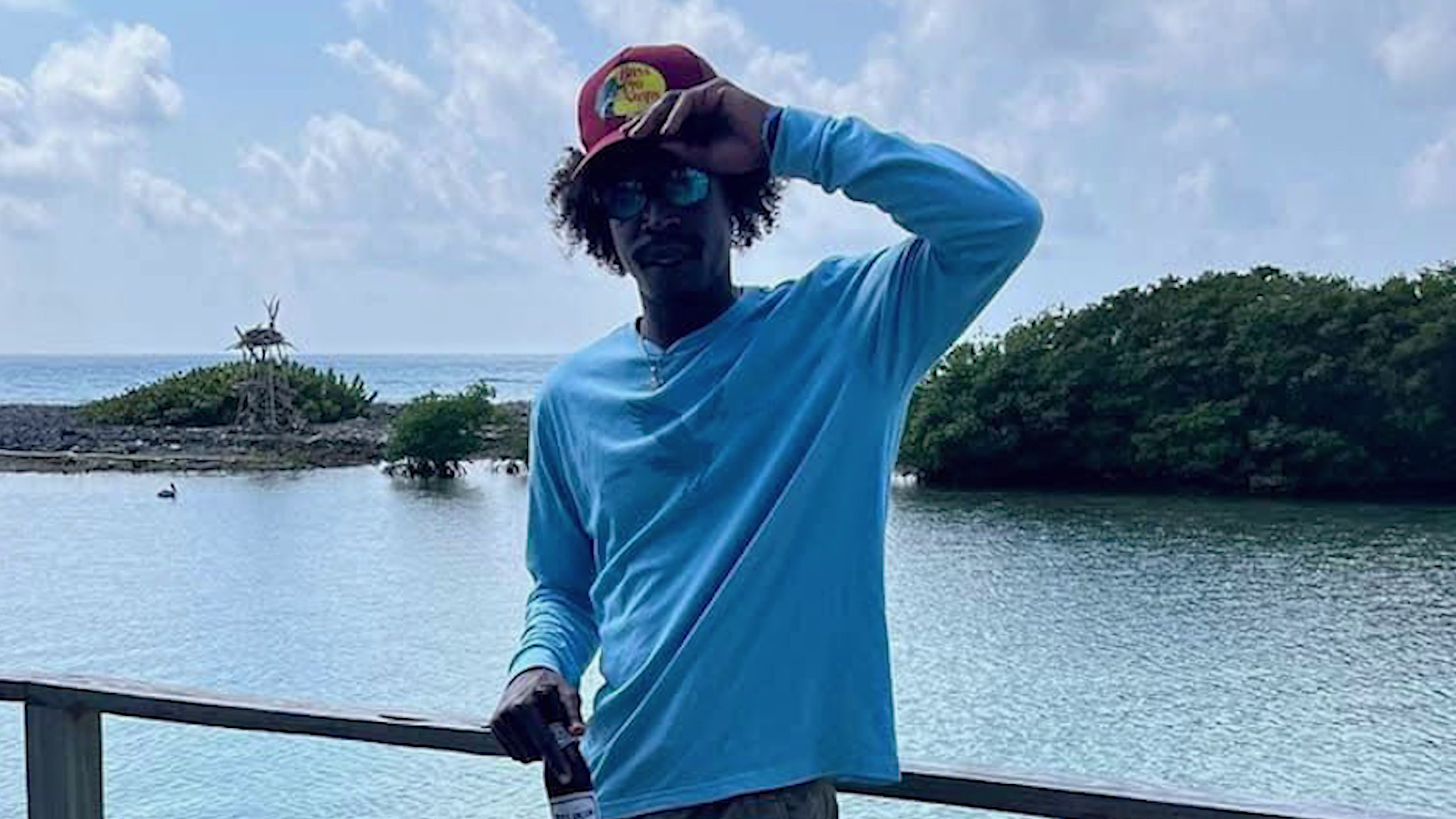
    A devastating single-vehicle motorcycle crash on the George Price Highway in Belize’s Cayo District has left a local man with life-altering injuries, authorities confirmed. The incident, which occurred on Wednesday near Teakettle Village, has been identified as involving 29-year-old Adrian Gerald Banner, a resident of Camalote Village.

    According to official investigative updates from local law enforcement, Banner was operating a black Lifan dirt bike heading westbound between the 52 and 53-mile markers of the highway when he made the decision to overtake three separate vehicles that were traveling in the same direction as he was. Trouble arose as the motorcyclist attempted to merge back into his original lane ahead of an upcoming curved section of road. In that moment, he lost full control of his motorcycle, veered off the travel lane, and crashed violently into an iron guardrail positioned along the right shoulder of the highway.

    The force of the high-speed impact inflicted catastrophic damage to Banner’s body. His right leg was completely severed in the crash, and he also sustained multiple painful abrasions across his arms, chin, and head. First aid arrived on scene quickly: local police officers, members of the Belize Defence Force who were operating in the nearby area, and ordinary bystanders all rushed to the motorcyclist’s aid immediately after the crash. They provided urgent preliminary care before an ambulance could arrive to transport the seriously injured man to the Western Regional Hospital for emergency treatment.

    As of the latest update from law enforcement, investigators are still working to piece together all of the contributing circumstances surrounding the crash to determine a full official cause. This report is adapted from a transcribed broadcast evening newscast, with formatting and original phrasing adjusted for clarity in online reading.

    In other trending local news, construction work on the new Caye Caulker Police Station is set to resume in the near future.

  • Social : Launch of the first shelters for women victims of violence

    Social : Launch of the first shelters for women victims of violence

    In a landmark step forward for gender justice in Haiti, top government officials officially opened the nation’s first dedicated safe shelters for women and girls who have survived gender-based violence on Friday, May 22, 2026. The launch ceremony, led by Prime Minister Alix Didier Fils-Aimé alongside Pédrica Saint-Jean, Haiti’s Minister for the Status of Women and Women’s Rights, drew attendance from representatives of UN Women, international technical and financial partners, and members of the diplomatic corps based in Port-au-Prince.

    Across the country, four such shelters will be constructed across four key departments: West, Grand’Anse, Central, and Artibonite. The first completed facility, located in the West Department’s Vivy-Mitchell district, was the site of Friday’s inauguration. Purpose-built to prioritize survivor safety, dignity and holistic healing, the shelter comes equipped with modern amenities including eight private dormitories, dedicated reception zones, a communal cafeteria, an on-site infirmary, a recreation space, and segregated secured areas designed to protect residents. Unlike many temporary support projects in Haiti that rely on international donor funding, this entire initiative is financed directly by the Haitian national government.

    For countless Haitian women who have endured gender-based violence in silence for decades, the opening of these shelters represents more than just a new infrastructure project—it is a tangible demonstration of the state’s commitment to protecting its most vulnerable citizens. Marie Gorreti Nduway, UN Women’s country representative to Haiti, spoke emotionally at the ceremony, praising the launch as a transformative milestone for women’s rights in the country. She called the initiative a concrete victory for Haitian women, and reaffirmed UN Women’s long-term commitment to partnering with the Haitian government to sustain and expand the shelter program.

    Minister Saint-Jean also shared her moving reaction to the completion of the first facility, framing the shelters as an indispensable turning point in the national fight to defend women’s dignity and guarantee their protection. She highlighted that beyond physical safety, the shelters will provide survivors with confidential, individualized psychosocial support tailored to each person’s unique healing journey.

    In his address to attendees, Prime Minister Fils-Aimé framed the project as a powerful act of national solidarity, justice, and collective hope. “Faced with violence, we choose light,” he said. “These houses will be spaces for rebuilding, rebirth, and dignity. Women have the right to protection, to be heard, and to receive support.” To ensure the long-term stability of the program, the prime minister announced that sustained funding for all four shelters will be written into the upcoming national supplementary budget, locking in government support for years to come.