分类: society

  • Friend Discovers Body of Pregnant Belize City Woman

    Friend Discovers Body of Pregnant Belize City Woman

    On a Sunday morning in Belize City, a grim discovery unfolded at a Vernon Street apartment building that has left the local community reeling. Law enforcement officials confirmed during a midafternoon press briefing that 22-year-old Kimane Garbutt, who was pregnant, was found dead in an advanced state of decomposition at the property.

    The sequence of events that led to the discovery began the previous day, when Garbutt was last spotted alive by a close friend at approximately 7:00 a.m. At that time, Garbutt told her friend she was feeling unwell, prompting growing concern when she did not reach out again in the following hours. After multiple attempts to contact Garbutt via phone went unanswered, the friend made the decision to travel to her Vernon Street residence to check on her wellbeing shortly after 9:30 a.m. Sunday.

    Upon entering the apartment, the friend made the tragic discovery of Garbutt’s body, and immediately contacted local police to report the incident. Police Commissioner (or lead investigator) Smith stated that at this early stage of the investigation, law enforcement does not suspect foul play was involved in Garbutt’s death. The body has been transported to a forensic facility, where it is currently awaiting a full post-mortem examination to confirm the exact cause and timeline of death, with official results expected to be released in the coming days once forensic analysis is complete. Local community members have expressed shock and sorrow over the death of the young pregnant woman, as the investigation continues to move forward.

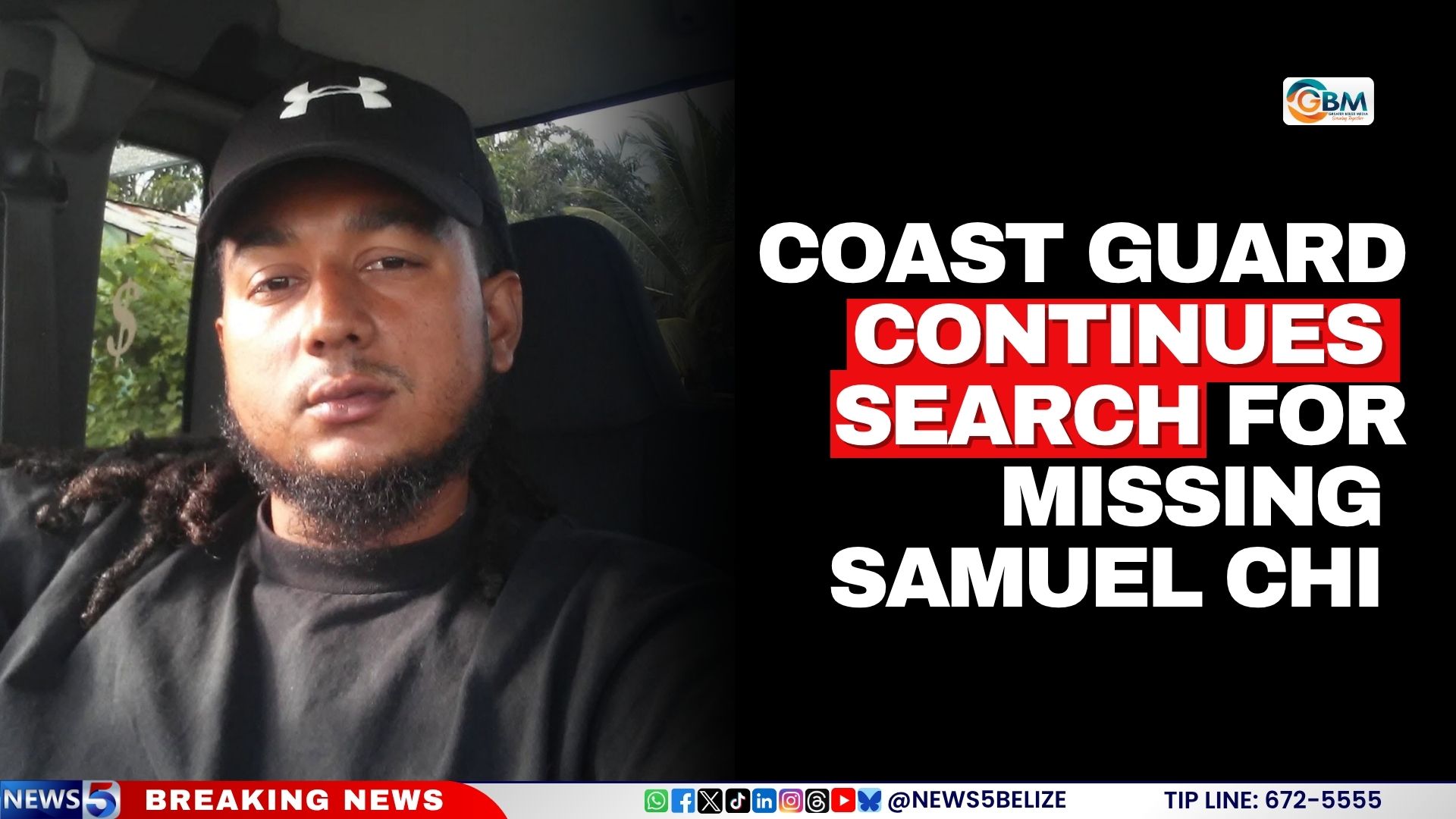
  • Coast Guard Continues Search for Missing Samuel Chi

    Coast Guard Continues Search for Missing Samuel Chi

    On August 3, 2026, search and rescue operations led by the Belize Coast Guard entered a new phase after teams recovered one of two men who went missing during a weekend boating trip off the coast of Caye Caulker. However, efforts are still intensifying to locate the second missing person, Samuel Chi, and the small vessel the pair were traveling in.

    The incident began when Albert Vacarro and Samuel Chi failed to return to shore from their recreational outing on Sunday night, prompting an immediate missing persons report to local authorities. Assistant Superintendent Stacy Smith officially confirmed the details of the report during a scheduled police briefing held on the afternoon of August 3.

    Within hours of the report being filed, search operations launched around 10:00 p.m. on Sunday, covering hundreds of nautical acres across the waters surrounding Coffee Caye and the adjacent smaller island chains. After more than 12 hours of coordinated searching, search teams made a breakthrough: around 11:30 a.m. on August 3, a Belize Coast Guard patrol vessel spotted Vacarro floating adrift in open water, Lieutenant Mark Choc, Operations Officer for the Belize Coast Guard, confirmed in an interview with local outlet News Five.

    First responders conducted an on-site medical evaluation immediately after pulling Vacarro from the water. The assessment found that Vacarro was suffering from severe dehydration and significant disorientation as a result of his time stranded at sea. “He was dehydrated and disoriented, whereby he was not able to confirm what really transpired,” Choc explained in his statement, noting that Vacarro’s condition left investigators unable to immediately piece together the sequence of events that led to the pair going missing.

    As the search for Chi dragged on through the day, the Belize Coast Guard expanded the operation by activating a joint task force with two additional local agencies: the Belize Port Authority and the national Fisheries Department. The combined team has deployed additional surface vessels and expanded the search grid to cover more distant coastal areas in the region.

    As of the afternoon of August 3, Chi remains unaccounted for, and the vessel the two men departed on has still not been located by search teams. The Belize Coast Guard has confirmed that search and rescue efforts will continue around the clock until Chi is found, and investigators will launch a full review to identify the root cause of the incident once all parties are recovered.

  • 279 Cadets Graduate From 27th Annual Police Youth Camp

    279 Cadets Graduate From 27th Annual Police Youth Camp

    After a week-long immersive program focused on leadership development and friendly competition, Belize’s 27th Annual National Police Youth Cadet Corps Camp drew to a formal close on Saturday, August 1, in the coastal town of Dangriga. The annual initiative, hosted by the Belize Police Department, marked another successful year of empowering young people across the nation, with 279 local cadets taking part in this year’s iteration.

    Organized around the core theme “Command with Honour, Inspire Action, Teaching Young Minds for a Successful Tomorrow,” the camp brought together participants and staff from every region of Belize. In addition to the 279 youth cadets, 80 instructors made up of active police officers and civilian volunteers collaborated to deliver structured training, mentorship, and skill-building activities throughout the week.

    Beyond leadership workshops, the week’s schedule included inter-regional athletic competitions, ceremonial foot drill contests, and promotional assessments for cadets seeking advancement within the corps. When the final scores were tallied, the Northern Region claimed top honors in both football and foot drill, while the Eastern Region secured first place in the basketball and volleyball tournaments.

    Assistant Superintendent Stacy Smith shared details of the camp’s outcomes during an afternoon police briefing held following the closing ceremonies. Smith confirmed that 69 participating cadets successfully passed their promotional examinations and earned advancements in rank within the cadet corps. The week-long program concluded with a formal award ceremony recognizing top-performing participants and teams, followed by a celebratory public parade that wound through the streets of central Dangriga.

  • NCF warns against AI-generated Crop Over videos

    NCF warns against AI-generated Crop Over videos

    Barbados’ National Cultural Foundation (NCF) has issued a public alert over the spread of deceptive AI-generated videos that falsely claim to show the country’s iconic Grand Kadooment festival, urging audiences to seek only verified, official content for accurate coverage of the beloved cultural event. In a public statement released Monday, foundation representatives confirmed they have identified multiple AI-created clips circulating across YouTube and other major digital platforms that incorrectly frame synthetic imagery as authentic festival content. Many of these misleading videos are structured with headlines, descriptions and formatting designed to trick viewers into mistaking them for legitimate live streams, official event recordings or authentic on-the-ground footage, the NCF explained.

    In its formal release, the NCF drew a clear line between authentic festival content and the synthetic clips, stressing that none of these AI-generated videos were produced, commissioned, approved or officially endorsed by the foundation. “These materials do not offer an accurate visual record of Grand Kadooment, and they should not be treated as a true reflection of the entire Crop Over experience,” the statement added.

    Grand Kadooment, the centerpiece of Barbados’ annual Crop Over festival, is far more than a public celebration: it is a living, evolving expression of Barbadian national identity, crafted collectively by a sprawling community of local creative talent. From bandleaders and costume designers to independent artisans, musicians, performing artists, production crews, participating masqueraders and thousands of spectators, every person involved contributes to making the one-of-a-kind event what it is, the NCF noted.

    The foundation is calling on both private social media users and established media outlets to avoid circulating or republishing the AI-generated videos as factual documentation of the 2024 or any year’s Grand Kadooment. For audiences seeking verified footage, behind-the-scenes updates and official event information, the NCF directs the public to its own verified social channels, @thencfbarbados and @lovecropoverbb, as well as content from the organization’s licensed broadcast and media partners.

    While the NCF says it welcomes the growing global interest in Barbados’ Crop Over tradition, the organization emphasized that all public depictions of the festival must be created and shared responsibly, with full respect for the Barbadian creatives and cultural practitioners whose tireless work and heritage bring the iconic celebration to life each year.

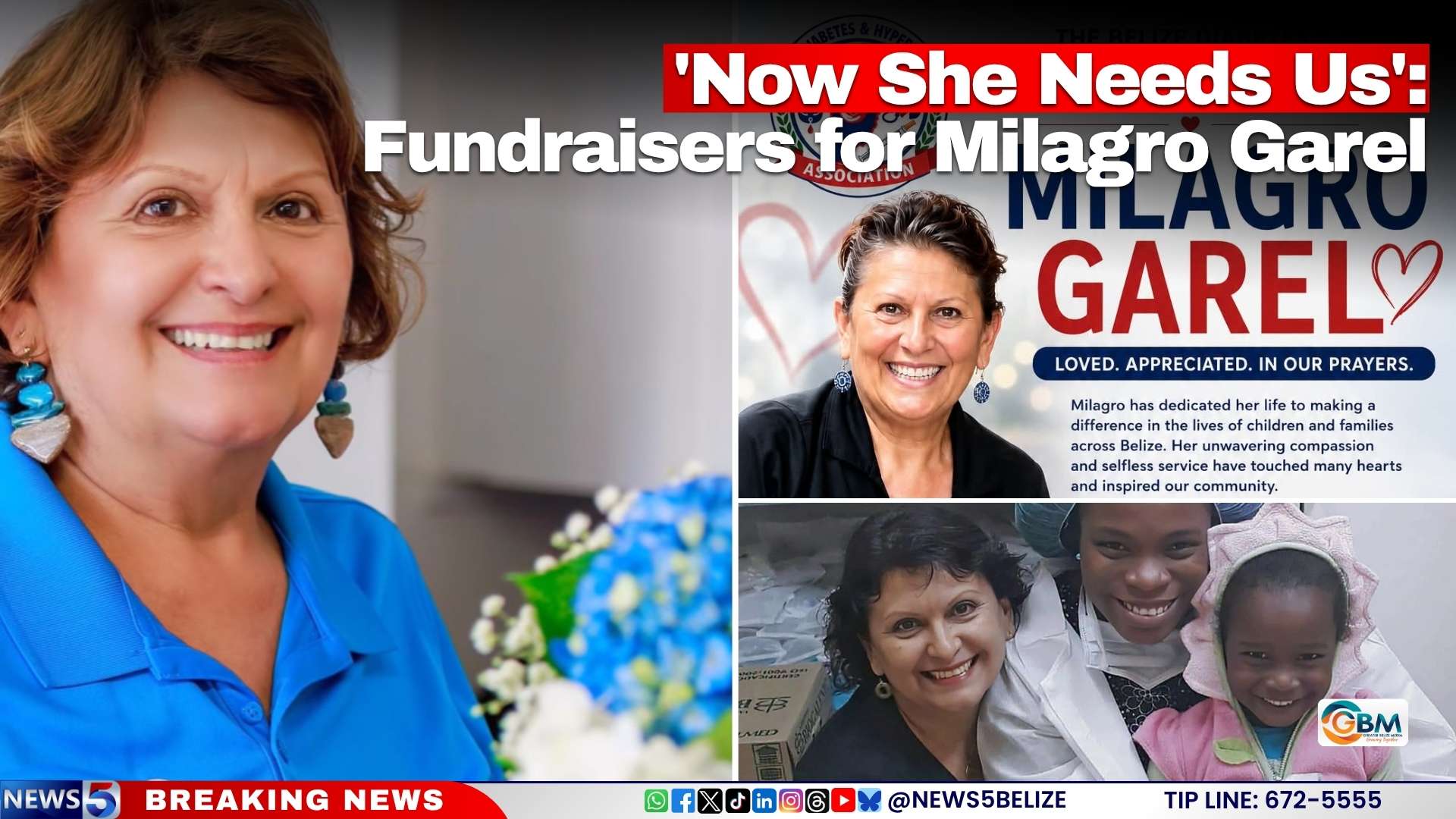
  • ‘Now She Needs Us’: Fundraisers for Milagro Garel

    ‘Now She Needs Us’: Fundraisers for Milagro Garel

    For more than 20 years, Milagro Garel has dedicated her life to opening doors to critical medical care for thousands of children across Belize. As country director for the World Pediatric Project and a passionate community organizer with Friends of Pediatrics and other local groups, her work has touched nearly every corner of the small Central American nation. Now, as Garel faces a life-threatening medical emergency of her own, the community she spent decades serving is coming together to give back.

    Garel suffered a ruptured cerebral aneurysm last Tuesday, and has remained in critical condition since the incident. After being stabilized at a local medical facility in Belize, she was transferred via air ambulance to a specialized hospital in Guatemala for advanced care. According to family friend Carla Ayres Musa, Garel held stable vital signs through the weekend, and clinical teams scheduled her high-risk, long-duration surgery for the afternoon of August 3, 2026. Musa confirmed the procedure is expected to take between six and 10 hours to complete, given the complexity of Garel’s condition.

    “Everyone knows someone who knows Milagro,” Musa shared in an interview with local morning program *Open Your Eyes*. “Thousands of people across Belize have been impacted by her work in one way or another. Everything she does comes from pure passion and compassion for people who need help. Now she needs us.”

    The total cost of Garel’s emergency care, including international air transport, surgery, extended hospitalization, and post-operative follow-up treatment, is estimated at $95,000 — a sum far beyond what her family can cover on their own. In response, community members have launched a multi-pronged series of fundraising initiatives to close the gap, organized by lead coordinator Jodi Pott.

    Supporters can contribute through a dedicated GoFundMe campaign, or send direct donations directly to the Garel family. For those who wish to participate in in-person community events, a pop-up fundraising gathering will be held at Brew this coming Saturday. Later in August, a larger community event titled “Movements for Milagro” will take place at 3 p.m. on August 16 at the Bliss Centre. The dance-focused fundraiser will feature performances from multiple dance troupes from across Belize, with tickets priced at $25 per person. Those interested in purchasing tickets can reach organizers at 615-0935.

    Across Belize, messages of support have poured in for Garel, as residents who benefited from her decades of work join together to help the woman who gave so much to their children get the care she needs.

  • Bio-fertiliser producer seeks to reassure public on safety of locally grown food

    Bio-fertiliser producer seeks to reassure public on safety of locally grown food

    Recent public anxiety over food safety has swept through Saint Lucia after local media outlet St. Lucia Times published Food and Agriculture Organization (FAO) data ranking the Caribbean island among the world’s top 10 nations for pesticide application intensity. The statistics show Saint Lucia uses an average of 27.6 kilograms of pesticides per hectare of cropland, joining several other Caribbean territories in the high-intensity group. Now, the head of a leading local agricultural biotechnology firm is stepping forward to ease public fears and clarify what the data actually means.

    Johanan Dujon, founder and chief executive officer of Algas Organics — a company that produces sustainable bio-fertilizer from invasive sargassum seaweed — has 12 years of direct on-the-ground experience working with smallholder and commercial farmers across Saint Lucia. In his public statement addressing the recent concern, Dujon emphasized that higher pesticide use intensity does not automatically translate to unsafe produce for consumers.

    He explained that the higher pesticide volumes recorded in tropical climates like Saint Lucia’s are a predictable response to greater year-round pest pressure, a challenge that colder regions do not face. “In tropical climates you’re always going to have more pest pressure than in colder climates, as you can imagine, and of course you’re going to have higher usage of pesticides in some of these regions,” Dujon noted. Crucially, he added, high usage does not equal improper usage, and the public should not conflate these two separate factors.

    Dujon also pointed out a key misinterpretation of the FAO data: the metric measures total pesticide applied to cropland, not residual pesticide remaining on harvested food ready for consumption. All regulated pesticides include a scientifically established “re-entry period” — a waiting period ranging from three to seven days depending on the product type — during which the chemical breaks down to safe levels before harvest. When used in line with manufacturer and regulatory guidelines, no harmful residues remain on crops once this waiting period elapses. “If you spray a pesticide on a crop to kill off a particular pest, that chemical stays in the plant system for 3, 7, however many days that’s on the label, and once that time passes the produce is fully safe to consume,” he explained.

    While Dujon confirmed that Saint Lucia’s Ministry of Agriculture already offers pesticide handling and safety training to local producers, he argued that the country could strengthen its food safety framework with a more structured, systematic approach. He noted that the vast majority of local farmers already follow established safety protocols, including mandatory waiting periods, but added that more transparent testing and traceability would go a long way to reinforcing public confidence.

    One of Dujon’s key proposals is the urgent opening of the long-planned Pesticide Residue testing unit at Union, which would allow authorities to conduct regular random spot tests of produce sold at retail outlets across the country. Publishing transparent, public test results would directly demonstrate that local produce meets safety standards, he argued. “If we could do some spot testing of the produce at different places that sell and just be able to come out with a report and say, ‘Hey guys, look, we tested produce around these supermarkets, and we’re okay,’ that would help to allay public perception,” Dujon said.

    A second core recommendation is the widespread adoption of branded, traceable produce labeling. Currently, most local fresh produce sold in Saint Lucia does not include clear information about its grower, making it impossible for consumers to verify safety practices or hold producers accountable. Dujon explained that branded packaging with unique batch numbers would enable full traceability from farm to shelf, giving consumers the ability to confirm they are purchasing food from producers that follow safety standards. “When you pick up a batch of lettuce, sometimes you have no idea which farmer grew it… which is where the brand comes into play because that brand will then have a batch number and you can sort of trace it back. I think that’s where we’re going as a society, and I think it’s going to redound to the benefit of everybody, frankly,” he said.

    Throughout his statement, Dujon stressed that these proposed improvements are not meant to cast doubt on local farmers. On the contrary, he argued, local producers have every incentive to prioritize safe growing practices: “Farmers eat their own produce and don’t want to poison themselves or others,” he said. His core message remains clear: Saint Lucia’s local food can be safe even with higher regional pesticide use, and targeted systemic improvements will only strengthen that safety and public trust.

  • Emancipation: The collective business of freedom

    Emancipation: The collective business of freedom

    On August 2, 2026, Dr. Candia Mitchell Hall, a tenured lecturer in Caribbean Culture, Heritage and Memory Studies at the University of the West Indies Mona Campus, delivered a landmark address at a joint mass for La Mode, Beaulieau and Vendomme at the Church of Our Lady Help of Christians. The speech, delivered as part of Grenada’s annual Emancipation Day commemorations, centered on the theme “Emancipation: Our Collective Business of Freedom”, reframing the historic milestone as an ongoing, intergenerational responsibility rather than a completed event from the 19th century.

    Opening with warm greetings and a note of honor for the occasion, Dr. Hall grounds her argument in a core definition of emancipation: far from being a static historical state of freedom, it is an active practice that demands intentional responsibility from every generation. For Caribbean peoples, and particularly Grenadians—82% of whom trace their lineage to enslaved West Africans brought to the island—Emancipation Day marks more than the formal abolition of chattel slavery. It is a permanent reminder of the centuries of resistance that preceded formal abolition, and the ongoing work required to secure true collective freedom.

    Long before the 1838 formal abolition of slavery, Dr. Hall recounts, enslaved Grenadians waged constant resistance against their oppressors. Tactics ranged from work slowdowns and deliberate property damage against plantations to escapes, and enduring cultural expressions of resistance such as the Jab-Jab tradition, originally called Cannes Brules, which continues to commemorate the fight for freedom today. When formal abolition finally arrived on August 1, 1838, newly freed Grenadians filled the streets with song, drumming, and dance, while gathering in churches to give thanks for their liberation. But their early hopes for better working conditions, free access to education, land ownership, voting rights, and improved public services quickly revealed a hard truth: formal emancipation was only the starting point, not the finish line. True freedom would require continuous collective organizing and struggle.

    The first lesson learned by early Afro-Grenadian communities was the power of collective economic action. To escape the exploitative wage systems of former plantation owners, communities pooled resources through traditional rotating savings systems known across the Caribbean by names such as su-su, Len Hand, Gayap and Partner. These collective funds allowed Black families to purchase land and build independent “free villages”, laying the foundation for a sovereign peasant economy that let farmers sell their own produce and keep their own profits, breaking the cycle of plantation exploitation. Dr. Hall also highlights the critical, underrecognized role of the Grenadian church in advancing social emancipation, noting that faith institutions have long supported education, literacy, and leadership development for Black communities, while upholding values of compassion, justice, and love that have advanced peace and poverty reduction across Grenadian society.

    Down through generations, descendants of enslaved people have carried forward this collective work of freedom, building on the foundations laid by their ancestors. Dr. Hall profiles three iconic Grenadian leaders who each advanced the emancipation project in their era: T.A. Marryshow, the son of working-class Black parents who founded *The West Indian* newspaper to educate Grenadians on their rights, fought for improved working conditions as a trade unionist, secured universal adult suffrage as a politician, and championed regional integration through the West Indies Federation, the University of the West Indies, and the Caribbean Union of Teachers. Next came Eric Gairy, the Father of Grenadian Independence, who founded the nation’s largest trade union, the Grenada Manual and Mental Workers Union, and led a historic 1951 general strike against exploitative daily wages of just 25 cents that left workers unable to cover basic needs. Under Gairy’s leadership, workers won higher wages, paid sick and annual leave, and land access for landless families. Most recently, Maurice Bishop and the Grenada Revolution advanced the emancipation project through expanded education and literacy programs, increased international scholarships for Grenadian students, widespread job creation, expanded access to affordable housing, renewed national pride, investment in domestic agriculture, and improved public health care—achievements that remain widely celebrated even amid complex debates over other aspects of the revolutionary period.

    Building on scholarship from Dr. Wendy Grenade, Dr. Hall emphasizes that emancipation is not a static historical event completed in 1838. In every era, new forms of injustice and bondage emerge that demand collective action: from the global fight against systemic racism that fueled the Black Power Movement and Black Lives Matter, to the women’s rights movement, child protection advocacy, and global human rights organizing. Echoing Marcus Garvey’s iconic call to “emancipate ourselves from mental slavery” — immortalized by Bob Marley in *Redemption Song* — Dr. Hall argues that true emancipation requires liberating communities from persistent structural injustice and internalized mental bondage, not just commemorating past victories.

    Turning to the specific responsibilities of the current generation, Dr. Hall outlines a clear call to action tailored to 21st-century Grenada. In an era of global digital connection, she urges Grenadians to use social media as a tool for unity, education, and uplift rather than harassment, character assassination, and division. As national elections approach, she calls on voters to support their preferred candidates while respecting the right of others to back opposing parties. She also stresses that environmental stewardship is a core civic duty: Grenadians must dispose of waste responsibly, keep public spaces clean, and preserve the island’s unique natural and cultural landscapes for future generations.

    Dr. Hall further calls for intentional investment in intergenerational connection and cultural preservation. Elders, she notes, are living archives of community memory, and spaces must be created to transfer their wisdom to young people before it is lost to time. She calls for a revival of traditional Grenadian etiquette of mutual greeting and respect, which builds strong community bonds, as well as intentional preservation of unique Grenadian language, folklore, and cultural practices that are at risk of fading. Icons of Grenadian cultural identity — from the Jab-Jab and ShortKnee traditions to Vieux Corps and Moko Jumbies — are not just festive performances: they are living reminders of the trauma of slavery, the unfulfilled promises of emancipation, and the resilience of a people who turned demonized symbols of oppression into acts of collective celebration. Dr. Hall also urges parents and communities to encourage children to engage in traditional outdoor games that build teamwork and connection, rather than spending all their free time on digital devices, helping them cultivate a strong sense of inherent worth and community belonging.

    Closing with a message of collective hope, Dr. Hall reminds audiences that true emancipation is within reach, but it requires active participation from every member of society. It is the shared responsibility of all Grenadians to fight poverty, advance justice, and lift up vulnerable neighbors. Quoting the lyrics of a classic song calling for collective kindness, she argues that when each person shines their light of compassion and action, we create an emancipation that our freedom-fighting ancestors would be proud of. The work of emancipation is never finished, and every generation has a role to play in securing true freedom for themselves and their communities. In closing, she urges all Grenadians to embrace their part in this ongoing project, to live out the values of emancipation every single day, and to build a more just, united, and free nation for generations to come.

    This address reflects the personal views of Dr. Candia Mitchell Hall and does not represent the official stance of NOW Grenada, which publishes this address as part of its public service commemoration of Emancipation Day.

  • Saint Lucia officially launches EC$1,000 newborn grant

    Saint Lucia officially launches EC$1,000 newborn grant

    A key campaign and policy pledge from Prime Minister Philip J. Pierre’s 2026/2027 national budget has moved from proposal to implementation, as the government has formally confirmed that the landmark Newborn Grants Programme launched on schedule on August 1, 2026.

    The official announcement of the program’s entry into force was delivered by Melissa Paul, Press Secretary to the Prime Minister, during the regular pre-Cabinet media briefing held this Monday.

    Structured as a one-time financial support measure for new families, the initiative allocates a 1,000 Eastern Caribbean dollar grant to qualifying mothers. To be eligible for the payout, children must be born on or after the program’s launch date of August 1, 2026, and their birth must be officially registered with government authorities within a six-month window from the date of birth.

    In an official press statement outlining the program’s core mission, government officials explained the grant is designed to alleviate the immediate financial burden that comes with welcoming a new child. Specifically, the funding is intended to help new mothers cover the upfront and urgent costs associated with neonatal care and early infant support.

    For families seeking additional clarification on eligibility requirements, application processes, or program timelines, the government has directed all inquiries to the national Civil Status Registry, which is administering the initiative.

  • Two Reportedly Stabbed in J’Ouvert Brawl

    Two Reportedly Stabbed in J’Ouvert Brawl

    Monday’s annual J’Ouvert celebrations in St. John’s, Antigua, ended on a troubling note after a violent altercation left two people with stab wounds, law enforcement officials confirmed this week. The confrontation, which unfolded amid street festivities, is linked to members of two local factions, the GFK and Drilly gangs, according to initial police accounts. As of the latest updates, official details on the health status of the two injured individuals have not been released to the public, leaving communities in the area waiting for further clarity.

    Despite the isolated violent incident, Police Commissioner Everton Jeffers emphasized that the overall J’Ouvert event unfolded without widespread disorder. This year’s celebrations drew a diverse crowd of masqueraders, with participants primarily tracing their heritage to Antigua, Dominica, and St. Vincent. A total of 16 musical bands took part in the street processions, turning downtown St. John’s into a hub of cultural celebration for thousands of attendees.

    To ensure public safety during the popular cultural event, local law enforcement deployed a joint security operation that paired police units with personnel from the Antigua and Barbuda Defence Force. The collaborative security effort only resulted in a small number of detentions, all related to individuals suspected of illegally carrying weapons. Authorities have yet to publish a full official statement addressing the stabbing incident, and investigations into the altercation remain ongoing.

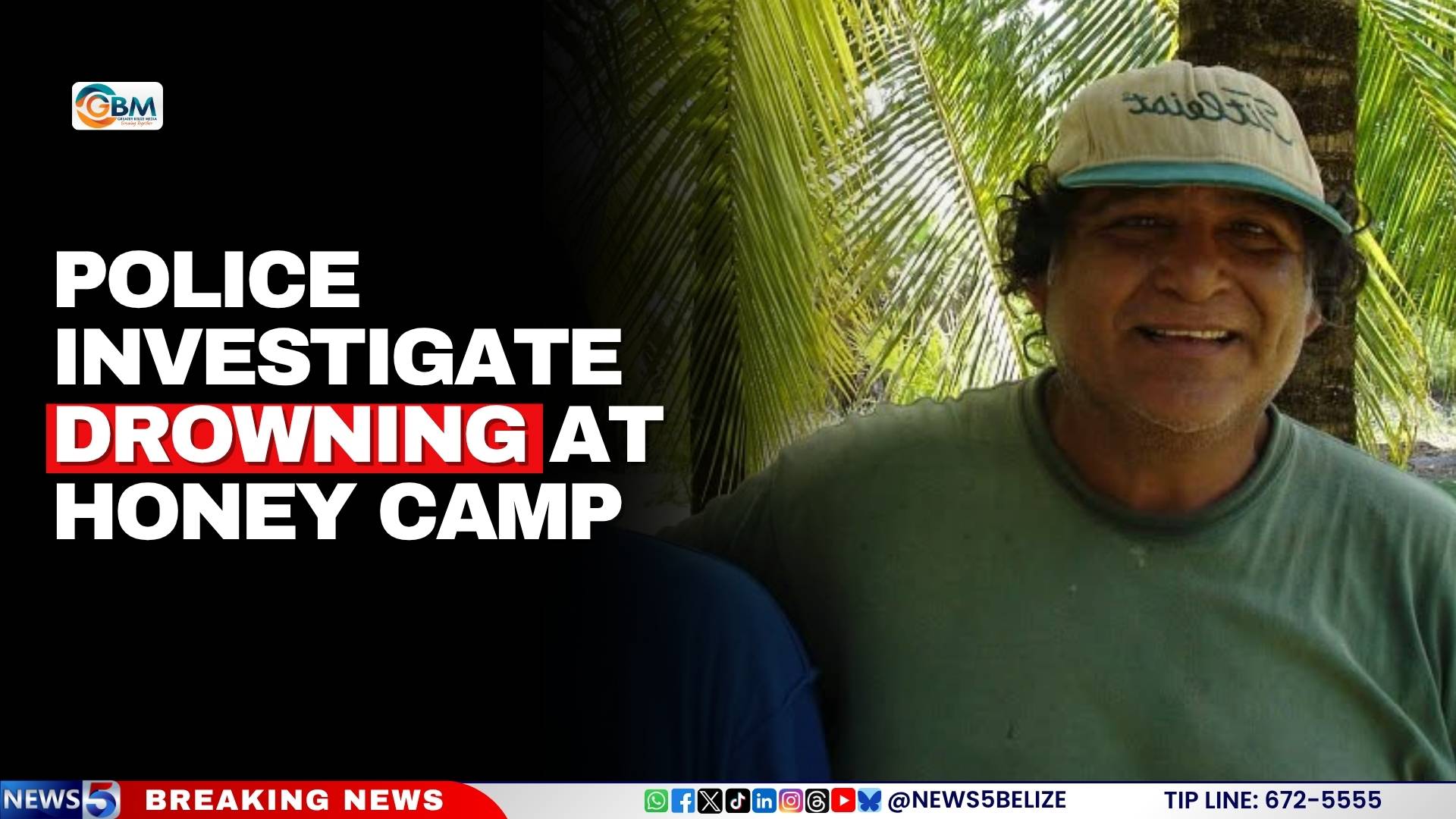
  • Police Investigate Drowning at Honey Camp

    Police Investigate Drowning at Honey Camp

    A tragic weekend fishing trip has ended in the death of 37-year-old Luciano Acosta at Honey Camp, a popular outdoor recreational spot in Belize’s Orange Walk District, with local law enforcement confirming no suspicious circumstances surrounding the incident.

    The fatal event unfolded early Sunday morning, after Acosta and his 41-year-old companion Eliseo Escalante finished an evening of socializing with family members. According to initial investigative reports, the pair decided to head out fishing at approximately 3:00 a.m., after both had consumed alcoholic beverages. They got into a small canoe to navigate the area’s lagoon, but the vessel quickly capsized, throwing both men into the water.

    Escalante was able to swim to a stand of nearby mangroves, where he successfully called for emergency assistance. Search crews responding to the call ultimately located Acosta’s body floating face-up at the edge of a small islet within the lagoon. The Belize Police Department has stated that it does not suspect foul play in Acosta’s death, and the investigation is ongoing to confirm the exact sequence of events that led to the drowning.

    Since news of Acosta’s passing broke, tributes have poured in from community members and local organizations that knew him well. Honey Camp Ranch, the operator of the popular recreational site, released an official online statement confirming the death and honoring Acosta’s long connection to the property. The ranch described Acosta as a years-long supporter of their work, noting that he was always unapologetically authentic, true to himself, and eager to share the beauty and culture of Belize with every visitor and acquaintance he met.

    Acosta’s friends and neighbors have also shared their grief publicly online. One close neighbor, who described Acosta as his “double neighbor,” wrote that the community was still reeling from the unexpected loss. “Can’t believe you are gone, my double neighbour. It was a sad day for us around the lagoon yesterday. Your dad was in so much pain. You left a void in the neighbourhood. May your wonderful soul rest in eternal peace,” the tribute read. The tragedy has highlighted the ongoing risks of early-morning recreational boating after alcohol consumption in Belize’s coastal and lagoon districts, with safety advocates reminding outdoor enthusiasts to avoid operating watercraft while impaired and to wear life jackets at all times when on the water.