分类: society

  • LISTEN: Derelict Social Security Building On High Street Set for Demolition Next Week, Minister Says

    LISTEN: Derelict Social Security Building On High Street Set for Demolition Next Week, Minister Says

    The government of St. John’s has announced a decisive urban renewal initiative, targeting the demolition of multiple derelict, state-owned structures throughout the capital. The move is a core component of a broader strategy to combat urban decay, enhance public safety, and revitalize the city’s aesthetic appeal.

    Rawdon Turner, a government official, detailed the plan during a recent appearance on the Browne and Browne programme on Pointe FM. He confirmed that directives have been issued to relevant government agencies to commence clearing out all affected properties in preparation for subsequent demolition activities. This state-led action is being intensified in parallel with ongoing efforts to ensure private-sector compliance with urban maintenance standards.

    The initiative is not an isolated effort but a calculated response to longstanding issues of urban blight. By systematically removing hazardous and unsightly buildings, the administration aims to foster a safer and more visually appealing environment for residents and visitors alike. This project signifies a proactive governmental approach to urban management, signaling a renewed commitment to the capital’s development and the well-being of its community. The demolitions represent the physical start of a comprehensive plan to rejuvenate key areas of St. John’s, with further phases of the renewal strategy expected to unfold.

  • LETTER: Treatment of my mother—an older woman with medical conditions—at the St. John’s Police Station

    LETTER: Treatment of my mother—an older woman with medical conditions—at the St. John’s Police Station

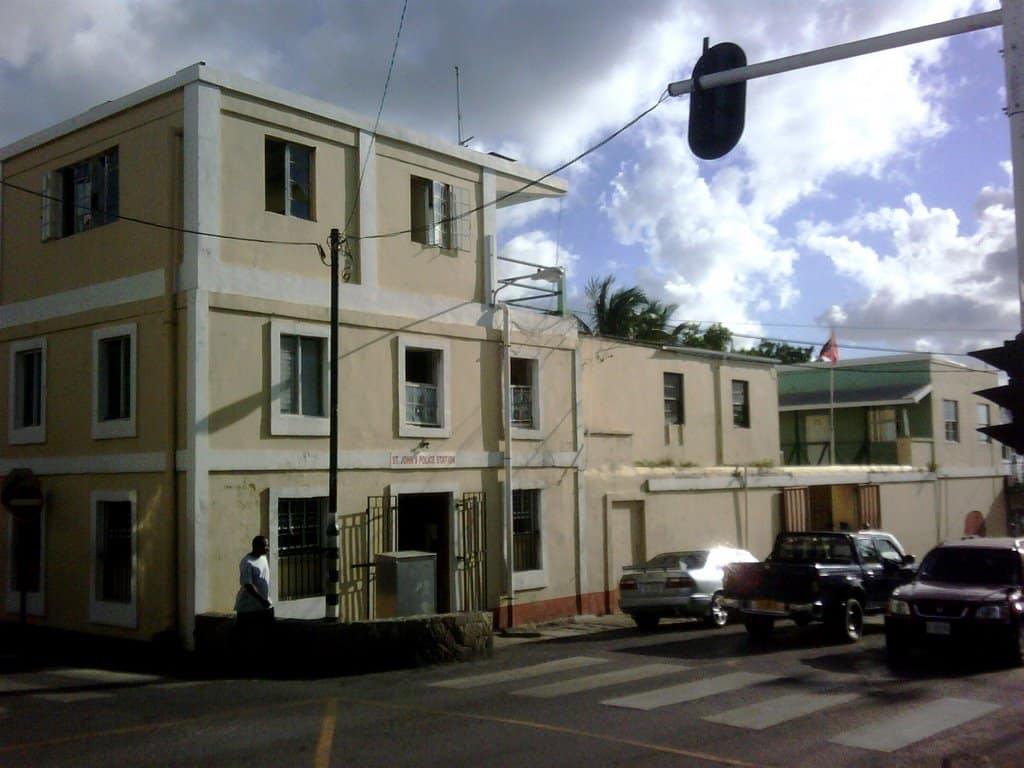
    A disturbing account of alleged police misconduct and medical neglect has emerged from St. John’s, Antigua, where an elderly woman with chronic health conditions was reportedly detained without explanation or access to vital medication. The incident, described by her daughter in a public statement, raises urgent questions about police accountability and human rights protections.

    The situation began when the daughter received an abrupt call from Officer Quinland stating her mother was ‘locked up’ and would remain detained until Monday without specification of charges. When questioned about the legal grounds for detention, the officer reportedly refused to provide any explanation while offering limited visiting hours later that afternoon.

    Upon arriving at St. John’s Police Station seeking clarification, the daughter encountered further hostility. After explaining she couldn’t speak loudly due to a recent tooth extraction, an officer responded with aggression, accusing her of attempting to intimidate staff and outright refusing assistance.

    According to the victim’s testimony, she was approached in town by a plainclothes officer who instructed her to come to the station. When she questioned why she was being held without committing any offense, an officer declared her ‘out of order’ and threatened remand. The situation escalated when another officer allegedly shouted ‘Lock them up!’ after the woman suggested he shouldn’t let power go to his head.

    The detainee reported particularly aggressive behavior from a female Dominican officer, potentially motivated by a previous dispute with the victim’s friend. Most critically, the medically vulnerable woman was held for hours in unsanitary conditions without access to daily essential medication, potentially endangering her health.

    Despite eventually being released, no officer including the arresting personnel could provide a legal justification for the detention. One officer admitted to ‘only following instructions’ without knowledge of any alleged offense. When family members expressed concerns about medical risks, officers responded dismissively that ‘she shouldn’t do things to get locked up.’

    This case highlights concerning patterns of authority abuse within law enforcement and underscores the urgent need for systemic reform, transparency mechanisms, and accountability measures to prevent such incidents from recurring.

  • BLP unveils new initiative to improve City housing

    BLP unveils new initiative to improve City housing

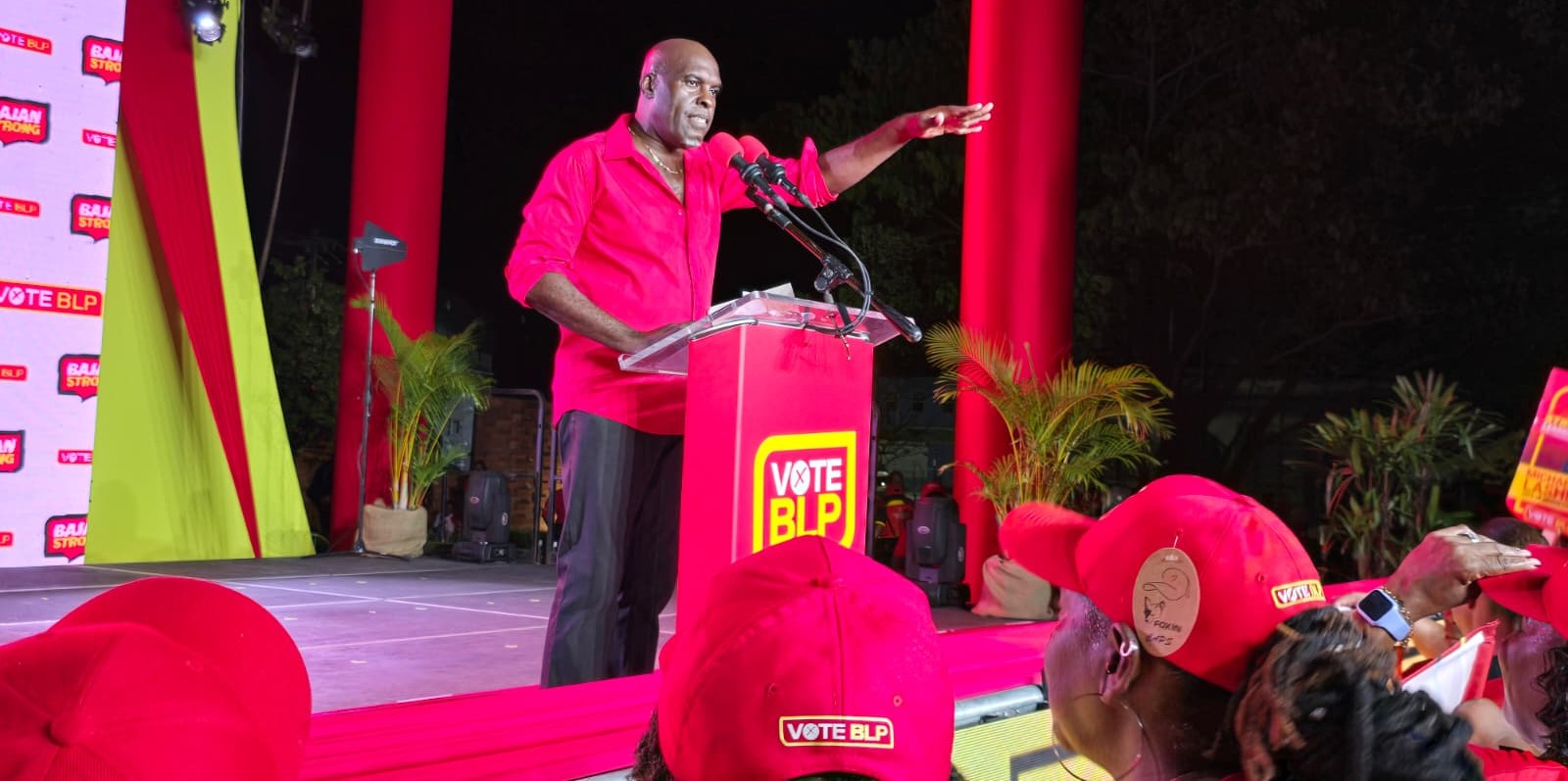
    Barbados has unveiled a comprehensive urban regeneration initiative designed to dramatically improve living conditions for Bridgetown residents through strategic infilling and housing development programs. The ambitious plan, announced during the Barbados Labour Party’s manifesto launch at Golden Square Freedom Park, targets the relocation of citizens from substandard accommodations while optimizing the use of vacant urban plots.

    Michael Lashley, BLP candidate for the City, articulated a resident-centered approach to urban development, emphasizing the government’s commitment to addressing Bridgetown’s housing challenges. “I recognize the quality of the housing stock, the fact that people are living in dilapidated conditions,” Lashley stated, acknowledging the urgent need for intervention.

    The program identifies four critical housing categories requiring tailored policy solutions: squatters, renters, individuals without title deeds, and those facing imminent eviction. “We have too many people living at the whims and fancies of landlords,” Lashley noted. “There are people living in rooms. That is not the Barbados we want.”

    Key components of the initiative include the construction of 84 housing units at Mason Hall Street specifically earmarked for city residents. The program also prioritizes title transfer reforms, with a vesting bill currently before Parliament to simplify property ownership processes for urban dwellers.

    Financial mechanisms supporting the transformation include significant contributions from development projects. The Exim Bank has committed $7 million to a fund dedicated to enhancing social and physical infrastructure, while developers of the Hyatt project have pledged an additional $2 million toward urban improvement efforts.

    Beyond physical infrastructure, the initiative encompasses employment generation programs targeting youth empowerment through improved lighting, sanitation, garbage collection, and drainage systems. Lashley specifically highlighted plans to create meaningful opportunities for young men and women, rejecting negative characterizations of urban communities.

    “The government has committed itself to building community projects so young men and women can showcase their skills, attend lessons and engage in positive programs,” Lashley affirmed, challenging the stigmatization of urban areas.

    The comprehensive approach leverages amendments to the Town and Country Planning Act (2019), which mandates developer contributions to an Urban Transformation Fund, ensuring sustained investment in Bridgetown’s revitalization.

  • Fransen met zoekactie bezig na bootongeluk Marowijnerivier

    Fransen met zoekactie bezig na bootongeluk Marowijnerivier

    A large-scale search and rescue operation continues along the Marowijne River near Grand-Santi following Sunday’s tragic boat capsizing that left four educators missing. The incident occurred when the vessel experienced engine failure and began taking on water before ultimately sinking.

    According to Mayor Félix Dada, the mechanical failure caused gradual flooding of the craft, leading to its submersion. Seven individuals, including the captain, were aboard at the time of the accident. These survivors were successfully rescued and have received medical treatment at Grand-Santi’s health and prevention center.

    The search efforts, involving approximately forty personnel from multiple emergency services, were temporarily suspended at nightfall Saturday but resumed at first light Sunday. The operation employs both helicopter surveillance and watercraft in a comprehensive effort to locate the missing teachers.

    The French Guiana prefecture has deployed specialized divers from the gendarmerie, fire department, and French armed forces. Regional military command has been notified of the developing situation, though specific details remain limited.

    Psychological support services have been provided to family members and other directly affected individuals since Saturday evening as the search continues without resolution.

  • Culture must be at the centre of Jamaica’s recovery

    Culture must be at the centre of Jamaica’s recovery

    Hurricane Melissa’s devastating impact on Jamaica has catalyzed a profound national reevaluation, transforming disaster recovery into a strategic opportunity for economic reinvention. Beyond physical destruction, the catastrophe has compelled the Caribbean nation to confront fundamental questions about building a more resilient, equitable, and prosperous future.

    The establishment of a statutory recovery body represents a crucial governmental response, though its ultimate success will be measured beyond infrastructure repairs and fund mobilization. The central challenge lies in reimagining Jamaica’s cultural assets—from music and entertainment to creative industries—as core economic infrastructure rather than peripheral activities.

    For decades, cultural expression has been largely confined to symbolic celebrations organized through entities like the Ministry of Culture, Gender, Entertainment and Sport (MCGES) and the Jamaica Cultural Development Commission (JCDC). While valuable for morale and identity preservation, this approach has limited culture’s economic potential. The reconstruction effort now demands intentional activation of cultural resources as drivers of job creation, tourism retention, export growth, and national development strategy.

    The hurricane simultaneously damaged multiple economic pillars: agriculture (particularly in St Elizabeth’s heartland), tourism (representing approximately 40% of GDP including indirect effects), public infrastructure, and the frequently overlooked creative sector. Overall, Melissa disrupted an estimated 18-25% of national income flows, necessitating both physical rebuilding and rapid economic reactivation.

    Critical considerations emerge for Jamaica’s recovery blueprint. Tourism revenue retention requires urgent attention, as current models see 70-80% of visitor spending leaking from the local economy. Strategic redeployment of displaced tourism workers into culture-driven value chains could enhance local economic circulation. Similarly, formal recognition of remittances linked to creative exports—music, digital content, diaspora-supported businesses—could reshape export policy and financial frameworks.

    The statutory recovery authority presents an unprecedented opportunity to integrate cultural considerations across government systems. Embedding cultural elements into infrastructure, tourism redevelopment, housing, and public space management could transform both morale and economic participation in affected parishes.

    Workforce displacement necessitates innovative retraining initiatives. Institutions like Edna Manley College of the Visual and Performing Arts (EMCVPA) collaborating with HEART-NSTA Trust could rapidly certify skills for transitioning workers into production management, festival operations, and cultural tourism.

    Recovery also enables tourism diversification beyond traditional enclaves. Cultural programming—pop-up stages, rotating festivals, culinary tours, heritage walks—can distribute visitor traffic across less-damaged parishes while maintaining economic activity in rebuilding communities.

    Effective execution requires genuine partnership with industry organizations including Jamaica Reggae Industry Association (JaRIA), Private Sector Organisation of Jamaica (PSOJ), Jamaica Hotel and Tourist Association (JHTA), and Jamaica Manufacturers and Exporters Association (JMEA). Their technical expertise must be embedded from inception rather than consulted post-decision.

    A culture-centered recovery framework would include: formal recognition of culture as economic infrastructure; establishing a National Culture and Entertainment Recovery Programme; redeploying displaced workers into creative industries; accelerating islandwide cultural tourism; using events to activate rebuilding communities; and acknowledging remittance portions as creative export income.

    Hurricane Melissa damaged physical structures but preserved Jamaica’s greatest asset: its people and their creativity. By treating culture as strategy rather than symbolism, Jamaica can transform recovery into an inclusive, sustainable renaissance rooted in cultural identity. Reggae Month 2026 offers a strategic launch platform for this transformed approach—not merely rebuilding what was, but creating a more resilient, innovative, and globally competitive nation.

  • Fiery protest over deplorable Manchester road

    Fiery protest over deplorable Manchester road

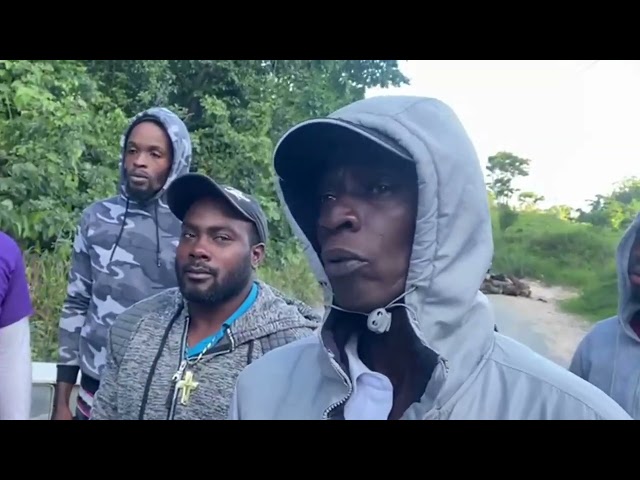
    MANCHESTER, Jamaica — A wave of civic unrest swept through northwest Manchester on Monday as exasperated taxi operators and local residents mobilized to blockade the crucial Somerset main road. The demonstrators expressed profound frustration with the persistently hazardous condition of this vital transportation artery, which has suffered severe deterioration over an extended period.

    The protestors attribute the road’s degradation to consistently overloaded commercial vehicles, particularly cement trucks, which routinely spill their contents and compromise the structural integrity of the pavement. This transportation corridor serves as an essential link connecting multiple communities throughout northwest Manchester to the central hub of Mandeville, making its functionality critical for regional mobility.

    The spontaneous demonstration created significant disruption for morning commuters, with numerous travelers compelled to traverse miles on foot to access alternative transportation options. Local law enforcement and fire service personnel were deployed to the scene by mid-morning, actively working to clear the obstructed roadway and restore traffic flow.

    Community representatives have issued urgent appeals to their elected officials, demanding immediate intervention to address the dangerous road conditions. Additionally, protesters are calling for enhanced accountability measures for operators of heavy-duty vehicles whose practices they believe have contributed significantly to the infrastructure’s decline. The incident highlights growing tensions between citizens and governing bodies regarding infrastructure maintenance and regulatory enforcement in the region.

  • St Elizabeth police list wanted men, persons of interest

    St Elizabeth police list wanted men, persons of interest

    Law enforcement agencies in St Elizabeth, Jamaica, have launched a significant public appeal for assistance in locating multiple individuals connected to ongoing criminal investigations. The Jamaica Constabulary Force (JCF) has published an extensive list containing both formally wanted suspects and persons of interest believed to possess crucial information regarding serious offenses committed within the parish.

    The roster of wanted individuals features several dangerous fugitives, including Anward ‘Kirkie’ Hinds, Javaughn Simms, and Oral Cole, all of whom have escaped lawful custody. The list further identifies multiple homicide suspects such as an individual known only as ‘Okeith’ from Leaseland and Jackson ‘Randy Gayle’ Gayle of Santa Cruz, both wanted for murder charges.

    Notably, the wanted catalog includes numerous sex crime offenders, with Lincoln Farquharson, Paul Smith, Merrick Parchment, and Rushane ‘Biggie’ Abrahams all sought for rape-related offenses. David Pottinger faces allegations of engaging in sexual intercourse with a minor under 16 years old, while Aldain ‘CK’ Bailey is wanted for buggery charges.

    Additionally, law enforcement seeks various persons of interest who frequent specific districts throughout St Elizabeth and neighboring parishes. These individuals, including individuals known as ‘Merryman’, ‘Kimmel’, and Shakera ‘Lizard’ Whyte, are believed to possess valuable information that could advance multiple criminal investigations.

    The JCF has urgently requested that any listed individuals immediately present themselves at the Black River Criminal Investigations Branch. Furthermore, authorities have encouraged community members with relevant information to contact police emergency services at 119, Crime Stop at 311, the St Elizabeth PIU at 876-965-2026, or their nearest police station, emphasizing the critical importance of public cooperation in resolving these cases.

  • Police identify men killed in Trelawny crash

    Police identify men killed in Trelawny crash

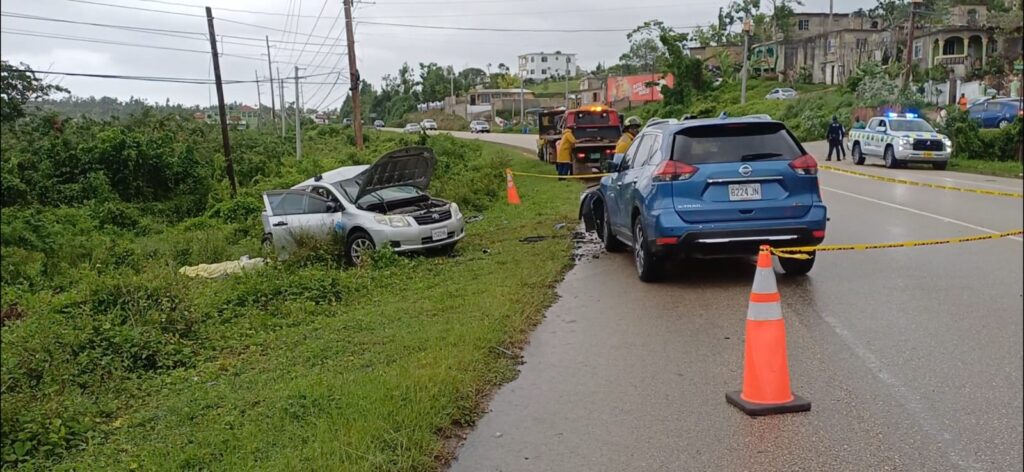
    A tragic head-on collision on the North Coast Highway in Trelawny has resulted in two fatalities, with local authorities confirming the identities of the deceased victims following Sunday morning’s devastating accident.

    The fatal incident occurred approximately at 7:10 AM near the Carey Park main road segment, where a gray Toyota Corolla traveling toward Falmouth collided with a blue Nissan X-Trail moving in the opposite direction. The impact proved fatal for both occupants of the Toyota Corolla, who sustained critical injuries during the crash.

    Medical personnel transported all involved parties to Falmouth Public General Hospital for emergency treatment. Despite medical intervention, the Toyota Corolla’s driver and passenger were pronounced dead upon arrival. The victims have been identified as 50-year-old Donovan Robinson of Lyndhurst Crescent, Kingston 5, and Lloyd Buchanan, also of Kingston.

    The female operator of the Nissan X-Trail survived the collision with non-life-threatening injuries and remains under medical supervision at the healthcare facility.

    Trelawny Police Division has launched a comprehensive investigation into the circumstances surrounding the accident, examining road conditions, vehicle mechanics, and potential contributing factors to determine the collision’s cause.

    This incident adds to Jamaica’s concerning traffic safety statistics, with official data revealing 25 road fatalities recorded island-wide since January 1st. While this figure represents a modest decrease from the 29 deaths reported during the same period last year, authorities continue to emphasize road safety awareness and responsible driving practices.

  • Mother of US news anchor Savannah Guthrie missing, police investigate ‘crime’

    Mother of US news anchor Savannah Guthrie missing, police investigate ‘crime’

    Authorities in Arizona’s Pima County have launched an intensive search operation for Nancy Guthrie, the 84-year-old mother of prominent NBC ‘Today Show’ co-anchor Savannah Guthrie, following her mysterious disappearance under circumstances suggesting criminal involvement. Sheriff Chris Nanos confirmed during a Monday press briefing that investigators have designated the residence a active crime scene, stating unequivocally that the elderly woman did not leave voluntarily. The investigation has drawn in homicide detectives, though officials remain tight-lipped about specific evidence recovered from the property. Medical concerns compound the urgency of the search, as Guthrie requires ongoing medication and experiences mobility challenges, though authorities emphasize she maintains full mental capacity. Surveillance footage from the home is undergoing forensic analysis as part of the broader investigation. The case has garnered national attention due to Savannah Guthrie’s high-profile status as a morning television icon, though law enforcement maintains focus on the humanitarian aspects of locating a vulnerable senior citizen.

  • Defend the right to worship any day

    Defend the right to worship any day

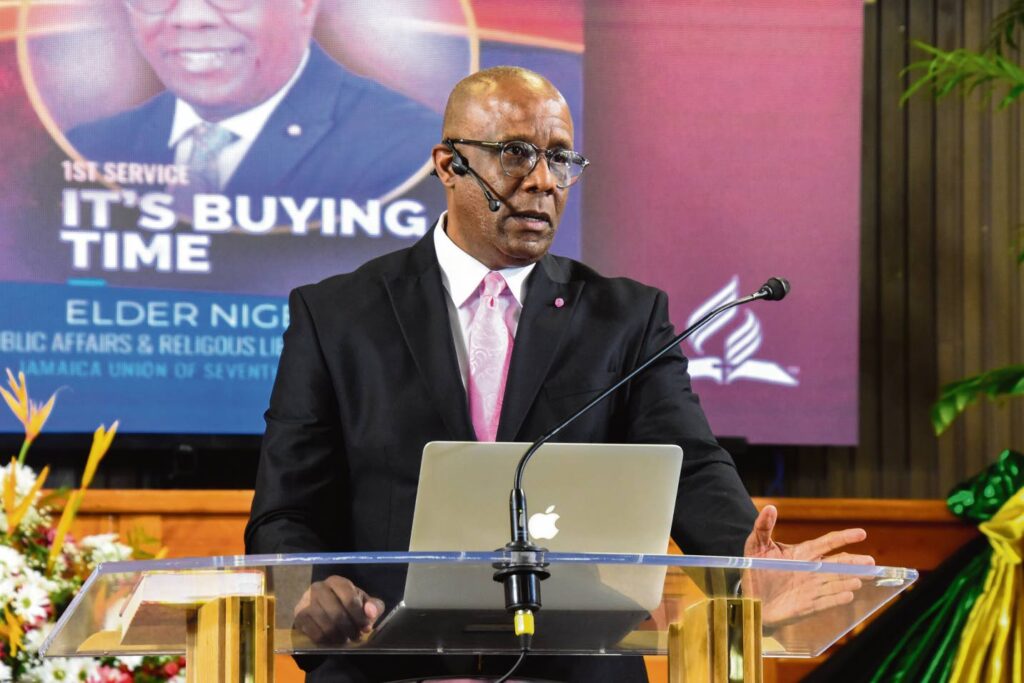
    In a powerful address marking Religious Liberty Day, Jamaican Seventh-day Adventist advocate Nigel Coke issued a stark warning against emerging legislative efforts in the United States that would legally enforce Sunday as a universal day of rest. Speaking at Andrews Memorial SDA Church in St. Andrew on January 24, 2026, Coke identified such proposals as a significant threat to fundamental religious freedoms.

    The religious liberty director referenced specific initiatives by a Washington, DC-based advocacy group promoting statewide limitations on Sunday commercial activities. While acknowledging the表面上 virtuous intentions behind promoting family time and social cohesion, Coke emphasized that these measures fundamentally privilege one religious tradition’s day of worship over others.

    “However well-meaning these proposals might appear,” Coke asserted in his sermon titled ‘It’s Buying Time,’ “they cross a critical boundary when they effectively favor one religious tradition’s practices. Seventh-day Adventists maintain that every individual—whether Baptist, Catholic, Muslim, or other—should possess the unequivocal right to worship on whatever day they choose.”

    Drawing from Revelation 3:14–22, Coke contextualized the current debate within the Adventist movement’s 160-year history of opposing Sunday legislation. He noted that such restrictions, while often framed in secular terms like public health or national unity, create substantial practical challenges for faith communities that observe different Sabbath days, including Orthodox Jews and Seventh-day Adventists.

    Coke elaborated that commerce limitations could restrict economic opportunities and indirectly pressure religious minorities to conform to Sunday observance. He invoked the biblical concept of “eyesalve”—spiritual discernment enabling believers to distinguish genuine religious freedom threats beneath appealing policy packaging.

    “We urgently require this spiritual eyesalve today,” Coke told congregants, “particularly in an era characterized by misinformation. Laws framed under the guise of unity or safety may subtly erode conscience rights. This divine discernment helps us perceive when religious liberty, though theoretically protected, faces practical erosion.”

    The religious liberty director encouraged believers to pursue the triple spiritual gifts described in Revelation 3:18: faith refined through adversity (gold), Christ’s righteousness (white raiment), and clarity of vision (eyesalve). He emphasized that only hearts transformed by grace could withstand mounting societal pressures.

    Concluding with a call to action, Coke challenged attendees to utilize current freedoms to advocate for universal conscience rights while preparing for future challenges through prayer, scriptural study, and active community engagement.