
Law enforcement authorities in Barbados are turning to the public for critical help in tracking down an individual wanted for questioning in a high-priority serious criminal investigation. \n\nThe Barbados Police Service (TBPS) confirmed that the ongoing probe centers on a violent incident that unfolded on Valentine’s Day, February 14, at the Waterhall Land location in the neighborhood of Eagle Hall, parish of St. Michael. While details of the incident itself remain undisclosed as the investigation progresses, investigators have emphasized that cooperation from community members will be key to moving the case forward. \n\nPolice officials are issuing a public appeal to all residents and visitors who may hold any information related to the person of interest’s current location. Any tip, no matter how small it may seem, could provide the breakthrough investigators need to advance the inquiry. \n\nMultiple channels have been set up for members of the public to submit information confidentially. Tipsters can reach out directly to Criminal Investigation Department (CID) officers assigned to the Black Rock Police Station via the dedicated phone lines 417-7500 and 417-7501. For urgent reports, the national police emergency line at 211 remains open 24/7. Those who prefer to share information anonymously can contact the independent Crime Stoppers hotline at 1 800-8477, or visit any local police station across the island to speak with an officer in person. \n\nIn addition to the appeal for information, TBPS has issued a clear public reminder about the legal consequences of aiding wanted individuals. Under Barbadian law, deliberately sheltering, hiding, or providing any form of assistance to a person that is wanted by law enforcement is classified as a serious criminal offense. Authorities have stressed that anyone found to have committed this offense will face prosecution and full legal penalties. The reminder is intended to discourage any individuals from interfering with the ongoing investigation.”,
分类: society
-
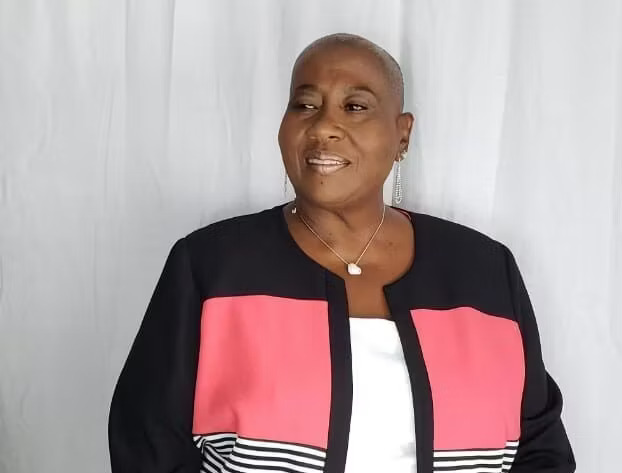
AT&LU Pays Tribute to Cheryl Mary-Clare Hurst
Dated June 1, 2026, a formal tribute released by the President of the Antigua & Barbuda Trades and Labour Union (AT&LU) honors the life and legacy of the late comrade Cheryl Mary-Clare Hurst, extending heartfelt condolences to her family and loved ones.
Widely remembered as a dedicated daughter of Antigua and Barbuda, Hurst devoted her entire public life to advancing the national labor movement. Across every role she held across decades of public service – from General Secretary of the Antigua Barbuda Labour Party (ABLP), to Senator, Minister of State, and even her work as a choir member within the party – she consistently embedded the core principles and values of the AT&LU into every aspect of her work. Her unwavering passion for protecting the rights of working people extended to every community across both islands of the nation, earning her widespread respect from union members and workers across the country.
For the AT&LU, Hurst was far more than an ally; the union was a core part of her identity and lifelong mission. Bernard de Nully, AT&LU President, emphasized in the tribute that the entire union community remains eternally indebted to Hurst for her relentless dedication, consistent support, and unshakable loyalty to both the national trade labor movement and the broader working class.
Drawing on spiritual comfort to guide mourning, the tribute invokes the biblical verse from John 16:22, which reminds those grieving that present sorrow will ultimately give way to unshakable joy. De Nully closed the tribute with a prayer that the Holy Spirit will guide Hurst’s journey to the afterlife, and that the Almighty will grant enduring comfort to the Hurst family during this period of bereavement. The union’s statement ends with a final wish that the soul of Cheryl Mary-Clare Hurst may rest in eternal peace.
-
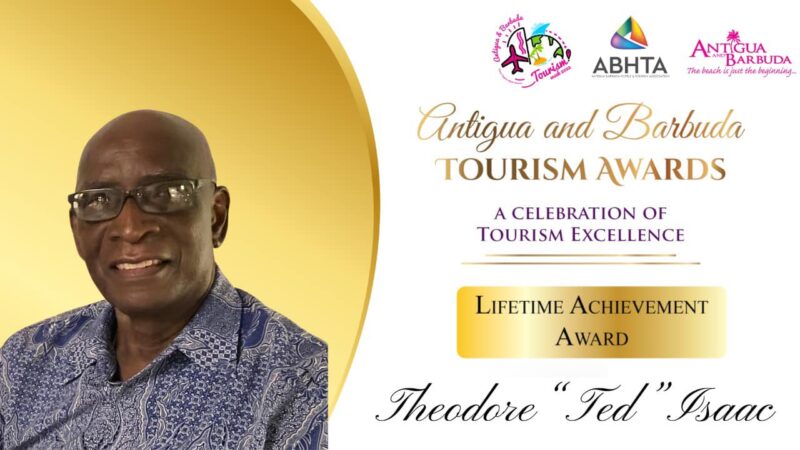
Minister Fernandez Pays Tribute To Tourism Pioneer Theodore “Ted” Isaac, CM
In a moving ceremony that brought together tourism industry leaders, former colleagues, and family members, a senior government minister has paid public homage to one of the Caribbean’s most influential tourism trailblazers, Theodore “Ted” Isaac, who held the national honor of Companion of the Order of the Medjidie (CM).
Minister of Tourism, Randall Fernandez, delivered a heartfelt address highlighting Isaac’s decades-long work transforming the region’s tourism sector from a nascent, undervalued industry into the cornerstone of the local economy that it is today. Decades ago, when the Caribbean was still largely overlooked by major international travel operators, Isaac emerged as a visionary advocate, pushing for strategic infrastructure investment, targeted international marketing, and community-centered tourism development that prioritized local employment and cultural preservation.
Fernandez recalled that Isaac’s early initiatives paved the way for the expansion of world-class resorts, the growth of eco-tourism, and the rise of the cruise ship industry in the region, bringing millions of visitors and billions in revenue to local communities. Beyond his professional achievements, Isaac was also remembered as a mentor to generations of tourism professionals, who often highlighted his commitment to lifting up emerging leaders from marginalized communities. His work also emphasized sustainable tourism practices long before climate action and environmental preservation became core global priorities for the travel industry.
“Ted Isaac did not just build hotels or attract visitors—he built a legacy that continues to sustain our people and our economy,” Fernandez stated during the tribute. “His vision saw what the rest of the world would only recognize decades later: that our natural beauty, our vibrant culture, and our warm hospitality are our greatest assets, and that when we invest in tourism that works for everyone, we invest in a better future for generations.”
Industry leaders echoed Fernandez’s remarks, noting that Isaac’s policy recommendations still shape regional tourism strategy today, particularly as the sector works to recover from the impacts of the COVID-19 pandemic and adapt to the demands of a changing global climate. A new annual tourism leadership scholarship has been announced in Isaac’s name, to support young professionals pursuing careers in sustainable tourism development across the region.
-

Scam alert: Police issue warning as fraudsters pose as officers on social media
Law enforcement authorities in Barbados have sounded an urgent alarm over a brazen new scam that sees criminals impersonating police officers to trick residents into handing over sensitive personal and financial information via WhatsApp. In an official public advisory released this week, the Barbados Police Service (TBPS) detailed the emerging fraudulent scheme, which targets unsuspecting members of the public through uninvited WhatsApp video calls.
According to the advisory, the scammers behind the operation have several consistent telltale traits: they typically speak with foreign accents, and use deceptive profile materials designed to mimic official police branding. Their profile photos and call backgrounds feature modified crests bearing the phrase “Barbados Police Force”, crafted to closely resemble the authentic TBPS insignia and build false trust with targets.
Once they have connected with a victim, the scammers spin a fabricated story to coerce information sharing: they falsely claim that the target’s bank account has already been compromised by a third fraudster using privacy manipulation tools, and assert that they are official law enforcement officers working to recover the supposedly stolen funds. To move forward with this fake recovery process, the scammers demand that targets share photos of personal identifying documents including national ID cards and bank cards, alongside other sensitive private records under the guise of identity verification.
The TBPS has moved quickly to debunk this fraudulent framing, emphasizing that the individuals behind these calls have no connection whatsoever to the national police force. In a clear statement clarifying official protocol, the service confirmed that Barbados police would never under any circumstances ask the public to share, display, or verify sensitive personal information — including national ID details, bank card numbers, banking credentials, online account passwords, PINs, or any other private confidential data — via WhatsApp, video calls, social media platforms, or any other digital communication channel.
To protect residents from falling victim to the scam, authorities are urging all Barbadians to remain extremely vigilant when receiving unsolicited communications from people claiming to be law enforcement. The advisory outlines clear steps for anyone approached by scammers: immediately end the interaction, do not engage with any demands, and never disclose any personal or financial information, regardless of how convincing the caller’s claims or branding may seem. The TBPS confirmed that it has launched a full, comprehensive investigation into the scam to identify the perpetrators and prevent further victimization.
-
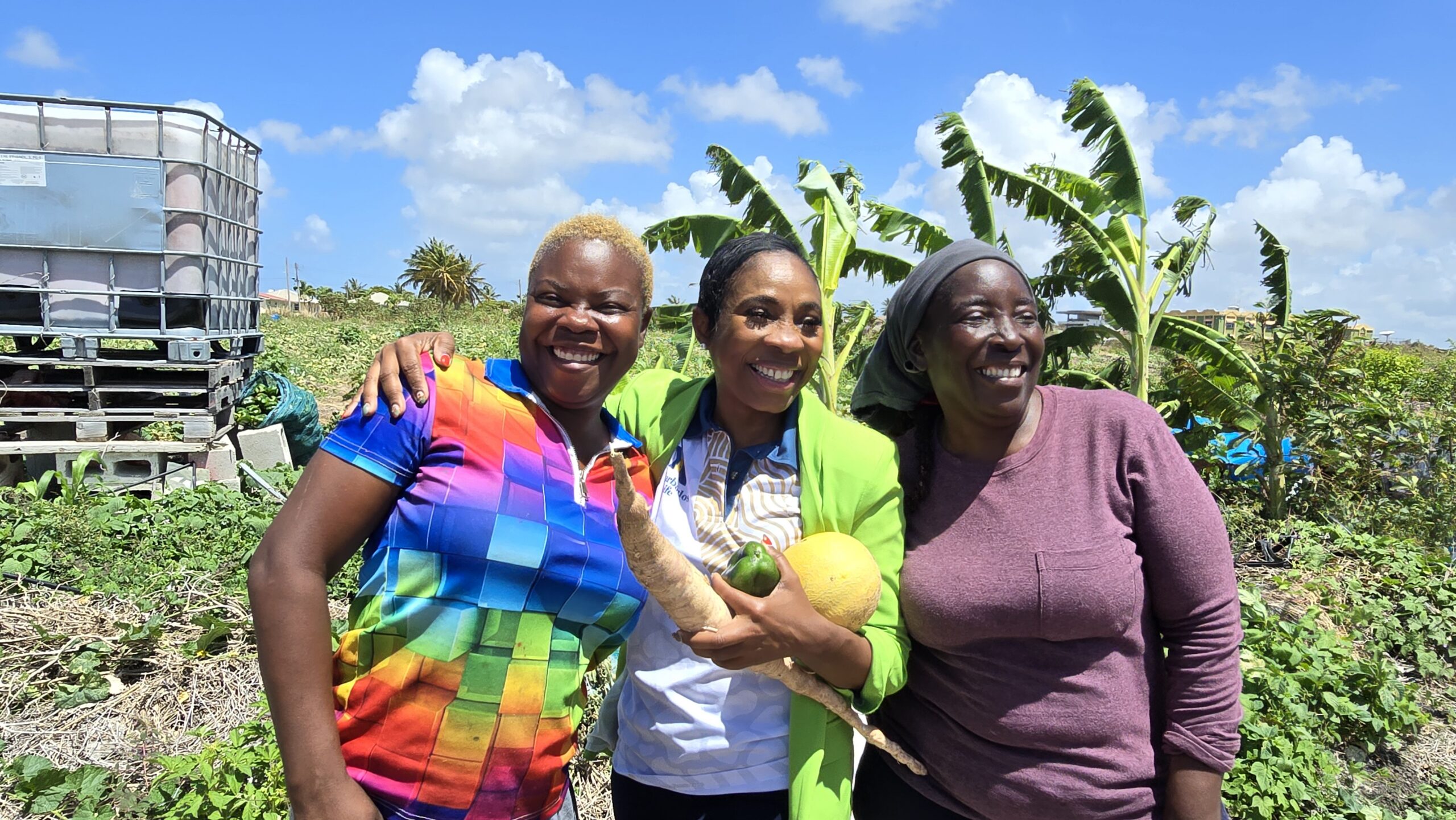
Major farm support plan targets water, pests, crop theft
During an island-wide farm tour highlighting the challenges and opportunities facing local agricultural producers this week, Barbados’ Minister of Agriculture Dr. Shantal Munro-Knight unveiled a series of targeted interventions to address the most pressing issues impacting nearly 40 small-scale farmers in the southern parish of Christ Church. The multi-faceted initiative includes long-awaited irrigation infrastructure upgrades, targeted pest management support, and a coordinated three-month strategy to curb persistent agricultural theft that has devastated farm outputs across the region.
-

Students to compete in 15th Kwéyòl Spelling Bee Competition
As a cornerstone initiative to safeguard Dominica’s Indigenous Creole language, the 15th iteration of the national Kwéyòl Spelling Bee Competition is set to kick off on June 4, 2026, in a collaborative effort between the country’s Ministry of Education, Human Resource Planning, Vocational Training and National Excellence and the Konmité pou Etid Kwéyòl (KEK), a local organization dedicated to Kwéyòl research and preservation.
Held at the Alliance Française in the capital city of Roseau, this year’s competition will bring together top young spellers from four primary schools across the island: Bense Primary School, Paix Bouche Primary School, Penville Primary School and St. Luke’s Primary School. These student competitors will test their mastery of the Kwéyòl language, vying for top honors while celebrating the cultural knowledge that is intrinsically tied to the indigenous tongue.
Long before the first spellers take the stage, organizers have planned an opening program featuring opening remarks from official representatives of both partnering institutions. This pre-competition segment is designed to highlight the longstanding importance of Kwéyòl preservation in Dominica’s national education and cultural strategy.
First launched in 2010, the Kwéyòl Spelling Bee was founded with a clear mission: to embed the Kwéyòl language more deeply in Dominica’s primary education system and inspire younger generations to build fluency and confidence in the language. Over its 15-year history, the annual competition has grown from a small educational pilot into one of the country’s most prominent cultural and educational events, according to an official press release from the Ministry of Education.
Education officials emphasize that the competition fills a critical role in ongoing national efforts to encourage daily use of Kwéyòl among young Dominicans, while cultivating broader public appreciation for the language within the country’s education framework. For organizers, the initiative is far more than a spelling contest: it serves as a key platform to connect younger Dominicans to their unique linguistic and cultural roots, building intergenerational continuity for a language that forms the core of the country’s national identity.
For participants, the event offers more than just competition. It creates structured opportunities to refine their command of Kwéyòl, while deepening their understanding of the traditions, history and heritage that make up the tapestry of Dominican culture. Organizers have extended an open invitation to all members of the local public to attend and support the event, expressing confidence that this year’s edition will once again highlight the impressive skill of young participants, growing cultural awareness across the island, and excellence in Kwéyòl language proficiency. The competition is scheduled to get underway at 10:00 a.m. local time on the day of the event.
-
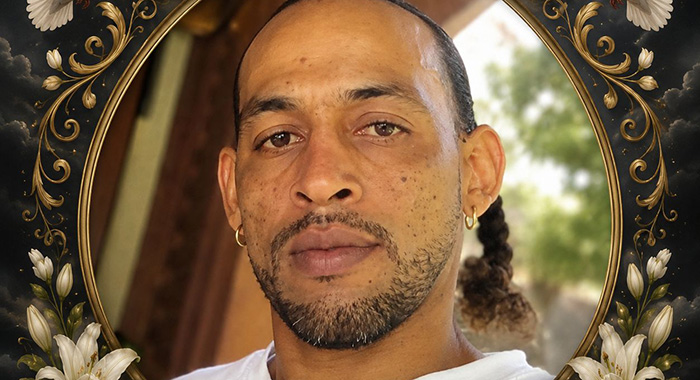
VINLEC cooperating with probe into suspected electrocution
A quiet Sunday morning in the northern Grenadine island of Bequia has turned into a tragic death investigation, as local law enforcement work to uncover the circumstances surrounding the passing of 40-year-old laborer Clias Deane, a resident of Sandy Bay who lived on Cemetery Hill.
According to official police accounts, Deane left his home around 6:30 a.m. on Sunday to harvest breadfruit from a tree located close to his residence. Hours later, community members spotted Deane unresponsive in the tree’s branches and immediately alerted law enforcement. When responding officers arrived at the scene, they found Deane trapped in an upright position between two large tree limbs. A district medical officer was called to the site and subsequently pronounced the 40-year-old dead at the scene.
As the investigation moves forward, authorities have announced that a full post-mortem examination will be carried out to determine the exact cause of Deane’s death, a key step in the ongoing probe into the incident.
St. Vincent Electricity Services Limited (VINLEC), the nation’s state-owned electricity generation and distribution utility, released an official statement on Monday addressing the case, which has been linked to unconfirmed allegations of an extrajudicial execution on the island. In the statement, the company confirmed it will maintain full transparency and cooperation with any formal inquiries launched by relevant authorities into the tragedy.
VINLEC also expressed profound sorrow over the death of Deane, extending heartfelt sympathy to his family and loved ones. “The Board of Directors, Management and Staff of VINLEC extend sincere condolences to the family and loved ones of the deceased,” the company said, adding that public and community safety remains one of its core commitments throughout the investigation process.
The Royal St. Vincent and the Grenadines Police Force (RSVGPF) has also joined in offering condolences, noting that the investigation is actively underway and calling on members of the public with any relevant information to come forward. Anyone who can assist authorities in piecing together the circumstances of Deane’s death is encouraged to contact police at one of three dedicated lines: +1-784-456-1810, +1-784-457-1211, or +1-784-458-4200. “The RSVGPF extends its deepest condolences to the family and friends of the deceased during this difficult time,” police said in their official statement.
-
Saint Lucia averaging a homicide every four days
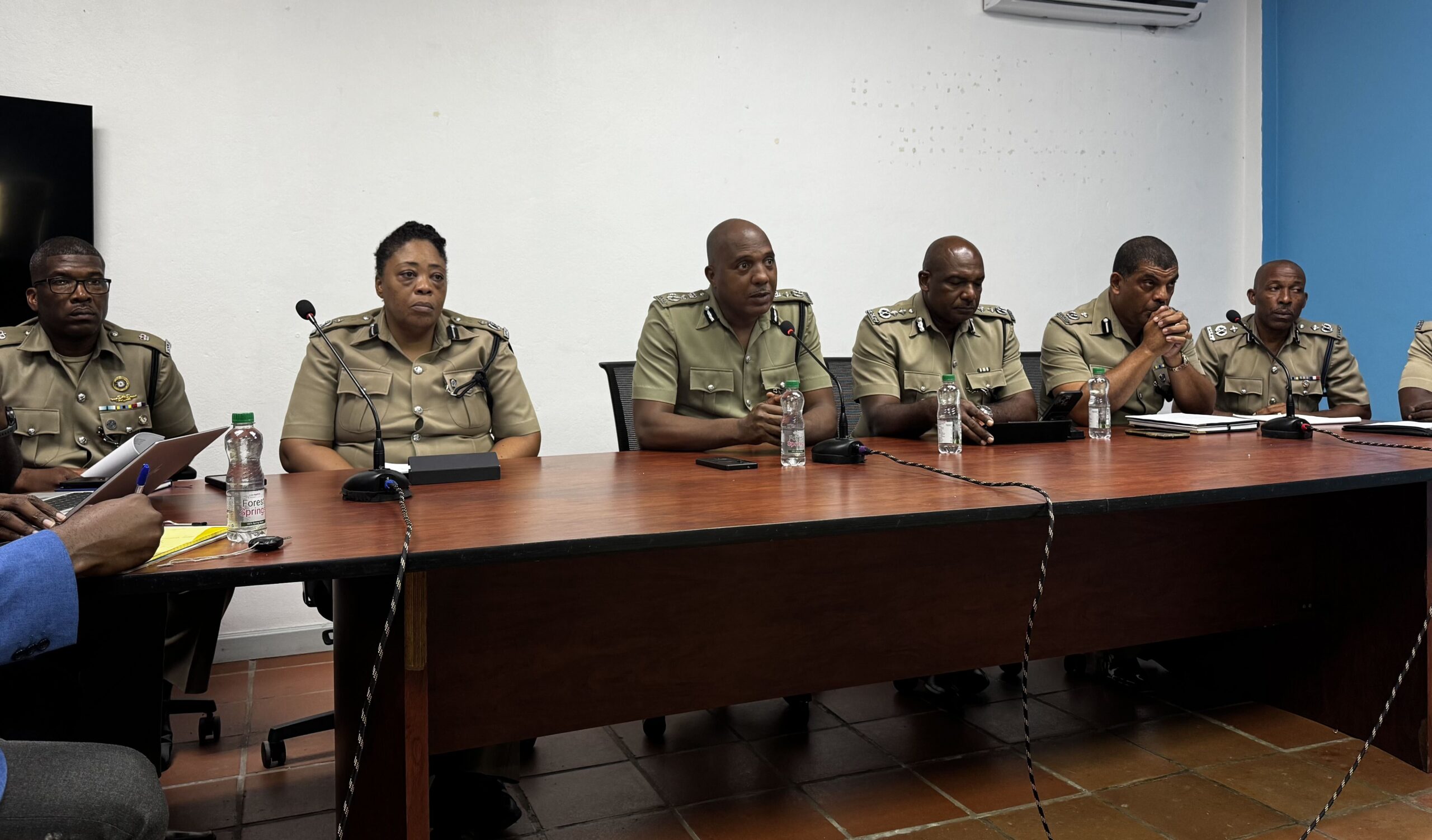
By the end of May, the small Caribbean island nation of Saint Lucia had recorded its 36th homicide of 2026, marking the killing of 24-year-old Mitchel Jean and extending a deadly trend that has become a grim routine for communities across the country. While every violent death carries its own unique impact on grieving families and neighborhoods, the unrelenting pace of fatal violence has emerged as one of the most troubling public safety issues of the year for the island.
Official data paints a stark picture: on average, Saint Lucia sees one homicide every four days, and young people make up a disproportionate share of the victims. The grim homicide statistics come alongside a broader trend that police have highlighted: an overall drop in the volume of “serious crime” across the island. Even so, fatal attacks and attempted murders remain an ongoing, top priority concern for the Royal Saint Lucia Police Force.
Despite the persistent challenge, law enforcement leadership says investigators have not slowed their push to solve cases. Assistant Commissioner of Police Luke Defreitas defended the force’s work, noting the significant progress investigators have made clearing homicides this year. “To investigate thirty-five murders in the space of five months and to be able to bring seventeen of them to some sort of resolution, arresting twenty-two persons does take an immense amount of effort and I will continue to underscore that point,” Defreitas emphasized.
Illegal firearms remain the leading weapon in the island’s homicides, according to police data. Of the 36 killings recorded this year, 25 involved illegal guns. Nine homicides were committed with knives or other sharp weapons, while two fatal attacks resulted from blunt force trauma.
To address the root of the violence, police have ramped up efforts to get illegal weapons off the island’s streets. Between the start of January and May 28 of this year, law enforcement officers recovered 30 illegal firearms and 25 additional weapon components connected to illegal gun activity.
Even with these ongoing enforcement wins and steady progress in solving open homicide cases, the still-rising annual homicide count serves as a clear reminder of the deep-seated public safety challenges that continue to impact Saint Lucia’s police force, grieving families, and affected communities.
-
NCOPT president calls for clear fare formula after fuel price hike
A fresh fuel price increase that took effect on June 1 in Saint Lucia has reignited calls from the island nation’s top public transport industry body for the establishment of a standardized, automatic mechanism to tie public transit fares to volatile fuel costs.
Godfrey Ferdinand, president of the National Council on Public Transport (NCOPT), made the call in the wake of the government’s official announcement of the adjusted fuel prices. Under the revised rates, which align with fluctuations in global crude oil markets through Saint Lucia’s updated fuel pricing framework, both gasoline and diesel have jumped from $16.00 to $16.75 per imperial gallon, while kerosene has seen an even steeper increase from $9.66 to $10.41 per gallon.
Ferdinand notes the latest price hike did not come as a surprise, but he argues that government officials failed in their responsibility to consult transport operators before finalizing and announcing the change. Reflecting the frustration shared across the sector, he remarked, “When I heard that news, I said, ‘Here we go again’.” The price hike, he emphasizes, exposes a deeper, long-standing issue: a persistent lack of coordinated planning between national government agencies and the public transport industry.
Instead of repeating the familiar cycle of public debate, last-minute negotiations, and ad-hoc fare adjustment requests every time international fuel prices shift, Ferdinand says Saint Lucia needs a formal, pre-agreed formula that directly links bus fare rates to fuel cost levels. Under this proposed system, fare adjustments would trigger automatically when fuel prices cross set threshold levels. For example, if fuel hits $14 per gallon, fares would adjust to a pre-defined corresponding rate, and a rise to $17 per gallon would trigger a matching, pre-determined fare change. Ferdinand explains that this transparent structure would bring clarity for both operators and daily commuters, eliminating the repeated disputes and uncertainty that currently surround fare adjustment discussions. It would also allow all stakeholders to operate within a predictable, professional framework, he adds.
Contrary to some narratives, Ferdinand clarifies that public transport operators do not feel betrayed by the latest increase, despite previous government efforts to cap fuel prices to ease cost burdens. What does frustrate the sector, he says, is that operators are consistently framed negatively by the public whenever fuel prices rise. He points out that transport businesses are forced to absorb a large share of fuel-related cost increases, which is why the sector is always the first to speak out about price shifts. As a result, the public has unfairly demonized operators for advocating for fare adjustments to offset higher input costs.
Ferdinand also draws attention to the long gap between the last approved fare increase and the current cost landscape. A planned fare adjustment approved in 2013 was only implemented in 2022, meaning the next July will mark six full years since the last change to bus fares. While some independent operators have already called for immediate fare hikes, the NCOPT plans to take a cautious approach, monitoring market shifts over the next three weeks before deciding whether to formally submit a request for fare adjustments. Ferdinand says the council’s position is clear: if operating conditions shift further against operators, the industry will move forward with a formal request.
He stresses that any future fare adjustment must follow the full formal regulatory process, which includes convening a dedicated fare committee, collecting input from all relevant industry associations, conducting a full review and issuing formal recommendations, and ultimately securing legislative approval from national authorities.
Looking at past government support measures designed to ease the impact of rising fuel costs on transport operators, Ferdinand says targeted fuel rebates have delivered little meaningful relief. He describes the current rebate structure as providing just five cents per day to operators in exchange for holding off on fare increases, a sum too small to purchase even basic goods in Saint Lucia’s current economy. He stresses that the NCOPT and its members are not seeking confrontation with the government; operators simply need sustainable support to keep their businesses running. “We have a business to operate, we have to run and maintain the vehicles. So we need something that is substantial to be able to do that,” he says.
As of yet, the NCOPT has not reached out to the national Department of Transport to initiate discussions following the latest fuel price adjustment. Still, Ferdinand argues that relevant government ministries should have proactively opened consultations before the new prices took effect. He also referenced a previous study commissioned as part of a broader Caribbean Development Bank analysis, which aimed to develop an evidence-based framework for setting bus fares that accounts for local factors including Saint Lucia’s challenging terrain, general inflation, and the real-world operating dynamics of the public transport sector. Ferdinand says it would be beneficial for the government to release the key findings of that study to the public to inform ongoing discussions.
-

Tribute to Dr. Cuthwyn Lake by Dr James Knight
More than a century after the formal abolition of chattel slavery in the Caribbean, a small group of pioneering Black medical professionals returned to their home region after training abroad, laying the foundation for accessible, quality care for local communities that had long been abandoned by formal healthcare systems. Among these trailblazers was Dr. Cuthwyn Lake, only the third Black general surgeon to serve the people of Antigua and Barbuda, following in the footsteps of Dr. Noel Margetson and Dr. Ivor Heath, alongside pioneering obstetrician-gynecologist Dr. William Joseph. For generations of local residents, the transformative impact of their work remains a hidden but foundational part of the nation’s public health history.
Before these physicians returned to their home region, the reality of healthcare for Black communities in the post-abolition Caribbean reflected the deeply entrenched inequalities of the past. During slavery, formal medical care existed exclusively for the white planter class, and care for enslaved people was only provided to maintain their ability to perform grueling plantation labor. Surgeons were even deployed to maul recaptured runaway slaves as punishment, amputating feet to discourage future escape attempts. Immediately after abolition, formerly enslaved people were no longer the property of plantation owners, and they lost what little inadequate care they had once received. For more than a century, local communities relied entirely on traditional bush medicines to treat all manner of ailments, a reality documented vividly in *To Shoot Hard Labour*, the oral history of Antiguan working man Papa Sammy that many public health advocates argue should be required reading for all secondary students in the country.
The work of returning physicians like Lake and his peers changed this reality overnight. Alongside local nurses who stepped in to fill every role, including serving as operating room assistants, these pioneers eliminated widespread preventable illnesses and conditions that had ravaged local communities for generations. Thanks to their work, rates of goiter dropped dramatically, countless people received life-saving care for debilitating conditions like large hydroceles, uterine fibroids, and ovarian cysts, and mortality from preventable conditions like ruptured appendices and childbirth complications plummeted. Today, most people under 50 in Antigua and Barbuda have never experienced the widespread public health crises that were common before these pioneers began their work.
Lake’s story is intertwined with the broader history of Caribbean medical progress. A close contemporary of Dr. Cuthbert Sebastian, the Antigua-born surgeon who rose to become Governor-General of St. Kitts and Nevis and published *One Hundred Years of Medicine in St. Kitts* in 2002, Lake’s experience mirrored that of medical pioneers across every Eastern Caribbean territory. Sebastian’s account of regional healthcare development could easily be adapted to describe Antigua’s journey with almost no changes.
For Dr. James Knight, the author of this reflection, Lake was more than a pioneering public figure — he was a professional mentor who shaped his entire medical career. Knight first met Lake in January 1990, shortly after he graduated from a Cuban medical school and was waiting for his professional licensing to be processed. Lake, then a senior leader at Holberton Hospital, offered to support Knight’s onboarding once his licensing was finalized, and Knight began his clinical career working alongside Lake and Dr. Ramamuthi Bekal in the hospital’s operating room.
Knight remembers Lake as a level-headed, open-minded leader free of the prejudice and professional resentment that plagued many senior medical leaders of the era. He was a thoughtful man with broad general knowledge and a pragmatic approach to the challenges of public health in a small developing nation. When Knight asked Lake why he maintained a close relationship with then-Prime Minister V. C. Bird yet the hospital still regularly lacked basic supplies, Lake replied with characteristic candor: Politicians prioritize visible, popular projects like village basketball courts over behind-the-scenes hospital equipment that delivers far greater public good. Knight notes that even decades later, this misprioritization — favoring sensational, visible projects over the routine organizational and programmatic needs of healthcare — remains a persistent challenge for the region’s health systems.
Lake was also a forward-thinking healthcare planner who advocated for expanding and renovating Holberton Hospital on its existing site, arguing that the location offered ample room for future growth — a vision that many public health experts now recognize as prescient. Professionally, Lake guided Knight’s career at a critical juncture: when senior colleagues encouraged Knight to leave the hospital for a district medical officer role that offered greater opportunities for private practice, Lake refused to write a letter of recommendation, arguing that gaining broad experience across multiple hospital departments would be far more valuable for Knight’s long-term development. Knight would later call this advice life-changing: the six years of broad clinical experience he gained at Holberton gave him the confidence to become Barbuda’s first full-time resident doctor in 1997.
Even in challenging professional conflicts, Lake’s calm demeanor and humility won over even his critics. Early in his career at Barbuda, when nursing staff pushed back against his requirement for full eight-hour shifts, a retired Holberton matron noted that Knight’s measured response mirrored Lake’s approach. Though Lake was once nicknamed “Brutus” by nurses early in his career, his good humor, civility, and humility eventually won over all his detractors. By the end of his tenure, he counted staff across every role — from senior consultants to cleaners, cooks, and carpenters — among his most ardent supporters.
Working in an era before widespread access to specialized surgical care, Lake operated on every part of the human body, but his greatest skill was his deep understanding of human need. Unlike many leaders who saw the COVID-19 pandemic as an opportunity for profit, Lake believed the crisis should be a moment to deepen empathy for vulnerable communities. It is for this reason that naming Antigua and Barbuda’s COVID-19 alternate treatment facility after Dr. Cuthwyn Lake was a fitting tribute. True to his surname, Lake was a steady, calm force like a great lake, a deep reservoir of knowledge who nourished the entire medical community, fostering a culture of excellence and lasting humility that continues to shape the nation’s healthcare to this day.