分类: society

  • 13 Belizean Chefs Complete Culinary Certification Program

    13 Belizean Chefs Complete Culinary Certification Program

    Belize’s culinary landscape has achieved a significant milestone with thirteen local chefs attaining internationally recognized certification through a rigorous five-month program. The initiative, a collaborative effort between the Belize Tourism Board (BTB) and the American Culinary Federation (ACF), marks a transformative step in professionalizing the nation’s food industry.

    The intensive certification process, designed to elevate culinary standards, covered specialized tracks for Sous Chefs, Chefs de Cuisine, and Executive Chefs. Participants endured months of demanding training, often working through late nights and overcoming numerous examination challenges to achieve their credentials.

    Lloyd Enriquez, BTB’s Director of Cruise and Capacity Development, emphasized the program’s strategic importance: “This forms part of our broader journey to build capacity within Belize’s tourism sector. These world-renowned certifications enable our professionals to work anywhere globally, though our primary goal remains talent retention and development within Belize.”

    Among the graduates is Sean Kuylen, now a Certified Executive Chef, who highlighted the program’s scientific approach to complementing Belize’s rich culinary traditions. “We must understand modern dietary requirements while honoring our cultural heritage. This certification adds the necessary scientific foundation to our indigenous practices,” Kuylen explained.

    The cohort features inspiring personal journeys, including Michael ‘Maya Mike’ Acal, who progressed from dishwasher to Certified Chef de Cuisine over a decade-long career. Ennel Valdez, another graduate and culinary instructor, views the achievement as an “eye-opening before-and-after moment” that enhances his ability to mentor emerging talent.

    The BTB anticipates establishing a permanent training facility in Belize to sustain this momentum, positioning the nation as a premier culinary destination while strengthening its professional hospitality infrastructure.

  • Afro-Dominican Action reclaims February 9 as key date in anti-slavery history

    Afro-Dominican Action reclaims February 9 as key date in anti-slavery history

    SANTO DOMINGO – Marking the 204th anniversary of slavery’s abolition in Spanish Santo Domingo, the advocacy group Afro-Dominican Action has initiated a powerful digital campaign to challenge what it terms official historical amnesia. Through a series of video statements released on social media, the organization transformed the day into one of both historical remembrance and political protest.

    The campaign directly confronts the sustained silence from state institutions regarding February 9th, a date the group champions as foundational to the nation’s anti-colonial narrative and the broader Caribbean struggle for emancipation. This initiative builds upon a formal proclamation issued earlier, in which the organization accused the country’s political and intellectual elites of systematically minimizing and distorting the significance of the 1822 abolition event.

    Afro-Dominican Action argues that this erasure has facilitated a national narrative steeped in Hispanophilia and racism, one that deliberately obscures the pivotal role of Afro-descendant resistance movements and the transformative societal impact of abolition. The group has forcefully reaffirmed the date as an indispensable cornerstone in the history of anti-slavery efforts and for Afro-Dominican dignity.

    The video series features compelling testimonies from prominent scholars. Dominican writer and researcher Diógenes Abreu drew attention to the Palm of Liberty, a symbol planted by Haitian ruler Jean-Pierre Boyer that has been largely erased from public memory. Historian María Cecilia Ulrickson contested claims of a ‘benign’ or naturally declining slavery system prior to 1822, asserting that the abolition constituted the island’s first genuine act of emancipation. Providing a regional context, U.S. historian Andrew Walker documented how post-abolition Santo Domingo emerged as a critical sanctuary for formerly enslaved people fleeing across the Caribbean.

    Concluding its campaign, Afro-Dominican Action emphasized that the legacy of abolition is not a settled historical footnote but a fiercely contested and living memory, especially amidst contemporary struggles against racism and human rights violations. The organization has amplified its longstanding demand for the government, led by President Luis Abinader, to officially designate February 9th as the National Day of the Abolition of Slavery—a call for historical justice echoed by public intellectual Miguel Solano.

  • Indotel launches SonanDO project to strengthen cultural sovereignty in border areas

    Indotel launches SonanDO project to strengthen cultural sovereignty in border areas

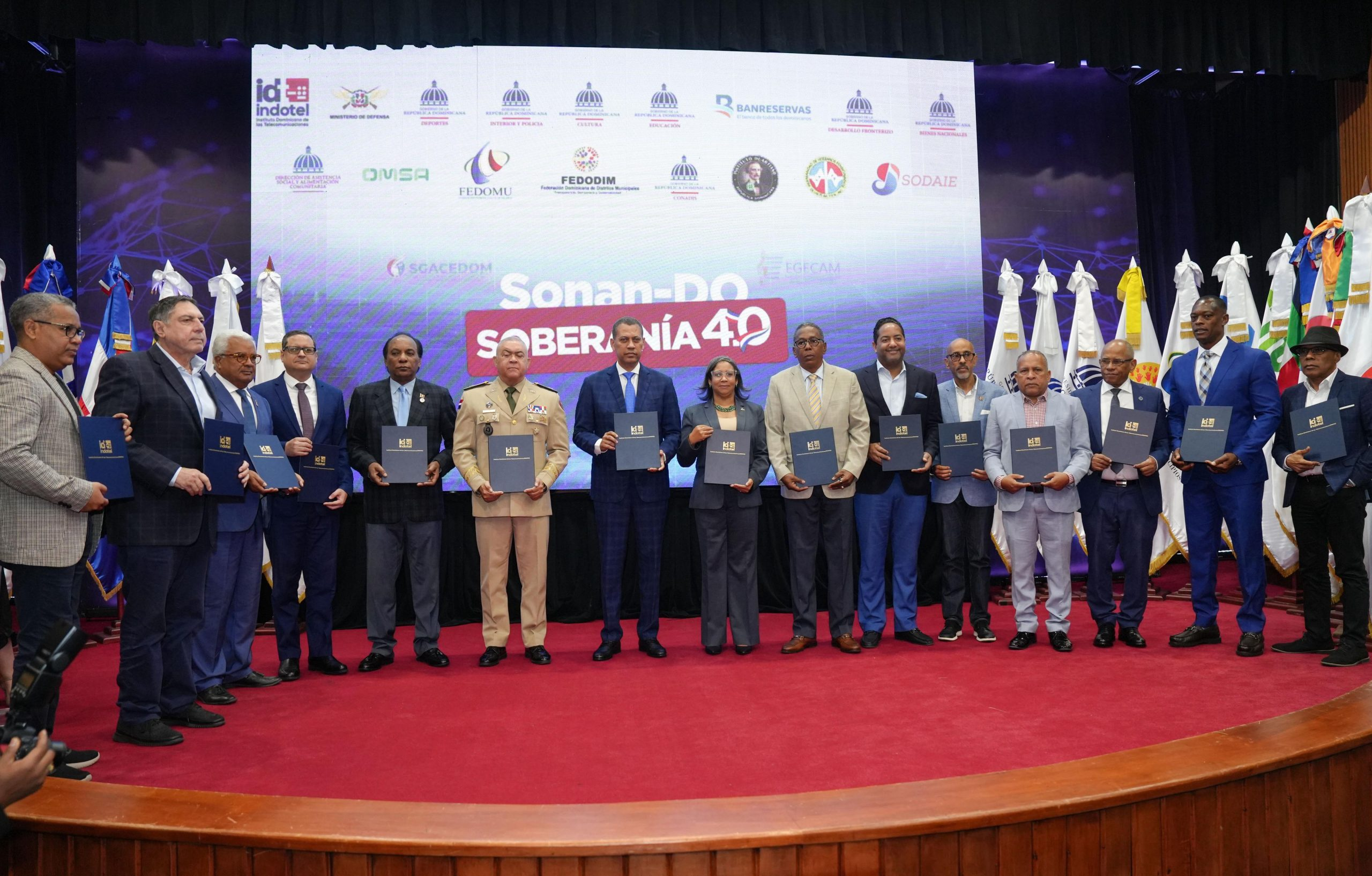
    The Dominican Telecommunications Institute (Indotel) has spearheaded a groundbreaking inter-institutional pact involving over 15 public and cultural organizations to implement Project SonanDO. This initiative forms a crucial component of the broader Sovereignty 4.0 strategy, designed to enhance radioelectric sovereignty while promoting national cultural identity and supporting comprehensive development in marginalized border communities through enhanced connectivity, educational resources, and locally produced content.

    Targeting seven strategic border provinces—Dajabón, Independencia, Elías Piña, Pedernales, Montecristi, Santiago Rodríguez, and Bahoruco—the project will deliver programming featuring authentic Dominican music, historical narratives, educational materials, and social guidance messaging. A innovative mobile recording studio, housed within a bus generously donated by OMSA, will traverse these regions to discover, train, and promote emerging local talents with particular focus on youth development.

    Indotel Board President Guido Gómez Mazara revealed the project was developed following comprehensive studies indicating disproportionate foreign radio broadcaster penetration in border zones, with over 60% of residents expressing dissatisfaction with available content. Gómez Mazara emphasized that SonanDO represents a holistic integration of cultural preservation, technological advancement, and educational enhancement to strengthen national identity while generating opportunities and reducing social exclusion. Sovereignty 4.0 coordinator Pochy Familia noted that participation from 19 institutions demonstrates unprecedented governmental commitment to cultural sovereignty and utilizing music as a catalyst for social transformation.

    This collaborative alliance reaffirms the Dominican Government’s dedication to protecting the radio spectrum as a strategic national asset, amplifying cultural presence in vulnerable border regions, and ensuring communication infrastructure serves as an instrument for identity reinforcement, education, and nationwide social cohesion.

  • Security : Certified security agents at the Ministry of Agriculture

    Security : Certified security agents at the Ministry of Agriculture

    In a significant move to bolster institutional security, Haiti’s Ministry of Agriculture, Natural Resources and Rural Development (MARNDR) has completed an intensive specialized training program for its security personnel. The Western Department initiative represents a substantial advancement in protection standards for government facilities.

    The ministry engaged Protection and Risk Management S.A. (PRM Security), a recognized leader in risk mitigation solutions, to deliver expert instruction through two comprehensive sessions. The curriculum addressed critical operational competencies including controlled access procedures for sensitive buildings, implementation of preventive risk measures, and emergency response protocols for crisis situations and natural disasters.

    During the certificate ceremony, Agriculture Minister Vernet Joseph commended PRM Security for their ‘professionalism and technical contribution’ while praising participating officers for their discipline and dedication. Minister Joseph announced broader ambitions, stating: ‘We will modernize and professionalize security services for central bodies, with plans to replicate this training across all Departmental Directorates.’

    Jean Paul, representing PRM Security, confirmed that ‘officers are now fully equipped to ensure physical security for Ministry staff and infrastructure.’

    The most poignant endorsement came from Osmain Austène, Head of Security with 25 years of service, who described the initiative as ‘historic and highly beneficial,’ noting it was the first large-scale training program ever offered to security personnel within the ministry.

    This ceremony not only concludes the training cycle but signals a transformative shift toward institutionalized professional security protocols within Haiti’s agricultural administration.

  • Woman dies after fall from fourth level of Ágora Mall

    Woman dies after fall from fourth level of Ágora Mall

    Santo Domingo was struck by tragedy on Monday when a woman lost her life after falling from the fourth-floor parking structure at Ágora Mall. The incident occurred in an area operated by the General Directorate of Customs, prompting immediate response from emergency services including the National Police, Civil Defense, and the 9-1-1 System.

    Authorities have launched a comprehensive investigation to determine the precise circumstances surrounding the fatal incident. While preliminary details remain limited, officials are examining all possible factors that may have contributed to the tragedy.

    Ágora Mall administration released an official statement expressing profound condolences to the victim’s family and friends. The shopping center emphasized the importance of respectful and discreet handling of the sensitive case while acknowledging the swift response of both mall security personnel and emergency authorities who implemented established safety protocols.

    This unfortunate event evokes memories of a similar incident that occurred in July of the previous year, when a male individual died after falling from the parking facility of the same commercial establishment. That previous case was ultimately classified by authorities as an apparent suicide, though no such determination has been made regarding Monday’s incident.

  • ‘I’m up to the task,’ Says Albert Vaughan as New NICH President

    ‘I’m up to the task,’ Says Albert Vaughan as New NICH President

    Belmopan, Belize – February 9, 2026. Albert Vaughan has officially assumed the role of President at the National Institute of Culture and History (NICH), expressing strong confidence in his capacity to lead the institution’s cultural preservation mission. The newly appointed president returns to NICH after previously serving as both a senior director within the organization and subsequently as Belize City Administrator.

    In his first official statements, Vaughan emphasized his readiness to meet the challenges ahead, stating: ‘I feel very good because I believe that I’m able, I believe that I’m up to it, and I believe that I can achieve what the minister wants NICH to achieve.’ He acknowledged the confidence placed in him by the Minister of Culture, viewing this appointment as both an honor and a responsibility.

    The incoming president outlined an ambitious agenda focused on three primary objectives: enhancing inter-institutional collaboration across NICH’s four divisions, strengthening protection mechanisms for national heritage, and dramatically expanding public access to cultural resources. His strategic vision includes comprehensive improvements to archaeological site management, revitalization of the Festival of the Arts at the Bliss Center for Performing Arts in Belize City, and the development of community-based cultural programming initiatives.

    Vaughan identified public accessibility as a particular priority, noting: ‘We want to make sure that Belizean heritage is more accessible to Belizeans. A lot of people don’t fully understand what this institution has to offer them.’ His approach signals a shift toward more community-engaged cultural preservation that emphasizes both protection and public participation in Belize’s rich cultural history.

  • $306K Invested to Save Monkey River From Erosion

    $306K Invested to Save Monkey River From Erosion

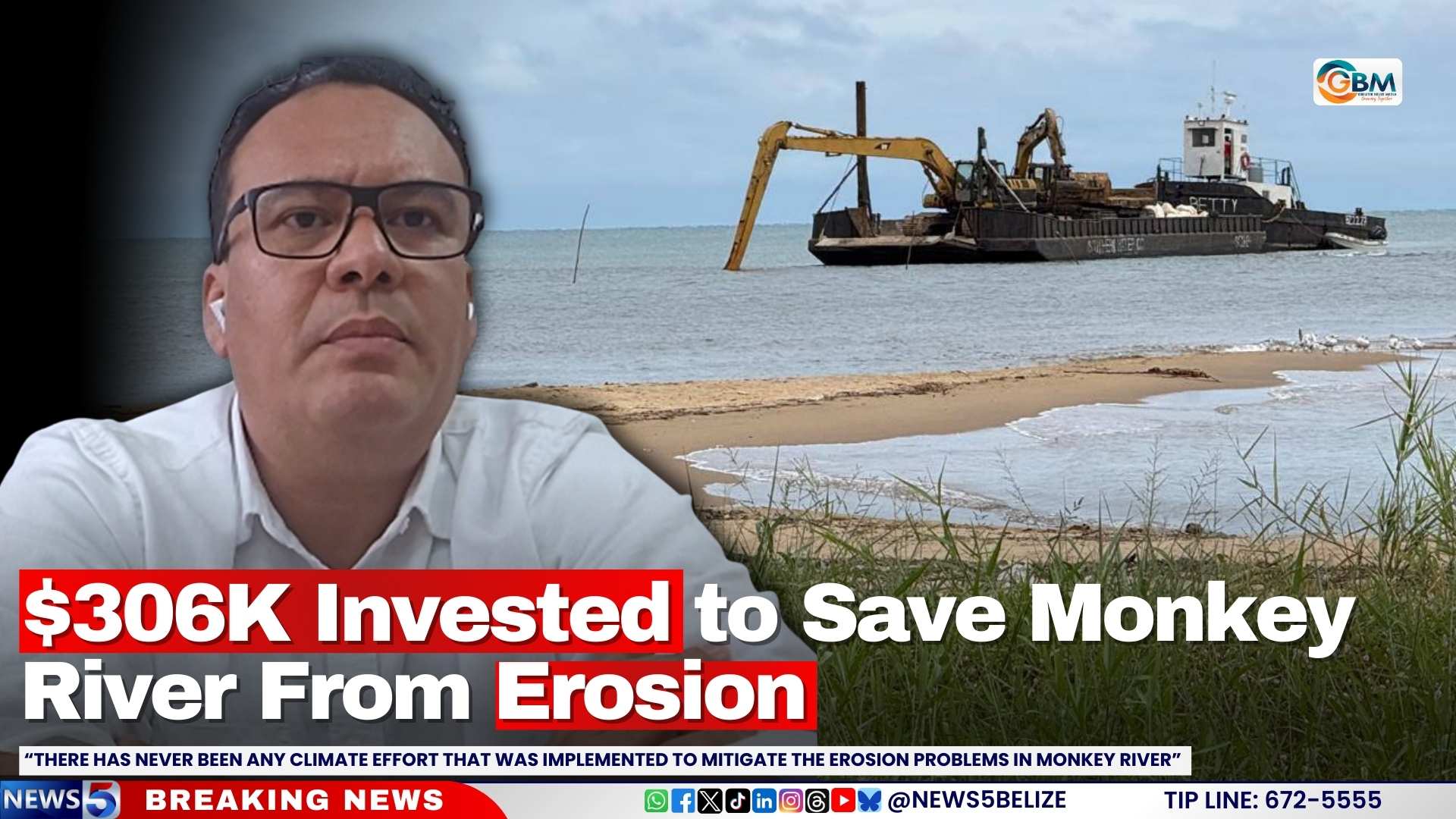
    The Belizean government has initiated a critical $306,000 coastal stabilization project in Monkey River Village, a southern coastal community severely impacted by advancing shoreline erosion and rising sea levels. Announced by Toledo East Area Representative Dr. Osmond Martinez, the project commenced last week with an anticipated completion date set for the end of February 2026.

    This intervention addresses urgent concerns from residents who have witnessed progressive loss of land and residential properties, with many fearing eventual displacement as climate change refugees. Dr. Martinez emphasized the historic significance of this initiative, noting it represents the first substantive government action to combat erosion in the vulnerable community after years of perceived neglect.

    The engineering approach prioritizes environmentally conscious methodologies, utilizing natural materials like bollards instead of concrete or piles to minimize ecological disruption. Initial phase one operations focus on wave mitigation at the river-sea confluence, while a subsequent phase will safeguard the village burial ground from imminent washout threats.

    Beyond immediate erosion control, the project features a collaborative conservation component establishing a community-co-managed wildlife sanctuary through partnership with environmental organization TIDE. All project phases have received formal clearance from Belize’s Department of Environment with additional support from the Ministry of Natural Resources and Ministry of Local Government.

  • Five Children Left Without Father After Fatal Dangriga Shooting

    Five Children Left Without Father After Fatal Dangriga Shooting

    The coastal community of Dangriga is reeling from a tragic shooting incident that claimed the life of 39-year-old fisherman Bernaldo ‘Sparrow’ Gorosica on Friday night. The fatal attack occurred in the Riverside area, where multiple gunshots—reportedly up to ten—rang out, signaling what authorities believe was a targeted assault.

    Gorosica sustained multiple gunshot wounds and was pronounced dead at the scene, leaving behind five children and his common-law wife of ten years, Shantel Waight. The devastated family was at home when they received the heartbreaking news of the shooting.

    In emotional statements, Waight remembered Gorosica as ‘a happy man’ who ‘always had a smile on his face,’ expressing bewilderment at the brutal nature of his killing. The grieving widow highlighted the profound impact on their children, who are now confronting life without their father.

    Monique Gorosica, the victim’s sister, emphasized the family’s pursuit of justice rather than retaliation, stating: ‘Vengeance is not ours—it belongs to the Lord. Whether we achieve earthly justice or not, which I hope we do, I know that the God we serve is not asleep.’

    Local police authorities confirm that while no arrests have been made thus far, investigators are actively pursuing several promising leads in the case. The community awaits developments as the search for the perpetrator(s) continues.

  • Government Provides $54,000 Worth of Equipment for Rural Water System

    Government Provides $54,000 Worth of Equipment for Rural Water System

    The rural community of San Estevan in Orange Walk District has received a significant infrastructure boost with a $54,000 equipment donation from Belize’s Ministry of Rural Transformation, Community Development, and Local Government. This strategic investment comprises essential piping infrastructure and a backup generator specifically designed to enhance the village’s water distribution capabilities.

    The newly acquired equipment will serve dual purposes: the piping network will facilitate expansion of household connections to accommodate growing demand, while the generator will ensure uninterrupted water service during power outages by providing emergency backup to the pumping system. This infrastructure enhancement addresses both expansion needs and reliability concerns within the community’s water supply framework.

    Local water board officials confirmed the equipment will enable connection of additional households to the centralized water system, responding to increasing demands for reliable potable water access. The investment represents part of a broader governmental initiative targeting rural water system improvements across multiple communities, with similar support packages planned for other regional water boards in ongoing efforts to strengthen water security infrastructure throughout Belize’s rural territories.

  • “Lapse” at Parika Police Station during assault

    “Lapse” at Parika Police Station during assault

    A disturbing security failure occurred at the Parika Police Station in East Bank Essequibo, Guyana, in the early hours of Sunday, February 8th, 2026. An assault victim seeking refuge at the station was violently attacked within the police compound itself, raising serious concerns about procedural safeguards and officer presence.

    Home Affairs Minister Oneidge Walrond publicly acknowledged the institutional lapse, confirming that police presence was insufficient at the time of the incident. “It’s clear that there was a lapse there in terms of police presence at the police station,” Minister Walrond stated to reporters. She further indicated that Deputy Police Commissioner Errol Watts has been directed to address the matter with utmost seriousness.

    According to official reports from the Guyana Police Force and social media evidence, the victim had arrived at the station to report a previous assault when his alleged aggressor forcibly entered the premises. CCTV footage captured the assailant confronting and repeatedly striking the victim within the station’s compound, despite the location being designated as a place of safety.

    Law enforcement personnel present during the altercation eventually intervened, apprehending the 33-year-old assailant from Farm, East Bank Essequibo. The victim received medical examination at De Kinderen Regional Hospital and was deemed stable before departing the facility. Meanwhile, the attacker remains in custody, formally charged with wounding.

    The Guyana Police Force issued a strong condemnation of the incident, emphasizing that police premises must remain zones of safety and lawful redress. All relevant CCTV recordings have been secured as part of an ongoing investigation into the breach of security protocols.