分类: society

  • A shocking, gruesome act, says Elder in visit with family

    A shocking, gruesome act, says Elder in visit with family

    The small, tight-knit communities of southern Trinidad and Tobago are grappling with unspeakable grief and shock after the body of 12-year-old Mercedez Layne, who had been reported missing just hours earlier, was recovered early yesterday morning. The discovery was made around 7:30 a.m. alongside an oil pipeline located on Carapal Road in Erin, marking a tragic end to a frantic search that had mobilized local authorities and volunteer groups across the region.

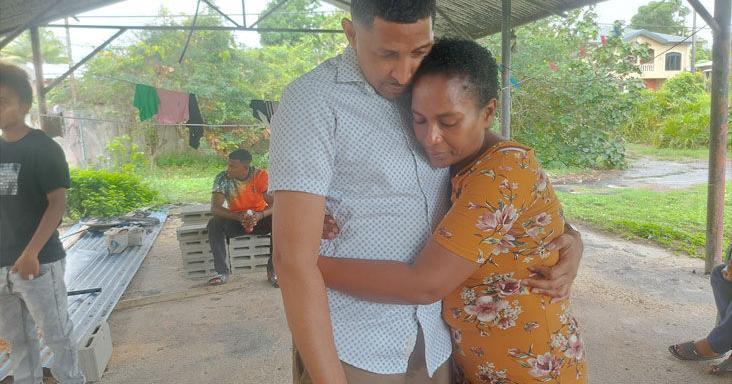
    La Brea Member of Parliament Clyde Elder, a native of Carapal Road, was on site when the child’s remains were found. Accompanied by Arlene Ramdeo, the local government councillor for Erin, Elder later traveled to the Layne family’s home on Los Iros Beach Road to offer formal condolences to Mercedez’s mother, Annarese Layne, who is now facing the unthinkable loss of a child who had barely begun her life.

    In comments to reporters, Elder described the killing as a shocking, heart-wrenching and gruesome act that has left the entire interconnected community of Los Iros, Carapal and Erin reeling. “This has left us all in a state of disbelief,” Elder said. “Right now, everyone in the area is holding out hope that justice will be served for Mercedez.”

    Elder praised the Trinidad and Tobago Police Service (TTPS) for their rapid response to the missing person report, noting that investigators have already taken a 24-year-old suspect from Palo Seco into custody in connection with the murder. He expressed confidence that law enforcement would move quickly to wrap up the investigation and hold the perpetrator accountable.

    Elder added that the entire national government stands ready to support the grieving family, saying: “This is something that will rock our Prime Minister to her core, as she has always been a staunch advocate for children’s safety and well-being. As the local MP, I am committed to providing every possible resource and support to the Layne family right now, and the government will stand with them through this process.”

    Opposition Leader Pennelope Beckles also released a public statement yesterday, extending her deepest condolences to the Layne family and calling for urgent systemic action to prevent similar tragedies in the future. Beckles emphasized that the brutal, tragic cutting short of Mercedez’s young life has left the entire nation in mourning.

    “It is with profound sorrow and a deeply heavy heart that I offer my sincerest condolences to the family of 12-year-old Mercedez Layne, whose life was so brutally and tragically taken. This devastating news of her death has shocked and saddened the entire country,” Beckles said in her social media statement.

    She also extended public recognition to the teams that participated in the search for Mercedez, commending the TTPS, the Hunters Search and Rescue Team, civilian volunteers and concerned local residents for their tireless work in the hours after the girl was reported missing. “Their commitment and dedication during a time of great uncertainty deserve our highest commendation,” she added.

    Beckles argued that the tragedy demands urgent national reflection and action, noting an apparent uptick in missing and abducted child cases across the country in recent months. “No parent, grandparent or family should ever have to endure the pain of losing a child in such tragic circumstances. The loss of a young life touches the conscience of the entire nation and reminds us of our collective responsibility to protect our children,” she said.

    While Beckles affirmed that the public must allow police to conduct a full, unimpeded investigation to ensure justice is delivered through due process, she said the case makes clear that the State must move quickly to strengthen the nation’s child protection framework, upgrade public safety infrastructure, and increase public awareness around child safety. She also urged all families across the country to remain vigilant, maintain close awareness of their children’s activities and whereabouts, and prioritize proactive safety measures.

    “As a nation, we mourn with Mercedez’s family. Let us stand together in support of them, assist law enforcement in any way possible, and remain united in our determination to ensure that those responsible are brought to justice,” Beckles concluded.

  • ACP: Search for Angelo’s body not over

    ACP: Search for Angelo’s body not over

    Nearly seven months after two-year-old Angelo Tobias-Plaza disappeared from his Goodwood, Tobago home, law enforcement officials have moved to correct public misinformation about the status of efforts to recover the toddler’s remains. Acting Commissioner of Police Rishi Singh emphasized that while the initial large-scale multi-agency search operation has concluded, targeted searches will be launched immediately any time new credible information about the child’s body comes into the force. “Claims that the search has been permanently called off are simply not factual,” Singh confirmed in an official statement.

    The toddler was first reported missing from his Cambridge Trace residence on the night of May 11 this year, sparking one of the largest search operations in recent Tobago history. Law enforcement, emergency response agencies, and volunteer rescue groups mobilized resources across land, sea, and air to locate the child, with participation from the Tobago Police Division, the Trinidad and Tobago Fire Service, the Office of Disaster Preparedness and Management, the Coast Guard, the Child Protection Unit, the Homicide Bureau, the Tobago Emergency Management Agency, and both regional Hunters Search and Rescue Team branches. On May 25, Angelo’s 24-year-old stepfather, Shannon Miller, was taken into custody and arraigned at a Scarborough court on a charge of murder. He is next scheduled to appear for a court hearing on November 30.

    In the wake of Miller’s arrest and the pause in large-scale search efforts, Angelo’s grieving family has begun making arrangements for a memorial service, held to honor the toddler’s memory with his body still unrecovered. Kalifah Tobias, cousin of Angelo’s mother, confirmed that event planning is well underway, though organizers have not yet locked in a final date for the service. Tobias himself was detained by investigators in the early stages of the probe, but he was ultimately released following guidance from the Director of Public Prosecutions.

    Speaking on behalf of the entire family, Tobias shared that Angelo’s young mother has struggled immensely to cope with the loss and uncertainty of the situation. Closely supported by extended family members who have rallied around her to provide emotional and practical assistance through this devastating ordeal, she has stepped back from public life: she deactivated her Facebook account not long after the case began, and has not returned to her Cambridge Trace home since Tobias was released from police custody.

    The investigation’s progress and handling have already drawn public criticism from top regional leaders. Two weeks ago, Chief Secretary of the Tobago House of Assembly (THA) Farley Augustine told reporters he was deeply dissatisfied with the police investigation into Angelo’s disappearance and murder, stating that the service needed to lift its performance in high-profile missing person and homicide cases. During a plenary sitting of the THA, Augustine added that the regional assembly is prepared to offer specialized training to Tobago-based police officers to improve response outcomes for similar cases in the future.

  • Leave sacred artefacts alone, says IRO head

    Leave sacred artefacts alone, says IRO head

    A brazen early-morning break-in at a Roman Catholic church in Trinidad and Tobago has sparked widespread condemnation from both interfaith leaders and opposition political figures, who are calling out the act as a desecration of sacred space and a violation of the nation’s core shared values.

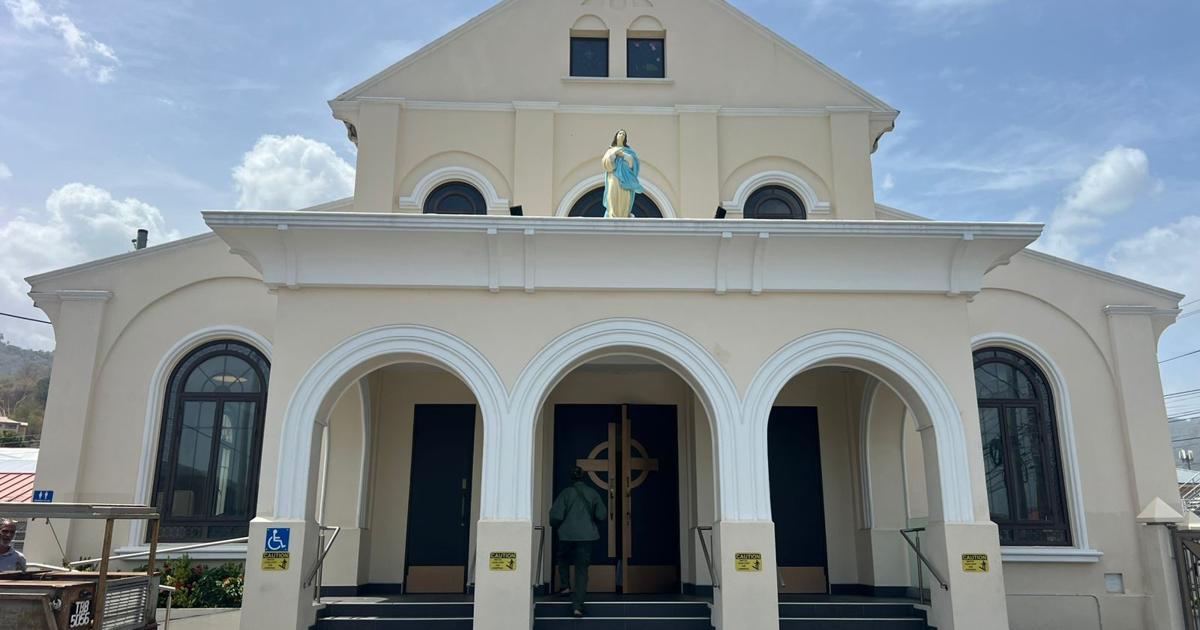
    The incident unfolded on a Tuesday last week at St Mary’s RC Church in St James. When parish priest Fr Emmanuel Pierre arrived at the property at approximately 5:15 a.m. to prepare for the 6:15 a.m. mass, he encountered an unknown intruder inside the building. After the intruder left, a thorough check revealed that the sacristy had been completely ransacked, and two gold-plated monstrances were missing. These sacred vessels, valued at an estimated $15,000, are specifically used to display the consecrated Eucharistic host during public adoration and veneration, making their theft especially distressing for the local faith community.

    In a telephone interview conducted from his Scarborough, Tobago residence, Dr. Ellis Burris, president of the Inter-Religious Organisation (IRO), issued a firm rejection of the criminal act. “I don’t condone it. We (IRO) would not support the disruption and desecration of sacred places of worship. People should not be tampering with the sacred vessels used in worship. We want to dissuade people from engaging in these nefarious acts,” Burris stated. He emphasized that communities across all faith traditions hold religious artefacts in deep reverence, adding, “Don’t interfere with peoples’ religious artefacts. Don’t tamper with the artefacts that they hold sacred. The items which they cherish.”

    Beyond condemning the theft, Burris issued a public call to all citizens of Trinidad and Tobago to turn to prayer for the nation and its governing leadership. “Let us pray and ask Almighty God to bless each other and our country. Pray for our leaders and elders. Continue to worship God in spirit and in truth. The Holy Bible says, ‘The prayer of a righteous man availeth much,’” he said, urging collective spiritual reflection amid rising concerns about criminal activity targeting religious sites.

    Opposition Leader Penelope Beckles joined Burris in condemning the break-in, addressing the incident during her official Corpus Christi message. “I must address the recent desecration and theft at St Mary’s RC Church. The breaking into a house of worship and the theft of sacred vessels, including the monstrances used in the Holy Eucharist, is deeply painful and unacceptable,” Beckles said. She framed the offense as far more than a simple property crime, noting, “It is not only a crime against property, but also an assault on the spiritual dignity of a community and the conscience of the nation. Any violation of a house of worship strikes at the heart of our shared values and must be condemned in the strongest possible terms.”

    Beckles also highlighted a message of hope from the parish priest who encountered the intruder, praising Fr Pierre’s calm, principled response to the traumatic incident. “Despite the present-day realities, I am inspired by the words of courageous Fr Emmanuel Pierre, ‘There’s a better way to live.’ That message must reach beyond the church and into every community affected by crime, violence, and despair. We must ensure our young people see a path that is not defined by destruction, but by dignity and hope,” she added.

  • Peace Beach At Barnacle To Feature Artificial Reef, Beach Huts and Viewing Deck

    Peace Beach At Barnacle To Feature Artificial Reef, Beach Huts and Viewing Deck

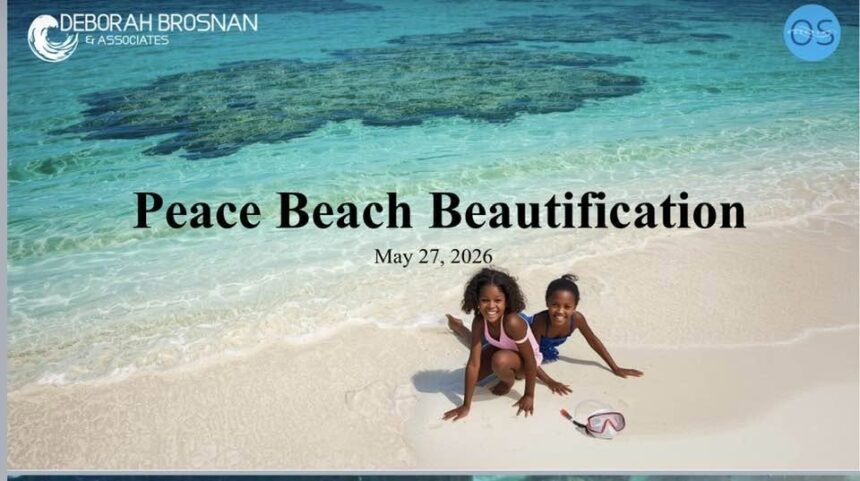
    Antigua and Barbuda Prime Minister Gaston Browne has introduced an ambitious new community and environmental initiative, proposing the development of a one-of-a-kind ‘Peace Beach’ at Barnacle Point. The groundbreaking project is designed to weave together four critical pillars: robust coastal protection, targeted marine conservation, accessible environmental education, and inclusive public recreation, creating a shared public space that serves both people and the planet.

    Conceptual drawings released by the Prime Minister’s office outline a thoughtfully designed beachfront landscape centered on native regional flora. The plans call for extensive planting of local vegetation, including iconic coconut trees and West Indian almond trees, which will support local ecosystems and preserve the area’s natural character. Beyond green spaces, the design includes a range of public amenities: open picnic areas for family gatherings, affordable public beach huts for visitor use, clear educational signage detailing local ecosystems, and a central open-air pavilion for community events.

    A defining feature of the project is its intentional focus on promoting peaceful collaboration. Concept plans incorporate permanent signage outlining a set of ‘Peace Principles’ that the initiative champions. These core values include non-violence, mutual respect between communities and groups, cross-sector cooperation, open dialogue, mutual tolerance, social inclusion, radical compassion, and shared collective responsibility for the spaces and resources people use together.

    Additional key elements of the design include an elevated viewing deck that offers panoramic views of the coastline, shaded seating areas to accommodate visitors in tropical weather, interactive displays highlighting ongoing local marine conservation work, and an extension of the existing breakwater. The breakwater expansion is engineered to boost coastal resilience, a critical upgrade in the face of growing climate risks including sea level rise and more intense storm surges that threaten Caribbean coastal communities.

    In public comments announcing the plan, Browne emphasized that the project’s core mission is to integrate environmental restoration of the Barnacle Point coastline with accessible community education and recreational opportunities, all while embedding shared values of peace and cooperation into the fabric of the public space. The proposal marks a novel approach to coastal development that balances human use with ecological protection and community value-building.

  • Antiguan Carolyn Providence Earns PhD in Nutritional Sciences from Rutgers University

    Antiguan Carolyn Providence Earns PhD in Nutritional Sciences from Rutgers University

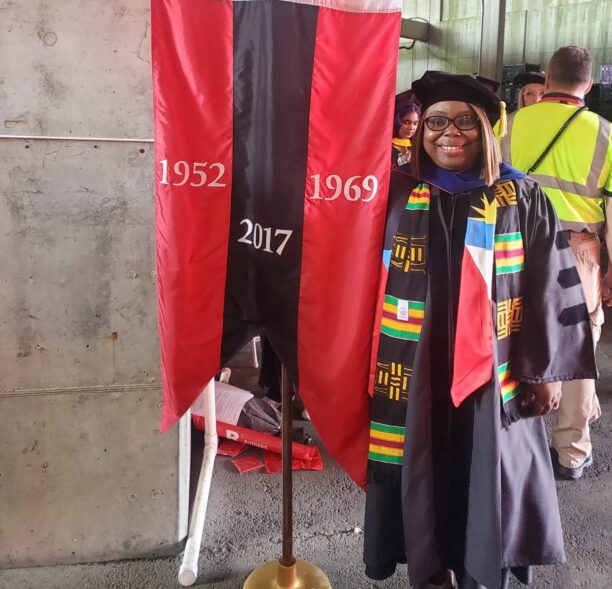
    On May 17, 2026, Carolyn Providence, a homegrown scholar whose educational journey began at some of Antigua and Barbuda’s most established local learning institutions, capped off her years of academic dedication by earning a Doctor of Philosophy degree in Nutritional Sciences from Rutgers University, one of the United States’ leading public research institutions based in New Jersey.

    Dr. Providence’s roots run deep across multiple communities in Antigua and Barbuda, with extended family lineage tying her to four prominent local clans: the Mason family of St. John’s, the Richard family of Seaview Farm, the Lewis family of Potters Village, and the Providence family of All Saints. She also has ancestral connections to St. Vincent, adding another layer to her regional Caribbean heritage. Raised in the quiet community of Sutherlands, Dr. Providence grew up engaged with the Good Shepherd Anglican Church, shaping her early years in the tight-knit local setting before pursuing higher education abroad.

    Starting her academic path at Miss Francis Preschool, moving through TOR Memorial and Antigua Girls’ High School, and completing her pre-doctoral studies at Antigua State College, Dr. Providence carries the experience of Antigua and Barbuda’s national education system with her into her advanced work. Her specialized research focuses on critical global and regional issues: hunger alleviation and food system policy. Moving forward from her graduation, she plans to leverage her new terminal degree to advance evidence-based food, nutrition, and public health policy frameworks across three spheres: the United States, her home nation of Antigua and Barbuda, and the broader Caribbean region, where food insecurity remains a persistent challenge for many small island developing states.

  • Senator Shaquan O’Neil Donates to Youth Cricket Academy That Helped Shape His Career

    Senator Shaquan O’Neil Donates to Youth Cricket Academy That Helped Shape His Career

    For many public figures, success in politics often traces back to formative lessons learned outside of government chambers — and for sitting Senator Shaquan O’Neil, that foundation was built on the cricket pitch. This week, O’Neil returned to his athletic roots to make a personal donation to A Chance to Shine Academy, the youth cricket development program that he says molded his early growth both as an athlete and as a leader.

    Before O’Neil launched his career in public service, the academy gave him the structured support and mentorship that shaped many of the core values he carries with him in office today. That guidance came largely from Abdiel Hughes, O’Neil’s childhood coach, who the senator credits as being a foundational influence on his early cricketing and personal journey. Hughes did not only teach O’Neil the rules of the sport; he nurtured his talent enough to help him climb the ranks of regional and national youth cricket, earning O’Neil spots on both the Leeward Islands Under-15 squad and Antigua and Barbuda’s Under-15 and Under-17 national teams.

    During an in-person visit to the academy’s facilities, O’Neil formally presented his donation to Hughes alongside the program’s current cohort of young, aspiring cricketers. In remarks to the group, he highlighted Hughes’ ongoing commitment to investing his time, expertise and energy into nurturing the next generation of Caribbean cricket talent, while also building leadership skills that extend far beyond the boundary ropes. For O’Neil, the donation is far more than a charitable gesture: it is a full-circle act of gratitude to the organization and mentor that set him on the path to success.

  • St. Kitts And Nevis Youth Summit officially launched, signaling a new era of youth engagement and national dialogue

    St. Kitts And Nevis Youth Summit officially launched, signaling a new era of youth engagement and national dialogue

    BASSETERRE, St. Kitts and Nevis – On June 3, 2026, the long-awaited 2026 St. Kitts and Nevis Youth Summit officially kicked off during a live broadcast on Freedom FM’s popular Issues Programme, opening a new chapter of structured youth engagement in the Caribbean federation.

    During the on-air launch, members of the Summit Planning Team laid out their ambitious vision, core objectives, and detailed programming for what organizers describe as far more than a one-time gathering: a national movement to center young voices in conversations shaping the country’s future. The initiative is built around five critical policy and social domains that touch the daily lives of young citizens across the islands: Education, Governance, Economy, Health and Well-being, and Culture and Identity.

    “This summit is an investment in our nation’s most valuable resource: our young people,” shared planning team members during the broadcast. “It is a structured space where ideas can flow freely, existing perspectives can be constructively challenged, leadership skills can be nurtured, and actionable solutions can be co-created. When young people are empowered to participate in national discourse, they do not just inherit the future—they become the architects who build it.”

    Open to young people aged 7 to 21 from across both islands of the federation, the summit will deliver a multi-week series of interactive activities, facilitated discussions, skills-building workshops, and collaborative learning projects all rooted in the five core focus areas. Beyond topical conversations, the program is designed to equip participants with the confidence, ethical framework, and sense of purpose needed to lead their communities long after the summit concludes. Attendees will also have the opportunity to dive into pressing national and regional challenges, bringing on-the-ground youth perspectives to issues that impact their daily lives.

    A centerpiece of the pre-summit outreach is a nationwide school tour, which will introduce the initiative to students across the country, collect their input to shape summit programming, and build grassroots excitement ahead of the official Summit Week. The tour is intentionally designed to keep youth leadership at the heart of both planning and implementation, ensuring the summit responds to the actual needs and priorities of young people rather than top-down assumptions.

    Unlike many fragmented youth engagement efforts, the summit centers intentional dialogue across differing perspectives, framing diversity of thought not as a barrier to progress but as an opportunity for mutual learning and stronger collective outcomes. Through shared experiences and structured conversation, participants are encouraged to move beyond division and cultivate the values of unity, mutual respect, and shared responsibility for national development.

    As St. Kitts and Nevis navigates an increasingly complex, interconnected global landscape, this initiative reflects a deliberate investment in preparing the next generation to serve as informed citizens, visionary leaders, and active contributors to sustainable national growth. The Planning Committee extended public thanks to Freedom FM for partnering to host the official launch and extend the conversation to audiences across the federation.

    Further updates, including details on the school tour schedule, summit activity agendas, registration information, and upcoming announcements will be released through official national communication channels in the coming weeks. Organizers say the 2026 St. Kitts and Nevis Youth Summit is set to become a landmark event that celebrates the unique brilliance, creativity, and resilience of the nation’s youth while laying the groundwork for a stronger, more inclusive future for all residents of the federation.

  • Cuban jurists: A commitment to justice and the nation

    Cuban jurists: A commitment to justice and the nation

    On June 8, 2026, Cuba comes together to observe Jurist’s Day, a national commemoration honoring the foundational contributions of legal professionals across every corner of the country’s justice ecosystem. This year’s celebration carries extra weight, as it aligns perfectly with the 49th founding anniversary of the National Union of Jurists of Cuba, known locally by its Spanish acronym UNJC. For nearly five decades, UNJC has served as the unifying body for Cuban legal practitioners, spearheading initiatives that boost professional growth, advance evidence-based legal research, and expand public understanding of legal rights and frameworks across the island nation.

    Cuba’s rich legal tradition draws enduring inspiration from iconic historical figures who shaped the country’s commitment to justice. Foremost among these is Ignacio Agramonte Loynaz, a 19th-century revolutionary and legal thinker whose reputation for uncompromising integrity, fierce patriotism, and forward-thinking legal ideas remains unmatched in Cuban history. Tied closely to the nation’s early struggles for independence and equitable governance, Agramonte Loynaz’s legacy continues to guide and motivate new cohorts of law students and practicing jurists generation after generation.

    Another towering influence for Cuban legal professionals is Commander-in-Chief Fidel Castro Ruz, a trained lawyer who turned his legal expertise into a weapon for defending marginalized communities and advancing national interests from his early career onward. Castro’s lifelong work and ideological framework left a lasting imprint on Cuban legal thought, embedding core lessons about the centrality of justice and the inherent dignity of all people into the country’s legal culture.

    Beyond speeches and historical tributes, Jurist’s Day serves as a moment to center the everyday work of legal practitioners across Cuba: from judges and prosecutors in courtrooms to public defenders, private legal consultants, academic researchers, and policy advisors working in state and civil society institutions across the country. Every day, these professionals work to implement, refine, and strengthen Cuba’s legal system, advancing the core goals of a socialist state grounded in the rule of law and widespread social justice.

    To mark this year’s observance, a range of commemorative activities have been organized across all regions of Cuba. These events are designed not only to celebrate the contributions of the thousands of men and women who have dedicated their careers to the study and practice of law, but also to reaffirm the Cuban legal community’s shared commitment to the non-negotiable principles of ethical practice, professional accountability, and service to the public — values that will guide the profession as it confronts the evolving challenges of Cuba’s present and future.

  • Violent offences account for almost half of probation cases

    Violent offences account for almost half of probation cases

    During a milestone celebration marking eight decades of operation, senior Barbadian officials have laid bare the pressing challenges and critical impact of the island nation’s Probation Service, revealing new 2025 statistics that show nearly half of all current probation cases are tied to violent or threatening offenses.

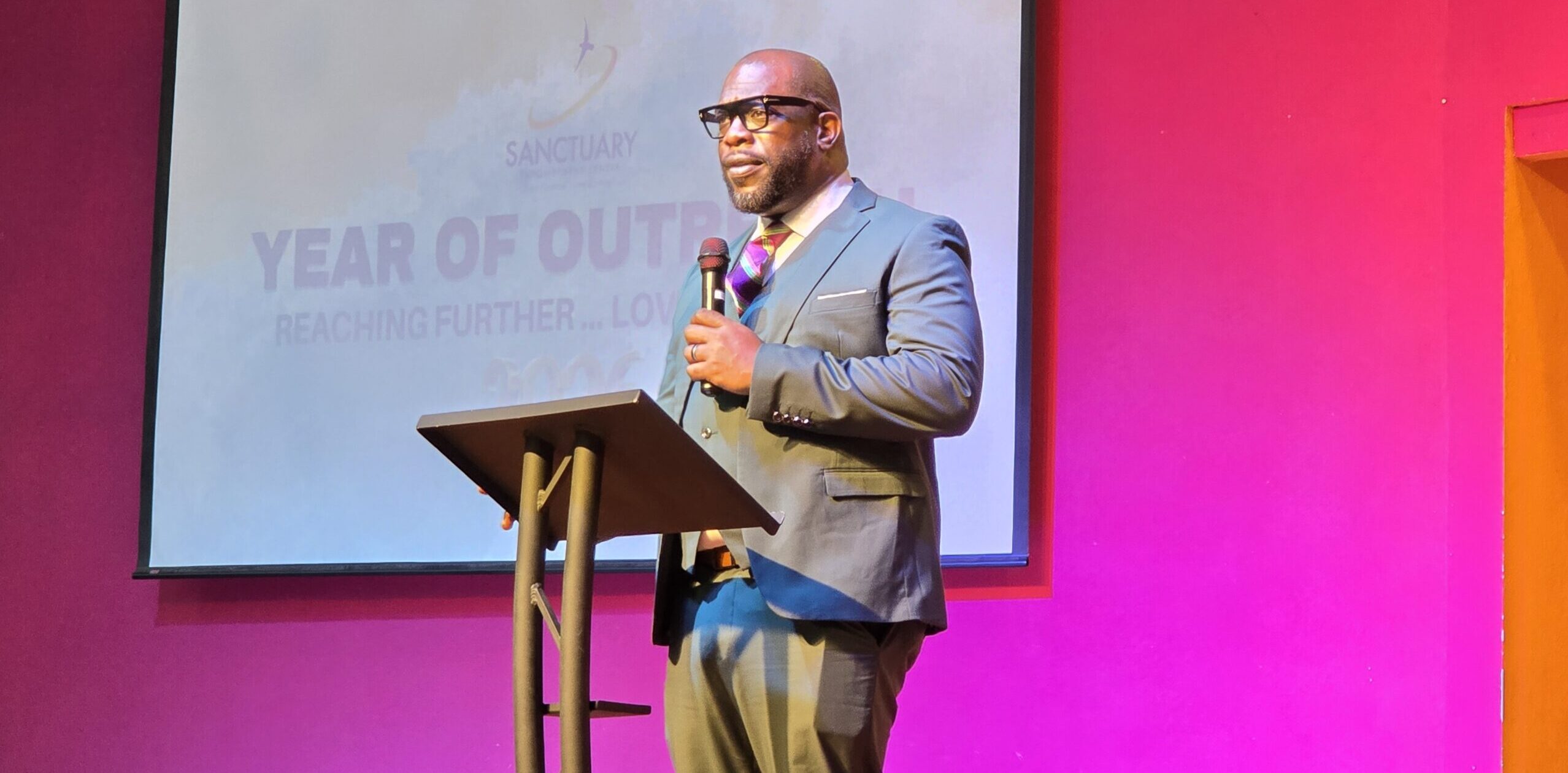
    The anniversary event, held Sunday at the Sanctuary Empowerment Centre in Country Road, St. Michael, featured opening remarks from Minister of Home Affairs and Information Gregory Nicholls, who framed the celebration against a backdrop of growing public safety strain. Nicholls noted the service is operating at a uniquely difficult moment for Barbados, as courts see a steady influx of young male defendants, including teenagers who have not yet reached legal adulthood.

    Citing official 2025 departmental data, Nicholls disclosed that a total of 295 people are currently under active probation supervision across the country. Of that group, 138 – or nearly 47% – were placed on probation for offenses ranging from bodily harm and sexual violence to property crimes committed with threats or intimidation. The minister emphasized that these statistics represent more than just numbers on a spreadsheet; they stand for young Barbadians whose long-term life trajectories remain uncertain.

    “These are not people already handed final conviction sentences – these are individuals diverted to probation supervision. These are our children, Barbadian children, and our collective question is not just how to punish offending behavior, but how we support them to build better futures after their mistakes,” Nicholls explained.

    He went on to outline that the Probation Service fills an irreplaceable role in the national justice system, acting as a final, evidence-based intervention point before offenders face escalating criminal involvement and harsher penalties. “This is not the end of the road for the people who come through our doors. For many, it is the last viable off-ramp to stop their lives from unraveling completely,” the minister said.

    The service delivers a range of structured interventions, including pretrial diversion programs, mandatory pre-sentence reports for courts, ongoing community supervision, targeted counseling, life skills training, and one-on-one mentorship. Nicholls pushed back against common misperceptions that probation is a lenient “soft option” for offenders, noting that properly resourced probation programs have been proven to cut rates of repeat offending.

    That impact is already visible in national data, he added: Barbados has recorded measurable progress in lowering its overall recidivism rate in recent years, a gain that did not occur by chance. It is the product of unglamorous, daily work by probation staff who walk alongside people working to rebuild their lives after conviction, Nicholls said.

    Despite these gains, the service is facing growing operational pressure, most notably a crippling understaffing crisis that has been flagged in recent national conversations about the country’s justice institutions. The Probation Service is not immune to this widespread challenge, Nicholls confirmed, even as officers continue to deliver core services against all odds.

    The 2025 annual output reflects the extreme workload staff are managing: the department completed 492 pre-sentence reports, 519 progress updates for courts, 203 community service assessments, and 117 domestic relation case reports. While these numbers prove the service is still meeting core demands, Nicholls warned that this current level of output is not sustainable long-term – even as it demonstrates the extraordinary commitment of the service’s workforce.

    Nicholls paid tribute to probation officers across the department, noting their critical contributions to public safety often go unrecognized by the general public. Unlike police officers or judges, who regularly receive public acknowledgment for their work, probation staff operate largely behind the scenes, working in courtrooms, office cubicles, family homes and community centers across the island. They manage heavy, complex caseloads and carry the emotional weight of supporting people in crisis, work that rarely draws public attention, he said.

    The minister also highlighted the steady evolution of the service over its 80 years of operation. Today, the department uses a modern digital case management system, offers specialized training in alternative dispute resolution, and runs targeted initiatives including the Community Pillars Mentorship Programme and aftercare services for people released from prison.

    To continue delivering impactful rehabilitation, Nicholls argued, the service needs sustained new national investment. “If we are serious about making rehabilitation a core national justice strategy – and we must be – we have to be equally serious about properly resourcing the institution that delivers that work. That means more frontline staffing, ongoing specialized training, and prioritizing the well-being of our officers just as much as we prioritize outcomes for the clients they support,” he said.

    Chief Probation Officer Dr. Angela Dixon echoed Nicholls’ remarks, celebrating the dedication of every generation of past and current staff that has allowed the service to reach its 80-year milestone. “This 80-year mark did not happen by accident. It was built through God’s grace, the relentless dedication of countless staff across every era, and the unwavering support of community partners and citizens across Barbados,” Dixon said.

    She acknowledged the daily struggles that come with the role, noting that the work extends far beyond what can be summarized in a standard job description. “We all know what it feels like to walk in on a Monday morning to a full caseload and a phone already ringing off the hook. We know what it means to sit across from someone in the middle of a personal crisis and find the right response when there is no official script to follow,” Dixon explained.

    “What this work demands cannot be contained in a job description. It requires us to hold onto hope for people who have already lost hope in themselves, to see the person standing in front of us not for the mistake they made, but for everything they can still become,” she added.

    As the service enters its ninth decade of operation, Dixon encouraged all current staff to carry forward the mission and commitment that has sustained the organization through 80 years of service to the people of Barbados.

  • Barbadians urged to protect heritage, pass on values

    Barbadians urged to protect heritage, pass on values

    As Barbados marks its annual Heritage Month, a senior cultural official has issued a pressing call to all Barbadians, encouraging them to step into active roles in safeguarding the island nation’s rich cultural legacy and passing down foundational core values to upcoming generations.

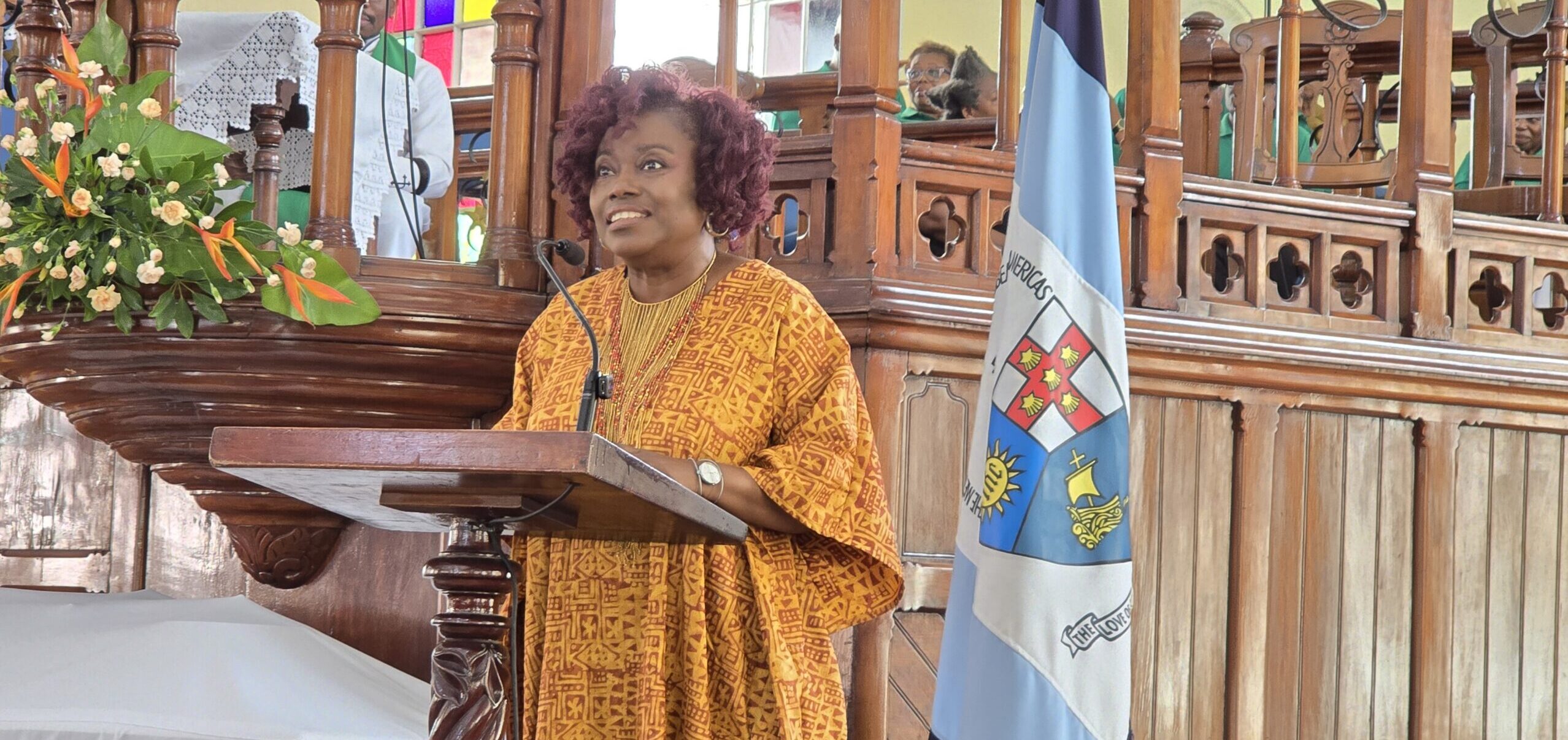
    Senior Cultural Policy and Research Officer Sheron Johnson made this appeal during the official Heritage Month interfaith service hosted at James Street Methodist Church this past Sunday. In her address to the gathered congregation, Johnson outlined a core truth that has shaped Barbadian national identity: the country’s strength does not stem from uniform backgrounds or beliefs, but from intentional unity, mutual respect, and cross-community understanding.

    She framed Heritage Month as more than just a ceremonial observance, describing it as a purpose-built opportunity for all Barbadians to pause and reflect on the collective legacy that has forged the modern nation. “Though we may come from different backgrounds, cultures, and denominations, we are united by a common story. Our shared heritage reminds us that the strength of a country is not found in uniformity but in unity,” Johnson told attendees. “Heritage therefore lives in our traditions, our language, our music, our customs, and in the faith that has sustained generations before us.”

    First conceptualized roughly 14 years ago, Heritage Month was designed to bring greater national visibility to Barbados’ cultural assets and amplify the ongoing work of conservation across the country, Johnson explained. Beyond the annual celebration, she emphasized that heritage stewardship is a year-round responsibility: “We recognise that heritage needed to be practised and safeguarded and preserved every day. This month gives us time to pause, to reflect, to gather our thoughts, and it also serves to promote the work programmes and projects that are going on within our ministry and our stakeholders and give them greater impetus and clarity.”

    A key focus of this year’s observance is celebrating the unifying bonds that connect all Barbadians, even amid their diverse lived experiences and beliefs. Johnson specifically highlighted the underrecognized impact of religious and faith communities on Barbados’ decades of social and national development. “It also means appreciating the contributions of various faith communities that have worked to promote justice, peace, education, and service. By respecting one another’s beliefs, we strengthen the bonds that hold our community together,” she said.

    Johnson pushed back against the common misconception that heritage is a static inheritance, noting that it requires active care and intentional transmission to survive. “Heritage was not merely inherited from previous generations but must be actively protected and passed on. The values of faith, integrity, kindness, respect, and love for neighbour must be intentionally passed on to future generations,” she stressed.

    During her address, she also paid public tribute to James Street Methodist Church for its longstanding commitment to preserving the legacy of one of Barbados’ most revered National Heroes, The Right Excellent Sarah Ann Gill. She specifically commended the congregation for its recent restoration work on the historic Hurst Memorial Chapel, as well as its consistent upkeep of Gill’s original gravesite. Johnson added that one of the first official commemorative plaques linked to the Barbados National Register was installed at the site of Gill’s former home this past December, marking a key milestone in national heritage documentation.

    Repeating her urgent call to action, Johnson stressed that proactive conservation is critical to protecting cultural and historical assets before they are lost to time. “It is important that as a nation we preserve historical sites, our languages, traditions, and customs before they disappear. Most importantly, we must teach future generations that heritage is something to cherish, not something to forget,” she said.

    She also echoed earlier remarks from Trevor Prescod, Minister in the Prime Minister’s Office with oversight for Pan-African Affairs and Heritage, who opened Heritage Month last week with a call for young Barbadians to deepen their connection to their personal and national identity and heritage.

    Closing her address, Johnson encouraged every Barbadian to seize the opportunity of Heritage Month to celebrate the nation’s layered history, while contributing to the work of shaping an inclusive, connected future. “Let us honour the faith of our ancestors, cherish the heritage of our nation, and commit ourselves to building a society where every person is valued, respected, and encouraged to contribute their gifts for the common good,” she said.