
Antigua and Barbuda’s law enforcement is facing a growing crisis of recidivism, with a top police official warning that systemic gaps in the criminal justice system are allowing dangerous suspects – including those charged with murder – to return to communities and reoffend. Assistant Commissioner of Police Lisbon Michael, who also leads the country’s Criminal Investigations Department, outlined the scope of the issue in a recent interview with ABS’ *Antigua Barbuda Today*, during a wide-ranging discussion on local crime trends. During the interview, Michael confirmed that multiple individuals facing murder charges have already been granted bail and are currently living among the general public across the country’s communities. When pressed by the interviewer to confirm that accused murderers were actively residing in local communities while awaiting trial, he reiterated simply: “On bail.” Beyond homicide cases, Michael added that the pattern of repeated offending extends to other violent offenses as well. He cited ongoing robbery investigations where law enforcement has arrested and charged the same suspects multiple times, only to see them released back into public life before they commit new crimes. The most stark data on the recidivism crisis came from Michael’s breakdown of arrests for the first seven months of 2026. Out of the 369 total people arrested and charged by police across the country between January and July, 205 were confirmed repeat offenders – meaning recidivists make up more than 55 percent of all people taken into law enforcement custody this year so far. While Michael emphasized that police remain committed to carrying out their duties in apprehending criminal suspects, he warned that without meaningful structural change and broader support from other branches of the criminal justice system, law enforcement will continue to be stuck in an unproductive cycle. “We can keep making arrests over and over, but if we don’t get the support we need from other parts of the system, we’re just going around in circles,” he explained. Michael called for a collective, cross-sector approach to addressing the country’s crime challenges, noting that the responsibility to reduce crime and recidivism does not fall solely on the shoulders of police. He urged engagement from other justice system stakeholders, community leaders, and members of the general public to work alongside law enforcement to develop long-term solutions that break the cycle of repeat offending.
分类: society
-
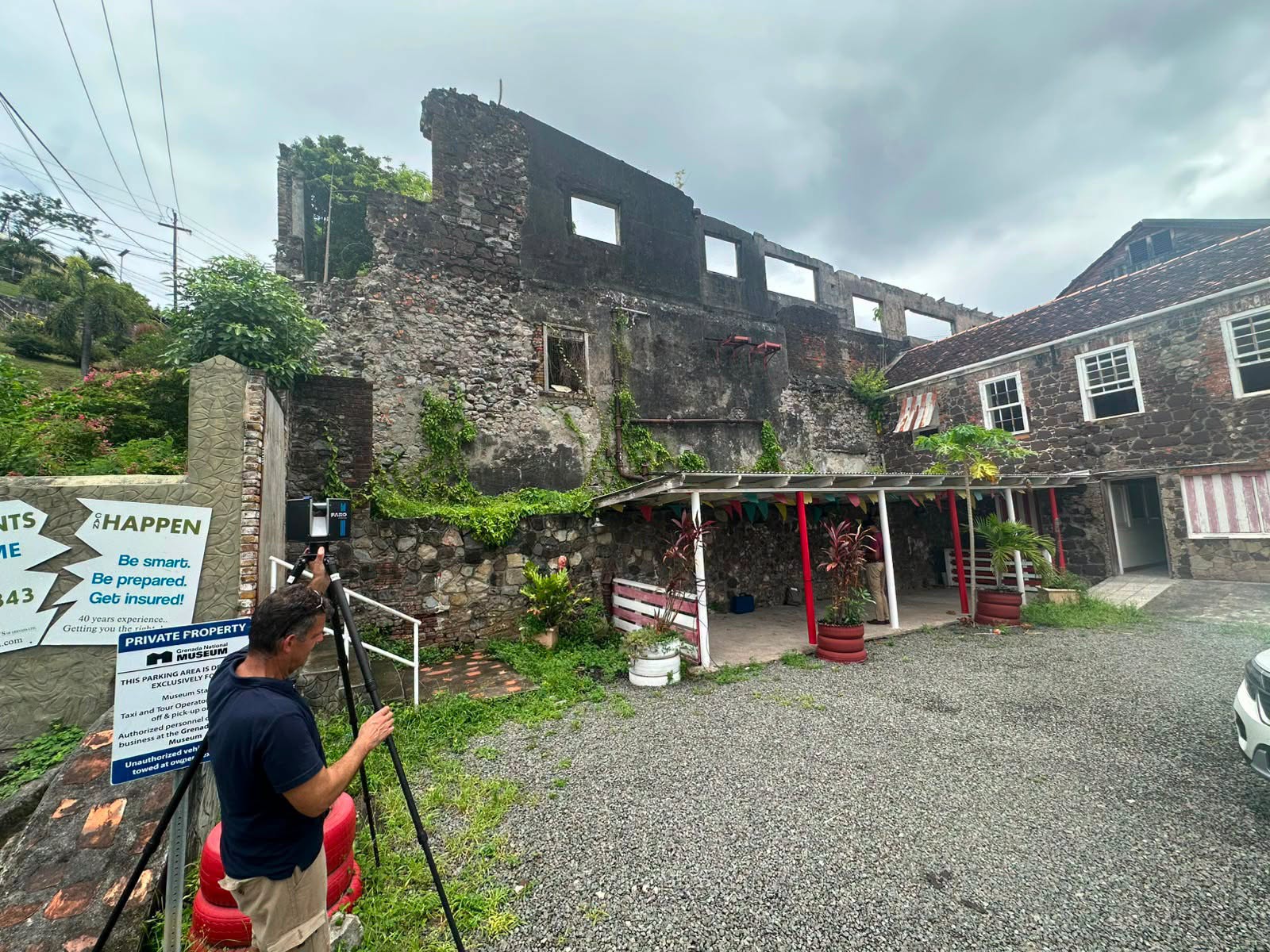
Preservation efforts underway to protect historic Drill Yard asset
A landmark legal ruling in Grenada has temporarily blocked the planned demolition of one of the country’s most culturally significant historic sites, opening the door for a global team of heritage conservation specialists to launch a comprehensive assessment of the Drill Yard’s preservation potential. Located within the Antilles Complex, the Fort George precinct, and the heart of historic St George’s, the site holds deep layered connections to Grenada’s colonial past, enslavement systems, Fedon’s Rebellion, military history, and centuries of civic life.
The interim injunction, granted by Grenada’s Supreme Court in a case brought by the Grenada National Trust (GNT), orders that no demolition work can proceed until the technical assessment is formally underway, with a mandatory deadline for on-site work to commence by 31 August 2026. Per the court’s Consent Order, GNT was tasked with coordinating with UNESCO and relevant global heritage bodies to assemble the specialist assessment team and complete urgent hoarding works to secure the deteriorating structure and protect the public from safety risks.
Currently, the first phase of on-site assessment is being led by an international delegation organized in partnership with GNT and the International National Trusts Organisation (INTO). The project is coordinated remotely from the Netherlands by Mark van den Bos, who previously contributed to a desk-based document review of the Drill Yard organized jointly by GNT and INTO. Leading the in-country technical work is Bas Notenboom, a Dutch civil engineer and 3D scanning specialist and managing director of Lead 3D, joined on the ground by Robin Koot, a construction engineer focused on heritage site conservation, and Isabella van den Bussche. Both Koot and van den Bussche bring hands-on experience from similar ongoing heritage projects across the Dutch Caribbean islands of Curaçao and Bonaire. The team has already begun examining the Drill Yard’s structural condition and mapping the technical requirements for potential stabilization and rehabilitation.
GNT First Vice President Dr Ezra Matthias emphasized that the court-ordered pause represents far more than a reprieve for a single historic building on Young Street. “This has become a national opportunity,” Matthias noted, clarifying a common misinterpretation of the 31 August deadline: the court only requires that the specialist team be on site and assessment work commenced by that date, not that the full review be finalized. This timeline creates a critical window to secure the structure, bring in global expertise, and evaluate all viable options for the site, he explained.
For GNT, the core of the dispute has never been a choice between public safety and heritage preservation. “The Trust has not argued that public safety should be ignored,” Matthias said. “It has been argued that safety and preservation must be handled together.”
The court process has already sparked unprecedented international collaboration around the Drill Yard’s future. Beyond the initial technical team, the International Council on Monuments and Sites (ICOMOS) International Scientific Committee on Fortifications and Military Heritage (ICOFORT) has offered high-level specialist support, with a team scheduled to visit Grenada from 2–4 September 2026. ICOFORT’s contribution will include structural safety assessments, exploration of preservation, rehabilitation and adaptive reuse options, development of a cost-effective long-term management plan, and guidance on heritage assessment and salvage protocols.
Proposed assessment measures include a high-resolution 3D laser scan of the entire structure, which will create a permanent detailed digital record that allows global specialists to analyze the site remotely and preserves an accurate archive for future generations. Matthias also highlighted the opportunity for local capacity building through the international mission: the presence of global experts offers a unique learning chance for local Grenadian engineers, architects, planners, students, historians, museum staff, builders, tour guides, and cultural practitioners to gain firsthand experience in heritage preservation engineering, historic masonry assessment, 3D scanning, building archaeology, conservation architecture, and adaptive reuse planning. Matthias called on the government to organize formal knowledge-sharing initiatives, including technical briefings, student observation opportunities, public workshops, and lectures to maximize this benefit.
Beyond the Drill Yard itself, Matthias framed the case as a critical warning about the broader state of heritage protection across Grenada, including the islands of Carriacou and Petite Martinique. Dozens of historic sites – ranging from forts and churches to indigenous petroglyphs, monuments, and entire historic districts – lack systematic documentation, sustained maintenance, and dedicated funding. Without proactive systems including a dedicated maintenance budget, regular condition audits, an emergency stabilization fund, a national heritage risk register, and a formal pre-demolition assessment protocol, Matthias warned that every at-risk site on Grenada’s national heritage inventory faces the same harmful trajectory: gradual neglect, structural decay, safety concerns, and ultimately irreversible demolition.
He argued that Grenada has a unique opportunity to use the Drill Yard process to build a systematic, proactive framework for heritage protection, rather than continuing to only respond when sites reach a crisis point. The outcome of this process could set a precedent for other Small Island Developing States, Matthias noted, pointing out that Grenada has already demonstrated how local legal action, statutory heritage protection obligations, public advocacy, citizen engagement, and international collaboration can create a pause to avoid irreversible loss and require evidence-based decision-making before demolition proceeds.
At this stage, the immediate priorities remain clear: secure the site, launch the full assessment, document the existing structure, and let expert findings guide future decisions. “The Drill Yard has not yet been saved,” Matthias acknowledged. “But Grenada has gained time, allies, expertise and a path.” This court-ordered pause is not the end of the controversy, but the start of what could become a transformative national heritage initiative. “The pause is not a victory,” he said. “What Grenada does with the pause will determine the victory.”
-
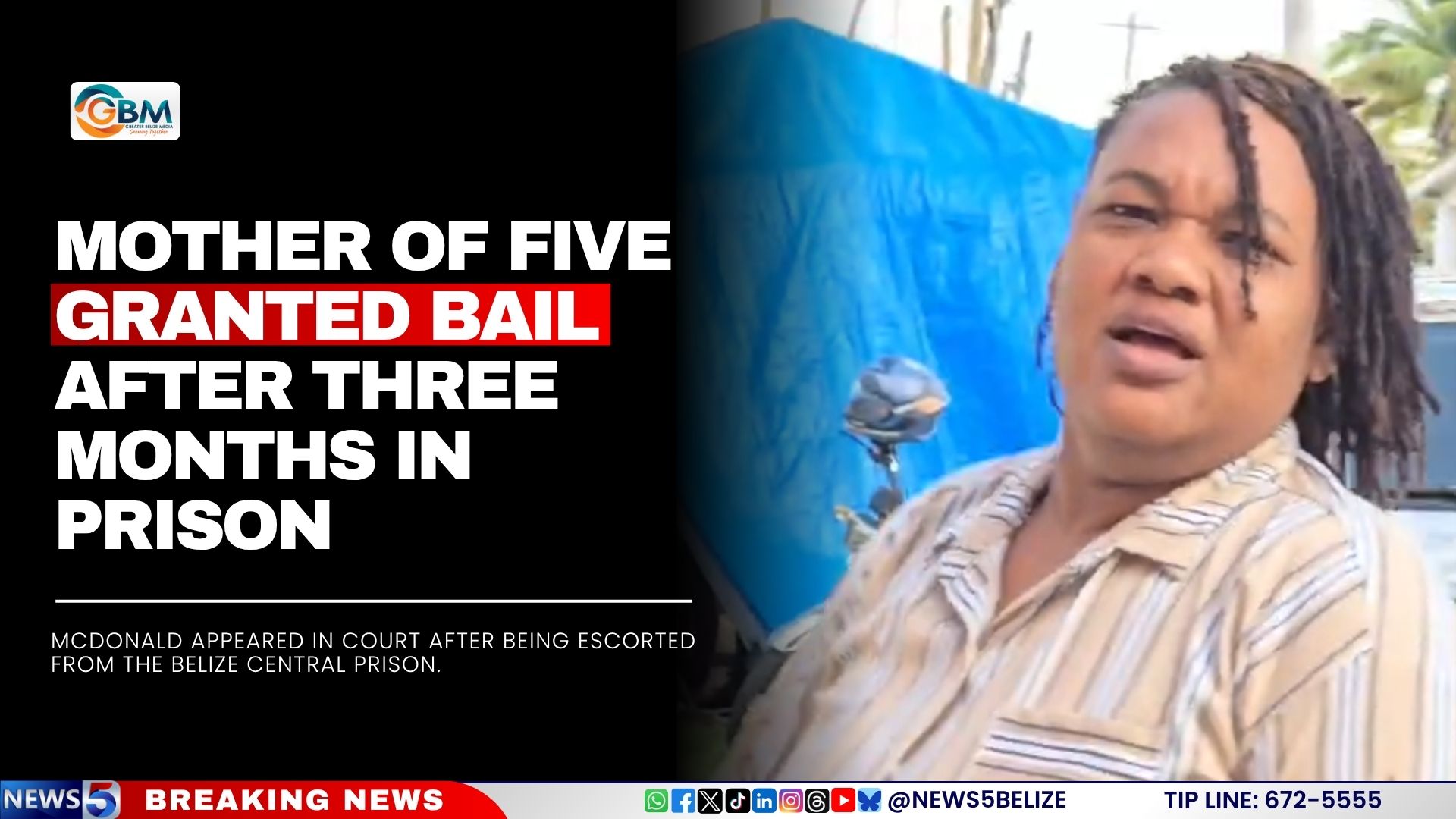
Mother of Five Granted Bail After Three Months in Prison
Nearly three and a half months after being taken into Belize Central Prison for alleged violations of prior bail terms, 39-year-old Nichole Gilda McDonald, a mother of five children, has walked free from custody after a local magistrate granted her conditional release. The long-awaited bail ruling on August 25, 2026, comes ahead of scheduled trials for multiple pending charges against McDonald, who has repeatedly maintained her innocence on all counts.
Escorted from the Belize Central Prison facility to the Belize District courtroom, McDonald learned her bail would be set at $800 Belizean dollars, with an additional surety bond required for the same amount. As part of her release conditions, she must check in with local law enforcement once every week and avoid any new arrest or criminal charge for the duration of her bail period. If she violates these terms, she will be immediately returned to custody to await trial.
McDonald’s remand period dates back to June 8, when she was arrested following allegations that she assaulted a physician and a nurse at Belize’s Matron Roberts Polyclinic two days prior. That arrest violated the existing bail conditions she had been granted in an earlier common assault case, leading Magistrate Neshaad Mohammed to revoke her bail immediately and place her into full remand. Prosecutors have since provided McDonald with 10 pages of evidentiary disclosure related to the alleged wounding incident involving Dr. Andre Castillo, and the case is scheduled to go before a trial court on October 21.
In an interview following her release, McDonald detailed her experience in custody, noting she spent a total of three months, two weeks and one day behind bars, including a period in isolation after receiving institutional sanctions. While held on remand, she voluntarily enrolled in the prison’s Ashcroft Rehabilitation Program and completed all required anger management coursework. Even as she continues to deny the accusations against her, McDonald acknowledged the program taught her valuable personal skills that she will carry forward as she works to reunite with her children.
McDonald has also made unconfirmed claims that multiple attempts on her life were made during her time in custody, and says she has information identifying who is responsible for these alleged plots. These claims have not yet been independently verified by local law enforcement or independent journalists.
The assault charge connected to the polyclinic incident is not the only legal matter McDonald is facing. She is also facing charges of assault, intentional wounding, property damage, and using insulting language connected to an alleged incident that took place on June 5, one day before the polyclinic encounter. Additionally, she faces a single cybercrime charge tied to allegations that she used a digital device to publish defamatory comments about former Belize Commissioner of Police Chester Williams. Williams has publicly pushed back on rumors that he has exerted any behind-the-scenes pressure to advance the cyberbullying case, denying any improper influence in the prosecution.
In a rare step for criminal defendants in Belize, McDonald has chosen to represent herself in all three pending legal matters. She has entered not guilty pleas to every charge against her and confirms she plans to vigorously contest every allegation during her upcoming trials. Following her release, she expressed overwhelming eagerness to return home and reunite with her five children after months of separation.
-
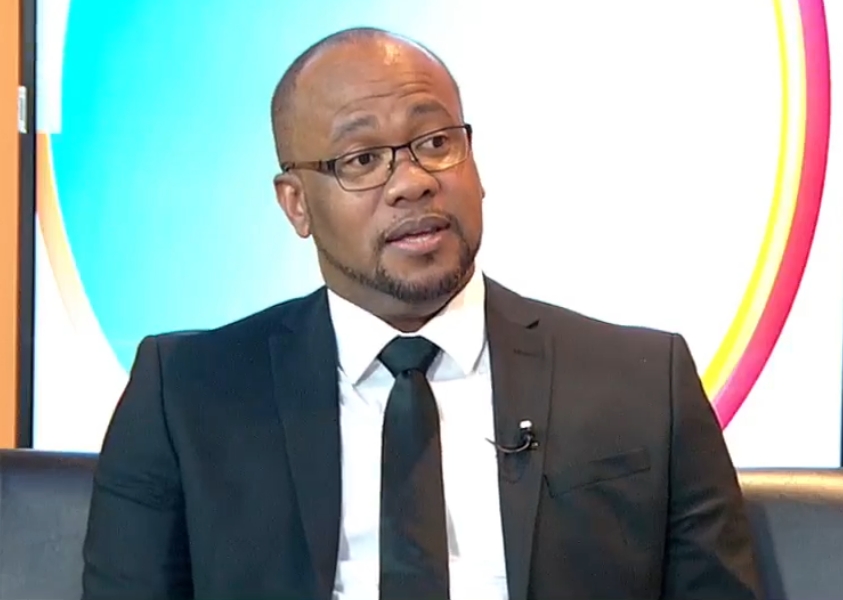
Purpose-Built Facility Planned for Children Removed from Abusive Homes
Antigua and Barbuda’s Minister of Social and Urban Transformation Rawdon Turner has unveiled plans for a groundbreaking purpose-built care facility that will serve children removed from abusive or hazardous home environments, with construction slated to kick off in September. The landmark project has secured critical community support from Team Antigua Island Girls, a local group that has led fundraising efforts to bring the initiative to life.
At present, children rescued from dangerous domestic situations are placed in a scattered network of temporary secure locations across the country, lacking a centralized, tailored space to meet their complex needs during what is already an incredibly traumatic period. The new dedicated center is designed to fill this gap, offering purpose-built, safe accommodation while child protection authorities conduct formal case assessments and coordinate long-term care placements for vulnerable young people.
Turner shed light on the intense demands facing frontline child protection workers in the country today, noting that officers from the Department of Family and Social Services regularly partner with police during interventions responding to allegations of physical and sexual child abuse. In many severe instances, social workers are required to stay with children through critical medical care procedures and emergency overnight relocation operations, taking on additional emotional and logistical burdens beyond their core roles.
Compounding these staffing pressures is a sharp uptick in reported abuse cases across the nation. Since the start of 2026, more than 200 confirmed reports of physical and sexual abuse involving children have been logged by authorities. Turner cautioned that the true scale of child abuse in Antigua and Barbuda is likely even larger, as many cases remain unreported due to stigma, fear of retaliation, or lack of access to reporting channels for survivors and their families.
Expressing gratitude for the community partnership that has made the new facility possible, Turner highlighted the critical role of Team Antigua Island Girls’ fundraising work in turning a long-unmet need for specialized child protection infrastructure into a tangible, upcoming reality. Once completed, the center is expected to not only improve outcomes for vulnerable children but also ease the growing strain on frontline child protection staff across the country.
-

Bowen & Bowen Offers $5,000 Reward After Robbery
On August 25, 2026, a violent robbery targeting the Hope Creek Supernetwork operated by Bowen & Bowen, one of Belize’s prominent business groups, has sparked a urgent public call for nationwide payment infrastructure reform. In the wake of the attack that left two company employees injured, Bowen & Bowen has announced a $5,000 reward for any information that leads to the arrest and conviction of the perpetrators.
The company confirmed that no cash was ultimately stolen during the robbery attempt, but the two assaulted staff members required immediate medical treatment for their injuries. As of the latest update, both are currently in stable condition and recovering from the incident.
Following the attack, Bowen & Bowen used the event to draw attention to a longstanding systemic vulnerability in Belize’s business ecosystem: the overreliance on physical cash transactions. The company argues that the continued need for employees to transport and handle cash along delivery routes puts workers across the country at constant risk of becoming targets for violent criminals. “Carrying cash makes delivery routes, drivers, salespeople and businesses attractive targets for criminals. In 2026, we should not have to operate this way,” a company representative stated.
Bowen & Bowen explained that one of the key barriers to ditching cash-heavy operations is the failure of many local businesses to integrate modern electronic payment systems directly into their accounting frameworks. Without this integration, businesses are forced to rely on employees to manually track and reconcile every transaction, rather than leveraging automated digital systems that eliminate the need for cash handling.
The firm emphasized that the technology required to fix this gap is already widely available in Belize. Modern payment infrastructures allow customers to complete digital transactions, with payments automatically and securely posted to corresponding customer accounts in real time. Beyond convenience, this shift would drastically cut down on the need for businesses to collect and transport large amounts of physical cash across public routes.
To move this reform forward, Bowen & Bowen is issuing a formal call to action for all key stakeholders: the Central Bank of Belize, local commercial banks, private payment service providers, and the broader Belizean business community to collaborate on updating the country’s outdated payment systems. The company summed up the core case for change simply: “Less cash on our roads means less opportunity for crime. Belize has the technology. Now we need our payment system to catch up.”
-

Dominican Republic swears in 182 new citizens from more than 30 countries
A landmark citizenship ceremony held in Santo Domingo has officially welcomed 182 new Dominican citizens hailing from more than 30 countries across the globe, capping off months of rigorous completion of the country’s standardized naturalization requirements. The event, led by the Dominican Minister of the Interior and Police Faride Raful, marked the formal culmination of a multi-step process that included thorough document verification, one-on-one eligibility interviews, and mandatory citizenship knowledge examinations for all applicants.
During her opening remarks at the ceremony, Minister Raful underscored a core message for the gathering: gaining Dominican nationality is not merely a legal status, but a mutual agreement that brings with it both equal civil rights and non-negotiable civic responsibilities. Central to these responsibilities, she emphasized, is a binding commitment to uphold and respect the nation’s governing laws. Raful also used the occasion to highlight ongoing institutional reforms within the Ministry that have reshaped the naturalization process in recent years. Moving away from outdated, paper-based workflows, the ministry has fully digitized all application records, standardized required interviews and knowledge assessments, and implemented tighter oversight mechanisms to ensure full compliance with all legal naturalization standards. These changes, she noted, have streamlined processing times while strengthening the integrity of the citizenship pathway.
Dayana Díaz, director of the ministry’s Nationalization Department, added context to the work that leads up to each public ceremony, noting that every application receives individualized, line-by-line review beyond routine checks. Beyond the stacks of official paperwork, Díaz emphasized, the naturalization process centers on recognizing the unique stories, lived experiences, and contributions of each person seeking to build a new life in the Dominican Republic.
Speaking on behalf of the 182 newly minted citizens, Arturo de las Heras, an academic and local business leader who completed his own naturalization process after years of deep ties to the country, shared a message of heartfelt gratitude. He described his formal citizenship as more than a legal milestone, calling it the long-awaited culmination of the personal and professional connections he had built with the Dominican people and the nation over many years.
Wednesday’s ceremony represents a regular, formal step in the Dominican Republic’s ongoing naturalization framework, offering legal certainty and full belonging to individuals who have met every requirement of the country’s citizenship laws, and who have formally agreed to uphold the rights and obligations that come with Dominican nationality.
-

Police Report False Robberies, Staged Crime Claims and Self-Inflicted Shootings
Law enforcement agencies in Antigua and Barbuda are grappling with a persistent problem of fraudulent crime reporting, with cases ranging from people fabricating robberies to cover up embezzled funds to individuals who accidentally shoot themselves then falsely claim they were victims of violent attacks, senior police officials have confirmed.
Assistant Commissioner Lisbon Michael, who leads the country’s Criminal Investigations Department, revealed that the police service receives an average of nine crime reports daily across the twin-island nation, but a significant share of these submissions are entirely fabricated. Michael shared the details of this ongoing challenge during a public interview on ABS’ flagship current affairs program *Antigua Barbuda Today*.
Among the most common false reports Michael highlighted are cases involving custodians of collective “box monies” — community savings funds widely used across local communities — who misappropriate the funds entrusted to them, then file fake robbery or burglary reports to explain the missing cash. In other, more extreme incidents, people who sustain accidental self-inflicted gunshot wounds have deliberately misled investigators by claiming they were shot during armed robbery attempts.
“We have instances where persons accidentally shot themselves and reported to the police that they were robbed and shot during the process,” Michael told the program.
One recent high-profile example cited by Michael involved a young man who contacted police claiming he had been shot in an attack. When investigators processed the scene and collected forensic evidence, they determined the man had actually been injured while tampering with an unregistered, makeshift firearm. That case remains active and is still progressing through the investigative process.
To date, thorough police investigations have uncovered the fraud in dozens of these false report cases, leading a number of people to face criminal charges for public mischief. Some of these cases have already been finalized through the court system, while others are still waiting to be heard.
Michael’s public comments on the issue came as part of a broader discussion of the key hurdles police face in processing crime reports, as well as the force’s ongoing work to reinforce public trust in Antigua and Barbuda’s law enforcement institutions. Addressing false reports is a critical priority for the service, officials note, because fraudulent claims drain valuable investigative time and resources that would otherwise be deployed to solve real crimes and protect local communities.
-

Police Target Two Gangs as Authorities Move to Curb Youth Violence
Authorities in Antigua and Barbuda have stepped up targeted law enforcement action against two documented criminal gangs in a sweeping push to reverse a recent resurgence of youth violence and curb further gun-related crime, according to top law enforcement official Lisbon Michael, Assistant Commissioner of Police and head of the Criminal Investigations Department.
In a public interview with ABS’ flagship current affairs program *Antigua Barbuda Today*, Michael publicly named the two targeted groups as the Grace Farm Killers and the Two Jilly gang. “As far as I’m aware, there are two gangs, Grace Farm Killers and the Two Jilly gangs,” Michael stated, confirming that law enforcement teams are actively and vigorously pursuing all individuals linked to these criminal organizations.
This coordinated crackdown is a core component of Operation Restore Confidence, a strategic police initiative rolled out in response to growing public anxiety over rising gun violence and organized serious crime across the island nation. One of the operation’s central stated goals is to dismantle gang-related criminal networks that have established a foothold in local communities.
Michael’s remarks came in response to public questions about worrying signs that youth violence, which had seen notable improvements in recent years, is now reemerging. He also drew a clear connection between the latest string of shooting incidents and unresolved tensions that originated during the annual J’ouvert morning celebration, part of the country’s popular Carnival season.
“I think the most recent shootings that we had is something that sparked from the J’ouvert Morning celebration,” Michael explained. He was quick to clarify that the J’ouvert event and the broader Carnival celebrations remained overwhelmingly peaceful overall, but noted that an isolated altercation or incident during the festivities appears to have ignited subsequent retaliatory violence between rival groups.
To date, law enforcement has already arrested and formally charged multiple individuals connected to the recent gang-related violence, and all pending cases are now working their way through the national judicial system, Michael confirmed.
Beyond immediate enforcement action, Michael also highlighted the long-term preventive work of the police’s specialized Youth Intervention Department. The unit focuses on at-risk children and adolescents between the ages of 5 and 18, including young people showing early signs of behavioral dysfunction and those growing up in households impacted by ongoing conflict and violence.
Michael reported that the intervention program has delivered measurable positive results, with significant behavioral improvements recorded among many participants and an overall reduction in youth involvement in violent crime. Even with these gains, he issued a stark warning that sustained, ongoing engagement with at-risk young people remains non-negotiable, warning that without continued investment in intervention work, the country risks losing “an entire generation” to cycles of violence.
-

Murders and Shootings Rise in Antigua and Barbuda Despite Overall Crime Decline
Newly released crime statistics from Antigua and Barbuda’s police force reveal a mixed security landscape for the first seven months of 2026: while total reported offenses have continued a steady multi-year decline, the nation is grappling with a troubling uptick in violent gun-related crime, including homicides and shootings.
Assistant Commissioner Lisbon Michael, who leads the country’s Criminal Investigations Department, shared the latest data during a public briefing addressing growing community anxiety over surging gun violence. Between January and July 2026, local police recorded 11 homicides, marking a 22% increase from the nine murders reported in the same seven-month window of 2025. Shooting incidents have also jumped sharply, climbing from 18 incidents in 2025’s first half to 24 this year.
These rises in violent crime run counter to the broader downward trend in overall reported offenses across the island nation. This year, 1,756 total crimes were reported to police between January and July, down from 1,887 in 2025’s corresponding period. The decline is even more pronounced when compared to 2024, when 2,227 crimes were logged over the same seven months.
Patterns across non-violent offense categories are similarly mixed. Robbery, another offense often linked to the illegal weapons trade, bucked the upward trend seen in homicides and shootings, falling from 115 incidents in 2025 to 94 this year. However, residential and commercial break-ins have moved in the opposite direction, rising from 85 last year to 97 in 2026 – a 14% increase year-over-year.
In response to the growing public concern over rising gun-related violence, Antigua and Barbuda’s police force launched a targeted intervention called Operation Restore Confidence. The two-week initiative launched on August 15 and is set to wrap up on August 29. Michael outlined that the operation has already seen officers deploy aggressive, community-focused tactics including routine stop-and-search patrols, the execution of long-standing arrest warrants, the seizure of illegal firearms and recovered stolen property, and the arrest of multiple individuals linked to violent crime. The core goals of the operation are straightforward: crack down on the surge of serious violent offenses, reduce the circulation of illegal guns on the islands, and rebuild public trust in local law enforcement’s ability to keep communities safe.
-

Police Obtain ‘Useful Information’ in Deadly Potters Double Shooting
A fatal daylight shooting in Antigua’s Potters Village has left one young man dead and another fighting for his life, with law enforcement officials confirming they have gathered actionable intelligence as their investigation into the violent incident progresses. The deceased victim has been identified as 29-year-old Leyandrew Hubbard, who was also known to local communities by the aliases “Leo” and “Chiney Man.” The second victim, an 18-year-old man who was accompanying Hubbard at the time of the attack, remains in critical condition at the Sir Lester Bird Medical Centre after sustaining multiple severe gunshot wounds.
The shooting unfolded on a Sunday morning directly across the street from Potters Primary School, a location that puts the violent incident in close proximity to a site routinely frequented by children and education staff. Local residents told reporters they heard a rapid succession of gunshots ring out before exiting their homes to find the two wounded men. The brazen nature of the attack, carried out in broad daylight in a populated residential neighborhood near a public school, has drawn particular condemnation from authorities.
Leading the investigation is Lisbon Michael, Assistant Commissioner of Police and head of the country’s Criminal Investigations Department. In an interview with ABS’ *Antigua Barbuda Today*, Michael shared that investigative teams have already conducted interviews with multiple persons of interest and witnesses connected to the case. “We have interviewed a number of persons and some useful information were obtained,” Michael stated in the interview. He added that law enforcement teams are still in the process of vetting, cross-referencing, and analyzing the intelligence gathered from these interviews and other forensic and investigative lines of inquiry.
Despite the progress made in collecting information, Michael cautioned that the investigation remains in its active phase and stopped short of confirming that criminal charges against any suspect will be brought in the near future. When asked directly whether law enforcement was close to filing charges against any individuals connected to the shooting, Michael responded plainly, “I can’t tell yet.” The probe remains ongoing as investigators work to uncover the full circumstances behind the attack and identify those responsible.