分类: society

  • ’They didn’t do the police nothing…’

    ’They didn’t do the police nothing…’

    MONTEGO BAY, St James — A fatal early-morning police operation on the outskirts of Montego Bay has reignited long-simmering tensions over law enforcement use of force, after four men were shot dead Wednesday in an incident that has left grieving relatives crying foul and authorities defending the action as a necessary step to curb growing community violence.

    Patterns of conflicting narratives that have become all too familiar in Jamaican fatal police shootings are playing out once again: bereaved family members are adamant the men were unarmed workers carrying out their jobs, pointing to unprovoked excessive force as the cause of death, while official police accounts frame the incident as a targeted operation that devolved into an armed shootout with suspects tied to a wave of local violence. What makes this incident unusual is the sheer loss of life in a single confrontation.

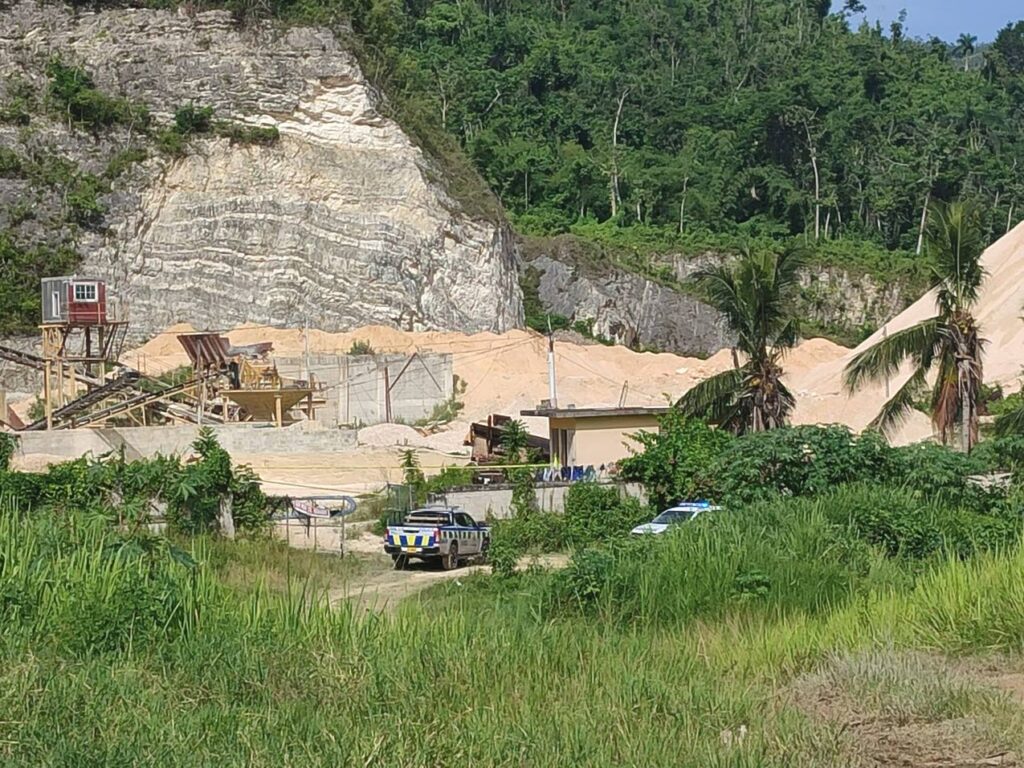
    The victims have been identified as Jahmar Ashman, 57-year-old Brian “Teezy” Fairclough, Brian’s son Brian “Teejay” Fairclough, and a fourth man who remains unidentified as of press time. The shooting unfolded at a marl quarry near the Retirement Dump area, according to official records.

    For Tameika Evans, partner of Jahmar Ashman, the tragedy has left her struggling to explain the loss to the couple’s two-year-old child, who remains unaware his father is dead. The toddler was seen eating candy near the crime scene Wednesday as police maintained a secured cordon around the area. Evans told local media the Jamaica Observer that Ashman and the younger Fairclough worked as night watchmen at the quarry. She received word of the shooting from her mother, who first noted a heavy police presence in the area, and law enforcement had already transported the bodies to hospital before Evans could arrive on scene.

    Near the crime scene, Tashoy Fairclough, the newly widowed wife of Brian Fairclough, told reporters she is terrified of the long-term impact her husband’s death will have on their two young children. The couple’s 10-year-old daughter is scheduled to sit her Primary Exit Profile (PEP) national exit exams Wednesday, and Fairclough said the child has been inconsolable, unable to focus on the test despite school officials arranging support. “All of this is police brutality; them a wicked and we need justice round here suh,” Fairclough said. She explained her husband worked as a tractor operator at the quarry and had been staying on site in a quarry building with his son and the two other men at the time of the raid. She described him as a peaceable man who avoided conflict.

    Gwendolyn Williams, who raised Brian “Teejay” Fairclough from infancy, echoed the family’s anger and worry. She said none of the four men deserved to die, and expressed concern that the young children left behind will now be forced to survive without their breadwinners. “Them dead and leave them little children to go to school, them shouldn’t kill them. They didn’t do the police nothing fi them kill them,” Williams insisted.

    But the Jamaica Constabulary Force (JCF) has pushed back against the claims, releasing an official statement outlining the context for the operation. According to the JCF, the operation was launched at approximately 5:40 a.m. Wednesday based on intelligence gathered during ongoing investigations into a recent string of violent incidents in the area, including a fatal shooting at the Retirement Dump on June 5. Investigators have linked multiple violent attacks to an ongoing turf conflict between groups involved in the local scrap metal trade operating out of the dump.

    The JCF statement noted that long-standing disputes between scrap metal and recyclable material collectors and sellers had escalated in recent weeks, triggering a cycle of violent reprisal attacks that pushed community tensions to dangerous levels. Wednesday’s targeted raid was designed to prevent further bloodshed, the force said, adding that intelligence indicated additional attacks were imminent. “Law enforcement personnel were deployed to the area as part of ongoing efforts to disrupt criminal activity, prevent additional loss of life, and restore public safety,” the statement read. All four men shot during the confrontation were transported to hospital, where they were subsequently pronounced dead, according to the JCF.

    Consistent with standard protocol for all fatal shootings involving Jamaica Constabulary Force members, the Independent Commission of Investigations (Indecom) has launched an independent probe into the incident.

    This fatal shooting marks the fourth high-profile incident involving fatalities during security force operations in Granville division since the start of 2024. On New Year’s Day, a four-year-old child and two adult men were killed during a police operation in the same community. On Mother’s Day, 17-year-old Tjey Edwards was fatally shot during an alleged confrontation with law enforcement. One week after Edwards’ death, Latoya “Buju” Bulgin was shot and killed by Constable Andrew Wilson while she was transporting people to a protest over Edwards’ death. The officer has since been charged with Bulgin’s murder and is currently awaiting trial.

    Indecom data shows the scale of growing fatal confrontations in the country: 14 people have been killed in alleged clashes with security forces across Jamaica since the start of June. Eleven of those deaths occurred between Tuesday and Wednesday of this week, including two separate quadruple fatal shootings.

  • Liscensed firearm holder found dead after being wanted for girlfriend’s murder

    Liscensed firearm holder found dead after being wanted for girlfriend’s murder

    KINGSTON, Jamaica — A developing criminal investigation in Jamaica has taken a grim turn, after the primary suspect in a high-profile murder probe was discovered dead in the St Ann community of Brown’s Town, with law enforcement officials pointing to an apparent self-inflicted gunshot wound as the cause of death.

    The deceased has been formally identified as 50-year-old Maurice Alphanso Fennel, a licensed firearm holder who lists a Cambridge, St James address as his permanent residence.

    Sources with access to the investigation speaking to Observer Online confirm that Fennel was the lead person of interest for investigators assigned to the Jamaica Constabulary Force’s Manchester Division, who were probing the murder of a missing woman. Law enforcement alleges Fennel was in a romantic relationship with the victim prior to her disappearance.

    According to accounts from local residents connected to the case, Fennel first arrived in Brown’s Town around 9:00 p.m. on Wednesday, and took up temporary accommodation with a pair of local friends he had visited on multiple occasions in the past.

    In the hours before his body was found, the suspect reportedly sent farewell messages via text to both personal friends and members of his church community, explicitly stating that he planned to take his own life.

    When first responders arrived at the scene following the discovery of Fennel’s body, they recovered his licensed Glock pistol near his remains. While unconfirmed as of Thursday afternoon, multiple reports have emerged that search teams also located the remains of the missing murdered woman at a separate location early Thursday morning.

    Local law enforcement has not yet released an official statement confirming the discovery of the second body, and says more details will be released to the public as the investigation continues.

  • NWC breaks ground for $148 million Santa Cruz By-pass Mains Replacement Project

    NWC breaks ground for $148 million Santa Cruz By-pass Mains Replacement Project

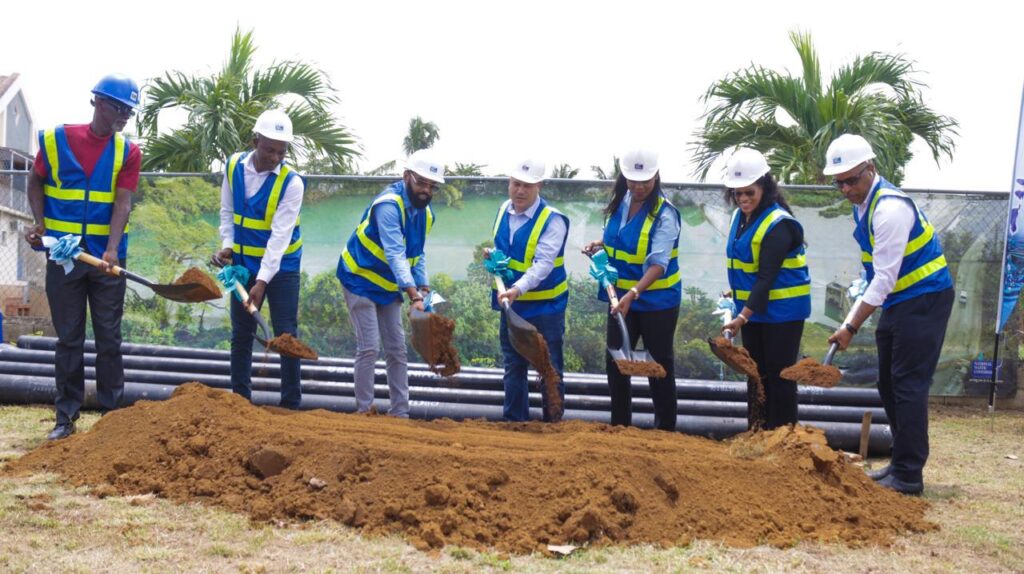
    ST ELIZABETH, Jamaica — Officials launched a critical water infrastructure improvement initiative this week, breaking ground on the long-awaited $148 million Santa Cruz By-pass Mains Replacement Project, a core component of the broader Santa Cruz Water Supply Improvement Programme led by the National Water Commission (NWC).

    For more than half a century, the region has relied on an outdated three-inch cast iron pipeline laid in the 1970s—an asset that has long exceeded its projected service life. Under the new project, this aging network will be replaced with a robust six-inch ductile iron main built to deliver decades of reliable service. When construction wraps up in November 2026, the upgrade is projected to transform water access for roughly 1,200 individual customers, representing around 300 households across the Santa Cruz By-pass corridor and adjacent communities including New River, Brighton, Friendship Street, and Doctor Rock. Key improvements will include more consistent water flow, stronger overall system integrity, and increased water pressure across the entire service area.

    Attending the official groundbreaking ceremony on Thursday was Matthew Samuda, Jamaica’s Minister of Water, Environment and Climate Change, who framed the project as a foundational investment in the region’s future. “The Santa Cruz pipes, laid in the 1970s, are simply past their useful life,” Samuda told attendees. “Today is a major milestone for a project that matters to the future of Santa Cruz. We are investing just under $150 million in your water supply, and I want to assure you that the contractors will ensure you have a Merry Christmas in this area once the project is completed.”

    NWC Project Engineer Neville Green explained the technical and operational benefits of the upgrade, noting that the larger, more durable ductile iron pipeline will eliminate the frequent pipe bursts that have long disrupted service. “Installing the durable six-inch ductile iron pipeline will allow us to safely increase system pressure and optimise distribution without recurring bursts,” Green said. “This upgrade will drastically reduce Non-Revenue Water losses, ensuring that the water treated by NWC reaches consumers’ taps rather than leaking into the ground.”

    To address community concerns about construction disruption, the NWC has committed to fully repaving affected road segments once pipeline installation is complete, restoring full, smooth access for local motorists and pedestrians.

    Samuda also used the event to respond to recent public scrutiny of the NWC’s capital budget implementation, offering new transparency into the commission’s fiscal performance. He confirmed that the NWC spent 94% of its allocated capital budget in the last fiscal year, with the remaining 6% disbursed in April this year. The delay in releasing those remaining funds was tied to after-effects of Hurricane Melissa, he added. Samuda also noted that a recent independent performance audit turned up no allegations of mismanagement or corruption, and that the NWC has already moved forward with implementing all operational and management recommendations put forward by auditors.

  • Returning resident takes St Thomas clean-up into her own hands

    Returning resident takes St Thomas clean-up into her own hands

    Decades after leaving her rural Jamaican parish of St. Thomas in search of greater opportunity, 47-year-old Michelle Jones has come home – and brought with her a relentless mission to spruce up public spaces, protect residents from flood risk, and inspire collective community action, all at her own expense.

    Jones’ life story is one of persistent drive to chase better prospects. After graduating from Yallahs Primary and Seaforth High, she left St. Thomas at 18 for Montego Bay, drawn by the limited economic and professional growth available in her underdeveloped home parish. She worked a series of odd jobs in hospitality, customer service, and on a Royal Caribbean cruise line before migrating to the United States at 34. Starting out as a nurse’s aide, Jones continued to push for advancement, enlisting in the U.S. Navy at 39 – the maximum enlistment age allowed for her branch at the time.

    “Boot camp was tough, but I came from a background of hard work in Jamaica, so I pushed through,” Jones recalled in an interview with Jamaica Observer Online. During her military career, she maintained aircraft, served aboard the USS Kearsarge and USS Harry S. Truman, and built a reputation for supporting peers navigating U.S. immigration and citizenship processes. A career-ending elbow injury led to her honourable medical discharge in December 2023, and she had originally planned to return to Jamaica permanently in 2027. But a sudden family crisis forced her hand: in August 2025, she arrived back in Jamaica to find her elderly grandfather living in unsafe, unsanitary conditions in Montego Bay amid a dementia diagnosis. Jones arranged for rental accommodation and cared for him until his passing in April 2026, one month shy of his 93rd birthday.

    After wrapping up her grandfather’s affairs, Jones relocated to St. Thomas on May 1 – a place that felt vastly different from the underdeveloped community she left decades earlier. “The peace here is unlike anything I felt abroad,” she said. “Years ago, I never thought I’d live here again, but now it’s exactly where I want to be.” As she searched for land to buy, driving through the Albion community, she noticed a striking problem: overgrown bushes choked roadsides, sidewalks, and drainage gutters, turning public spaces into unnavigable, unsafe hazards.

    Rather than wait for municipal intervention, Jones took matters into her own hands. She purchased a heavy-duty weed whacker, protective work gear, and began clearing overgrown areas three days a week, working through the Caribbean’s sweltering heat. Most recently, she partnered with two local caretakers to clean up a neglected plot near the Morant Bay tax office, and her next priority is clearing a clogged gutter outside her alma mater, Yallahs Primary School, ahead of the Atlantic hurricane season. Jones knows firsthand the danger of blocked drainage: she has witnessed young children swept away by floodwaters during heavy rain events, and is working to clear the gutter before expected August and September downpours. She also plans to lead additional beautification projects at the school over the summer break.

    To date, the entire initiative has been self-funded. Jones estimates she has already spent close to $100,000 Jamaican dollars on equipment, fuel, replacement parts, and protective gear – a cost that rises due to St. Thomas’ rocky terrain, which frequently frays and breaks cutting blades and trimming strings. Balancing her clean-up work with academic studies – she already holds a degree in criminal justice and is currently pursuing a second degree in organizational leadership – Jones fits her philanthropy around her class schedule.

    Despite the challenges and expenses, Jones says the rewards of her work far outweigh the costs. “When I finish clearing an area and I look back at what I’ve done, I just feel so proud,” she said. Her grassroots effort has already resonated across the island: videos of her work shared on social media have inspired other Jamaicans to launch similar projects in their own communities, and many have reached out to ask how they can get involved. “People ask me how to get a weed whacker, how to learn to use it, and that makes me so happy,” Jones said. “That’s exactly what I want to see.”

    Not all reactions have been supportive, however. Many local residents have expressed confusion over her willingness to work without pay, arguing that public maintenance is a government responsibility. But Jones pushes back on that mindset: “If we all keep waiting for someone else to do it, nothing will ever change. The government can only do so much. Change has to start with one person, right?”

    Jones did publicly praise Member of Parliament James Robertson for the progress he has delivered in the St. Thomas Western constituency, and called on him to prioritize additional roadside and drain clearing ahead of the rainy season. Her long-term plans for the initiative are ambitious: she owns a full set of landscaping equipment stored at her former U.S. home, which she plans to ship to Jamaica to expand the project, and she keeps extra weed whackers on hand for any new volunteers who want to join. Jones even plans to offer incentives for volunteer clean-up teams across the island, including sponsoring quarterly weekend getaways for the most active groups, to encourage widespread participation.

    For Jones, the work is ultimately rooted in a deep love for her home. While the U.S. gave her valuable professional opportunities, she says she never felt fully settled abroad. “In America, I always felt like I was walking on eggshells,” she explained. “Here in St. Thomas, I feel safe. This is where I belong.”

    Beyond beautification, Jones is pushing for long-term changes to reduce flood risk and improve waste management across Jamaica, calling for expanded public infrastructure like covered garbage receptacles and greater public education about proper waste disposal to keep drains clear. Above all, she wants all Jamaicans to take collective pride in their communities. “It’s all of our jobs to keep Jamaica clean, not just the government’s,” she said. “If you have a free day, grab a few friends and clean up your neighborhood. Small acts add up to big change.”

  • NHT urges public to beware of fraudulent social media accounts advertising NHT houses for sale

    NHT urges public to beware of fraudulent social media accounts advertising NHT houses for sale

    KINGSTON, Jamaica — Jamaica’s state-owned National Housing Trust (NHT) has issued an urgent public alert, calling on residents to stay on high alert after the organization uncovered a growing wave of fraudulent social media profiles impersonating its brand. These fake accounts are actively luring vulnerable home seekers by advertising supposedly discounted NHT-developed properties for private sale, a scheme the trust has never authorized.

    In an official statement released to the public this Thursday, the NHT emphasized a core, long-standing policy that consumers must remember: the agency never sells its affordable housing stock through any social media platform. All NHT housing allocation processes follow strict, transparent regulatory frameworks and internal protocols designed to ensure fair access for eligible contributors to the scheme. Any contributor seeking an NHT property must complete their application exclusively through the agency’s official, vetted application channels, the statement clarified.

    Beyond warning the public of the scam, the NHT is urging all Jamaicans to take proactive steps to verify the legitimacy of any social media page, direct message, or promotional advertisement that claims affiliation with the organization before disclosing any personal or financial information. Scammers behind these fake accounts often target prospective home buyers to steal sensitive data or collect fraudulent down payments, putting victims at severe financial risk.

    The trust also called for collective public action to curb the scam: anyone who encounters these fraudulent accounts or misleading advertisements is requested to report the activity to the relevant platforms and the NHT immediately. According to the agency’s update, its internal teams are already actively monitoring social media spaces to track down these unauthorized operations. The NHT is also working through formal, appropriate regulatory and platform channels to remove the fake accounts and put a stop to the improper use of its official name and registered branding.

    For accurate, up-to-date information on NHT housing developments, housing products, and public services, the agency reminded residents that only information posted on its official website and other pre-approved authorized communication channels can be confirmed as legitimate.

  • Family believes latest body of man presented to them by funeral home is theirs

    Family believes latest body of man presented to them by funeral home is theirs

    WESTMORELAND, Jamaica — Nearly 30 days after the Williams family was thrown into chaos when they said Doyley’s Funeral Services could not produce the body of their 90-year-old relative Roy Williams, a long-awaited breakthrough has come — but it has only opened the door to a fresh, contentious conflict between the grieving family and the local funeral home.

    On Thursday, funeral home representatives turned over a body to the family for genetic testing to confirm identity, bringing a temporary end to the family’s weeks-long search for answers. But the two sides are already at odds over two key details: whether a DNA sample was collected on Thursday, and whether the body now provided is the same one displayed at Roy Williams’ funeral service last month.

    In an interview with local media, a senior executive at Doyley’s Funeral Services flatly denied that any DNA testing procedure had taken place that day. The executive also asserted that the body presented this week is identical to the one brought to Savanna-la-Mar Seventh-day Adventist Church for the May 17 funeral service.

    That account is categorically rejected by the Williams family. Roy Williams, a former resident of the Savanna-la-Mar Infirmary, had been missing from the funeral home’s custody for nearly a month prior to Thursday’s development. His sister, Andrea McDonald, told reporters that the body turned over this week bears no physical resemblance to the corpse the family viewed during the May service.

    Despite the ongoing dispute, McDonald acknowledged the family is relieved to finally have a body they believe matches their late relative. “It makes no sense they try to play us. This is not it. This is not the body that we had before. But we are happy that they have located him where he was and we’re happy that they brought him to us,” McDonald said in an interview with the Jamaica Observer.

    McDonald explained the family holds concrete photographic and video evidence that proves the two bodies are not the same. She was present in Jamaica for the May funeral, and captured images of the corpse displayed at the service — including photos of the face and full body. She also noted that footage from the funeral ceremony itself further documents the mismatch between the first body and the one provided on Thursday. “I have both pictures. This is two different people,” McDonald emphasized.

    Roy Williams’ brother, Bishop Dr. Oliver Williams, backed up the family’s claim that a DNA test was completed Thursday, saying McDonald witnessed the entire procedure firsthand. “She witnessed everything,” Williams stated.

    McDonald shared that upon first seeing the new body, she believed its resemblance to her brother was strong enough that genetic confirmation might not be needed. But the family’s legal counsel advised them to follow through with the planned DNA testing to resolve the ongoing controversy once and for all. “Because of the controversy, the lawyer said yes, let’s go through with it,” McDonald explained.

    She also described the visibly deteriorated condition of the body provided Thursday, noting it showed clear signs of decomposition that matched a corpse that had recently been disinterred. “It looked like it was being exhumed from somewhere. It looked like a mummy’s body. Just like how you see a mummy look. You could see where parts of it had been decomposed — the neck, the hands, the feet,” McDonald said.

    As the family waits for the DNA results that will allow them to lay Roy Williams to rest properly, they are now pressing for answers about the identity of the first body displayed at the May funeral. The funeral home has maintained that it only has one body, which it claims is Williams’, leaving the family with unresolved questions. “Resoundingly we said yes, this is the body that we were missing. But where is the other body that they had before? Where is it? Where is the previous body? We still haven’t seen that body today (Thursday) because they said they don’t have another body, they said this is the body. But thank God we have pictures of the body that they gave us before,” McDonald said.

    Looking back on the weeks of uncertainty and grief that have stretched over the past month, McDonald acknowledged the ordeal has taken a devastating emotional toll on the entire family. “For right now let’s take it step by step. But trust me, we have gone through hell with this,” she reflected.

    The attorney representing the Williams family had committed to returning a request for comment from the Jamaica Observer, but no response had been received as of the publication of this report.

  • Freeland and Hill Tour Potters Project Scheduled for September Completion

    Freeland and Hill Tour Potters Project Scheduled for September Completion

    A major infrastructure upgrade project transforming Antigua and Barbuda’s Potters Playing Field into a modern multi-sport complex is progressing firmly on schedule, with full completion targeted well in advance of the 2026 Commonwealth Heads of Government Meeting (CHOGM), senior government and diplomatic officials have confirmed. Key sporting amenities across the redevelopment site are set to wrap up construction by the final week of September, putting the project on track to welcome global leaders when the country hosts the high-profile international gathering in late 2026.

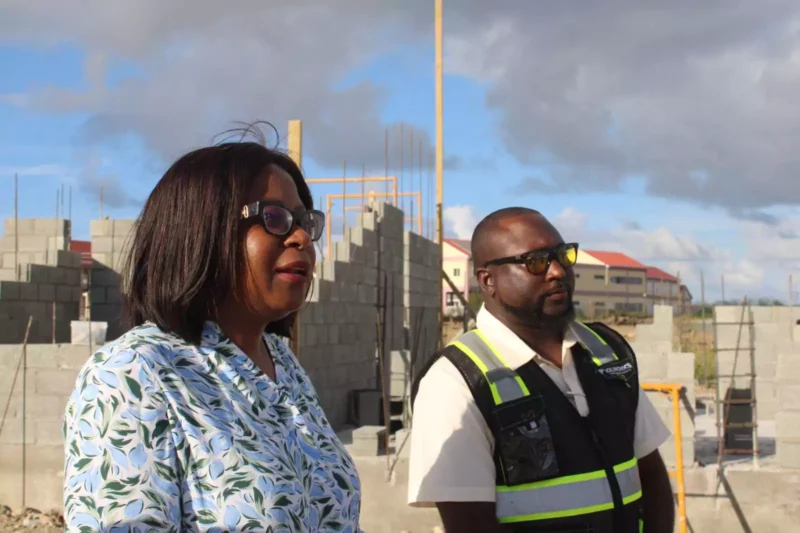
    This week, the development site welcomed a formal progress review led by Michael Freeland, the country’s Minister of State for Tourism and Member of Parliament for St. George, alongside Karen-Mae Hill, Antigua and Barbuda’s High Commissioner to the United Kingdom. The pair walked the entire construction zone alongside the project’s core leadership to inspect ongoing work and discuss next steps for delivery.

    According to Prince Charles, lead project manager for the redevelopment, work is advancing steadily on three purpose-built hard courts designed to host basketball, netball and volleyball competitions. Each court will include shaded covered seating that can accommodate approximately 225 spectators per facility, creating a comfortable viewing space for attendees at future community and national events. Agile Courts Construction, the contracted firm leading delivery of the court amenities, is currently handling resurfacing work as well as the installation of new perimeter fencing, upgraded event lighting, and other critical supporting infrastructure across the hard court zone.

    Beyond the dedicated court spaces, the redeveloped Potters Playing Field will also feature a dual-use open field calibrated for both football and cricket matches. Site crews have already completed core drainage work for the open field, and are on schedule to lay grass sod across the entire area in August, ahead of the final September completion target for sporting facilities.

    Officials confirmed during the site visit that the entire multi-sport complex is projected to reach substantial completion by September 30, more than a year ahead of the 2026 CHOGM, which will bring heads of government and senior diplomatic representatives from across the Commonwealth bloc to Antigua and Barbuda between November 1 and 4, 2026. The timeline ensures the facility will be fully operational and ready to support event activities and guest engagements during the international gathering.

    In addition to reviewing construction timelines, the walking tour included in-depth discussions on three key secondary priorities for the site: upgraded security protocols to protect visitors and event attendees, improved pedestrian access pathways to connect the complex to nearby neighborhoods and transportation routes, and adaptive reuse plans for existing Public Works buildings located on the property. The current structures will be renovated and repurposed to house new administrative offices for the complex and dedicated workshop spaces for maintenance and event operations, eliminating the need for new construction and reducing the project’s overall environmental footprint.

  • Classroom to community in fight against crime

    Classroom to community in fight against crime

    When the 2024 academic year kicks off this September, Barbados will roll out a groundbreaking mandatory community service programme for all secondary school students, designed to address rising youth crime and strengthen core civic values across the island nation. Education Transformation Minister Chad Blackman announced the initiative, dubbed “60 at 60,” during a parliamentary address, framing the programme as a proactive, prevention-focused complement to stricter law enforcement measures targeting gun-related offences.

    Under the new rules, all students seeking to complete their secondary education must complete 60 hours of approved community-focused activity before graduation. Participants can choose to work with civic organizations, join uniformed youth groups, or participate in organized team sports to meet the requirement. This marks the first time Barbados has integrated a mandatory civic engagement component into its formal national secondary curriculum.

    Speaking to lawmakers, Blackman emphasized that the initiative moves far beyond traditional academic benchmarks. Its core mission is to shape responsible, community-oriented citizens by instilling critical soft skills that formal classroom learning often overlooks: discipline, collaborative teamwork, empathetic communication, and constructive conflict resolution. These skills, he argued, are essential to guiding young people away from delinquent behaviour and addressing the deep-rooted social factors that push youth toward crime.

    “Many young people earn strong grades and follow all the rules, but qualifications alone are not enough to build a strong nation,” Blackman told Parliament. “If young people leave school without the right mindset—without empathy, without knowing how to resolve conflict peacefully, without a sense of shared responsibility to their communities—we have failed them.”

    The minister noted that criminal behaviour rarely develops overnight. Individuals facing gun-related charges do not turn to crime by random chance; instead, their paths are often shaped by underlying social gaps, including peer pressure, the absence of a stable guiding adult figure in the home, and a lack of positive extracurricular engagement. By placing young people in structured community settings early in their education, the government aims to intervene before at-risk youth turn to harmful activity.

    To support the successful launch of the programme, Blackman has issued a renewed public call for volunteer mentors across Barbados. He stressed that the call is open to all community members, not just men—pointing to the decades of critical leadership women have provided through longstanding youth groups like Cub Scouts, Brownies, and Girl Guides. Retired residents and working professionals alike are invited to donate a few hours of their time to support the initiative, which forms a core part of the government’s broader national youth development strategy.

    “Our goal is to give young people the tools, values and discipline they need to thrive long after they leave school, and to make our entire nation proud,” Blackman said. “When community members step up to mentor our youth, they help build a stronger, safer Barbados for everyone.”

    Addressing ongoing concerns about the creeping culture of illegal gun ownership across the island, Blackman reaffirmed Barbados’ commitment to confronting the crisis head-on. He pushed back against the dangerous normalization of gun violence that has spread on social media, where some young people now brandish illegal firearms as if they are characters in a Hollywood film. There is no room for tolerance or indifference toward this harmful trend, he insisted.

    The minister also called on parents, families and community leaders to work together to reframe public perception of gun-related crime: gun charges should never be viewed as a badge of honor among young people, he said, and there is nothing respectable or impressive about appearing in court on firearms offences.

  • Wanted man turns himself in after police appeal

    Wanted man turns himself in after police appeal

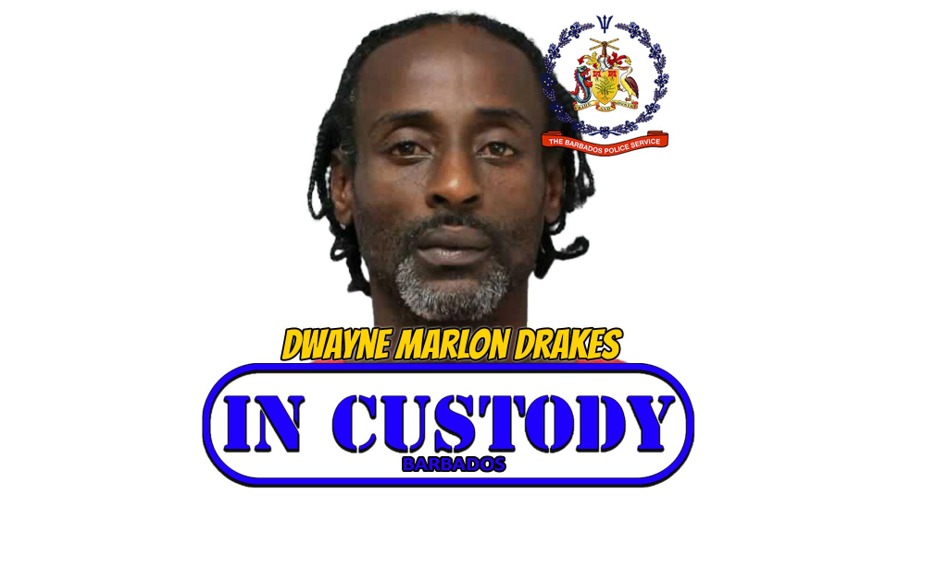
    A wanted Barbadian man linked to severe criminal cases has turned himself in to law enforcement, closing an intensive 24-hour search that relied on public cooperation. Dwayne Marlon Drakes, who is also known by the alias ‘Oily’, presented himself at the Holetown Police Station on Wednesday, one full day after the Barbados Police Service issued a public wanted bulletin asking citizens to share any information about his location.

    TBPS confirmed that following Drakes’ voluntary surrender, the suspect is currently cooperating with detectives as they advance their investigations into the serious criminal matters he is connected to. Law enforcement officials also extended formal gratitude to both members of the general public and regional media outlets, who responded swiftly to the Tuesday appeal and supported the investigation through the sharing of information and widespread circulation of the wanted notice.

  • Prison reform ‘to target recidivism, rehabilitation’

    Prison reform ‘to target recidivism, rehabilitation’

    Barbados is moving forward with an ambitious, comprehensive overhaul of its national prison system, centered on shifting from a purely custodial model to one prioritized on rehabilitation, reduced recidivism and the dismantling of internal criminal networks, Home Affairs Minister Gregory Nicholls has announced. The initiative forms a core pillar of the country’s broader national crime prevention strategy, with a targeted focus on transforming Dodds Prison as the first major site of reform.

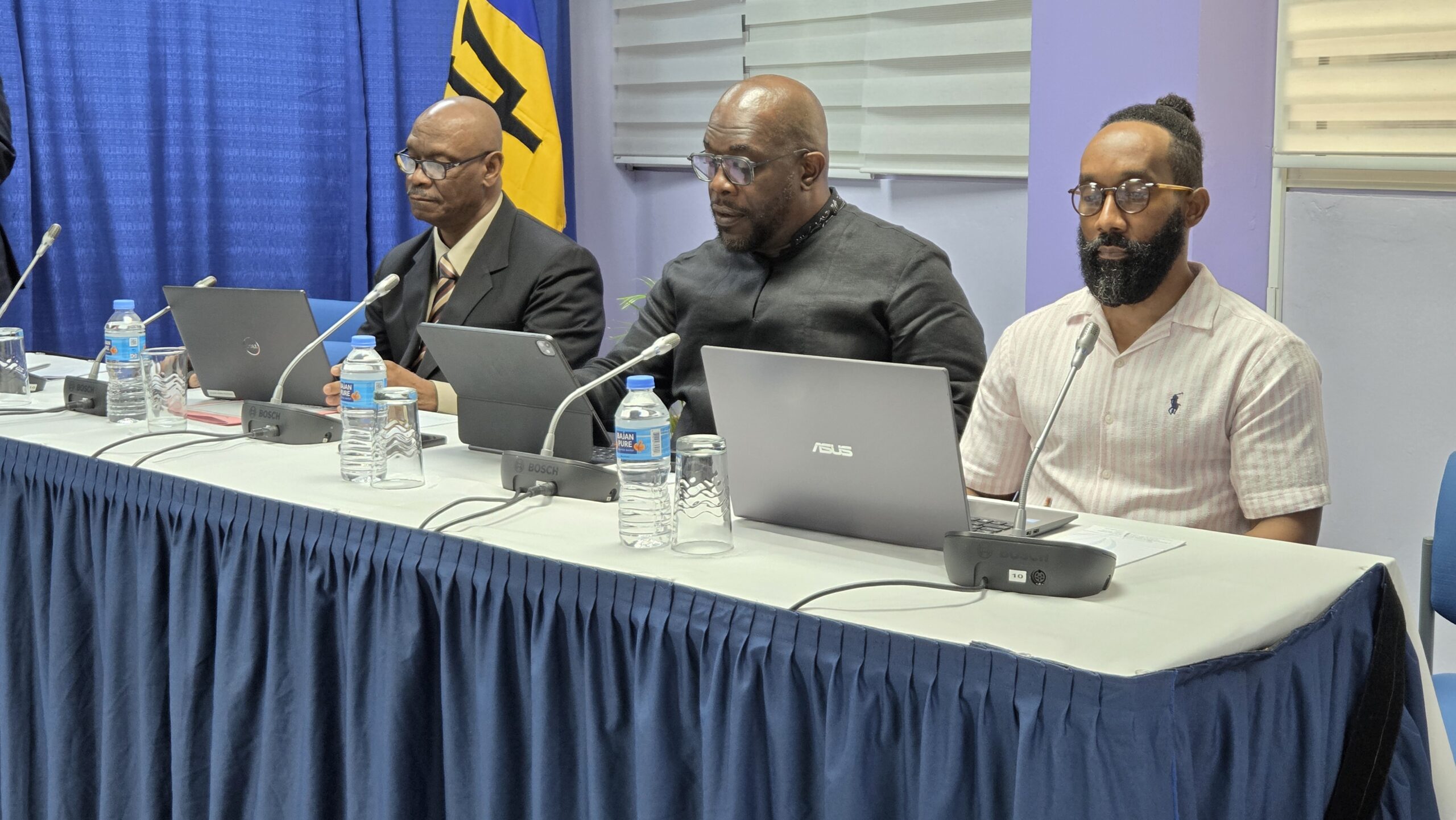
    Speaking on the second day of the Barbados Probation Service’s “Modern Perspectives on Sentencing and Penal Reform” symposium held at the Lloyd Erskine Sandiford Centre, Nicholls emphasized that failing to move beyond the outdated model of merely housing inmates would only perpetuate the cycles of crime that have long plagued the country. “Effective prison systems have to rehabilitate offenders, have to break the strength of the criminal networks inside the prisons and reinforce nonviolent norms and identities,” the minister stated.

    Nicholls pointed out that crime disproportionately impacts young men across Barbadian society, and the current largely custodial system has only strengthened criminal networks while failing to cut reoffending rates. To reverse this trend, he said, national security frameworks must be reformed to reduce community violence, with the modernization of penal institutions serving as a critical first step.

    A central target of the six-year transformation plan is cutting recidivism by 30 percent, reshaping traditional prisons into dynamic rehabilitation centers that improve offender reintegration, reduce in-prison violence and build stronger institutional resilience. To achieve this goal, the plan outlines multiple interconnected strategies, starting with the introduction of evidence-based programming designed to drive lasting behavioral change. These programs include structured rehabilitation courses, cognitive behavior therapy, substance abuse treatment, violence intervention training and conflict resolution workshops.

    Nicholls rejected the status quo of confining inmates to cells with only one to two hours of yard time daily as an ineffective approach that does nothing to prepare offenders for release. Instead, the reform plan embeds comprehensive education and skills training into daily prison routines, including Technical and Vocational Education and Training (TVET) certification in high-demand fields such as construction, information and communications technology, agriculture and maritime skills. For inmates who have never earned formal basic qualifications, the system will also expand literacy and numeracy programming, and officials are currently reviewing a proposal from the University of the West Indies to establish a tertiary education pipeline that allows inmates to pursue higher education while incarcerated.

    The reform strategy also prioritizes targeting high-risk groups, including young men involved in gang activity, drug trafficking and firearms-related offenses who remain vulnerable to outside criminal influence even while incarcerated. Additional measures to cut in-prison violence include the launch of peer mentorship programs and the adoption of a formal restorative justice framework that centers accountability and healing over punitive isolation.

    A core end goal of the entire transformation is to ensure that offenders leave prison prepared to rejoin society as productive, contributing citizens. To support this, the plan establishes a national reintegration program that covers pre-release planning, stable housing placement, employment support and sustained connection with family members. An existing prison aftercare committee has been tasked with expanding its mandate far beyond its current role of providing basic clothing and small stipends to releasing inmates. The committee will now work directly with private sector businesses, non-governmental organizations and government bodies, drawing on national crime prevention budgets to develop sustained support programs for returning citizens.

    Nicholls also highlighted efforts to expand job placement partnerships with the private sector, create new apprenticeship opportunities for ex-offenders, strengthen second-chance employment frameworks and challenge the cultural taboos that create unnecessary barriers to work for people with criminal records. Completing the core reform priorities are plans to upgrade outdated prison infrastructure, increase and train staffing levels, and integrate smart security technology into daily operations.

    Speaking on the same panel alongside Nicholls, Dodds Prison Superintendent DeCarlo Payne reaffirmed the shared vision for reform, noting that the sector’s goal is no longer simply to contain people, but to prepare them for successful reintegration into community life. Payne outlined that several behavioral, educational and vocational training initiatives are already up and running at Dodds Prison, and these early programs have already begun to deliver positive results.

    Payne added that the current Prisons Act is archaic and ill-suited to the new model of corrections, meaning comprehensive legislative reform is a critical prerequisite for rolling out all planned changes. New operational frameworks including ankle monitoring for low-risk offenders, expanded parole, community service sentences and transitional housing all require formal monitoring structures, leading to calls for the establishment of a dedicated parole department.

    Payne emphasized that the full transition from a traditional prison service to a modern Department of Corrections will require targeted investment in infrastructure, formalized institutional restructuring and full implementation of new operational frameworks. While a corrections headquarters is already included in existing planning, Payne said officials will revisit the proposal to speed up its activation. Additional key priorities for the transition include policy reform, ongoing staff training, institutional cultural transformation, full technological integration, sustained investment in rehabilitation programming and focused, adaptive leadership across the sector.