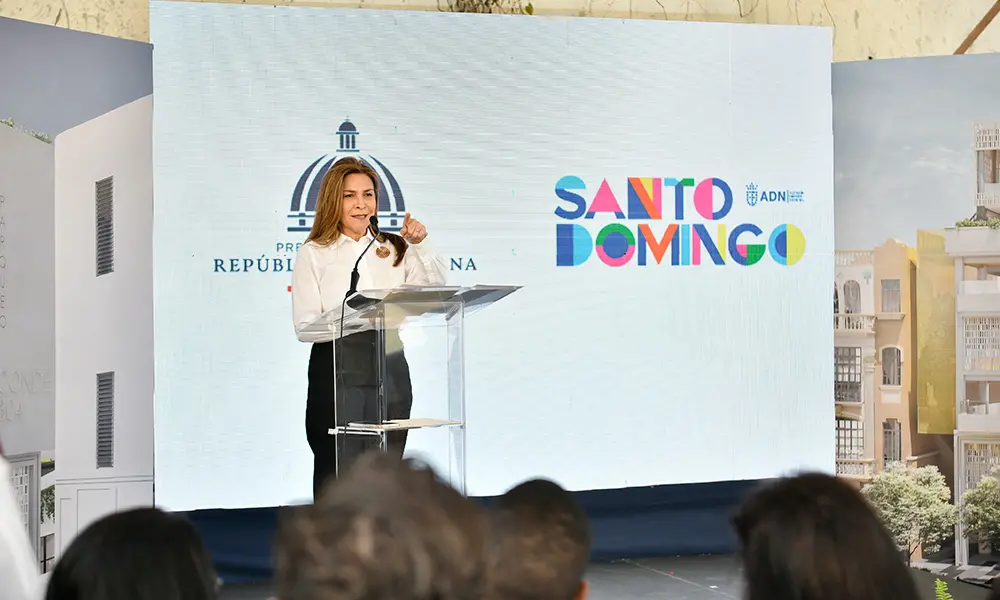
SANTO DOMINGO — A major infrastructure initiative to address longstanding parking challenges in one of the Dominican Republic’s most culturally significant districts has officially broken ground. National District Mayor Carolina Mejía joined representatives from the national presidency to mark the launch of the new José Reyes parking garage project, a 950 million peso development crafted to relieve chronic parking scarcity and upgrade urban mobility across the Colonial City historic zone.
Replacing an outdated, smaller parking structure that currently occupies the intersection of José Reyes and El Conde streets, the new facility is engineered to deliver a far better experience for three core groups: local residents who live and work in the area, small business owners who rely on accessible visitor access, and the millions of domestic and international tourists who travel to the Colonial City each year to experience its UNESCO-listed historic architecture and cultural heritage. The entire design centers on three pillars: improved organization, greater accessibility for all users, and long-term environmental sustainability.
Across its planned seven levels, the garage will hold space for approximately 242 vehicles, with a range of specialized spots to meet diverse community needs. This includes dedicated accessible parking spaces for people with disabilities, separate secure zones for motorcycle parking, and built-in electric vehicle charging stations to support the growing number of EV owners in the country.
Beyond core parking functionality, the development will add new community and commercial value to the neighborhood. It will include ground-floor commercial space for local businesses, and a flexible rooftop area that will be available for lease for events or commercial use. The project also incorporates a range of cutting-edge modern systems, such as automated vehicle access control, 24/7 digital surveillance, full elevator access for all levels, energy-saving sensor-activated lighting that reduces power waste, and a rainwater harvesting system to cut down on potable water use for facility maintenance. Per the project timeline, construction is scheduled to conclude within 22 months, bringing the upgraded facility online for public use by late 2026.