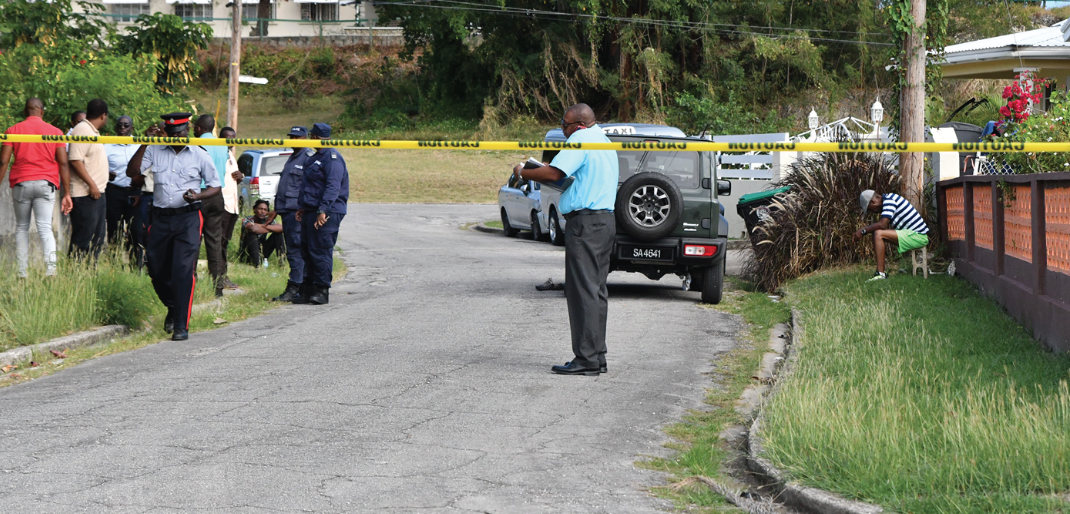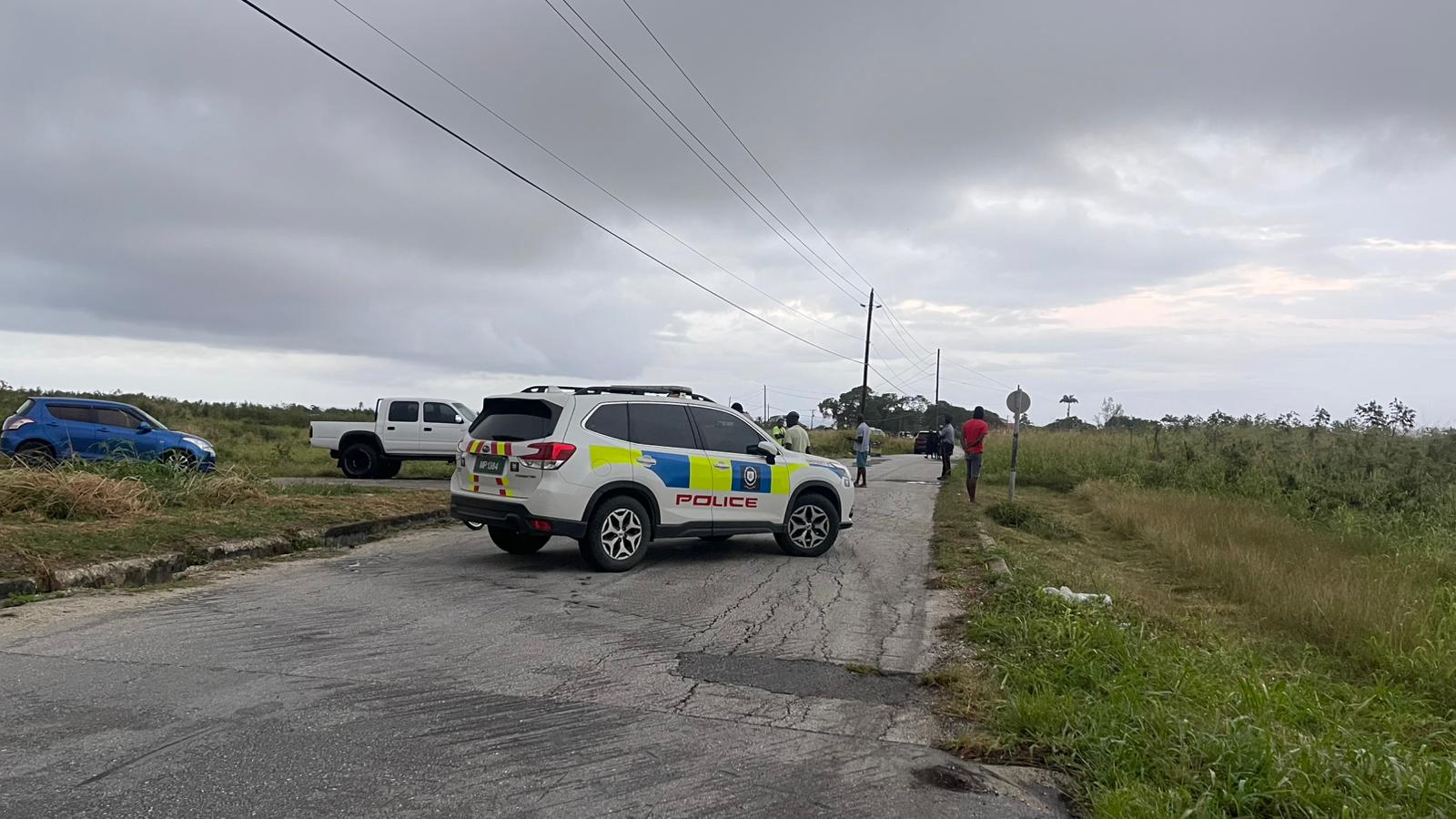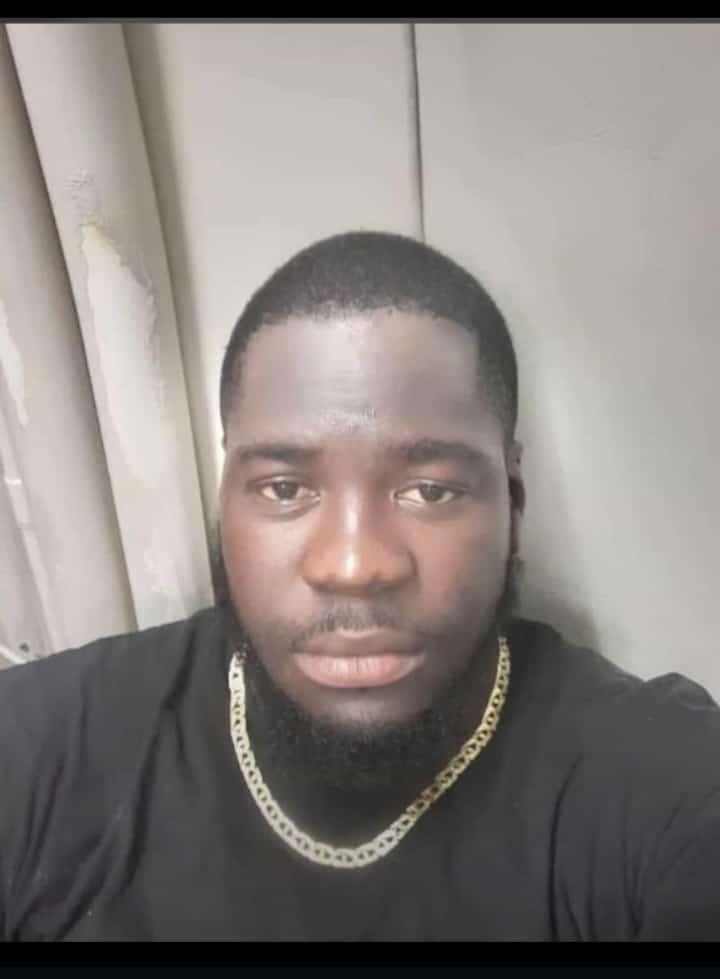
A wave of grief has swept through the Checker Hall community in St Lucy following a fatal shooting incident that claimed the life of 28-year-old Romario Archer. The tragedy unfolded late Sunday evening when unidentified assailants opened fire from a dark-colored vehicle outside a local bar, leaving multiple casualties in what authorities are treating as a targeted attack.
According to eyewitness accounts, the violence erupted approximately at 10:50 p.m. during a karaoke social gathering at Fryers Well establishment. The shooting resulted in nine individuals sustaining various injuries, all of whom were promptly transported to nearby medical facilities for emergency treatment. Despite receiving urgent care at Sandy Crest Medical Centre, Archer succumbed to his wounds, marking the incident’s sole fatality.
In an emotional interview with Barbados TODAY, Sherwood Archer remembered his son as a devoted family man known for his compassionate nature and strong work ethic. ‘Romario was the embodiment of joy and kindness—a young man who cherished his relationships and approached life with unwavering enthusiasm,’ the grieving father stated, vehemently denying any involvement in criminal activities by his son.
The bereaved family has issued a heartfelt plea to Barbados’ youth, urging them to reject firearm violence and embrace peaceful conflict resolution methods. This appeal coincides with growing concerns about escalating violence across the island nation.
Political representatives have responded with calls for immediate action. Peter Phillips, Member of Parliament for St Lucy, visited the Archer family residence in Broomfield to offer condolences while emphasizing the necessity for strengthened legal measures. Phillips advocated for the reinstatement of capital punishment as a deterrent against what he termed ‘lawless acts threatening community safety.’
Democratic Labour Party representative Ian Griffith joined the mourning family, offering support and solidarity during their time of loss. Archer, who resided in Pie Corner with his partner, is remembered by community members as a vibrant individual whose potential was tragically cut short by senseless violence.