分类: society

  • Halo announces third year of free eye tests and glasses

    Halo announces third year of free eye tests and glasses

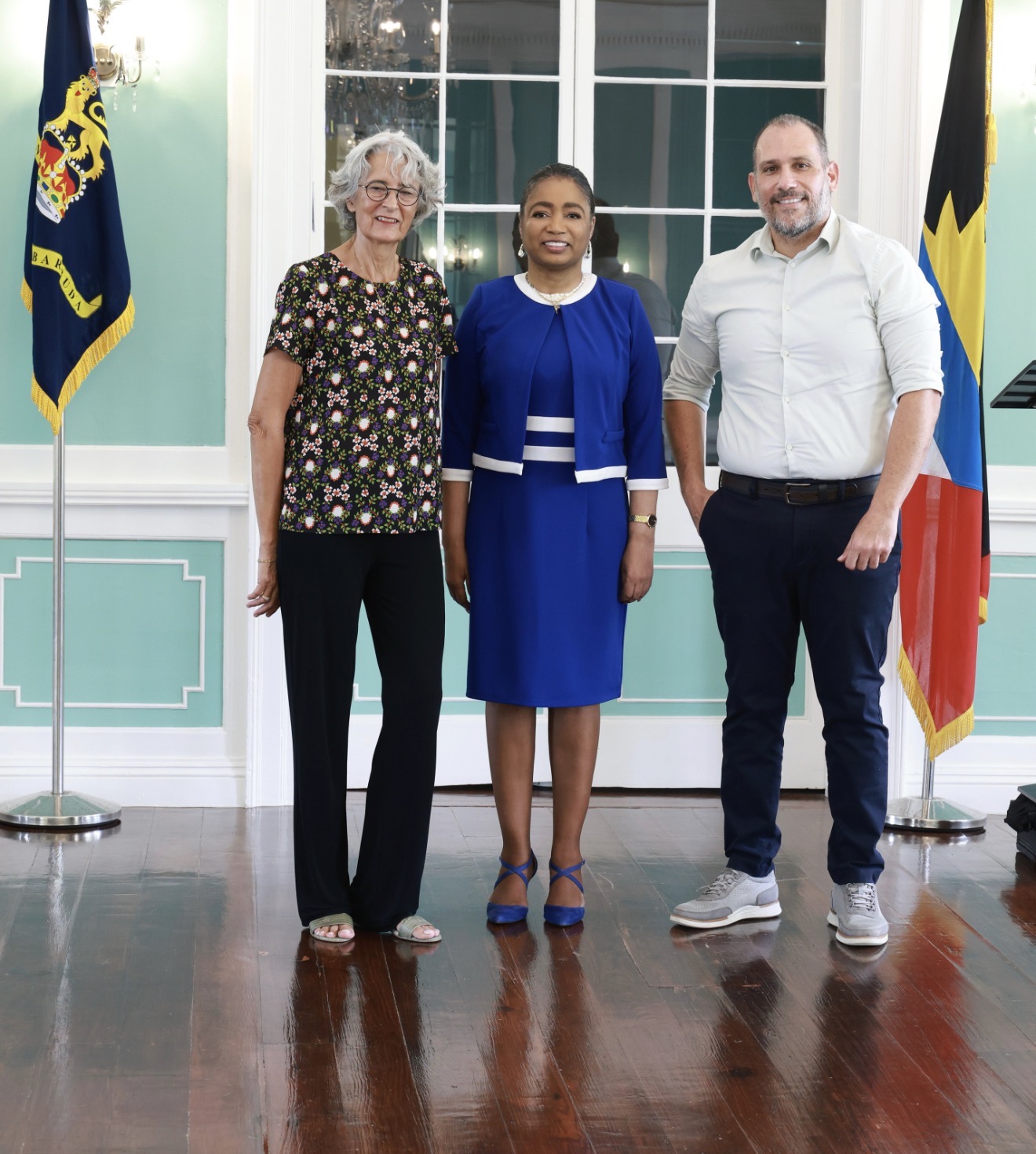
    A life-changing collaboration between three organizations is set to continue expanding access to critical vision care for underserved communities in Antigua and Barbuda, after partners confirmed the extension of their groundbreaking “Future Bright with the Gift of Sight Eye Care Initiative”. The program, a joint venture between the Antigua-based Halo Foundation and local healthcare provider Progressive Vision, has been made possible for three consecutive years through major funding and support from the Embassy of Switzerland in Antigua and Barbuda.

    From its launch, the initiative has centered on a core, equity-driven mission: to eliminate financial barriers that prevent vulnerable members of society from accessing the basic eye health services they need. For many low-income families, elderly residents, and children across the country, comprehensive eye exams and prescription eyewear have long been out of reach due to cost. Through the partnership, those gaps are being closed.

    To date, the program has delivered free, full eye examinations and custom prescription eyeglasses to more than 300 people, spanning children, elderly citizens, and other marginalized groups that face disproportionate barriers to healthcare. Each recipient has gained not just clearer vision, but improved access to education, work, and daily quality of life that many take for granted.

    Her Excellency Lady Williams, founder and president of the Halo Foundation, shared deep gratitude for the ongoing commitment from all partners, highlighting the Swiss Embassy’s foundational role in the initiative’s success. “We are endlessly grateful to the Embassy of Switzerland for recognizing the transformative impact of this work and choosing to invest in the health and wellbeing of the people of Antigua and Barbuda,” Williams said.

    The Halo Foundation also extended formal recognition to Progressive Vision’s lead clinician Dr. Salem Zreibi and his entire care team, whose on-the-ground professional expertise has been central to the program’s impact. Their consistent dedication to delivering patient-centered, compassionate care has ensured that every person served through the initiative receives the high-quality treatment they deserve, laying the groundwork for years of continued success as the program enters its third year of operations.

  • Firearm-Related Crimes Rise 33% in Antigua and Barbuda

    Firearm-Related Crimes Rise 33% in Antigua and Barbuda

    Against a backdrop of falling overall crime rates across Antigua and Barbuda, a troubling 33 percent annual jump in firearm-related offenses has emerged as a critical public safety threat, the nation’s Prime Minister Gaston Browne has publicly confirmed.

    Speaking during an appearance on the locally broadcast Browne and Browne Show this past Saturday, Browne laid out the stark new data: from January to the current point of 2026, the country has recorded 24 incidents involving firearms, a sharp rise from the 18 such incidents logged across the full year of 2025. That 33 percent increase marks an alarming shift for a small Caribbean nation that has historically not experienced high levels of gun-related violence.

    “We are confronting a major problem with the rapid escalation of illegal firearms in our communities,” Browne told listeners, emphasizing that the uptick in gun incidents is deeply unsettling for a country unaccustomed to this level of violent gun activity. Browne added that illegal firearms are increasingly being deployed to carry out armed robberies and fatal attacks, turning the spread of unregistered weapons into one of the most urgent public safety challenges the country currently faces.

    Even as law enforcement agencies have made progress in removing illegal guns from circulation, with 44 unregistered firearms seized from public streets over the first eight months of this year alone, Browne noted that the large volume of recovered weapons actually deepens concerns about the total number of illegal guns still unaccounted for and circulating across the twin-island nation.

    The growing gun violence crisis was recently added to the agenda of the country’s National Security Council, where top officials gathered to assess the scope of the problem. During that meeting, representatives reviewed potential sources of the illegal weapons entering the country and drafted targeted counterstrategies to block smuggling and curb the underground circulation of unregistered firearms. Browne confirmed that the council has developed concrete operational plans, but he declined to share sensitive tactical details to avoid undermining ongoing enforcement efforts.

  • Korhopa-Matta krijgt SRD 1 miljoen voor renovatie gemeenschapsruimte

    Korhopa-Matta krijgt SRD 1 miljoen voor renovatie gemeenschapsruimte

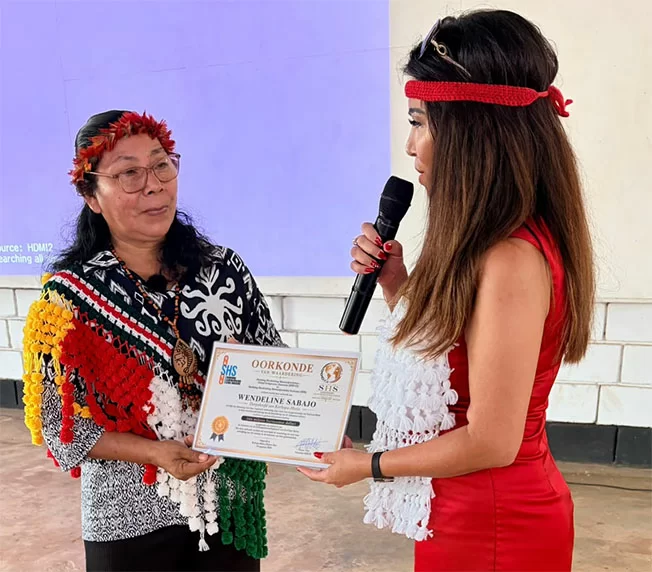
    An indigenous Lokono community in Suriname, Korhopa-Matta, has taken a major step forward in community-led development after securing a 1 million Surinamese dollar grant and signing a long-term partnership framework with the Stichting Herdenking Slavernijverleden – Global Indigenous Amazone (SHS-GI) last Friday. The agreement, formalized via a signed Memorandum of Understanding (MoU), included a symbolic handover of the funding to village head Wendeline Sabajo during a public community gathering.

    The grant is earmarked for the urgent renovation of Wasjikwa, the community’s central shared recreational and gathering space. Translating to “the house” in the Arawak language spoken by the Lokono people, Wasjikwa hosts a wide range of local activities, from skills training sessions and community meetings to collective cultural events. The aging structure has long been in need of critical maintenance to continue serving the village’s growing needs.

    Beyond infrastructure upgrades, the newly formalized partnership covers a broad spectrum of community priorities. The MoU outlines joint work across eight key areas: cultural heritage preservation, historical documentation, academic research, youth development, digital ICT access, sports programming, and broad-based economic and social development. A core guiding principle embedded in the agreement is full community autonomy: Korhopa-Matta retains full decision-making power over all development directions, with the partnership built on values of consensus, transparency, and respect for traditional indigenous governance. SHS-GI’s role is framed as supportive, focused on providing resources and connecting the community to broader networks rather than directing initiatives.

    Ahead of the MoU signing, Sabajo delivered a presentation outlining the community’s existing challenges and long-term development goals. Among these priorities are expanding economic opportunities for young residents, strengthening local economic resilience, and developing sustainable community-led tourism. Korhopa-Matta has also issued an open call to independent entrepreneurs and other potential partner organizations to explore collaborative projects that align with the community’s needs and values.

    During the gathering, attendees also addressed ongoing systemic challenges facing the community. In a positive update for local education, it was announced that every Matta student who recently completed primary leaving examinations passed and qualified to advance to secondary education. Despite this milestone, significant barriers remain: reliable transportation and adequate boarding for indigenous students who must relocate to urban centers for secondary schooling continue to be unmet critical needs.

    Agricultural challenges were also discussed, with the community reporting widespread cassava crop failure caused by an emerging plant disease, threatening local food security and livelihoods. The new partnership will prioritize work to build the community’s resilience to such shocks, aligned with Korhopa-Matta’s core commitment to collective self-reliance. Beyond these immediate issues, the community highlighted that many indigenous villages across the region lack basic essential services, including clean drinking water, sports infrastructure, and safe recreational spaces for children.

    The gathering also centered the rights of indigenous communities in natural resource governance. Initiative leaders emphasized that indigenous villages currently bear the full brunt of environmental and social harms from extractive activities, including gold mining and logging, yet see very little of the economic benefits generated from resources on their traditional lands. The event also included a commemoration of historic indigenous resistance leaders including Kaikoesi, Tonay, Priyari, Arybare, and Sowana, drawing a clear line between the 19th and 20th century fights for land, dignity, and indigenous rights and the contemporary movement for recognition and self-determined development.

    With the signed MoU now exchanged, the formal partnership has officially launched. Both parties are now moving forward to translate the agreement’s broad commitments into concrete, actionable projects for the Korhopa-Matta community. Emphasizing the transformative nature of the work, SHS-GI initiative leaders noted: “This is not charity. It is an investment in the strength, knowledge, governance capacity, and future of Korhopa-Matta.”

  • Vehicle accident at Fond Cole near Coast Guard Base

    Vehicle accident at Fond Cole near Coast Guard Base

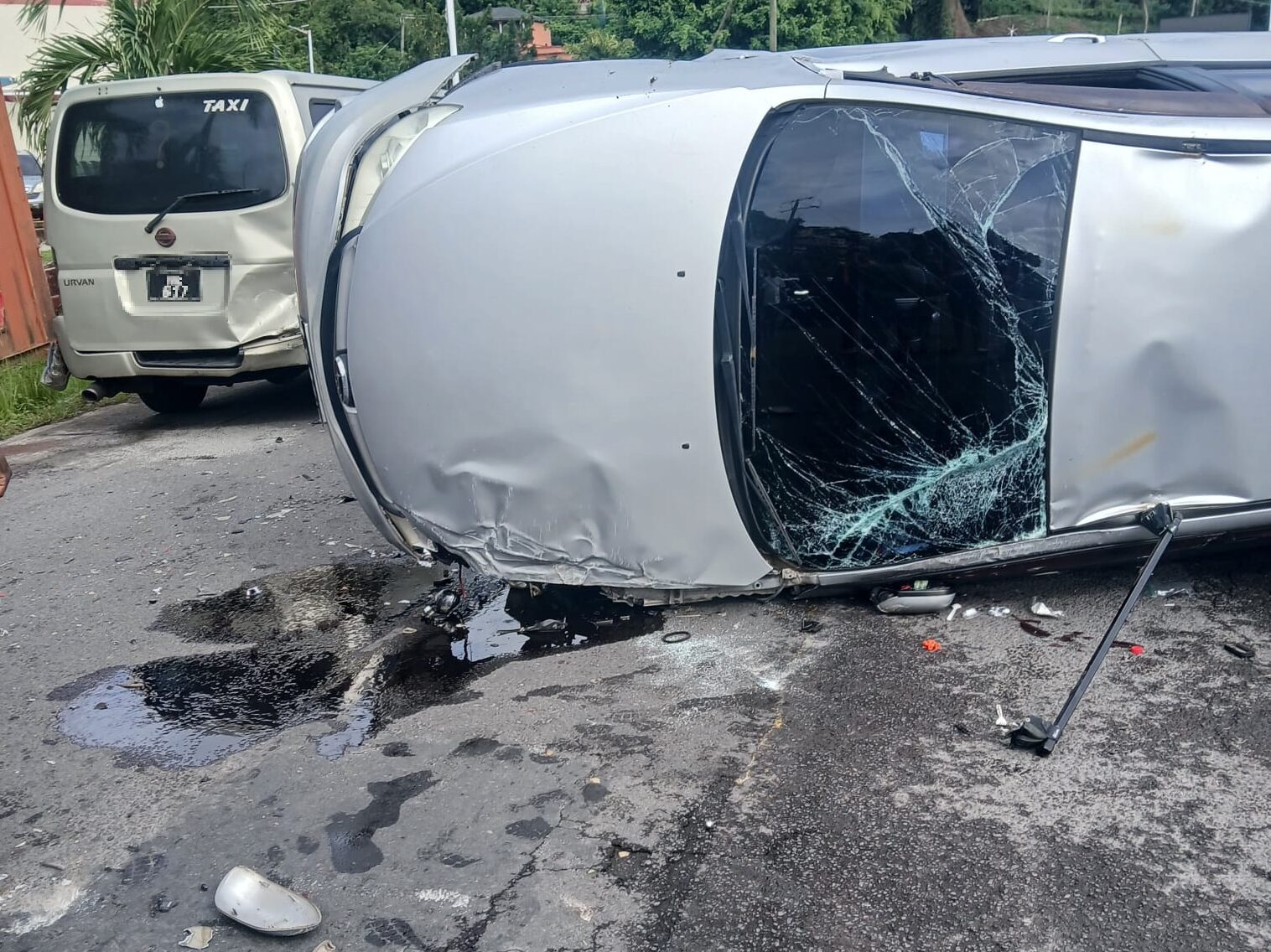
    A sudden traffic incident has disrupted movement along a roadway in Fond Cole, Dominica, after a vehicle overturned onto its side close to the area’s Coast Guard Base. This breaking news was first confirmed by sources in contact with Dominica News Online (DNO), which received initial details of the crash moments after it occurred.

    As of the publication of the initial report, the overturned vehicle has not yet been removed from the roadway, and it is unclear what impact this is having on local traffic flow in the area. Full information about the circumstances leading up to the crash, including potential contributing factors such as weather conditions, road hazards, or the number of additional people involved in the incident, remains tightly limited at this early stage of investigations.

    What local news outlets have confirmed is that the driver of the overturned vehicle has received emergency medical response: emergency services transported the individual via ambulance to Dominica’s China Friendship Hospital to receive urgent care for any injuries sustained in the crash. DNO has announced that it will continue to follow developments in this incident closely and will release additional details and official updates as they become available to the public.

  • Family Seeks Help for Damian Shadrach After St. Maarten Shooting

    Family Seeks Help for Damian Shadrach After St. Maarten Shooting

    A Caribbean community is rallying around a young shooting survivor after a violent armed robbery left him with life-altering injuries in St. Maarten last month, prompting his family to launch a urgent public appeal for financial support to fund his long path to recovery.

    Damian Shadrach, son of Vincent Shadrach Sr. and Wendy Ann Theophile, was shot in the left side of his head on July 17 when he stepped in to intervene during an armed robbery in progress, according to the formal fundraising notice shared by his relatives across local communities and social platforms. Though Shadrach survived the close-range gunshot wound, the attack left him with catastrophic neurological and structural damage that has demanded aggressive, ongoing medical intervention to date.

    So far, the 23-year-old (no official age released, confirmed as adult patient) has pulled through two complex high-risk surgeries, but his care journey is far from over. His family confirms that a third major procedure — a critical bone flap surgery to repair skull damage from the shooting — is still scheduled, followed by months of intensive physical and neurological therapy to help him rebuild basic strength and mobility. Compounding the existing medical costs are travel expenses required to transfer Shadrach back to his home community for long-term outpatient care and family support, a logistical step that clinicians say will be key to his long-term recovery.

    “Every donation, no matter the size, moves us one step closer to getting Damian the care he needs to rebuild his life,” the family’s appeal reads. “Even a small share of our fundraiser helps us reach more people and brings us closer to the hope we’re clinging to right now.” Beyond financial contributions, the family is asking members of the public to hold Shadrach in their thoughts and prayers as he navigates the grueling rehabilitation process.

    Donations can be sent directly to an ACB bank account registered under Tedra Shadrach, a family member handling fundraising logistics, and additional information about Shadrach’s status or how to contribute is available via the contact phone number the family has released publicly. The appeal comes as the family confronts the reality that Shadrach’s recovery will stretch across many months, with cumulative medical and logistics costs far outpacing their ability to pay out of pocket. In closing the appeal, the family expressed gratitude for every show of support: “Thank you for your love, support, and prayers as Damian fights to recover.”

  • Blackmore highlights family laws designed to strengthen protection for vulnerable groups

    Blackmore highlights family laws designed to strengthen protection for vulnerable groups

    The Caribbean nation of Dominica has updated its national legal architecture to better address family conflict and abuse, after Parliament approved a wide-ranging suite of new family-focused legislation in April 2023. National Security and Legal Affairs Minister Rayburn Blackmore has outlined the key changes and goals of the transformative reform package, which was developed through the work of a dedicated ministerial subcommittee.

    The legislative package consists of five interconnected bills, each targeting a critical gap in the country’s existing family protections framework. Together, the new laws cover five core priority areas: child welfare and protection, the legal standing of children, response to domestic violence, financial support for child upkeep, and financial assistance for dependent spouses, parents and grandparents who cannot support themselves.

    According to Blackmore, the overarching purpose of the legislative overhaul is to establish stronger legal safeguards for the nation’s most vulnerable groups: women, children, elderly persons, and at-risk families. Beyond strengthening protections, the reforms also equip government agencies and law enforcement with clearer rules and expanded authority to intervene more efficiently in abuse cases and family legal disputes.

    A closer look at the measures reveals a series of practical, user-centered updates to Dominica’s systems. For children, the laws embed a “best interest of the child” standard into all foster care and adoption processes, and grant equal legal status to all children regardless of whether their parents are married. For domestic violence survivors, the new framework streamlines the process to obtain court-issued protection orders and expands the powers of police to respond to emergency cases. Updated enforcement mechanisms have also been rolled out to ensure consistent compliance with child and spousal maintenance orders.

    Critically, the legislative changes also establish a new formal leadership role of Director of Services, and expand accessible pathways for abuse survivors to access social assistance, mental health support and other critical resources. Blackmore detailed that any report of child abuse submitted to police or the national Social Services Department triggers a mandatory full investigation, with affected minors placed in suitable foster care arrangements and provided with professional counselling when needed.

    In closing, Blackmore emphasized that legislative change alone is not enough to protect vulnerable members of Dominican communities. He called on all citizens to take an active role in safeguarding children and young people, both in their own families and across local communities, and to immediately report any suspected abuse or inappropriate conduct involving minors. He also clarified that counselling and support services are available not only to direct abuse victims, but also to other family members impacted by abuse, urging anyone in need to utilize these publicly available resources.

  • What should a tenant do if they believe a rent increase is unjustified?

    What should a tenant do if they believe a rent increase is unjustified?

    In Santo Domingo, unregulated unilateral rent increases have emerged as a widespread systemic issue, leaving countless Dominican tenants vulnerable to exploitative practices where property owners shift unfair financial burdens onto renters for private gain. To clear up widespread confusion around existing rental regulations, administrative and civil procedure law expert Jonathan del Rosario has outlined the clear protections established under the country’s Decree No. 4807.

    Under this longstanding housing policy, property owners have no legal right to raise rental rates without the explicit written consent of their current tenant. The only exception to this rule is if a rent adjustment has received formal authorization from the national Housing Rent Control and Evictions Office, the governing body tasked with overseeing fair rental practices across the country.

    The decree also includes reciprocal protections for tenants facing excessive rental costs. Article 17 of the legislation explicitly grants tenants the right to file an official rent reduction request with the Control Office if they believe their current monthly rate is unfair. To complete this process, tenants must submit proof that they have no outstanding monthly rent payments, along with documentation that lists their current rental rate, the specific reduction they are requesting, and the justifications for their appeal.

    Per regulatory guidelines, the Control Office is authorized to approve a rent reduction if the current rate is deemed abusive, specifically if it exceeds 1% of the total property value including the underlying land. Even with these clear rules in place, del Rosario notes that many landlords continue to flout regulations, refusing to accept any rent payment that does not reflect their demanded unjustified increase.

    For tenants facing this illegal action, del Rosario outlines a clear legal recourse: tenants must initiate a formal process of Official Offers of Payment followed by consignment of funds. This procedure is managed by a court-appointed bailiff, who first formally presents the full agreed-upon regular rent payment to the landlord. If the landlord refuses to accept the lawful payment, the bailiff deposits the total funds in an escrow account held by the Agricultural Bank. The official receipt issued after this deposit legally clears the tenant of any alleged rent arrears, protecting them from eviction proceedings.

    When ruling on rent adjustment requests, whether for increases or reductions, the Control Office is required to follow strict evaluation criteria laid out in Article 18 of Decree No. 4807. First, regulators must prioritize the official property appraisal completed by the General Directorate of the National Cadastre, including any adjustments made to the property’s valuation after the initial assessment. If no formal cadastral appraisal exists, the office must conduct a on-site evaluation of the property, taking into account its physical condition and overall state before reaching a decision.

    Contrary to common misinformation, the Control Office does not have the authority to set new rental rates arbitrarily. All adjustments must be rooted in the official cadastral valuation of the property alongside other relevant contextual factors. Additionally, Article 19 of the decree explicitly bans any rent adjustment of any kind within the first five months of a new lease agreement, giving tenants financial stability in the initial period of their tenancy. For context, a cadastral appraisal is an official property valuation conducted by the National Cadastre Directorate that accounts for key factors including the property’s location, total square footage, and overall physical condition to establish its fair market value.

  • Four injured, traffic obstruc: Tree falls on Las Américas highway

    Four injured, traffic obstruc: Tree falls on Las Américas highway

    On Saturday, a sudden incident disrupted traffic on one of Dominican Republic’s key arterial routes, Las Américas Highway, when a large tree collapsed onto the west-east bound carriageway close to the popular Doña Pula local venue. The falling vegetation did not only cause damage to multiple passing vehicles, but also left at least four people with injuries requiring immediate attention.

    Shortly after the tree fell, local law enforcement confirmed that the blockage has remained in place hours after the incident, with the affected stretch of highway still impassable for regular traffic. National Police spokesperson Diego Pesqueira outlined the immediate response measures put in place by local transportation and emergency authorities: to reduce widespread gridlock across the region, all vehicles traveling along the corridor are being rerouted to parallel service roads while specialized work crews work to clear the fallen tree from the main carriageway.

    Alongside clearing work, emergency response teams have also been on site providing medical support and logistical help to those caught up in the incident, evaluating the extent of damage to impacted vehicles and coordinating transfer for injured people to local healthcare facilities.

    Authorities have issued a formal public advisory asking all motorists planning to travel through the affected area to plan alternate routes wherever possible. For drivers who must pass near the incident site, officials have stressed the critical importance of exercising heightened situational awareness, maintaining much slower speeds than usual, and following all directional instructions posted by traffic management personnel.

  • A tropical wave will bring rain, thunderstorms, and strong gusts of wind this Sunday.

    A tropical wave will bring rain, thunderstorms, and strong gusts of wind this Sunday.

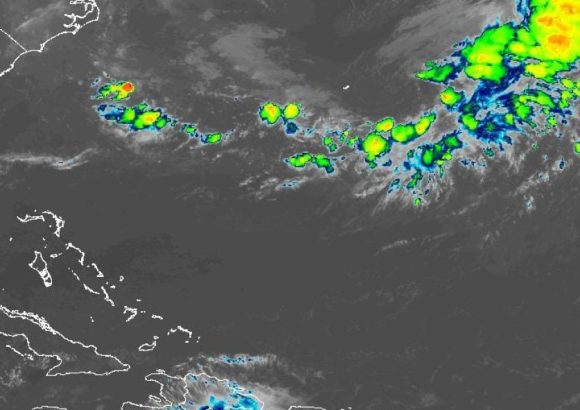
    The Dominican Republic is navigating a period of disrupted weather conditions this week, as a tropical wave positioned south of the island nation continues to create conditions ripe for widespread precipitation, thunderstorm activity, and strong wind gusts across multiple regions of the country, according to the Dominican Institute of Meteorology (Indomet).

    Meteorologists at Indomet confirmed that the system first began bringing scattered rainfall and sudden wind bursts to the southeast, Caribbean coastal zones, and the Central Mountain Range starting in the early hours of the reporting period. Looking ahead through the afternoon, the agency extended its rainfall forecast to cover those same three regions as well as the country’s border zone with neighboring Haiti. Once the sun sets, however, conditions are expected to steadily improve: rainfall intensity and coverage will gradually taper off as the tropical wave continues its westward track away from Dominican territory.

    Beyond rainfall, wind speeds have emerged as a key hazard linked to the system. Indomet has issued a formal warning that sustained moderate gusts ranging from 25 to 45 kilometers per hour are expected across much of the affected area, with some isolated locations — particularly along the country’s Caribbean coastline — recording even stronger bursts. These wind speeds carry a tangible risk of falling trees, broken tree branches, unsecured signage, and other loose debris being blown into public spaces, creating hazards for residents and motorists alike.

    Marine activities have also been heavily impacted by the tropical wave’s effects. The meteorological agency has issued urgent guidance for vessel operators along both the Dominican Republic’s Atlantic and Caribbean coastlines, urging owners and captains of small, fragile, and medium-sized watercraft to stay secured in port until conditions improve. Strong sustained winds and dangerous, unpredictable ocean swells have made nearshore navigation risky for smaller craft.

    To address the threat of urban flooding from predicted accumulated rainfall, Indomet’s National Forecast Center has kept a Level 1 weather alert active for four heavily populated regions: Greater Santo Domingo, San Cristóbal, Monte Plata, and Monseñor Nouel. Officials across the country have urged local residents to remain vigilant, keep up to date with the latest official weather updates from Indomet, and strictly follow any guidance and evacuation orders issued by national civil protection agencies to stay safe during the period of unsettled weather.

  • Results of seismic vulnerability study in the country

    Results of seismic vulnerability study in the country

    Recent devastating back-to-back earthquakes measuring above magnitude 7.0 that struck the Andean regions of Venezuela and Colombia in just 50 days have sent ripples of anxiety across the Dominican Republic, reviving long-held collective fears over what a similar seismic event could mean for the Caribbean nation. Local seismic experts are now sounding the alarm, calling for urgent preventive action to shore up the country’s built environment and close critical gaps in seismic preparedness.

    Leonardo Reyes Madera, director of the National Office of Seismic Evaluation and Vulnerability of Infrastructure and Buildings (ONESVIE), notes that no nation across the globe can claim to be fully ready to withstand a major earthquake. Even so, he argues that the Dominican Republic must prioritize immediate assessments and structural reinforcement for critical public infrastructure, including schools, hospitals, and other strategic facilities that form the backbone of the country’s emergency response and daily services.

    Madera, a leading engineering expert in seismic risk, told reporters that the Dominican Republic already has clear evidence of the challenge it faces. Even in the absence of major seismic activity, the country has recorded multiple unprovoked building collapses, highlighting pre-existing structural vulnerabilities that would be catastrophic during a major quake. “The collapses we have recorded in the country in different buildings, even without an earthquake having occurred, allow us to understand the challenge we have ahead of us before facing a major seismic event,” he said.

    Against this backdrop, Madera emphasized that proactive prevention must take center stage in national disaster risk management policy. Currently, three core priorities guide the country’s work: ongoing assessment of seismic vulnerability across all public and private infrastructure, expanded technical training for seismic assessment professionals, and sustained public awareness campaigns to build a national culture of seismic preparedness.

    As part of a multi-year assessment initiative running from June 2024 to June 2026, ONESVIE has already completed 4,718 vulnerability evaluations across the country. These assessments cover 3,345 buildings and 833 pieces of transport infrastructure, most notably bridges that are critical to national connectivity. Of the evaluated buildings, 2,853 are public facilities and 492 are private, with the highest concentration of assessments in heavily urbanized provinces including the National District and 31 other high-density infrastructure territories. The evaluated structures span a full range of critical public and private assets: health facilities, primary and secondary schools, universities, government administrative buildings, security and emergency facilities including fire stations, public service hubs, community centers, and residential housing.

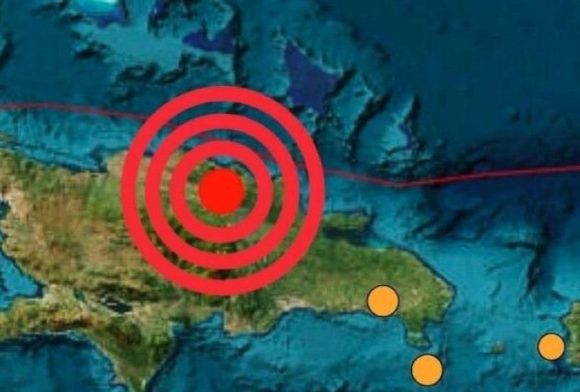
    The Dominican Republic’s geographic location puts it at inherently high seismic risk: it sits in a highly active tectonic zone where the Caribbean Plate and North American Plate interact continuously, making major earthquakes a constant geologic threat. Despite this, many members of the public underestimate the risk, a complacency Madera calls the country’s biggest barrier to preparedness. “That’s our first obstacle. The fact that, since earthquakes aren’t frequent, we think the earth won’t shake here,” he warned during a recent visit to leading Dominican outlet Listín Diario.

    During that appearance, Madera detailed the most at-risk structure types across the country. Buildings with pre-existing structural deficiencies, those constructed with substandard building materials, and structures built on unstable soil face the highest risk of severe damage or total collapse during a major quake — and this includes many of the country’s hospitals and schools, which serve large groups of people every day. Common vulnerabilities already identified in assessments include water leaks caused by deteriorating concrete, detached exterior cladding, exposed steel reinforcement, and foundation undermining. For educational facilities in particular, inspectors have repeatedly found dangerous captive columns, structural supports whose length is restricted by overlying structural elements, leaving them far weaker and more prone to failure during seismic shaking.

    To address these gaps, Madera has proposed the development of a more advanced national seismic risk monitoring and mitigation system. He also called for expanded training and certification for professionals affiliated with the Dominican Network of Structural Evaluators (REED), the national body that oversees infrastructure vulnerability assessments. Currently, ONESVIE has certified 950 REED professionals, but expanding this workforce will be critical to scaling up the country’s ability to identify and address structural vulnerabilities across all regions before a major event occurs.